Loading...
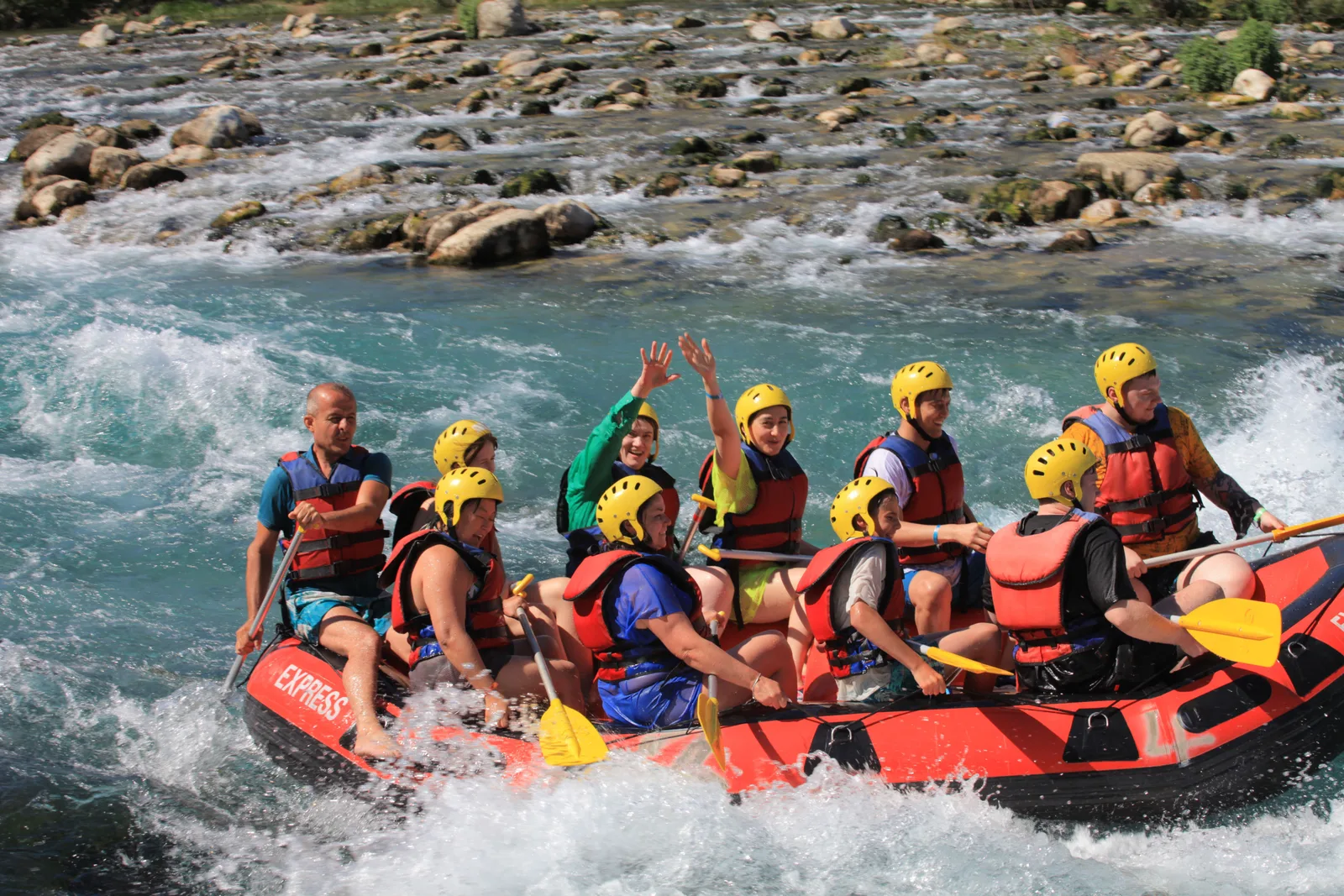
4 hour
Best Whitewater Rafting in Nepal in Kathmandu Valley
Kathmandu Valley
Instant Confirmation 4 hour
Free Cancellation
Up to 24 hours
Local Expert Guide
English speaking
Small Group
Max 12 people
Instant Confirmation
Mobile voucher
Overview
Discover the best whitewater rafting in Nepal with thrilling rapids, scenic rivers, Himalayan landscapes, and unforgettable adventure experiences.
Best Whitewater Rafting in Nepal
Nepal is not only the home of the Himalayas, ancient temples, and world-famous trekking routes; it is also one of the most exciting destinations for whitewater rafting in Nepal. Rivers flowing down from the Himalayan mountains create powerful rapids, deep gorges, scenic valleys, forested landscapes, and peaceful stretches of water. For adventure travelers, a rafting trip provides an opportunity to experience Nepal from a completely different perspective, moving through landscapes that are difficult to experience from roads and trekking trails.
A Nepal whitewater rafting adventure combines adrenaline, nature, teamwork, and spectacular scenery in one experience. Depending on the river and route, travelers can enjoy a short half-day or one-day rafting trip or choose a longer multi-day river expedition. Nepal Tourism Board identifies rivers including Trishuli, Kali Gandaki, Bhote Koshi, Marshyangdi, Karnali, and Sun Koshi among the country's important rafting rivers, with difficulty varying according to the river and conditions.
For travelers planning an adventure holiday, rafting can easily be combined with trekking, sightseeing, wildlife safaris, mountain biking, canyoning, or cultural experiences. You can explore more options through the [Nepal Activities] page and create a wider itinerary around your rafting adventure.
Why Choose Whitewater Rafting in Nepal?
The biggest attraction of whitewater rafting in Nepal is the combination of exciting rapids and extraordinary Himalayan scenery. Unlike rafting experiences that focus only on the river itself, rafting in Nepal often takes travelers through traditional villages, terraced farmland, forests, deep valleys, suspension bridges, and dramatic mountain landscapes.
The experience is also suitable for different types of travelers because Nepal has rivers with different levels of difficulty. Beginners can choose more accessible routes with moderate rapids, while experienced rafters can select rivers with stronger and more technical whitewater.
Rafting is also a social adventure. Travelers work together with guides and other participants to paddle through rapids, follow commands, and keep the raft balanced. The shared experience often becomes one of the most memorable parts of a Nepal holiday.
Best Whitewater Rafting Rivers in Nepal
Nepal has several rivers suitable for rafting, and each provides a different style of adventure. Trishuli River rafting is one of the most popular options because of its accessibility, while Bhote Koshi and Marshyangdi are known for more challenging whitewater. Kali Gandaki combines rapids with dramatic gorges, while Karnali and Sun Koshi provide longer expedition-style adventures.
Choosing the best river depends on your experience, available time, desired difficulty, travel route, and the type of scenery you want to experience. A short rafting trip is ideal for travelers with limited time, while multi-day river expeditions are better for dedicated adventure travelers.
Trishuli River Rafting
Trishuli River rafting is one of the most popular rafting experiences in Nepal. The river is relatively accessible from Kathmandu and lies along the major road connecting Kathmandu with Pokhara and Chitwan. Nepal Tourism Board lists the Trishuli as a Grade 3+ river and describes it as the most popular among Nepal's raftable rivers.
The accessibility of Trishuli makes it particularly attractive for first-time rafters. Travelers can include rafting as part of a larger journey instead of making a separate long trip to a remote river.
During the journey, rafters encounter exciting rapids, riverside scenery, green hills, agricultural terraces, and traditional settlements. The river route can also connect conveniently with trips toward Chitwan or Pokhara, making it a practical choice for travelers who want to combine adventure with other destinations.
For travelers planning a complete Nepal adventure, explore the [Nepal Tour List] for tours that can be combined with rafting and other experiences.
Bhote Koshi River Rafting
For travelers looking for a more intense whitewater rafting experience in Nepal, the Bhote Koshi River is an exciting option. Located north of Kathmandu, the river flows through steep Himalayan terrain and dramatic gorges.
Nepal Tourism Board describes Bhote Koshi as a challenging rafting and kayaking river, with rapids ranging from Class 4 to 5 at high flow and lower grades at lower flow.
The steep gradient creates fast-moving water and an energetic rafting environment. The surrounding landscape adds to the adventure, with steep hillsides, narrow valleys, and mountain scenery.
Bhote Koshi is better suited to travelers looking for a stronger adventure experience and should be approached with appropriate professional guidance and safety equipment.
Kali Gandaki River Rafting
The Kali Gandaki River provides another exciting rafting experience near the Pokhara region. The river passes through dramatic landscapes and deep gorges, creating a combination of adventure and scenery.
Nepal Tourism Board lists Kali Gandaki among Nepal's popular rafting rivers and gives it a higher difficulty range than the Trishuli.
The river is especially interesting for travelers who want to combine rafting with the natural beauty of western Nepal. Depending on the selected route, travelers may experience forested riverbanks, rocky sections, villages, suspension bridges, and dramatic canyon landscapes.
Kali Gandaki rafting can be a great addition to a Pokhara adventure itinerary, particularly for travelers who want more than sightseeing around Phewa Lake and the city.
Seti River Rafting
The Seti River is another river associated with Pokhara and western Nepal. The Seti passes through the Mahabharat range and creates impressive gorges through the landscape. Nepal Tourism Board notes that the river originates from the Annapurna Massif and passes through deep sections of Pokhara.
Seti provides an interesting alternative for travelers exploring Pokhara who want to experience the region's waterways and landscapes.
A rafting experience around Pokhara can also be combined with mountain biking, hiking, paragliding, cable car sightseeing, and other activities. Visit the [Nepal Activities] section to discover more ways to extend your Pokhara adventure.
Marshyangdi River Rafting
The Marshyangdi River is known for its powerful mountain water and challenging whitewater. It flows through the Annapurna region, creating a dramatic environment of steep valleys and Himalayan landscapes.
Nepal Tourism Board lists Marshyangdi among Nepal's major rafting rivers, with a higher difficulty level than the popular Trishuli.
For experienced adventure travelers, Marshyangdi offers a more demanding river experience. The surrounding mountains and remote landscapes make the journey particularly rewarding for people who want to combine intense rafting with Himalayan exploration.
Travelers already planning an Annapurna journey can consider adding a rafting experience to create a more varied adventure holiday.
Karnali River Rafting
The Karnali River offers one of Nepal's more remote and adventurous rafting experiences. Located in western Nepal, the river flows through a region characterized by mountains, forests, remote communities, and wild landscapes.
Nepal Tourism Board lists Karnali among the major rafting rivers and describes it as a Grade 4–5 river.
A Karnali rafting expedition is particularly suitable for travelers who want to escape heavily visited tourist routes. The longer journey allows participants to experience Nepal's wilderness and river landscapes at a slower pace.
Because of the remote environment and challenging river conditions, Karnali rafting requires proper planning, experienced guides, suitable equipment, and a realistic understanding of the physical demands.
Sun Koshi River Rafting
The Sun Koshi River is one of Nepal's famous multi-day rafting rivers. Nepal Tourism Board notes that the river runs for approximately 270 kilometers and that an expedition can take around eight to ten days.
A Sun Koshi rafting expedition is very different from a short one-day rafting trip. Participants spend several days traveling along the river while camping and experiencing changing landscapes.
The journey can include forests, valleys, villages, beaches, rapids, and remote sections of Nepal. For experienced adventure travelers, this type of expedition can become the centerpiece of a Nepal adventure holiday.
Whitewater Rafting for Beginners
If you have never rafted before, Nepal can still be an excellent destination because several rivers and routes are suitable for newcomers. The most important step is selecting an appropriate river and trip based on current conditions and your experience level.
Trishuli River rafting is often the most convenient choice for first-time visitors because of its accessibility and moderate difficulty. However, river conditions can change with season and water level, so the difficulty of a particular section should always be confirmed with the rafting operator.
Beginners should listen carefully to the safety briefing and follow the guide's paddle commands. Teamwork is one of the most important parts of rafting, and following instructions helps the entire raft move safely through the rapids.
Whitewater Rafting for Experienced Rafters
Experienced rafters can choose more challenging rivers such as Bhote Koshi, Marshyangdi, Karnali, Kali Gandaki, and Sun Koshi. These rivers provide stronger rapids, more technical sections, and longer expedition possibilities.
However, experience alone does not eliminate risk. River conditions depend on rainfall, water levels, season, weather, and the specific section being rafted. Professional guides remain essential even for experienced participants.
A good rafting company should provide appropriate equipment, qualified guides, safety instructions, and emergency procedures.
Best Time for Whitewater Rafting in Nepal
The best time for rafting in Nepal depends on the river and the type of experience you want. Nepal Tourism Board generally identifies October to mid-December and March to early May as popular rafting periods.
During these periods, many rivers offer attractive combinations of manageable water levels, comfortable weather, and good outdoor conditions.
Monsoon season can significantly increase river volume and intensity. While experienced rafters may find high-water conditions exciting, stronger currents can also increase difficulty and risk. Travelers should therefore select routes based on current conditions rather than simply choosing a river by name.
Always confirm current river conditions, operating status, weather, and safety recommendations with the rafting operator before departure.
What Makes Nepal Rafting Different?
What makes whitewater rafting in Nepal special is the scenery surrounding the rivers. Travelers are not simply navigating rapids; they are traveling through a cross-section of Nepal's geography and culture.
A rafting route may pass traditional houses, terraced rice fields, forests, mountain villages, suspension bridges, rocky gorges, and open plains. Nepal Tourism Board specifically highlights the combination of traditional houses, terraced fields, deep gorges, valleys, and plains encountered during rafting trips.
This makes rafting an excellent way to experience Nepal beyond the famous trekking trails.
Rafting and Himalayan Scenery
The Himalayan environment gives Nepal's rivers their character. Snow and rainfall feed rivers that eventually flow through hills and valleys toward the southern plains.
Depending on the river, travelers may see distant mountains, steep cliffs, forests, waterfalls, terraced farms, and rural settlements.
For photographers, the changing scenery creates many opportunities for landscape photography. However, safety should always come first, especially during rapids, and photography should never interfere with the instructions of the rafting guide.
Rafting and Local Communities
River journeys can provide travelers with opportunities to see rural Nepal and communities that may not appear on traditional tourist itineraries. Villages along river corridors often have their own cultural traditions, agricultural practices, architecture, and lifestyles.
Travelers can contribute positively by respecting local communities, avoiding unnecessary disturbance, supporting local businesses, and keeping the river environment clean.
Responsible tourism is particularly important around rivers because plastic waste and other pollution can directly affect ecosystems and communities.
Rafting and Adventure Tourism in Nepal
Rafting fits naturally into Nepal's wider adventure tourism industry. A traveler can combine rafting with trekking, canyoning, bungee jumping, paragliding, mountain biking, rock climbing, and hiking.
For example, a traveler arriving in Kathmandu might explore the city before rafting the Trishuli River, continue toward Pokhara, enjoy mountain activities, and later travel to Chitwan for a wildlife experience.
You can discover more adventure options through the [Nepal Activities] page and build a customized itinerary around your preferred activities.
Rafting and Trekking
Combining rafting and trekking in Nepal is an excellent way to experience both land and river landscapes. Trekking takes travelers through mountain trails, villages, forests, and high-altitude environments, while rafting provides an entirely different perspective from below.
An adventure traveler might spend several days trekking in the Annapurna region and later enjoy rafting near Pokhara or along the Trishuli River.
Travelers interested in trekking can also explore the [Nepal Blogs] section for guides and destination information before planning their itinerary.
Rafting and Chitwan
One of the advantages of Trishuli rafting is the possibility of connecting the river journey with Chitwan. Nepal Tourism Board notes that rafting on the Trishuli can continue toward the Chitwan National Park area.
This allows travelers to combine river adventure with wildlife tourism. After rafting, visitors can continue toward Chitwan for jungle activities, cultural experiences, and wildlife observation.
A combination of rafting and Chitwan is especially useful for travelers who want to experience several sides of Nepal within one trip.
Rafting and Pokhara
Pokhara is one of Nepal's major adventure destinations, and rafting can be an excellent addition to a Pokhara itinerary. Nepal Tourism Board identifies Trishuli, Kali Gandaki, and Seti as important rafting options associated with the Pokhara region.
A traveler can spend one day exploring Phewa Lake and the city, another day enjoying rafting, and additional days participating in activities such as paragliding, mountain biking, hiking, or trekking.
This combination makes Pokhara an excellent base for travelers who want a mixture of relaxation and adventure.
What to Wear for Rafting in Nepal
Comfortable clothing is important for a rafting trip. Travelers should wear lightweight clothing that can get wet and secure footwear suitable for outdoor activity.
A swimsuit or quick-drying clothing can be useful, while sunglasses with a secure strap can help protect against strong sunlight.
Travelers should avoid carrying expensive electronics or valuables on the raft unless the operator has a safe waterproof storage system.
A towel, change of clothes, sunscreen, water bottle, and basic personal items are useful after the rafting session.
Safety Equipment for Rafting
A professional rafting trip should include essential safety equipment appropriate for the river and conditions. This normally includes a life jacket, helmet, paddle, raft, and other river-safety equipment.
Professional guides should provide a safety briefing before entering the water. Participants should understand basic commands, how to position themselves, and what to do if someone falls into the river.
The exact equipment provided varies by operator and river, so travelers should confirm inclusions before booking.
Physical Fitness for Rafting
The physical requirements of rafting depend heavily on the river and route. A short moderate rafting trip may be suitable for many reasonably active travelers, while challenging multi-day expeditions require greater fitness and endurance.
Participants should be comfortable following instructions, paddling as part of a team, and managing outdoor conditions.
Anyone with a medical condition or concern about participating in whitewater activities should seek appropriate professional advice before booking and inform the operator when necessary.
Responsible Whitewater Rafting
Responsible rafting means protecting the river environment and respecting the people who live along it. Travelers should never throw plastic, food packaging, or other waste into the river.
Reusable water bottles and environmentally responsible travel products can help reduce unnecessary waste.
Travelers should also respect wildlife and avoid disturbing animals along the riverbanks. Rivers are not simply adventure playgrounds; they are important ecosystems supporting communities, agriculture, and biodiversity.
How to Choose a Rafting Operator
Choosing a reliable rafting operator is one of the most important parts of planning a Nepal rafting adventure. Look for an operator with experienced guides, appropriate safety equipment, clear trip information, and transparent inclusions.
Ask about the river section, duration, difficulty level, transportation, meals, camping arrangements, equipment, and emergency procedures before booking.
It is also useful to check recent traveler feedback and compare the actual itinerary rather than selecting an operator only because of a low price.
One-Day Rafting Experience
A one-day rafting trip is ideal for travelers with limited time. The Trishuli River is particularly convenient for this style of adventure because of its accessibility from major tourist routes.
The day generally begins with transportation to the river starting point, followed by preparation and a safety briefing. Participants then enter the river and work together with the guide to navigate the rapids.
After completing the rafting section, travelers can continue toward their next destination or return to their accommodation.
Multi-Day Rafting Expedition
A multi-day rafting expedition in Nepal offers a much deeper connection with the river environment. Instead of spending only a few hours on the water, travelers camp along the river and continue paddling from one section to another.
Long expeditions may include stronger rapids, remote landscapes, hiking sections, riverside camping, and cultural encounters.
The Sun Koshi is one of Nepal's classic long-distance rafting options, with Nepal Tourism Board describing an approximately 270-kilometer journey that can take eight to ten days.
Why Include Rafting in Your Nepal Itinerary?
A Nepal holiday does not have to be only about trekking. Adding rafting provides a different type of adventure and allows travelers to experience Nepal's rivers and valleys.
It can also make a longer itinerary more balanced. After several days of trekking, a rafting experience can introduce a new environment and activity.
Likewise, travelers who do not want a demanding trek can use rafting as their main adventure activity while spending the rest of their trip exploring cultural sites, cities, wildlife areas, and wellness destinations.
For complete trip planning, visit the [Nepal Tour List] and combine rafting with other experiences according to your available time.
Frequently Asked Questions
What is the best river for rafting in Nepal?
For many first-time travelers, Trishuli River rafting is one of the most convenient choices because of its accessibility and moderate difficulty. Experienced rafters may prefer rivers such as Bhote Koshi, Marshyangdi, Karnali, Kali Gandaki, or Sun Koshi.
Is whitewater rafting safe in Nepal?
Rafting involves inherent risks, but choosing a reputable operator, using appropriate safety equipment, following guide instructions, and selecting a river appropriate to your experience can help manage those risks.
Can beginners go rafting in Nepal?
Yes. Beginners can choose suitable river sections and trips. Trishuli is one of the most popular options for travelers looking for an accessible rafting experience.
What is the best season for rafting?
October to mid-December and March to early May are generally popular rafting periods according to Nepal Tourism Board. River conditions vary by season and route, so travelers should confirm current conditions before departure.
How long does rafting take?
Rafting trips can range from short one-day experiences to multi-day expeditions. Nepal Tourism Board notes that trips can range from one or two days to much longer expeditions.
Can rafting be combined with trekking?
Yes. Rafting can be combined with trekking, sightseeing, wildlife tours, mountain biking, and other activities to create a varied Nepal adventure itinerary.
Final Thoughts
Best Whitewater Rafting in Nepal is not simply about riding through rapids. It is about experiencing Nepal's rivers, mountains, valleys, villages, forests, and landscapes from a completely different perspective.
From the accessible Trishuli River to the challenging Bhote Koshi, dramatic Kali Gandaki, powerful Marshyangdi, remote Karnali, and expedition-style Sun Koshi, Nepal offers rafting experiences for different interests and experience levels.
For first-time visitors, rafting can be an exciting introduction to Nepal's adventure culture. For experienced travelers, it can become the highlight of a longer Himalayan journey. Whether you choose a one-day river adventure or a multi-day expedition, professional guidance, appropriate equipment, responsible travel, and careful route selection are essential.
Rafting also works beautifully alongside Nepal's other experiences. Combine the river with trekking, cultural sightseeing, Chitwan wildlife, Pokhara adventures, wellness activities, or mountain tours to create a more complete holiday.
Explore the [Nepal Blogs] for additional destination and travel guides, discover more experiences through [Nepal Activities], and browse the [Nepal Tour List] when you are ready to build your Nepal adventure.
Whitewater Rafting in Nepal
Nepal Rafting Adventure
Trishuli River Rafting
Bhote Koshi Rafting
Highlights
- Whitewater Rafting in Nepal
- Nepal Rafting Adventure
- Trishuli River Rafting
- Bhote Koshi Rafting
- Kali Gandaki Rafting
- Marshyangdi River Rafting
- Karnali River Rafting
- Sun Koshi Rafting
- Seti River Rafting
- Himalayan River Adventure
What's Included
- Safety briefing and basic rafting instructions
- Raft and paddles
- Helmet and life jacket
- Required rafting safety equipment
- River access/permits where applicable
What's Not Included
- Transportation unless mentioned
- Meals and drinks unless specified
- Travel and adventure insurance
- Tips and gratuities
Itinerary
No itinerary available.
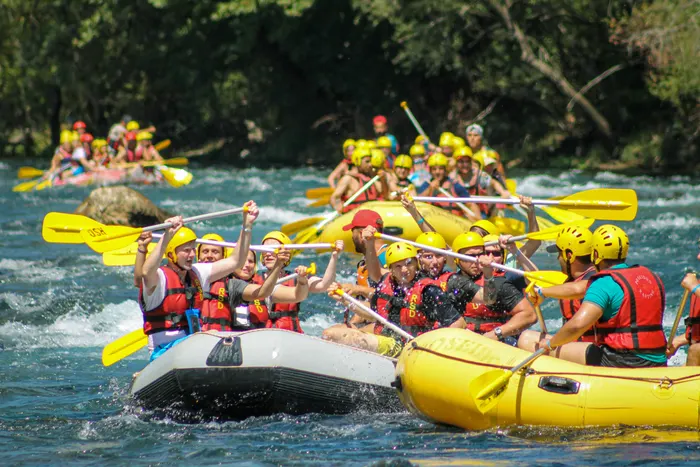
Gallery
Details
Duration
4 hour
Location
Kathmandu Valley
Provider
Enticing Himalayas Travels
Contact
9851144618
Book this experience
$100per person
Secure booking- Location
- Kathmandu Valley
- Duration
- 4 hour
- Confirmation
- Instant
Travellers
Price calculated per person
1
1 Traveller × $100$100
Total$100
From
$100/person