Loading...
Mountain Flight in Nepal
Table of Contents
No sections available
About Mountain Flight in Nepal
Nepal is globally synonymous with towering peaks, ancient trails, and the breathtaking majesty of the Himalayas. However, not every traveler has the time, the physical endurance, or the desire to embark on a rigorous, multi-week trekking expedition into the extreme altitudes of the Khumbu region. For visitors who want to experience the absolute pinnacle of Himalayan beauty in a single, unforgettable morning, an Everest mountain flight in Nepal is the ultimate solution. Carefully organized by Enticing Himalayas Travel, this highly sought-after scenic flight from Kathmandu offers an unparalleled aerial tour of the highest mountains on Earth. You can witness the spectacular roof of the world from the comfort of a luxurious, pressurized cabin, making it one of the most accessible and highly rated adventure activities in the entire country.
What is a Scenic Mountain Flight in Nepal?
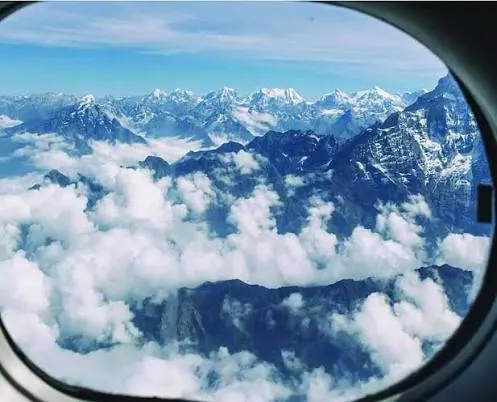
A scenic mountain flight in Nepal is a specialized, one-hour aerial journey that takes off from the domestic terminal of Tribhuvan International Airport in Kathmandu. These flights are operated by leading domestic airlines using modern, well-maintained fleets of turboprop aircraft specifically designed for high-altitude sightseeing. The defining feature of this incredible Himalaya sightseeing flight is that every single passenger is guaranteed a premium window seat. There is no crowding, no fighting for a view, and no obstructed sightlines. As the aircraft flies east toward the Everest region, the flight attendants and the cockpit crew provide real-time commentary, helping passengers identify the specific peaks as they emerge brilliantly on the horizon. The aircraft flies at an optimal cruising altitude, bringing you face to face with the snow-capped giants, glaciers, and deep valleys of the Everest region before completing a great circle and returning safely to Kathmandu.
Why Choose a Mount Everest Aerial Tour?
There are countless reasons why a Mount Everest aerial tour has become a trending, must-do activity for modern travelers visiting Nepal. First and foremost is the aspect of time efficiency. Modern travel itineraries are often packed, and dedicating two full weeks to a trekking route is simply impossible for many professionals and tourists. A mountain flight allows you to achieve the ultimate bucket-list goal of seeing Mount Everest in just a few hours before breakfast, leaving the rest of your day entirely free for exploring the cultural heritage sites of the Kathmandu Valley.
Furthermore, this experience completely removes the intense physical barriers associated with high-altitude trekking. There is no risk of acute mountain sickness, no freezing nights in remote teahouses, and no grueling physical exertion. This makes the flight exceptionally inclusive. It is the perfect Himalayan adventure for families traveling with young children, elderly visitors, individuals with physical disabilities, and luxury travelers who prefer to witness extreme nature while enjoying absolute comfort.
The Incredible Experience: Taking Off from Kathmandu
The anticipation begins in the early hours of the morning. Because the clearest mountain views occur shortly after sunrise, flights are scheduled very early, typically between 6:00 AM and 8:00 AM. After a swift transfer to the domestic airport and a streamlined check-in process, you board the aircraft. As the plane lifts off the runway, you ascend rapidly above the bustling Kathmandu Valley. Within minutes, the hazy morning clouds part to reveal a staggering wall of white and grey rock dominating the northern skyline.
The atmosphere inside the cabin is always electric with excitement. Passengers lean against their windows with cameras ready as the aircraft banks gently to offer the best possible angles for photography. One of the most thrilling aspects of the mountain flight is the open-door policy of the cockpit. Passengers are often invited one by one to step to the front of the aircraft. Looking through the expansive front windscreen of the cockpit beside the pilots provides an unbelievable, wide-angle perspective of the mountain range that feels almost surreal.
Majestic Himalayan Peaks You Will See
The sheer scale of the mountains you will witness on this scenic flight Kathmandu to Mount Everest is difficult to put into words. The journey is a continuous parade of the world's highest and most prominent peaks.
Your visual journey begins with Shisha Pangma. Standing at 8,013 meters, it is the 14th highest mountain in the world and sits entirely within the Tibet Autonomous Region. As the plane continues east, you will spot the distinct, jagged profile of Dorje Lakpa at 6,966 meters, which looks like a massive figure eight covered in thick snow. Next comes Phurbi Ghyachu, looming beautifully over the Kathmandu Valley.
Moving deeper into the eastern Himalayas, the striking peaks of Choba Bhamare and the spiritually significant Gauri Shankar come into view. Gauri Shankar is so iconic in Nepal that the country's official time zone is based directly on its meridian. The flight then reveals Melungtse, a towering plateau-like mountain, followed by the brilliantly white summits of Numbur and Karyolung.
As you approach the Khumbu region, the true giants appear. You will witness Cho Oyu, the Turquoise Goddess, standing magnificently at 8,201 meters as the sixth highest mountain on Earth. Nearby is Gyachungkang, a highly technical climb and the highest peak in the world that is not an 8,000-meter giant. Finally, the main attraction dominates the skyline. You will see the beautiful pyramid of Pumori and the massive, icy wall of Nuptse, which perfectly frames the dark, wind-swept summit of Mount Everest at 8,848.86 meters. Seeing the undeniable king of the mountains standing above everything else is a moment that will stay etched in your memory forever.
The Best Time for a Himalaya Sightseeing Flight
While mountain flights operate throughout the year, the experience is heavily dependent on weather and visibility. To ensure the absolute best value and the clearest, most spectacular photographs, timing your booking is crucial.
The spring season, running from March to May, is considered one of the finest times for a flight. The weather is generally stable, and the melting snow brings out a striking contrast between the dark rock faces and the pristine white glaciers.
The autumn season, from September to November, is widely regarded as the absolute peak time for all mountain viewing in Nepal. Following the heavy monsoon rains, the atmosphere is washed completely clean of dust and pollution. This results in crystal clear skies, unlimited visibility, and incredibly sharp views of the Himalayan range.
Winter flights from December to February can also be deeply rewarding. The air is exceptionally crisp and the mountains are heavily layered in thick, fresh snow, making them look even more dramatic. However, early morning fog in Kathmandu can sometimes cause slight delays during these winter months.
Who Should Book This Aerial Adventure?
This exclusive aerial adventure is highly recommended for absolutely everyone visiting Nepal. It is a fantastic addition to any travel package, whether you are in the country for a cultural tour, a jungle safari, or even a trekking holiday.
Many trekkers who have just completed journeys in the Annapurna or Langtang regions choose to book an Everest mountain flight before flying home so they can see the Everest region without extending their trip by another two weeks. It is also an incredibly popular option for honeymooners seeking a romantic and awe-inspiring morning, as well as for avid photographers who want to capture professional-grade aerial shots of the highest point on Earth without having to charter a private, expensive helicopter.
Essential Tips for Your Nepal Mountain Flight
To maximize your enjoyment and ensure a flawless morning in the skies, keeping a few essential tips in mind is highly recommended.
Always book your flight well in advance, especially if you are traveling during the peak spring or autumn tourist seasons, as these limited window seats sell out incredibly quickly.
Dress warmly in comfortable layers. Even though the cabin is pressurized and heated, the early morning air in Kathmandu can be quite chilly, and you will want to be comfortable during the airport transfer and check-in.
When it comes to photography, avoid wearing brightly colored clothing like neon green or bright orange. These colors can reflect directly onto the dual-pane windows of the aircraft, ruining your perfect shot of the mountains. Wearing dark, solid colors like black or navy blue minimizes reflections and ensures your camera captures nothing but the stunning snowy peaks.
Finally, maintain a flexible itinerary. Mountain flights operate strictly under visual flight rules, meaning they will not take off if cloud cover obscures the mountains. If your flight is delayed or canceled due to poor weather, airlines offer a full refund or the option to easily reschedule for the very next morning. By keeping an open morning in your schedule, you guarantee that you will not miss out on this spectacular, once-in-a-lifetime Everest experience.
Ready to explore?
Check out Mountain Flight in Nepal at different destinations.
Available Packages
No packages available at the moment. Please check back later.
Activity
Mountain Flight in Nepal