Loading...
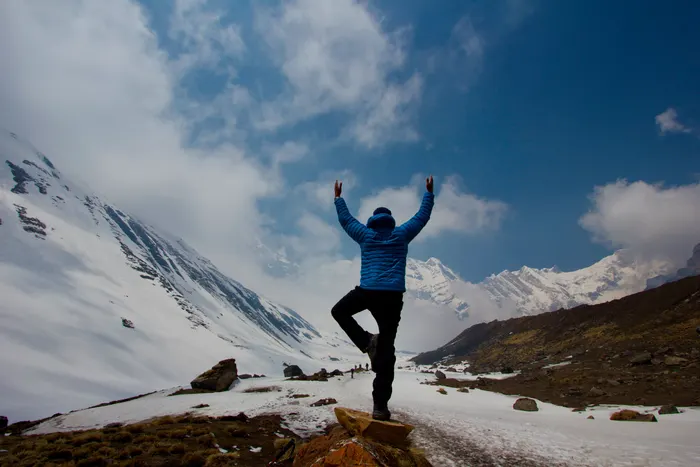
Yoga Retreat in Nepal: Himalayan Wellness Experience
Table of Contents
No sections available
About Yoga Retreat in Nepal: Himalayan Wellness Experience
Yoga Retreat in Nepal: Reconnect with Yourself in the Himalayas
A Yoga Retreat in Nepal is a peaceful way to step away from busy routines and reconnect with your body, mind and surroundings. Surrounded by the Himalayas, ancient temples, Buddhist monasteries, green hills and peaceful rivers, Nepal offers a natural setting for yoga, meditation and wellness. Whether you are a beginner taking your first yoga class or an experienced practitioner looking for a deeper retreat, Nepal provides a wide range of experiences in Kathmandu, Pokhara, the Annapurna region and other peaceful destinations.
Nepal is particularly attractive for yoga retreats because wellness can be combined with culture and nature. Instead of spending your entire retreat inside a resort, you can practice yoga in the morning, explore a traditional village during the day, meditate beside a lake in the evening and enjoy views of the Himalayan mountains. This combination makes a yoga retreat in Nepal more than a wellness holiday; it can become a journey of relaxation, cultural discovery and personal reflection.
Why Choose a Yoga Retreat in Nepal?
The peaceful environment is one of the main reasons travelers choose Nepal for yoga. The country offers everything from quiet mountain villages and forested hills to lakeside destinations and traditional spiritual centers. The natural surroundings can help create a slower rhythm away from the constant distractions of everyday life.
A yoga retreat also provides structure. Instead of trying to practice yoga occasionally during a busy vacation, travelers can follow a regular routine that may include morning yoga, breathing exercises, meditation, healthy meals and evening relaxation.
For people interested in wellness tourism in Nepal, yoga provides an excellent way to combine physical activity with mental relaxation.
Yoga Retreat in Kathmandu
Kathmandu is one of the most convenient places to begin a yoga retreat in Nepal. The capital has numerous yoga centers, meditation facilities, monasteries and wellness programs.
Travelers can combine yoga with visits to spiritual sites such as Boudhanath, Swayambhunath and Pashupatinath. This creates an opportunity to explore Nepal's religious and cultural heritage while maintaining a wellness routine.
For visitors with limited time, Kathmandu is especially practical because yoga activities can be included before or after other Nepal tours and Himalayan treks.
Yoga Retreat in Pokhara
Pokhara is one of the most popular destinations for yoga and wellness in Nepal. The peaceful atmosphere around Phewa Lake, combined with views of the Annapurna and Machhapuchhre ranges, makes the city particularly attractive for travelers seeking relaxation.
A typical yoga experience in Pokhara can include early-morning practice, breathing exercises, meditation and time for relaxation. Travelers can also combine their retreat with activities such as hiking, boating, sightseeing and sunrise visits.
For many visitors, practicing yoga while surrounded by mountain scenery provides a memorable connection between physical movement and nature.
Yoga in the Annapurna Region
For travelers who want to combine yoga and trekking in Nepal, the Annapurna region provides an exciting option. Yoga can be incorporated into trekking itineraries, allowing travelers to stretch and relax after a day of walking.
Morning yoga can prepare the body for trekking, while evening stretching and meditation can help travelers unwind after reaching a mountain village.
Yoga trekking programs may be available on routes around Poon Hill, Mardi Himal and Annapurna Base Camp, depending on the operator and season. Travelers should choose programs appropriate to their fitness level and altitude experience.
Yoga and Meditation in Nepal
Yoga and meditation naturally complement one another. Yoga focuses on physical movement, flexibility, balance and body awareness, while meditation encourages mental focus and calm.
Many retreats therefore combine yoga and meditation in Nepal as part of the daily schedule. A morning session might begin with gentle yoga and breathing exercises before moving into meditation. An evening session may focus on relaxation, mindfulness and reflection.
This combination is particularly suitable for travelers who want a holistic wellness experience rather than exercise alone.
What Happens During a Yoga Retreat?
The schedule depends on the retreat, but a typical day may begin early in the morning. Participants may start with breathing exercises followed by yoga practice.
After breakfast, there may be time for rest, reading, walking, sightseeing or personal activities. Some retreats offer workshops about meditation, mindfulness, nutrition or traditional wellness practices.
An evening session can include gentle stretching, meditation or relaxation before dinner.
The purpose is not to fill every hour with activities. A good retreat also provides enough free time for participants to slow down and enjoy their surroundings.
Yoga for Beginners in Nepal
You do not need to be an experienced yoga practitioner to join a retreat. Many programs welcome beginners and introduce basic postures, breathing techniques and relaxation methods gradually.
Beginners should choose a retreat that clearly states its level and schedule. It is better to start with a comfortable program rather than selecting an intensive retreat simply because it sounds more advanced.
Yoga should be practiced within your own physical limits. If you have an injury or physical limitation, inform the instructor before beginning.
Yoga for Experienced Practitioners
Experienced practitioners may prefer retreats that offer longer daily sessions, meditation, advanced yoga practices or specialized workshops.
Nepal's peaceful mountain environment can also provide an opportunity to practice away from the distractions of everyday life. Longer retreats may allow practitioners to develop a more consistent routine and dedicate additional time to meditation and self-reflection.
Some travelers combine a yoga retreat with trekking, creating a physically active but mindful Himalayan journey.
Spiritual Side of Yoga in Nepal
Yoga in Nepal can also be connected with the country's wider spiritual traditions. Temples, monasteries, prayer flags, sacred rivers and pilgrimage sites are visible throughout many parts of the country.
Travelers can combine yoga with visits to spiritual destinations such as Lumbini, the birthplace of Buddha, or Buddhist sites around Kathmandu.
This does not mean every yoga retreat is religious. Many retreats focus primarily on physical wellbeing, mindfulness and relaxation. Travelers can choose an experience according to their personal interests.
Best Time for a Yoga Retreat in Nepal
Yoga retreats can be enjoyed throughout the year, although spring and autumn are particularly popular for travel in Nepal.
Spring brings pleasant temperatures and colorful landscapes, while autumn is generally known for comfortable weather and clearer Himalayan views.
Winter can be excellent for retreats in Kathmandu and Pokhara, although mornings and evenings can be cold. If your retreat takes place at higher altitude, check seasonal temperatures carefully.
The monsoon season brings rainfall to much of Nepal, but indoor yoga and wellness programs can continue. The quieter atmosphere can also appeal to travelers who prefer fewer tourists.
How Long Should a Yoga Retreat in Nepal Be?
The ideal retreat length depends on your goals and available time.
A 2–3 day yoga retreat is suitable for travelers who want a short wellness break during a Nepal holiday.
A 5–7 day retreat gives participants more time to establish a regular yoga and meditation routine.
A 10–14 day retreat can provide a deeper opportunity for relaxation, practice and personal reflection.
Longer retreats may also combine yoga with meditation, trekking, cultural activities or spiritual study.
Yoga and Himalayan Nature
One of the most memorable aspects of a Himalayan yoga retreat is the natural environment. Practicing yoga outdoors, when conditions and the retreat location allow, can create a strong sense of connection with nature.
Imagine beginning your morning with gentle stretching while looking toward the mountains, followed by breathing exercises as the surrounding landscape becomes brighter. Later, you might walk through a forest, explore a village or sit beside a peaceful lake.
These simple experiences can make the retreat feel less like a conventional holiday and more like time dedicated to slowing down.
Yoga Retreats and Local Culture
A yoga retreat in Nepal does not have to be isolated from local culture. Travelers can combine wellness activities with visits to temples, monasteries, villages and local markets.
Some programs may include cultural experiences such as traditional food preparation, local walks or visits to spiritual sites. These activities provide a better understanding of the community surrounding the retreat.
Choosing locally operated programs can also create opportunities for travelers to interact with local instructors, hosts and communities.
What to Eat During a Yoga Retreat
Food is often an important part of wellness travel. Depending on the retreat, meals may focus on fresh vegetables, rice, lentils, fruits, grains and other locally available ingredients.
Traditional dal bhat can be a nutritious and practical meal for travelers, while vegetarian and plant-based options may be available at some retreats.
If you have allergies, dietary restrictions or specific food preferences, communicate them to the retreat organizer before arrival.
What to Bring
For a yoga retreat in Nepal, comfortable clothing that allows free movement is essential. A light jacket or warm layer is useful because temperatures can change throughout the day.
You may also want to bring a reusable water bottle, comfortable walking shoes, personal toiletries, sunscreen and a small notebook.
If the retreat provides yoga mats and other equipment, you may not need to carry your own. Check with the organizer before traveling so you can avoid unnecessary luggage.
Who Should Join a Yoga Retreat in Nepal?
A yoga retreat can be suitable for solo travelers, couples, families and small groups. Beginners can learn basic techniques, while experienced practitioners can choose programs with more intensive sessions.
It is also a good option for travelers who want to combine wellness with sightseeing. Instead of dedicating an entire trip exclusively to yoga, you can add several retreat days to a broader Nepal itinerary.
For trekkers, yoga can provide useful stretching and relaxation before or after a Himalayan adventure.
Why a Yoga Retreat in Nepal Is Different
A yoga retreat in Nepal offers something beyond a typical wellness vacation. The practice takes place within a country where Himalayan landscapes, Buddhist traditions, Hindu spirituality and community life are deeply connected.
You can practice yoga in Kathmandu, relax beside Phewa Lake in Pokhara, meditate in a peaceful monastery or combine yoga with trekking in the Annapurna region.
The diversity of destinations means you can choose the experience that fits your personality. Some travelers may prefer a comfortable lakeside retreat, while others may want a quiet mountain experience.
Experience a Yoga Retreat in Nepal with Enticing Himalayas
A yoga journey can be designed around your preferred destination, duration and level of activity. You can combine yoga, meditation, trekking, cultural sightseeing and Himalayan exploration into one meaningful Nepal experience.
Whether you are looking for a short yoga break in Kathmandu, a peaceful wellness stay in Pokhara, a Himalayan yoga experience in Annapurna or a deeper combination of yoga and meditation, Nepal offers a diverse environment for personal wellbeing.
For travelers searching for yoga retreats in Nepal, Himalayan yoga retreats, yoga and meditation in Nepal, wellness holidays or spiritual retreats, this experience offers a peaceful way to discover another side of the country.
Explore wellness and cultural experiences in Nepal with Enticing Himalayas.
Ready to explore?
Check out Yoga Retreat in Nepal: Himalayan Wellness Experience at different destinations.
Available Packages
No packages available at the moment. Please check back later.
Activity
Yoga Retreat in Nepal: Himalayan Wellness Experience