Loading...
3 days
1 Option Available
3-Day Himalayan Sound Therapy & Healing Retreat Nepal
Country
Kathmandu, Thamel & Boudhanath
Duration
3 days
Group size
Flexible group size
Difficulty
moderate
4.5(13 reviews)
Kathmandu, Thamel & Boudhanath
Tour Description
Kathmandu Healing & Himalayan Sound Therapy Retreat: A 3-Day Journey to Inner Peace
Kathmandu is a remarkable place to slow down, reconnect with yourself, and explore different approaches to wellness. Ancient Buddhist stupas, Hindu temples, traditional meditation practices, and contemporary healing studios exist side by side, creating a distinctive atmosphere for travelers seeking more than an ordinary holiday. The 3-Day Kathmandu Healing & Himalayan Sound Therapy Retreat brings together visits to sacred places, meditation, Reiki, and Himalayan sound therapy in a short, restorative journey. Rather than rushing between tourist attractions, you have time to experience the city at a gentler pace, listen to the sounds around you, and step away from everyday distractions. The retreat is particularly suitable for travelers who want to explore Nepal's spiritual heritage while making room for personal reflection. Discover more about Kathmandu's center of healing to understand how traditional spiritual settings and modern wellness experiences come together in the capital.
Why Choose Kathmandu for a Healing Retreat?
Kathmandu offers an unusual combination of cultural depth and accessible wellness experiences. You can begin your morning near a centuries-old Buddhist stupa, spend the afternoon in a guided sound bath, and finish the day enjoying a quiet meal in Thamel. The city makes it possible to experience Nepal's spiritual traditions without travelling far into the mountains or committing to a lengthy retreat. Its Buddhist monasteries, Hindu temples, prayer flags, incense, and daily rituals provide a cultural setting that encourages observation and reflection. Meanwhile, wellness studios offer contemporary practices for people interested in relaxation, meditation, and mindful movement. The purpose is not to promise a complete transformation in three days, but to create space for rest and a different way of experiencing travel. For a broader introduction to Nepal's sacred places, explore our Spiritual Tour in Nepal 2026 guide, which covers important pilgrimage destinations, religious traditions, and meaningful cultural experiences.
Boudhanath Stupa: Begin with Stillness
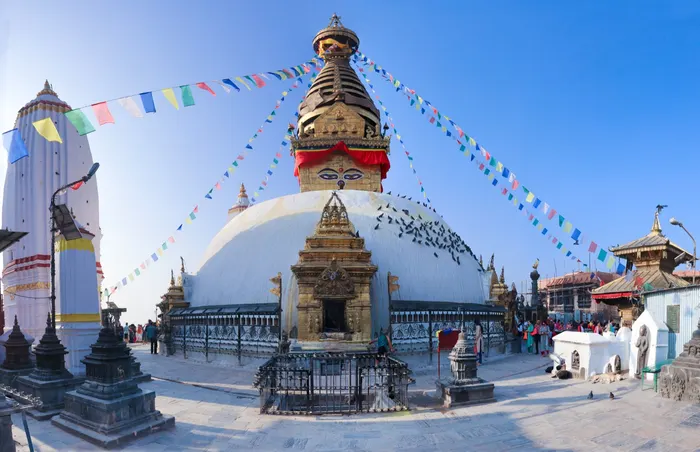
Boudhanath Stupa is one of Kathmandu's most recognisable Buddhist landmarks and an important centre of Tibetan Buddhist culture. Its enormous white dome, golden spire, colourful prayer flags, and surrounding monasteries create an atmosphere that feels distinct from the busy streets beyond the square. Visitors can observe pilgrims walking clockwise around the stupa, turning prayer wheels, and quietly reciting mantras as part of their daily practice. For retreat participants, an early visit can become an opportunity to slow down and pay attention to the details of the place rather than treating it as another sightseeing stop. You might walk mindfully, sit quietly in an appropriate public area, or simply observe the rhythm of local life. Respect for worshippers and monastery customs is essential, especially when taking photographs. Travelers who want to understand the religious context can read our Buddhist pilgrimage tour in Nepal, which explores the wider Buddhist heritage connecting Kathmandu with other sacred destinations.
Swayambhunath: Reflection Above the Kathmandu Valley
Swayambhunath, often called the Monkey Temple, sits on a hill overlooking Kathmandu Valley. Reaching the main complex involves climbing stone steps, passing small shrines, and sharing the route with other visitors and local worshippers. At the top, the city's rooftops spread across the valley, offering a different perspective from the crowded streets below. The combination of open views, religious architecture, prayer flags, and the steady movement of visitors makes it a rewarding place to pause and observe. Rather than hurrying through the complex, take time to appreciate the surroundings and follow the site's cultural etiquette. A visit can complement a retreat by providing a change of scenery and a chance to reflect on the experience so far. If you want to explore several important religious sites in one organised journey, consider the Kathmandu Spiritual Circuit: Pashupatinath, Boudhanath and Swayambhunath, a separate two-day package focused on the valley's major spiritual landmarks.
Himalayan Sound Therapy: Relax Through Sound and Vibration
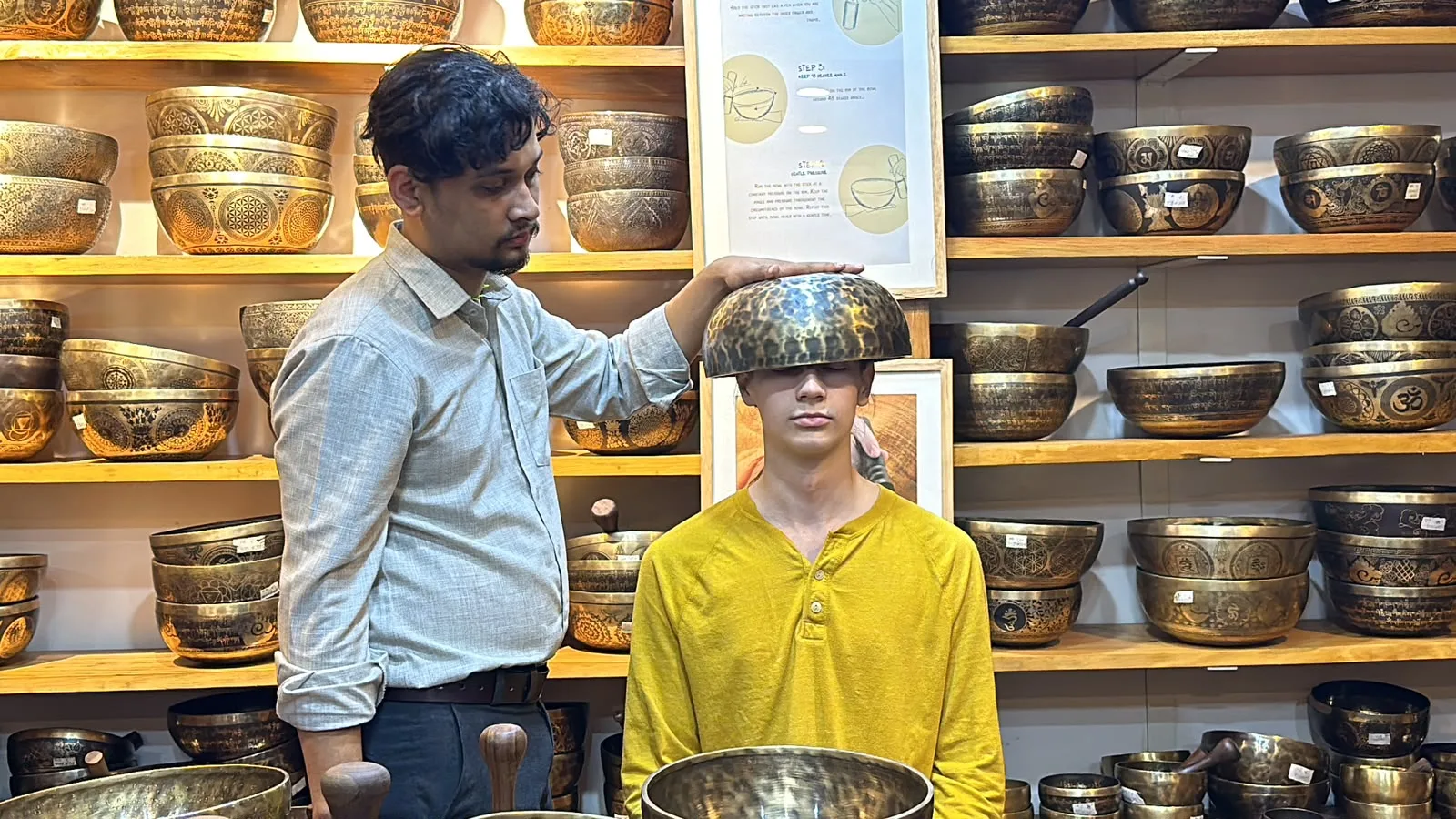
Himalayan sound therapy is one of the retreat's central wellness experiences. Sessions may use Tibetan-style singing bowls and other resonant instruments to create layered tones that encourage participants to relax and focus their attention. Rather than following a sequence of physical movements, you can settle into a comfortable position and listen to the sounds as they rise and fade. Some people find the experience calming, while others simply enjoy having time away from conversation, screens, and everyday noise. Responses vary, so there is no need to expect a particular sensation or emotional outcome. Sound therapy is best understood as a complementary relaxation practice rather than a guaranteed medical treatment. If you are curious about the instruments, session formats, and available learning opportunities, read our guide to sound healing in Kathmandu: courses, training and prices. It offers further context for travelers who want to explore this practice beyond a single retreat session.
Reiki and Energy Work: A Gentle Wellness Experience
Reiki is a Japanese complementary practice in which practitioners use light touch or hold their hands just above the recipient's body, depending on the session and personal preference. People often choose Reiki because they enjoy the quiet environment and the opportunity to rest without needing to actively perform a task. During a retreat, it can be paired with meditation or sound therapy to create a varied wellness experience. Before your session begins, the practitioner should explain what will happen and allow you to communicate your comfort level. You should feel free to ask questions, decline touch, or stop whenever you wish. Although some participants report feeling relaxed afterward, Reiki should not be presented as a substitute for evidence-based medical care. If you would like to understand the practice in greater detail, our Reiki healing in Nepal guide explores its background and how travelers can approach energy-based wellness experiences thoughtfully.
Thamel: The Convenient Side of Kathmandu Wellness
Thamel is one of Kathmandu's best-known visitor neighbourhoods, with hotels, restaurants, cafés, shops, and services that make travel planning relatively straightforward. It also provides a convenient base for people interested in yoga, meditation, massage, and sound healing. After a morning visiting a stupa, you can return to the neighbourhood for a scheduled wellness session, a vegetarian meal, or an unhurried afternoon. The contrast between Thamel's busy lanes and the quiet atmosphere of a meditation room is part of what makes a city-based retreat practical. You can experience the cultural side of Kathmandu without sacrificing the convenience of having accommodation and everyday services nearby. If you have only a few hours available rather than several days, the Kathmandu Half-Day Wellness and Spa Escape is another option, combining relaxation treatments with a shorter schedule.
Your Three-Day Retreat Experience
The precise schedule depends on the confirmed package itinerary, but a three-day retreat can be approached as a gradual transition from exploring the city to spending more time on personal wellness.
Day One: Arrive and Settle In
Begin by checking in and becoming familiar with your surroundings. Depending on the schedule, the first day may include an introduction to the retreat, a visit to a nearby sacred site, or an initial sound therapy session. Avoid packing the day with additional sightseeing, especially if you have just arrived in Nepal. Give yourself time to eat, hydrate, and rest before participating in wellness activities.
Day Two: Explore Sacred Sites and Wellness Practices
Use the second day to experience the retreat more fully. A visit to Boudhanath or Swayambhunath can provide cultural context, while a scheduled Reiki or sound healing session offers a different kind of experience later in the day. Leave time between activities rather than rushing from one appointment to the next. The goal is to experience each activity with attention, not to complete as many activities as possible.
Day Three: Reflect and Prepare for the Journey Ahead
The final day is an opportunity to revisit the practices you found most comfortable and prepare to return to your normal routine. Depending on the itinerary, you may have time for meditation, another sound therapy session, or a quiet walk. Before departing, think about one simple habit you could continue at home, such as taking a short break from your phone or practising a few minutes of mindful breathing.
For the dedicated itinerary and booking details, visit the Kathmandu Healing & Himalayan Sound Therapy Retreat — 3 Days.
Who Is This Retreat Best For?
This retreat is suitable for travelers who want to combine cultural exploration with a slower, wellness-focused holiday. Solo travelers may appreciate having a structured schedule that creates space for personal reflection, while couples or friends can share a different kind of experience away from the usual sightseeing routine. Beginners can participate in many relaxation and meditation sessions without previous experience, although the suitability of each activity depends on individual needs and the provider's guidance. You do not have to identify as spiritual or follow a particular religion to appreciate the architecture, cultural traditions, and quiet moments that Kathmandu offers. If you prefer a longer program with additional yoga and wellness activities, explore the 9-Day Luxury Yoga, Wellness & Himalayan Escape. For those who want to spend more time outside the city, the Healing Tour to Nature offers an alternative focused on a natural setting.
What to Bring and How to Prepare
Comfortable clothing, walking shoes, a reusable water bottle, personal toiletries, and any medicines you normally use are sensible essentials. Bring layers because Kathmandu's temperatures can change throughout the day, particularly during cooler months. If you plan to visit temples and monasteries, choose respectful clothing and be prepared to follow local rules about footwear, photography, and access to particular areas. Before booking, confirm which meals, transport arrangements, treatments, and guided visits are included in the package. Ask the provider about any additional charges and whether you need to bring a yoga mat or other equipment. During sound therapy or Reiki, let the practitioner know about your preferences and any concerns that may affect your comfort. Most importantly, keep your expectations realistic. A retreat can offer a valuable break from routine, but each person experiences relaxation differently.
Plan Your Kathmandu Healing Journey
A three-day healing retreat offers a different way to experience Kathmandu. Instead of focusing only on monuments and photographs, you can explore the city's living spiritual traditions while making time for meditation, sound therapy, Reiki, and rest. Boudhanath provides a window into Tibetan Buddhist culture, Swayambhunath offers a hilltop setting for reflection, and Thamel makes it easy to access visitor services and wellness experiences. Together, these places create a practical starting point for travelers curious about spiritual and wellness tourism in Nepal. If you want to explore more destinations after your retreat, our Spiritual Tour in Nepal 2026 guide can help you consider a wider pilgrimage. For a shorter stay centred on the capital, the Kathmandu Healing & Himalayan Sound Therapy Retreat is the most relevant package to review. Take the opportunity to slow down, learn about local traditions, and discover which parts of the experience you would like to carry into everyday life.
Highlights
- Tibetan singing-bowl sound bath at a Boudhanath monastery-adjacent studio
- Reiki or energy-healing session with a certified Kathmandu practitioner
- Guided meditation at Boudhanath and Swayambhunath stupas
- Thamel wellness orientation and singing-bowl introduction
- Optional Dhulikhel–Namobuddha spiritual hike extension
What's Included
Certified Reiki / energy-healing practitioner session; Tibetan singing-bowl sound-bath session; guided Boudhanath & Swayambhunath visits; Thamel wellness orientation; local transport between sessions; Enticing Himalayas host/coordination.
What's Not Included
International & domestic airfare; hotel accommodation (can be arranged); meals; personal offerings / donations at temples; optional Dhulikhel–Namobuddha hike extension (add-on).
Detailed Itinerary
Day 1Sunset kora (circumambulation) at Boudhanath Stupa; evening sound-bath session
Visit Boudhanath Stupa in the late afternoon and join the traditional kora, a peaceful clockwise circumambulation around this sacred Buddhist monument. Observe prayer wheels, fluttering prayer flags, and devotees following their spiritual routines as the evening light settles over the stupa. Later, participate in a relaxing sound-bath session using singing bowls and soothing vibrations to encourage mindfulness and relaxation.
Food: Dinner; other meals according to the confirmed package plan. Accommodation: Wellness hotel or retreat guesthouse in Kathmandu.
Day 2Morning Reiki/energy-healing session; afternoon singing-bowl course intro in Thamel; Swaya
Begin the day with a Reiki or energy-healing session in a calm wellness setting. In the afternoon, visit Thamel for an introductory singing-bowl course, learning about the instruments, their traditional uses, and basic playing techniques. Near dusk, head to Swayambhunath, also known as the Monkey Temple, for quiet reflection and meditation while enjoying views across Kathmandu Valley, weather permitting.
Food: Breakfast and dinner; lunch according to the confirmed package plan. Accommodation: Wellness hotel or retreat guesthouse in Kathmandu.
Day 3Optional Dhulikhel–Namobuddha spiritual guided hike, or free wellness time; departure
Choose an optional guided excursion toward Namobuddha, a revered Buddhist pilgrimage site near Dhulikhel. Enjoy a scenic walk through countryside landscapes, traditional settlements, and peaceful monastery surroundings, with the route adapted to your fitness and available time. Alternatively, spend the morning resting, meditating, or enjoying personal wellness time in Kathmandu. Depart according to your onward travel schedule.
Food: Breakfast; lunch and dinner depend on departure time and package inclusions. Accommodation: Check-out on Day 3; an extra night can be arranged if needed.
Gallery
1 photoDownloads
4.513 reviews
5
0
4
0
3
0
2
0
1
0
No reviews yet. Be the first to review this tour!
Tour Video
No video available for this tour.
1 option available
3-Day Himalayan Sound Therapy & Healing Retreat Nepal
Standard tour package with flexible dates
3 days
Guide: English
Select a date
1
$288
1 Adult × $288
Free cancellation
Cancel up to 24 hours in advance for a full refund
From
$288/person
Booking options
Choose a departure below, or use the availability calendar to select a flexible date. Availability and final pricing are confirmed during booking.