Loading...
14 days
1 Option Available
Everest Base Camp Luxury Lodge Trek: Comfort & Views
Country
Solukhumbu, Everest Region
Duration
14 days
Group size
Flexible group size
Difficulty
moderate
4.9(14 reviews)
Solukhumbu, Everest Region
Tour Description
Everest Base Camp Luxury Lodge Trek — A Premium Himalayan Experience
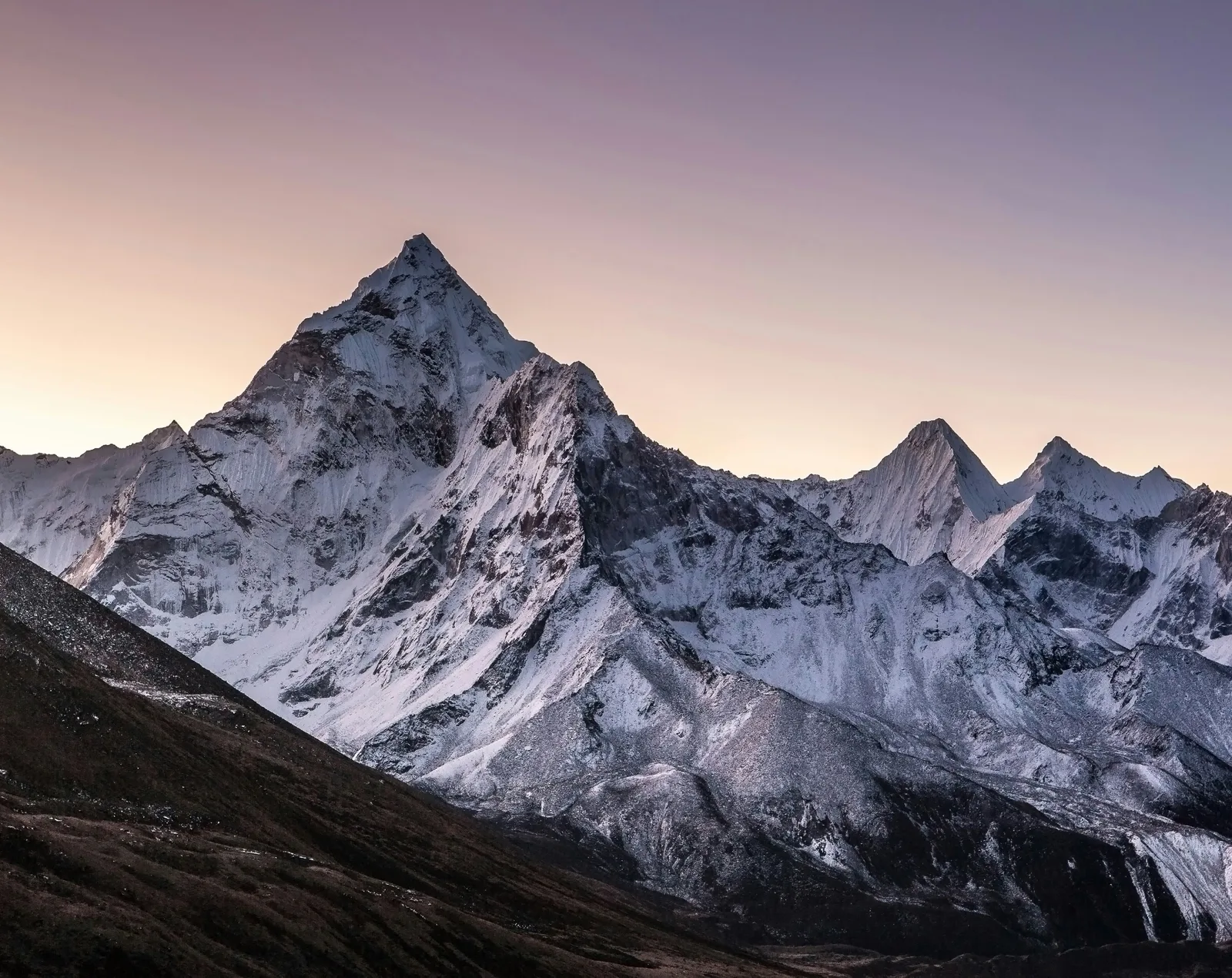
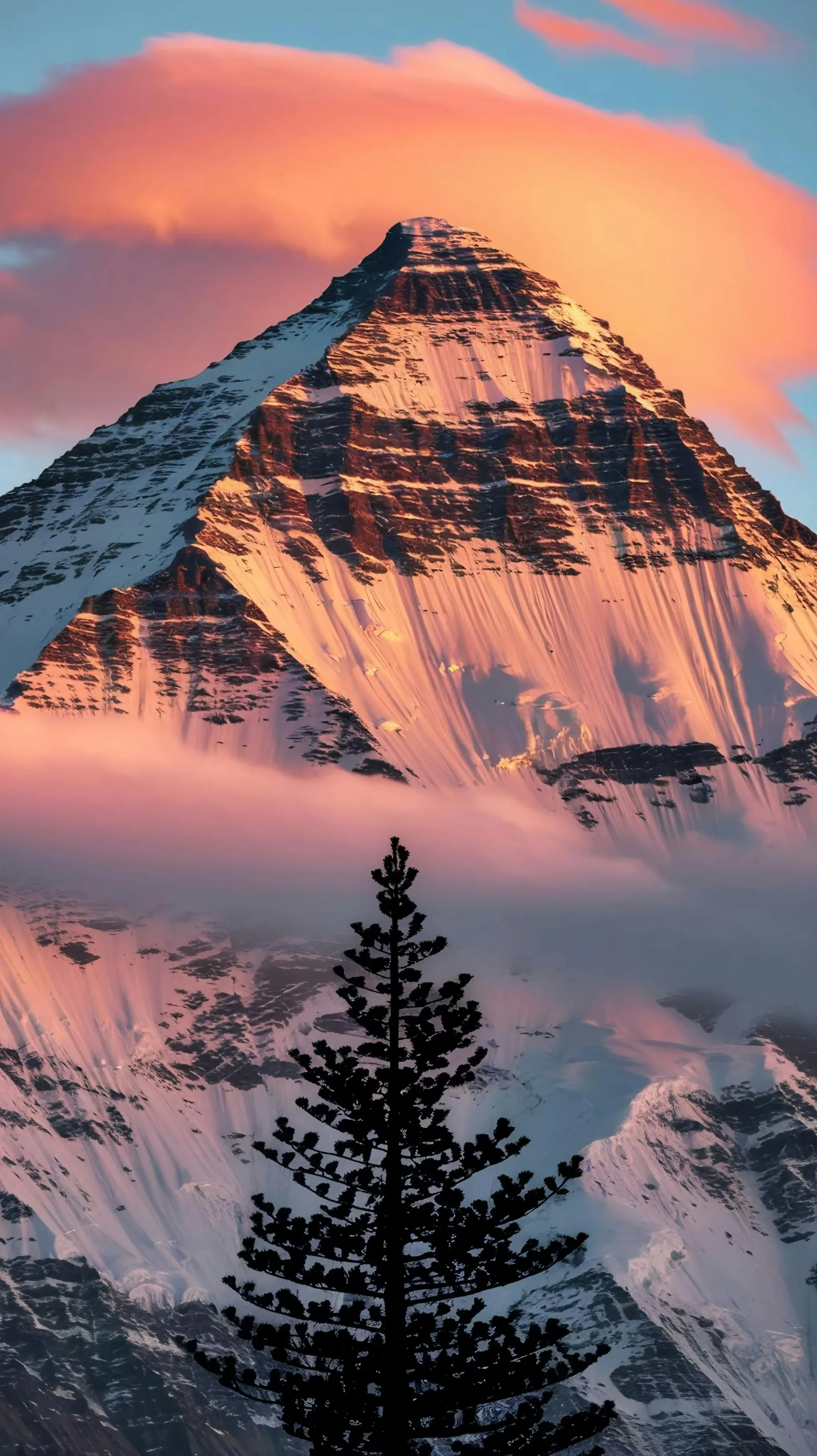
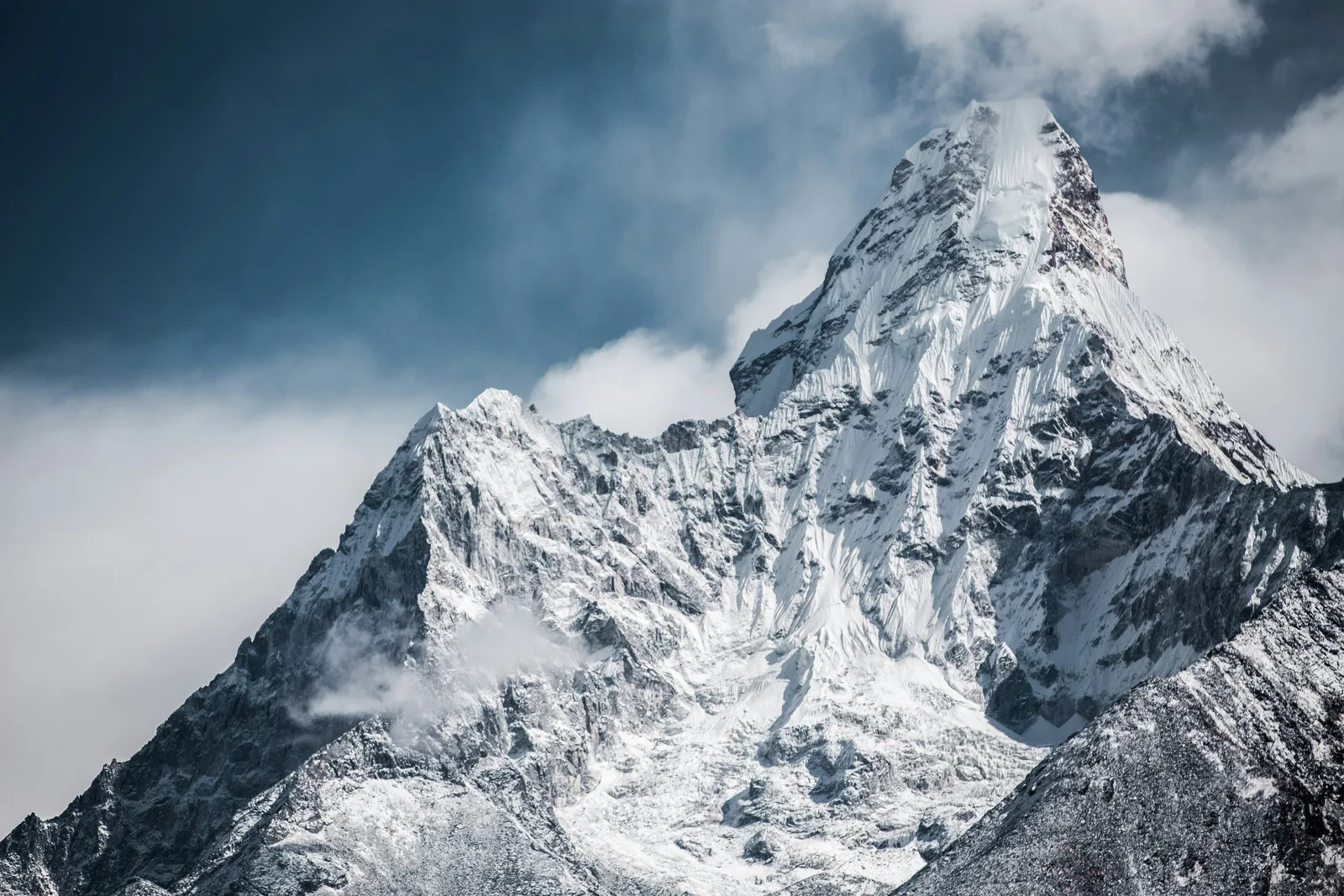
The Everest Base Camp Luxury Lodge Trek offers an unforgettable way to explore the Himalayas without giving up comfort. This 14-day journey takes you through Nepal’s beautiful Khumbu Valley, traditional Sherpa villages, peaceful monasteries, and dramatic mountain landscapes before reaching Everest Base Camp at 5,364 metres. Along the way, you can enjoy premium mountain lodges, private rooms where available, delicious meals, experienced Sherpa guides, and personal support throughout the trek. Unlike a standard teahouse journey, a luxury lodge trek places greater emphasis on comfort, service, and a well-planned walking schedule. You will still experience the challenge of high-altitude trekking, but thoughtful arrangements allow you to enjoy more of the journey without worrying about every detail. For travelers seeking a premium Himalayan adventure, this trek combines mountain exploration, local culture, and comfortable accommodation in one remarkable experience.
Why Choose the Everest Base Camp Luxury Lodge Trek?
Reaching Everest Base Camp is a dream for many travelers, but the journey involves more than reaching a famous destination. It means walking through mountain villages, adapting to higher elevations, meeting local communities, and experiencing the unique atmosphere of the Khumbu region. A luxury lodge trek makes this experience more comfortable by prioritizing quality accommodation, suitable meals, professional guiding, and careful planning.
The main difference between a luxury trek and a standard trek is the level of service available along the route. Depending on the village and lodge, you may enjoy private rooms, attached bathrooms, hot showers, warm dining areas, and a wider choice of meals. Facilities become more limited as you gain altitude, so the exact services should be confirmed before departure. You can explore the trekking packages available through Enticing Himalayas to compare Himalayan journeys and find an option that matches your travel style.
A Journey Through the Beautiful Khumbu Valley
The trek begins with a flight from Kathmandu to Lukla, a mountain town that serves as the main gateway to the Everest region. From here, the trail follows the Dudh Koshi River through pine forests, suspension bridges, small settlements, and traditional Sherpa villages. As you walk farther into the valley, the landscape opens to reveal towering peaks and impressive mountain scenery.
Namche Bazaar is one of the most memorable stops along the route. This lively mountain town has shops, cafés, bakeries, trekking stores, and traditional homes set against a dramatic Himalayan backdrop. It is also an important place to rest and acclimatize before continuing higher. The trail then passes through villages such as Tengboche, Pangboche, and Dingboche, each offering its own views and cultural experiences. With a knowledgeable guide, you can learn about the region while enjoying a steady pace that supports proper acclimatization.
Premium Mountain Lodges and Comfortable Accommodation
One of the main attractions of the Everest Base Camp Luxury Lodge Trek is the opportunity to stay in some of the best available mountain lodges. Properties such as Yeti Mountain Home and Everest Summit Lodge are known for offering a more comfortable trekking experience at selected locations. Facilities vary between villages, and the highest settlements have fewer luxury options than lower parts of the route.
Private rooms, comfortable beds, attached bathrooms, and hot showers may be available at selected lodges. However, these facilities cannot be guaranteed at every stop, particularly at higher elevations or during busy trekking periods. Heating, electricity, internet access, and hot water can also be limited by local conditions. A good trekking agency should confirm the actual accommodation plan before booking and explain where facilities may be more basic.
Comfortable lodging can make a real difference after several hours of walking. A warm meal, a quiet room, and time to rest help you prepare for the next day. For travelers who want more comfort without missing the traditional mountain atmosphere, this style of trek offers a useful balance between adventure and relaxation.
Gourmet Dining in the Himalayas
Food is an important part of a comfortable trekking experience. During the Everest Base Camp Luxury Lodge Trek, meals are planned to provide enough energy for long walking days while offering more variety where lodge facilities allow. Depending on the accommodation, menus may include traditional Nepali dishes, soups, rice, noodles, pasta, eggs, vegetables, and international-style meals.
Dal bhat remains a popular choice because it provides carbohydrates, protein, and energy for trekking. Other warm meals can help you stay comfortable in cold mountain weather. At higher elevations, however, the choice of ingredients and cooking styles may become more limited because supplies must be transported into remote villages. Gourmet dining should therefore be understood as an enhanced lodge experience rather than restaurant-level fine dining at every stop.
Drink enough water, eat regular meals, and tell your guide about dietary requirements before the trek. Vegetarian, vegan, and other special meal arrangements may be possible with advance notice, but availability can vary. Proper nutrition becomes especially important as altitude increases and your body works harder during daily walks.
Explore Namche Bazaar and Sherpa Culture
Namche Bazaar is an important cultural and trading centre in the Everest region. Surrounded by mountains, the town offers a mix of traditional Sherpa culture and modern trekking facilities. Visitors can explore local shops, enjoy a bakery or café, visit cultural displays, and learn about the history of mountaineering in the Khumbu.
Sherpa communities have played a major role in Himalayan mountaineering and trekking for generations. Their knowledge of mountain conditions, local routes, and high-altitude travel is valuable to visitors exploring the region. A respectful conversation with local people can help you understand their traditions and daily lives beyond the famous mountain scenery.
Your acclimatization time in Namche should also be used wisely. Short walks to suitable viewpoints and nearby settlements can help your body adjust to the increasing elevation. Your guide will recommend an appropriate activity based on your health, walking pace, and the day’s conditions. Taking acclimatization seriously helps make the remaining trek safer and more enjoyable.
Visit Tengboche Monastery
Tengboche Monastery is one of the most significant Buddhist sites in the Everest region. Set above the surrounding valley, it offers a peaceful place to learn about local religious traditions and enjoy views of the Himalayan landscape. The monastery is an important spiritual centre for nearby communities and is closely connected with the region’s Sherpa Buddhist heritage.
Visitors may have the opportunity to observe the monastery’s exterior, learn about its history, and experience the quiet atmosphere of the surrounding settlement. Religious activities depend on the local calendar, so a particular ceremony should not be assumed to take place during your visit. Travelers should dress respectfully, follow local guidance, and ask permission before taking photographs inside religious spaces.
The walk toward Tengboche also offers beautiful scenery, including forests, mountain ridges, and open views on clear days. It is a memorable stage of the trek because it combines natural beauty with cultural significance. Staying nearby allows you to enjoy the surroundings without rushing through the experience.
Reaching Everest Base Camp at 5,364 Metres
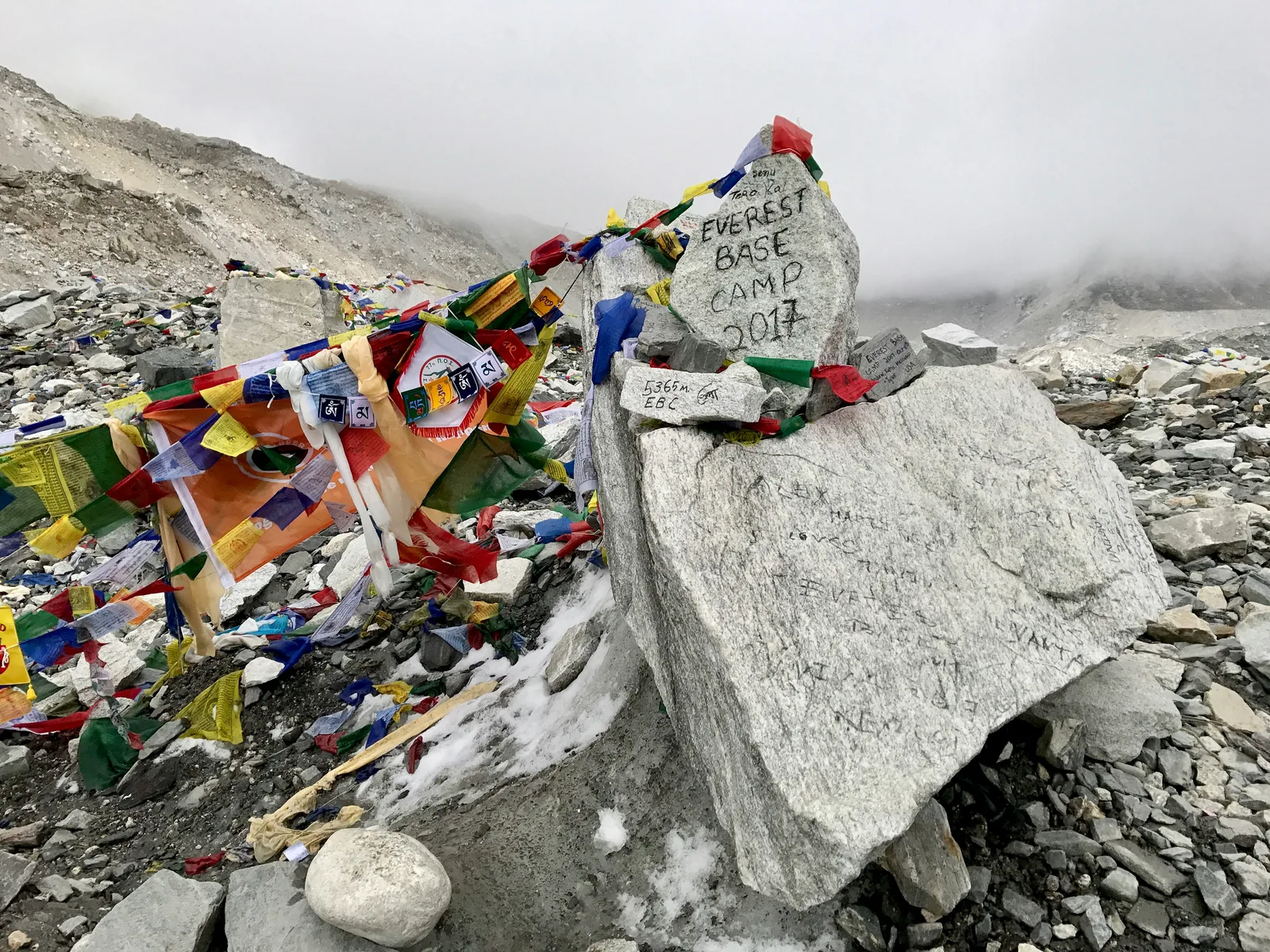
Everest Base Camp is the highlight of the journey for many trekkers. Located at approximately 5,364 metres, it sits beneath the enormous Himalayan peaks and serves as a seasonal staging area for mountaineering expeditions attempting to climb Mount Everest. The surrounding landscape is rugged and dramatic, with glaciers, rocky terrain, and expansive mountain views.
Reaching Base Camp requires patience and preparation. The trail becomes more demanding as you climb higher, and the thinner air can affect even fit travelers. Walking slowly, following the planned acclimatization schedule, and listening to your guide are essential. The final approach is not a race, and taking breaks can help you manage the physical challenge.
The view at Base Camp depends on weather, visibility, and the season. You may see expedition structures during the climbing season, but their presence and appearance change throughout the year. The goal is to enjoy the achievement safely and appreciate the extraordinary environment around you. Remember that reaching Base Camp is different from summiting Mount Everest, which requires a separate mountaineering expedition.
Expert Sherpa Guides and Porter Support
Professional support is a major benefit of a well-organized luxury trek. An experienced English-speaking guide helps manage the route, explain local culture, monitor the group’s condition, and coordinate daily arrangements. Guides familiar with the Khumbu region can also help travelers understand changing weather, trail conditions, and the importance of acclimatization.
Porters can carry the main luggage, allowing trekkers to walk with a lighter daypack. The proposed service of one porter for every two trekkers should be confirmed with the operator, including the maximum weight allowance and what personal items you need to carry yourself. Responsible trekking companies should provide suitable equipment and fair working conditions for their staff.
Good support does not remove the physical challenge of the trek, but it can make the experience smoother. Your guide should explain the daily plan, encourage a safe pace, and respond appropriately if someone develops symptoms of altitude sickness. Clear communication and realistic expectations are important parts of a premium trekking experience.
Safety, Acclimatization, and Emergency Planning
Safety should remain the highest priority throughout the Everest Base Camp Luxury Lodge Trek. The route reaches high elevations, where the risk of altitude sickness increases. A carefully planned itinerary includes acclimatization days and avoids climbing too quickly. Your guide should monitor the group’s condition and adjust the plan if necessary.
Symptoms of altitude sickness can include headache, nausea, dizziness, unusual fatigue, and difficulty sleeping. Tell your guide promptly if you feel unwell. Severe symptoms, including confusion, difficulty walking straight, or breathlessness at rest, require urgent medical attention and descent. Do not continue higher simply to maintain the schedule.
A medical kit and pulse oximeter can support basic monitoring, but they do not replace professional medical assessment. Emergency evacuation arrangements and insurance should be discussed before departure. Confirm that your travel insurance covers trekking at the planned altitude and helicopter evacuation where medically necessary. Weather and visibility can delay rescue services, so prevention and early reporting of symptoms are essential.
Best Time for the Luxury Everest Base Camp Trek
Spring and autumn are generally the most popular seasons for trekking to Everest Base Camp. Spring, particularly March through May, brings milder temperatures in many lower areas and the possibility of seeing rhododendrons in bloom. Autumn, from September through November, often offers pleasant walking conditions and clear mountain views after the monsoon season.
Winter can provide quieter trails and snowy landscapes, but temperatures are much colder, and some facilities may have limited services. The monsoon season brings more rain, clouds, and possible travel disruption, especially on the approach to Lukla. The best departure date depends on your priorities, comfort with weather conditions, and preferred level of activity on the trail.
Flights to and from Lukla can be affected by weather throughout the year. Keep extra time in your schedule before international departures and ask your trekking agency about current flight arrangements. A little flexibility can reduce stress if delays occur.
What Is Included in the Luxury Trek Package?
The exact inclusions depend on the operator and the selected package. A luxury Everest Base Camp trek may include airport transfers, domestic flights, premium lodge accommodation, a licensed guide, porter support, trekking permits, and meals during the trekking portion. Some packages also provide welcome services, equipment assistance, and help with emergency arrangements.
Before booking, ask for a written breakdown of all inclusions and exclusions. Confirm whether international flights, Nepal entry visas, travel insurance, personal drinks, snacks, tips, extra hotel nights, and costs caused by flight delays are covered. Check the accommodation list carefully, because facilities differ from village to village and premium rooms may be limited during busy periods.
The stated price of US$2,800 per person should be treated as the proposed package price until the operator confirms the current rate, availability, group size, and included services. A transparent quotation helps you understand exactly what you are paying for and avoid unexpected costs. You can start by reviewing the trekking packages offered by Enticing Himalayas and requesting the detailed itinerary and accommodation plan for this specific luxury trek.
Final Thoughts
The Everest Base Camp Luxury Lodge Trek combines one of the world’s most famous mountain journeys with a higher level of comfort and personal support. Premium lodges where available, varied meals, an experienced guide, and porter assistance can make the long journey through the Khumbu Valley more enjoyable. Along the way, you will experience Sherpa culture, visit important Buddhist sites, and witness spectacular Himalayan landscapes.
Reaching Everest Base Camp at 5,364 metres is a significant achievement, and the trek still requires fitness, patience, and respect for altitude. Choose a realistic itinerary, confirm what your package includes, and allow enough time for acclimatization and possible travel delays. With thoughtful preparation and responsible guidance, this luxury trek can become a memorable experience in the heart of the Himalayas.
Highlights
What's Included
What's Not Included
Not Suitable For
Important Information
What to Bring
Know Before You Go
Not Allowed
Detailed Itinerary
Day 1Arrival in Kathmandu (1,400m)
Welcome to Nepal! Upon arrival at Tribhuvan International Airport, our representative will meet you and transfer you to your 4-star hotel in Thamel. After check-in, rest or explore the vibrant streets. In the evening, meet your Sherpa guide for a comprehensive briefing and enjoy a welcome dinner featuring authentic Nepali cuisine with traditional music and dance.
Elevation: 1,400m
Accommodation: 4-Star Hotel
Meals: Welcome Dinner
Meals:dinnerStay:hotel
Day 2Fly to Lukla (2,840m) & Trek to Phakding (2,610m)
Take an early morning 35-minute scenic flight to Tenzing-Hillary Airport in Lukla. From Lukla, begin trekking along the Dudh Koshi River through pine forests and traditional Sherpa villages.
Elevation: 2,840m → 2,610m
Trekking Time: 3-4 hours
Accommodation: Premium Teahouse
Meals: All meals
Meals:all mealsStay:teahouse
Day 3Trek from Phakding to Namche Bazaar (3,440m)
Cross the Dudh Koshi several times via high suspension bridges. Enter Sagarmatha National Park at Monjo. The final stretch climbs steeply through pine forests with your first distant view of Mount Everest before reaching the vibrant Sherpa capital of Namche Bazaar.
Elevation: 2,610m → 3,440m
Trekking Time: 5-6 hours
Accommodation: Yeti Mountain Home or similar
Meals: All meals
Meals:all mealsStay:teahouse
Day 4Acclimatization Day at Namche Bazaar
Today is your first dedicated acclimatization day. Take a morning hike up to the Everest View Hotel (3,880m) for panoramic views of Everest, Lhotse, Nuptse, Ama Dablam, and Thamserku. Visit the Sherpa Culture Museum and explore Namche's markets.
Elevation: 3,440m (day hike to 3,880m)
Activity: Acclimatization hike 3-4 hours
Accommodation: Yeti Mountain Home
Meals: All meals
Meals:all mealsStay:teahouse
Day 5Trek from Namche Bazaar to Tengboche (3,860m)
Trek along a high trail with views of the Imja Khola Valley. Descend through rhododendron forests to Phunki Tenga for lunch. Afterward, make a steady climb through alpine woodland to Tengboche, home to the largest Buddhist monastery in the Khumbu region.
Elevation: 3,440m → 3,860m
Trekking Distance: 10 km, 5-6 hours
Accommodation: Premium Teahouse
Meals: All meals
Meals:all mealsStay:teahouse
Day 6Trek from Tengboche to Dingboche (4,410m)
Descend through birch and rhododendron forests to Deboche, crossing the Imja River. Pass towering mani walls and the village of Pangboche. As you ascend above the tree line into Dingboche, the landscape transitions into alpine meadows framed by stone-walled fields.
Elevation: 3,860m → 4,410m
Trekking Distance: 9 km, 5 hours
Accommodation: Premium Lodge
Meals: All meals
Meals:all mealsStay:teahouse
Day 7Acclimatization Day at Dingboche
Spend a second crucial acclimatization day in Dingboche. Take a steep day hike up Nangkartshang Peak (5,083m) for views of Makalu, Lhotse, and the south face of Ama Dablam. This climb follows the golden rule of acclimatization.
Elevation: 4,410m (day hike to 5,083m)
Activity: Acclimatization hike 4-5 hours
Accommodation: Premium Lodge
Meals: All meals
Meals:all mealsStay:teahouse
Day 8Trek from Dingboche to Lobuche (4,940m)
Climb gradually through the terminal moraine of the Khumbu Glacier to Thukla. Continue past memorials to fallen climbers on the Thukla Pass before the trail levels out and leads into Lobuche. The views of Pumori and Nuptse grow more dominant.
Elevation: 4,410m → 4,940m
Trekking Distance: 8 km, 5 hours
Accommodation: Premium Teahouse
Meals: All meals
Meals:all mealsStay:teahouse
Day 9Trek to Everest Base Camp (5,364m) via Gorak Shep (5,140m)
Today is the day you have been working toward! After an early breakfast, trek from Lobuche to Gorak Shep. After a short rest, continue across the rocky moraine to Everest Base Camp. Stand at 5,364 meters below the Khumbu Icefall.
Elevation: 4,940m → 5,364m → 5,140m
Trekking Time: 6-7 hours total
Accommodation: Gorak Shep Teahouse
Meals: All meals
Meals:all mealsStay:teahouse
Day 10Hike to Kala Patthar (5,545m) & Trek to Pheriche (4,280m)
Rise before dawn for the challenging but rewarding climb to the summit of Kala Patthar at 5,545m. Watch the golden sunrise illuminate Everest, Nuptse, Pumori, and Changtse. After returning for breakfast at Gorak Shep, descend rapidly through Lobuche to Pheriche.
Elevation: 5,140m → 5,545m → 4,280m
Trekking Time: 7-8 hours
Accommodation: Premium Lodge
Meals: All meals
Meals:all mealsStay:teahouse
Day 11Trek from Pheriche to Tengboche (3,860m)
Descend through Pangboche and cross the Imja River, then climb back up to Tengboche. The return offers fresh views and a sense of accomplishment.
Elevation: 4,280m → 3,860m
Trekking Time: 5-6 hours
Accommodation: Premium Teahouse
Meals: All meals
Meals:all mealsStay:teahouse
Day 12Trek from Tengboche to Namche Bazaar (3,440m)
Descend through rhododendron forests and cross the Dudh Koshi to arrive back at Namche Bazaar. Enjoy a hot shower and explore the markets.
Elevation: 3,860m → 3,440m
Trekking Time: 4-5 hours
Accommodation: Yeti Mountain Home
Meals: All meals
Meals:all mealsStay:teahouse
Day 13Trek from Namche Bazaar to Lukla (2,840m)
Enjoy a final day of trekking through the Dudh Koshi valley. Descend through Phakding and arrive at Lukla in the early afternoon, completing your Everest journey. Celebrate with your guide and porter team.
Elevation: 3,440m → 2,840m
Trekking Time: 5-6 hours
Accommodation: Premium Guesthouse
Meals: All meals
Meals:all mealsStay:teahouse
Day 14Fly to Kathmandu — Departure
Take the scenic morning flight from Lukla back to Kathmandu (35 minutes). Our representative will meet you at TIA and transfer you to your hotel or the airport for your onward journey.
Meals: Breakfast
Meals:breakfast
Gallery
0 photosNo gallery images available for this tour.
Downloads
No downloadable files available for this tour.
4.914 reviews
5
0
4
0
3
0
2
0
1
0
No reviews yet. Be the first to review this tour!
Tour Video
No video available for this tour.
1 option available
Everest Base Camp Luxury Lodge Trek: Comfort & Views
Standard tour package with flexible dates
14 days
Guide: English
Select a date
1
$2,700
1 Adult × $2,700
Free cancellation
Cancel up to 24 hours in advance for a full refund
From
$2,700/person
Booking options
Choose a departure below, or use the availability calendar to select a flexible date. Availability and final pricing are confirmed during booking.