Loading...
7 days
1 Option Available
Everest Panorama Family Trek — 7 Days Easy Everest View Adventure
Country
Solukhumbu, Everest Region
Duration
7 days
Group size
Flexible group size
Difficulty
moderate
4.6(8 reviews)
Solukhumbu, Everest Region
Tour Description
Everest Panorama Family Trek: Big Mountain Magic for All Ages
The Everest Panorama Family Trek is a memorable Himalayan adventure designed for families who want to experience the beauty of Nepal's Everest region without committing to the demanding journey to Everest Base Camp. This 7-day trekking experience combines spectacular mountain panoramas, traditional Sherpa villages, peaceful monasteries, forest trails, and opportunities to discover local culture at a more manageable pace. Reaching the famous Everest View Hotel and Tengboche Monastery, the trek offers an exciting introduction to Himalayan travel for parents, children, and first-time trekkers. With a planned maximum elevation of approximately 3,860 meters, it provides a shorter alternative to the classic Everest Base Camp route while still allowing families to experience the remarkable landscapes of the Khumbu region.
For many families, traveling in the Himalayas is about more than reaching a famous destination. It is about spending quality time together, introducing children to different cultures, enjoying the natural world, and creating memories away from everyday routines. The Everest Panorama Family Trek brings these experiences together through a combination of manageable walking days, scenic viewpoints, traditional mountain hospitality, and cultural encounters. Children can discover suspension bridges, watch pack animals traveling along mountain trails, learn about Buddhist traditions, and enjoy the excitement of exploring villages surrounded by enormous Himalayan peaks. Parents can appreciate the beautiful scenery and the opportunity to share a meaningful outdoor adventure with their children. Although the trek is designed to be gentler than the full Everest Base Camp journey, proper preparation, suitable acclimatization, and attention to each child's needs remain essential.
Discover the Everest Region Together
The Everest region, also known as the Khumbu, is one of Nepal's most celebrated mountain destinations. It is home to dramatic Himalayan peaks, traditional Sherpa settlements, Buddhist monasteries, and trekking routes that attract visitors from around the world. While many travelers come to complete the challenging Everest Base Camp trek, families can experience much of the region's cultural and natural beauty through a shorter panorama trek.
The journey introduces families to a changing landscape of green hillsides, pine forests, mountain rivers, rocky paths, and open viewpoints. As trekkers travel farther into the Khumbu, the scenery becomes increasingly dramatic, with snow-covered peaks rising above traditional villages. The contrast between peaceful settlements and towering mountains creates an unforgettable setting for family exploration.
For children, the environment can feel like a real-life adventure. Walking across suspension bridges, spotting yaks and other mountain animals, observing prayer wheels, and discovering small village shops offer exciting experiences along the way. Parents can use these moments to introduce children to the importance of nature conservation, local traditions, and respectful travel.
The Everest Panorama Family Trek is especially appealing to families who want to experience the Himalayas without focusing exclusively on distance or altitude. Instead of treating every walking day as a challenge to overcome, the journey allows time to appreciate the surroundings, enjoy conversations, and discover the details that make the Everest region unique.
A Family-Friendly Alternative to Everest Base Camp
The classic Everest Base Camp trek requires considerable time, physical endurance, and careful acclimatization at high elevations. For families traveling with children, those demands may make the full route unsuitable, depending on the child's age, health, experience, and individual response to altitude.
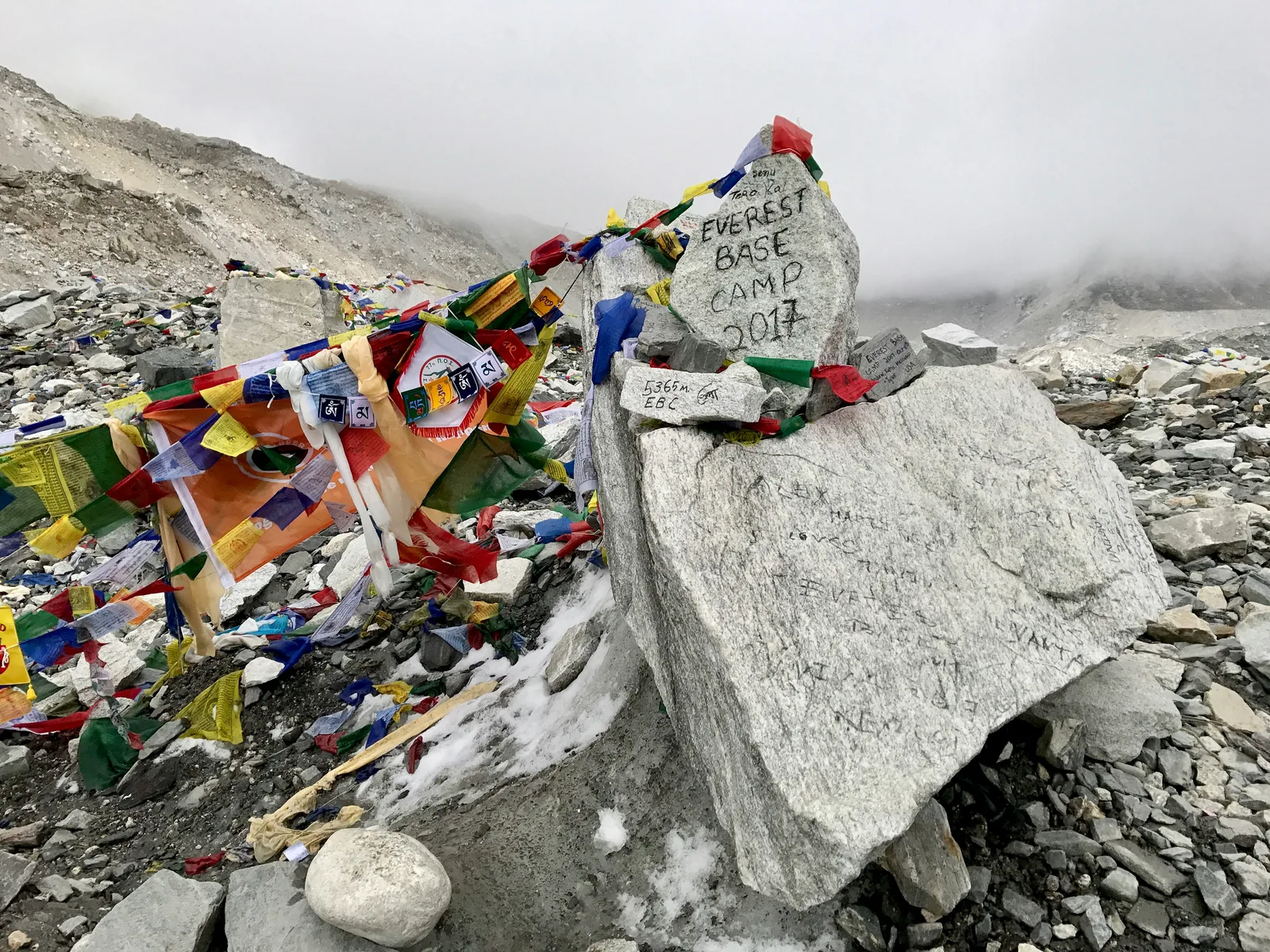
The Everest Panorama Family Trek offers an alternative by focusing on the lower and middle sections of the Everest trekking region. Rather than continuing toward Lobuche, Gorak Shep, and Everest Base Camp, the journey concentrates on destinations such as Namche Bazaar, the Everest View Hotel, and Tengboche Monastery.
This approach allows families to experience iconic Himalayan scenery without following the entire high-altitude route. Shorter walking days and a flexible schedule can make the journey more enjoyable, particularly for children who need additional breaks, time to eat, or opportunities to explore their surroundings.
However, a lower maximum elevation does not mean that altitude-related illness is impossible. At approximately 3,860 meters, travelers are still at a meaningful altitude, and some children and adults may develop symptoms. Families should choose an itinerary with appropriate acclimatization, monitor how everyone feels, and follow professional guidance if symptoms appear.
The best family trek is not necessarily the one that covers the greatest distance. It is the one that matches the family's abilities, interests, and comfort levels while allowing everyone to enjoy the experience responsibly.
The Excitement of Flying to Lukla
For many families, the mountain flight to Lukla becomes one of the most memorable parts of the Everest Panorama Family Trek. The journey offers a dramatic introduction to Nepal's mountainous landscapes, with views of hills, valleys, and rugged terrain as the aircraft approaches the gateway to the Everest region.
Lukla is an important starting point for trekking journeys into the Khumbu. After arriving, families can experience the atmosphere of a mountain settlement where trekkers, guides, porters, and local residents prepare for journeys along the surrounding trails.
The arrival also introduces families to the practical realities of mountain travel. Weather conditions can affect flight schedules, and delays or cancellations are possible. It is sensible to maintain flexibility in the travel schedule and avoid arranging tight connections immediately after the expected return from the mountains.
Children may enjoy seeing trekking equipment, observing the movement of supplies, and learning how mountain communities rely on transport connections to receive essential goods. Guides can explain how the region's geography influences daily life and why trekking tourism plays an important role in the local economy.
Because the flight is weather-dependent, families should follow the airline and trekking operator's instructions and remain prepared for schedule changes. Travel insurance that addresses relevant trip interruptions can also provide useful protection.
Explore Namche Bazaar: The Heart of Sherpa Country
Namche Bazaar is one of the most recognizable settlements in the Everest region. Built along a mountainside, this lively trading town provides an important place for trekkers to rest, acclimatize, and discover local culture.
For families, Namche offers an engaging combination of mountain scenery and everyday village life. Small shops, bakeries, cafés, trekking supply stores, and traditional buildings create a welcoming atmosphere for visitors. The surrounding hills provide beautiful viewpoints, while the settlement itself offers opportunities to learn about the history of Sherpa communities and their connection with the mountains.
Children may enjoy trying a warm drink, exploring local shops with their parents, or watching trekkers prepare for the next stage of their journey. Families can also observe traditional architecture and discover how homes, businesses, and community spaces adapt to life in a mountainous environment.
Namche is particularly important for acclimatization. Spending sufficient time at this elevation gives the body an opportunity to adjust before continuing higher. An itinerary should not sacrifice this adjustment period simply to save time.
The town is also an excellent place to introduce children to responsible tourism. Families can discuss why visitors should respect local customs, avoid littering, ask permission before photographing people, and support local businesses when appropriate.
Experience the Famous Everest View Hotel
The Everest View Hotel is one of the best-known viewpoints in the Khumbu region. Located above Namche Bazaar, it offers expansive views of the surrounding Himalayan landscape when weather conditions are favorable. Its elevated position provides an opportunity to appreciate the scale of the mountains without continuing toward the much higher elevations of Everest Base Camp.
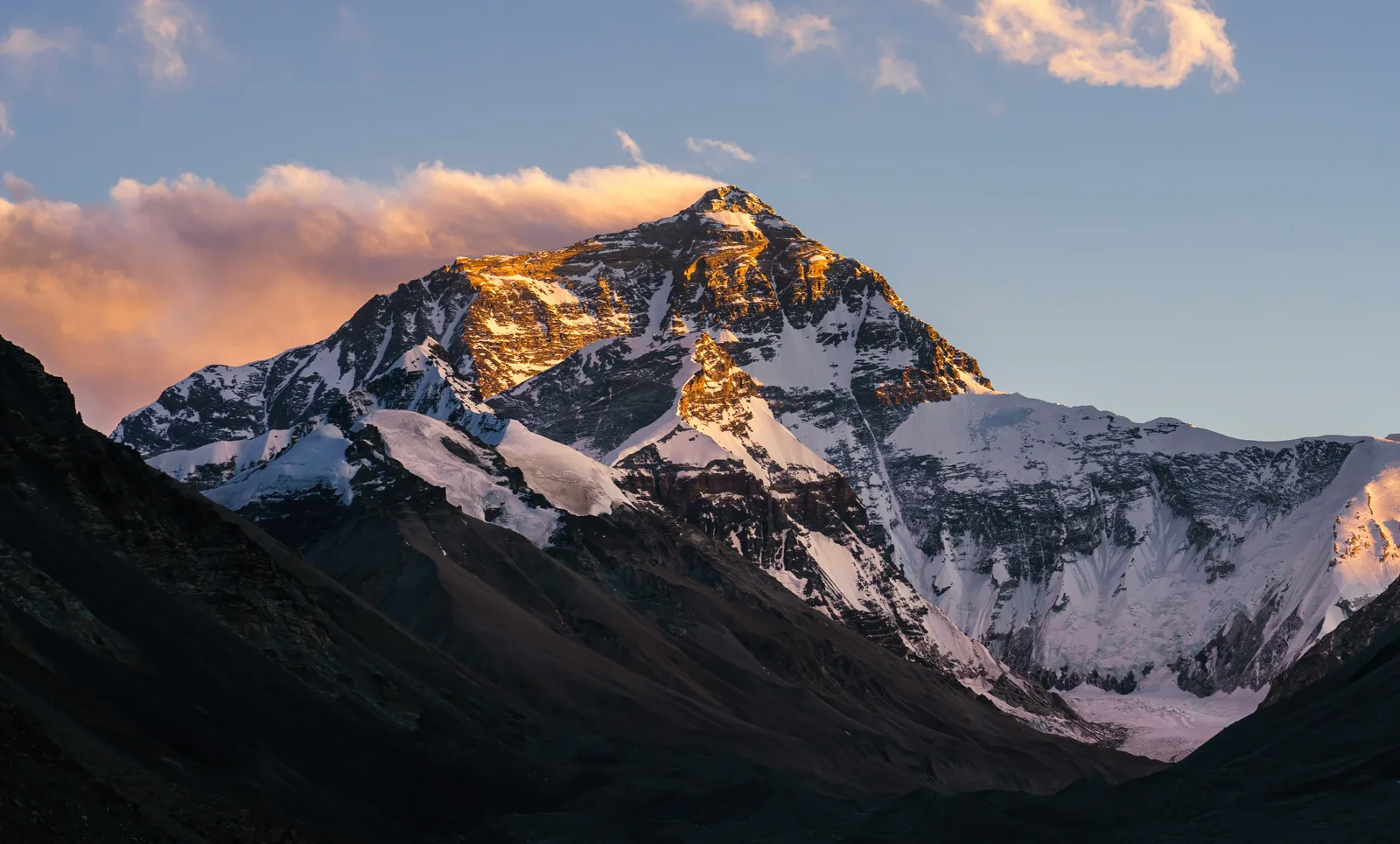
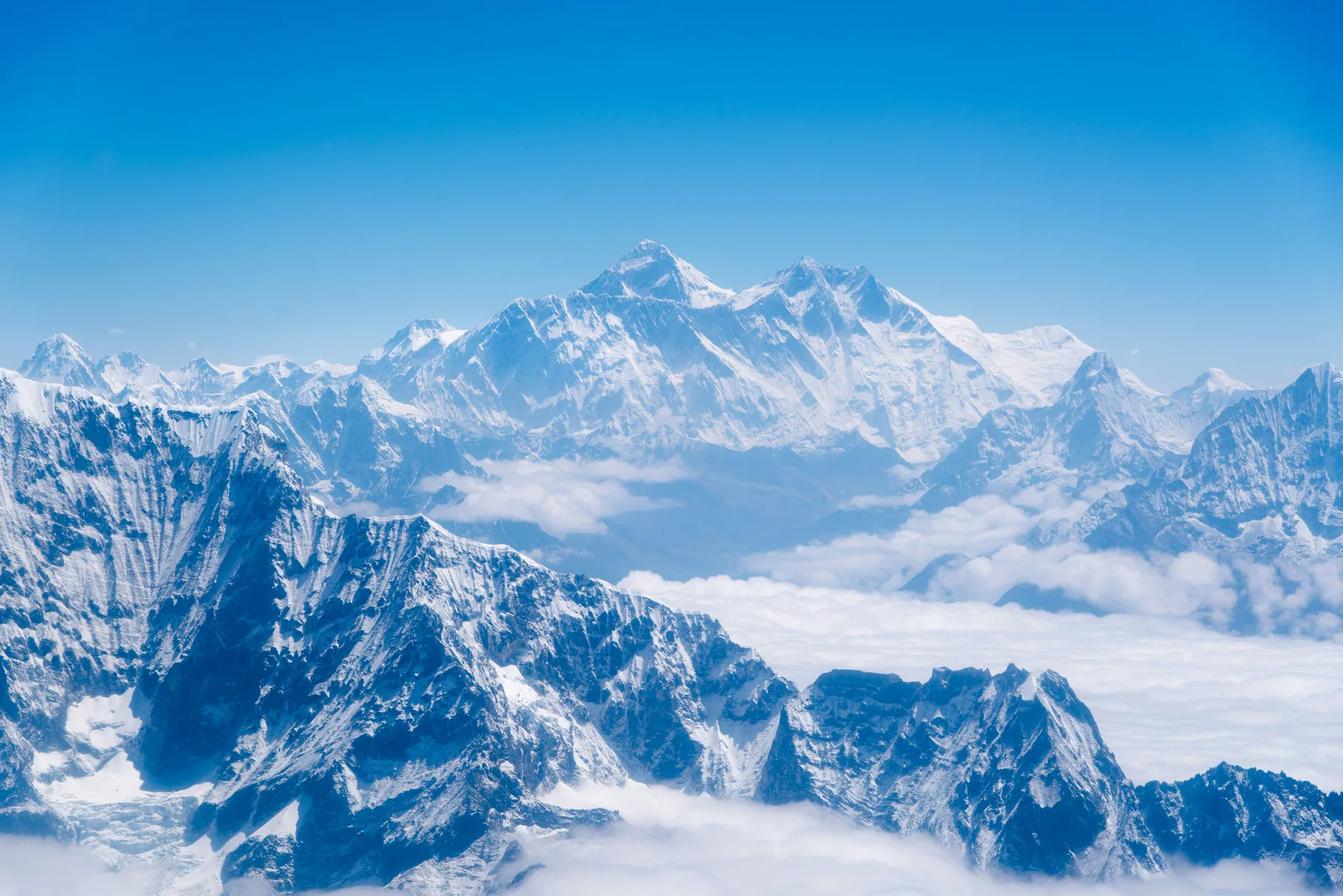
For families, visiting the hotel can be a highlight of the trek. The surrounding scenery offers opportunities for photographs, quiet moments outdoors, and conversations about the mountains that dominate the horizon. On clear days, visitors may be able to see Mount Everest alongside other impressive Himalayan peaks, depending on visibility and the viewpoint.
The walk toward the hotel can include uphill sections and uneven terrain, so families should follow their guide's recommendations regarding walking time, weather, and each child's energy level. A relaxed pace, suitable clothing, drinking water, and planned rest stops help make the experience more comfortable.
The Everest View Hotel is also a useful reminder that a rewarding Himalayan experience does not require reaching the highest possible destination. Sometimes, the most memorable moments come from sitting together, looking across the mountains, and appreciating the surroundings.
Families should confirm any planned visit, meal arrangements, and access details with their trekking operator. Weather, operating conditions, and individual needs may influence how the stop is organized.
Discover Tengboche Monastery and Sherpa Heritage
Tengboche Monastery is a significant cultural and spiritual destination in the Everest region. Surrounded by mountain scenery, the monastery provides an opportunity to learn about Tibetan Buddhist traditions and the spiritual heritage of Sherpa communities.
The setting is particularly memorable because colorful prayer flags, traditional religious structures, and panoramic mountain views create a peaceful atmosphere. Families can use the visit to introduce children to the importance of religious traditions and the role monasteries play in local community life.
Visitors should behave respectfully, follow any instructions from monastery staff, and observe photography restrictions where applicable. Religious buildings are places of worship rather than simply tourist attractions, and taking time to understand local customs helps make the visit more meaningful.
The surrounding landscape also offers opportunities to appreciate the natural environment. Forested slopes, mountain ridges, and changing weather create a beautiful setting for walking and photography. Children can learn how communities have maintained cultural traditions while adapting to the challenges of mountain living.
Reaching Tengboche involves walking uphill and traveling at a significant altitude. Families should ensure the planned route allows sufficient time for breaks and does not push children beyond their comfort level. The destination is rewarding, but the journey should remain flexible enough to accommodate weather, health, and individual fitness.
Gentle Walking Days and Flexible Family Travel
One of the most important features of the Everest Panorama Family Trek is the emphasis on manageable walking days. Children often enjoy outdoor exploration but may become tired when faced with continuous uphill walking, long distances, or cold weather. A well-planned family trek recognizes these needs and allows time for rest, food, photographs, and spontaneous discoveries.
The daily walking schedule should be adjusted to the family's composition and experience. Younger children may require shorter walking periods, while older children with previous hiking experience may be comfortable covering more ground. Parents should avoid comparing their children with other trekkers or expecting everyone to maintain the same pace.
Frequent breaks can turn the trail into an opportunity for discovery. Families can observe birds, identify mountain plants, watch pack animals, or learn about traditional stone walls and prayer wheels. These experiences help children remain engaged without feeling that every part of the day is simply about walking.
Flexible planning also allows families to respond to weather and health concerns. If a child is unusually tired, develops a headache, or shows other signs of illness, the group should communicate with the guide and reassess the plan. Continuing upward despite concerning symptoms is not appropriate.
The aim is to create an experience in which children feel involved and supported while parents can enjoy the scenery with greater peace of mind.
Comfortable Teahouses and Mountain Hospitality
Teahouses are an essential part of trekking in the Everest region. These mountain lodges provide accommodation, meals, and communal spaces where travelers can relax after a day on the trail. For families, they offer a chance to experience local hospitality and enjoy the atmosphere of mountain life.
Accommodation standards vary between villages and individual properties. Some teahouses offer private rooms suitable for families, while others have more basic facilities or limited availability during busy trekking seasons. Families who require specific room arrangements should confirm them in advance.
Meals commonly include familiar trekking staples such as rice, noodle dishes, soups, potatoes, eggs, and other locally available foods. Having regular meals and snacks can help children maintain their energy during walking days. Parents should discuss allergies, dietary requirements, and food preferences with the operator before departure.
Facilities may become more basic at higher elevations. Hot showers, room heating, charging points, and private bathrooms are not guaranteed everywhere, and some services may involve additional charges. Warm sleeping layers, suitable toiletries, and a few familiar snacks can make the experience easier for children.
Teahouse evenings also provide an opportunity for families to rest together, review photographs, play simple games, or talk about the day's experiences. These quieter moments often become some of the most enjoyable parts of a family trekking holiday.
Understanding Altitude and Keeping Children Safe
Although the Everest Panorama Family Trek avoids the higher elevations reached on the classic Base Camp route, it should not be described as entirely free from altitude-related risk. A maximum elevation of approximately 3,860 meters is still high enough for acute mountain sickness to occur.
Children may not always communicate their symptoms clearly, so parents and guides should pay close attention to changes in behavior, appetite, sleep, energy, and coordination. Symptoms such as headache, nausea, dizziness, unusual tiredness, or reduced appetite should be taken seriously, particularly when they develop after ascending.
More serious symptoms, including confusion, difficulty walking normally, or breathlessness at rest, require urgent medical attention and descent when indicated. The group should never continue ascending when altitude illness is suspected.
Before booking, parents should discuss the route, overnight elevations, acclimatization arrangements, and emergency procedures with the trekking operator. Families should also consult a qualified healthcare professional about whether the trek is appropriate for each child, particularly if a child has an existing medical condition or limited experience with strenuous outdoor activities.
A flexible itinerary, adequate rest, appropriate hydration, and careful monitoring are essential. No route or elevation can guarantee that every traveler will remain free from altitude sickness.
What to Pack for a Family Everest Panorama Trek
Packing appropriately helps families remain comfortable as temperatures and conditions change. Layered clothing is useful because sunny afternoons can feel very different from cold mornings and evenings. Children should have warm base layers, insulating jackets, waterproof outerwear, trekking trousers, gloves, warm hats, and suitable socks.
Well-fitted walking boots or trekking shoes with good grip can help reduce discomfort on uneven trails. Footwear should be tested before departure to identify any rubbing or sizing problems. A comfortable daypack should carry water, snacks, extra clothing, sun protection, and any personal items needed during the day's walk.
Other useful items include sunglasses, sunscreen, lip balm, a headlamp, basic personal hygiene supplies, and a small first-aid kit appropriate for the family. Parents should bring any necessary medications and follow professional advice about their use at altitude.
Children often appreciate having a few small activities for teahouse evenings, such as a notebook, cards, or a compact game. Familiar snacks can also be useful when local food options are limited or a child needs extra energy between meals.
Families should avoid carrying unnecessary weight. If porters are included in the package, confirm luggage allowances and the items each person should carry independently. Every family member should understand the importance of keeping essential items accessible during the trek.
Best Seasons for the Everest Panorama Family Trek
Spring and autumn are generally popular seasons for trekking in the Everest region. Spring, from March through May, brings changing landscapes and opportunities to enjoy the mountain environment as temperatures gradually become more favorable. Autumn, particularly October and November, is also a popular period, often offering clear mountain views and suitable daytime walking conditions.
The ideal season depends on a family's priorities, school holidays, travel arrangements, and comfort with changing weather. Families should remember that mountain conditions can be unpredictable in any season. Cloud cover, rain, snow, wind, and flight disruptions may affect the experience.
Winter trekking is possible, but colder temperatures can make the journey more challenging for children who are sensitive to cold. During the monsoon season, rain and cloud cover may reduce visibility and affect trails and transportation, particularly at lower elevations.
When planning the trip, families should allow flexibility around Lukla flights and avoid arranging international departures too close to the scheduled return from the mountains. Choosing an experienced operator and confirming the cancellation and delay policies can make the planning process more manageable.
Responsible Family Travel in the Himalayas
The Everest Panorama Family Trek is an opportunity to introduce children to responsible travel from an early age. The region's natural beauty and cultural traditions deserve respect, and small decisions can help families reduce their impact.
Visitors should carry rubbish out when appropriate, avoid disturbing wildlife, minimize unnecessary single-use plastics, and follow local guidance around trails and sacred places. Reusable water bottles and suitable water-treatment arrangements can help reduce waste while maintaining safe drinking-water practices.
Supporting local businesses is another meaningful way to contribute to the region. Families can use locally operated teahouses, purchase goods from village shops, and treat guides, porters, and accommodation staff fairly. Learning a few simple Nepali greetings or asking about local customs can also help create respectful interactions.
Children may find it particularly interesting to learn how mountain communities manage daily life, transport supplies, and protect cultural traditions in a challenging environment. These lessons can make the journey educational as well as enjoyable.
Responsible travel also means making thoughtful decisions about physical limits. Choosing a shorter route, taking an extra rest, or turning back when necessary demonstrates that respecting people and the environment is more important than following a rigid schedule.
Create Lasting Family Memories in the Everest Region
The Everest Panorama Family Trek offers families a chance to discover Nepal's extraordinary mountain landscapes while sharing an adventure suited to their interests and abilities. From the excitement of flying to Lukla to exploring Namche Bazaar, enjoying the scenery around the Everest View Hotel, and visiting Tengboche Monastery, the journey combines natural beauty with cultural discovery.
The experience can help children develop curiosity, patience, and appreciation for different ways of life. It also gives parents an opportunity to spend meaningful time with their children away from everyday distractions. Watching mountain clouds drift across the peaks, sharing a warm meal after a walking day, or celebrating the achievement of reaching a viewpoint can create memories that last long after returning home.
Before booking, families should confirm the exact itinerary, daily walking hours, overnight elevations, accommodation arrangements, guide qualifications, transport details, meals, and emergency procedures. The suitability of the trek depends on each child's age, health, fitness, and experience, so professional advice and careful planning are important.
For families who dream of experiencing Everest together, the panorama route provides an alternative to the more demanding Base Camp journey. It offers a chance to enjoy the Himalayas without making the highest possible destination the sole purpose of the trip.
Big mountains, shared discoveries, and unforgettable family moments: the Everest Panorama Family Trek invites parents and children to experience the magic of the Khumbu region together, one beautiful trail at a time.
Highlights
What's Included
What's Not Included
Not Suitable For
Important Information
What to Bring
Know Before You Go
Not Allowed
Detailed Itinerary
Day 1Arrival in Kathmandu (1,400m) — Family Welcome
Your family is met at the airport and transferred to your hotel in Thamel, where you can rest after the journey. In the evening, your family-friendly guide holds a short briefing about the days ahead. A welcome dinner follows, with a traditional Nepali cultural performance that children and adults both enjoy. Go to bed early and well rested, because tomorrow the real adventure begins.
Elevation: 1,400m
Accommodation: Hotel (family room)
Meals: Welcome Dinner
Meals:dinnerStay:hotel
Day 2Fly to Lukla (2,840m) & Trek to Phakding (2,610m)
The thrilling 35-minute flight to Lukla is an adventure in itself. After meeting the porter team, the family walks gently downhill along the Dudh Koshi River to Phakding. The trail passes through small villages, past prayer wheels, and across a suspension bridge, which is always a hit with the kids. The pace is easy, with time to rest and play along the way.
Elevation: 2,840m → 2,610m
Trekking: 3-4 hours (easy pace)
Accommodation: Teahouse (family room)
Meals: All meals
Meals:all mealsStay:teahouse
Day 3Trek to Namche Bazaar (3,440m)
Cross the Hillary Suspension Bridge and climb through pine forest to Namche Bazaar. The climb is steady but manageable, and your guide sets a family-friendly pace with plenty of photo stops and snack breaks. Your first Everest viewpoint rewards the effort, and the lively Sherpa town makes a warm place to rest. Drink plenty of water, and let the children set the rhythm.
Elevation: 2,610m → 3,440m
Trekking: 5-6 hours (with breaks)
Accommodation: Teahouse
Meals: All meals
Meals:all mealsStay:teahouse
Day 4Acclimatization Day — Everest View Hotel & Khumjung Village
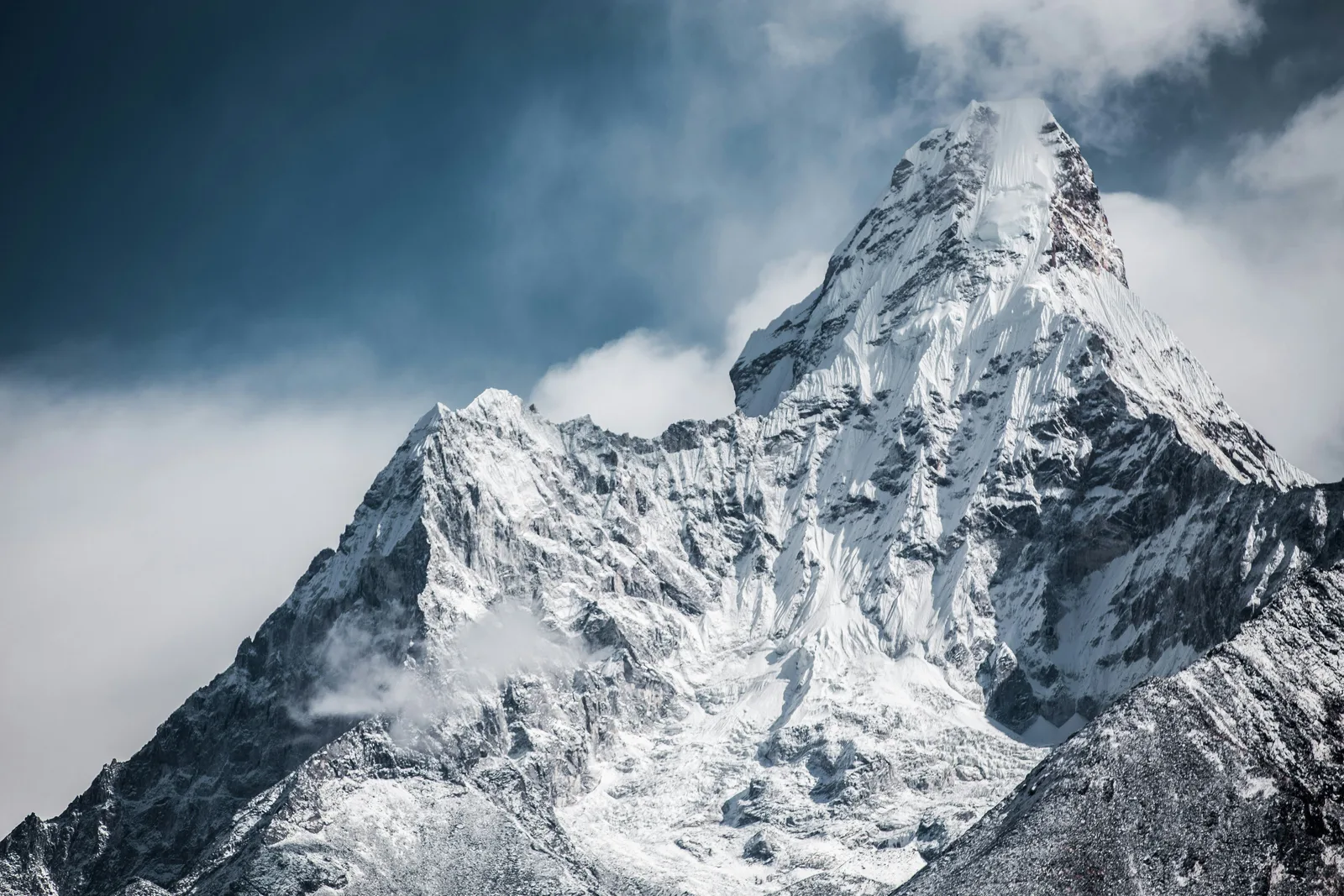
Enjoy a gentle acclimatization hike to the Everest View Hotel (3,880 m), where the terrace offers the best panoramic view of Everest, Lhotse, and Ama Dablam. Descend to Khumjung village to visit the Hillary School and see the famous yeti skull at the monastery. Return to Namche, where the afternoon is free to explore the bakeries and markets at your own pace.
Elevation: 3,440m (hike to 3,880m)
Trekking: 4-5 hours round trip
Accommodation: Teahouse
Meals: All meals
Meals:all mealsStay:teahouse
Day 5Trek to Tengboche (3,860m)
Today’s trail offers some of the best mountain scenery in the world, with Everest, Nuptse, Lhotse, and the beautiful Ama Dablam towering ahead. After lunch at Phunki Tenga, climb through quiet rhododendron forest to Tengboche Monastery. In the afternoon, attend the prayer ceremony, where chanting, horns, and drums create a magical experience for all ages. Take your time, and enjoy the open mountain setting.
Elevation: 3,440m → 3,860m
Trekking: 5-6 hours
Accommodation: Teahouse
Meals: All meals
Meals:all mealsStay:teahouse
Day 6Trek Back to Namche Bazaar (3,440m)
Descend through the forest to the river, then climb back up to Namche. The mountains look softer and friendlier on the way down, and the thicker air makes walking easier. The afternoon is free, so enjoy a hot shower, visit the Saturday market if it is Saturday, or simply relax with a slice of apple pie at a local bakery.
Elevation: 3,860m → 3,440m
Trekking: 4-5 hours
Accommodation: Teahouse
Meals: All meals
Meals:all mealsStay:teahouse
Day 7Trek to Lukla & Fly to Kathmandu — Farewell
Take an early walk down to Lukla, then enjoy the scenic flight back to Kathmandu. Transfer to your hotel, where a hot shower and a pool are waiting after the trail. In the evening, celebrate with a farewell dinner, because your family has just trekked to Everest and back! Share favorite moments and photos, and enjoy the proud feeling of a great adventure completed together.
Elevation: 3,440m → 2,840m → 1,400m
Trekking: 3-4 hours
Accommodation: Hotel
Meals: Breakfast, Farewell Dinner
Meals:breakfastStay:hotel
Gallery
0 photosNo gallery images available for this tour.
Downloads
No downloadable files available for this tour.
4.68 reviews
5
0
4
0
3
0
2
0
1
0
No reviews yet. Be the first to review this tour!
Tour Video
No video available for this tour.
1 option available
Everest Panorama Family Trek — 7 Days Easy Everest View Adventure
Standard tour package with flexible dates
7 days
Guide: English
Select a date
1
$1,855
1 Adult × $1,855
Free cancellation
Cancel up to 24 hours in advance for a full refund
From
$1,855/person
Booking options
Choose a departure below, or use the availability calendar to select a flexible date. Availability and final pricing are confirmed during booking.