Loading...
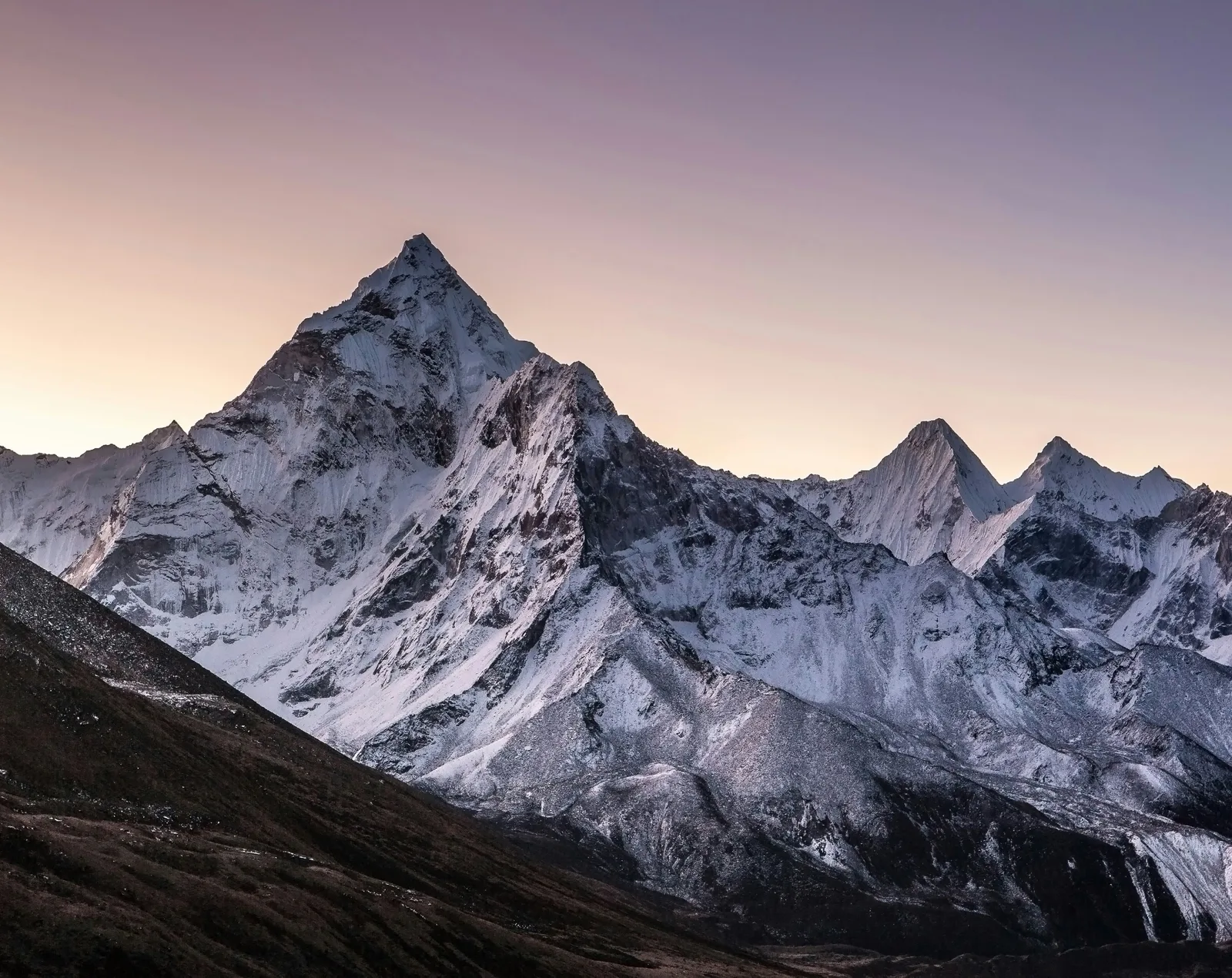
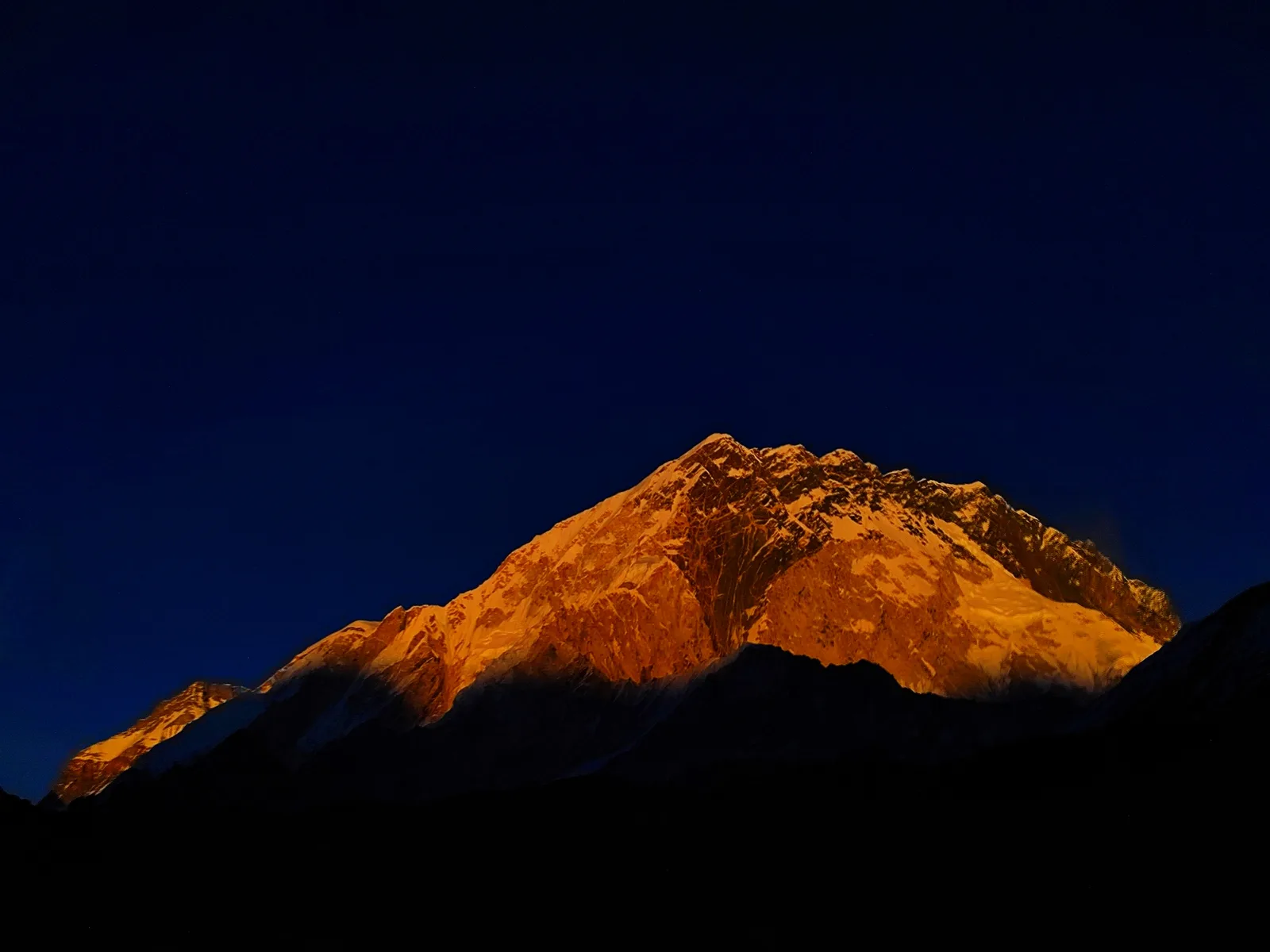
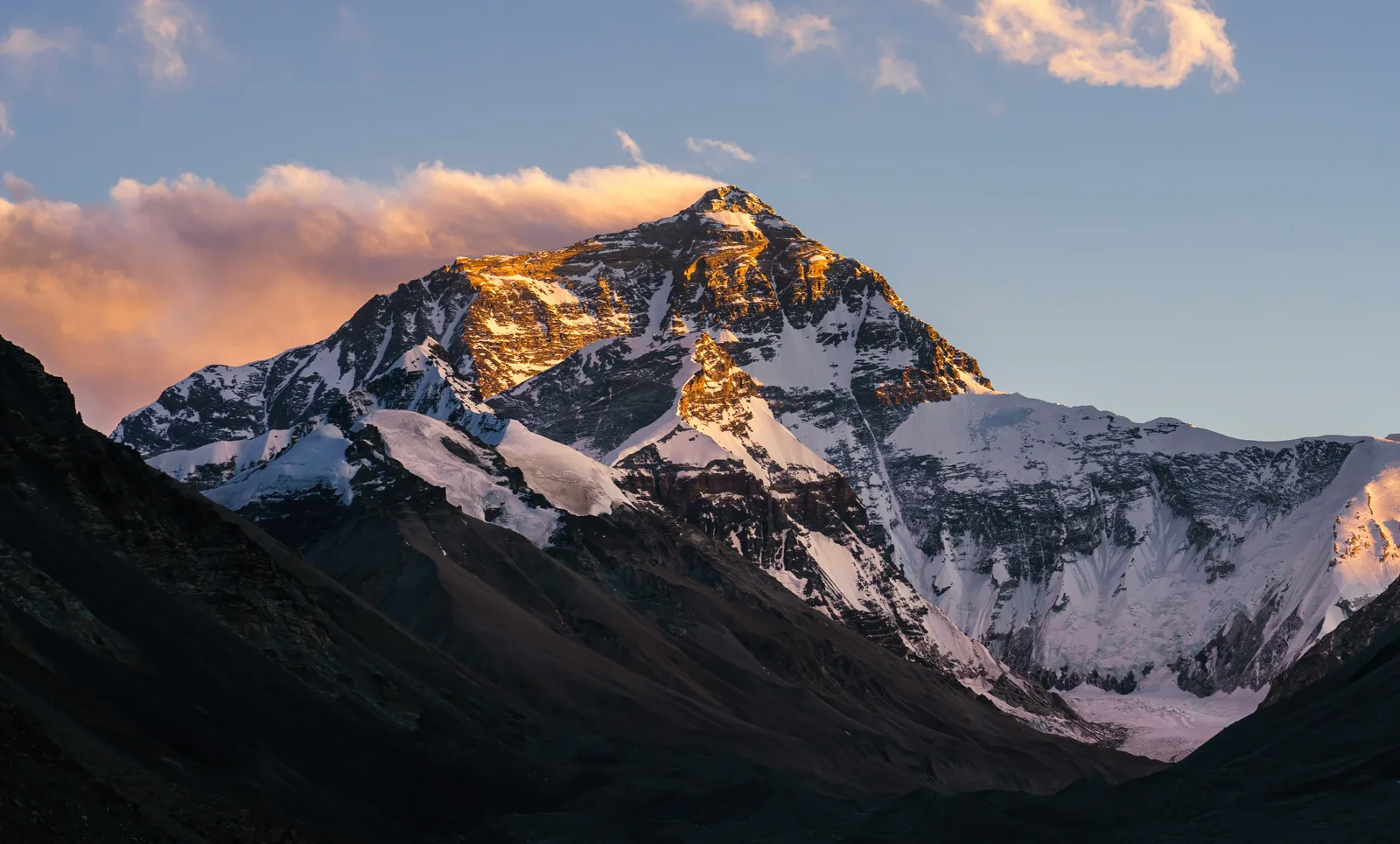
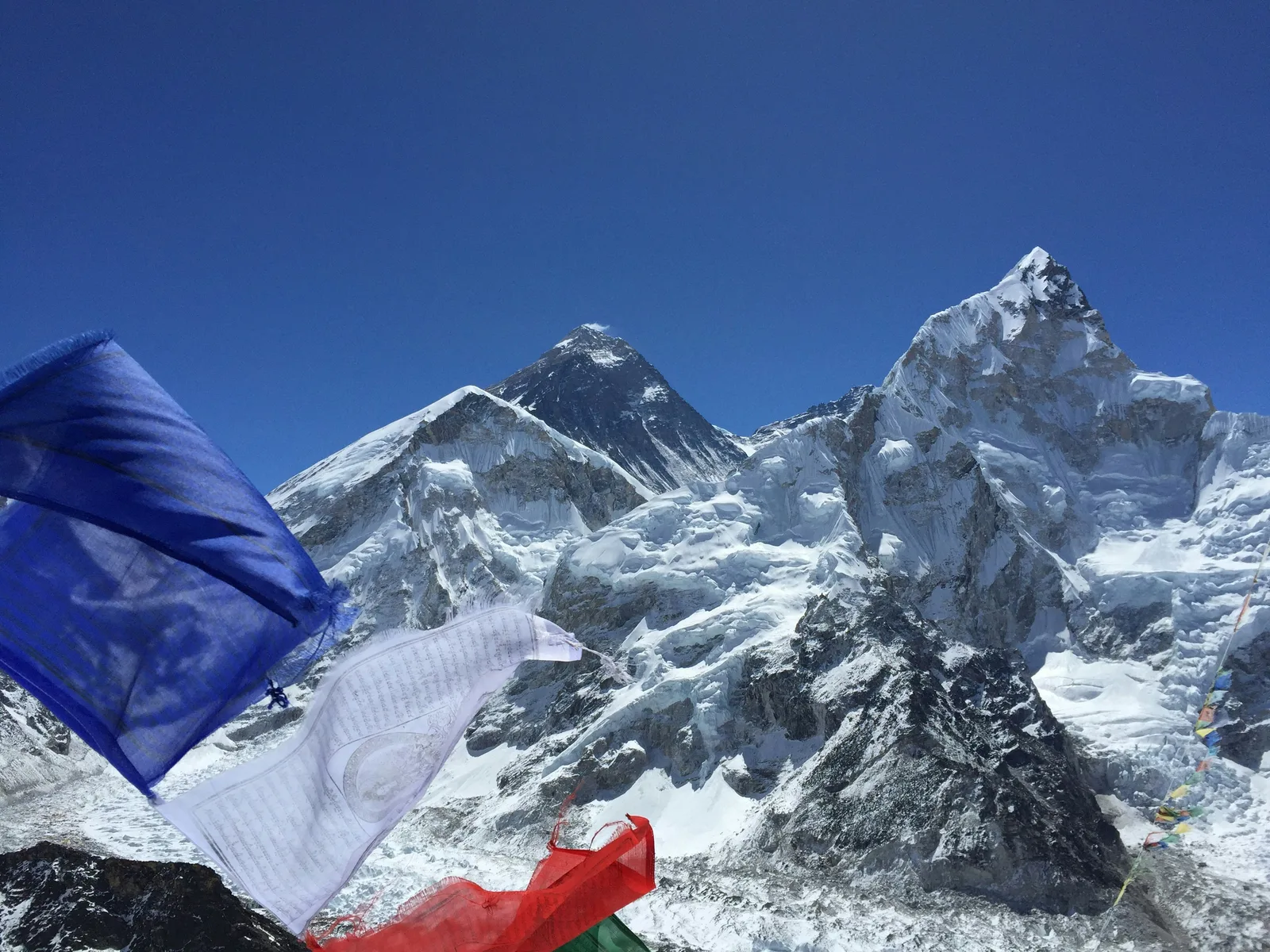
18 days
1 Option Available
Everest Three Passes Trek — 18 Days Ultimate Challenge
Country
Solukhumbu, Everest Region
Duration
18 days
Group size
Flexible group size
Difficulty
moderate
4.8(12 reviews)
Solukhumbu, Everest Region
Tour Description
Everest Three Passes Trek — The Ultimate Himalaya Circuit
The Everest Three Passes Trek is one of the most demanding and rewarding trekking adventures in Nepal, designed for experienced hikers who want to explore the Everest region beyond the traditional Everest Base Camp route. This 18-day Himalayan circuit crosses three spectacular high mountain passes: Kongma La at approximately 5,535 meters, Cho La at approximately 5,420 meters, and Renjo La at approximately 5,360 meters. Along the way, trekkers experience dramatic glaciers, remote valleys, traditional Sherpa villages, turquoise alpine lakes, and panoramic views of some of the world's most celebrated mountains. The journey also combines several iconic destinations, including Everest Base Camp, Kala Patthar, the Gokyo Lakes, and Gokyo Ri, depending on the final itinerary. Unlike a straightforward out-and-back trek, the Three Passes route connects different parts of the Khumbu region into a challenging circuit, offering a deeper understanding of its natural beauty and mountain culture. This adventure is best suited to physically fit trekkers with previous high-altitude experience who are prepared for long walking days, steep ascents, rocky trails, and unpredictable mountain weather.
Why Choose the Everest Three Passes Trek?
The Everest Three Passes Trek offers a more comprehensive exploration of the Khumbu than many standard trekking routes. While the classic Everest Base Camp trek focuses primarily on reaching the foot of the world's highest mountain, the Three Passes circuit takes you across high mountain saddles and into valleys that reveal different perspectives of the Himalayas.
The experience combines physical endurance with spectacular scenery and cultural discovery. You will walk beneath enormous mountain walls, cross suspension bridges, pass Buddhist monasteries, and spend time in settlements shaped by centuries of life in the high Himalayas. The route also offers opportunities to experience the quieter side of the Everest region, particularly along sections away from the busiest trekking corridors.
The three passes are the central challenge of the journey. Each presents a different combination of elevation, terrain, weather exposure, and views. Kongma La is known for its remote and rugged character, Cho La often involves challenging glacier and rocky sections, and Renjo La rewards trekkers with outstanding views over the Gokyo Lakes and surrounding peaks.
This is not an introductory trekking holiday. The high altitude, cumulative fatigue, and technical demands of certain trail sections require serious preparation. Travelers should have experience with long-distance hiking, ideally including previous trekking at altitude, before attempting the circuit.
Kongma La Pass: The Highest and Wildest Crossing
Kongma La, at approximately 5,535 meters, is the highest of the three passes and one of the most challenging sections of the circuit. Its remote setting and demanding terrain make it a memorable experience for trekkers who want to venture beyond the more familiar Everest trails.
The approach passes through the upper Khumbu landscape, where vegetation becomes sparse and the scenery increasingly dominated by rock, snow, ice, and glacial terrain. As you gain elevation, the air becomes thinner and even a moderate walking pace can feel strenuous. The route may involve steep climbs, loose stones, snow-covered sections, and uneven ground, with conditions changing according to the season and recent weather.
From suitable viewpoints around the pass, trekkers may enjoy impressive views of Lhotse, Makalu, Island Peak, and other Himalayan summits. The wide mountain landscape provides a sense of isolation that contrasts with the activity of the main Everest Base Camp trail.
Kongma La requires careful planning because the crossing can be long and physically demanding. There may be limited shelter and fewer opportunities for assistance along the route than on more populated sections of the Khumbu. An experienced guide should assess weather, visibility, snow conditions, and group fitness before attempting the pass.
The achievement of crossing Kongma La is not simply about reaching a high elevation. It is about managing a demanding mountain day, staying focused on changing terrain, and moving safely through a remote Himalayan environment.
Cho La Pass: A Technical and Adventurous Crossing
Cho La, approximately 5,420 meters above sea level, connects the Everest Base Camp trekking area with the Gokyo Valley. For many trekkers, it is one of the most memorable parts of the Three Passes circuit because of its rugged terrain, glacier environment, and steep approaches.
The route includes rocky trails and may involve crossing glaciated terrain or snow and ice, depending on conditions. Some sections can be slippery, exposed, or difficult to navigate, particularly after snowfall or during periods of poor visibility. The precise nature of the crossing varies throughout the year, so the difficulty cannot be described by elevation alone.
The climb toward Cho La can feel particularly demanding after several days of trekking at altitude. A steady pace, suitable footwear, careful foot placement, and close attention to the guide's instructions are important. Depending on the conditions, specialized equipment or additional precautions may be necessary. Travelers should confirm the expected terrain and equipment requirements with their trekking operator before departure.
After crossing the pass, the route continues toward the Gokyo Valley, where the landscape gradually opens to reveal the region's remarkable alpine lakes and mountain scenery. The contrast between the rugged pass and the peaceful lake environment makes this transition especially rewarding.
Cho La is often considered a highlight for trekkers who enjoy challenging terrain. However, it should never be treated as a guaranteed crossing regardless of conditions. If snow, ice, weather, or group health makes the route unsafe, a responsible guide may delay the crossing, choose an alternative, or turn back.
Renjo La Pass: The Spectacular Gateway to Gokyo
Renjo La, at approximately 5,360 meters, completes the trio of high passes and is widely appreciated for its exceptional views of the Gokyo Lakes and surrounding Himalayan peaks. Its combination of high-altitude terrain and sweeping scenery makes it one of the defining experiences of the circuit.
The ascent takes you through an increasingly dramatic mountain environment. As you gain elevation, views across the surrounding valleys and distant summits become more expansive. On a clear day, the landscape reveals the striking turquoise and blue Gokyo Lakes set against a backdrop of rocky slopes, glaciers, and snow-covered peaks.
The descent leads toward the western side of the Khumbu region, including the Thame area depending on the selected route. Compared with the busier trails around Everest Base Camp, some sections of this western route can feel quieter and more remote, giving trekkers an opportunity to appreciate the region at a different pace.
Renjo La is often remembered for the visual reward at the top. However, reaching the viewpoint requires considerable effort, particularly at altitude, and the descent can be tiring on the knees and legs. Trekkers should allow sufficient time to descend safely and should avoid rushing to maintain a predetermined schedule.
The pass provides a fitting conclusion to the high-crossing challenge, bringing together the physical achievement of the circuit and the extraordinary scenery of the Gokyo region.
Everest Base Camp: Stand Beneath the World's Highest Mountain
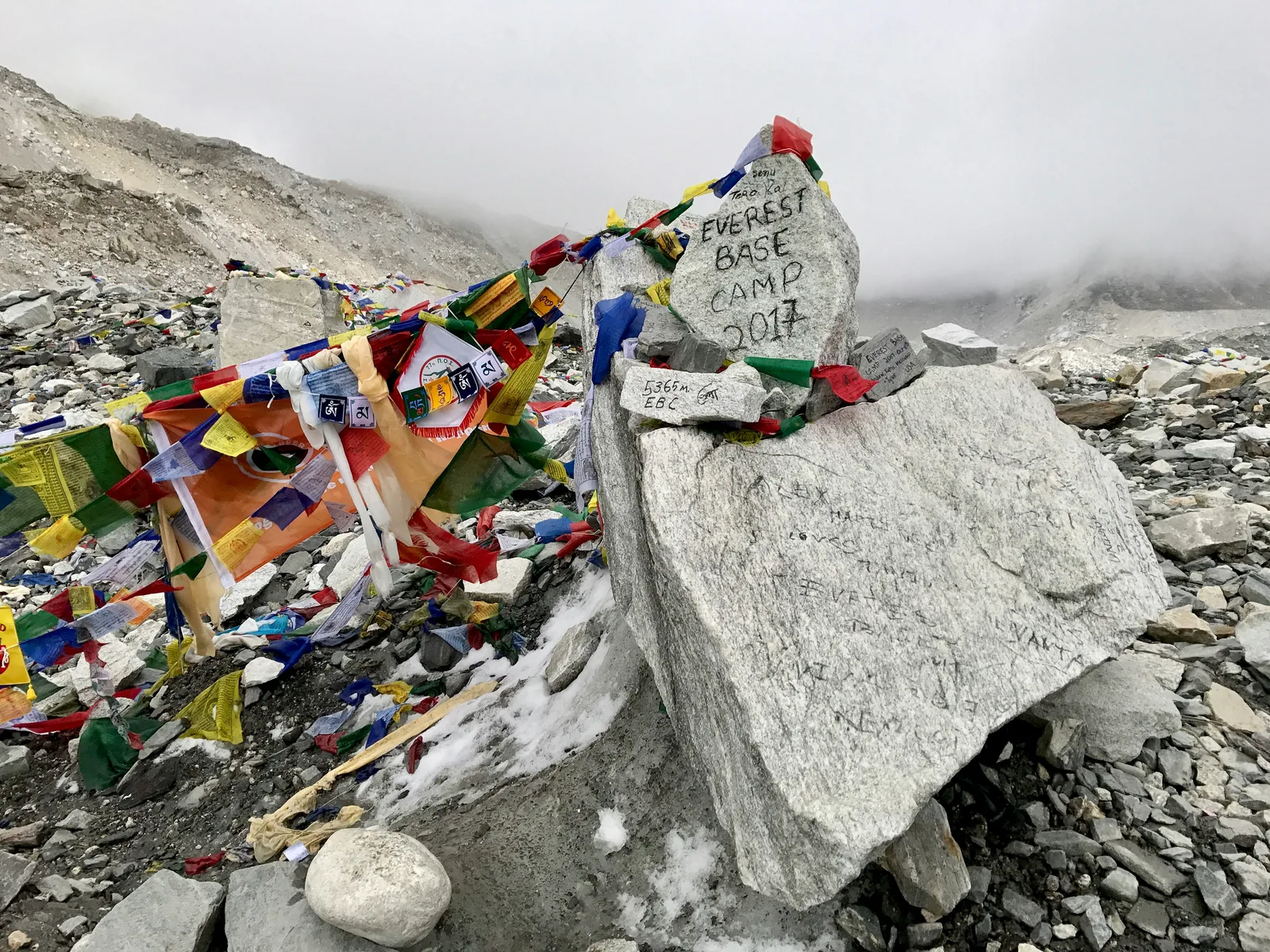
Everest Base Camp is one of the most recognized destinations in Nepal and an important highlight of the Three Passes Trek. Located at approximately 5,364 meters, it sits beside the Khumbu Glacier and serves as a base for mountaineering expeditions attempting to climb Mount Everest during the climbing season.
Reaching the base camp provides a powerful connection to the history of Himalayan exploration. The surrounding landscape includes glacial debris, rugged mountain slopes, and towering peaks that reveal the scale of the environment in which climbers prepare for Everest expeditions.
The experience differs from what many travelers expect. Mount Everest's summit is not necessarily visible in its entirety from the base camp itself because surrounding mountains, including Nuptse, obstruct parts of the view. Nevertheless, the location is remarkable for its atmosphere, glacial setting, and significance to mountaineering.
The Three Passes circuit allows trekkers to combine the base camp experience with other destinations rather than retracing the same route for the entire journey. This creates a broader exploration of the Khumbu and provides several distinct perspectives on its mountains and valleys.
Conditions at this elevation can be harsh. Cold temperatures, strong winds, and reduced oxygen availability may make even a short visit physically demanding. Appropriate acclimatization, warm clothing, and a flexible schedule are essential.
Kala Patthar: Panoramic Views of Everest
Kala Patthar, at approximately 5,545 meters, is one of the most famous viewpoints in the Everest region. It is commonly visited by trekkers seeking a closer panoramic perspective of Mount Everest and the surrounding Himalayan peaks.
The climb to the viewpoint is steep and strenuous, especially because of the altitude. Many trekkers aim to reach the summit area around sunrise, when the first light can illuminate Everest, Nuptse, Pumori, and neighboring mountains. The changing colors across the peaks can create an unforgettable scene for photography and quiet reflection.
From Kala Patthar, Everest appears more prominently than it does from Everest Base Camp itself. The viewpoint provides a different perspective on the mountain and allows visitors to appreciate the immense scale of the surrounding landscape.
Including Kala Patthar in an 18-day Three Passes itinerary requires thoughtful scheduling because the route already contains several demanding high-altitude crossings. Your operator should confirm how the viewpoint fits into the overall plan and allow enough time for acclimatization and recovery.
The ascent should not be rushed. Cold temperatures, darkness during early starts, uneven trails, and high altitude require appropriate preparation. If the weather is poor or a trekker feels unwell, skipping the viewpoint is a sensible decision.
Gokyo Lakes: Turquoise Waters in the High Himalayas
The Gokyo Lakes are among the most beautiful natural attractions in the Everest region. This collection of high-altitude lakes lies within a dramatic landscape of rocky slopes, glaciers, and snow-covered peaks. Their changing shades of blue and turquoise make them a memorable highlight for trekkers crossing Cho La and Renjo La.
The lakes are sacred to both Hindu and Buddhist communities, and visitors should treat the surrounding environment with care. Their remote location and alpine setting create a peaceful atmosphere that differs from the busier areas along the main Everest Base Camp trail.
The village of Gokyo provides a base for exploring the lake area and accessing Gokyo Ri. Time spent here allows trekkers to appreciate the scenery, rest between challenging sections, and enjoy the mountain environment at a more relaxed pace.
The color of the lakes depends on sunlight, cloud cover, season, and viewing angle. On a clear day, the contrast between the water and surrounding mountains can be especially striking. In other conditions, mist or cloud may create a quieter, more atmospheric landscape.
Because the lakes lie at high elevation, visitors still need to pay attention to acclimatization and personal health. The beauty of the area should be enjoyed without pushing beyond safe physical limits.
Gokyo Ri: A Classic Himalayan Viewpoint
Gokyo Ri is a popular high viewpoint above the Gokyo settlement, offering sweeping views across the Gokyo Lakes, surrounding glaciers, and several major Himalayan peaks. For many trekkers, climbing it is one of the most rewarding experiences of the entire circuit.
The ascent is steep and physically demanding, especially after crossing one or more high passes. At this altitude, breathing becomes harder and progress may be slow. A patient pace, regular breaks, and sufficient time for the descent are essential.
On clear days, the panorama may include Everest, Lhotse, Makalu, Cho Oyu, and the surrounding mountain ranges. The view provides an opportunity to appreciate the scale of the Himalayas from a different angle than the traditional Everest Base Camp route.
Sunrise and early-morning visits are popular, but the best timing depends on weather, safety, and the overall itinerary. Darkness and cold can increase the difficulty, so suitable clothing, a headlamp where needed, and guidance from an experienced trekking leader are important.
Gokyo Ri adds another physical challenge to an already demanding trek. The operator should confirm whether it is included in the 18-day itinerary and ensure that the schedule provides adequate rest and acclimatization.
Highlights
What's Included
What's Not Included
Not Suitable For
Important Information
What to Bring
Know Before You Go
Not Allowed
Detailed Itinerary
Day 1Arrival in Kathmandu (1,400m)
Arrive at Tribhuvan International Airport, where your guide meets you and transfers you to your hotel in Thamel. This is a serious undertaking, so tonight’s briefing covers route details, pass-crossing techniques, weather contingency plans, and emergency protocols. You also complete a careful gear check. A welcome dinner closes the day and sets the tone for the challenge ahead.
Elevation: 1,400m
Accommodation: Hotel
Meals: Welcome Dinner
Meals:dinnerStay:hotel
Day 2Fly to Lukla & Trek to Phakding (2,610m)
Take the scenic mountain flight to Lukla, then enjoy a gentle warm-up walk down the Dudh Koshi valley to Phakding. The Three Passes trek begins softly, and with three weeks on the trail there is no need to rush on the first day. Pass mani walls and prayer wheels, settle into your teahouse, and rest early.
Elevation: 2,840m → 2,610m
Trekking: 3-4 hours
Accommodation: Teahouse
Meals: All meals
Meals:all mealsStay:teahouse
Day 3Trek to Namche Bazaar (3,440m)
Cross the Hillary Suspension Bridge, enter Sagarmatha National Park, and climb steadily to Namche Bazaar. The climb is the standard introduction to Khumbu trekking, so pace yourself, because three passes lie ahead. Take breaks, drink plenty of water, and enjoy the first glimpses of Everest. Namche’s cafés and bakeries make a warm welcome.
Elevation: 2,610m → 3,440m
Trekking: 6-7 hours
Accommodation: Teahouse
Meals: All meals
Meals:all mealsStay:teahouse
Day 4Acclimatization Day in Namche
Hike up to the Everest View Hotel (3,880 m) for your first Everest panorama. Then return to Namche to visit the Sherpa Museum and, if it is Saturday, the weekly market. Acclimatization is critical for the Three Passes, because three crossings at around 5,000 m and above demand respect. Rest, hydrate, and keep the pace easy.
Elevation: 3,440m (hike to 3,880m)
Activity: 3-4 hours
Accommodation: Teahouse
Meals: All meals
Meals:all mealsStay:teahouse
Day 5Trek to Tengboche (3,860m)
Follow the classic Khumbu trail, with Everest and Ama Dablam in view all day. Descend to the river, then climb through quiet forest to Tengboche Monastery, the most important in the Khumbu. This is the last night on the shared trail before things get more interesting, so enjoy the prayers and the evening light on the peaks.
Elevation: 3,440m → 3,860m
Trekking: 5-6 hours
Accommodation: Teahouse
Meals: All meals
Meals:all mealsStay:teahouse
Day 6Trek to Dingboche (4,410m) — Preparing for Kongma La
The trail climbs above the tree line into the wide Imja Valley, with stone-walled fields and yak pastures on either side. Dingboche is your base for the first pass, with Kongma La just ahead. The air is thinner now, so walk slowly and drink often. Rest well tonight, because the adventure begins in earnest tomorrow.
Elevation: 3,860m → 4,410m
Trekking: 5-6 hours
Accommodation: Teahouse
Meals: All meals
Meals:all mealsStay:teahouse
Day 7Cross Kongma La Pass (5,535m) to Chukhung (4,730m)
This is the first and highest pass. A pre-dawn start leads up a steep climb to the summit, where morning light on Makalu, Lhotse, and Island Peak is unforgettable. Then descend past glacial lakes into the remote Chukhung Valley. The isolation here is special, since few trekkers venture this far from the main trail.
Elevation: 4,410m → 5,535m → 4,730m
Trekking: 6-7 hours
Accommodation: Teahouse
Meals: All meals
Meals:all mealsStay:teahouse
Day 8Rest & Exploration in Chukhung (4,730m)
Today is a rest day after Kongma La. You can take an optional hike to Chukhung Ri (5,550 m), a challenging but rewarding climb with views of the north face of Ama Dablam and the Lhotse wall. Or simply rest, hydrate, and enjoy the wild beauty of this isolated valley. Listen to your body and choose accordingly.
Elevation: 4,730m (hike to 5,550m optional)
Activity: Rest day / optional challenging hike
Accommodation: Teahouse
Meals: All meals
Meals:all mealsStay:teahouse
Day 9Trek to Lobuche (4,940m) — Rejoining the EBC Trail
Descend from Chukhung along the Imja Khola to rejoin the main Everest Base Camp trail at Lobuche. The energy changes, with more trekkers and more lodges, but also more support. Nuptse looms overhead as you prepare for Base Camp tomorrow. Eat well, layer up, and rest early in the cold air.
Elevation: 4,730m → 4,940m
Trekking: 4-5 hours
Accommodation: Teahouse
Meals: All meals
Meals:all mealsStay:teahouse
Day 10Trek to Everest Base Camp (5,364m) & Gorak Shep (5,140m)
This is the main event before the second pass. Trek to Gorak Shep, then continue to Everest Base Camp and stand beside the Khumbu Icefall. After the isolation of Kongma La, the energy of Base Camp feels almost festive, with prayer flags and expedition tents all around. Return to Gorak Shep for the night.
Elevation: 4,940m → 5,364m → 5,140m
Trekking: 7-8 hours
Accommodation: Teahouse
Meals: All meals
Meals:all mealsStay:teahouse
Day 11Kala Patthar (5,545m) & Trek to Dzongla (4,830m)
Start in the dark with the climb to Kala Patthar for the best Everest view of the trek, at sunrise and at the highest point you reach. Then descend and turn north toward Cho La Pass. Dzongla sits at the foot of the pass, ready for tomorrow’s crossing. Pace yourself and drink plenty of water.
Elevation: 5,140m → 5,545m → 4,830m
Trekking: 7-8 hours
Accommodation: Teahouse
Meals: All meals
Meals:all mealsStay:teahouse
Day 12Cross Cho La Pass (5,420m) to Dragnag (4,700m)
This is the most technically challenging pass. Start early for the glacier approach, with crampons on and steady climbing. The summit views are spectacular, with Ama Dablam seemingly close enough to touch. The descent is steep and the trail can be icy, so your guide manages it carefully. Dragnag feels like another planet after the pass.
Elevation: 4,830m → 5,420m → 4,700m
Trekking: 7-9 hours
Accommodation: Teahouse
Meals: All meals
Meals:all mealsStay:teahouse
Day 13Trek to Gokyo (4,750m) via the Ngozumpa Glacier
Descend to Gokyo village beside the Ngozumpa Glacier, the largest glacier in Nepal. The trail passes the first, second, and third Gokyo Lakes, their turquoise water contrasting with the grey moraine. Gokyo village huddles beside Dudh Pokhari, the largest lake. It is a shorter day, leaving time to rest and take in the views.
Elevation: 4,700m → 4,750m
Trekking: 3-4 hours
Accommodation: Teahouse
Meals: All meals
Meals:all mealsStay:teahouse
Day 14Gokyo Ri (5,357m) — Acclimatization & Panorama Day
A rest day with a sunrise climb to Gokyo Ri (5,357m) the finest viewpoint in the Everest region. Four of the world's six tallest peaks stretch in a single panorama: Everest (8,849m), Lhotse (8,516m), Makalu (8,463m), and Cho Oyu (8,188m). Below, the Gokyo Lakes glow in their impossible turquoise. This is why you trek.
Elevation: 4,750m → 5,357m → 4,750m
Activity: 4-5 hours round trip
Accommodation: Teahouse
Meals: All meals
Meals:all mealsStay:teahouse
Day 15Cross Renjo La Pass (5,360m) to Lungden (4,380m)
The third and final pass. From Gokyo, the trail climbs past the third and fourth lakes, then switchbacks up to the Renjo La summit. The panorama from here is the most photographed on the entire trek the Gokyo Lakes spread out below like a string of turquoise beads. Descend into the wild, remote Thame Valley to Lungden.
Elevation: 4,750m → 5,360m → 4,380m
Trekking: 6-7 hours
Accommodation: Teahouse
Meals: All meals
Meals:all mealsStay:teahouse
Day 16Trek to Namche Bazaar (3,440m) via Thame
Descend through the Thame Valley the birthplace of Tenzing Norgay, the first man to summit Everest with Edmund Hillary in 1953. Visit the Thame Monastery. The valley is wilder and less visited than the main EBC trail. Rejoin the main trail and descend to Namche Bazaar. Hot showers and celebration await.
Elevation: 4,380m → 3,440m
Trekking: 6-7 hours
Accommodation: Teahouse
Meals: All meals
Meals:all mealsStay:teahouse
Day 17Trek to Lukla (2,840m)
This is the final walking day. Follow the Dudh Koshi back to Lukla one last time, crossing suspension bridges and passing villages you now know well. Tonight, celebrate with your guide and porter team, because three passes, eighteen days, and countless memories are a real achievement. Share stories and give thanks.
Elevation: 3,440m → 2,840m
Trekking: 6-7 hours
Accommodation: Teahouse
Meals: All meals
Meals:all mealsStay:teahouse
Day 18Fly to Kathmandu — Departure
Take the morning flight back to Kathmandu and transfer to your hotel. In the evening, join a farewell dinner and receive your achievement certificate. Your airport transfer follows your departure time, and you can extend your stay with a Chitwan safari, Pokhara relaxation, or a Bhutan extension if you wish.
Accommodation: Hotel
Meals: Breakfast, Farewell Dinner
Meals:breakfastStay:hotel
Gallery
0 photosNo gallery images available for this tour.
Downloads
No downloadable files available for this tour.
4.812 reviews
5
0
4
0
3
0
2
0
1
0
No reviews yet. Be the first to review this tour!
Tour Video
No video available for this tour.
1 option available
Everest Three Passes Trek — 18 Days Ultimate Challenge
Standard tour package with flexible dates
18 days
Guide: English
Select a date
1
$3,185
1 Adult × $3,185
Free cancellation
Cancel up to 24 hours in advance for a full refund
From
$3,185/person
Booking options
Choose a departure below, or use the availability calendar to select a flexible date. Availability and final pricing are confirmed during booking.