Loading...
17 days
1 Option Available
Island Peak Climb + Everest Base Camp — 17 Days (Imja Tse 6,189m)
Country
Solukhumbu, Everest Region
Duration
17 days
Group size
Flexible group size
Difficulty
moderate
4.7(12 reviews)
Solukhumbu, Everest Region
Tour Description
Island Peak + Everest Base Camp — From Trekker to Mountaineer
Island Peak (Imja Tse, 6,189m) is an exciting opportunity to move beyond traditional trekking and experience the world of Himalayan mountaineering. This 17-day expedition combines the legendary Everest Base Camp trek with a guided ascent of one of Nepal’s most popular trekking peaks. It is designed for adventurous trekkers who want to challenge themselves at high altitude, develop essential climbing skills, and experience the achievement of standing on a Himalayan summit. You do not necessarily need previous mountaineering experience, but you should have excellent physical fitness, strong determination, and a willingness to learn technical climbing techniques.
The journey takes you deep into the Khumbu region, where traditional Sherpa villages, ancient Buddhist monasteries, glacial valleys, and towering Himalayan mountains create an unforgettable setting. You will follow the famous Everest Base Camp trail, experience the spectacular views from Kala Patthar, and then continue into the Imja Valley for your Island Peak climbing preparation. With experienced climbing Sherpas, essential technical equipment, practical training, and expedition-style base camp support included, this adventure offers a rewarding introduction to Himalayan mountaineering while allowing you to experience the beauty and culture of the Everest region.
Why Choose the Island Peak and Everest Base Camp Expedition?
The Island Peak and Everest Base Camp combination offers more than a standard Himalayan trek. It brings together two remarkable achievements: reaching the famous base camp beneath Mount Everest and climbing a mountain above 6,000 meters. The trekking section allows you to gradually experience the landscape and altitude of the Khumbu region, while the climbing section introduces you to the equipment, techniques, and teamwork required for a high-altitude summit attempt.
During the expedition, you will walk through picturesque mountain settlements, cross suspension bridges, explore traditional Sherpa communities, and enjoy views of some of the world's most recognizable Himalayan peaks. Each day offers a different perspective on the mountains, from forested trails at lower elevations to rocky alpine terrain and glacial landscapes closer to Island Peak.
The combination is particularly appealing to trekkers who have completed a multi-day hiking adventure and want to develop their skills further. Although Island Peak is often described as a trekking peak, it is a genuine mountaineering objective. The route can involve glacier travel, crampon use, fixed ropes, steep snow or ice, and exposure to extreme weather. Proper preparation and guidance are essential, and summit success can never be guaranteed.
Trek to Everest Base Camp and Kala Patthar
The first major highlight of the expedition is the journey toward Everest Base Camp. The trail passes through the heart of the Khumbu region, introducing you to the mountain communities and landscapes that have made this area famous among trekkers and climbers worldwide. Namche Bazaar is an important stop along the route, offering mountain views, local shops, lodges, and an opportunity to learn more about Sherpa culture and the history of Himalayan expeditions.
As you continue toward Tengboche and Dingboche, the scenery becomes increasingly dramatic. Traditional villages sit beneath enormous mountain walls, prayer flags flutter above trails, and Buddhist monasteries reflect the region's deep spiritual traditions. The route also provides opportunities to observe the changing vegetation and terrain as you move into the higher elevations.
Acclimatization is a central part of the journey. Spending adequate time adjusting to altitude can help reduce the risk of altitude-related illness, although it cannot eliminate that risk. Your guide should monitor your condition and adjust the plan if symptoms or weather conditions make further ascent unsafe.
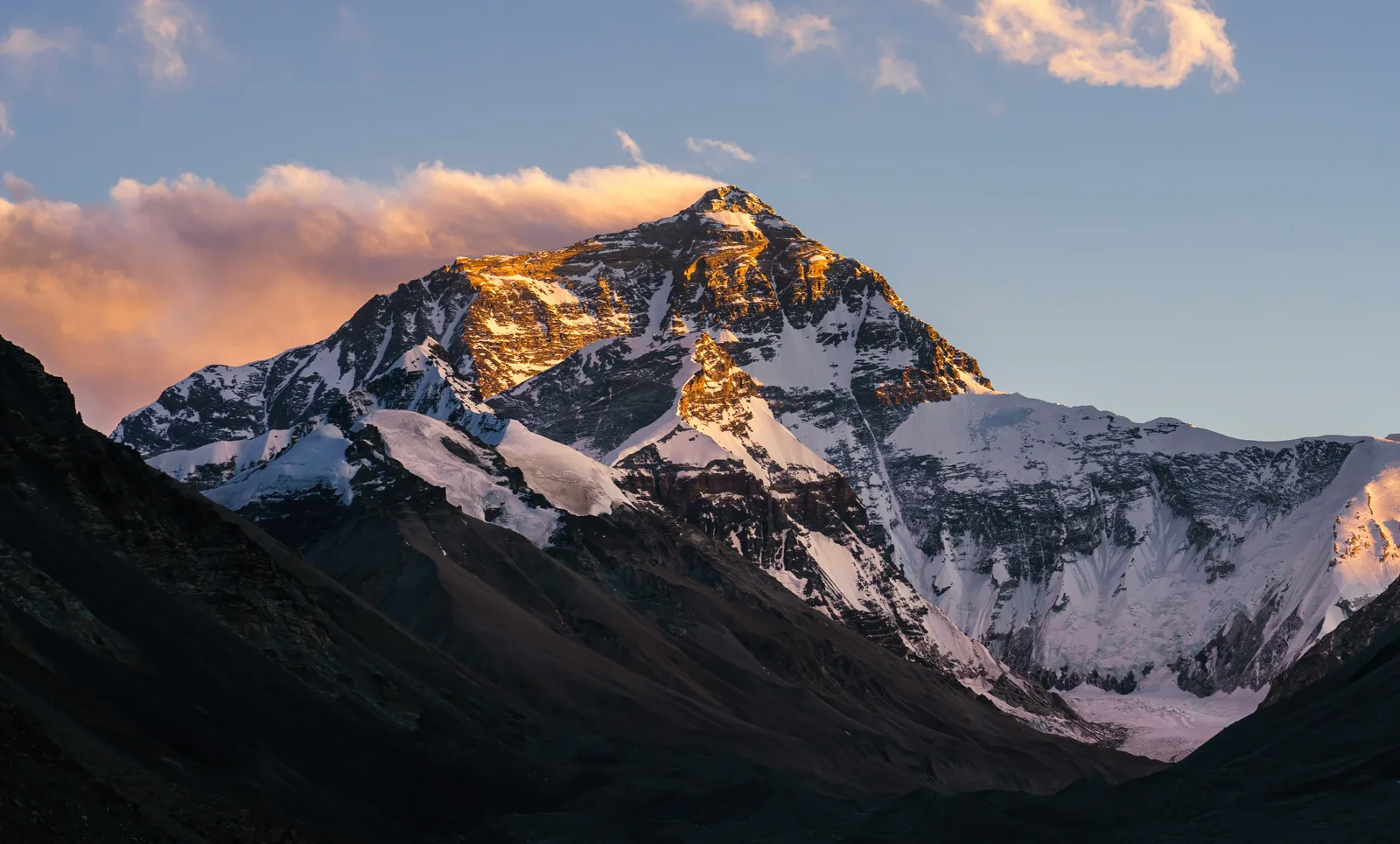
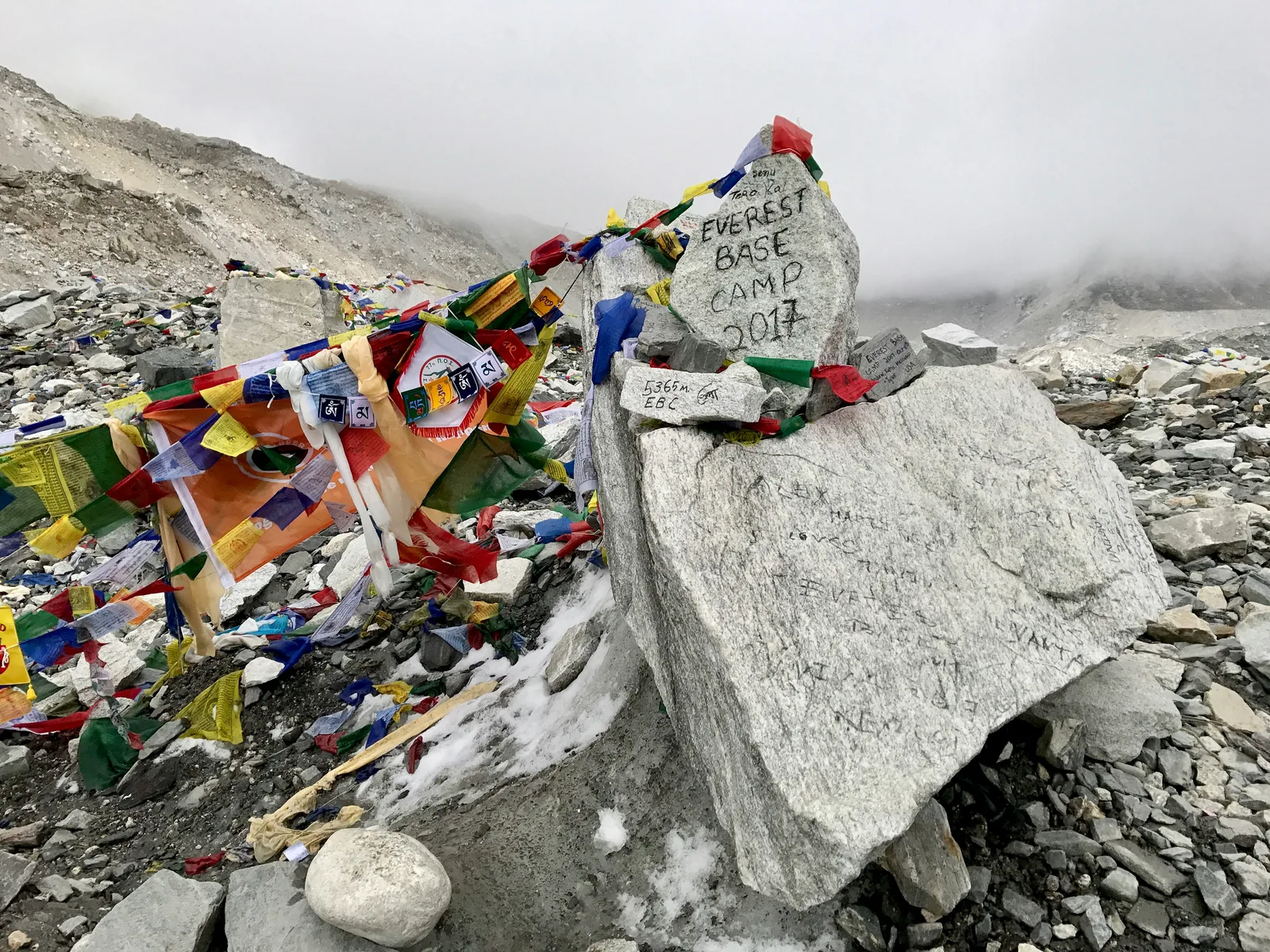
Reaching Everest Base Camp at approximately 5,364 meters is a memorable moment. Located near the Khumbu Glacier, the area is associated with the expeditions that attempt to climb the world's highest mountain. The surrounding glacier, rugged peaks, and colorful expedition tents during climbing season create a remarkable high-altitude environment.
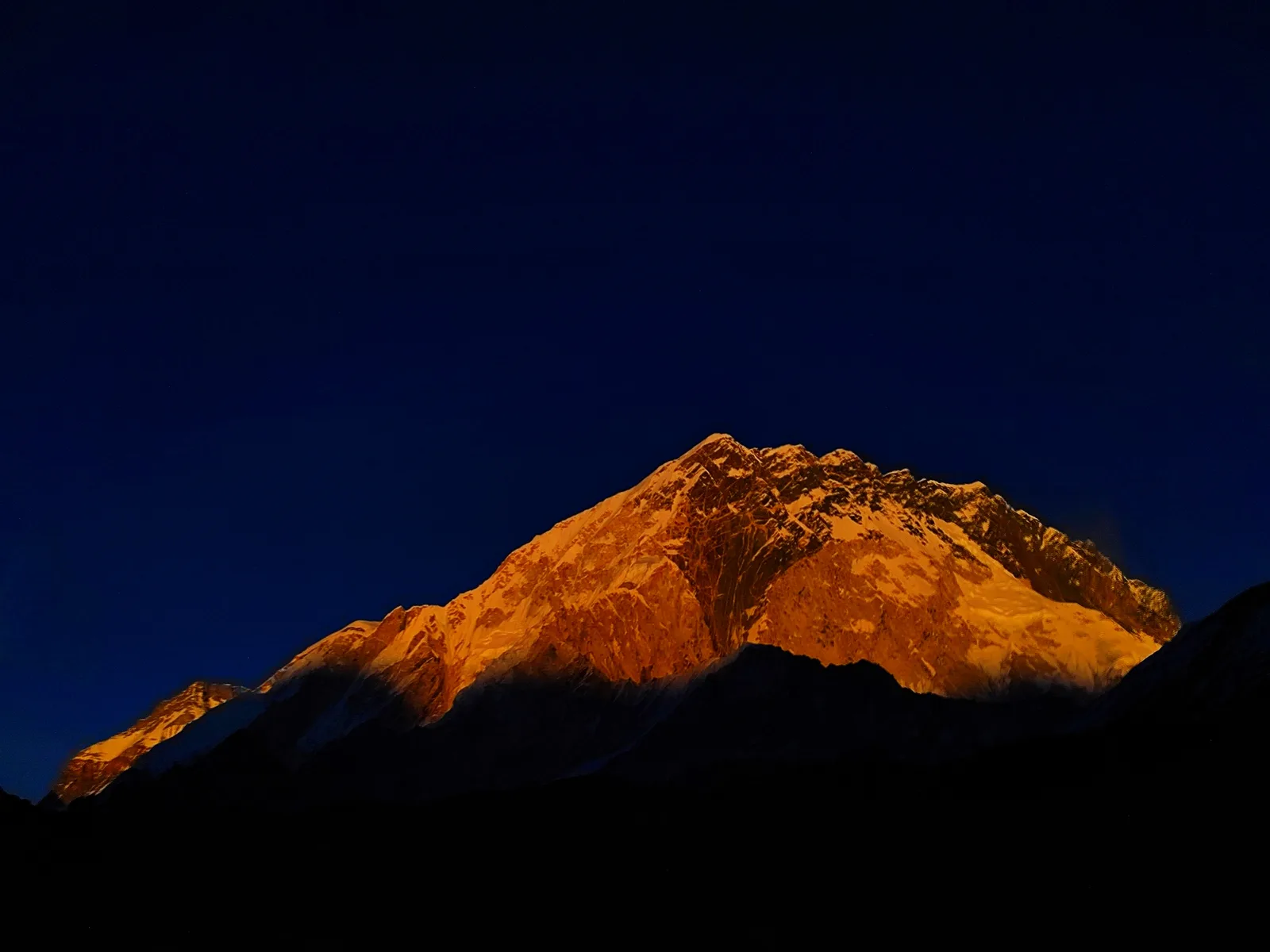
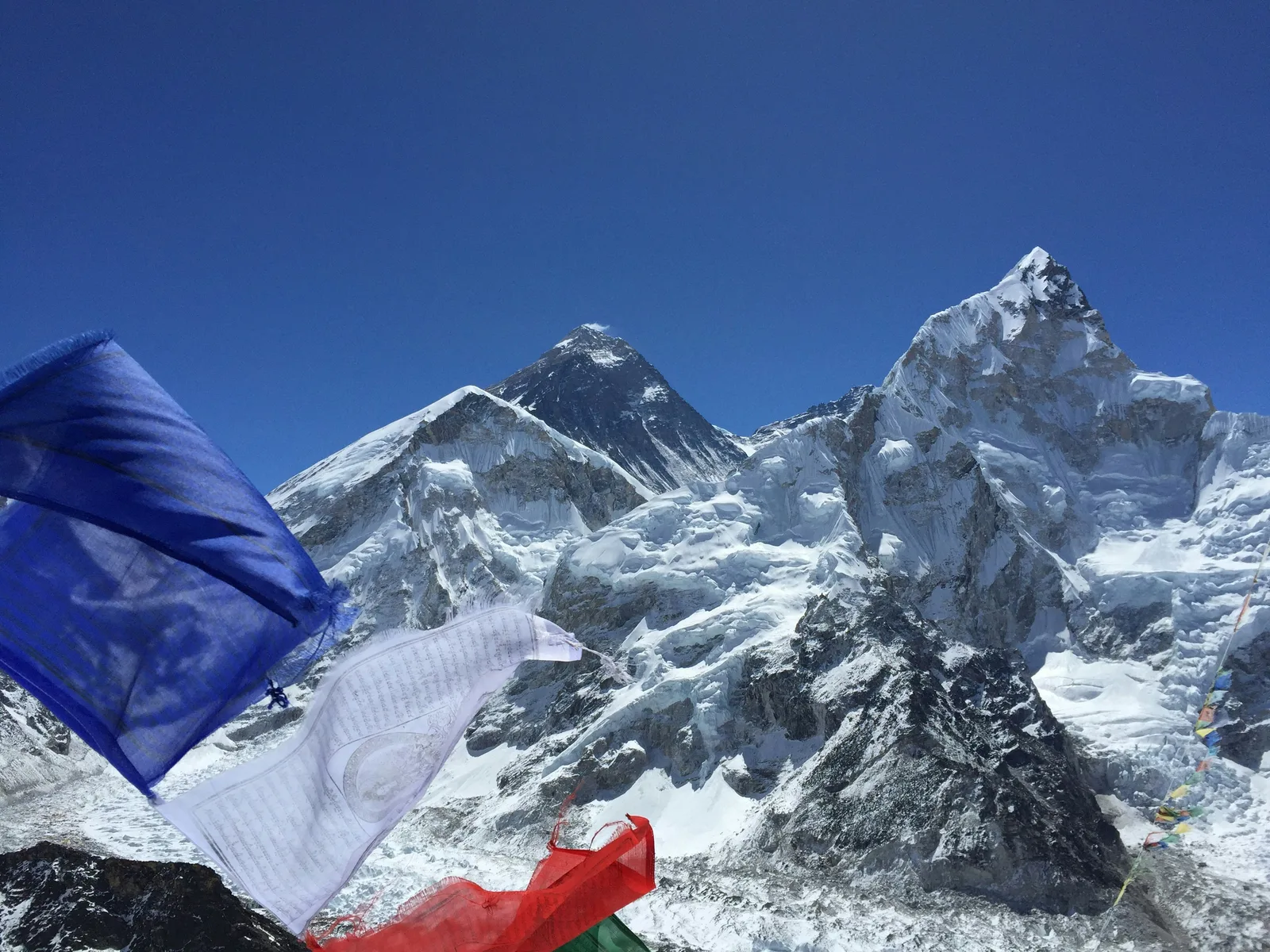
Another major highlight is Kala Patthar, commonly visited for its panoramic views of Everest and the surrounding mountains. At approximately 5,545 meters, the viewpoint offers a different perspective from Everest Base Camp itself. On a clear morning, the Himalayan skyline can be especially impressive, with Everest, Nuptse, and other surrounding peaks illuminated by the first sunlight. These experiences make the trekking section a major adventure in its own right before you turn toward Island Peak.
Discover Island Peak in the Imja Valley
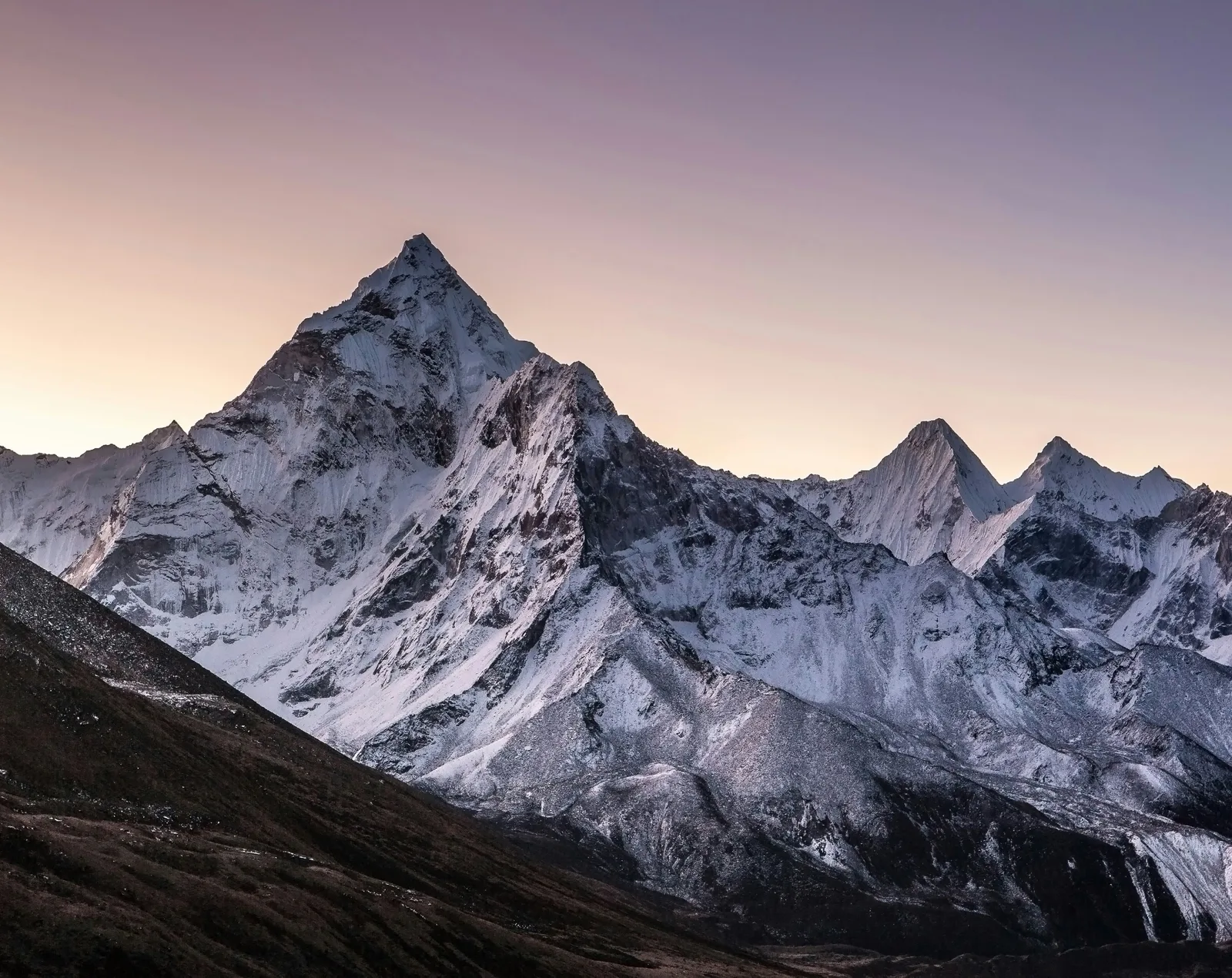
After the Everest Base Camp section, the expedition continues into the Imja Valley toward Island Peak Base Camp. Known locally as Imja Tse, the mountain rises to approximately 6,189 meters and stands among the impressive peaks of the eastern Khumbu region. From certain viewpoints, it appears like an island surrounded by a sea of ice and towering mountains, which inspired the name Island Peak.
The approach provides a transition from trekking terrain to a more demanding alpine environment. Paths become rockier, the landscape grows more exposed, and the effects of altitude can become more noticeable. The surrounding views include rugged ridges, glaciers, and dramatic Himalayan summits, creating an extraordinary setting for the climbing phase.
Island Peak is popular because it offers trekkers the chance to experience technical mountaineering without requiring the scale of a major Himalayan expedition. However, its elevation and climbing conditions should not be underestimated. The route can be physically demanding, particularly near the summit, where steep snow or ice and a narrow ridge may require careful movement and rope protection.
The expedition therefore balances adventure with preparation. Your climbing team should assess the weather, snow conditions, group fitness, and individual health before deciding whether to proceed with the summit attempt.
Learn Essential Mountaineering Skills Before the Summit
One of the most valuable parts of this expedition is the practical climbing instruction provided before summit day. At base camp, your climbing Sherpas can introduce you to the equipment and techniques required for the planned route. Training commonly covers the correct use of crampons, ice axes, climbing harnesses, helmets, carabiners, and ascenders, along with the basics of moving safely on fixed ropes.
Crampon training teaches you how to position your feet on snow and ice to maintain traction and balance. Ice axe instruction introduces techniques for stability and movement on suitable terrain. You can also learn how to attach your harness correctly, connect to a fixed rope using the appropriate equipment, and move through protected sections under your guide's supervision.
These sessions are important even for people who have completed challenging treks. Walking on a mountain trail is different from climbing a glacier or ascending a steep snow slope. Technical equipment must be used correctly, and climbers need to understand their guide's instructions before entering difficult terrain.
The exact training duration and content depend on weather, group experience, route conditions, and the expedition team's procedures. A half-day course may introduce the essential techniques, but it cannot replace extensive mountaineering experience or guarantee readiness for every situation. Your guide will assess whether you are prepared to continue and may recommend turning back if conditions or ability make the climb unsafe.
Summit Day: The Challenge of Reaching 6,189 Meters
Summit day is likely to be the most physically demanding part of the 17-day expedition. Climbers commonly begin during the night, often around 1 a.m., to allow time for the ascent and descent within the available weather window. The exact departure time depends on conditions, the route, and the climbing team's decision.
Under the light of headlamps, the team begins moving across the mountain terrain. The cold can be intense, and progress may be slow because of the altitude and technical nature of the route. After the initial rocky sections, climbers may reach glaciated terrain where crampons, ropes, and other climbing equipment become essential.
Higher on the mountain, the route can include a steep snow and ice headwall protected with fixed ropes. Climbers may need to use an ascender and follow the guide's instructions carefully while maintaining appropriate spacing and secure connections. The gradient and condition of this section can vary, so the difficulty should not be judged by a single description of the slope.
Beyond the steeper section, the summit ridge provides a dramatic finish. The terrain may be narrow and exposed, requiring concentration, steady movement, and close communication with the climbing team. From the summit, views can include Lhotse, Makalu, Ama Dablam, and other impressive Himalayan peaks, depending on visibility and weather.
Standing at 6,189 meters can be an extraordinary personal achievement. For many climbers, it represents the transition from trekking into technical mountaineering. However, the summit is only one part of the climb. A safe descent is equally important, and the team must reserve enough energy and time to return to a safer elevation. If weather deteriorates or a climber becomes unwell, turning back is the responsible decision.
Experienced Sherpa Climbing Support
Professional mountain support is an important component of the Island Peak expedition. Experienced climbing Sherpas provide route guidance, demonstrate technical procedures, help manage climbing equipment, and assess conditions throughout the ascent. Their knowledge of the local mountain environment is particularly valuable when weather, snow conditions, or visibility change unexpectedly.
This package includes a certified climbing Sherpa guide, with a stated guide-to-climber ratio of approximately one guide for every two to three climbers. The exact staffing arrangement should be confirmed before booking, including whether additional support is provided for particular sections or group sizes.
Climbing with a guide does not remove the risks associated with high-altitude mountaineering. Participants must follow instructions, remain aware of their physical condition, and communicate symptoms such as severe headache, unusual breathlessness, dizziness, nausea, or difficulty walking. Serious altitude symptoms require prompt assessment and may mean descending instead of continuing.
A responsible expedition places safety ahead of summit ambitions. Weather forecasts, route conditions, equipment checks, group ability, and the advice of the climbing leader should all influence the final summit decision.
What Is Included in Your Island Peak Climb?
Certified Climbing Sherpa: The package includes a licensed climbing guide for the ascent, with a stated ratio of one guide per two to three climbers. Confirm the guide's qualifications, exact ratio, and staffing arrangements before departure.
Climbing Equipment: Essential technical gear listed for the expedition includes a harness, crampons, ice axe, helmet, ascender, and carabiners. Ask your operator to confirm which items are provided in your size and condition, and which personal items you must bring yourself.
Mountaineering Skills Training: A practical training session at base camp introduces the techniques needed for the planned climb. The session helps participants become familiar with their equipment and understand the guide's safety procedures before summit day.
Base Camp Camping: The package includes tented accommodation at base camp, with a cook and dining tent as described in the package. Expedition-style camping provides a place to rest, eat, prepare equipment, and organize the climbing attempt.
Climbing Permit Arrangements: The package states that the official climbing permit will be arranged. Confirm the issuing authority, current permit requirements, fees, and whether national park and local entry permits are included in the total package price.
Fixed-Rope Support: Fixed ropes are used on designated sections when required by the route and conditions. Their availability, installation, and use depend on the climbing team's arrangements and the prevailing mountain conditions.
Before booking, request a written list of all included and excluded services. Clarify whether meals, trekking accommodation, domestic flights, airport transfers, personal porter services, emergency evacuation arrangements, insurance, and personal climbing clothing are included or charged separately.
Is Island Peak Suitable for First-Time Climbers?
Island Peak can be suitable for fit and well-prepared trekkers who are new to technical mountaineering, but it is not an easy hike. Previous trekking experience at altitude is helpful, and participants should be comfortable walking for several hours a day over consecutive days. Cardiovascular endurance, leg strength, balance, and the ability to carry a daypack are all valuable.
Training before the expedition should include regular hiking, uphill walking, stair climbing, and endurance exercise. If possible, practice walking on uneven terrain while wearing the boots and backpack you plan to use. Familiarity with cold-weather layering and the basic use of outdoor equipment will also help.
You should discuss any concerns about altitude, fitness, or previous mountain experience with your operator before booking. Travel insurance should specifically cover high-altitude trekking, mountaineering on Island Peak, and helicopter evacuation where available. Standard travel insurance may not cover technical climbing or activities above a particular altitude.
The History and Significance of Island Peak
Island Peak has a close connection to the history of Everest mountaineering. Members of the 1953 British Everest expedition climbed its subsidiary southwest summit as part of their preparation, while the main summit was first climbed in 1956 by a Swiss team. The mountain later became widely known by its Nepali name, Imja Tse, although Island Peak remains its familiar international name.
Its association with Everest expeditions reflects the role that smaller Himalayan peaks can play in developing climbing skills and preparing for more ambitious objectives. Today, Island Peak continues to attract trekkers seeking their first technical Himalayan summit. Its popularity comes from the combination of an accessible approach through the Khumbu region and a summit climb that requires genuine mountaineering preparation.
A 17-Day Journey from Trekker to Mountaineer
The Island Peak and Everest Base Camp expedition brings together cultural discovery, high-altitude trekking, practical climbing instruction, and the challenge of a 6,189-meter summit. From the lively mountain settlement of Namche Bazaar to the spiritual atmosphere of Tengboche, from the dramatic landscapes around Everest Base Camp to the glacial surroundings of Island Peak, the journey reveals several sides of the Himalayan experience.
The expedition is best suited to adventurous travelers who want to test their limits while learning from experienced climbing professionals. Reaching the summit depends on fitness, acclimatization, weather, route conditions, and the team's safety assessment. Even if the summit is not possible, the trek to Everest Base Camp and the experience of learning mountaineering skills can make the journey deeply rewarding.
For those ready to take their next step beyond trekking, Island Peak offers a memorable introduction to Himalayan climbing. With thoughtful preparation, suitable equipment, experienced guidance, and a willingness to put safety first, this 17-day expedition can become a defining mountain adventure.
Highlights
What's Included
What's Not Included
Not Suitable For
Important Information
What to Bring
Know Before You Go
Not Allowed
Detailed Itinerary
Day 1Arrival in Kathmandu (1,400m)
Your guide meets you at Tribhuvan Airport and takes you to your hotel in Thamel. After you check in and rest, your trek guide holds an evening briefing on the full 17-day journey and introduces the climbing phase. You then go through a careful gear check, and any missing climbing items can be rented in Thamel today. A welcome dinner closes the day. Airport to hote.
Meals:dinnerStay:hotel
Day 2Fly to Lukla (2,840m), Trek to Phakding (2,610m)
Take the spectacular mountain flight to Lukla, with the Himalayas right outside your window. From the airstrip, walk down the Dudh Koshi valley past mani walls, prayer wheels, and small teahouses. The trail is easy and mostly gentle, a good way to warm up your legs before the big days ahead. Settle into your teahouse early and rest well. Lukla to Phakding.
Trekking: 3-4 hours
Meals:all mealsStay:teahouse
Day 3Trek to Namche Bazaar (3,440m)
Today you cross several suspension bridges, including the high Hillary Bridge, and enter Sagarmatha National Park. The long climb up to the Sherpa capital is steady and demanding, so walk slowly and drink plenty of water. On the way, you catch your first views of Everest. Namche’s cafés and bakeries make a warm welcome after a tiring day, and the stone lanes are worth a gentle evening stroll. Phakding to Namche.
Trekking: 6-7 hours
Meals:all mealsStay:teahouse
Day 4Acclimatization Day in Namche
Rest and explore today. Hike up to the Everest View Hotel (3,880 m) for panoramic views of Everest, Lhotse, and Ama Dablam. Then return to Namche and spend the afternoon in its markets and at the Sherpa museum. Walking high and sleeping low helps your body adapt, which matters for the climb ahead. Drink plenty of water, rest well, and keep the pace relaxed. Round-trip hike.
Activity: 3-4 hours
Meals:all mealsStay:teahouse
Day 5Trek to Tengboche (3,860m)
Follow the classic trail with Ama Dablam dominating the sky. The path drops to the river, crosses a bridge, and climbs through quiet forest to Tengboche. In the afternoon, visit the famous monastery and sit in on the prayers, where chanting, horns, and drums fill the hall. The setting is open and peaceful, and the evening light on the peaks is unforgettable. Namche to Tengboche.
Trekking: 5-6 hours
Meals:all mealsStay:teahouse
Day 6Trek to Dingboche (4,410m)
Continue through Deboche and Pangboche, then rise above the treeline into the upper Imja Valley, the valley you will return to for the climb. Stone-walled fields lie beneath Island Peak and Lhotse, and the landscape feels wide and stark. The air is thinner now, so keep a slow, steady pace and drink often. Arrive in Dingboche by afternoon and rest. Tengboche to Dingboche.
Trekking: 5-6 hours
Meals:all mealsStay:teahouse
Day 7Acclimatization Day in Dingboche
Today’s optional hike to Nangkartshang Peak (5,083 m) gives wide views over Makalu and the surrounding giants. Your body needs this day, because summit success depends on proper acclimatization. If you prefer, simply rest in the village, drink fluids, and eat well. Either way, spend the afternoon recovering and preparing for the high days ahead. The climb is steady, so go slowly. Round-trip hike.
Activity: 3-4 hours
Meals:all mealsStay:teahouse
Day 8Trek to Lobuche (4,940m)
Walk along a wide, windswept valley, climbing steadily toward the Khumbu Glacier. You pass the memorial chortens at Thukla, built in honor of climbers who lost their lives on Everest. The scenery grows stark and powerful as you gain height. Lobuche sits beneath the immense west face of Nuptse. It is cold and basic here, so layer up, eat well, and rest early. Dingboche to Lobuche.
Trekking: 5-6 hours
Meals:all mealsStay:teahouse
Day 9Everest Base Camp (5,364m), Overnight Gorak Shep (5,140m)
Walk to Gorak Shep, then continue along the Khumbu Glacier to Everest Base Camp beside the icefall. Standing among ice, prayer flags, and expedition tents, you reach your first major objective. Return to Gorak Shep for the night, tired but proud. The air is thin, so move slowly, sip water often, and tell your guide about any headache or nausea. Lobuche to Base Camp and back to Gorak Shep.
Trekking: 7-8 hours
Meals:all mealsStay:teahouse
Day 10Kala Patthar (5,545m) Sunrise, Return to Dingboche (4,410m)
Start in the dark with the climb to Kala Patthar for sunrise on Everest, one of the finest views of the trek. Then descend all the way back to Dingboche. With every step, the oxygen grows thicker and your body feels lighter and stronger. It is a long day, but the downhill pace is easy, and the wide valley is peaceful in the afternoon. Kala Patthar and descent to Dingboche.
Trekking: 7-8 hours
Meals:all mealsStay:teahouse
Day 11Trek to Chukhung (4,730m)
This is a short day up the Imja Valley to Chukhung, the climbing staging village. The trail is open and gentle, with Lhotse and Island Peak getting closer. In the afternoon, you meet your climbing Sherpa team, try on your climbing gear, and join a briefing about the plan for the summit. Rest, eat well, and enjoy the quiet mountain setting. Dingboche to Chukhung.
Trekking: 3 hours
Meals:all mealsStay:teahouse
Day 12Trek to Island Peak Base Camp (5,200m) + Skills Training
Walk to base camp, then spend the afternoon on a mountaineering course covering crampons, ice axe, harness, and jumar technique on fixed ropes. Your guides check each skill carefully, so you feel confident on summit day. Take dinner early and get to bed, because the summit push starts around midnight. Keep warm, hydrate well, and rest as much as you can. Chukhung to base camp.
Trekking: 3-4 hours plus training
Meals:all mealsStay:camping
Day 13SUMMIT DAY — Island Peak (6,189m), Return to Chukhung
Start around 1 am and climb rocky gullies to the glacier, where you rope up for the crevasse crossing. The headwall, about 100 m at 45 to 50 degrees on fixed ropes, is the crux. The narrow summit ridge brings you to the top at dawn, with Everest, Lhotse, Makalu, and Ama Dablam around you. Descend carefully to Chukhung. Summit round trip and return.
Climbing: 10-12 hours round trip
Meals:all mealsStay:teahouse
Day 14Trek to Tengboche (3,860m)
Today is a long but mostly downhill day back to the monastery. Retrace the Imja Valley through Dingboche and Pangboche, then climb the final stretch to Tengboche. Your legs are tired, but your heart is full after the summit. Move at an easy pace, take breaks, and enjoy the thicker air and green forest as you drop lower and lower. Chukhung to Tengboche.
Trekking: 6-7 hours
Meals:all mealsStay:teahouse
Day 15Trek to Namche Bazaar (3,440m)
Descend through quiet forest to the Dudh Koshi river, cross the bridge, and climb back up to Namche. The trail is familiar now, and you will notice how strong you feel compared with the first days. In Namche, enjoy a hot shower, fresh bakery treats, and a warm celebration with your group. After the high mountains, the town’s comforts feel truly special. Tengboche to Namche.
Trekking: 5-6 hours
Meals:all mealsStay:teahouse
Day 16Trek to Lukla (2,840m)
This is the final trail day, a long walk down the valley beside the Dudh Koshi. You cross suspension bridges and pass villages you now know well. Reach Lukla by afternoon, then celebrate with the whole team, including guides, climbing Sherpas, and porters. Share stories, give thanks, and rest before the early morning flight. Namche to Lukla.
Trekking: 6-7 hours
Meals:all mealsStay:teahouse
Day 17Fly to Kathmandu — Departure
Take the morning flight to Kathmandu, with the Himalayas outside your window one last time. After a hotel transfer, rest and freshen up. At the farewell dinner, you receive your summit certificate and celebrate becoming a Himalayan summiter. Your guide can help with departure or extension plans, so your journey ends smoothly. Lukla to Kathmandu.
Flight: 35 minutes
Meals:breakfastStay:hotel
Gallery
0 photosNo gallery images available for this tour.
Downloads
No downloadable files available for this tour.
4.712 reviews
5
0
4
0
3
0
2
0
1
0
No reviews yet. Be the first to review this tour!
Tour Video
No video available for this tour.
1 option available
Island Peak Climb + Everest Base Camp — 17 Days (Imja Tse 6,189m)
Standard tour package with flexible dates
17 days
Guide: English
Select a date
1
$4,215
1 Adult × $4,215
Free cancellation
Cancel up to 24 hours in advance for a full refund
From
$4,215/person
Booking options
Choose a departure below, or use the availability calendar to select a flexible date. Availability and final pricing are confirmed during booking.