Loading...
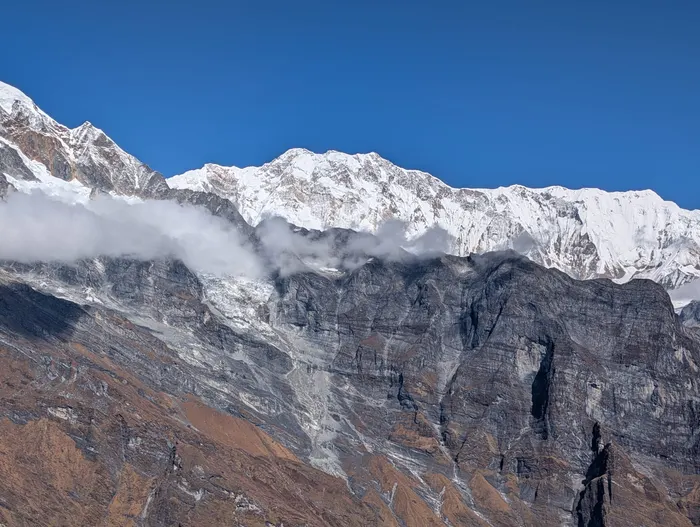
18 days
Manaslu & Tsum Valley Trek 2026: The Forbidden Valley Adventure
Country
Kathmandu
Duration
18 days
Group size
Flexible group size
Difficulty
moderate
4.8(12 reviews)
Kathmandu
Tour Description
Manaslu Circuit with Tsum Valley Trek – Nepal's Ultimate Himalayan Adventure
The Manaslu Circuit with Tsum Valley Trek is one of Nepal's most remarkable long-distance trekking adventures, combining the dramatic landscapes of the Manaslu Circuit with the ancient spiritual heritage of the hidden Tsum Valley. This extraordinary journey offers an authentic Himalayan experience where untouched Tibetan culture, remote mountain villages, sacred monasteries, and breathtaking alpine scenery come together in one unforgettable expedition.
Known locally as Beyul Kyimolung, meaning the "Hidden Valley of Happiness," Tsum Valley remained isolated from the outside world until 2008. Its late opening to tourism has allowed the valley to preserve centuries-old Tibetan Buddhist traditions, architecture, language, and lifestyle, making it one of the most culturally authentic destinations in the Himalayas.
The adventure begins in the lush foothills of the historic Gorkha region, following the powerful Budhi Gandaki River through deep river gorges, dense subtropical forests, cascading waterfalls, and terraced farmlands. Crossing spectacular suspension bridges decorated with colorful prayer flags, trekkers gradually ascend through traditional Gurung villages before leaving the main Manaslu trail to enter the sacred Tsum Valley.
Inside this peaceful sanctuary, visitors experience a world where ancient customs continue to shape daily life. The indigenous Tsumba people follow a philosophy of compassion and non-violence known as Shagya, creating a unique environment where hunting is forbidden, wildlife is protected, and centuries-old Buddhist traditions remain deeply rooted. The trail passes magnificent Mani walls, intricately carved prayer stones, and centuries-old monasteries, including the famous Mu Gompa (3,700 m), one of the highest monasteries in the region near the Tibetan border.
After exploring the spiritual heart of Tsum Valley, the route rejoins the classic Manaslu Circuit and climbs steadily toward higher elevations. Traditional mountain settlements such as Lho, Shyala, Sama Gaun, and Samdo offer spectacular views of Mount Manaslu (8,163 m), the world's eighth-highest mountain. Carefully planned acclimatization days allow trekkers to visit stunning alpine attractions, including the turquoise waters of Birendra Lake and the dramatic Manaslu Base Camp (4,800 m), where towering glaciers and icefalls dominate the landscape.
The expedition reaches its greatest challenge at Larkya La Pass (5,106 m). Before sunrise, trekkers begin a demanding ascent across rocky moraines, frozen trails, and occasional snowfields to reach one of Nepal's highest and most rewarding mountain passes. From the summit, an unforgettable panorama unfolds, featuring Manaslu, Himlung Himal, Cheo Himal, Kang Guru, Ngadi Chuli, and the magnificent Annapurna Range stretching across the western horizon.
The descent leads into the spectacular alpine valley of Bimthang, where glaciers, pristine meadows, and crystal-clear streams create one of the trek's most scenic landscapes. From there, the trail gradually enters rhododendron forests, pine woodlands, and picturesque villages before joining the Marsyangdi Valley, completing an incredible circuit through one of Nepal's most diverse mountain regions.
A Journey Through Nepal's Diverse Landscapes
One of the greatest attractions of the Manaslu Circuit with Tsum Valley Trek is its incredible environmental diversity. The trek begins in warm subtropical valleys where lush vegetation, bamboo forests, banana trees, and terraced rice fields flourish alongside the roaring Budhi Gandaki River.
As elevation increases, the landscape transforms dramatically. Dense forests give way to blue pine, juniper, birch, and alpine meadows framed by the snow-covered peaks of Ganesh Himal, Sringi Himal, and Manaslu. Higher still, vegetation gradually disappears, revealing an untouched world of glaciers, rocky moraines, and expansive mountain vistas beneath crystal-clear Himalayan skies.
This continuous transition between climate zones makes the trek one of Nepal's most visually rewarding adventures, offering new scenery almost every day.
Discover the Sacred Culture of Tsum Valley
Beyond its spectacular mountain scenery, Tsum Valley offers one of the richest cultural experiences in the Himalayas. Protected from outside influence for generations, the valley has preserved a way of life that reflects ancient Tibetan Buddhist traditions rarely seen elsewhere.
Life in the valley revolves around monasteries, prayer ceremonies, and a deep respect for nature. Hunting and animal slaughter are traditionally prohibited, allowing wildlife such as Himalayan tahr, blue sheep, and numerous bird species to coexist peacefully with local communities.
Trekkers visit sacred sites including Rachen Gompa, one of Nepal's largest Buddhist nunneries, and the historic Mu Gompa, where monks continue centuries-old spiritual practices. Walking beside long Mani walls, colorful prayer wheels, fluttering prayer flags, and ancient chortens creates a profound cultural experience that extends far beyond ordinary trekking.
The Challenge of Crossing Larkya La Pass
The final stage of the Manaslu Circuit delivers one of Nepal's most rewarding high-altitude crossings. As the trail climbs beyond Samdo toward Dharmasala, the environment becomes increasingly rugged, with glaciers, rocky ridges, and alpine terrain replacing forests and villages.
Crossing Larkya La Pass requires determination, steady pacing, and proper acclimatization, but the rewards are exceptional. Standing at over 5,100 meters, surrounded by countless Himalayan giants and colorful prayer flags, provides an unforgettable sense of achievement.
The long descent into Bimthang, accompanied by breathtaking glacier views and pristine alpine landscapes, marks a fitting conclusion to a journey that combines adventure, culture, natural beauty, and spiritual discovery.
Why Choose the Manaslu Circuit with Tsum Valley Trek?
The Manaslu Circuit with Tsum Valley Trek is ideal for experienced trekkers seeking an authentic Himalayan adventure away from crowded trails. It offers:
Authentic Tibetan Buddhist culture and ancient monasteries
Remote villages with traditional Himalayan lifestyles
Spectacular views of Mount Manaslu (8,163 m) and surrounding peaks
The sacred Hidden Valley of Tsum
Diverse ecosystems from subtropical forests to alpine glaciers
Excursions to Manaslu Base Camp and Birendra Lake
The thrilling crossing of Larkya La Pass (5,106 m)
A quieter alternative to the Everest and Annapurna trekking regions
Combining dramatic mountain scenery, centuries-old cultural heritage, and one of Nepal's finest high-altitude trekking routes, the Manaslu Circuit with Tsum Valley Trek delivers an unforgettable Himalayan journey that remains one of the country's most rewarding trekking experiences.
Highlights
Hidden Tsum Valley: Discover the remote and sacred Tsum Valley, a restricted Himalayan region renowned for its ancient Tibetan Buddhist heritage, traditional polyandry customs, and the revered meditation caves of the great Buddhist saint Milarepa.
Mu Gompa (3,700 m): Visit the highest and most significant monastery in the Tsum Valley, where centuries-old Buddhist traditions, peaceful monastic life, and spectacular mountain views create a truly spiritual experience.
Larkya La Pass (5,106 m): Cross one of Nepal's most spectacular and challenging Himalayan mountain passes, rewarded with breathtaking panoramic views of Manaslu, Himlung Himal, Cheo Himal, Kang Guru, and the Annapurna range.
Magnificent Mount Manaslu: Enjoy unforgettable close-up views of Mount Manaslu (8,163 m), the world's eighth-highest mountain, along with dramatic glaciers, alpine valleys, and towering snow-covered peaks.
Authentic Himalayan Culture: Immerse yourself in the unique Tibetan-Buddhist traditions of the Nubri and Tsum communities, exploring ancient monasteries, beautifully carved Mani walls, historic chortens, and welcoming mountain villages.
Incredible Landscape Diversity: Journey through Nepal's remarkable range of ecosystems—from lush subtropical forests, cascading waterfalls, and terraced rice fields to alpine meadows, glacial moraines, and the rugged high-altitude landscapes of the Himalayas.
What's Included
All Required Trekking Permits: Restricted Area Permits for Manaslu and Tsum Valley, along with Manaslu Conservation Area Permit (MCAP) and Annapurna Conservation Area Permit (ACAP) fees.
Comfortable Accommodation: 2 nights in a tourist-standard hotel in Kathmandu with breakfast, plus 15 nights in the best available teahouses and mountain lodges throughout the trek.
Full Board Meals: Daily breakfast, lunch, and dinner during the entire trekking journey, providing nutritious meals to keep you energized.
Experienced Trekking Team: Services of a government-licensed, English-speaking trekking guide and professional porters (one porter shared between two trekkers) to ensure a safe and enjoyable adventure.
Ground Transportation: Transportation between Kathmandu and the trailhead, including a private jeep or local bus from Kathmandu to Machha Khola and from Dharapani back to Kathmandu.
Safety & Emergency Support: A comprehensive first-aid kit, pulse oximeter for monitoring oxygen saturation during high-altitude trekking, and continuous support from your experienced guide throughout the expedition.
What's Not Included
International Flights: Airfare to and from Kathmandu is not included in the package price.
Nepal Entry Visa: Visa fees for Nepal are the responsibility of the traveler and can be obtained upon arrival at Tribhuvan International Airport or in advance from a Nepalese embassy or consulate.
Personal Trekking Equipment: Personal gear such as trekking boots, down jackets, sleeping bags, trekking poles, and other clothing is not included. Rental equipment is available in Kathmandu if required.
Drinks & Personal Expenses: Bottled and boiled water, soft drinks, alcoholic beverages, specialty coffees, snacks, laundry, hot showers, Wi-Fi charges, battery charging, and other personal expenses are not included unless specified.
Travel Insurance: Comprehensive travel insurance covering high-altitude trekking, medical treatment, and emergency helicopter evacuation is mandatory for all participants.
Personal Expenses: Expenses arising from itinerary changes, flight delays, natural disasters, political unrest, illness, or any circumstances beyond the organizer's control.
Tips & Gratuities: Tips for your trekking guide, porters, and support staff are not included and are appreciated as a gesture of recognition for their excellent service.
Not Suitable For
The Manaslu Circuit with Tsum Valley Trek is a challenging high-altitude adventure and may not be suitable for everyone. This trek is not recommended for:
Beginner trekkers with little or no multi-day hiking experience.
Children under 12 years due to the long trekking days and high elevations.
Travelers with serious heart, lung, or respiratory conditions that could be aggravated by high altitude.
Individuals with severe mobility or joint problems, as the trail includes steep ascents, rocky terrain, suspension bridges, and long daily walks.
People who are unable to walk 6–8 hours per day for more than two consecutive weeks.
Anyone who is not physically fit or unwilling to prepare for sustained high-altitude trekking.
Travelers seeking luxury accommodations, as the route offers basic teahouses with limited facilities.
Those uncomfortable with remote conditions, including limited internet, electricity, and healthcare services.
Individuals who cannot adapt to high altitude, as the trek reaches Larkya La Pass (5,106 m), where proper acclimatization is essential.
Pregnant travelers, unless specifically cleared by a qualified healthcare professional with experience in high-altitude travel.
Recommended for: Physically fit adventurers, experienced hikers, photographers, nature lovers, and cultural enthusiasts seeking an authentic Himalayan trekking experience away from crowded trails.
Important Information
What to Bring
Essential Packing List
Packing the right gear is crucial for a safe and comfortable Manaslu Circuit with Tsum Valley Trek. Weather conditions can vary significantly, from warm subtropical valleys to freezing temperatures above 5,000 meters, so layering and quality equipment are essential.
Clothing
Moisture-wicking thermal base layers (top and bottom)
Insulating fleece or softshell jacket
Warm down jacket (recommended for temperatures as low as -15°C or below)
Waterproof and windproof outer jacket (Gore-Tex or similar)
Waterproof trekking pants and lightweight hiking trousers
Thermal underwear for cold nights
Moisture-wicking trekking shirts
Warm hat or beanie
Sun hat or cap
Neck gaiter or buff
Lightweight gloves and insulated waterproof gloves
Several pairs of wool or synthetic trekking socks
Footwear
Well broken-in, waterproof trekking boots with excellent ankle support
Lightweight camp shoes or sandals for evenings
Comfortable gaiters (recommended during snow or muddy conditions)
Trekking Gear
Sleeping bag rated to -10°C to -15°C
30–40L daypack with rain cover
Duffel bag (if provided for porter service)
Adjustable trekking poles
Headlamp with spare batteries
Reusable water bottles or hydration bladder (2–3 liters capacity)
Dry bags or waterproof stuff sacks for organizing gear
Sunglasses with UV protection (Category 3 or 4 recommended)
Health & Personal Care
Water purification tablets or a reliable water filter
High-SPF sunscreen (SPF 50+)
Lip balm with UV protection
Personal first-aid kit
Prescription medications
Diamox (Acetazolamide) for altitude sickness prevention (only after consulting your physician)
Hand sanitizer and wet wipes
Personal toiletries and biodegradable soap
Insect repellent (useful at lower elevations)
Electronics
Power bank (10,000–20,000 mAh recommended)
Charging cables and universal travel adapter
Camera with extra memory cards and batteries
Mobile phone with offline maps and emergency contacts
Travel Essentials
Passport with valid Nepal visa
Travel insurance covering high-altitude trekking and emergency helicopter evacuation
Multiple passport-sized photographs
Cash (Nepalese Rupees) for personal expenses, Wi-Fi, charging, hot showers, snacks, and tips, as ATMs are unavailable along the trekking route
Copies of important travel documents stored separately
Optional Items
Binoculars for wildlife and mountain viewing
Trekking towel
Lightweight notebook or journal
Energy bars, trail mix, or electrolyte powders
Book or e-reader for evenings in the teahouses
Pro Tip: Keep your backpack as light as possible. Aim to carry only your daily essentials while your porter transports your main duffel bag. Packing efficiently will make the long trekking days more comfortable and enjoyable.
Know Before You Go
Important Travel Information
Before embarking on the Manaslu Circuit with Tsum Valley Trek, it's important to understand the physical requirements, permit regulations, and essential travel information to ensure a safe and enjoyable adventure.
Physical Fitness
This is a challenging, high-altitude trek that requires excellent physical fitness and endurance. You should be comfortable walking 6–8 hours daily over steep, rocky terrain for more than two weeks. Previous multi-day trekking or hiking experience is highly recommended. Preparing with cardiovascular exercise, strength training, and regular hiking before your trip will greatly enhance your experience.
Restricted Area Regulations
The Manaslu and Tsum Valley are designated restricted trekking areas by the Government of Nepal. Independent trekking is not permitted. All trekkers must:
Travel with a government-licensed trekking guide.
Trek in a group of at least two participants (excluding the guide).
Obtain the required restricted area permits before entering the region.
Best Time to Trek
The best seasons for the Manaslu Circuit with Tsum Valley Trek are:
Spring (March–May): Pleasant temperatures, blooming rhododendron forests, colorful alpine landscapes, and excellent mountain visibility.
Autumn (September–November): Stable weather, crystal-clear skies, dry trails, and spectacular panoramic views of the Himalayas.
Although the trek is possible during winter, heavy snowfall may temporarily close Larkya La Pass, while the summer monsoon (June–August) brings frequent rain, muddy trails, landslides, and limited mountain views.
Money, ATMs & Connectivity
ATMs are generally unavailable after Machha Khola, so carry enough Nepalese Rupees (NPR) for personal expenses throughout the trek.
Cash is required for items such as Wi-Fi, battery charging, hot showers, snacks, drinks, and souvenirs.
Mobile network coverage is limited and becomes increasingly unreliable at higher elevations.
Wi-Fi is available in some teahouses for an additional fee but may be slow and weather-dependent.
Altitude & Acclimatization
The trek reaches a maximum elevation of 5,106 meters (Larkya La Pass), making proper acclimatization essential. Your itinerary includes dedicated acclimatization days to help your body adjust gradually to higher elevations.
To reduce the risk of Acute Mountain Sickness (AMS):
Walk at a steady, comfortable pace.
Stay well hydrated throughout the trek.
Avoid alcohol and smoking at higher elevations.
Eat nutritious meals and get adequate rest.
Inform your guide immediately if you experience symptoms such as headache, dizziness, nausea, fatigue, or shortness of breath.
Accommodation & Meals
Accommodation is provided in traditional Himalayan teahouses offering simple yet comfortable twin-sharing rooms. Meals typically include a variety of Nepali, Tibetan, and international dishes such as Dal Bhat, noodles, soups, rice, pasta, potatoes, and Tibetan bread. Facilities become more basic as you ascend into higher elevations.
Travel Insurance
Comprehensive travel insurance is mandatory and should include:
High-altitude trekking coverage (above 5,000 meters)
Emergency helicopter evacuation
Medical treatment and hospitalization
Trip cancellation or interruption (recommended)
Having the proper insurance ensures peace of mind in Nepal's remote mountain environment.
Environmental Responsibility
The Manaslu and Tsum Valley regions are environmentally and culturally sensitive. Help preserve these pristine landscapes by following Leave No Trace principles:
Carry reusable water bottles instead of buying plastic bottles.
Dispose of waste responsibly.
Respect local customs, monasteries, and sacred sites.
Ask permission before photographing local people.
Support local communities by using locally owned teahouses and services.
Following these guidelines will help ensure a safe, responsible, and unforgettable trekking experience in one of Nepal's most spectacular Himalayan regions.
Detailed Itinerary
Day 1–1Drive Duration: 8–9 hoursHighlights: Scenic drive along the Trishuli and Budhi Gandaki ri
Drive Duration: 8–9 hours
Highlights: Scenic drive along the Trishuli and Budhi Gandaki rivers, terraced hillsides, and rural Nepalese lifestyle.
The Experience: We leave the Kathmandu Valley early, heading west towards Arughat. The road transitions from smooth asphalt to an adventurous off-road track as we enter the Gorkha district. We reach Machha Khola ("Fish River"), a bustling settlement set on the banks of the Budhi Gandaki.
Day 2–2Trek Duration: 6–7 hoursHighlights: Natural hot springs at Tatopani, crossing suspension b
Trek Duration: 6–7 hours
Highlights: Natural hot springs at Tatopani, crossing suspension bridges, and Gurung stone-paved villages.
The Experience: The trail undulates through lush subtropical forests. We stop at Tatopani for a quick break at the natural hot springs before crossing the river and climbing a series of stone staircases to reach Jagat, the gateway to the Manaslu restricted area.
Day 3Trek Duration: 6–7 hoursHighlights: Entry into the Manaslu Conservation Area, views of Shr
Trek Duration: 6–7 hours
Highlights: Entry into the Manaslu Conservation Area, views of Shringi Himal, and the Tsum Valley gateway.
The Experience: After registering permits, we climb a rocky ridge to Salleri and descend to Sirdibas. We cross Nepal’s longest suspension bridge to reach Philim. Shortly after, the trail splits; we leave the main circuit and head northeast toward Lokpa, the first village in the hidden Tsum Valley.
Day 4Trek Duration: 5 hoursHighlights: First views of the Ganesh Himal range and the "Hidden Va
Trek Duration: 5 hours
Highlights: First views of the Ganesh Himal range and the "Hidden Valley of Happiness."
The Experience: This is a relatively shorter but steep day. We descended into the deep forest of the Shiar Khola valley before climbing sharply into Chumling. You are now officially in "Lower Tsum," where the architecture and language shift towards Tibetan.
Day 5Trek Duration: 6 hoursHighlights: Ancient monasteries (Gampa), views of Baudha Himal, and
Trek Duration: 6 hours
Highlights: Ancient monasteries (Gampa), views of Baudha Himal, and the transition to Upper Tsum.
The Experience: We cross a suspension bridge over the Shiar Khola and ascend towards Chokhangparo (Chekampar). This village sits on a flat plain, offering spectacular views of Ganesh Himal. The air gets crisper here as we cross the 3,000m mark.
Day 6Trek Duration: 6 hoursHighlights: Milarepa’s Cave (Piren Phu), traditional stone houses, a
Trek Duration: 6 hours
Highlights: Milarepa’s Cave (Piren Phu), traditional stone houses, and wide glacial valleys.
The Experience: We trek through open landscapes dotted with barley and buckwheat fields. Along the way, we visit the sacred cave where the saint Milarepa is said to have meditated. We cross several streams to reach the Nile, the last northern village in the valley.
Day 7Trek Duration: 6–7 hoursHighlights: Mu Gompa (the largest monastery in Tsum), views of the
Trek Duration: 6–7 hours
Highlights: Mu Gompa (the largest monastery in Tsum), views of the Tibetan border, and high-altitude wildlife.
The Experience: A spiritual climax to the Tsum detour. We hike up to Mu Gompa, a 500-year-old monastery perched on a remote ridge. The views of the surrounding peaks and the nearby Tibetan border are breathtaking. We explore the nunnery at Rachen Gompa if time permits before returning to the Nile.
Day 8Trek Duration: 6 hoursHighlights: Retracing the Tsum landscapes with a downhill perspectiv
Trek Duration: 6 hours
Highlights: Retracing the Tsum landscapes with a downhill perspective.
The Experience: We begin our descent back toward Lower Tsum. The walk is easier on the knees as we enjoy the views of the valley we missed on the way up.
Day 9Trek Duration: 5–6 hoursHighlights: Rejoining the main Manaslu Circuit and dramatic gorge
Trek Duration: 5–6 hours
Highlights: Rejoining the main Manaslu Circuit and dramatic gorge views.
The Experience: We leave the Tsum Valley and descend back to the main trail. Rejoining the Budhi Gandaki river, we trek through bamboo forests and cross into Deng, a village famous for its unique stone carvings.
Day 10Trek Duration: 6 hoursHighlights: Intricate Mani walls, pine forests, and high-alpine scen
Trek Duration: 6 hours
Highlights: Intricate Mani walls, pine forests, and high-alpine scenery.
The Experience: The trail enters a steep canyon. After crossing the river multiple times, the valley opens up into lush alpine forests. We reach Namrung, a village that offers excellent viewpoints for the surrounding peaks.
Day 11Trek Duration: 6–7 hoursHighlights: Panoramic views of Mt
Trek Duration: 6–7 hours
Highlights: Panoramic views of Mt. Manaslu, Himalchuli, and Peak 29.
The Experience: We pass through the villages of Lihi and Lho. Lho is home to the famous Ribung Gompa. We continue to Shyala, which is widely considered the best viewpoint on the entire trek, surrounded by 360 degrees of snow-capped giants.
Day 12Trek Duration: 2–3 hoursHighlights: Gentle walk, glacial views, and the largest village in
Trek Duration: 2–3 hours
Highlights: Gentle walk, glacial views, and the largest village in the region.
The Experience: A short walk to allow for acclimatization. Sama Gaun is the heart of the Manaslu region. We spend the afternoon exploring the village or resting for the upcoming climb.
Day 13Hike Duration: 6–7 hours (return)Highlights: Touching the foot of the world’s 8th highest
Hike Duration: 6–7 hours (return)
Highlights: Touching the foot of the world’s 8th highest mountain and Birendra Glacial Lake.
The Experience: A challenging day hike to Manaslu Base Camp (4,800m). Seeing the expedition tents and the massive icefall up close is a humbling experience. We returned to Sama Gaun for the night.
Day 14Trek Duration: 4 hoursHighlights: Yak pastures, desolate landscapes, and the final village
Trek Duration: 4 hours
Highlights: Yak pastures, desolate landscapes, and the final village before the pass.
The Experience: We follow the Budhi Gandaki upstream as it thins out. Samdo is a Tibetan refugee settlement located just a few kilometers from the border. The landscape is now a true high-altitude tundra.
Day 15Trek Duration: 4 hoursHighlights: Larkya Phedi (High Camp) and views of the Larkya Glacier
Trek Duration: 4 hours
Highlights: Larkya Phedi (High Camp) and views of the Larkya Glacier.
The Experience: A slow, steady climb to the "stone hut" at Dharmasala. This is the highest sleeping point of the trek. We have an early dinner and sleep early to prepare for the 3:00 AM start tomorrow.
Day 16Trek Duration: 8–10 hoursHighlights: Crossing the 5,106m Pass, prayer flags, and views of
Trek Duration: 8–10 hours
Highlights: Crossing the 5,106m Pass, prayer flags, and views of Annapurna II and Kang Guru.
The Experience: The hardest and most rewarding day. We climb steadily to the pass in the dark. At the summit, the sunrise over the Himalayas is unforgettable. The descent is steep and long, leading down to the beautiful glacial valley of Bimthang.
Day 17Trek Duration: 7–8 hoursHighlights: Massive descent through rhododendron forests and rejoi
Trek Duration: 7–8 hours
Highlights: Massive descent through rhododendron forests and rejoining the Annapurna Circuit.
The Experience: We descend from the high alpine zones back into the lush forests. We pass through Gho and Tilije before reaching Dharapani, where our trekking journey on foot ends.
Day 18Drive Duration: 10–12 hoursHighlights: Off-road jeep drive to Besisahar and scenic highwa
Drive Duration: 10–12 hours
Highlights: Off-road jeep drive to Besisahar and scenic highway return to the capital.
The Experience: A long drive back to Kathmandu marks the end of our adventure. We celebrate the successful circuit with a farewell dinner in Thamel.
Gallery
1 photoDownloads
4.812 reviews
5
0
4
0
3
0
2
0
1
0
No reviews yet. Be the first to review this tour!
Tour Video
No video available for this tour.
From
$0/person
Booking options
Choose a departure below, or use the availability calendar to select a flexible date. Availability and final pricing are confirmed during booking.