Loading...
🇨🇳
Explore Tibet
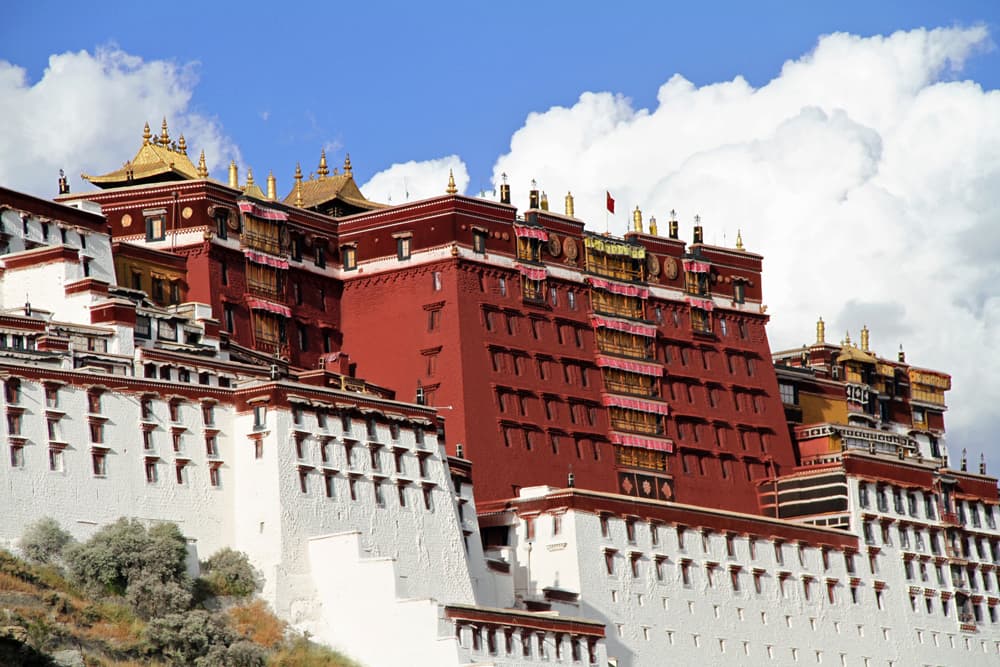
“Journey across the Roof of the World. Discover sacred Mount Kailash pilgrimages, ancient Potala Palace heritage, and high-altitude trans-Himalayan adventures.”
7 Total Journeys0 Packages & Treks0 Destinations & Places
CURATED JOURNEYS IN TIBET
Featured Tour Packages & Treks
No packages currently loaded for Tibet. Check back soon or request a custom itinerary!
ACTIVITIES & EXPERIENCES
Things to Do in Tibet
Heal
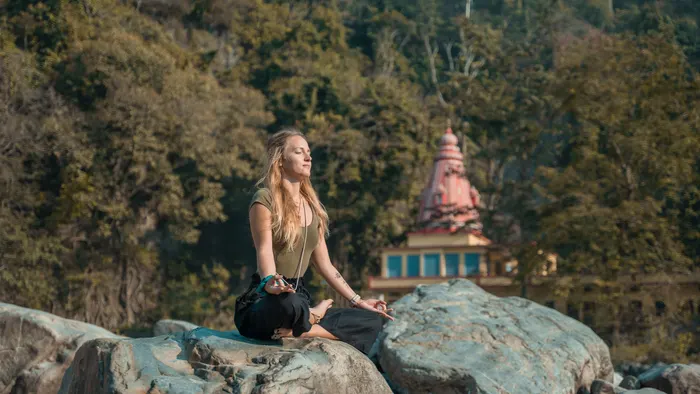
Meditation in the Himalayas, Nepal: Best Places & Retreats
Meditation in the Himalayas, NepalMeditation in the Himalayas, Nepal is more than a wellness activity; it is a journey into silence, nature, spirituality and self-discovery. Surrounded by snow-covered mountains, ancient monasteries, sacred temples, peaceful forests and traditional Himalayan communities, Nepal provides a unique environment for travelers who want to slow down, breathe deeply and reconnect with themselves. From the spiritual atmosphere of Kathmandu and Boudhanath to the peaceful mountain landscapes of Annapurna, Mustang, Tengboche and Khaptad, meditation can become an important part of a Himalayan journey.Nepal has a particularly deep connection with meditation because Lumbini, in southern Nepal, is recognized as the birthplace of Siddhartha Gautama Buddha. Across the country, Buddhist and Hindu traditions have developed alongside one another for centuries. Monasteries, stupas, temples, caves, forests and mountain landscapes continue to provide spaces for prayer, contemplation and spiritual practice. The Kathmandu Valley alone offers numerous meditation centers and monasteries, while mountain regions provide opportunities to practice mindfulness in quieter natural surroundings.Why Practice Meditation in the Himalayas of Nepal?The Himalayas naturally encourage a slower rhythm. The sound of wind moving through pine forests, prayer flags moving in the mountain breeze, distant bells from monasteries and views of snow-covered peaks can create an atmosphere very different from everyday urban life. For many travelers, meditation becomes easier when surrounded by nature and removed from constant digital distractions.A meditation journey in Nepal can also combine spiritual practice with trekking, yoga, cultural exploration and pilgrimage. Instead of spending an entire holiday inside a retreat center, travelers can meditate in the morning, walk through mountain villages during the day and practice reflection again in the evening. This combination makes Himalayan meditation in Nepal particularly attractive for wellness travelers and adventure seekers.Best Places for Meditation in Nepal1. Kathmandu ValleyThe Kathmandu Valley is one of the best starting points for meditation in Nepal. Although Kathmandu is a busy city, its surrounding hills, monasteries and sacred sites provide many peaceful places for contemplation.Boudhanath Stupa is especially important for Buddhist meditation. The huge white stupa is surrounded by monasteries, prayer wheels, incense, pilgrims and traditional Tibetan Buddhist culture. Walking slowly around the stupa while focusing on breathing or mantra recitation can itself become a mindful practice.Nearby Kopan Monastery is another major destination for meditation and Buddhist teachings. Located on a hill overlooking Kathmandu Valley, Kopan offers introductory and advanced courses, meditation programs and Buddhist teachings. Its official visitor information describes the monastery as a place for Buddhist study, meditation, retreat and quiet reflection.For travelers looking for a structured experience, Kopan can be an excellent choice because programs range from introductory courses to deeper Buddhist study and retreats.2. PharpingPharping is one of the most peaceful meditation destinations near Kathmandu. Located in the hills south of the capital, the area is associated with Tibetan Buddhist traditions, monasteries, caves and retreat centers.Pharping is particularly suitable for travelers who want to escape Kathmandu's urban environment without traveling deep into the mountains. Its forests, hills and monasteries create a quieter setting for meditation, reflection and spiritual practice.The area is also connected with important Buddhist traditions and sacred sites, making it an excellent choice for people interested in Buddhist meditation in Nepal.3. Pokhara and the Annapurna RegionPokhara is one of Nepal's most popular destinations for meditation, yoga and wellness travel. With Phewa Lake in the foreground and the Annapurna and Machhapuchhre mountains rising behind it, the environment naturally encourages relaxation and reflection.Meditation around World Peace Pagoda, Sarangkot and the surrounding hills can be especially rewarding at sunrise. Travelers can combine meditation with gentle hiking, yoga or sightseeing.Pokhara also has established Buddhist meditation centers. Ganden Yiga Chozin, for example, offers guided meditation, Buddhist philosophy courses and retreats and welcomes beginners without requiring previous meditation experience.The city's official tourism information also promotes a Buddhist circuit including the World Peace Pagoda, Tibetan monasteries, Matepani Gumba, Hemja monasteries and other Buddhist sites.4. SarangkotSarangkot is ideal for travelers who want meditation with spectacular Himalayan scenery. The famous viewpoint above Pokhara is known for sunrise views over the Annapurna and Dhaulagiri ranges.Early morning meditation in Sarangkot can be combined with breathing exercises, yoga or simple mindfulness. Sitting quietly while the mountains gradually appear in the morning light provides a memorable Himalayan wellness experience.For travelers who do not want a long retreat, Sarangkot is a practical option for a short meditation escape from Pokhara.5. LumbiniFor Buddhist pilgrims and spiritual travelers, Lumbini offers a completely different meditation experience. This is the sacred birthplace of Buddha and contains monasteries and temples representing different Buddhist traditions.Meditation in Lumbini is less about dramatic mountain scenery and more about spiritual history and contemplation. Visitors can spend time around the Sacred Garden, monasteries and peaceful surroundings while reflecting on Buddhist teachings.Lumbini is particularly suitable for travelers interested in Buddhist meditation, mindfulness, pilgrimage and spiritual tourism in Nepal.6. TengbocheFor a genuine Himalayan meditation experience, Tengboche in the Everest region is one of the most remarkable destinations. Located along the Everest trekking route, Tengboche is famous for its monastery and spectacular views of Himalayan peaks.Meditating in Tengboche combines mountain adventure with Buddhist spirituality. Travelers can experience the atmosphere of the monastery, observe local Buddhist traditions and spend quiet time surrounded by the Himalayas.The Nepal Tourism Board specifically lists Tengboche among Nepal's meditation destinations.Because Tengboche is located at high altitude, however, travelers should approach meditation trekking carefully and allow sufficient time for acclimatization.7. Jomsom and MuktinathThe Jomsom–Muktinath region offers another fascinating combination of Himalayan spirituality and natural beauty. Muktinath is an important pilgrimage destination for both Hindus and Buddhists.The landscape around Mustang is dramatically different from the greener valleys of Nepal. Dry cliffs, deep valleys, ancient villages and Himalayan peaks create a powerful atmosphere for reflection.Meditation here can be combined with pilgrimage, trekking and exploration of traditional Himalayan culture. Nepal Tourism Board includes Jomsom and Muktinath among places where visitors can experience meditation.8. Upper MustangUpper Mustang is one of Nepal's most distinctive destinations for a Himalayan meditation journey. The region is characterized by Tibetan-influenced culture, ancient monasteries, caves, dramatic cliffs and vast high-altitude landscapes.A meditation and trekking journey through Upper Mustang can provide a deeper sense of solitude than more crowded tourist destinations. Some wellness programs combine trekking with morning yoga, breathing exercises and evening meditation in the Himalayan environment.This destination is especially suitable for experienced travelers who want to combine meditation, trekking, Tibetan culture and Himalayan adventure.9. Khaptad National ParkFor travelers looking for nature-based meditation away from the major tourist centers, Khaptad is an excellent option. The region is known for forests, grasslands, hills and a peaceful natural environment.The area has a long association with spiritual practice, making it attractive to travelers interested in combining meditation with hiking and nature exploration.Khaptad is less accessible than Kathmandu or Pokhara, but that distance can become part of the experience. The journey itself helps travelers disconnect from busy routines and move toward a slower Himalayan lifestyle.10. Annapurna RegionThe Annapurna region offers perhaps one of the most flexible ways to experience meditation in the Himalayas. Travelers can combine daily trekking with short meditation sessions in villages, forests, viewpoints and mountain lodges.Routes around the Annapurna region can include meditation, yoga and mindfulness practices without requiring travelers to commit to a formal residential retreat.For example, a traveler could meditate at sunrise, trek through Himalayan villages during the day and practice breathing or mindfulness in the evening. This creates a natural connection between physical movement and mental relaxation.Meditation and Trekking in the HimalayasOne of Nepal's greatest advantages is the ability to combine meditation with Himalayan trekking. Instead of separating adventure and wellness, travelers can experience both during the same journey.Shorter routes such as areas around Pokhara and Poon Hill can be suitable for beginners, while longer journeys toward Annapurna Base Camp, Everest and Upper Mustang require greater physical preparation. Current retreat listings also show trekking programs combining meditation and yoga with routes such as Poon Hill, Mardi Himal and Annapurna Base Camp.A typical meditation trekking day might begin with 15–30 minutes of breathing or mindfulness practice. After breakfast, travelers trek through forests, villages and mountain trails. In the evening, a short meditation session can help relax the body and reflect on the day's experience.What Kind of Meditation Can You Practice?Nepal offers different meditation traditions, so travelers can choose an experience that matches their interests.Mindfulness meditation focuses on awareness of breathing, thoughts, emotions and sensations.Vipassana meditation emphasizes observation, awareness and insight. Nepal has established Vipassana programs, including structured ten-day courses where participants follow a strict daily schedule and periods of silence.Tibetan Buddhist meditation can include visualization, analytical meditation, compassion practices, mantra and other traditional techniques. Kopan Monastery is particularly well known for Tibetan Buddhist teachings and meditation programs.Yoga and meditation are also popular in Pokhara and Kathmandu, where travelers can combine physical movement, breathing exercises and meditation.Best Time for Meditation in the HimalayasThe best seasons for a Himalayan meditation journey are generally spring and autumn. March to May brings warmer temperatures, blooming landscapes and good mountain visibility, while September to November is usually known for clear skies and excellent Himalayan views.Winter can also be peaceful, particularly in Kathmandu, Pokhara and lower-altitude retreat centers, although higher Himalayan areas can become extremely cold.The monsoon months bring rain to much of Nepal, especially the southern and central regions. However, some rain-shadow destinations such as Mustang can offer different conditions and may remain attractive for experienced travelers.How Long Should a Meditation Retreat in Nepal Be?The ideal duration depends on your goals.A 1–3 day meditation experience is suitable for travelers who simply want to introduce mindfulness into their holiday.A 5–7 day retreat provides more time to develop a daily routine and disconnect from normal life.A 10-day Vipassana course offers a much more intensive experience with a structured schedule and silence.A 2–3 week Himalayan wellness journey can combine meditation, yoga, trekking, cultural experiences and spiritual destinations.For a deeper experience, travelers can also combine Kathmandu, Pokhara and Lumbini or add a Himalayan trekking destination such as Annapurna, Everest or Mustang.What Does a Typical Meditation Day Look Like?A retreat day in Nepal is usually simple and structured. You may wake early, meditate before breakfast, attend a teaching or guided session, enjoy a simple meal and spend time walking or practicing mindfulness.In a monastery environment, the experience may also include prayers, Buddhist teachings and observing daily monastic routines. In a nature-based retreat, more time may be dedicated to walking, yoga, breathing exercises and outdoor meditation.The goal is not necessarily to meditate for many hours immediately. Beginners can start with short sessions and gradually increase their practice.What Should You Bring?For a Himalayan meditation retreat, pack comfortable and modest clothing, warm layers, walking shoes, a reusable water bottle, personal toiletries and any medication you normally require.A small notebook can also be useful for journaling thoughts and experiences. If you are trekking to a high-altitude meditation destination, your packing list should also include appropriate trekking clothing, sun protection and altitude-conscious equipment.The most important thing to bring, however, is an open mind and willingness to slow down.Why Choose Meditation in the Himalayas?Meditation in Nepal is special because the practice is connected with the environment. You are not simply sitting inside a modern wellness studio. You may be sitting beside an ancient monastery, looking toward a snow-covered mountain, listening to prayer wheels turning or watching the sunrise over the Annapurna range.The experience can therefore become both a physical journey and an inward journey.For travelers searching for meditation retreats in Nepal, Himalayan meditation, Buddhist meditation in Nepal, spiritual tours in Nepal, yoga and meditation retreats, or meditation trekking in Nepal, the country offers options ranging from accessible short experiences to serious residential retreats.Experience Meditation in the Himalayas with Enticing HimalayasA Himalayan meditation journey can be designed around your interests, available time and preferred level of adventure. You can begin with Buddhist sites in Kathmandu, continue to peaceful meditation experiences around Pokhara, visit the birthplace of Buddha in Lumbini and then travel into the Himalayas for a trekking and meditation experience.Whether your goal is inner peace, mindfulness, spiritual exploration, Buddhist learning, yoga, wellness or simply escaping everyday stress, Nepal provides a rare combination of culture, nature and Himalayan silence.Explore Nepal's meditation and spiritual travel experiences with Enticing Himalayas: Enticing Himalayas
Explore Experience
Explore
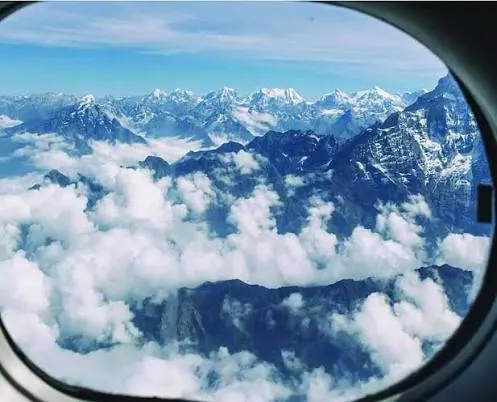
Mountain Flight in Nepal
Nepal is globally synonymous with towering peaks, ancient trails, and the breathtaking majesty of the Himalayas. However, not every traveler has the time, the physical endurance, or the desire to embark on a rigorous, multi-week trekking expedition into the extreme altitudes of the Khumbu region. For visitors who want to experience the absolute pinnacle of Himalayan beauty in a single, unforgettable morning, an Everest mountain flight in Nepal is the ultimate solution. Carefully organized by Enticing Himalayas Travel, this highly sought-after scenic flight from Kathmandu offers an unparalleled aerial tour of the highest mountains on Earth. You can witness the spectacular roof of the world from the comfort of a luxurious, pressurized cabin, making it one of the most accessible and highly rated adventure activities in the entire country.What is a Scenic Mountain Flight in Nepal?A scenic mountain flight in Nepal is a specialized, one-hour aerial journey that takes off from the domestic terminal of Tribhuvan International Airport in Kathmandu. These flights are operated by leading domestic airlines using modern, well-maintained fleets of turboprop aircraft specifically designed for high-altitude sightseeing. The defining feature of this incredible Himalaya sightseeing flight is that every single passenger is guaranteed a premium window seat. There is no crowding, no fighting for a view, and no obstructed sightlines. As the aircraft flies east toward the Everest region, the flight attendants and the cockpit crew provide real-time commentary, helping passengers identify the specific peaks as they emerge brilliantly on the horizon. The aircraft flies at an optimal cruising altitude, bringing you face to face with the snow-capped giants, glaciers, and deep valleys of the Everest region before completing a great circle and returning safely to Kathmandu.Why Choose a Mount Everest Aerial Tour?There are countless reasons why a Mount Everest aerial tour has become a trending, must-do activity for modern travelers visiting Nepal. First and foremost is the aspect of time efficiency. Modern travel itineraries are often packed, and dedicating two full weeks to a trekking route is simply impossible for many professionals and tourists. A mountain flight allows you to achieve the ultimate bucket-list goal of seeing Mount Everest in just a few hours before breakfast, leaving the rest of your day entirely free for exploring the cultural heritage sites of the Kathmandu Valley.Furthermore, this experience completely removes the intense physical barriers associated with high-altitude trekking. There is no risk of acute mountain sickness, no freezing nights in remote teahouses, and no grueling physical exertion. This makes the flight exceptionally inclusive. It is the perfect Himalayan adventure for families traveling with young children, elderly visitors, individuals with physical disabilities, and luxury travelers who prefer to witness extreme nature while enjoying absolute comfort.The Incredible Experience: Taking Off from KathmanduThe anticipation begins in the early hours of the morning. Because the clearest mountain views occur shortly after sunrise, flights are scheduled very early, typically between 6:00 AM and 8:00 AM. After a swift transfer to the domestic airport and a streamlined check-in process, you board the aircraft. As the plane lifts off the runway, you ascend rapidly above the bustling Kathmandu Valley. Within minutes, the hazy morning clouds part to reveal a staggering wall of white and grey rock dominating the northern skyline.The atmosphere inside the cabin is always electric with excitement. Passengers lean against their windows with cameras ready as the aircraft banks gently to offer the best possible angles for photography. One of the most thrilling aspects of the mountain flight is the open-door policy of the cockpit. Passengers are often invited one by one to step to the front of the aircraft. Looking through the expansive front windscreen of the cockpit beside the pilots provides an unbelievable, wide-angle perspective of the mountain range that feels almost surreal.Majestic Himalayan Peaks You Will SeeThe sheer scale of the mountains you will witness on this scenic flight Kathmandu to Mount Everest is difficult to put into words. The journey is a continuous parade of the world's highest and most prominent peaks.Your visual journey begins with Shisha Pangma. Standing at 8,013 meters, it is the 14th highest mountain in the world and sits entirely within the Tibet Autonomous Region. As the plane continues east, you will spot the distinct, jagged profile of Dorje Lakpa at 6,966 meters, which looks like a massive figure eight covered in thick snow. Next comes Phurbi Ghyachu, looming beautifully over the Kathmandu Valley.Moving deeper into the eastern Himalayas, the striking peaks of Choba Bhamare and the spiritually significant Gauri Shankar come into view. Gauri Shankar is so iconic in Nepal that the country's official time zone is based directly on its meridian. The flight then reveals Melungtse, a towering plateau-like mountain, followed by the brilliantly white summits of Numbur and Karyolung.As you approach the Khumbu region, the true giants appear. You will witness Cho Oyu, the Turquoise Goddess, standing magnificently at 8,201 meters as the sixth highest mountain on Earth. Nearby is Gyachungkang, a highly technical climb and the highest peak in the world that is not an 8,000-meter giant. Finally, the main attraction dominates the skyline. You will see the beautiful pyramid of Pumori and the massive, icy wall of Nuptse, which perfectly frames the dark, wind-swept summit of Mount Everest at 8,848.86 meters. Seeing the undeniable king of the mountains standing above everything else is a moment that will stay etched in your memory forever.The Best Time for a Himalaya Sightseeing FlightWhile mountain flights operate throughout the year, the experience is heavily dependent on weather and visibility. To ensure the absolute best value and the clearest, most spectacular photographs, timing your booking is crucial.The spring season, running from March to May, is considered one of the finest times for a flight. The weather is generally stable, and the melting snow brings out a striking contrast between the dark rock faces and the pristine white glaciers.The autumn season, from September to November, is widely regarded as the absolute peak time for all mountain viewing in Nepal. Following the heavy monsoon rains, the atmosphere is washed completely clean of dust and pollution. This results in crystal clear skies, unlimited visibility, and incredibly sharp views of the Himalayan range.Winter flights from December to February can also be deeply rewarding. The air is exceptionally crisp and the mountains are heavily layered in thick, fresh snow, making them look even more dramatic. However, early morning fog in Kathmandu can sometimes cause slight delays during these winter months.Who Should Book This Aerial Adventure?This exclusive aerial adventure is highly recommended for absolutely everyone visiting Nepal. It is a fantastic addition to any travel package, whether you are in the country for a cultural tour, a jungle safari, or even a trekking holiday.Many trekkers who have just completed journeys in the Annapurna or Langtang regions choose to book an Everest mountain flight before flying home so they can see the Everest region without extending their trip by another two weeks. It is also an incredibly popular option for honeymooners seeking a romantic and awe-inspiring morning, as well as for avid photographers who want to capture professional-grade aerial shots of the highest point on Earth without having to charter a private, expensive helicopter.Essential Tips for Your Nepal Mountain FlightTo maximize your enjoyment and ensure a flawless morning in the skies, keeping a few essential tips in mind is highly recommended.Always book your flight well in advance, especially if you are traveling during the peak spring or autumn tourist seasons, as these limited window seats sell out incredibly quickly.Dress warmly in comfortable layers. Even though the cabin is pressurized and heated, the early morning air in Kathmandu can be quite chilly, and you will want to be comfortable during the airport transfer and check-in.When it comes to photography, avoid wearing brightly colored clothing like neon green or bright orange. These colors can reflect directly onto the dual-pane windows of the aircraft, ruining your perfect shot of the mountains. Wearing dark, solid colors like black or navy blue minimizes reflections and ensures your camera captures nothing but the stunning snowy peaks.Finally, maintain a flexible itinerary. Mountain flights operate strictly under visual flight rules, meaning they will not take off if cloud cover obscures the mountains. If your flight is delayed or canceled due to poor weather, airlines offer a full refund or the option to easily reschedule for the very next morning. By keeping an open morning in your schedule, you guarantee that you will not miss out on this spectacular, once-in-a-lifetime Everest experience.
Explore Experience
Heal
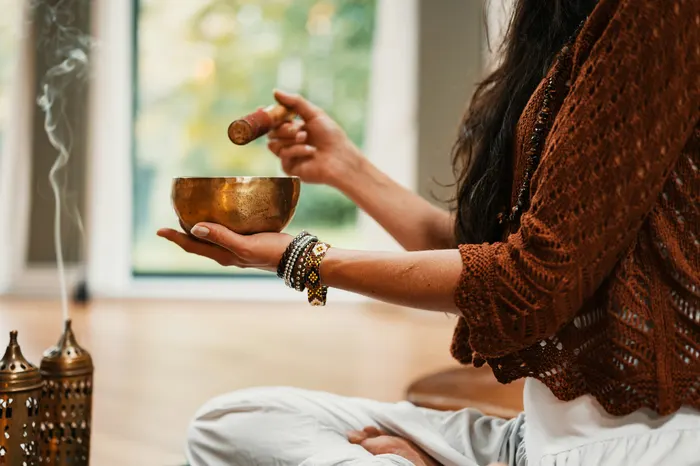
Traditional Sound Healing in Nepal
Discover the ancient art of traditional sound healing in Nepal, a powerful practice designed to restore balance to your mind, body, and spirit. Nestled in the spiritual heart of the Himalayas, this immersive experience utilizes authentic, handcrafted Tibetan singing bowls, gongs, and tingshas.During your session, an experienced sound healer will carefully place and play these sacred metal bowls around—and sometimes on—your body. As the bowls are struck and rim-played, they produce deep, resonant vibrations and rich overtones. These soothing frequencies are believed to help synchronize brain waves, guiding you from an active, waking state into a deep, meditative state of relaxation (alpha and theta waves).Whether you are looking to relieve travel fatigue, reduce stress, clear mental blockages, or simply experience a unique aspect of Himalayan culture, a sound healing session offers a tranquil sanctuary. This therapy is not just about listening to music; it is a full-body vibrational massage that promotes inner peace and physical well-being. Step away from the bustling city streets and reconnect with your inner stillness
Explore Experience
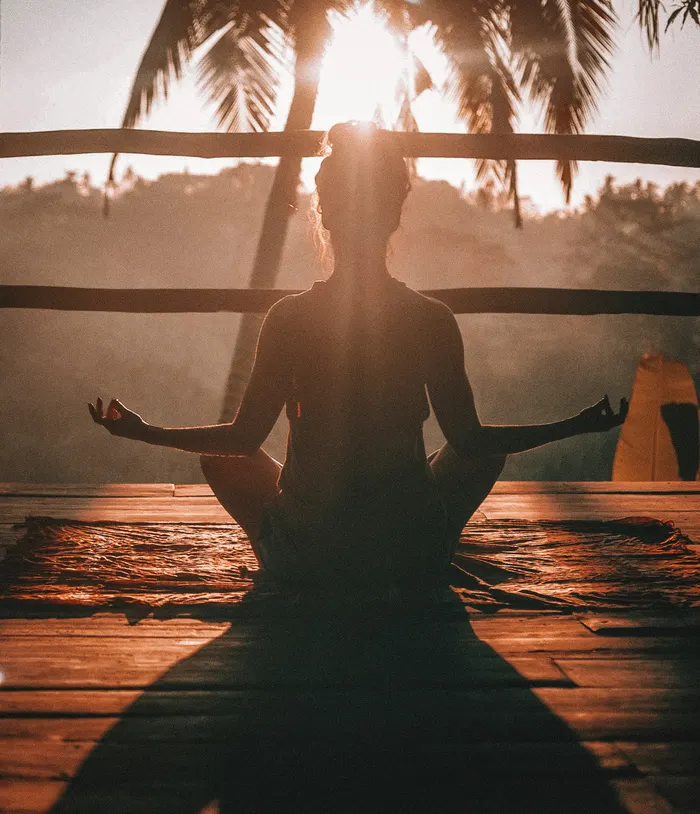
Heal
Meditation In Nepal
The Ultimate Guide to Meditation in Nepal: Find Inner Peace in the HimalayasNepal is not just a destination for scaling the world's highest peaks; it is globally recognized as an ultimate sanctuary for a yoga and meditation retreat in Nepal. For thousands of years, the serene energy of the Himalayas has drawn sages, monks, and seekers searching for the perfect environment for profound spiritual awakening.Whether you are looking for advanced practices or accessible meditation for beginners, Nepal offers an unparalleled atmosphere for contemplation.The Spiritual Heritage of the HimalayasDeeply rooted in both Buddhist and Hindu traditions, Nepal is the historic birthplace of Lord Buddha and a haven for yogis. From the ancient stupas of Kathmandu to the tranquil shores of Pokhara's Phewa Lake, every corner of the country invites you to slow down. If you have been searching online for the best spiritual retreats near me, traveling to the authentic source of these ancient philosophies provides a life-changing experience.Popular Meditation Practices AvailableVipassana Meditation: One of the most ancient techniques of self-observation, Vipassana is a cornerstone of Nepalese spirituality. Dedicated centers offer rigorous, traditional 10-day silent meditation retreats focused on self-purification and deep mindfulness meditation.Tibetan Buddhist & Guided Meditation: Monasteries across the high Himalayas and the Kathmandu Valley offer highly structured courses. These often include expert guided meditation sessions, mantra chanting, and teachings on profound Buddhist philosophy.Yoga and Sound Healing Integration: Modern wellness seekers often prefer holistic packages. Many top-rated centers combine daily Hatha or Vinyasa routines with authentic Tibetan singing bowl sound healing therapies to balance the chakras, relieve stress, and promote deep emotional healing.Top Destinations for Your RetreatKathmandu Valley: As a vibrant spiritual hub, Kathmandu is ideal for a dedicated yoga and meditation retreat Nepal. World-renowned institutions, such as the Kopan Monastery, offer immersive Buddhist teachings, while the lush Shivapuri foothills provide serene, forested environments for undisturbed daily meditation practice.Pokhara & The Annapurna Foothills: For those wanting to combine nature with spirituality, Pokhara is the perfect destination. You can easily find transformative meditation retreats tucked away in traditional villages facing the spectacular Annapurna mountain range.Lumbini: Engaging in morning meditation in the sacred gardens surrounding the exact birthplace of Lord Buddha offers a profoundly historic and energetic experience.The Nepal AdvantageBeyond the expert teachings and historic monasteries, the combination of crisp mountain air, the ambient sound of chanting monks, fluttering prayer flags, and a culture that naturally embraces slow living creates the ultimate sanctuary. It is the perfect environment to disconnect from modern stress and engage in deep, healing calm meditation.
Explore Experience
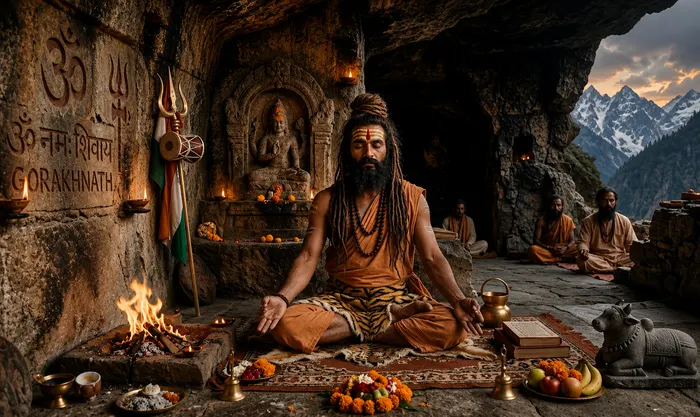
Heal
Spiritual Tour in Nepal – A Journey of Peace, Culture & Enlightenment
Introduction of Spiritual Tour In NepalNepal is a natural home for spiritual travel, shaped by the world's highest mountains and centuries-old Hindu and Buddhist traditions. Here, spirituality is not limited to temples or monasteries; it is part of everyday life, reflected in prayer flags, sacred rivers, pilgrimage routes, meditation practices, rituals, festivals, and the peaceful rhythm of Himalayan communities.A Spiritual Tour in Nepal offers travelers the opportunity to explore some of the country's most sacred and meaningful destinations. The journey may include the holy temple of Muktinath with its 108 sacred water spouts and eternal Jwala Mai flame, Lumbini—the birthplace of Lord Buddha, the great Buddhist stupas of Boudhanath and Swayambhunath, the sacred alpine lake of Gosaikunda, and the peaceful lakeside surroundings of Pokhara.But this journey is not only about visiting religious monuments.It is about slowing down, observing ancient traditions, connecting with local culture, practicing meditation and yoga, experiencing spiritual rituals, and spending meaningful time in places where people have prayed, reflected, and searched for inner peace for generations.With Enticing Himalayas, a Spiritual Tour in Nepal is designed as more than an itinerary. It is a journey into stillness, culture, nature, and personal reflection—where temples, monasteries, mountains, lakes, prayer wheels, and sacred landscapes become part of the experience.Spiritual Experiences & ActivitiesDepending on your itinerary and interests, your spiritual journey in Nepal can include:Muktinath pilgrimage and ritual bathing under the 108 sacred water spoutsVisit to the eternal Jwala Mai flamePilgrimage to Lumbini, the birthplace of Lord BuddhaVisit to the Maya Devi TempleExplore the Ashoka Pillar and Sacred Garden in LumbiniVisit international Buddhist monasteries in LumbiniMeditation sessions at monasteries and sacred sitesGuided Boudhanath Stupa circumambulation (Kora)Visit and spiritual walk around Swayambhunath StupaParticipate in or observe Pashupatinath evening AartiVisit Hindu temples and learn about ancient rituals and traditionsMeet and learn about Sadhus, monks, gurus, and spiritual practitionersVisit Buddhist monasteries around Kathmandu ValleyNamobuddha monastery visit and spiritual hikeMeditation at Gosaikunda Sacred LakeExperience the Janai Purnima pilgrimage when traveling during the festival periodSunrise meditation in Himalayan viewpointsLakeside yoga in PokharaGuided yoga and breathing sessionsPranayama and mindful breathing practicesBuddhist mindfulness meditationSilent meditation sessionsWalking meditation in peaceful natural surroundingsTibetan singing bowl sound-healing sessionsSound meditation and relaxation therapyTraditional Ayurvedic wellness treatmentsAyurvedic consultation and massageHerbal wellness experiencesReiki and energy-healing sessions where availableShort monastery retreatsBuddhist philosophy and Dharma teachingsVisits to traditional meditation centersPrayer-wheel and mantra experiencesLighting butter lamps at Buddhist monasteriesTraditional Hindu Puja and blessing ceremoniesTemple offerings and religious ceremoniesSpiritual discussions with local religious teachersCultural walks through ancient Kathmandu neighborhoodsVisit to Kathmandu Durbar Square, Patan, and BhaktapurExplore Nepal's traditional Newar culture and heritageAttend local religious festivals and ceremoniesVisit sacred caves and meditation sitesHimalayan sunrise and sunset experiencesMindful trekking through Himalayan villagesSpiritual trekking in Langtang, Annapurna, Mustang, or Tsum ValleyPrayer-flag ceremonies in Himalayan regionsVillage visits and cultural interactionsTraditional vegetarian and Ayurvedic mealsDigital-detox and quiet reflection timeJournaling and personal reflection sessionsNature walks and forest meditationPeaceful boating and meditation on Phewa LakeVisit to spiritual viewpoints such as SarangkotOptional pilgrimage helicopter tours to sacred Himalayan destinationsPrivate customized spiritual and wellness retreatsSacred Places You May ExploreMuktinathOne of Nepal's most important pilgrimage destinations, Muktinath is sacred to both Hindus and Buddhists. Pilgrims traditionally bathe beneath the temple's 108 sacred water spouts and visit the eternal flame at Jwala Mai.LumbiniLumbini is internationally recognized as the birthplace of Lord Buddha. Travelers can explore the Maya Devi Temple, Ashoka Pillar, Sacred Garden, Bodhi tree, meditation areas, and monasteries representing Buddhist traditions from around the world.BoudhanathOne of the world's largest Buddhist stupas, Boudhanath is a center of Tibetan Buddhist life in Kathmandu. Walking clockwise around the stupa while turning prayer wheels is one of the most peaceful spiritual experiences available in the capital.SwayambhunathStanding above Kathmandu Valley, Swayambhunath combines Buddhist and Hindu spiritual traditions. Prayer flags, monasteries, shrines, prayer wheels, and panoramic views create a deeply atmospheric experience.PashupatinathDedicated to Lord Shiva, Pashupatinath is one of Nepal's most important Hindu pilgrimage sites. Visitors can observe temple rituals and experience the powerful evening Aarti ceremony beside the Bagmati River.GosaikundaLocated high in the Langtang region, Gosaikunda is a sacred Himalayan lake associated with Lord Shiva. It is particularly important during the annual Janai Purnima pilgrimage.PokharaPokhara combines Himalayan scenery with yoga, meditation, Ayurveda, and peaceful lakeside experiences. Its relaxed environment makes it an excellent destination for travelers looking for rest and spiritual reflection.NamobuddhaNamobuddha is an important Buddhist pilgrimage site near Kathmandu and is ideal for monastery visits, meditation, countryside walks, and quiet reflection.What Makes This Journey Special?A Spiritual Tour in Nepal can bring together several different experiences within one journey:Spirituality through temples, monasteries, pilgrimage sites, rituals, and meditation.Culture through Nepal's ancient cities, festivals, traditions, architecture, and local communities.Wellness through yoga, Ayurveda, singing bowls, meditation, and mindful movement.Nature through Himalayan ranges, forests, sacred lakes, rivers, valleys, and mountain viewpoints.Reflection through slower travel, quiet spaces, meaningful conversations, and personal time away from everyday routines.Every traveler approaches spirituality differently. Some may come as Hindu or Buddhist pilgrims. Others may be yoga practitioners, meditation students, cultural travelers, wellness seekers, or simply curious visitors looking for peace.For this reason, our spiritual journeys can be adjusted according to your beliefs, interests, available time, physical condition, and preferred travel style.Extend Your Spiritual JourneyTravelers who would like to experience more of Nepal can combine their spiritual journey with our Nepal tour packages, cultural experiences, wellness retreats, Himalayan trekking programs, pilgrimage tours, and other Explore, Heal, Thrive journeys.Whether you want a short spiritual experience in Kathmandu or a longer pilgrimage through Lumbini, Pokhara, Muktinath, Gosaikunda, and the Himalayas, the itinerary can be customized around your interests. Plan a longer pilgrimage through our Nepal tour packages or the Thrive cultural immersions. Curated by Enticing Himalayas Nepal specialists in trekking, wellness and authentic local experiences. Explore. Heal. Thrive. —Enticing Himalayas
Explore Experience
Tailor-Made Journeys
Plan Custom Tibet TripReady for Your Tibet Journey?
Our Himalayan travel experts will design a personalized itinerary tailored to your dates, fitness level, and dream destinations in Tibet.