Loading...
45 munites
Best Cable Car Experience in Nepal in Kathmandu Valley
Kathmandu Valley
Best Seller Instant Confirmation 45 munites
Free Cancellation
Up to 24 hours
Local Expert Guide
English speaking
Small Group
Max 12 people
Instant Confirmation
Mobile voucher
Overview
Discover Nepal’s best cable car experiences with breathtaking Himalayan views, scenic valleys, hilltop temples, and memorable mountain journeys.
Best Cable Car Experience in Nepal
Nepal is famous for its towering Himalayan mountains, ancient temples, peaceful valleys, and exciting outdoor adventures. While trekking remains one of the best ways to explore the country, a cable car experience in Nepal offers a much easier and more comfortable way to enjoy spectacular landscapes. Cable cars connect lowland areas with beautiful hills, mountain viewpoints, pilgrimage destinations, and emerging tourist attractions. For travelers with limited time, families, older visitors, and anyone looking for a scenic experience without a long hike, Nepal’s cable cars provide an enjoyable alternative.
A cable car ride in Nepal is more than simple transportation. As the cabin rises above forests, villages, rivers, roads, and hillsides, travelers can enjoy changing landscapes from a completely different perspective. Depending on the destination, the experience can include Himalayan panoramas, temple visits, cultural exploration, photography, nature walks, sunrise views, and peaceful time in the mountains. From Kathmandu Valley to Pokhara, Gorkha, Dolakha, and Bandipur, cable car destinations are becoming an important part of Nepal’s tourism experience.
Why Experience a Cable Car in Nepal?
The biggest attraction of a cable car experience in Nepal is the opportunity to reach elevated destinations without spending hours walking uphill. A ride can transform a normal sightseeing trip into a memorable mountain adventure. Travelers can sit comfortably inside a cabin while enjoying views of green hills, deep valleys, settlements, and distant Himalayan peaks.
Cable cars are particularly useful for visitors who want to experience Nepal’s mountains but may not have enough time for a multi-day trek. Instead of committing to a long hiking route, travelers can choose a short cable car excursion and combine it with sightseeing, cultural activities, meditation, or a city tour. This makes cable car trips suitable for solo travelers, couples, families, and small groups.
For travelers interested in exploring more experiences, the [Nepal activities] can be connected with cable car sightseeing to create a more complete itinerary. A cable car ride can easily become part of a broader Nepal holiday involving cultural tours, adventure activities, wellness experiences, and Himalayan sightseeing.
Cable Car Tourism in Nepal
Cable car tourism has developed rapidly as Nepal looks for easier ways to connect important tourist and pilgrimage destinations. Nepal’s mountainous geography makes cable cars particularly useful because steep hills can be difficult to access by road or on foot. These systems can provide travelers with a scenic connection between lower stations and elevated destinations.
Some cable cars are strongly connected with religious tourism, while others focus more on mountain views, recreation, and sightseeing. This creates a variety of experiences for different types of visitors. Travelers interested in spirituality can choose a pilgrimage destination, while adventure and photography enthusiasts may prefer a hilltop viewpoint.
A cable car journey can also complement a traditional Nepal trekking experience. For example, visitors can use a cable car for one part of their journey and spend the remaining time walking through nearby forests, villages, viewpoints, or cultural sites. This combination gives travelers both convenience and a closer connection with Nepal’s landscape.
Chandragiri Cable Car in Kathmandu
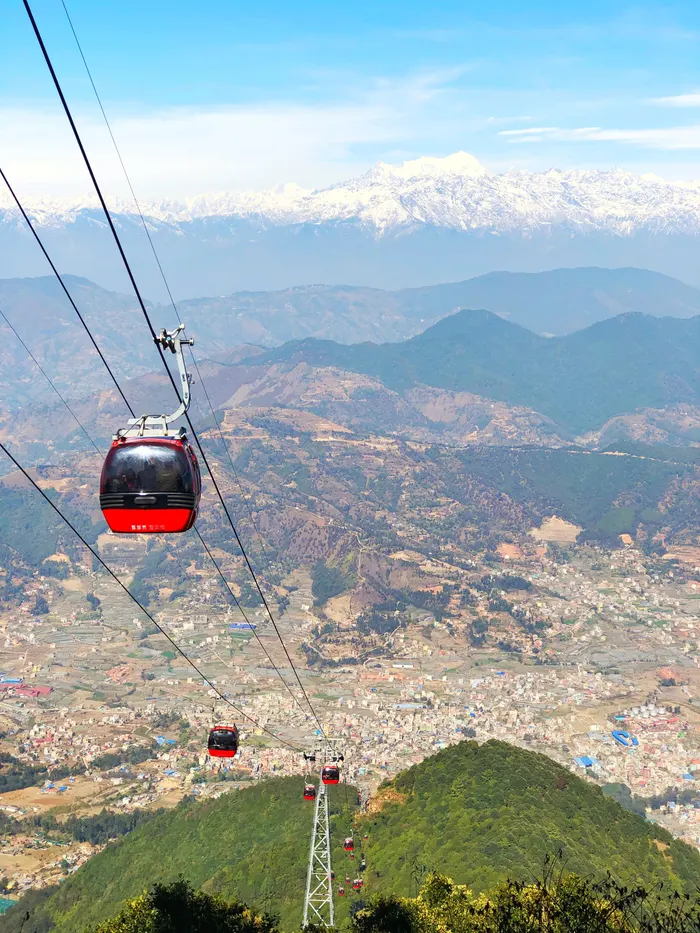
One of the most popular cable car experiences near Kathmandu is the Chandragiri Cable Car. Located on the southwestern side of Kathmandu Valley, Chandragiri Hills provides an easy escape from the busy city environment. The cable car carries visitors from the lower station toward the hilltop, where travelers can enjoy panoramic scenery and a cooler mountain atmosphere.
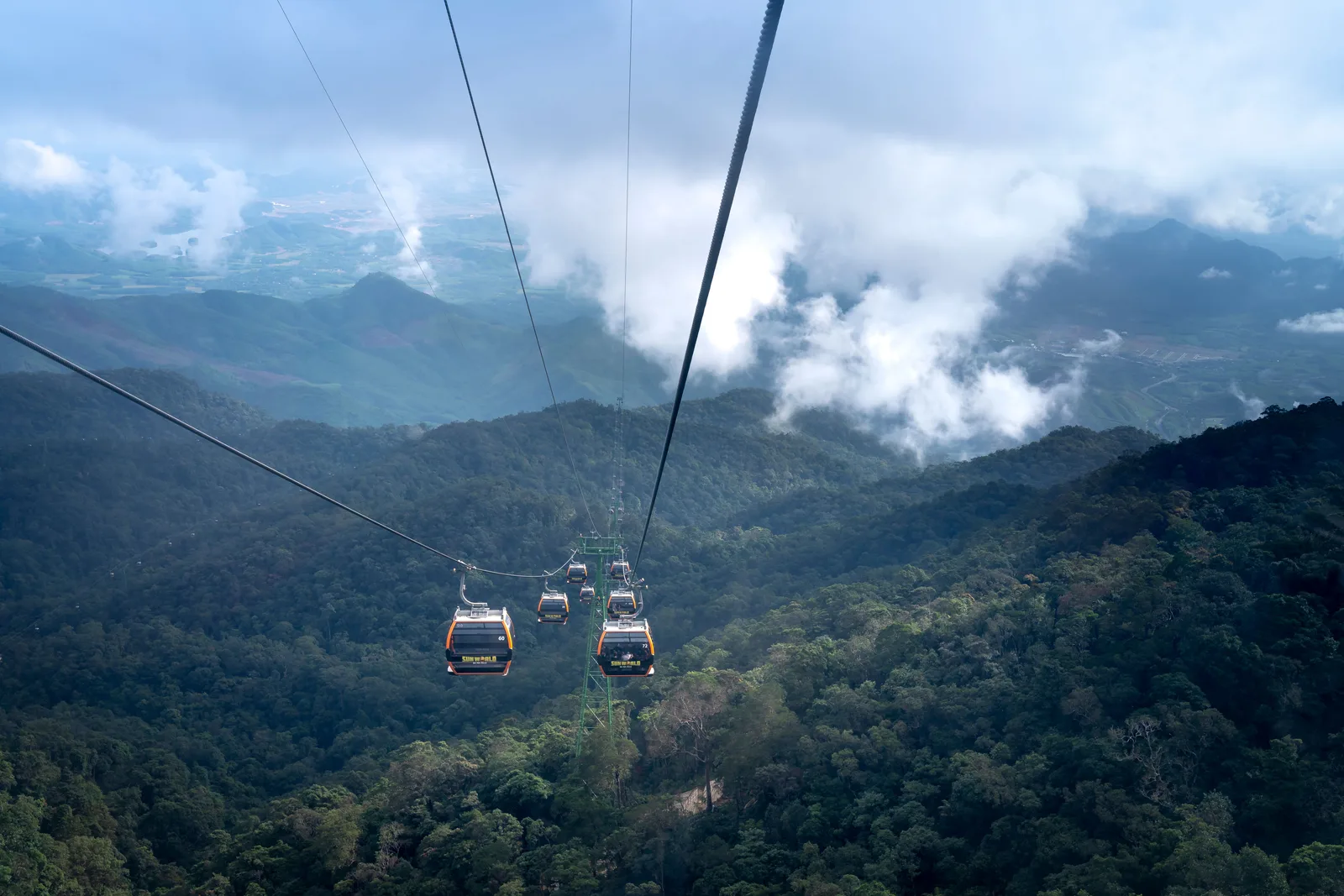
The ride itself is an attraction. As the cabin climbs above the surrounding landscape, travelers can see Kathmandu Valley spreading below while forested hills surround the route. On clear days, distant Himalayan peaks can become visible from the higher areas.
Chandragiri is also a convenient option for travelers staying in Kathmandu because it can be included in a half-day or full-day sightseeing itinerary. Visitors can combine the cable car ride with other attractions in the valley, making it an efficient option for people with limited time.
For travelers interested in Kathmandu sightseeing, the [Kathmandu destination] page can be connected with this experience to provide more information about the valley, its cultural attractions, temples, and surrounding hills.
What Makes Chandragiri Special?
Chandragiri is attractive because it combines nature, mountain views, leisure, and spirituality in one destination. At the hilltop, visitors can enjoy fresh air, panoramic scenery, walking opportunities, and views over Kathmandu Valley.
The destination is also associated with Bhaleshwar Mahadev Temple, making it relevant for travelers interested in Nepal’s Hindu heritage. Visitors can experience both a scenic cable car journey and a cultural or spiritual visit during the same trip.
Photography is another major reason travelers choose Chandragiri. The changing perspective during the cable car ride provides opportunities to photograph hills, forests, settlements, and the valley below. At the top, wide-open viewpoints create additional opportunities for landscape photography.
Manakamana Cable Car Experience
The Manakamana Cable Car is one of Nepal’s best-known pilgrimage cable car experiences. It provides access to the famous Manakamana Temple in Gorkha District, a destination visited by both domestic pilgrims and international travelers.
The cable car journey crosses a dramatic landscape of green hills, valleys, rivers, and rural settlements. Instead of walking the steep route toward the temple, visitors can enjoy the journey from the comfort of a cabin.
Manakamana is particularly interesting because the cable car experience is directly connected with Nepalese religious culture. Visitors can combine the scenic ride with a temple visit and observe the atmosphere surrounding one of Nepal’s important pilgrimage destinations.
Travelers planning cultural and spiritual journeys can connect this experience with [spiritual tours] to explore other sacred destinations across Nepal.
Visiting Manakamana Temple
The Manakamana Temple is dedicated to the Hindu goddess Bhagwati, and many devotees visit the temple with religious hopes and prayers. The temple area can become especially lively during festivals and important religious occasions.
International visitors should remember that a pilgrimage destination is primarily a place of worship. Dressing respectfully, following local customs, and being considerate when photographing people or religious activities can make the visit more meaningful.
A Manakamana trip can also be combined with other attractions along the Kathmandu–Pokhara route. This makes it a practical stop for travelers traveling between Nepal’s two major tourist hubs.
Kalinchowk Cable Car Experience
For travelers searching for a mountain cable car experience in Nepal, Kalinchowk is another exciting destination. Located in Dolakha, Kalinchowk is known for its high-altitude environment, mountain scenery, and religious importance.
The journey toward Kalinchowk is different from the urban convenience of Chandragiri. Travelers generally travel through hill roads and rural landscapes before reaching the Kuri area and continuing toward the cable car station.
Kalinchowk becomes particularly popular during winter because snowfall can transform the surrounding landscape into a beautiful white mountain environment. Travelers who enjoy snow, photography, and mountain scenery may find this experience especially memorable.
The destination is also associated with Kalinchowk Bhagwati Temple, making it another example of how Nepal’s cable cars can combine adventure, nature, and spiritual tourism.
Snow Experience at Kalinchowk
One of the most attractive aspects of Kalinchowk is the possibility of experiencing snow during the winter season. For travelers who do not have enough time for a long Himalayan trek, visiting a snowy hill destination can provide a memorable mountain experience.
However, weather conditions can change quickly in high-altitude areas. Travelers should check current road, weather, and cable car operating conditions before making their journey.
Warm clothing, suitable footwear, gloves, and protection from cold weather are especially important during winter visits. Travelers should also allow extra time because mountain roads may be affected by weather.
Annapurna Cable Car in Pokhara
Pokhara is one of Nepal’s most popular tourist destinations, famous for Phewa Lake, mountain views, adventure activities, and access to the Annapurna region. The Annapurna Cable Car adds another scenic experience to the city.
Located near the Lakeside area, the cable car provides access toward Sarangkot, a famous viewpoint known for sunrise, sunset, and Himalayan scenery. The experience can be especially attractive for visitors who want to see the mountains without undertaking a long hike.
The combination of Pokhara’s lake environment and surrounding Himalayan hills makes the cable car experience different from other cable car destinations in Nepal. Visitors can spend the morning enjoying mountain views and later return to Lakeside for boating, walking, restaurants, or other activities.
Travelers interested in outdoor experiences can explore the [Nepal activities] to discover adventure options that can be combined with a Pokhara itinerary.
Cable Car to Sarangkot
Sarangkot has long been famous as a viewpoint near Pokhara. Traditionally, many visitors reached the area by road or hiking routes, but cable car access provides another convenient option.
The viewpoint is particularly popular around sunrise because the early morning light can illuminate the Himalayan peaks. On clear days, visitors may see impressive mountain scenery associated with the Annapurna and Dhaulagiri ranges.
A cable car visit to Sarangkot can be combined with other Pokhara experiences, including paragliding, boating, mountain biking, sightseeing, and short hikes. This makes it a useful addition to both relaxed and adventure-focused itineraries.
Bandipur Cable Car Experience
Bandipur is one of Nepal’s most attractive hill destinations, known for its preserved Newari architecture, traditional atmosphere, mountain views, and peaceful environment. The Bandipur Cable Car adds another dimension to access and tourism in the area.
A visit to Bandipur can be particularly enjoyable for travelers who want to experience Nepal beyond the major cities. The town provides opportunities to walk through traditional streets, admire old architecture, enjoy viewpoints, and experience local culture.
Combining the cable car with a Bandipur stay allows travelers to slow down and enjoy the hill-town atmosphere rather than simply passing through. It can work well as a stop between Kathmandu and Pokhara.
Cable Cars and Nepalese Culture
Although cable cars may appear to be modern transportation systems, many of Nepal’s major cable car destinations are connected with traditional culture and religion. Manakamana and Kalinchowk, for example, are important pilgrimage destinations.
This combination of modern transportation and traditional heritage makes a Nepal cable car tour culturally interesting. Travelers can enjoy modern engineering while also learning about local beliefs, temples, festivals, and community traditions.
Responsible visitors should treat religious locations with respect. Following local rules, dressing appropriately, avoiding disruptive photography, and respecting worshippers are simple ways to contribute to responsible tourism.
Cable Car Experience for Families
A cable car ride can be an excellent option for families traveling in Nepal. Young children often enjoy the feeling of traveling above the landscape, while parents can appreciate the relatively easy access to hilltop destinations.
Families can also combine the ride with short walks, sightseeing, food experiences, and photography rather than planning a demanding trek. However, parents should always supervise children inside and around cable car stations.
For families with older travelers, cable cars can provide access to scenic destinations without requiring strenuous uphill walking. The exact suitability depends on the destination, weather, health, and individual mobility.
Cable Car Experience for Couples
Couples looking for a relaxed experience in Nepal can include a cable car ride in their itinerary. The combination of mountain scenery, peaceful hilltop environments, photography, and sunset or sunrise viewpoints can create memorable moments.
Chandragiri and Sarangkot are particularly attractive options for couples staying in Kathmandu or Pokhara. A cable car trip can be combined with a private sightseeing tour, romantic dinner, photography session, or short nature walk.
For couples who want to explore Nepal more deeply, cable car sightseeing can be combined with [cultural tours], [wellness activities], and [Nepal packages].
Cable Car Experience for Solo Travelers
Solo travelers can also enjoy Nepal’s cable cars because they are relatively easy to include in independent sightseeing plans. A solo visitor can take the cable car, explore the destination, photograph the scenery, and return on the same day.
Cable cars can also provide an opportunity to meet other travelers and local visitors. However, solo travelers should still keep track of operating schedules and return transportation, particularly when visiting destinations outside major cities.
Best Time for a Cable Car Experience in Nepal
The best season for a cable car trip depends on the destination and the type of experience travelers want. Autumn and spring are generally attractive for clear mountain views, comfortable temperatures, and outdoor sightseeing.
Winter can be excellent for destinations such as Kalinchowk when travelers specifically want to experience snow. However, winter weather can also affect transportation and operating conditions.
Summer and monsoon months can bring clouds, rainfall, and reduced visibility. While the landscapes become lush and green, Himalayan mountain views may be less reliable.
Before traveling, visitors should check the latest operating schedule and weather conditions rather than relying only on information from previous trips.
Cable Car and Himalayan Photography
A cable car ride offers a unique photography perspective because travelers can photograph the landscape from above. Forests, rivers, villages, roads, agricultural terraces, and mountains can appear very different when viewed from a moving cabin.
Morning and late afternoon can provide attractive natural light. However, travelers should prioritize safety and follow station and cabin rules when taking photographs.
A camera or smartphone with sufficient storage and battery power is useful. For serious photographers, a lightweight camera setup is often more practical than carrying heavy equipment during a full-day sightseeing itinerary.
Cable Car and Adventure Tourism
A cable car does not need to be a standalone activity. It can be connected with Nepal’s wider adventure tourism network. In Pokhara, travelers can combine a cable car journey with paragliding, mountain biking, hiking, boating, or sightseeing.
In Kathmandu, Chandragiri can be combined with cultural tours, hiking, meditation, wellness experiences, and heritage sightseeing.
This combination allows travelers to create an itinerary that balances comfort with adventure. A visitor might spend the morning on a cable car and the afternoon walking through historic neighborhoods or enjoying a wellness experience.
Cable Car and Spiritual Tourism
Nepal is one of Asia’s important destinations for spiritual travel, and several cable car locations have religious significance. The convenience of cable car transportation can make pilgrimage destinations more accessible to visitors who cannot manage steep hiking routes.
Manakamana, Kalinchowk, and Chandragiri provide opportunities to experience Nepal’s religious traditions alongside scenic mountain landscapes.
Travelers interested in spiritual experiences can connect their cable car itinerary with [meditation retreats], [Buddhist meditation], [yoga retreats], and visits to sacred temples and monasteries.
Cable Car and Wellness Travel
A cable car trip can also complement wellness tourism. Spending time in the hills away from Kathmandu’s busy streets can provide a change of environment and an opportunity to slow down.
Travelers can combine a hilltop cable car experience with meditation, yoga, sound healing, Ayurvedic treatments, or spa experiences. This combination is particularly useful for travelers who want a balanced holiday rather than a schedule filled only with sightseeing.
For more wellness ideas, travelers can explore [wellness experiences] and [Nepal wellness] content before planning their trip.
What to Bring for a Cable Car Experience
Packing for a cable car trip is generally simple, but the requirements depend on the destination and season. Comfortable walking shoes are useful because most cable car destinations involve some walking after reaching the upper station.
A light jacket is recommended for hilltop destinations because temperatures can be cooler than in nearby cities. During winter, travelers heading toward snowy destinations should carry proper warm clothing.
Other useful items include sunglasses, sunscreen, a water bottle, a small backpack, a camera or smartphone, and necessary personal medicines.
Travelers should avoid carrying unnecessary heavy luggage because cable car sightseeing is generally more enjoyable with a lightweight day bag.
Safety During a Cable Car Ride
Cable cars are designed with safety systems, but passengers should still follow instructions from staff. Remain seated or stable inside the cabin when appropriate, avoid unnecessary movement, and do not interfere with doors or equipment.
Travelers should follow station instructions and avoid attempting to open cabin doors. Children should remain under adult supervision.
People who are uncomfortable with heights may experience some anxiety during the journey. Choosing a suitable cabin position and focusing on the surrounding scenery can help make the experience more comfortable.
If a traveler has a specific medical or mobility concern, it is sensible to ask the operator about accessibility and suitability before booking.
Cable Car Etiquette
Good etiquette helps make the experience comfortable for everyone. Travelers should avoid excessive noise, respect other passengers, and keep personal belongings secure.
At religious destinations, additional cultural etiquette is important. Visitors should dress respectfully, follow temple rules, and ask permission before photographing people involved in religious activities.
Keeping the environment clean is equally important. Nepal’s mountain destinations are vulnerable to waste problems, so visitors should carry rubbish back to designated disposal areas.
Cable Car Experience and Responsible Tourism
Responsible tourism is increasingly important in Nepal. Travelers can support local communities by using local guides, eating at local restaurants, purchasing locally made products, and staying in locally operated accommodation.
Visitors should also respect natural environments. Avoid littering, disturbing wildlife, damaging vegetation, or creating unnecessary noise.
At religious destinations, responsible tourism also means understanding that these places are not simply tourist attractions. They remain important cultural and spiritual spaces for local communities.
Combining Cable Cars with Nepal Tours
A cable car experience can easily be incorporated into a wider Nepal holiday. A traveler arriving in Kathmandu might visit cultural heritage sites, explore Chandragiri, enjoy a wellness session, and then continue toward Pokhara.
A Pokhara itinerary can combine the Annapurna Cable Car with Phewa Lake, Sarangkot, paragliding, hiking, and other outdoor activities.
Similarly, a Manakamana cable car visit can be included during a road journey between Kathmandu and Pokhara. Kalinchowk can be planned as a separate short mountain trip for travelers interested in snow and high-altitude scenery.
For complete itinerary ideas, travelers can browse the [Nepal tour list] and select experiences based on their interests, available time, and travel style.
One-Day Cable Car Experience from Kathmandu
A simple Kathmandu cable car day can begin with an early departure toward Chandragiri. After reaching the lower station, travelers can board the cable car and enjoy the scenic climb toward the hilltop.
At the upper station, visitors can spend time enjoying the views, exploring the surrounding area, visiting the temple, taking photographs, and walking at a relaxed pace.
After returning to Kathmandu, the afternoon can be used for heritage sightseeing or a wellness experience. Travelers can explore [Kathmandu activities] to build a personalized day itinerary.
Cable Car Experience from Pokhara
Travelers staying in Pokhara can dedicate part of a day to the Annapurna Cable Car and Sarangkot. An early start is particularly useful for travelers interested in sunrise and Himalayan views.
After enjoying the viewpoint, visitors can return toward Lakeside and spend the rest of the day boating on Phewa Lake, exploring the city, enjoying local food, or participating in another adventure activity.
This flexible itinerary is suitable for travelers who want mountain scenery without committing to a full-day hike.
Cable Car Experience for First-Time Visitors
For first-time visitors to Nepal, a cable car ride provides a gentle introduction to the country’s mountainous geography. Travelers can see how hills, valleys, villages, forests, and cities fit together without immediately undertaking a difficult trek.
It is also a good way to understand Nepal’s relationship between nature, religion, and tourism. Several cable car destinations connect directly with temples or traditional settlements.
After experiencing a cable car, travelers may feel more comfortable adding short hikes or longer trekking routes to their itinerary.
Cable Car Experience Beyond Trekking
Nepal is often marketed primarily through trekking, but the country offers many experiences for visitors who do not want to trek for several days. Cable cars are an important part of this broader tourism experience.
They allow travelers to enjoy elevated landscapes, mountain viewpoints, cultural sites, and hill environments with less physical commitment. This makes them particularly useful for short holidays.
Travelers can combine cable cars with city tours, heritage walks, wildlife experiences, rafting, wellness, food experiences, and cultural activities.
Frequently Asked Questions
Which is the best cable car in Nepal?
The best cable car depends on what you want to experience. Chandragiri is convenient from Kathmandu, Manakamana is ideal for combining scenery with pilgrimage, Kalinchowk is attractive for mountain and snow experiences, and Annapurna Cable Car is useful for enjoying Sarangkot and Pokhara views.
Are cable cars suitable for children?
Cable car experiences can be suitable for families, but parents should supervise children and follow the operator’s safety instructions. Conditions and policies can differ between destinations.
Can I see Mount Everest from a cable car?
Cable car destinations in Nepal are not generally designed specifically for Mount Everest viewing. Himalayan visibility depends heavily on location, weather, and atmospheric conditions. Travelers seeking Everest views should consider destinations and activities specifically designed for that purpose.
Is a cable car better than trekking?
They provide different experiences. A cable car is faster and more convenient, while trekking offers a closer connection with villages, forests, landscapes, and local communities. Travelers can choose one or combine both.
What should I wear?
Wear comfortable clothes and suitable walking shoes. For higher destinations and winter trips, bring warm layers because temperatures can be significantly cooler.
Is photography allowed?
Photography is generally popular during cable car trips, but passengers should follow operator rules and respect restrictions around religious sites and other visitors.
Final Thoughts
A cable car experience in Nepal offers a simple but memorable way to discover the country’s hills, mountains, valleys, temples, and viewpoints. From the convenient Chandragiri Cable Car near Kathmandu to the spiritual journey toward Manakamana, snowy landscapes around Kalinchowk, and panoramic scenery near Pokhara, each destination offers a different character.
The best part is that travelers do not have to choose between comfort and exploration. A cable car ride can be combined with hiking, cultural sightseeing, pilgrimage, photography, wellness, adventure activities, and longer Nepal tours.
Whether you are traveling with family, visiting Nepal as a couple, exploring independently, or planning your first Himalayan holiday, adding a cable car journey can make your itinerary more diverse. It provides an easy opportunity to rise above the everyday landscape and experience Nepal from a completely different perspective.
For travelers planning their next Nepal adventure, explore the [Nepal activities], read more through the [Nepal blogs], and browse the [Nepal tour list] to build a trip that combines cable cars with the cultural, spiritual, wellness, and adventure experiences that make Nepal unique.
Cable Car Experience in Nepal
Himalayan Views
Scenic Cable Car Ride
Chandragiri Cable Car
Highlights
- Cable Car Experience in Nepal
- Himalayan Views
- Scenic Cable Car Ride
- Chandragiri Cable Car
- Manakamana Cable Car
- Kalinchowk Cable Car
- Annapurna Cable Car
- Bandipur Cable Car
- Mountain Panorama
- Kathmandu Valley Views
- Sarangkot Viewpoint
- Manakamana Temple
- Kalinchowk Snow Experience
What's Included
- Cable car ride ticket
- Scenic mountain and valley views
- Access to the selected cable car destination
- Upper and lower station access
- Basic safety assistance
What's Not Included
- Transportation to/from the cable car station\
- Meals and drinks
- Guide service, unless specified
- Entrance fees not included in the cable car ticket
Itinerary
No itinerary available.
Gallery
Details
Duration
45 munites
Location
Kathmandu Valley
Provider
Chandragiri Hills.com
Contact
9802069900
Book this experience
$23per person
Secure booking- Location
- Kathmandu Valley
- Duration
- 45 munites
- Confirmation
- Instant
Travellers
Price calculated per person
1
1 Traveller × $23$23
Total$23
From
$23/person