Loading...
1 day
Canyoning in Nepal : Waterfall Adventure Experience in Pokhara
Pokhara
Best Seller Instant Confirmation 1 day
Free Cancellation
Up to 24 hours
Local Expert Guide
English speaking
Small Group
Max 12 people
Instant Confirmation
Mobile voucher
Overview
Experience canyoning in Nepal with thrilling waterfalls, natural pools, river jumps, and Himalayan scenery for an unforgettable adventure.
Canyoning in Nepal: Waterfall Adventure Experience
Canyoning in Nepal is an exciting outdoor adventure that combines waterfalls, rivers, natural pools, rocky gorges, and beautiful Himalayan landscapes. It is an ideal activity for travelers who want to experience Nepal beyond trekking and sightseeing. Depending on the location and route, canyoning can involve walking through river canyons, swimming in natural pools, jumping into deep water, sliding over smooth rocks, and descending waterfalls with ropes.
Nepal's mountainous geography creates excellent conditions for canyoning. Fast-flowing rivers, steep valleys, rocky cliffs, and numerous waterfalls provide natural environments for this adventure. From short introductory experiences to more challenging waterfall descents, canyoning can be enjoyed by adventure travelers with different levels of experience when the activity is operated by qualified professionals.
What Is Canyoning?
Canyoning is an adventure activity that involves traveling through a canyon or gorge using a combination of techniques such as walking, swimming, climbing, sliding, jumping, and rappelling. Participants follow a natural watercourse while navigating waterfalls, rock formations, pools, and narrow sections of the canyon.
Unlike ordinary hiking or river activities, canyoning allows travelers to interact directly with the landscape. Instead of simply viewing a waterfall, participants may descend beside or directly through it using ropes and professional safety equipment.
The experience can be physically demanding, but the difficulty depends greatly on the selected canyon, water conditions, route length, and technical sections.
Why Try Canyoning in Nepal?
Nepal is naturally suited to canyoning because of its steep Himalayan terrain and extensive network of rivers and streams. Water flowing through mountain valleys has created rocky gorges, waterfalls, pools, and dramatic landscapes that provide ideal settings for canyoning.
One of the biggest attractions is the combination of adventure and scenery. During a canyoning trip, travelers can enjoy forests, waterfalls, mountain streams, cliffs, and rural landscapes while taking part in an active outdoor experience.
Canyoning is also a great option for travelers who want something different from trekking, rafting, or sightseeing. It can be included as a day activity during a longer Nepal itinerary.
Popular Canyoning Destinations in Nepal
Sundarijal
Sundarijal is one of the accessible outdoor areas near Kathmandu and is known for its streams, waterfalls, forests, and hiking environment. Its proximity to the capital makes it an attractive option for travelers looking for a short nature and adventure experience.
A canyoning or waterfall adventure around the Sundarijal area can be combined with hiking and exploration of the surrounding forested landscape.
Jalbire
Jalbire, located along the route between Kathmandu and Chitwan, is another destination associated with canyoning and waterfall adventures. The area is surrounded by hills, rivers, and rural landscapes.
Its location makes it convenient to combine canyoning with a broader Nepal itinerary, particularly for travelers traveling between Kathmandu and Chitwan.
Kakani and Surrounding Areas
The hills surrounding Kathmandu contain streams, rocky sections, and waterfalls that can provide opportunities for outdoor water adventures. Depending on seasonal conditions and operator access, canyoning experiences may be available in selected locations.
Travelers should always confirm current operating conditions with a local adventure operator before traveling to a particular canyon.
What to Expect During a Canyoning Experience
A typical canyoning experience begins with meeting the professional guide or canyoning team. Participants receive a safety briefing explaining the route, equipment, communication signals, and techniques required during the activity.
The guide then helps participants put on the appropriate safety equipment, such as helmets, harnesses, ropes, and other protective gear. Depending on the route, the adventure may begin with a hike through the surrounding landscape before reaching the canyon.
Once inside the canyon, participants may walk through streams, climb over rocks, swim across natural pools, slide down smooth sections, jump into suitable pools, or rappel down waterfalls. The guide remains responsible for route guidance and safety supervision throughout the experience.
The exact itinerary depends on the canyon, weather, water level, difficulty, and selected package.
Canyoning for Beginners
Canyoning can be suitable for beginners when an appropriate route is selected and professional guidance is provided. First-time participants normally receive instructions before entering the canyon and are taught how to move safely over wet rocks, use ropes, and follow guide signals.
Beginners should start with an easier canyon that does not require advanced technical skills. It is important not to choose a route simply because it looks exciting. Water levels, jumping heights, rappelling sections, and canyon length can significantly affect difficulty.
A professional guide can help select a suitable experience based on the participant's fitness, confidence, and previous adventure experience.
Canyoning for Adventure Travelers
Experienced adventure travelers can choose more demanding canyoning experiences involving longer routes, higher waterfalls, stronger water currents, and more technical rappelling sections.
These routes require greater physical fitness, confidence in water, and familiarity with technical adventure equipment. Participants should never attempt technical canyoning independently without appropriate training, equipment, and professional knowledge.
Nepal's changing weather and mountain water conditions also mean that experienced travelers should respect local advice and current route conditions.
Waterfall Rappelling in Nepal
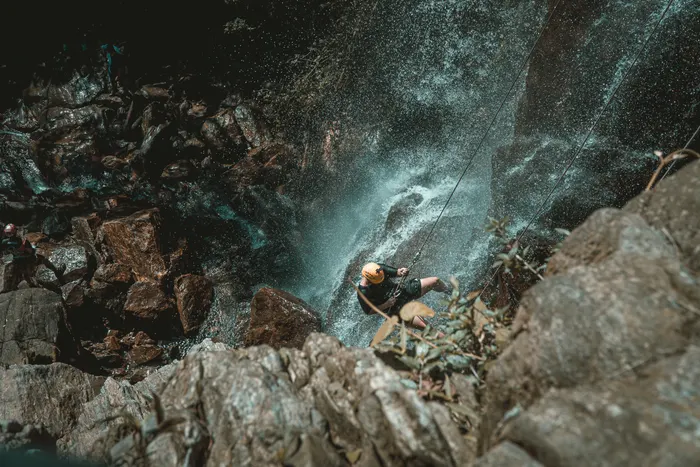
Waterfall rappelling is one of the most memorable parts of many canyoning experiences. Participants descend a waterfall using a rope system while wearing a harness and helmet.
The guide controls or supervises the rope system and provides instructions on body position, foot placement, and movement. Beginners may initially feel nervous, but professional instruction can make the experience more manageable.
The combination of flowing water, rock walls, and surrounding vegetation creates a unique Himalayan adventure experience.
Swimming and Natural Pools
Many canyoning routes include natural pools formed by flowing mountain water. Participants may need to swim or move through pools as part of the route.
Swimming ability can therefore be important for certain canyoning experiences. However, not every canyon requires the same level of swimming ability.
Travelers should tell their operator about their swimming confidence before booking and confirm whether flotation equipment is provided when required.
Best Time for Canyoning in Nepal
Weather and water conditions are particularly important for canyoning.
The monsoon season brings heavy rainfall to Nepal, increasing river and waterfall water levels. Although waterfalls can become more powerful and visually impressive, strong currents and unpredictable water conditions can make canyoning dangerous.
For this reason, canyoning should only operate when guides determine that conditions are safe. Spring, autumn, and suitable periods outside heavy monsoon conditions can offer more favorable opportunities, depending on the specific canyon.
Always check local weather and water conditions before departure.
Safety During Canyoning
Safety is the most important part of canyoning. Participants should always follow the instructions of professional guides and use appropriate safety equipment.
Important safety practices include listening carefully to the briefing, wearing a helmet and harness correctly, following designated routes, and never jumping or rappelling unless instructed by the guide.
Participants should also avoid canyoning during unsafe weather conditions or when water levels are unsuitable. Wet rocks can be extremely slippery, and mountain water conditions can change quickly.
A responsible operator should assess the route and conditions before beginning the activity and should have appropriate emergency and first-aid procedures.
Canyoning Equipment
Professional canyoning requires specialized equipment. Depending on the route, the operator may provide a helmet, climbing harness, ropes, carabiners, wetsuit, canyoning shoes, flotation equipment, and other technical safety equipment.
A helmet protects the head from accidental impacts, while the harness and rope system are essential for waterfall rappelling. A wetsuit can provide warmth and protection in cold mountain water.
Participants should confirm which equipment is included in their package before booking.
What to Wear for Canyoning
Canyoning involves water, rocks, and physical movement, so appropriate clothing is important. Quick-drying sports clothing or suitable swimwear can be useful underneath a wetsuit where one is provided.
Travelers should bring comfortable footwear suitable for wet and rocky surfaces. Depending on the operator, specialized canyoning footwear may be provided.
It is also useful to bring a dry change of clothes, towel, sunscreen, and a small waterproof bag for personal essentials.
Avoid valuable jewelry and items that can easily be lost in water.
Physical Fitness and Difficulty
Canyoning difficulty varies significantly between locations. An introductory waterfall experience may require moderate fitness, while a technical canyoning route can demand considerable strength, balance, swimming ability, and endurance.
Participants should be comfortable walking on uneven terrain and moving through water. Some routes also involve climbing, jumping, or rappelling.
Before booking, travelers should ask the operator about the exact route, duration, water conditions, minimum age, swimming requirements, and difficulty level.
Canyoning and Other Nepal Adventures
Canyoning can be combined with several other activities to create a complete Nepal adventure itinerary. Travelers visiting Kathmandu can combine a canyoning experience with cultural sightseeing, hiking, or temple visits.
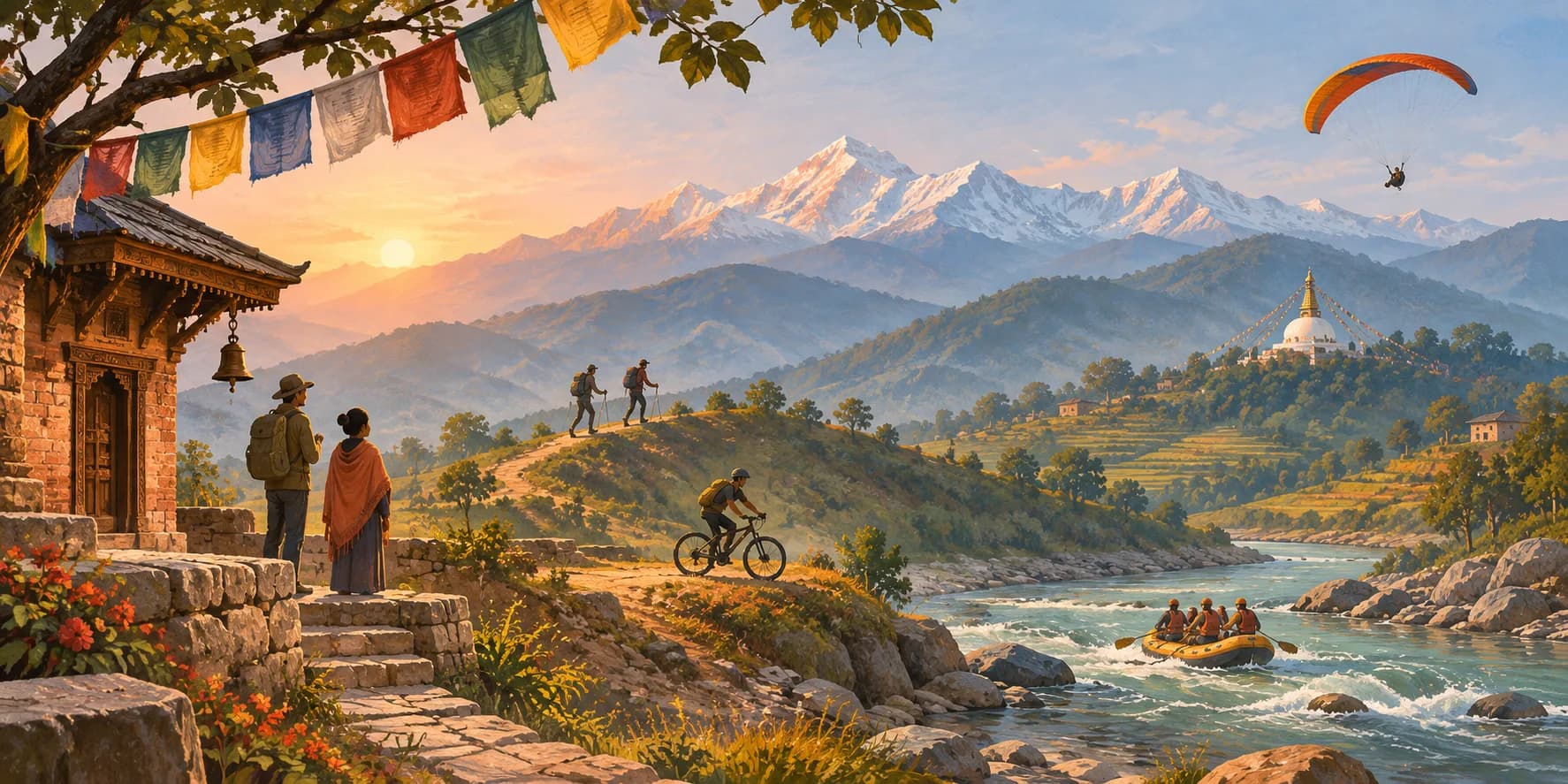
Those traveling toward Chitwan may combine a waterfall adventure with jungle activities and wildlife experiences. Adventure travelers can also combine canyoning with trekking, rafting, mountain biking, paragliding, or bungee jumping.
This makes canyoning a flexible addition to both short holidays and longer Himalayan journeys.
Canyoning and Trekking
Trekking and canyoning offer completely different ways to explore Nepal's natural environment. Trekking focuses on walking through mountain trails, villages, forests, and high-altitude landscapes, while canyoning takes travelers into streams, waterfalls, and rocky gorges.
Adding canyoning before or after a trek can provide a refreshing change of pace. After spending several days on mountain trails, a waterfall adventure offers a more active water-based experience.
Canyoning Cost in Nepal
The cost of canyoning in Nepal depends on the destination, duration, route difficulty, equipment, guide services, transportation, and package inclusions.
Short introductory experiences are generally more affordable than technical or full-day canyoning trips. Transportation can also affect the total cost when the canyon is located outside Kathmandu.
Prices may change according to season, operator, group size, and package. Travelers should confirm the current price and inclusions directly with their selected operator before booking.
What Is Usually Included?
A canyoning package may include professional canyoning guides, safety instruction, technical equipment, helmets, harnesses, ropes, and other necessary safety gear. Some packages may also include wetsuits, canyoning footwear, transportation, meals, photographs, or videos.
The exact inclusions depend on the selected operator and route, so travelers should carefully check the package details before making a reservation.
What Is Usually Excluded?
Common exclusions may include hotel accommodation, personal expenses, travel insurance, meals and drinks unless specified, transportation unless included, tips, medical expenses, emergency evacuation, and photography or video services when not part of the package.
Additional activities outside the selected canyoning package are also normally charged separately.
Who Can Try Canyoning in Nepal?
Canyoning can be enjoyed by adventure seekers, outdoor enthusiasts, trekking travelers, groups of friends, and travelers looking for a unique experience in Nepal.
Beginners can choose introductory routes with professional supervision, while experienced adventure travelers can explore more technical routes.
Age and participation requirements vary by operator and location. Swimming ability, physical fitness, confidence in water, and medical considerations may also influence whether a particular route is appropriate.
Responsible Canyoning
Responsible tourism is important when visiting Nepal's natural waterfalls and river environments. Travelers should avoid leaving plastic, food packaging, or other waste inside the canyon.
Participants should respect local communities, wildlife, forests, and water sources. Following designated routes and local instructions helps protect fragile natural environments.
Choosing responsible local operators also supports communities and contributes to sustainable adventure tourism in Nepal.
Frequently Asked Questions
Is canyoning in Nepal suitable for beginners?
Yes. Beginner-friendly canyoning experiences are available, but the route should be selected according to the participant's fitness, confidence, and previous experience.
Do I need to know how to swim?
Swimming requirements depend on the canyon. Some routes involve natural pools or flowing water, so travelers should confirm the requirements with the operator before booking.
Is canyoning safe?
Canyoning involves inherent risks, particularly around water, slippery rocks, waterfalls, and ropes. Professional guides, proper equipment, route assessment, and following safety instructions are essential.
What equipment is used for canyoning?
Equipment may include helmets, harnesses, ropes, carabiners, wetsuits, canyoning shoes, and other technical safety equipment depending on the route.
What is the best season for canyoning?
Canyoning conditions vary by location and weather. Heavy monsoon rainfall can create dangerous water conditions, so activities should only operate when local professionals consider the conditions safe.
Can I combine canyoning with trekking?
Yes. Canyoning can be added before or after trekking and can also be combined with rafting, mountain biking, paragliding, sightseeing, and other Nepal adventures.
Experience Canyoning in Nepal
Canyoning in Nepal offers a thrilling way to discover the country's waterfalls, rivers, rocky gorges, and natural landscapes. From walking through mountain streams to rappelling beside waterfalls and swimming in natural pools, the activity provides an exciting alternative to traditional sightseeing.
Whether you are a first-time adventure traveler or an experienced outdoor enthusiast, choosing the right route and a professional operator is essential. With proper equipment, safety guidance, suitable weather conditions, and responsible travel practices, canyoning can become one of the most memorable experiences of a Nepal holiday.
For travelers looking to combine waterfall adventure, Himalayan scenery, and outdoor exploration, canyoning in Nepal is an experience worth adding to your itinerary with Enticing Himalayas Travels Pvt. Ltd.
Thrilling waterfall and canyon adventure
Explore Nepal’s natural rivers, gorges, and waterfalls
Exciting waterfall rappelling
Swim in beautiful natural pools
Highlights
- Thrilling waterfall and canyon adventure
- Explore Nepal’s natural rivers, gorges, and waterfalls
- Exciting waterfall rappelling
- Swim in beautiful natural pools
- River walking and rock scrambling
- Professional guide and safety supervision
- Suitable routes for beginners and adventure seekers
- Stunning Himalayan and forest scenery
- Experience Nepal beyond traditional trekking
- Explore popular canyoning areas near Kathmandu
- Combine canyoning with trekking and rafting
- Great activity for friends and adventure groups
- Professional safety equipment provided
- Refreshing outdoor experience in nature
- Unforgettable Himalayan water adventure
What's Included
- Professional canyoning guide/instructor
- Safety briefing and route guidance
- Helmet and safety harnes
- Ropes, carabiners, and technical safety equipment
- Waterfall rappelling equipment
- Natural pool and canyon access
What's Not Included
- Transportation to and from the canyoning location
- Meals and drinks
- Personal expenses
- Personal clothing and swimwear
- Personal adventure equipment
- Personal adventure equipment, if required
Itinerary
No itinerary available.
Gallery
Details
Duration
1 day
Location
Pokhara
Provider
Nepal Dare Adventure
Contact
9801094485
Book this experience
$100per person
Secure booking- Location
- Pokhara
- Duration
- 1 day
- Confirmation
- Instant
Travellers
Price calculated per person
1
1 Traveller × $100$100
Total$100
From
$100/person