Loading...
4 hours
Rock Climbing in Nepal | Himalayan Adventure Experience in Kathmandu Valley
Kathmandu Valley
Best Seller Instant Confirmation 4 hours
Free Cancellation
Up to 24 hours
Local Expert Guide
English speaking
Small Group
Max 12 people
Instant Confirmation
Mobile voucher
Overview
Experience rock climbing in Nepal with Himalayan views, exciting routes, expert guidance, and unforgettable adventure for beginners and climbers.
Rock Climbing in Nepal | Himalayan Adventure Experience
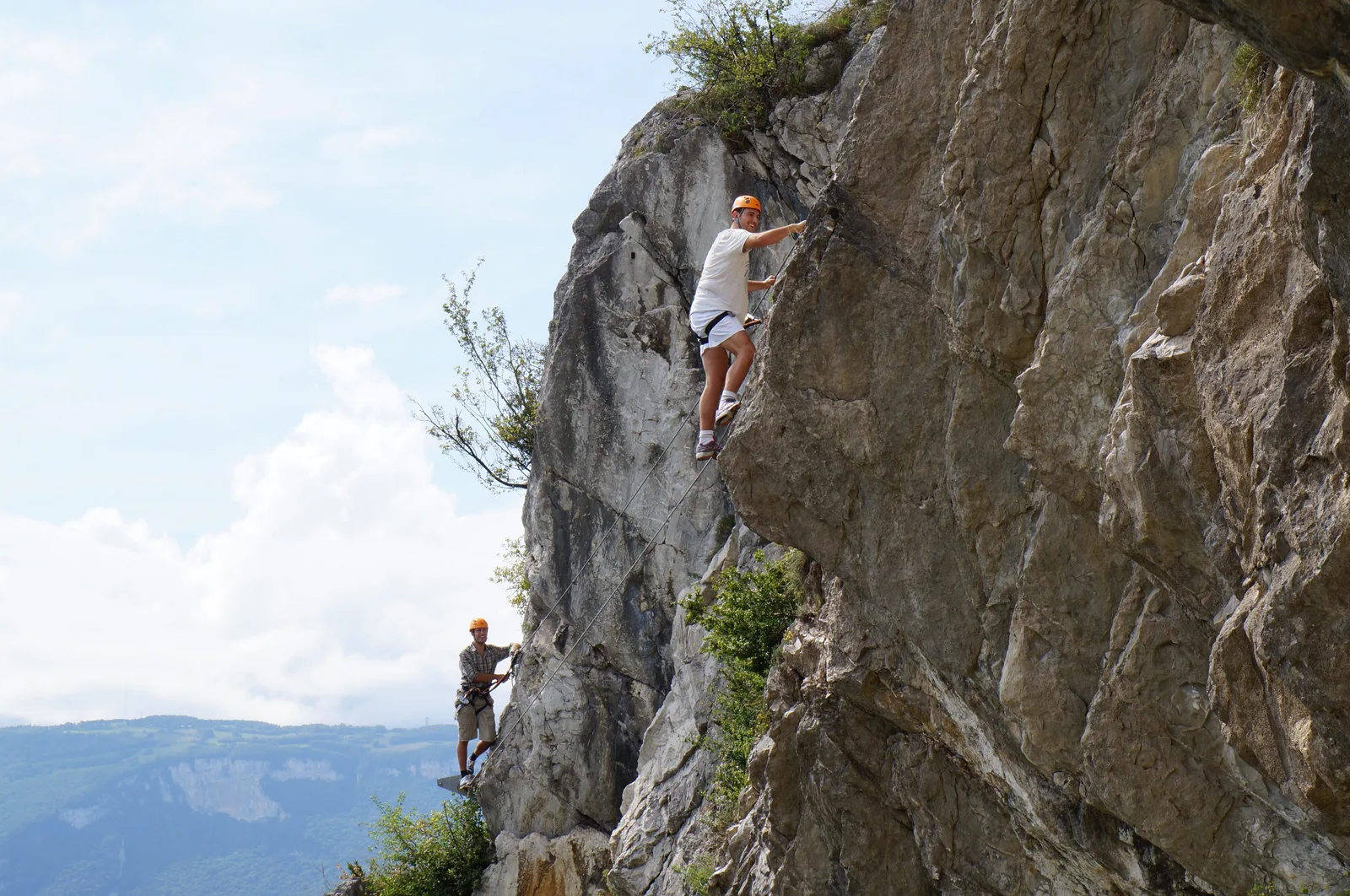
Rock climbing in Nepal is an exciting Himalayan adventure that combines physical challenge, outdoor exploration, and beautiful mountain scenery. While Nepal is internationally famous for trekking and mountaineering, its rock-climbing opportunities offer travelers a different way to experience the country's dramatic landscapes. From natural cliffs and forested crags around Kathmandu to climbing walls in Pokhara, Nepal provides options for beginners, intermediate climbers, and experienced adventure enthusiasts.
Unlike high-altitude mountaineering, rock climbing can be enjoyed without committing to a long Himalayan expedition. A climbing session can often be added to a Kathmandu sightseeing itinerary, a hiking trip, or a longer adventure holiday. With suitable equipment, professional instruction, and an appropriate route, beginners can learn basic climbing techniques while experienced climbers can challenge themselves on more demanding terrain.
What Is Rock Climbing in Nepal?
Rock climbing is an adventure sport in which participants climb natural rock faces or artificial climbing walls using specialized equipment and climbing techniques. Climbers generally use ropes, harnesses, helmets, climbing shoes, carabiners, and belay systems depending on the type of climbing.
In Nepal, rock climbing can range from short introductory climbs to more technical outdoor routes. The experience is not only about reaching the top. Climbers also learn how to balance their body, identify holds, manage movement, communicate with a belayer, and use climbing equipment correctly.
For travelers visiting Nepal, rock climbing is an excellent activity for adding adventure to a cultural or trekking itinerary.
Why Try Rock Climbing in Nepal?
Nepal offers a unique combination of adventure and Himalayan scenery. A climbing trip can take you away from busy city streets and into forests, cliffs, hills, and mountain environments.
One of the biggest advantages is accessibility. Several climbing areas are located relatively close to Kathmandu. Nepal Tourism Board notes that many rock-climbing areas are located north of Kathmandu, particularly around Nagarjun Forest and Shivapuri National Park.
This makes rock climbing suitable for travelers who may not have enough time for a multi-day trek but still want an active outdoor experience.
Rock climbing can also complement other activities such as hiking, bird watching, nature tours, sightseeing, and trekking.
Best Rock Climbing Locations in Nepal
1. Nagarjun
Nagarjun is one of the most accessible outdoor rock-climbing areas near Kathmandu. The area is surrounded by forest and offers a natural environment for adventure activities.
According to Nepal Tourism Board, the Nagarjun climbing area is suitable for both beginners and experienced climbers, with cliffs around 12–15 meters in height in the traditional climbing area.
A climbing trip to Nagarjun can also be combined with hiking and nature exploration, making it a convenient day adventure from Kathmandu.
2. Hattiban
Hattiban, in the southern part of the Kathmandu Valley near Pharping, is another important climbing location. It is known among climbers for its natural rock routes and is particularly interesting for travelers looking for an outdoor climbing experience.
The area can also be combined with visits to Pharping and nearby cultural and religious attractions. Current climbing resources identify Hattiban as one of the Kathmandu Valley's outdoor climbing areas.
3. Shivapuri
Shivapuri offers an opportunity to combine climbing with the natural environment of Shivapuri National Park. The surrounding forest and hills make this area attractive for travelers interested in adventure and nature.
Nepal Tourism Board lists the Shivapuri National Park area among the principal locations for rock climbing around Kathmandu.
4. Pokhara
Pokhara is one of Nepal's most popular adventure destinations and provides opportunities for climbing as part of a wider adventure itinerary.
The International Mountain Museum in Pokhara has a 23-meter artificial climbing wall named after French mountaineer Maurice Herzog.
Rock climbing in Pokhara can be combined with other activities such as paragliding, mountain biking, hiking, boating, and Annapurna-region trekking.
Rock Climbing for Beginners
You do not need to be an expert climber to try rock climbing in Nepal. Beginners can start with easier routes under professional supervision.
A typical introductory session begins with an explanation of the equipment and basic safety procedures. The instructor or climbing guide then demonstrates how to use the harness, helmet, rope, and belay system.
Once properly equipped, participants start with easier sections of rock to become comfortable with climbing movement. As confidence improves, they may progress to more challenging sections.
The most important thing is not speed. Good climbing focuses on controlled movement, balance, proper foot placement, and communication.
Rock Climbing for Experienced Climbers
Experienced climbers can explore more technical routes and natural climbing areas around Nepal. Depending on the location and route, climbing may involve different grades, rock types, protection systems, and technical skills.
Experienced climbers should always check current route conditions and access information before climbing. Outdoor routes can change because of weather, rock conditions, construction, environmental restrictions, or other local factors.
For technical climbing, working with a qualified local climbing professional can help with route selection, equipment, safety, and local conditions.
What to Expect During a Rock-Climbing Experience
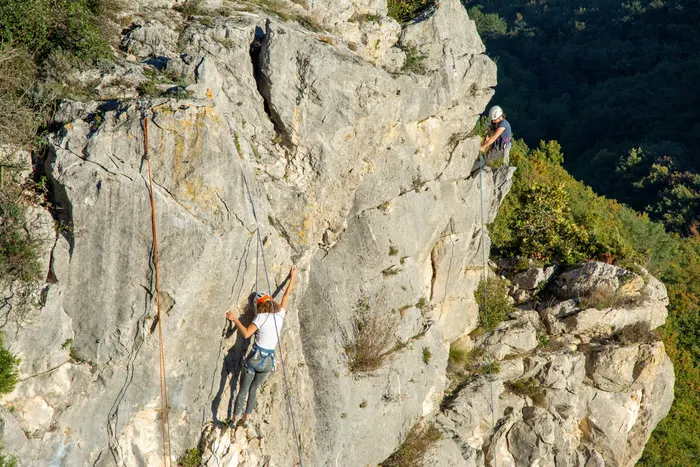
A rock-climbing experience in Nepal usually begins with meeting your professional climbing guide or instructor, who will explain the activity, route, and essential safety procedures. Before climbing, participants receive a detailed safety briefing and are fitted with the necessary equipment, including a climbing harness and helmet. Beginners are introduced to basic climbing techniques, rope handling, foot placement, balance, and communication with the belayer. The guide may provide a short warm-up and practice session before taking participants onto a suitable climbing route. During the climb, the instructor provides guidance and continuous safety supervision, helping participants manage the route confidently. After completing the climbing session, participants safely return to the starting area. The exact experience can vary depending on the climbing location, weather conditions, difficulty level, duration, and selected package.
Equipment for Rock Climbing in Nepal
Proper climbing equipment is essential for a safe and enjoyable rock-climbing experience in Nepal. Depending on the climbing route and style, participants may use a climbing helmet, harness, climbing rope, climbing shoes, carabiners, belay devices, quickdraws, chalk bags, and climbing chalk. Additional protective equipment and basic first-aid supplies may also be available as part of the climbing setup. Beginners are normally provided with the essential technical equipment by the climbing operator, while experienced climbers may prefer to bring their own personal gear, particularly climbing shoes and specialized equipment. Travelers should always confirm with their selected operator which equipment is included in the package before booking. Using properly maintained equipment and following the instructions of a qualified climbing professional are important parts of enjoying rock climbing safely in Nepal.
Physical Fitness and Difficulty
Rock climbing requires a combination of strength, balance, coordination, concentration, and confidence. However, beginner routes do not necessarily require exceptional physical fitness.
Difficulty varies according to the climbing location and route. A basic climbing session may be suitable for active travelers with little or no previous experience, while technical routes require greater climbing ability.
Before starting, inform your guide about your experience level so that an appropriate route can be selected.
Best Time for Rock Climbing in Nepal
Weather is an important factor when planning outdoor rock climbing.
Generally, dry and stable weather provides better conditions for outdoor climbing. Autumn and spring are popular periods for outdoor adventure activities in Nepal because of generally favorable weather.
Winter can also provide good climbing conditions on suitable routes, although mornings and shaded rock faces can be cold.
During the monsoon, rain can make outdoor rock surfaces wet and slippery, so climbing plans may need to change depending on local weather conditions.
Always check the weather and current climbing conditions with your operator before departure.
Rock Climbing and Kathmandu Adventure
Rock climbing is an easy activity to add to a Kathmandu itinerary.
Travelers can combine climbing with visits to Kathmandu's UNESCO World Heritage Sites, local markets, temples, monasteries, and nearby hiking destinations.
For example, a traveler could spend the morning exploring Kathmandu's cultural attractions and dedicate another part of the day to an outdoor adventure.
This combination makes rock climbing particularly attractive to visitors who want to experience both Nepal's cultural heritage and its adventure opportunities.
Rock Climbing and Pokhara Adventure
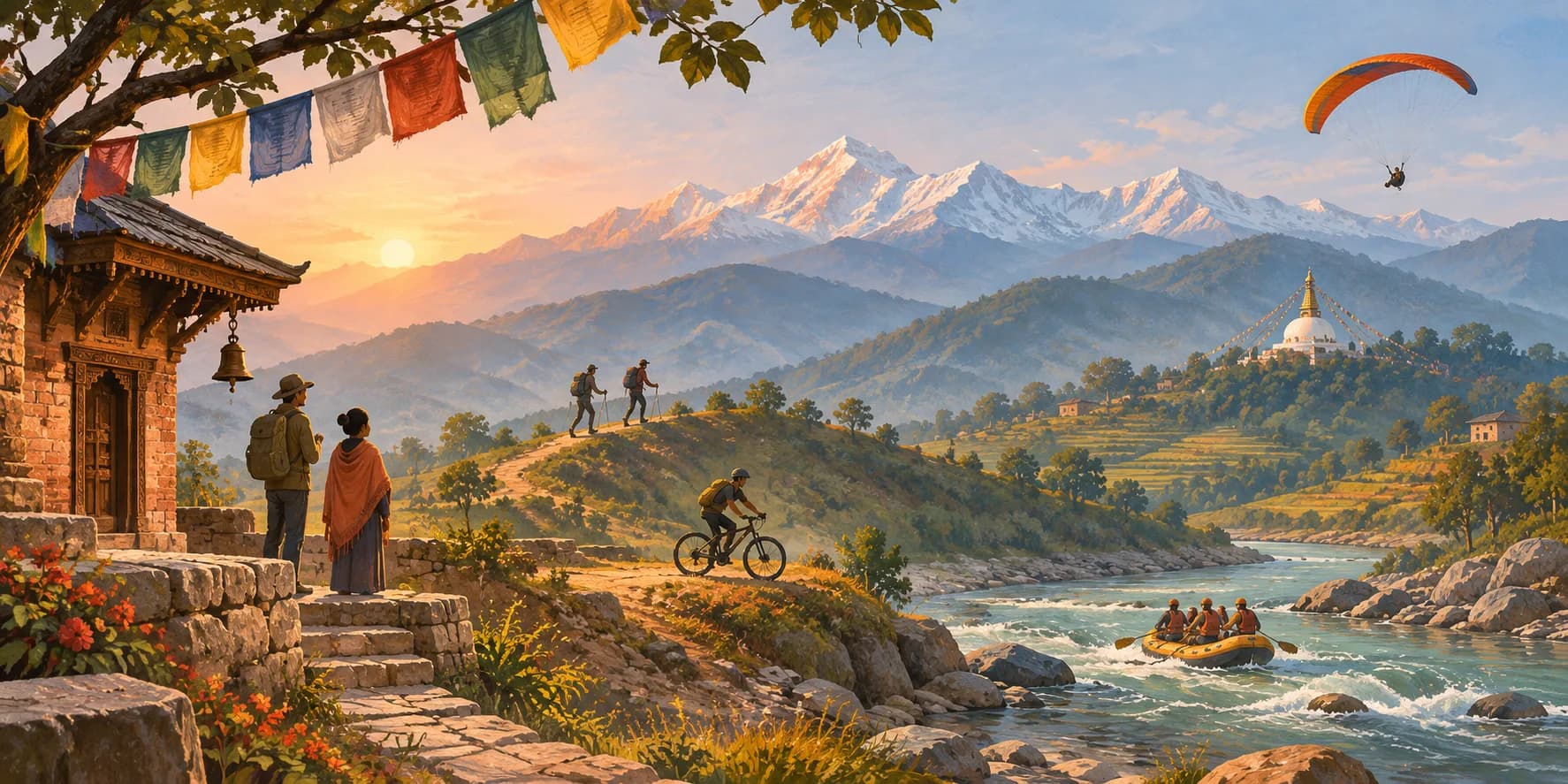
Pokhara is an excellent destination for adventure travelers and a popular base for exploring the Annapurna region. Surrounded by green hills, lakes, forests, and spectacular Himalayan scenery, the city offers a relaxing atmosphere combined with a wide range of outdoor activities. Rock climbing can be added to a Pokhara itinerary before or after other adventures, allowing travelers to experience a different side of Nepal beyond traditional sightseeing. Depending on the itinerary, visitors can combine rock climbing with Annapurna trekking, paragliding, mountain biking, hiking, boating, ziplining, bungee jumping, and sightseeing. This combination makes Pokhara an attractive destination for travelers who want to experience nature, adventure, and Himalayan landscapes within one trip.
Rock Climbing and Trekking
Rock climbing and trekking offer different types of adventure, but they complement each other particularly well on a Nepal holiday. Trekking focuses on endurance, walking through diverse landscapes, exploring mountain villages, and experiencing the Himalayas over several days. Rock climbing, on the other hand, emphasizes technical movement, balance, coordination, strength, and concentration while climbing a rock face. Travelers planning an Annapurna trek or another Himalayan trekking adventure can add a rock-climbing session before or after their trek. This provides an opportunity to develop confidence in outdoor adventure while enjoying a shorter and more physically focused activity.
Safety During Rock Climbing
Safety should always be the highest priority during any rock-climbing experience in Nepal. Participants should carefully follow the instructions provided by their professional climbing guide and make sure that all necessary equipment is correctly fitted before beginning the activity. Climbers should listen carefully to the safety briefing, use suitable and properly maintained equipment, wear appropriate climbing shoes, and communicate clearly with their belayer or guide throughout the climb. Weather and rock conditions should also be checked because wet, loose, or unstable surfaces can increase the risk of accidents. Participants should never attempt a route beyond their ability and should remain within designated climbing areas. Anyone with relevant physical limitations should inform the climbing guide before starting. Since outdoor rock climbing naturally involves some level of risk, choosing a reputable operator and following professional safety procedures is essential.
What to Wear for Rock Climbing
Wearing comfortable and practical clothing can make a significant difference during a rock-climbing experience. Travelers should choose lightweight sports trousers, shorts, or other flexible clothing that allows unrestricted movement. A breathable T-shirt is suitable in warm weather, while a lightweight jacket can be useful in cooler conditions or at higher elevations. Proper climbing or sports shoes are important for maintaining grip and stability on the rock surface. Travelers should also consider sun protection such as sunglasses, sunscreen, and a hat when appropriate. A small daypack can be useful for carrying personal necessities, water, and additional layers. Excessively loose clothing, dangling accessories, jewelry, or anything that could become caught in climbing equipment should be avoided.
Who Can Try Rock Climbing?
Rock climbing in Nepal can appeal to a wide range of travelers, from first-time adventure seekers to experienced climbers. Beginners can take part in introductory sessions on suitable routes under professional guidance, while experienced climbers may choose more challenging routes according to their skills and experience. Trekking enthusiasts can include a climbing session before or after their Himalayan trek, and outdoor lovers can enjoy it as a short adventure during a Kathmandu or Pokhara stay. Families may also be able to participate where operators provide suitable routes and age requirements, although the minimum age and participation conditions vary by location and provider. Adventure photographers can enjoy the scenic surroundings while documenting their experience. Regardless of experience level, travelers should confirm the operator's age, fitness, and participation requirements before booking and choose a climbing route appropriate to their ability.
Rock Climbing Cost in Nepal
The cost of rock climbing in Nepal varies depending on the destination, duration, guide service, equipment rental, transportation, and whether the experience is private or group-based.
A short beginner session near Kathmandu can generally be less expensive than a specialized multi-day climbing trip.
For an accurate price, travelers should check the current package with the selected operator because equipment, transportation, guide services, and other inclusions can differ.
Why Rock Climbing Is a Great Nepal Adventure
Nepal is often associated with Everest, Annapurna trekking, mountain flights, and high-altitude expeditions. Rock climbing provides a different way to experience the country's adventure culture.
It is accessible, active, and adaptable to different experience levels. You can spend several days trekking in the Himalayas and add climbing to your itinerary, or simply take a short climbing trip while exploring Kathmandu.
The combination of natural rock, forests, mountain landscapes, and Nepal's adventure culture makes rock climbing an excellent activity for travelers who want something beyond traditional sightseeing.
Responsible Rock Climbing
Responsible tourism is important when visiting Nepal's natural climbing areas.
Travelers should avoid leaving plastic or other waste behind, respect local communities, stay on designated paths where required, and avoid damaging vegetation or rock surfaces.
Following local guidelines helps protect climbing areas for future visitors and local climbers.
FAQs About Rock Climbing in Nepal
Is rock climbing in Nepal suitable for beginners?
Yes. Beginner-friendly climbing experiences are available, particularly around Kathmandu. Routes should be selected according to the participant's experience and ability.
Where is rock climbing available in Nepal?
Major areas include Nagarjun and Shivapuri around Kathmandu, Hattiban in the Kathmandu Valley, and climbing facilities in Pokhara. Nepal Tourism Board specifically highlights Nagarjun Forest and Shivapuri National Park as important climbing areas.
Do I need previous climbing experience?
No. Beginners can participate in introductory sessions with appropriate instruction and supervision.
What equipment is required?
Equipment can include a helmet, harness, rope, climbing shoes, carabiners, and belay equipment. The operator should confirm which equipment is included.
Is rock climbing safe in Nepal?
Rock climbing carries inherent risks, but proper equipment, professional instruction, suitable routes, and good safety procedures can significantly reduce risk.
What is the best season for rock climbing?
Dry and stable weather is generally preferable for outdoor climbing. Spring and autumn are popular periods, but conditions vary by location.
Can I combine rock climbing with trekking?
Yes. Rock climbing can be combined with trekking, hiking, sightseeing, mountain biking, and other adventure activities.
Plan Your Rock Climbing Adventure in Nepal
Rock climbing in Nepal offers an exciting opportunity to experience the country's natural landscapes from a completely different perspective. Whether you are a beginner looking for your first climbing experience or an experienced climber searching for new outdoor challenges, Nepal has climbing environments to explore.
From the accessible cliffs of Nagarjun and the natural surroundings of Shivapuri to Hattiban and the climbing facilities of Pokhara, the activity can easily fit into a wider Nepal travel itinerary.
For travelers looking to combine adventure, Himalayan scenery, physical activity, and cultural exploration, rock climbing in Nepal is an experience worth adding to the journey.
Plan your Nepal adventure with Enticing Himalayas Travels Pvt. Ltd. and combine rock climbing with trekking, cultural tours, mountain biking, spiritual journeys, or other Himalayan experiences.
Highlights
No highlights available.
What's Included
- Professional climbing guide/instructor
- Climbing helmet
- Climbing harness
- Carabiners and belay equipment
- Basic safety supervision
What's Not Included
- Transportation to and from the climbing site
- Travel insurance
- Personal expenses
- Personal climbing clothing and accessories
- Photography or video services, unless included in the package
Itinerary
No itinerary available.
Gallery
Details
Duration
4 hours
Location
Kathmandu Valley
Provider
Enticing Himalayas Travels
Contact
9851144618
Book this experience
$199per person
Secure booking- Location
- Kathmandu Valley
- Duration
- 4 hours
- Confirmation
- Instant
Travellers
Price calculated per person
1
1 Traveller × $199$199
Total$199
From
$199/person