Loading...
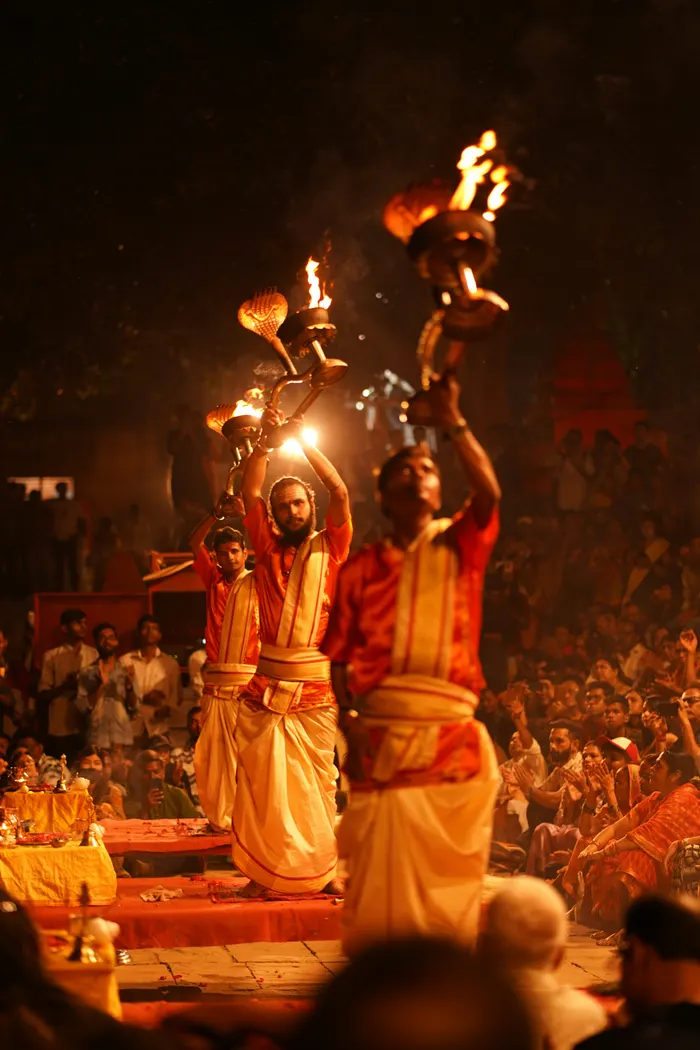
Spiritual Evening Aarati In Nepal
Table of Contents
No sections available
About Spiritual Evening Aarati In Nepal
Nepal is a land deeply rooted in spirituality. While the majestic Himalayas draw adventure seekers, it is the rhythmic chanting, ringing bells, and the soft glow of oil lamps that captivate the soul. The Aarti ceremony is one of the most profound spiritual experiences you can witness in Nepal.
If you are looking to explore the religious heart of the country, attending an Aarti should be at the top of your Nepal travel itinerary. This guide dives deep into the best places to witness this mesmerizing ritual, from the grand Pashupatinath Sandhya Aarti to the serene Phewa Lake Aarti and the deeply traditional Devghat Narayani River Aarti.
What is an Aarti Ceremony?
In Hindu tradition, Aarti is a ritual of worship where light (traditionally from wicks soaked in pure ghee or camphor) is offered to deities. It is an expression of deep devotion, love, and gratitude. In Nepal, the evening Aarti, known as Sandhya Aarti, is more than just a prayer; it is a full sensory experience involving classical music, the chanting of Vedic mantras, the burning of incense, and synchronized movements by temple priests.
Pashupatinath Sandhya Aarti: The Grand Spectacle in Kathmandu
Located on the banks of the sacred Bagmati River, the Pashupatinath Temple is a UNESCO World Heritage site and one of the holiest Hindu shrines globally. The evening Aarti here is the most famous and grandiose in all of Nepal.
The Experience
The Bagmati Ganga Aarti is performed daily on the eastern side of the temple complex, directly facing the main shrine. Three highly trained priests, standing on elevated podiums, conduct the ceremony using massive, multi-tiered brass lamps.
The atmosphere is electric. The air fills with the scent of sandalwood and incense. As the sun sets, the priests move the blazing lamps in perfect synchronization to the booming sounds of conch shells, classical instruments, and devotees singing the Shiva Tandava Stotram. Because the temple grounds also house the Arya Ghat (cremation grounds), the Aarti here serves as a powerful meditation on the cycle of life and spiritual liberation (Moksha).
Essential Guide for Pashupatinath Aarti
Timings: The ceremony generally begins between 6:00 PM and 7:00 PM every evening. It is highly recommended to arrive by 5:30 PM to secure a good viewing spot on the tiered steps across the river.
Entry Fee: Free for Nepalese and Indian nationals. For other international tourists, the entrance fee to the Pashupatinath complex is NPR 1,000.
Pro Tip: While non-Hindus cannot enter the main temple sanctum, anyone can watch the Aarti from the opposite bank of the Bagmati River. Taking a guided evening tour can help you navigate the crowds and understand the deep symbolism of the rituals.
Phewa Lake Aarti: Serenity at Tal Barahi, Pokhara
If Pashupatinath offers overwhelming spiritual energy, the Aarti at Phewa Lake in Pokhara offers tranquil devotion. The ceremony takes place near the Tal Barahi Temple, a sacred two-tiered pagoda located on a small island in the middle of the lake.
The Experience
The evening Aarti in Pokhara is usually held at the Tal Barahi Ghat (Lakeside), facing the serene waters of Phewa Lake and the island temple. The priests offer light, flowers, and incense to the water, the goddess Barahi (an incarnation of Durga), and the surrounding Annapurna mountain range.
The setting is incredibly peaceful. The reflection of the blazing lamps on the lake’s surface, combined with the gentle singing of bhajans (devotional songs), creates a magical ambiance. It is a moment of calm reflection, making it a favorite for both locals and trekkers returning from the mountains.
Essential Guide for Phewa Lake Aarti
Timings: The Aarti typically begins around sunset, usually between 5:30 PM and 6:30 PM, depending on the season.
How to Get There: You can view the Aarti from the Lakeside ghats. If you wish to visit the Tal Barahi temple earlier in the day, you must hire a boat (prices range from NPR 150 for a shared barge to NPR 1,500 to hire your own boat).
Pro Tip: Combine your evening Aarti experience with a late afternoon boat ride on Phewa Lake. The views of Mount Machhapuchhre (Fishtail) turning golden at sunset are unforgettable.
Devghat Narayani River Aarti: The Traditional Confluence
For a more off-the-beaten-path and deeply traditional spiritual experience, head to Devghat in the Chitwan district. Devghat is a highly prominent pilgrimage site situated at the confluence of the Kali Gandaki and Trishuli rivers, which merge to form the mighty Narayani River.
The Experience
The Aarti here is deeply tied to the reverence of the river itself, as the Narayani is considered an embodiment of Lord Vishnu. Unlike the tourist-heavy crowds in Kathmandu or Pokhara, Devghat offers a raw, authentic spiritual environment.
The chanting is often led by sadhus (holy men) and students from local ashrams. Devotees offer small diyas (oil lamps) directly into the flowing waters of the Narayani. The entire area, densely forested with sal trees and dotted with ashrams, resounds with the ringing of bells and the singing of hymns throughout the day and night.
Essential Guide for Devghat Aarti
Location: Devghat is located about 5 km northwest of Narayangarh town in Chitwan.
Best Time to Visit: While you can visit year-round, the area comes alive during the Makar Sankranti festival in January, when thousands of pilgrims arrive for ritual holy baths and grand fire offerings.
Pro Tip: After experiencing the wildlife safaris in Chitwan National Park, a trip to Devghat provides a beautiful cultural and spiritual contrast.
Whether you seek the grandeur of Kathmandu, the lakeside tranquility of Pokhara, or the raw devotion of Chitwan, experiencing an Aarti in Nepal is an essential part of understanding the country's cultural heartbeat.
Are you planning to include any other cultural or religious sites in your Nepal itinerary, or are you looking for more details on navigating these specific ceremonies?
Ready to explore?
Check out Spiritual Evening Aarati In Nepal at different destinations.
Available Packages
No packages available at the moment. Please check back later.
Activity
Spiritual Evening Aarati In Nepal