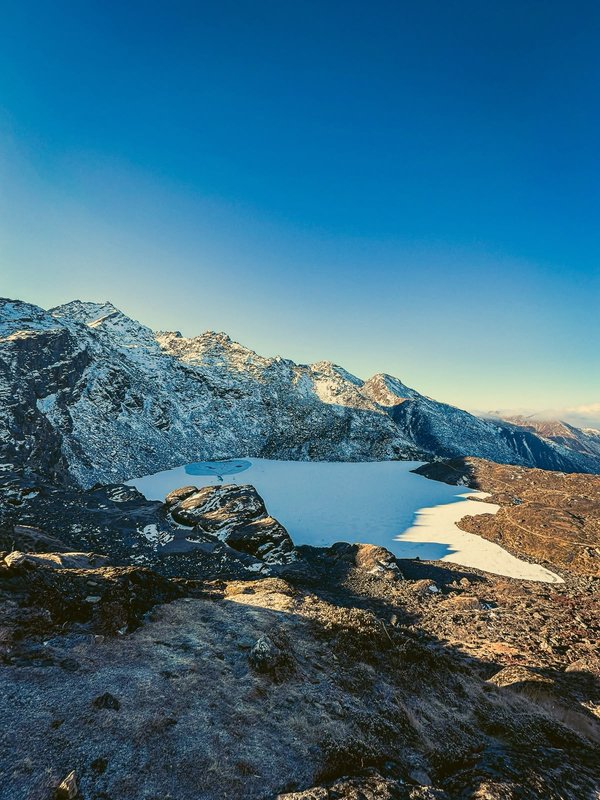
Best Trekking route in Nepal Langtang Valley Trek and exploring Gosaikunda Lake

The Langtang Valley trek is the closest Himalayan trek to Kathmandu - a drive of roughly seven to eight hours from the capital brings you to the trailhead at Syabrubesi, and within two days you are walking beneath glaciated peaks that feel far deeper in the Himalaya than the mileage suggests. For travellers short on time but unwilling to compromise on altitude, culture, and scenery, Langtang is the smartest first big trek in Nepal.
The valley was opened to trekkers in 1973 and remains one of the most accessible regions for genuine high-mountain exposure without a flight to Lukla or a long bus to the far west. The 2015 earthquake severely damaged the area and its villages; the trail and lodges have been rebuilt, and trekking here now directly supports a community still recovering. That human story is part of why a Langtang Valley trek feels meaningful, not just scenic.
Langtang Valley Trek at a Glance
Most trekkers walk the classic route to Kyanjin Gompa (3,870 m) and back over 7 to 8 days, or extend to a 10 to 12 day loop that adds the sacred Gosaikunda lake and the Laurebina La pass. The highest sleeping point is usually Kyanjin (3,870 m) or, for those attempting Tserko Ri (4,984 m) or the Laurebina La (4,609 m), a day climb above that. The walking is moderate overall, with one or two genuinely steep days. No technical climbing is required, but the altitude is real and demands respect.
Why Trek Langtang?
Three things set Langtang apart. First, the proximity: you trade a 35-minute flight or a two-day bus for a morning drive, which means more days on the trail and fewer in transit. Second, the culture: the valley is home to Tamang and Tibetan-origin communities whose monasteries, mani walls, and yak-herding life are the trek's cultural core. Third, the variety: bamboo and rhododendron forest low down, alpine pasture and glacial moraine higher up, and a string of snow peaks - Langtang Lirung (7,227 m), Dorje Lakpa, and the Tibetan border ridge - framing the walk. For a first Himalayan trek or a short-but-serious expedition, it is hard to beat.
Langtang also pairs naturally with other experiences. The Gosaikunda extension adds a Hindu pilgrimage lake above 4,000 m; the Gosaikunda helicopter tour offers the same summit views in minutes for those with less time; and a wellness or yoga add-on turns the trek into a reset rather than just an expedition.
The Classic 7 to 8 Day Itinerary to Kyanjin Gompa
Day 1 - Drive Kathmandu to Syabrubesi (1,550 m)
The journey begins with a scenic drive north through Trishuli Bazaar and the Trisuli river gorge, climbing into the hills and the Langtang National Park buffer zone. Syabrubesi is the last substantial settlement and the official trailhead. Most trekkers rest here and start walking the next morning.
Day 2 - Syabrubesi to Lama Hotel (2,380 m)
The trail follows the Bhote Koshi river, crossing it several times, then climbs through subtropical forest into a rhododendron and oak zone. Lama Hotel is a cluster of teahouses by the river - a comfortable first night on the trail.
Day 3 - Lama Hotel to Langtang Village (3,430 m)
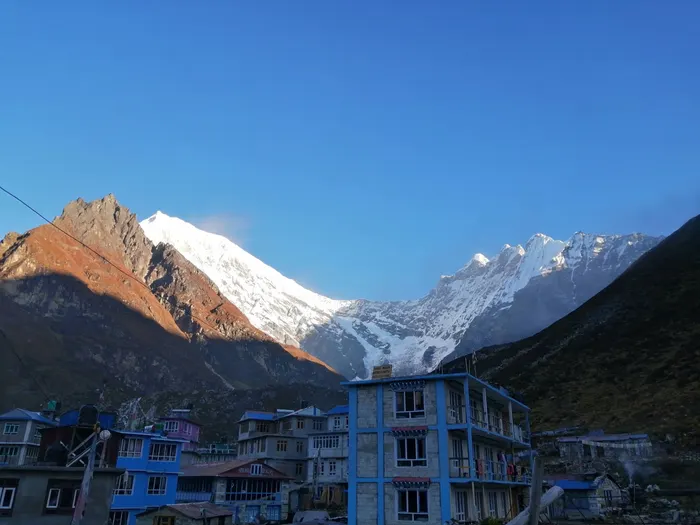
The walk continues up the river valley, gaining altitude steadily. The vegetation thins to scrub and alpine meadow, and the first proper views of Langtang Lirung appear. Langtang Village was badly hit in 2015 and has been rebuilt; it is the main settlement of the upper valley and a good place to feel the local Tamang culture.
Day 4 - Langtang Village to Kyanjin Gompa (3,870 m)
A shorter, gentler day brings you to Kyanjin Gompa, the trek's destination and a cluster of lodges, a monastery, a cheese factory, and a stupa set beneath the peaks. This is where most trekkers spend two nights for acclimatisation.
Day 5 - Acclimatisation - Kyanjin Ri (4,773 m) or Tserko Ri (4,984 m)
A pre-dawn climb to Kyanjin Ri or the higher Tserko Ri is the highlight: a 360-degree panorama of Langtang Lirung, the Tibetan border ridge, and, on clear days, Shishapangma across the border in Tibet. The climb is steep but non-technical and returns to Kyanjin for a second night.
Day 6 - Kyanjin Gompa to Lama Hotel
The descent retraces the upward route, dropping quickly now that the body is acclimatised. Many trekkers make it all the way back to Lama Hotel in one day.
Day 7 - Lama Hotel to Syabrubesi
The final walking day returns to the trailhead. A hot shower and a celebratory dal bhat await.
Day 8 - Drive back to Kathmandu
The return drive closes the loop. Some trekkers add a buffer day for weather or a Kathmandu rest.
The 10 to 12 Day Langtang - Gosaikunda Extended Loop
For a richer trip, continue past Kyanjin and descend to Thulo Syabru, then climb to the sacred Gosaikunda lake (4,380 m) via the Laurebina La (4,609 m). This loop combines a Buddhist valley with a Hindu pilgrimage lake and crosses a high pass - a more demanding but more complete journey. Our Langtang - Gosaikunda lake trek package manages the logistics of the longer route, and the standalone Gosaikunda sacred lakes trek with yoga retreat is a lighter five-day version focused on the lake and wellness.
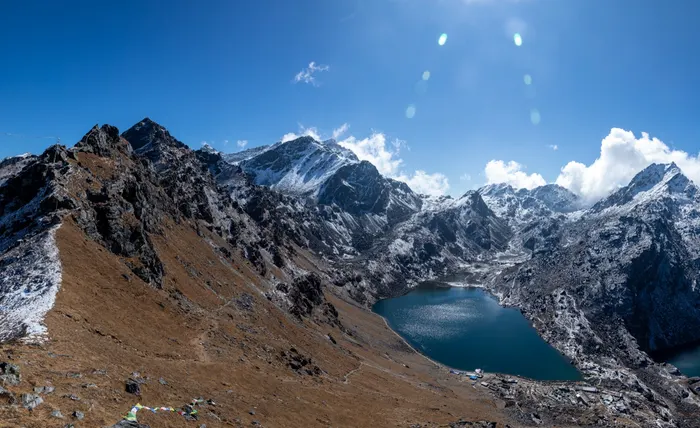
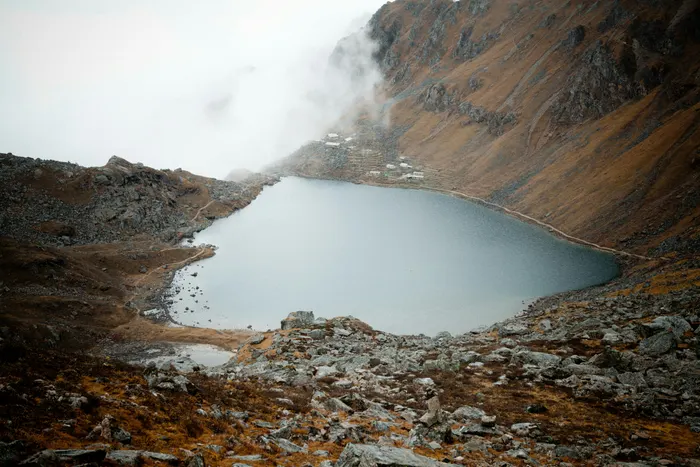
The Laurebina La is the trip's crux: a steady climb on a rocky trail above the tree line, with the lake appearing suddenly in a bowl of rock. In winter the pass and lake are snowbound and serious; in autumn and spring they are accessible and spectacular. The Gosaikunda sacred lake trek guide covers the lake route in detail.

Permits and Fees
Langtang lies inside Langtang National Park, so every trekker needs the park entry permit (NPR 3,000 for foreign nationals, NPR 1,500 for SAARC nationals, free for Nepali citizens), purchased in Kathmandu or at the Dhunche park gate. A TIMS card is also required for trekkers' safety tracking. Both are arranged by licensed operators as part of a booked trek; independent trekkers buy them at the tourist board office in Kathmandu or the gate. Carry your passport - the permit check is real and the fine for skipping it is not worth the saving. The best time to visit Nepal guide covers season-by-season planning for permits and weather.
Getting to the Trailhead
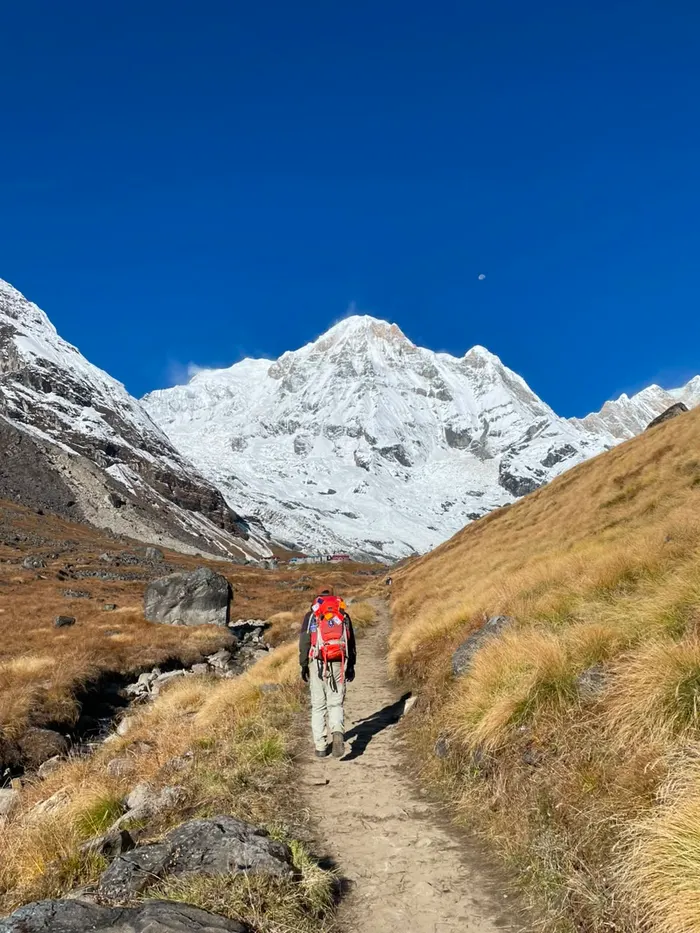
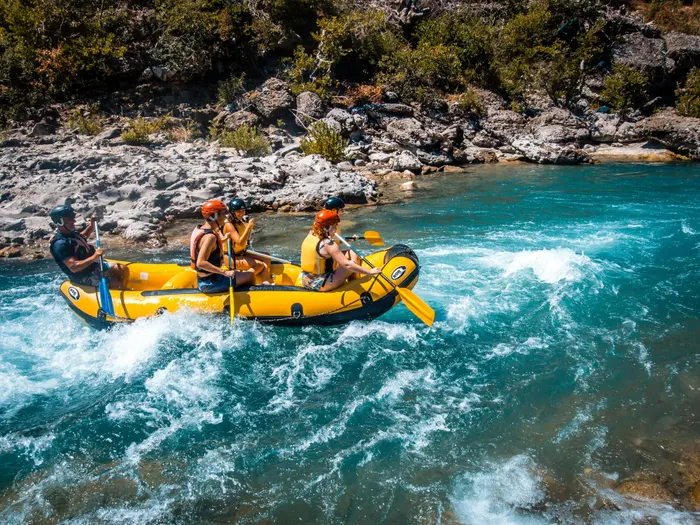
The standard approach is a private jeep or local bus from Kathmandu to Syabrubesi (roughly 7-8 hours, 117 km). Roads have improved since the earthquake but remain rough in sections; a 4WD jeep is more comfortable and faster than the public bus. Some trekkers break the drive at Trisuli or Dhunche. Flying is not required for Langtang, which is part of its appeal - and part of why a Langtang Valley trek fits a shorter holiday than Everest or Manaslu.
Altitude and Acclimatisation
The highest sleeping point (Kyanjin, 3,870 m) is modest compared with Everest Base Camp, but day climbs to Tserko Ri (4,984 m) or the Laurebina La (4,609 m) put you well into thin-air territory. The standard itinerary builds in a rest day at Kyanjin, which is the right move. Symptoms of mild altitude sickness - headache, poor sleep, loss of appetite - are common and usually pass with a rest day and hydration. Persistent vomiting, confusion, or breathlessness at rest mean descend immediately. Trekkers over 50 or with heart or lung conditions should consult a doctor and walk with a guide who watches for symptoms.
Best Season
Autumn (October-November) is the most stable and popular window: clear skies, good views, and dry trails. Spring (March-May) brings rhododendron blooms and warming weather, with some afternoon cloud. Winter (December-February) is cold and snowy at altitude but quiet and crisp. The monsoon (June-September) is green and leech-prone low down, though the rain-shadow upper valley stays walkable. The month-by-month Nepal guide lays out the trade-offs in full.
Tamang and Tibetan Culture
The valley's soul is its people. The Tamang, of Tibetan origin, farm, herd yaks, and maintain Buddhist gompas; mani walls, prayer flags, and chortens mark the route; and the Kyanjin monastery and cheese factory are local institutions. A respectful visitor asks before photographing people, walks clockwise around mani walls and stupas, and learns a few words of greetings. The cultural thread connects naturally to a broader spiritual tour of Nepal for those who want the pilgrimage angle alongside the trek.

Food, Lodges, and What to Pack
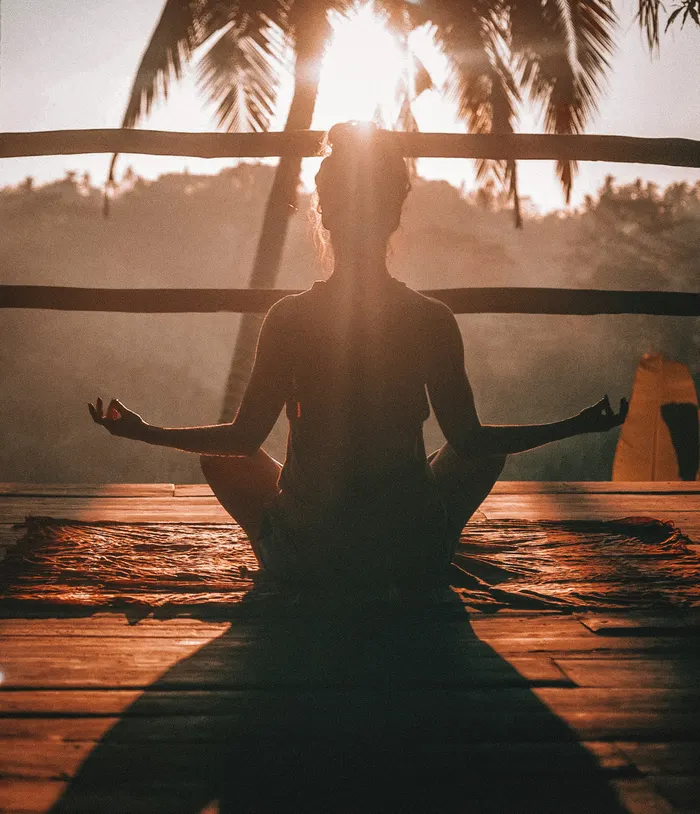
Teahouses serve dal bhat (the refillable Nepali staple), noodles, potato, egg, and simple bakery items; higher up the menu thins and prices rise. Rooms are basic twin shares with shared toilets; blankets are provided but a sleeping bag is wise in winter. Pack broken-in boots, layers, a warm jacket, a rain shell, a head torch, sunscreen, a water bottle with purification, and trekking poles for the descents. A small personal medical kit and travel insurance that covers helicopter evacuation are essential.
Cost
A Langtang trek is among the better-value Himalayan treks: no flight, moderate permits, and teahouse lodging keep daily costs lower than Everest or Annapurna circuits. A guided, all-inclusive package covers permits, lodging, food on the trail, a guide, and porters; independent trekking is cheaper but shifts the logistics and safety onto you. Our Langtang - Gosaikunda package and the Tserko Ri summit challenge show two price-and-intensity points on the spectrum.
Side Trips and Variations
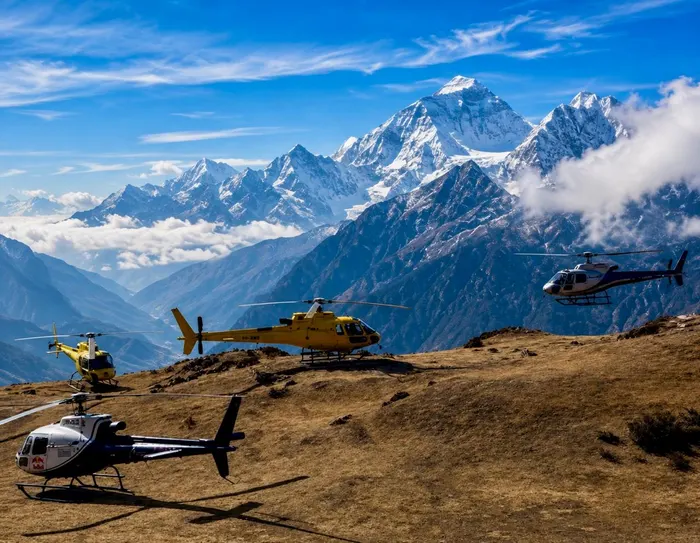
Beyond Kyanjin and Gosaikunda, options include the Tserko Ri sunrise climb (our dedicated Tserko Ri package), a helicopter return via the Gosaikunda heli tour or the broader Nepal helicopter tours for a bird's-eye finale, and a combo with the Annapurna Base Camp trek for trekkers who want two regions in one trip. The region also suits a wellness-focused or luxury yoga escape for travellers who prefer restoration to summit bagging.
A Responsible Trek - Supporting the Valley
Langtang was among the hardest-hit areas of the 2015 earthquake, and the rebuilding of lodges, monasteries, and trails has been a community effort. Choosing a local guide and teahouse, carrying out rubbish, and respecting sacred sites directly supports that recovery. The region's red pandas and snow leopards depend on the national park's protection, so staying on the trail and avoiding wildlife disturbance matters. A Langtang trek booked through a Nepal-licensed operator keeps more of your spend in the valley.
Fitness and Preparation
You do not need to be an athlete, but a few weeks of preconditioning makes the trek far more enjoyable. Walk briskly for an hour most days, add hills or stairs, and break in your boots before you fly. Cardio and leg strength help most on the climb to Tserko Ri or the Laurebina La. Mentally, the trek asks for patience with weather, teahouse simplicity, and the slow rhythm of village life - the rewards are exactly in that slowdown.
Safety, Insurance, and Evacuation
Every trekker should hold travel insurance that explicitly covers trekking above 4,000 m and helicopter evacuation - rescues in the Himalaya are costly without it. The national park and local operators coordinate evacuations, and a guide carries the contact chain. Tell your operator about any medical condition, and do not push above symptoms of altitude sickness. Mobile coverage is patchy but improving; a guide with a radio or satellite device is the safety net on remoter stretches.
How Langtang Compares with Other Nepal Treks
Next to the Annapurna Base Camp trek (also reachable without a flight) Langtang is quieter and more culturally Tibetan; next to Everest it is far shorter and lower. Manaslu is wilder but needs a restricted-area permit and a group. For a first trek, a short holiday, or a family with older children, Langtang hits the sweet spot of access, altitude, and authenticity. Trekkers who want the spiritual layer can pair it with a spiritual tour of Nepal or the Muktinath pilgrimage.
Sample Packing List
Boots (broken in), 3-4 pairs of trekking socks, liner gloves and a warm mitten, a sun hat and a beanie, a buff, two base layers, a fleece, a down jacket, a rain shell, trekking pants, a daypack (30-40L) plus a duffel for the porter, a sleeping bag rated to -10C for winter, head torch, sunglasses (UV400), sunscreen, lip balm, a 1.5L bottle with filter or purification, trekking poles, a basic medical kit, and a power bank. The season guide helps you weight the list toward cold or rain.
Day-by-Day: The 10-Day Langtang-Gosaikunda Full Loop
For trekkers with time, the full loop runs: Day 1 drive to Syabrubesi; Day 2 to Lama Hotel; Day 3 to Langtang Village; Day 4 to Kyanjin Gompa; Day 5 acclimatise with Kyanjin Ri; Day 6 descend to Thulo Syabru; Day 7 climb to Sing Gompa and Chandan Bari; Day 8 to the Gosaikunda lake (4,380 m) via the Laurebina La (4,609 m); Day 9 descend to Dhunche; Day 10 drive to Kathmandu. This combines a Buddhist valley with a Hindu pilgrimage lake and a high pass - the most complete Langtang experience. Our Langtang-Gosaikunda lake trek package runs this route with a guide and porters.
Kyanjin Gompa and the Cheese Factory
Kyanjin Gompa is the spiritual and logistical heart of the trek: a small monastery, a stupa, and a cheese factory (established with Swiss aid) that produces the local yak cheese travellers snack on. The gompa sits at 3,870 m beneath Langtang Lirung, and the surrounding pastures are where yaks graze in summer. Most trekkers spend two nights here for acclimatisation and the Tserko Ri climb. The Tserko Ri summit challenge package makes the high climb its centrepiece.
The Laurebina La Pass and Gosaikunda
The Laurebina La (4,609 m) is the high point of the extended loop, a rocky climb above the tree line that delivers you to the sacred Gosaikunda lake. Hindus believe Shiva struck the mountain to draw forth the water; during Janai Purnima the lake fills with pilgrims. The pass is snowbound and serious in winter but accessible in autumn and spring. The standalone Gosaikunda sacred lakes trek with yoga retreat is a lighter five-day version for those short on time.
Photography on the Langtang Trek
Langtang is a photographer's valley: the dawn light on Langtang Lirung from Kyanjin, the prayer flags at the gompa, the red pandas in the lower forest, and the reflection of the peaks in the streams. A wide lens takes in the amphitheatre; a tele isolates the detail on the ridge. Mornings are clearest before the clouds build, so set an alarm for the sunrise climb. The Nepal helicopter tours offer an aerial angle on the same peaks for those who want it.
Langtang for Families and Older Trekkers
Because the classic route is moderate and flight-free, Langtang suits families with older children and trekkers who want altitude without extremes. The walk to Kyanjin and back is achievable for reasonably fit 12-plus travellers; the Tserko Ri day is optional. Pace it gently, build buffer days, and use a guide for safety and culture. Pairing the trek with a wellness stay or the luxury yoga escape keeps the trip restorative.
Teahouse Life and Local Food
Langtang teahouses are simple: a shared dining room with a bukhari (wood stove), twin rooms with blankets, and a menu of dal bhat, noodles, potato, egg, and Tibetan bread. The food is filling rather than fine; the experience is the company and the view. Staying in family-run lodges puts your money directly into the rebuilt villages. A Langtang trek booked with a local operator supports this recovery with every night you spend.
Combining Langtang with a Helicopter Return
Time-poor trekkers can walk in to Kyanjin and fly out by helicopter, saving the descent and the drive. The Gosaikunda helicopter tour and the broader Nepal heli tours offer aerial versions of the same scenery. A heli return is a premium add-on that turns a 10-day trip into a 6-day one without losing the high-country payoff - ideal for travellers who want the summit view and a Kathmandu dinner the same evening.
The Tamang Heritage Trail Alternative
For more culture and fewer crowds, the Tamang Heritage Trail loops through Tamang villages - Gatlang, Tatopani, Thuman - with homestays, hot springs, and monastery visits, often combined with Langtang. It is less alpine than the Kyanjin route but richer in daily village life and community tourism. Trekkers interested in the people as much as the peaks will find it rewarding, and it links naturally to a spiritual tour of Nepal for the pilgrimage thread.
Weather and Packing by Season
Autumn packs are lightest (layers plus a warm jacket); winter needs a -10C sleeping bag and serious cold gear; spring adds a rain shell for afternoon showers; the monsoon means leech socks and quick-dry everything. The month-by-month Nepal guide gives the detail, but the rule is simple: pack for the altitude you will sleep at, not the city you leave from. Kyanjin at 3,870 m is cold year-round at night.
Booking and Responsible Tourism
Book through a Nepal-licensed operator for permits, safety, and local benefit. Ask how your spend reaches the valley, choose teahouses run by locals, carry out all rubbish, and respect monasteries and sacred lakes. The Langtang-Gosaikunda package and Tserko Ri challenge are both run with local guides. A thoughtful trekker leaves the trail better than they found it - and the valley, still healing from 2015, notices.
How long is the Langtang Valley trek?
The classic trek to Kyanjin Gompa is 7 to 8 days walking plus travel, while the extended Langtang-Gosaikunda loop is 10 to 12 days. Both start and end with a 7 to 8 hour drive from Kathmandu, so budget about 9 to 14 days total including transit and buffer.
How difficult is Langtang compared with Everest or Annapurna?
Langtang is moderate - lower and shorter than the Everest Base Camp or Annapurna Circuit treks, with no flight to a high start and no 5,000 m-plus sleeping altitude on the classic route. The Tserko Ri or Laurebina La day climbs add challenge but remain non-technical. It is an excellent first big Himalayan trek.
Do I need a guide for Langtang?
A guide is not legally mandatory on the main trail but is strongly recommended for safety, culture, and logistics, and required for the national park permit process through a licensed operator. Solo trekkers must carry insurance and a TIMS card; a guide adds altitude watch and local access.
What permits do I need?
You need the Langtang National Park entry permit (NPR 3,000 foreign, NPR 1,500 SAARC) and a TIMS card, both available in Kathmandu or at the Dhunche gate. A booked trek arranges both; carry your passport for the check.
When is the best time to trek Langtang?
Autumn (Oct-Nov) and spring (Mar-May) are the best windows for clear views and dry trails. Winter is cold and snowy at altitude; the monsoon is green but leech-prone low down. The upper valley stays walkable in summer thanks to its rain-shadow position.
Can I do Langtang without flying?
Yes. Langtang is the major trek closest to Kathmandu by road - a 7 to 8 hour drive reaches the Syabrubesi trailhead, with no flight needed. This makes it ideal for short holidays and for travellers who prefer to avoid the Lukla flight.