The Sacred Story of Pashupatinath Temple
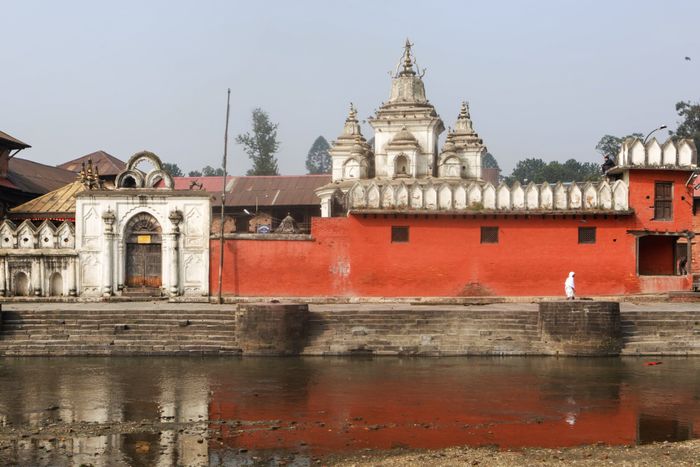
On the banks of the sacred Bagmati River in the heart of Kathmandu, a golden spire rises above a forest of pagoda rooftops. The air hums with the sound of temple bells, chanting priests, and the crackle of funeral pyres. Cows and monkeys wander freely among centuries-old shrines. Sadhus smeared in ash sit in deep meditation, their eyes closed, seemingly untouched by the world around them.
This is Pashupatinath Temple — Nepal's most sacred Hindu shrine, one of the four most important Shiva temples in South Asia, and a place where the boundary between life and dissolves into something eternal.
But Pashupatinath is far more than a temple. It is a living, breathing spiritual universe — a place where death is not mourned but celebrated, where Lord Shiva watches over every living creature, and where a single visit can change the way you understand life itself.
The Legend: How Pashupatinath Came to Be

The story of Pashupatinath begins not with kings or architects, but with a deer and a divine secret.
The Tale of the Wandering Deer
According to the Skanda Purana, one of Hinduism's oldest sacred texts, Lord Shiva and his consort Parvati once took the form of a deer and a doe. They wandered into the Shivapuri forest on the banks of the Bagmati River, captivated by the beauty of the place.
The other gods, missing Shiva, searched the three worlds for him. When they finally found him in the forest, they tried to bring him back to his celestial abode. But Shiva refused. He had fallen in love with this place — the river, the trees, the mountains, the silence.
When the gods insisted, Shiva agreed to stay — but only in the form of a lingam, a sacred symbol of his infinite energy. He declared that this place would be known as Pashupati — the "Lord of All Living Beings" — and that anyone who worshipped here with a pure heart would be freed from the cycle of birth and death.
The name says it all: "Pashu" means animal or living creature, and "Pati" means lord or protector. Pashupatinath is, quite literally, the protector of every living soul.
The Five Faces of Shiva
At the heart of the main temple sits a stone Mukhalinga — a rare four-faced Shiva lingam that is over a meter tall. Each face represents a different aspect of Shiva:
- Sadyojata (Barun) — the creator, facing west
- Vamadeva (Ardhanareshwara) — the preserver, facing north
- Tatpurusha — the sustainer, facing east
- Aghora — the destroyer, facing south
- Ishana — the transcendent, facing upward toward the sky
This five-faced lingam is believed to be self-manifested (Swayambhu) — not carved by human hands but created by divine will. According to the Shiva Purana, worshipping this lingam fulfills every sincere wish.
The Panch Kedar Connection
Pashupatinath holds an extraordinary place in Hindu mythology. According to the Mahabharata, after the great Kurukshetra war, the Pandava brothers sought Shiva's forgiveness for the sins of battle. Shiva, unwilling to grant forgiveness easily, transformed into a bull and hid in the Himalayas.
When the Pandavas found him, Shiva tried to disappear into the earth. But Bhima, the strongest of the five brothers, grabbed the bull by the tail. Shiva's body was torn into five parts, each appearing at a different location:
- The head emerged at Pashupatinath, Kathmandu
- The hump at Kedarnath, India
- The face at Rudranath, India
- The arms at Tungnath, India
- The navel at Madhyamaheshwar, India
This makes Pashupatinath the spiritual head of Shiva himself — the most sacred point in a network of five temples stretching across the Himalayas. For devout Hindus, visiting Pashupatinath is the ultimate pilgrimage.
A Temple Older Than Memory: The History
While the legend of Pashupatinath reaches back to the age of gods, the temple's recorded history stretches back over 1,500 years — making it one of the oldest Hindu temples in South Asia.
The Licchavi Origins
The earliest recorded evidence of the temple dates to the 5th century CE, during the reign of the Licchavi dynasty — the golden age of Nepali art and architecture. According to the Gopal Raj Vamshavali (Nepal's oldest historical chronicle), the temple was formally established by King Prachanda Deva of the Licchavi dynasty.
However, most historians believe the site was sacred long before the Licchavis. The temple is considered pre-Vedic in origin, meaning it was a place of worship even before the Hindu scriptures were written. The Licchavis simply formalized what the people already knew: this was holy ground.
Centuries of Rebuilding
Over the centuries, Pashupatinath has been destroyed and rebuilt multiple times — by earthquakes, invasions, and the simple passage of time. Each rebuilding has added new layers to the complex, creating the sprawling 246-hectare site we see today.
Key moments in the temple's architectural history:
- 5th century CE — Original temple established by Licchavi king Prachanda Deva
- 11th century CE — King Supuspa Deva constructed the iconic five-storey pagoda temple that stands today
- 1099-1126 CE — Medieval king Shivadeva carried out major renovations
- 1692 CE — Major reconstruction after damage from termites and earthquakes
- April 2015 — The devastating Nepal earthquake damaged outer buildings, but the main sanctum remained untouched — seen by many as a divine miracle
UNESCO World Heritage Status
In 1979, Pashupatinath was designated a UNESCO World Heritage Site as part of the Kathmandu Valley inscription. UNESCO recognized the temple not just for its religious significance, but as an outstanding example of Newari architecture and a living testament to over two millennia of continuous Hindu worship.
Why You Must Visit Pashupatinath Temple
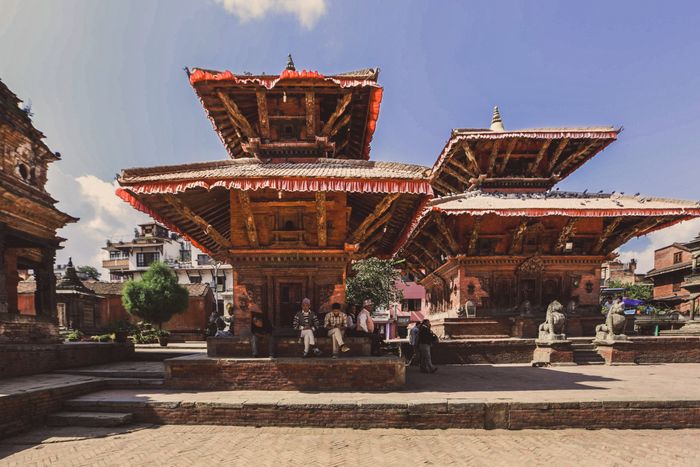
There are over 500 temples within the Pashupatinath complex. You could spend days exploring and still discover something new. But beyond the architecture, beyond the history, there are deeper reasons why this place draws millions of pilgrims and travelers from around the world.
1. Witness the Cycle of Life and Death
Pashupatinath is one of the few places in the world where you can witness Hindu death rituals openly and without pretense. On the ghats (stone steps) along the Bagmati River, bodies are cremated on open pyres — a sight that is both sobering and profoundly peaceful.
For Hindus, being cremated at Pashupatinath is the highest spiritual honor. It is believed that souls cremated here are released from the cycle of rebirth and attain moksha — ultimate liberation. Watching this ritual is not morbid; it is a profound meditation on impermanence and the nature of existence.
2. Experience the Evening Aarti Ceremony
Every evening at sunset, the banks of the Bagmati River come alive with the Pashupatinath Evening Aarti — a spectacular ceremony of fire, music, and devotion. Priests in white robes perform elaborate rituals, waving flaming lamps before the temple while bells ring and conch shells blow.
The aarti is performed by three main priests simultaneously, each representing a different aspect of worship. The ceremony lasts about an hour and draws hundreds of devotees who sit along the ghats, their faces illuminated by the flickering flames.
Best time to attend: Arrive by 5:30 PM to secure a good viewing spot on the opposite bank of the river. The ceremony begins at 6:00 PM (times may vary slightly by season).
3. Meet the Sadhus — Holy Men of the Himalayas
One of the most unforgettable experiences at Pashupatinath is encountering the Sadhus — Hindu holy men who have renounced all worldly possessions to devote their lives to spiritual practice. Many have lived at the temple for decades, meditating, chanting, and performing austerities.
Some Sadhus are extremely approachable and happy to share their stories, offer blessings, or simply sit in silence with visitors. Others prefer solitude. Either way, their presence adds a layer of authentic spirituality that you simply cannot find in a museum or textbook.
4. Explore 519 Temples in One Complex
The Pashupatinath complex is not just one temple — it is an entire city of worship. Within its walls, you will find:
- The main Pashupatinath Temple — the five-storey pagoda with the golden pinnacle
- Vasuki Temple — dedicated to the serpent king, with its distinctive snake-head spire
- Guheswari Temple — a Shakti Peetha dedicated to Parvati, located across the river
- Kirateshwor Mahadev — a temple linked to the Kirati people, Nepal's earliest inhabitants
- Ram Mandir — a beautiful example of Newari temple architecture
- Budhanilkantha — a sleeping Vishnu statue (nearby, often visited together)
- Hundreds of smaller shrines, lingams, and sacred statues scattered throughout the grounds
5. Feel the Spiritual Energy
Visitors consistently describe a palpable energy at Pashupatinath — a feeling that something sacred is present, watching, protecting. Whether you are Hindu, Buddhist, spiritual but not religious, or simply curious, the atmosphere at Pashupatinath has a way of quieting the mind and opening the heart.
It is the kind of place where time slows down. Where the noise of the modern world fades away. Where you remember that there are things bigger than yourself.
What to Know Before You Visit
Planning a visit to Pashupatinath? Here is everything you need to know to make the most of your experience.
Entry Fees and Access
- Outer complex: Open to all visitors. Entry fee is approximately 1,000 NPR (about $7-8 USD)
- Inner temple courtyard: Only open to practicing Hindus of South Asian descent. Non-Hindus are not permitted inside the main temple
- Best viewing for non-Hindus: Cross the bridge to the opposite bank of the Bagmati River for a stunning panoramic view of the entire temple complex
Opening Hours
- Inner courtyard: 4:00 AM – 7:00 PM (6:00 PM in winter)
- Main temple (morning): 5:00 AM – 12:00 PM
- Main temple (evening): 5:00 PM – 7:00 PM
- Evening Aarti: Around 6:00 PM daily
Dress Code and Etiquette
- Dress modestly — cover shoulders and knees
- Remove shoes before entering any temple building
- Ask permission before photographing people, especially Sadhus and mourners
- Do not touch the lingam or any sacred objects
- Be respectful and quiet near cremation ghats — this is a place of mourning for many families
Best Time to Visit
- Mahashivaratri (February/March) — The biggest festival at Pashupatinath. Over 1 million pilgrims visit. The temple is decorated with lights, and the atmosphere is electric. This is the most powerful time to visit, but also the most crowded.
- Teej (August/September) — A women's festival where married women fast and pray for their husbands' longevity. The temple grounds are filled with women in beautiful red saris.
- Early morning (5:00-7:00 AM) — The most peaceful time. Watch the first rituals of the day as priests perform abhisheka (sacred bathing) of the lingam.
- Evening (5:00-7:00 PM) — For the aarti ceremony and the magical atmosphere of firelight on the river.
Frequently Asked Questions About Pashupatinath
What does "Pashupatinath" mean?
The name comes from two Sanskrit words: "Pashu" (animal or living creature) and "Pati" (lord or protector). Together, Pashupatinath means "Lord of All Living Beings" — a manifestation of Shiva as the protector of every creature on Earth.
Why is Pashupatinath so important?
Pashupatinath is one of the four most sacred Shiva temples in South Asia and the most important Shiva temple in Nepal. According to Hindu mythology, it is where Shiva's head emerged when his body was torn into five parts. Being cremated here is believed to grant moksha — liberation from the cycle of rebirth.
Can non-Hindus visit Pashupatinath?
Yes! While only practicing Hindus can enter the inner temple courtyard, the outer complex is open to all visitors. The best views of the main temple are actually from the opposite bank of the Bagmati River, which is accessible to everyone.
What is the evening aarti at Pashupatinath?
The evening aarti is a daily ceremony performed at sunset where priests wave flaming lamps, ring bells, and chant prayers before the temple. It is a spectacular display of devotion that draws hundreds of spectators. The ceremony lasts about an hour and is free to watch.
Is Pashupatinath safe for tourists?
Absolutely. Pashupatinath is one of the most visited sites in Nepal and is very tourist-friendly. The main things to be aware of are monkeys (they can be aggressive if they see food) and professional beggars near the entrance. Keep valuables secure and you will have a wonderful experience.
How long should I spend at Pashupatinath?
Plan for at least 2-3 hours to explore the complex, watch the rituals, and soak in the atmosphere. If you want to attend the evening aarti, plan to arrive by 5:30 PM and stay until 7:00 PM. Many visitors spend an entire day here, especially during festivals.
Plan Your Visit to Pashupatinath Temple
Pashupatinath is not just a temple you visit — it is an experience that stays with you. The sound of the bells, the scent of incense, the sight of flames reflecting on the sacred river, the faces of devotees lost in prayer — these are the things that make Pashupatinath one of the most powerful spiritual destinations on Earth.
At Enticing Himalayas, we include Pashupatinath Temple in our Kathmandu city tours and Nepal spiritual journeys. Our experienced local guides bring the temple's history and mythology to life, helping you understand not just what you are seeing, but why it matters.
Whether you come for the evening aarti, the Mahashivaratri festival, or simply to sit quietly by the river and watch the world go by, Pashupatinath will leave its mark on you.
The Lord of All Living Beings is waiting. Are you ready to answer the call?