Why Tree Planting in Nepal Matters

Nepal is a country where mountains meet forests, and where the health of the land directly shapes the lives of millions. From the Himalayan peaks to the Terai lowlands, forests are the backbone of Nepal's ecology — preventing landslides, regulating water, storing carbon, and supporting countless species of wildlife.
But Nepal's forests have faced serious threats. Between 1990 and 2005, the country lost nearly 25% of its forest cover due to unsustainable logging, agricultural expansion, and infrastructure development. The consequences were devastating — increased flooding, soil erosion, and loss of biodiversity that hit rural communities the hardest.
The good news? Nepal has become one of the world's most inspiring reforestation success stories. Through a combination of community forestry programs, government policy, and grassroots volunteer efforts, Nepal's forest area has been steadily recovering. Today, over 44% of Nepal's land is covered by forests — and that number is growing.
How Tree Planting Works in Nepal
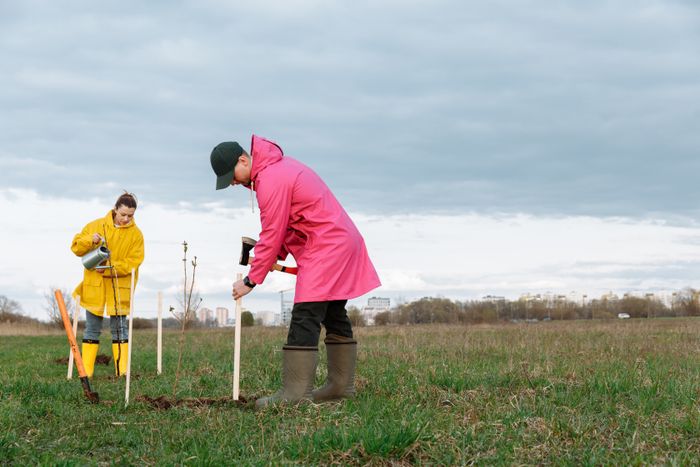
Tree planting in Nepal is not just about putting saplings in the ground. It is a carefully planned process that involves local communities, government agencies, and volunteer organizations working together.
1. Community Forest Management
The backbone of Nepal's reforestation success is the Community Forestry Program, launched in the 1970s. Under this program, the government hands over management of local forest areas to Community Forest User Groups (CFUGs) — local committees made up of villagers who depend on the forest for their livelihoods.
These groups are responsible for:
- Protecting existing forests from illegal logging and overgrazing
- Planting native tree species in degraded areas
- Managing sustainable harvesting of timber, firewood, and non-timber forest products
- Reinvesting forest income into community development — schools, health posts, and roads
Today, there are over 22,000 Community Forest User Groups across Nepal, managing more than 2.2 million hectares of forest. That is roughly 30% of Nepal's total forest area managed directly by local communities.
2. Native Species Selection
Successful reforestation in Nepal depends on planting the right trees in the right places. Organizations and communities prioritize native species that are well-adapted to local conditions and provide maximum ecological and economic benefits.
Common species planted include:
- Sal (Shorea robusta) — the dominant tree of the Terai and lower hills, valued for its durable timber and role in watershed protection
- Chir Pine (Pinus roxburghii) — widely planted in the mid-hills for resin production and soil stabilization
- Alnus nepalensis (Alder) — a nitrogen-fixing tree that improves soil fertility on degraded slopes
- Rhododendron — Nepal's national flower, planted in higher elevations for biodiversity and erosion control
- Teak, Sissoo, and Bamboo — fast-growing species used in community plantations for fuel and construction
3. Nursery and Seedling Production
Before trees can be planted, they need to be grown. Nepal has a network of community-run tree nurseries that produce millions of seedlings each year. These nurseries are often managed by women's groups and youth clubs, providing local employment while ensuring a steady supply of healthy saplings for planting season.
The typical process:
- Seed collection from healthy mother trees in local forests
- Germination in nursery beds during the winter months
- Transplanting into polythene pots for growth
- Hardening — exposing seedlings to outdoor conditions before field planting
- Distribution to planting sites at the start of the monsoon season (June-July)
Volunteer Tree Planting Programs
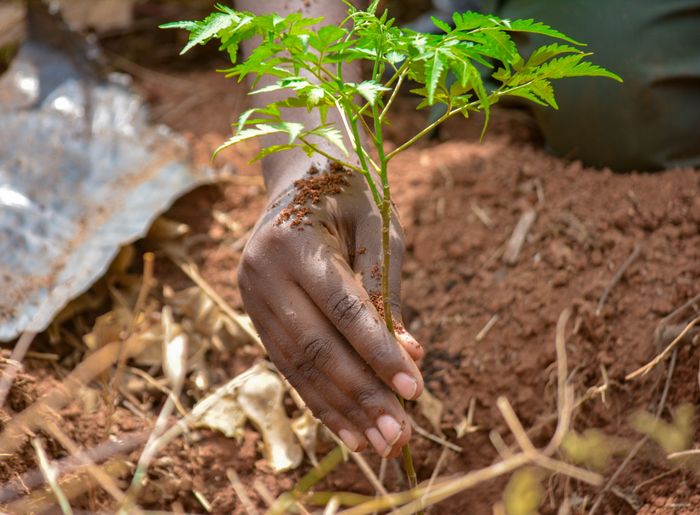
Every year, thousands of volunteers from around the world travel to Nepal to participate in tree planting programs. These initiatives combine environmental action with cultural immersion, giving participants the chance to make a tangible difference while experiencing the beauty and warmth of Nepali communities.
What Volunteers Do
Volunteer tree planting in Nepal is hands-on and rewarding. A typical day might include:
- Preparing planting sites — clearing weeds, digging holes, and mixing compost
- Planting saplings — carefully placing seedlings in the ground and packing soil around the roots
- Building protective fencing — using local materials to shield young trees from grazing animals
- Watering and mulching — ensuring saplings have the best chance of survival
- Monitoring growth — returning to planting sites to check on survival rates and replace failed saplings
- Educating communities — sharing knowledge about sustainable forestry and the importance of conservation
Impact by the Numbers
Volunteer-driven tree planting programs in Nepal have achieved remarkable results:
- Over 10,000 trees planted annually by volunteer groups in some programs
- Survival rates of 70-85% for community-planted saplings, compared to less than 50% for government-only plantations
- Hundreds of hectares of degraded land restored each year
- Thousands of rural households benefiting from improved forest resources
Community Forests: Nepal's Greatest Conservation Success
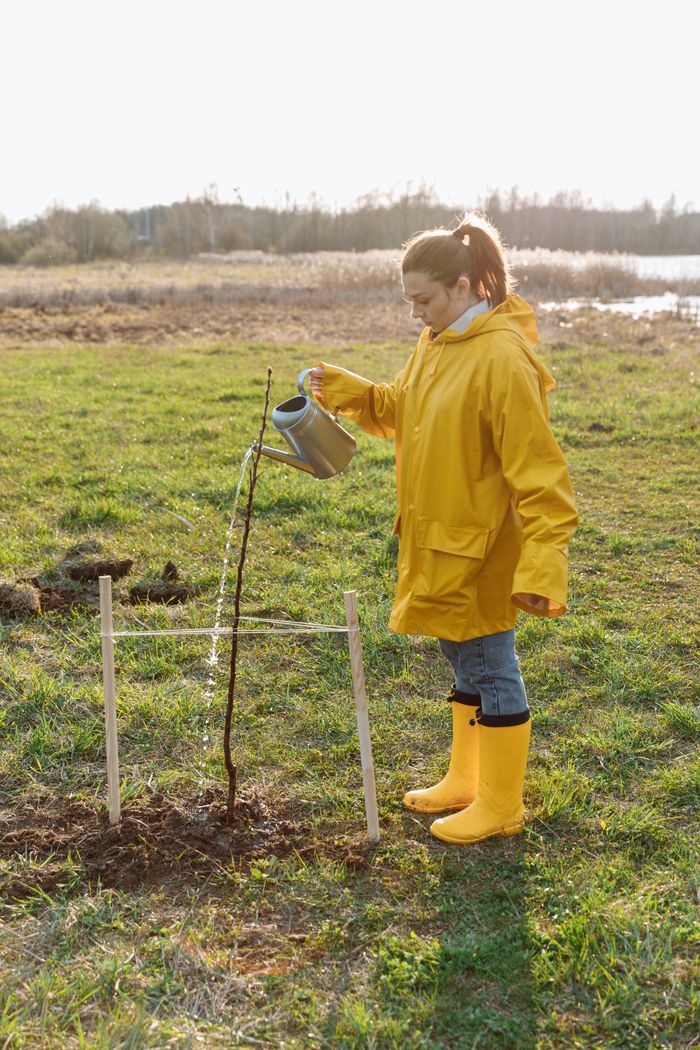
While volunteer programs get much of the attention, the real heroes of Nepal's reforestation story are the local communities who have been managing their forests for decades. The Community Forestry Program is widely regarded as one of the most successful decentralized conservation models in the world.
How Community Forests Help
When local communities are given ownership and responsibility for their forests, the results speak for themselves:
- Reduced deforestation — community-managed forests have significantly lower rates of illegal logging
- Increased tree cover — satellite data shows measurable gains in forest density in community forest areas
- Wildlife recovery — species like the Bengal tiger, one-horned rhino, and red panda have seen population increases in and around community forests
- Poverty reduction — forest income provides a critical safety net for rural families during lean agricultural seasons
- Women's empowerment — many CFUGs are led by women, giving them a voice in local governance and economic decision-making
A Model for the World
Nepal's community forestry model has been studied and replicated by countries across South Asia, Africa, and Latin America. The key lesson is simple: when people who depend on forests are given the power to protect them, they do.
How You Can Contribute
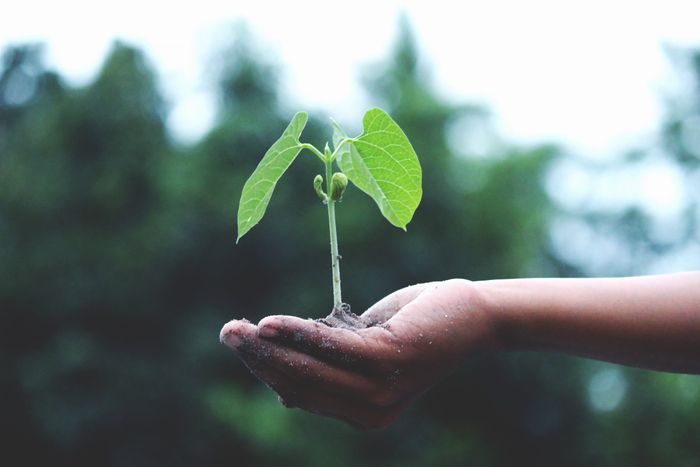
Whether you visit Nepal in person or support from afar, there are meaningful ways to contribute to tree planting and forest conservation in the country.
Volunteer in Nepal
Join a tree planting volunteer program and spend days or weeks working alongside local communities. You will plant saplings, learn about native species, and experience Nepali culture firsthand. Many programs combine tree planting with trekking, homestays, and cultural exchange.
Support Community Forests
Donate to organizations that support Community Forest User Groups in Nepal. Your contribution can fund tree nurseries, seedling production, protective fencing, and community education programs that ensure long-term forest health.
Spread the Word
Share Nepal's reforestation story. The more people know about the power of community-led conservation, the more support these programs receive. Every conversation about sustainable forestry is a seed planted for the future.
Plant a Tree, Grow a Future
Tree planting in Nepal is more than an environmental act — it is an investment in communities, biodiversity, and the future of the Himalayas. Every sapling planted today becomes a source of clean air, stable soil, and livelihood for generations to come.
At Enticing Himalayas, we believe in responsible tourism that gives back. That is why we support tree planting initiatives across Nepal and encourage our travelers to participate in reforestation activities during their journeys. Together, we can ensure that Nepal's forests — and the communities that depend on them — thrive for generations.
The mountains are calling. Will you answer by planting a tree?