Before the temples and before the monasteries, the hills had their own practice. Among the Tamang and Gurung communities of central Nepal, shamans still lead ceremonies that predate both Buddhism and the temple Hinduism layered on top of them. For travelers drawn to the oldest current, this is the door. A shamanic healing tour in the Himalayas is not a spectacle or a packaged performance. It is an encounter with a living tradition that continues to serve its communities, and it demands the same respect that any living practice deserves.
This is the most sensitive work we do, and the most misunderstood. A drum-led journey is not a performance. It is living practice, and our guides ask permission and context before any guest takes part. It belongs inside the wider spiritual tour picture, alongside slow trekking and Ayurveda, and under the Nepal Wellness Year 2027 frame. The goal is not to extract an experience. The goal is to witness something real.
What Is Shamanic Healing in the Himalayas?
In the hills of Nepal, a shaman, often called a dhami or jhakri, is a healer and a bridge between worlds. The work can include a fire passed hand to hand, a drum that carries a journey into spirit realms, and ceremony aimed at restoring balance rather than fixing a single symptom. To the community it is medicine. To a guest it can be a rare window into a worldview most of the world has lost. The practice is not archaic or primitive. It is a complete system of diagnosis and treatment that has sustained these communities for centuries.
Shamanic healing in Nepal draws from animist traditions that predate the arrival of Buddhism and Hinduism in the Himalaya. The dhami or jhakri enters a trance state through rhythmic drumming, allowing them to interact with spirit forces on behalf of the patient or community. The ceremony may involve offerings, fire rituals, chanting, and the use of sacred objects passed down through family lineages. Each practitioner inherits their role through a calling, not through training alone, and the community recognizes them through demonstrated ability.
We treat it with the respect that demands. You do not drop into a village and ask for a show. You do not negotiate a price at the door. You come as a witness, and if the community offers more, that is their decision, not your purchase. Our role is to hold the relationship and the boundaries so that both guest and community are protected.
Where Do Shamanic Healing Routes Begin in Nepal?
The cleanest access point is Langtang and the Tamang villages north of the valley. The Langtang region is home to Tamang communities whose shamanic traditions remain woven into daily life. The practice there is not a cultural show. It is how the community addresses illness, conflict, and major life transitions. Our relationships in these villages go back years, and we approach each visit with the community's consent and on their terms.
Other regions also carry these traditions. The Manaslu region and the Gorkha hills have communities where jhakris still practice. The Annapurna region, particularly in the Gurung villages along the foothills, also holds shamanic lineages. However, Langtang remains our primary recommendation because the access is cleaner, the communities are less exposed to tourism, and our vetted relationships there are the strongest. The practice stays in its home context rather than a city demonstration.
The 10-Day Langtang Valley and Gosaikunda Lake Trek is the package most guests combine with a shamanic healing encounter. The trek passes through Tamang villages where the tradition lives, and we arrange the community visit through our established relationships. The trek itself is moderate and beautiful, and the healing encounter adds a dimension that most trekking routes cannot offer.

How Do We Ensure Authenticity Versus Staged Performances?
Both authentic and staged versions exist in Nepal, and the difference matters. Authentic ceremony is led by a community-recognized shaman for the community's own purpose, with guests invited only when the timing is right. Staged performances are led by whoever is available that day, held because a bus arrived, and charged at the door. We only facilitate the real kind, through relationships we have built over years, never a staged show.
| Real Practice | Staged for Tourists |
|---|---|
| Led by a community-recognized shaman | Led by whoever is available that day |
| Held for the community's own reason | Held because a bus arrived |
| Guest invited, not sold | Guest charged at the door |
| Context given before and after | No explanation offered |
| Community sets the terms | Tour operator sets the terms |
If a ceremony is offered at a fixed door price, that is the tourist version we avoid. If the shaman is introduced by a tour company rather than by a community member, that is also a red flag. We steer you away from these encounters and toward the real practice, which requires patience, timing, and a relationship that takes years to build.
What Should Guests Expect During a Shamanic Healing Encounter?
Guests often arrive with one of two wrong ideas. Either they expect a theatrical show, or they expect nothing at all. The reality is quieter than both. You may sit with a community as a fire is lit and a drum begins. You may be asked to join a circle, or you may be asked simply to witness. You will not be the center of it. That is the point. The ceremony belongs to the place, not to the visit.
The drumming itself is the core of the experience. The jhakri uses a double-headed drum, called a dhyangro, that produces a deep, resonant rhythm. The steady beat guides the shaman into a trance state and is believed to communicate with spirit helpers. For the guest, the sound is immersive and meditative. Many people enter a light trance themselves just from listening. The ceremony may last 30 minutes to several hours, depending on what the community is addressing.
What you will not get is a photo opportunity, a fixed price at the door, or a guarantee of participation. If those are offered, it is not the real practice, and we steer you away from it. What you will get is a genuine encounter with a tradition that has sustained these communities for centuries, if you are willing to approach it with humility.
What Are the Rules of Participation for Guests?
We have clear rules that protect both the guest and the community. These are not suggestions. They are the conditions under which we agree to facilitate the encounter, and they have been developed over years of working with these communities. Breaking them is not an option.
- Come as witness, not customer. The right posture is humility, not expectation. You are a guest in a living tradition, not a consumer of a product.
- Let the guide broker it. We hold the relationship with the community. You go through us, never around us. Direct negotiation with the shaman or community is not appropriate.
- Ask before any photo. Most ceremony is not for recording. Assume no unless told yes. Photography can disrupt the energy of the ceremony and disrespect the participants.
- Match it to your aim. This is for those drawn to the older current, not a checklist item. If you are not genuinely interested, do not participate.
- Follow the guide on protocol. If the guide says sit, sit. If the guide says step back, step back. The guide reads the room and protects the boundary.
- No substance use before or during. Alcohol and recreational drugs interfere with the energy of the ceremony and are strictly prohibited.
How Does Shamanic Healing Fit Within Nepal's Wellness Tradition?
Shamanic healing is the oldest door in Nepal's wellness tradition. The body door is Ayurveda and Panchakarma. The movement door is slow trekking and mindfulness. The stillness door is meditation and burnout recovery. The sound door is Himalayan sound therapy. Each tradition addresses a different aspect of the human experience, and together they form a complete wellness system that is uniquely Nepali.
The Kathmandu Valley serves as the hub where all these traditions converge. From Kathmandu, you can access sound healing, Reiki, yoga retreats, and meditation centers. From the hills beyond, you can access the older traditions that predate the city. A complete wellness journey in Nepal might start with sound therapy in Kathmandu, move to a yoga retreat in Pokhara, and culminate in a shamanic encounter in the Langtang hills. Each element deepens the others.
This heritage is exactly what Nepal Wellness Year 2027 intends to honor rather than stage. The national strategy treats living tradition as the asset, which is why we protect it instead of packaging it. Our approach is to facilitate encounters that respect the community's autonomy and the guest's growth, never to commodify what should remain sacred.
Which EHT Packages Connect to Shamanic Healing and Spiritual Traditions?
While we do not offer a standalone "shamanic healing tour" product (because the encounter cannot be scheduled on demand), several of our packages create the context in which a shamanic encounter becomes possible. The encounter itself is always arranged through community relationships and depends on timing, consent, and availability.
- 10-Day Langtang Valley and Gosaikunda Lake Trek: passes through Tamang villages where shamanic traditions live.
- Kathmandu Spiritual Circuit (2 Days): Pashupatinath, Boudhanath, and Swayambhunath with cultural context.
- Healing Tour to Nature in Nuwakot: nature-based healing retreat near the Langtang foothills.
- Gosaikunda Sacred Lakes Trek and Yoga Retreat (5 Days): sacred lake pilgrimage with yoga practice.
- Gosaikunda Lake Trek: Sacred Himalayan Pilgrimage (5 Days): alpine lakes with spiritual significance.
- Nuwakot Cultural Heritage and Panoramic Hills Tour: heritage and hills near shamanic communities.
- Muktinath Helicopter Pilgrimage from Kathmandu: sacred waters pilgrimage for those short on time.
- Lumbini Buddhist Pilgrimage (3 Days): birthplace of Buddha for the Buddhist wellness path.
For guests who want to explore the full range of spiritual and healing options, the heal section of our site lists every wellness and healing package. The tour list provides the complete catalog of all available journeys.
What Is the Cultural and Historical Context of Shamanism in Nepal?
Shamanism in Nepal is not a relic. It is a living practice that has adapted and persisted alongside Buddhism and Hinduism for over two thousand years. The Tamang, Gurung, Magar, and other hill communities of Nepal maintained their animist traditions even as Buddhism and Hinduism spread through the valleys. The result is a layered spiritual landscape where a single community might have a Buddhist monastery, a Hindu temple, and a practicing shaman, all serving different needs.
The jhakri's role is specific. They are called to the work, often through illness or a visionary experience in youth. The calling is recognized by the community, not self-declared. The jhakri diagnoses through trance, divination, and sometimes physical examination. Treatment may include drumming ceremonies, herbal medicine, ritual offerings, and energy work. The practice is holistic in the truest sense: it addresses the spiritual, emotional, physical, and social dimensions of illness simultaneously.
Understanding this context helps guests approach the encounter with appropriate respect. This is not alternative medicine in the Western sense. It is a complete indigenous medical system that has sustained these communities for millennia. When you witness it, you are not watching a cultural display. You are watching medicine being practiced as it has been for centuries.
How to Prepare for a Shamanic Healing Journey in the Himalayas
Preparation for a shamanic healing journey is less about gear and more about mindset. The physical preparation is straightforward: moderate fitness for the trek to reach the villages, appropriate clothing for hill weather, and a willingness to sleep in basic teahouse conditions. The mental and spiritual preparation is what matters most. Come with an open mind and a closed mouth. Listen more than you speak. Observe more than you record.
- Physical readiness: moderate trekking fitness. The Langtang route involves 4 to 6 hours of walking per day at altitude.
- Mental readiness: willingness to sit in silence, observe without judgment, and follow the guide's direction.
- Emotional readiness: the encounter may bring up unexpected emotions. Be prepared to process without disrupting.
- Cultural readiness: read about Tamang and Gurung culture before you go. Understanding the context deepens the encounter.
- Practical items: warm layers, a journal, a water bottle, and modest clothing that covers shoulders and knees.
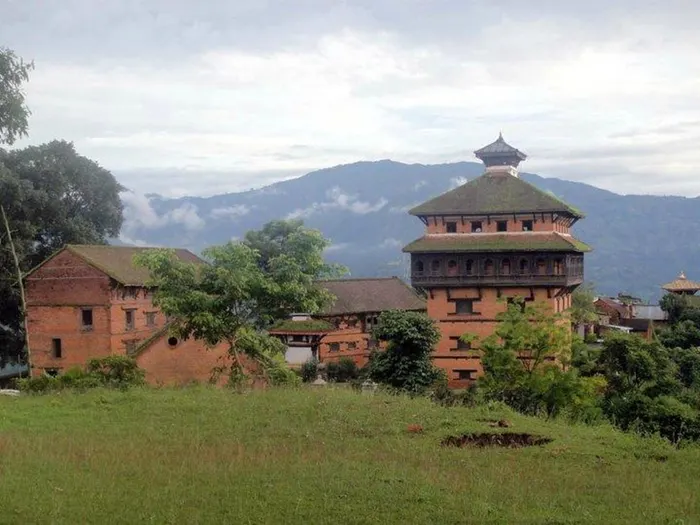
The Nuwakot region, accessible via the Nuwakot Cultural Heritage Tour, offers a gentler entry point for travelers who want to approach the hill traditions without a multi-day trek. From Nuwakot, the Langtang range is visible, and the cultural context is similar.
Frequently Asked Questions About Shamanic Healing Tours in Nepal
Is shamanic healing in Nepal authentic or performed for tourists?
Both exist. Authentic ceremony is led by a community-recognized shaman for the community's own purpose, with guests invited only when the timing is right. We only facilitate the real kind, through relationships we have built over years, never a staged show. If a ceremony is offered at a fixed door price, that is the tourist version we avoid.
Can I take part in the ceremony, or only watch?
It depends on the community and the ceremony. We never promise participation. Witnessing with respect is the default, and any deeper role comes only from a genuine invitation from the community itself. Our job is to hold the relationship and the boundaries, not to negotiate you into a role that was not offered.
Is shamanic healing safe and ethical for travelers?
Yes, when handled as we do. Our guides secure consent, set boundaries, and protect both the guest and the community. That brokerage is the service, and it is non-negotiable. We will tell you plainly when a ceremony is open to you and when it is not, and we never pressure a community to include a visitor.
Which region is best for a shamanic healing encounter?
Langtang and the nearby Tamang villages are the most accessible. The Langtang route keeps the practice in its home context rather than a city demo. Other hill communities also hold these traditions, but Langtang is where our vetted relationships are strongest and where the experience stays rooted in daily village life.
Can I photograph the shamanic ceremony?
Usually not. Most ceremony is not for recording. Assume no unless told yes. Photography can disrupt the energy of the ceremony and disrespect the participants. We enforce this rule strictly. If you want to document your journey, photograph the landscape and the villages, not the sacred work.
How do I book a shamanic healing tour with Enticing Himalayas?
Begin Your Journey to the Older Current
A shamanic healing encounter is not for every traveler. It is for those who feel a pull toward something older than the temples, something that lives in the hills and the drum and the fire. If that is you, we can open the door. Explore, Heal, Thrive begins with respect for what came before us.
Start with the Langtang Valley Trek or the Healing Tour to Nature, and let us know your intention. We will shape the rest. Explore more of what Nepal offers on our explore page.