
A guest on our Annapurna foothills walk told us the lesson landed at a tea house at 2,800 meters. She had spent the morning not reaching a peak. She had spent it watching mist lift off a rhododendron slope while a local woman rolled dough beside a wood stove. "I came to conquer a mountain," she said. "I think I was wrong about why." That moment captures the essence of slow trekking in Nepal, and it is why this practice is the fastest growing request we receive.
Slow trekking is not easy trekking. It is intentional trekking. Shorter days, longer breaths, a yoga mat unrolled at every ridge camp. The destination was never the point, and slow trekking says so out loud. This is one branch of the larger spiritual tour approach, a practical companion to our executive burnout recovery work, and part of the Nepal Wellness Year 2027 frame that is reshaping how travelers experience the Himalaya.
What Is Slow Trekking and How Is It Different from Regular Trekking?
Slow trekking is a deliberate approach to walking in the mountains that prioritizes presence over distance. Instead of racing to a high pass or a base camp, you walk shorter daily distances, stop longer at villages, and build daily meditation, yoga, or breathwork into the schedule. The pace is set by breath, not by a schedule someone else wrote. The goal is to arrive at yourself, not at a flag.
Regular trekking in Nepal is goal-driven. You walk long days to reach a pass, a lake, or a base camp. The schedule is tight, the pace is fast, and the reward is the destination. Slow trekking flips this. The reward is the walking itself. The tea house at 2,800 meters is not a stop on the way to the summit. It is the destination. The morning spent watching mist lift off a rhododendron slope is not wasted time. It is the treatment.
This does not mean slow trekking is physically easy. You still walk at altitude, climb ridges, and sleep in mountain conditions. But the daily distances are shorter (3 to 5 hours instead of 6 to 8), the altitude gains are gentler, and the schedule includes intentional rest and practice time. It is accessible to more people, not fewer, because the barrier is willingness, not fitness.
Where Does Slow Trekking Work Best in Nepal?
Two regions suit this style more than any other in Nepal. Both offer the right combination of moderate altitude, beautiful scenery, cultural richness, and infrastructure that supports a slower pace. The key is that the terrain is interesting enough to reward close attention, and the communities along the route are welcoming enough to make village stops meaningful.
Langtang Region
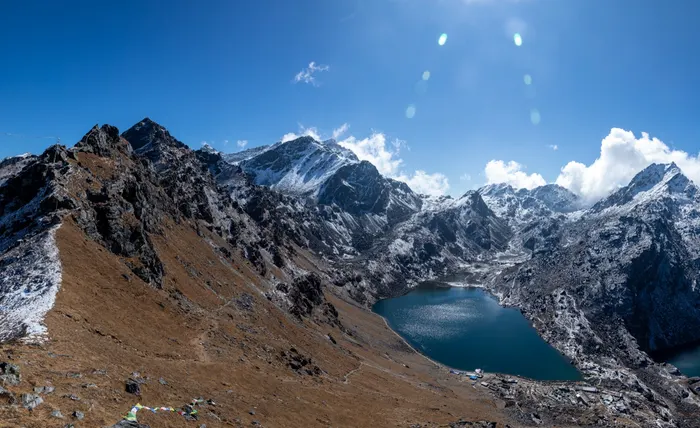
Close to Kathmandu and quiet compared with the famous circuits, Langtang gives you forests, a glacial valley, and Tamang villages where the old practices are still daily life. The Langtang Valley trek is 7 to 10 days and reaches a maximum altitude of about 4,000 meters, which is ideal for slow pacing. The trail passes through rhododendron and bamboo forests, and the cultural encounters with Tamang communities are genuine and unforced.
Langtang is also where our shamanic healing routes begin, which makes it possible to combine slow trekking with community-based healing encounters. The 10-Day Langtang Valley and Gosaikunda Lake Trek is the package we recommend for slow trekking in this region. It can be paced as a slow trek with shorter days and built-in practice time.
Annapurna Foothills
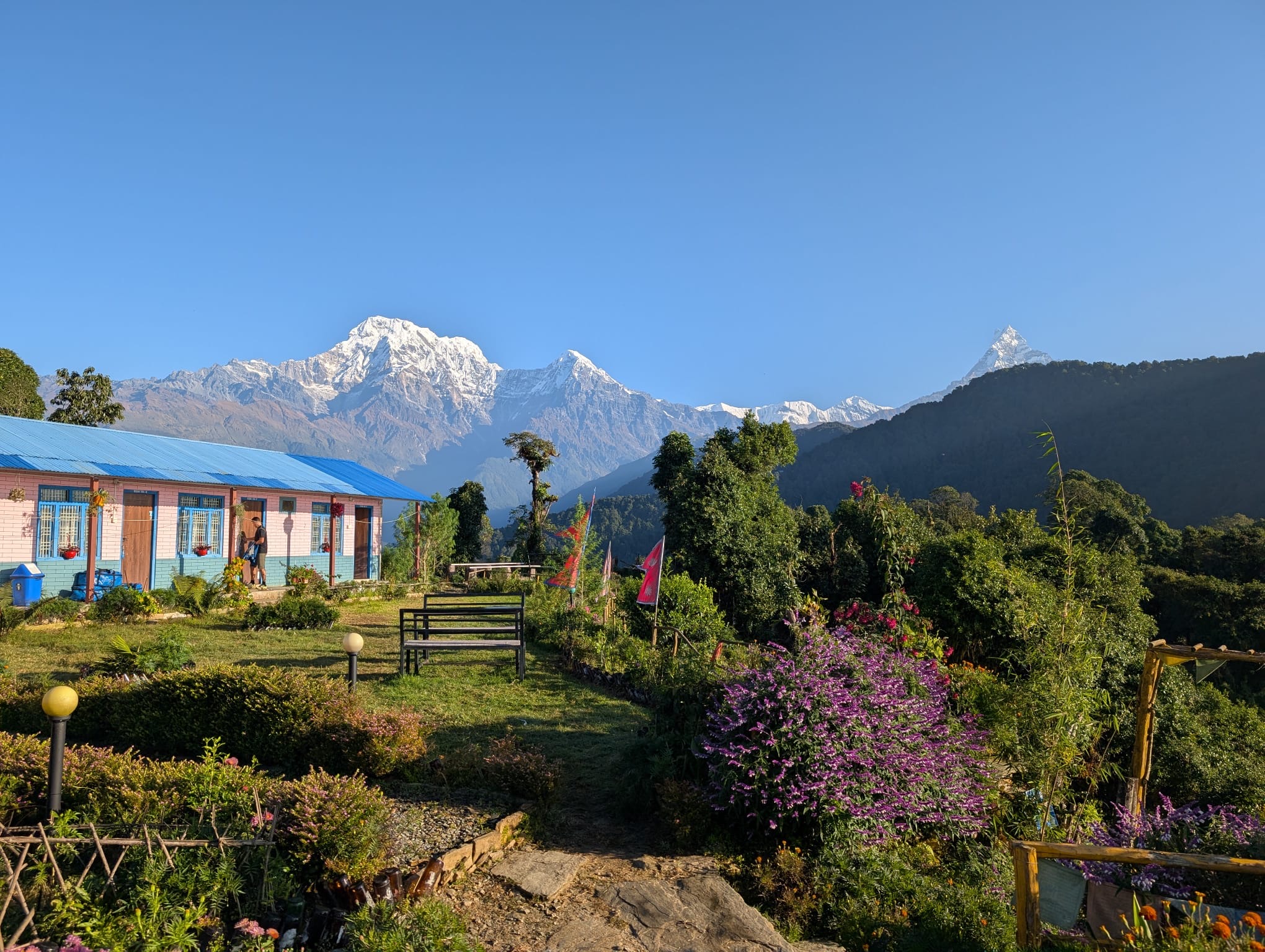
Lower, warmer, and rich with ridge lines built for slow days, the Annapurna region foothills are the perfect slow trekking terrain. The Ghorepani Poon Hill Trek (7 Days) and the Mardi Himal Trek (5 Days) are ideal routes. Both stay below 4,500 meters and offer ridge walking with panoramic mountain views that make every stop worthwhile.
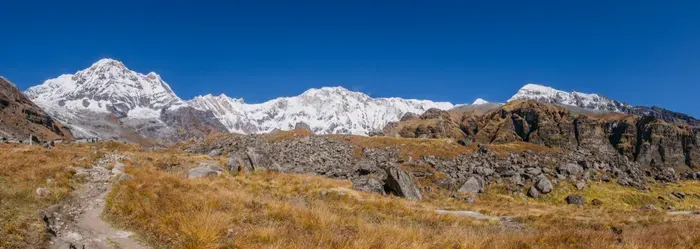
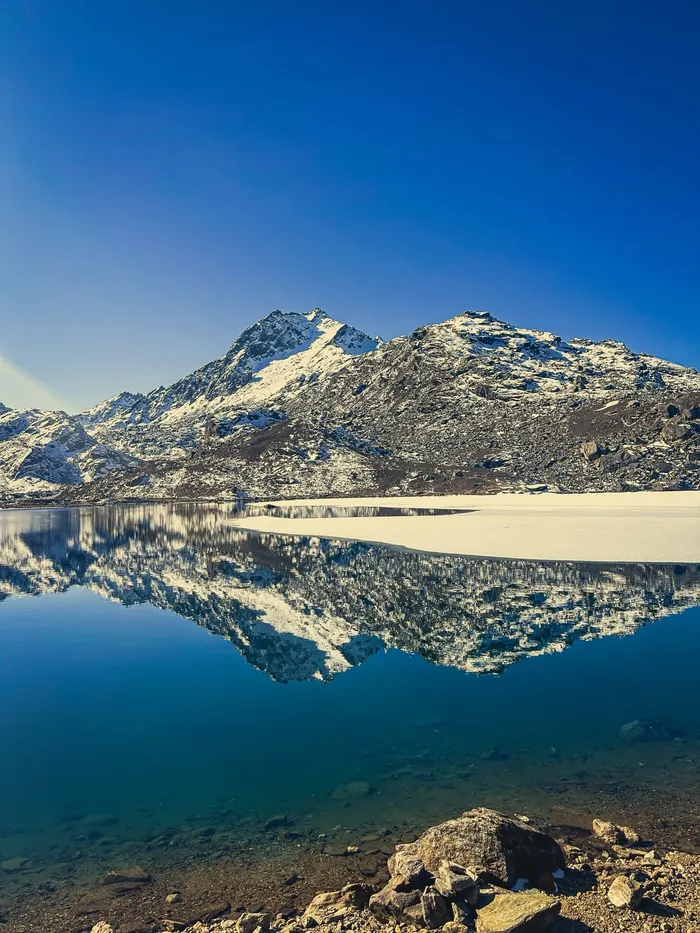
The Ghorepani area, with its famous Poon Hill sunrise viewpoint, is particularly suited to slow trekking. The villages of Ghandruk and Tadapani offer rich cultural experiences, and the ridge walking between them is some of the most beautiful low-altitude trekking in Nepal. The Annapurna Yoga Trek (9 Days) is specifically designed as a slow trek with daily yoga practice built in.
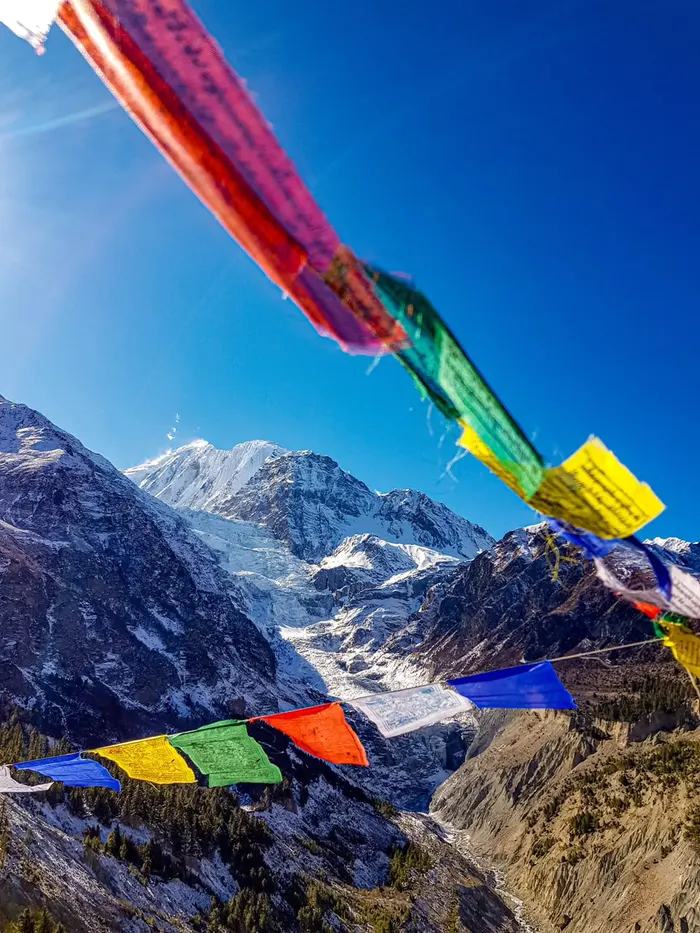
The Mardi Himal route is another excellent option, offering ridge-line walking with views of the Annapurna range and fewer crowds than the classic Poon Hill circuit. Its shorter duration (5 days) makes it ideal for travelers who want a slow trekking experience but have limited time.
How Does Slow Trekking Compare to a Standard Trek?
Understanding the difference helps travelers choose the right approach for their needs. Slow trekking is not a lesser version of regular trekking. It is a different practice with a different intention. Here is how they compare across key dimensions.
| Dimension | Standard Trek | Slow Trekking |
|---|---|---|
| Daily distance | 6 to 8 hours, goal-driven | 3 to 5 hours, breath-driven |
| Practice | None or minimal | Daily yoga, meditation, breathwork |
| Pace | Reach the pass or summit | Notice the slope, the village, the breath |
| Altitude gain | Aggressive, maximize height | Gentle, allow acclimatization naturally |
| Village time | Quick stop, keep moving | Extended, conversation, real connection |
| Best for | Summiteers, achievement-focused | Recoverers, the curious, the mindful |
Neither approach is superior. They serve different needs. A guest who wants to stand at Everest Base Camp needs a standard trek. A guest recovering from burnout who wants to rebuild their relationship with their body needs a slow trek. Many of our guests do both at different times in their lives.
What Does a Sample Slow Trekking Day Look Like?
To show the pace, here is the real shape of one day on our Annapurna foothills walk. The times are soft. The point is the space between them. Notice what is missing: no rush to a pass, no race against the light. The day is built so the quiet has room to arrive.
| Time | Practice |
|---|---|
| 06:00 | Sunrise breathwork on the ridge before the clouds lift |
| 07:30 | Slow walk, two hours, one long stop to watch the valley |
| 10:30 | Tea at a village, conversation with the family who runs it |
| 13:00 | Rest. No agenda. This empty block is the treatment. |
| 16:00 | Gentle yoga at camp, then a quiet evening fire |
The afternoon rest block is the most important part. This is where the slow trekking approach diverges most sharply from standard trekking. In a standard trek, the afternoon is for pushing to the next camp. In slow trekking, the afternoon is for letting the morning's walking settle into the body. You might journal, read, nap, or simply sit and watch the mountains change color as the light shifts. This is not wasted time. This is the treatment.
What Are the Best Seasons for Slow Trekking in Nepal?
Spring (March to May) brings rhododendrons and clear mornings. The hills are in bloom, and the temperature is comfortable for walking. This is the most beautiful season for slow trekking in the Annapurna foothills and Langtang. Autumn (October to November) is the driest and most stable, with the clearest mountain views. Winter (December to February) is quieter still and good for lower routes, though ridge camps can be cold. We avoid the heavy monsoon months (June to September) for trekking, though valley wellness runs year-round.
Each season offers a different quality of experience. Spring is visually the most stunning, with rhododendron forests in full bloom and bird activity at its peak. Autumn is the most reliable, with stable weather and clear views. Winter is the most intimate, with few other trekkers on the trail and crisp, cold mornings that make sunrise practice feel extraordinary. The season you choose depends on what you want from the experience.
For guests who want year-round wellness without trekking, our Healing Tour to Nature in Nuwakot and the Nuwakot area offer nature-based retreats that are not weather-dependent. These can be combined with a short slow trek in the right season.
How Does Slow Trekking Support Mental Health and Burnout Recovery?
Slow trekking is increasingly recognized as a powerful complement to mental health recovery, particularly for burnout. The combination of gentle physical movement, altitude-induced mindfulness (the thin air forces you to pay attention to your breath), natural beauty, and structured practice creates conditions that the nervous system recognizes as restorative. Unlike a beach holiday, which provides passive rest, slow trekking provides active rest. The body moves, the mind engages, and the pace allows both to recover simultaneously.
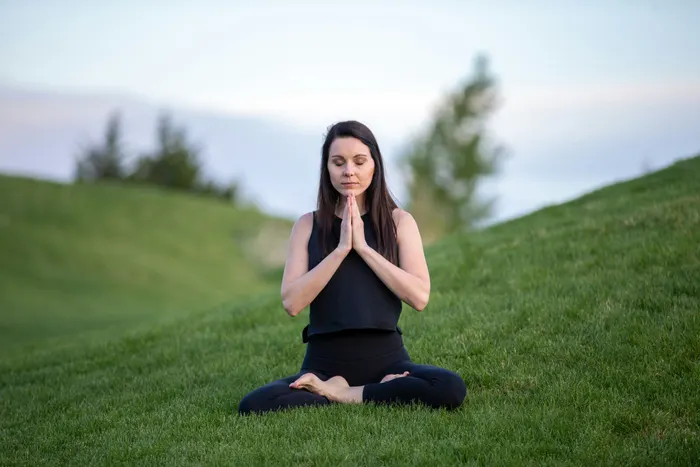
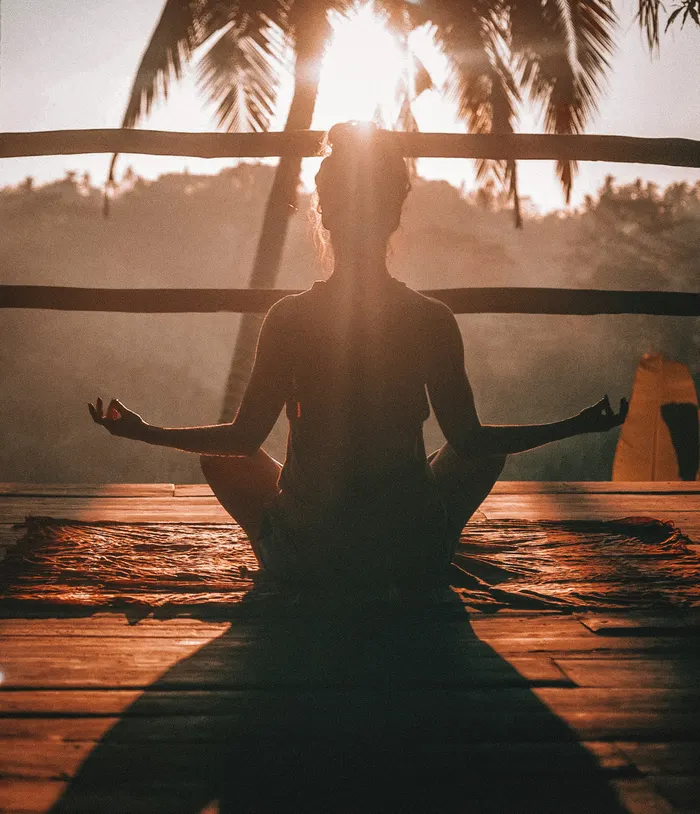
The daily practice components (yoga, meditation, breathwork) are not add-ons. They are the core of why slow trekking works for mental health. Morning breathwork on a ridge at sunrise regulates the nervous system. Afternoon rest allows the body to process cortisol. Evening yoga releases physical tension accumulated during the day. Over a week or more, the cumulative effect is measurable: lower resting heart rate, improved sleep quality, reduced anxiety, and a reset relationship with the body.
Our Annapurna Yoga Trek (9 Days) is the package most often recommended for guests coming to Nepal for burnout recovery through movement. It combines daily yoga with moderate trekking in the Annapurna foothills, and the pace is built for recovery, not achievement.
What Should You Pack for a Slow Trekking Journey?
Packing for slow trekking is lighter than for a standard trek because you carry less daily distance and the pace is gentler. However, the practice components require a few additional items. Here is our recommended packing list for a slow trekking journey in Nepal.
- Hiking boots: broken in, with good ankle support. The trails are moderate but rocky.
- Layers: base layer, mid layer, and outer shell. Ridge mornings are cold, afternoons are warm.
- Yoga mat: travel-weight. If you have a favorite, bring it. We supply mats at camp, but many guests prefer their own.
- Journal and pen: the practice includes reflection time. Writing is part of the process.
- Water bottle: with purification tablets or a filter. You will drink more than you expect at altitude.
- Headlamp: for early morning practice before sunrise.
- Daypack: 25 to 35 liters. Porters carry the main bag; you carry practice items and water.
- Loose clothing for yoga: that layers over trekking clothes for morning practice.
How Does Slow Trekking Fit Within Nepal's Wellness Cluster?
Slow trekking is the movement half of wellness in Nepal. The body repair half is Ayurveda and Panchakarma. The stillness half is meditation and burnout recovery. The older current is shamanic healing. The sound dimension is Himalayan sound therapy. Each tradition addresses a different aspect of the human experience, and together they form a complete wellness system that is uniquely Nepali.
Many of our guests combine slow trekking with other wellness modalities. A typical two-week wellness journey might include 3 days of sound healing and Reiki in Kathmandu, followed by a 7 to 9 day slow trek in the Annapurna foothills, and ending with 2 to 3 days of spa and Ayurvedic massage at our Kathmandu Full-Day Trekkers Spa and Wellness Retreat. This combination addresses the body, the mind, and the spirit in sequence.
For guests who want the most comprehensive option, the 9 Days Luxury Yoga, Wellness and Himalayan Escape combines yoga, wellness, and gentle movement into a single package. It is our flagship wellness offering and includes elements of slow trekking philosophy throughout. Browse our healing packages for the full range of options.
Practical Tips Before You Go on a Slow Trek
These tips come from years of guiding slow trekking journeys in Nepal. They are not rules but recommendations that make the experience better. The most important one is the simplest: tell us your why. We shape the route around it, whether that is grief, clarity, rest, or simply curiosity.
- Leave the fitness target at home. You do not need to be an athlete. You need to be willing to walk slowly for hours. The pace is set by breath, not by fitness.
- Pack light, breathe heavy. Altitude is the teacher. Let it set the pace. The lighter your bag, the easier the slow days feel.
- Protect the mornings. Sunrise practice is the best part. Do not trade it for sleep you do not need. The mornings on the ridge are what guests remember most.
- Tell us your why. We shape the route around it. Whether you are processing grief, seeking clarity, or simply resting, the itinerary should serve your intention.
- Embrace the empty block. The afternoon rest is the treatment, not the gap. If you feel restless, that is the work. Sit with it.
- Disconnect. If possible, put your phone on airplane mode during walking and practice hours. The mountains do not need your notifications.
Which EHT Packages Are Best for Slow Trekking?
Several of our packages are designed with or can be adapted for slow trekking. The key is that the route stays at moderate altitude, the daily distances are manageable, and there is built-in time for practice. Here are the packages we recommend most often for slow trekking.
- Annapurna Yoga Trek (9 Days): daily yoga with Poon Hill sunrise, the flagship slow trek.
- Ghorepani Poon Hill Trek (7 Days): classic foothills route, easily paced as a slow trek.
- Mardi Himal Trek (5 Days): short ridge adventure, ideal for limited time.
- Langtang Valley and Gosaikunda Lake Trek (10 Days): quieter, culturally rich, great for slow pacing.
- Gosaikunda Sacred Lakes Trek and Yoga Retreat (5 Days): sacred lake pilgrimage with yoga.
- 5 Days Yoga Retreat and Hiking in Nepal: retreat-based with day hikes, ideal for beginners.
- Annapurna Senior Trek (8 Days): gentle pace designed for over 60 travelers, naturally slow.
- Annapurna Family Trek (9 Days): kid-friendly, naturally slower pace.
Browse our full tour list for more options, or explore all travel experiences across Nepal. Every package can be customized for a slower pace with built-in practice time. Contact us with your intention and we will shape the route.
Frequently Asked Questions About Slow Trekking in Nepal
Do I need trekking experience for slow trekking?
No. The pace is built for beginners and for people returning to their bodies after burnout. Fitness helps, but willingness matters more. We keep daily distances short and breath-led, so the walk stays accessible. Most guests who arrive unsure leave surprised by how far they moved without ever feeling pushed.
Is slow trekking safe at altitude?
Yes, with planning. We build acclimatization into the slow days and carry the support to handle altitude sickness early. The pace itself is the safety feature, because shorter days and gentle gains let the body adjust. Our guides are trained to recognize altitude issues before they become serious and to adjust the route.
Can the slow trekking route be customized?
Always. Every walk is private. Tell us your level and your aim and we shape the days around both. Whether you want more meditation, more village time, or a gentler altitude profile, the itinerary bends to you. We do not run fixed group departures that you have to fit into.
What should I bring for the practice sessions?
A mat if you have a favorite, loose layers, and an open morning. We supply the rest at camp, including props for yoga and breathwork. Pack for variable weather rather than fashion, since ridge mornings are cold and afternoons warm. The lighter your bag, the easier the slow days feel.
How is slow trekking different from a yoga retreat?
A yoga retreat is stationary. Slow trekking moves through the landscape. Both include daily practice, but slow trekking adds the element of walking meditation through nature and cultural encounters with village communities. Many guests combine both: a few days at a Kathmandu yoga retreat before or after a slow trek.

What is the best region for a first-time slow trekker?
The Annapurna foothills are the best starting point. Lower altitude, warmer climate, well-developed trail infrastructure, and beautiful ridge walking. The Ghorepani Poon Hill Trek or the Mardi Himal Trek are ideal first slow treks.
Begin Your Slow Trekking Journey
Slow trekking in Nepal is not about what you conquer. It is about what you notice. The ridge is not the goal. The quiet on the ridge is. We design routes that give that quiet room to arrive, and we have spent years learning how to pace a day so that the walking becomes the medicine. Explore, Heal, Thrive begins with a single slow step.
Start with the Annapurna Yoga Trek or the Langtang Valley Trek, and tell us your why. We will shape the rest. Browse our full tour list or explore all that Nepal offers. The mountains are patient. They will wait for you.