
 Nov 8 – Nov 8, 2026
Kathamandu
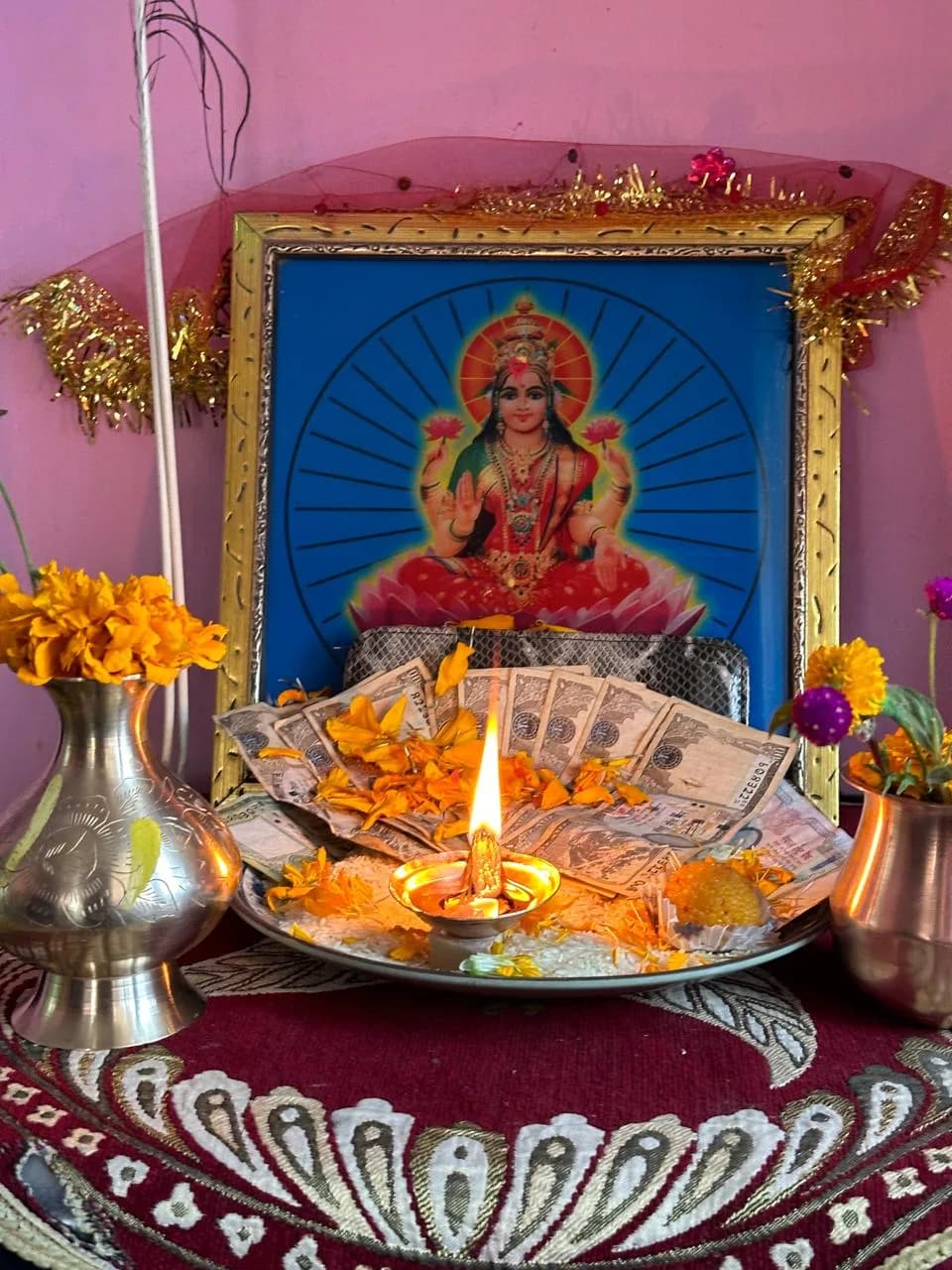
Laxmi Puja 2026 in Nepal: Tihar Festival Guide
Festival
1 day
Festival
Free
Kathamandu1 day
Event Details
Loading...
Event starts in
Gyalpo Losar is one of the most significant Buddhist festivals in Nepal, celebrated by Sherpa, Tibetan, Yolmo, Bhutia, and Himalayan Buddhist communities as their traditional New Year. The festival marks the beginning of the new year according to the Tibetan lunar calendar and symbolizes renewal, peace, prosperity, and spiritual purification. Rich in religious traditions and cultural heritage, Gyalpo Losar is celebrated with monastery ceremonies, prayers, traditional dances, family gatherings, and festive meals.
For visitors, Gyalpo Losar in Nepal offers an extraordinary opportunity to experience authentic Tibetan Buddhist culture, Sherpa traditions, Himalayan heritage, and cultural tourism in Nepal.
The history of Gyalpo Losar dates back more than a thousand years to ancient Tibet. The term "Gyalpo" means "King," and the festival is believed to have evolved from pre-Buddhist traditions before becoming an important celebration in Tibetan Buddhism. Over centuries, it spread throughout Himalayan regions, including Nepal, where Sherpa and Tibetan Buddhist communities continue to preserve the festival. Today, Gyalpo Losar remains a powerful symbol of Tibetan culture, spiritual renewal, and Himalayan identity, connecting generations through shared traditions and religious practices.
Gyalpo Losar is an important celebration that preserves Tibetan Buddhist culture, Sherpa heritage, and Himalayan traditions. The festival strengthens family relationships, promotes community harmony, and encourages cultural preservation among younger generations. It also serves as a time for spiritual reflection, prayers, and blessings for the coming year. Beyond its cultural value, Gyalpo Losar contributes to cultural tourism in Nepal, attracting visitors interested in experiencing authentic Buddhist ceremonies, traditional customs, and Himalayan lifestyles.
Gyalpo Losar holds deep religious importance in Tibetan Buddhism. The festival symbolizes spiritual purification, renewal, peace, prosperity, and protection from negative influences. Families visit monasteries, offer prayers, light butter lamps, and participate in religious ceremonies to seek blessings for the New Year. Monks perform sacred rituals and recite prayers for harmony and well-being. The festival promotes Buddhist values such as compassion, wisdom, gratitude, and respect, making Gyalpo Losar one of the most important spiritual celebrations in the Himalayan Buddhist world.
Gyalpo Losar is celebrated with great enthusiasm by Sherpa, Tibetan, and Himalayan Buddhist communities across Nepal. Families clean and decorate their homes, prepare traditional foods, and gather with relatives to welcome the New Year. People visit Buddhist monasteries to offer prayers, light butter lamps, and seek blessings for peace and prosperity. The festival features Cham mask dances, traditional music, cultural performances, community feasts, and religious ceremonies, creating a vibrant atmosphere that reflects the richness of Tibetan Buddhist culture and Himalayan heritage.
Traditional Food During Gyalpo Losar
Gyalpo Losar is celebrated with great enthusiasm by Sherpa, Tibetan, and Himalayan Buddhist communities across Nepal. Families clean and decorate their homes, prepare traditional foods, and gather with relatives to welcome the New Year. People visit Buddhist monasteries to offer prayers, light butter lamps, and seek blessings for peace and prosperity. The festival features Cham mask dances, traditional music, cultural performances, community feasts, and religious ceremonies, creating a vibrant atmosphere that reflects the richness of Tibetan Buddhist culture and Himalayan heritage.
Food is an essential part of Gyalpo Losar celebrations and symbolizes abundance, prosperity, and hospitality. Families prepare traditional Tibetan and Sherpa dishes for relatives, friends, and guests. Popular foods include Khapse, Guthuk, Thukpa, Tsampa, butter tea, traditional meat dishes, and festive sweets. Community feasts bring people together and strengthen social bonds. Sharing food during Gyalpo Losar reflects generosity, friendship, and good fortune. For visitors, tasting traditional Tibetan and Sherpa cuisine is one of the most memorable experiences of the festival.
Traditional dress plays an important role during Gyalpo Losar and reflects the rich cultural heritage of Sherpa and Tibetan communities. People wear colorful traditional attire, jewelry, and ceremonial garments during religious ceremonies and cultural celebrations. These costumes symbolize cultural pride, community identity, and respect for ancestral traditions. Wearing traditional clothing helps preserve Tibetan Buddhist culture while showcasing the beauty of Himalayan heritage to younger generations and visitors attending the festival.
Traditional music and dance are vibrant elements of Gyalpo Losar celebrations. Monasteries and community groups perform cultural dances, traditional songs, and ceremonial performances that reflect Buddhist teachings and Himalayan traditions. One of the most famous aspects is the Cham Dance, where monks wear elaborate masks and costumes while performing sacred ritual dances. These performances symbolize the triumph of positive forces over negativity and play a vital role in preserving Tibetan cultural heritage.
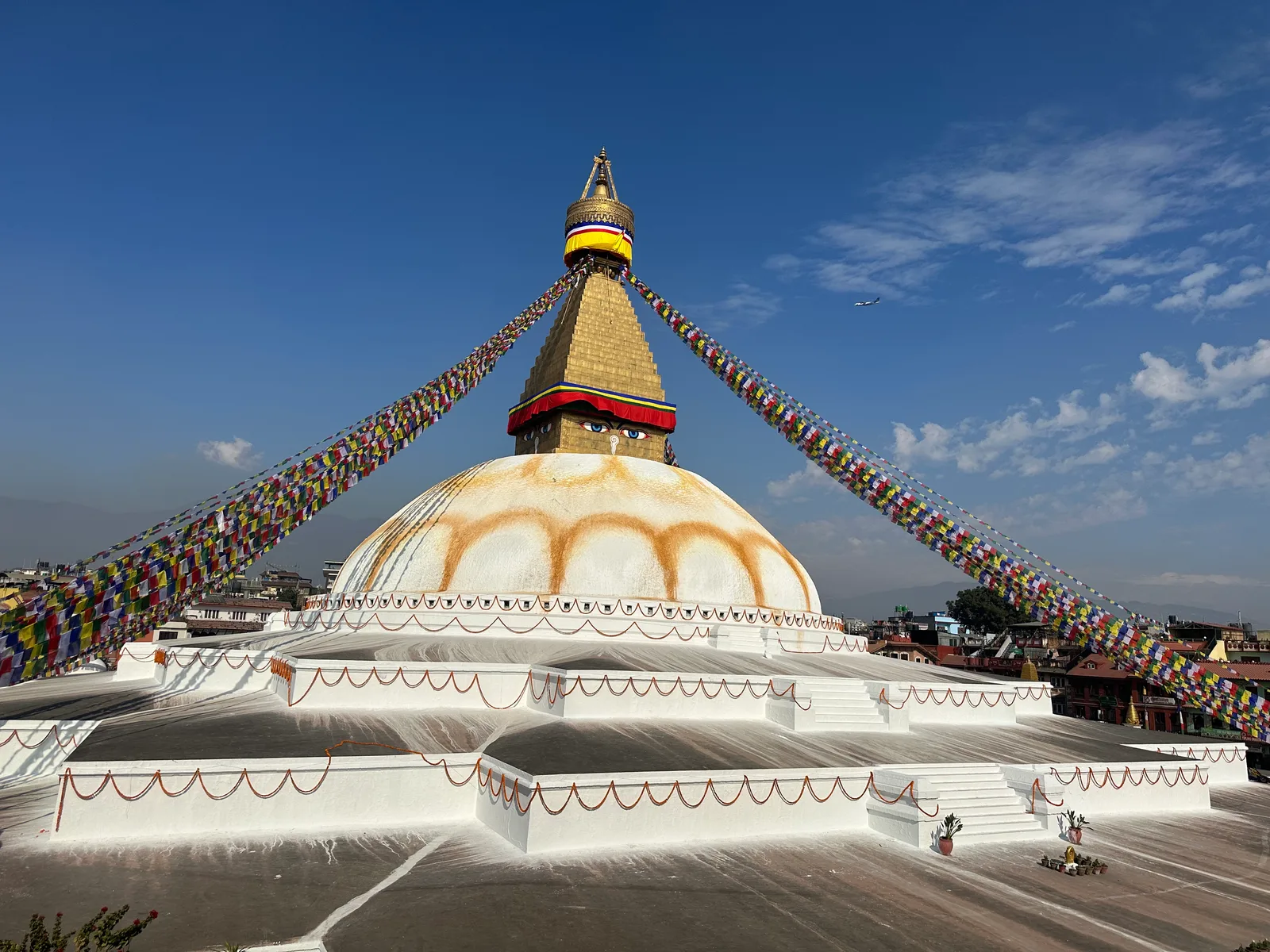
Kathmandu hosts major Gyalpo Losar celebrations, particularly around Boudhanath Stupa and Swayambhunath Stupa, where thousands of devotees gather for prayers and cultural events. Monasteries organize religious ceremonies, while communities celebrate with music, dance, and traditional food. The festive atmosphere attracts both local participants and international visitors interested in learning about Tibetan Buddhism and Himalayan culture. Kathmandu remains one of the best places to experience Gyalpo Losar in Nepal.
The Everest Region is one of the most authentic places to experience Gyalpo Losar. Sherpa communities in areas such as Namche Bazaar and surrounding villages celebrate the festival with religious rituals, cultural programs, traditional feasts, and community gatherings. Visitors can witness living Himalayan traditions while enjoying spectacular mountain scenery. The festival provides a unique opportunity to experience the spiritual and cultural heart of the Sherpa community.
The best time to experience Gyalpo Losar in Nepal is during February or March, depending on the Tibetan lunar calendar. The festival usually falls in late winter or early spring and offers visitors an excellent opportunity to witness traditional Buddhist ceremonies, colorful cultural performances, and authentic Himalayan celebrations. Pleasant weather and vibrant festivities make it one of the most rewarding cultural experiences in Nepal.
Gyalpo Losar offers tourists a rare opportunity to explore authentic Sherpa culture, Tibetan Buddhist traditions, monastery ceremonies, traditional music, Cham dances, and Himalayan cuisine. Visitors can participate in vibrant celebrations, observe sacred rituals, and experience genuine community hospitality. The festival provides unique cultural insights, outstanding photography opportunities, and a deeper understanding of Himalayan life, making it one of the most remarkable cultural festivals in Nepal.
Gyalpo Losar is one of Nepal's most important Buddhist and cultural festivals, celebrating Tibetan New Year, Sherpa heritage, and Himalayan traditions. Through religious ceremonies, cultural performances, traditional food, music, dance, and family gatherings, the festival preserves centuries-old customs while welcoming a new year of peace and prosperity. For travelers seeking authentic cultural experiences, Gyalpo Losar in Nepal offers an unforgettable journey into the heart of Tibetan Buddhist culture and Himalayan heritage.
Key experiences and features
Tibetan New Year Celebration
Sherpa and Tibetan Culture
Sacred Buddhist Ceremonies
Monastery Prayer Rituals
Himalayan Cultural Heritage
Cultural Tourism in Nepal
Recommended packing list
Kathmandu, Kathmandu, Bagmati, Nepal
Got questions about this event?
Gyalpo Losar is the traditional Tibetan New Year Festival celebrated by Sherpa, Tibetan, Yolmo, and Himalayan Buddhist communities in Nepal.
Gyalpo Losar is usually celebrated in February or March according to the Tibetan lunar calendar.
The festival promotes Tibetan Buddhist traditions, Sherpa culture, spiritual renewal, community unity, and Himalayan heritage.
People celebrate with Buddhist prayers, monastery visits, Cham dances, traditional music, cultural performances, family gatherings, and festive meals.
The best places include Boudhanath Stupa, Swayambhunath, Kathmandu Valley, Namche Bazaar, and Sherpa communities in the Everest Region.
Yes. Visitors are welcome to observe public celebrations, cultural programs, monastery ceremonies, and traditional community festivities.
Mar 9 – Mar 11, 2027
3 days
Quick Info
Articles & blog posts linked to Gyalpo Losar in Nepal
More festival experiences
Nov 8 – Nov 8, 2026Kathamandu
 Aug 17 – Sep 16, 2027
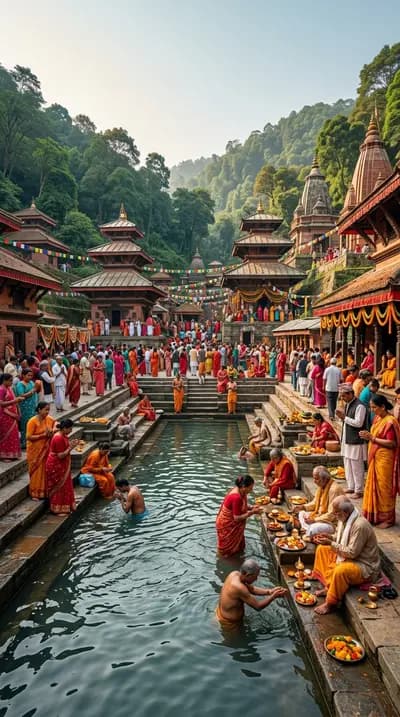
Godavari Kunda
 Jan 15 – Jan 16, 2027
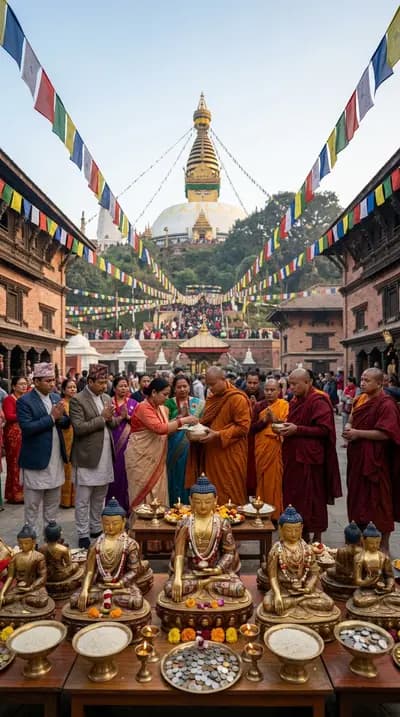
Swayambhu Bhuikhhel