 Nov 8 – Nov 8, 2026
Kathamandu
Laxmi Puja 2026 in Nepal: Tihar Festival Guide
Festival
1 day
Festival
Free
Kathamandu1 day
Event Details
Loading...
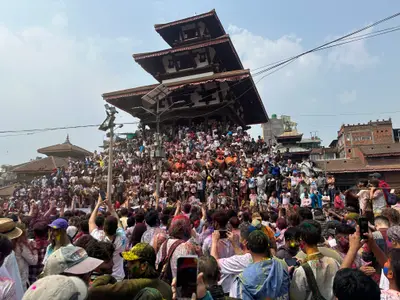
Every spring, when the cold of winter slowly leaves the valleys, Nepal turns into a giant box of paints, and Enticing Himalayas is happy to walk you through the whole Holi story. The Holi festival of 2026 was one of the happiest festivals in Nepal this year, with the hills celebrating on Monday, 2 March, and the Terai plains joining in on Tuesday, 3 March. From the raising of the sacred bamboo pole in Kathmandu Durbar Square to the last splash of colour in Janakpur, the celebration stretched across more than a week. In this guide we explain the dates, the day-by-day plan, the best places to celebrate, the food, the safety rules and the smart tour packages that let you enjoy it without stress. Whether you are planning a cultural tour or simply reading for fun, this article will feel like a chat with a friendly local.
Let us begin with the question everybody asks first: when did Holi 2026 actually start and end? Because Holi follows the lunar calendar, the date changes every year. In 2026 the full moon of Falgun gave us Fagu Purnima on 2 March for the hills and mountains, including Kathmandu and Pokhara. The southern plains, which Nepalis call the Terai, played their colours a day later on 3 March. Most travel websites agreed on these two dates, although a few older calendars showed slightly different days, so it is always wise to double-check the festival calendar before you book anything.
The celebration is not really a one-day party. In Kathmandu the mood starts to build about a week earlier, and the fun slowly fades away a day or two after the main colour day. To make planning simple, here is the shape of the festival in one short list, and after it we will look at each day in a relaxed, story-like way.
Holi is the Hindu festival of colours, and in Nepal it carries another beautiful name, Fagu Purnima. The word Fagu comes from Falgun, the Nepali month that falls in late winter and early spring, and Purnima simply means full moon. So the name tells us the whole idea: a colourful festival held on the full moon night of Falgun. You can read short descriptions of many such celebrations on the Nepal events and festivals page, where Holi sits comfortably in the spring season next to other cultural celebrations.
In daily life, Holi means throwing coloured powder called abir, splashing water, hugging friends, singing loud songs and forgetting old quarrels for a day. Children run around with water guns, grandmothers put a gentle tika of red powder on your forehead, and complete strangers wish you a Happy Holi with a big smile. For a visitor, this is one of the fastest ways to feel Nepali culture, because nobody stands on the side. Everyone, young or old, becomes part of the picture, and that is why so many travellers plan their whole trip around this one festival tour.
Behind every colour there is a story, and the story of Holi is old and simple. A proud demon king named Hiranyakashipu believed he was greater than the gods and ordered everyone to worship only him. His young son Prahlad, however, loved Lord Vishnu with all his heart and refused to obey. The angry king tried many cruel ways to stop the boy, but nothing worked, because Prahlad's faith never shook. If you enjoy such legends, you will find similar tales in the Krishna Janmashtami celebrations and in many other religious festivals of Nepal.
In the end, the king asked his sister Holika, who had a boon that fire could not burn her, to sit in a blazing fire with Prahlad on her lap. The plan failed: the boon worked only if she sat alone, so Holika burned while Prahlad walked out safe. This is why people light a bonfire the night before the colour day, a ritual known as Holika Dahan. The message is easy to remember: good wins over evil, and honest devotion is stronger than power. The next morning's colours are the joyful answer to that victory, and they also welcome the arrival of spring.
The Holi season in Kathmandu does not begin with colours; it begins quietly with a bamboo pole. About eight days before the full moon, priests and city workers raise the chir, a tall pole decorated with strips of coloured cloth, in the old square of Basantapur Durbar Square. In 2026 this happened around the last week of February. Tradition says the pole is a symbol of the festival itself, and from that moment the season of Holi is officially open. If you visit the square, you will also see the beautiful old palaces, temples and courtyards that make Kathmandu's heritage sites so famous.
During these first days the mood is soft and friendly. Shopkeepers in Thamel and Asan Bazaar begin to stock colour powder, water pistols, white t-shirts and balloons, and you can feel excitement growing in every lane. This is a perfect time to arrive if you want to see the city before the crowds grow. A short Kathmandu Valley tour in these days lets you enjoy the temples calmly, take photos of the pole, and slowly get ready for the big colour day ahead.
On the evening before the hills' main day, families and neighbours gather around a bonfire. This is Holika Dahan, and it is a quiet, almost spiritual moment compared with the noise of the next day. People bring wood and dry leaves, sing devotional songs, offer small prayers and walk around the flame. In 2026 the hill regions held this ritual on the evening of 1 March, while the Terai lit its fires on the evening of 2 March. If you want to feel the deeper side of Nepal, this evening is more rewarding than any street party, and many local cultural tours include it.
The bonfire has a practical side too. In older days villagers used it to burn dry leaves and old wood before spring, which cleaned the surroundings, and many people still believe the warm smoke purifies the air. Even if you do not know the prayers, nobody will mind if you stand at the edge and watch respectfully. Take a warm jacket, because March evenings in the hills can still be cool, especially if you are staying in higher places like Nagarkot or near a Himalayan viewpoint. Keep your phone in your pocket for a while and simply enjoy the glow of the fire.
Monday, 2 March 2026 was the big day, and by early morning the streets of Kathmandu were already filling up with laughing groups in white clothes. This is the day of Fagu Purnima in the hills, and the fun runs from breakfast until the afternoon. The busiest corners are Basantapur, Patan Durbar Square, and the lanes around Thamel, where music speakers, water tanks and dance floors appear almost by magic. Because these places get very crowded and sometimes rough, many local guides quietly suggest smaller, organised events for visitors, and you can ask about them on the events page.
If you prefer a calmer plan, try a quieter neighbourhood or a hotel party, where music, thandai and colours are mixed with safe rules. Bhaktapur is also nice, because its old brick streets have a village feeling, and locals play more slowly. Late in the afternoon everyone goes home to wash, and the city becomes strangely peaceful, with people in fresh clothes visiting relatives with sweets. A well-planned Kathmandu Valley tour package can guide you through this day so you enjoy the fun and still finish in time to see Swayambhunath or Boudhanath Stupa in the golden evening light.
Kathmandu is a big city with many different Holi moods, so choosing the right corner matters. Thamel is best for travellers, because hotels, bars and rooftop terraces arrange organised Holi parties with music, food and colours in a controlled space. Basantapur is full of energy and photo chances, but expect big crowds and a lot of water. The old streets of Patan are a bit calmer and are wonderful if you like carvings, courtyards and traditional architecture as your background.
For quiet moments, a few travellers choose family homes or community clubs, where the atmosphere is friendly and safe. In areas near Pashupatinath Temple the mood is more spiritual, and many devotees come to pray before or after playing. You can also think about spending the morning in the city and the afternoon in Kathmandu's cultural sights, because once the powder dries, the streets become excellent for portrait photography. Do not forget that the most important thing is to stay with people you trust, listen to local advice and not go deep into rough crowds.
Pokhara has its own gentle way of celebrating. The city sits beside Phewa Lake, with the white wall of the Annapurna range behind it, and Holi here feels more like a relaxed beach party than a street battle. Along Lakeside Pokhara, cafés and hotels arrange music, dancing and colour zones, and many travellers enjoy the day with a cold drink in one hand and pink powder on their cheeks. Because the pace is slower, this is a good place for families and first-time visitors who want a softer introduction to the festival.
The best part is that Pokhara gives you adventure on the same trip. Before or after Holi you can do a boat ride, paraglide from Sarangkot, or watch sunrise on the Annapurna peaks, which many people enjoy while joining a Pokhara adventure tour. Plan an easy day after the festival, because colour stains, tired legs and cold lake water do not mix well. If you love mountains, you could even continue to a short Annapurna trek in the days after Holi, when the weather is beautiful and the spring flowers begin to open along the trail.
Down in the southern plains, the festival feels bigger, louder and more open. The Terai celebrated on Tuesday, 3 March 2026, one day after the hills, following a tradition closer to neighbouring India. In towns like Janakpur, Birgunj and Biratnagar, families spend the whole morning playing with wet colour, water balloons and drums. In the villages near Chitwan National Park you will find Tharu communities mixing Holi with their own songs and dances, and the jungle setting makes the day feel very special.
Janakpur is a special city for Holi lovers, because it is the sacred land of Sita and Ram, and the old Janaki Mandir becomes a centre of prayer and music. Lumbini, the birthplace of the Buddha, is quieter, but the surrounding Lumbini area still enjoys the festival in nearby towns. The heat starts to rise in the plains by March, so wear light cotton, drink a lot of water and rest in the shade after lunch. A smart plan is to combine Terai Holi with a Chitwan safari tour, so you see wild rhinos and elephants in the same trip as the colourful street scenes.
After the last colours fade on 3 March, the festival slowly comes to an end. In Kathmandu, the chir pole that started the season is taken down and, following tradition, burned as a symbol of the end of winter's dullness. Municipal workers wash the squares, shopkeepers reopen their doors and travellers spend a lazy morning looking for coconut oil, soap and patience. This last part of the festival is friendly and quiet, and many locals visit relatives for tea and sweets without any more powder or water.
The days after Holi are actually a great time for sightseeing, because the city feels clean and calm again. You can visit museums, walk the old lanes or plan a day trip to Nagarkot and Changu Narayan. If your skin or hair still shows a little pink, take it as a friendly souvenir. Many visitors also use these days to begin a longer journey, such as the Best of Nepal tour or a mountain plan chosen from the full tour list, and that way the Holi memories stay bright for the whole trip.
No Nepali festival is complete without food, and Holi has some of the tastiest treats of the year. In many homes you will find malpua, a sweet fried pancake soaked in syrup, along with gujiya, laddu and different kinds of halwa. Families also serve thandai, a cold milk drink flavoured with almonds, fennel and cardamom, which is perfect after hours in the sun. If you want to learn more about how food fits into holidays, the Yomari Punhi festival and Maghe Sankranti are good examples of the strong bond between Nepali culture and the kitchen.
Street vendors also sell fried snacks, fruit chaat and cold lassi, which are safe enough if you choose clean, busy stalls with lots of customers. Vegetarian meals are easy to find, because many families keep the festival day light and simple. When you are invited to a home, it is polite to accept a small sweet, even if you are not hungry, because refusing can look cold. A food and culture tour is a wonderful way to learn recipes from local families, and you will find many small tasting spots in the older parts of Kathmandu too.
Your clothes on Holi day will most likely be ruined, so choose them wisely. Wear old cotton clothes in white or light colour so the powder shows nicely, and avoid expensive fabrics. Long sleeves are helpful because they protect your arms from the sun and from strong pigments. Bring a spare set of dry clothes, a towel and a plastic bag for wet items. Rubber sandals are better than shoes, because shoes get soaked and heavy in a few minutes, and you will be happier with light feet. If you are still choosing your gear list, the tour packages often give handy packing advice for the season.
Before going out, rub coconut or mustard oil on your skin and hair, which makes it much easier to wash away the colours later. Put your phone, wallet and passport in a waterproof pouch, or better, leave the passport in your hotel safe. Sunglasses protect your eyes from powder, and a cap helps keep dust out of your hair. In March the sun in Kathmandu Valley feels warm at noon but the mornings are chilly, so carry a light layer. And most importantly, carry a positive mood, because Holi is more fun when you laugh at the messy parts.
Holi is a joyful day, but it is also a day when people forget limits, so safety and manners matter. The golden rule is consent: always ask before putting colour on someone's face, and accept a polite no without argument. Avoid playing with strangers in rough crowds, and do not throw hard water balloons at people, vehicles or animals. Some travel guides warn about the wild mood in Basantapur and Patan, and the wisest choice for many visitors is to join organised events rather than random street groups. If you are unsure, a local guide from Enticing Himalayas can suggest safe places.
Colours themselves need care too. Cheap chemical powders can irritate skin and eyes, so try to buy natural or herbal colours made from flowers, turmeric and beetroot. Keep your mouth closed when someone throws powder, and rinse your eyes with clean water at once if something enters. Be gentle to the environment as well: wet colours flow into rivers, so use only what you need and avoid dumping leftover powder near Phewa Lake or the temple courtyards. Many festival organisers now push for eco-friendly celebration, and every small choice helps keep the festival beautiful for the next year.
Choosing where to celebrate depends on your mood. For history, culture and street energy, Kathmandu Valley is the winner, because you can mix temples, palaces and colours in one day. For relaxation and mountain views, Pokhara is perfect, and its lake gives you many cool corners to rest. For a big open village-style Holi, the Terai towns win, and for a spiritual touch you can add Janakpur or Lumbini to your route. Everything is close enough to plan a smooth trip with the help of the places to see section on the website.
If you have time, you can even do all three regions in one journey. Start in Kathmandu for the chir pole and the bonfire, celebrate on 2 March with friends, then fly or drive to the plains for the second day of colours, and finish with a peaceful stay in Pokhara. This kind of plan is possible with a customised tour, where the length, budget and stops are shaped by your own wishes. It is also a nice way to avoid tiredness, because you can sleep late after the festival and travel in comfort rather than rush.
Holi is only one star in Nepal's very crowded festival sky. If your trip is in March, you may also touch Maha Shivaratri at Pashupatinath, which lights up the temple with thousands of devotees just before Holi in many years. In April, Bisket Jatra in Bhaktapur and Sindoor Jatra in Thimi mark the Nepali New Year with chariots and orange powder, a scene that reminds many people of Holi. Later in the year come the grand autumn festivals such as Dashain, Tihar and Indra Jatra, all of which can be seen on the calendar.
For fans of mountain culture, the Tibetan and Sherpa communities have Gyalpo Losar, the Tiji Festival in Upper Mustang and the Mani Rimdu Festival at Tengboche. If you like sacred lakes and Buddhist calm, Buddha Jayanti in Lumbini is a good later choice. Even wet-season fun like Ropai Jatra and Gai Jatra shows how Nepal never stops celebrating. Spend a little time studying the Nepal festival calendar and you can build a trip that catches more than one celebration.
Many visitors want to enjoy Holi and also see the classic sights of the country, so they choose a package. A simple choice is a Kathmandu Valley tour, which covers UNESCO sites like Durbar Squares, Swayambhunath and Boudhanath, and leaves room for a free morning to join the colour play. If you enjoy lakes and adventure, a Pokhara adventure tour gives you boating, paragliding and sunrise views. For a longer plan, the Best of Nepal tour joins culture, nature and mountains into one easy route.
Trekkers can pair Holi with a walk in the Himalayas. Early spring is a beautiful time on the lower trails, and you can browse trekking packages that suit different levels, from short village walks to Everest Base Camp trek style adventures. Wildlife lovers can add a Chitwan jungle tour, and spiritual travellers might pick a Lumbini pilgrimage tour. If none of these look exactly right, the tour list is a good place to compare, and you can always ask for a personal customised itinerary built around your dates.
To make things easy, here is a simple idea for a week during the Holi season. On the first day, land in Kathmandu, rest and walk around Thamel, where you can buy your white t-shirt and colour packets. On day two, visit Basantapur Durbar Square to see the chir pole and the old palaces, and in the evening attend a small Holika Dahan gathering. On day three, celebrate the main colour day with an organised group, then wash, rest and enjoy a quiet dinner with traditional sweets.
On day four, fly or drive to Chitwan for the Terai Holi and a peaceful evening by the river. Day five can be a jungle safari with rhinos and birds, and day six a road or air trip to Pokhara for a slow lakeside afternoon. On day seven, take a sunrise view from Sarangkot and say goodbye to the colourful days. If you like this rhythm, you can shape a similar plan through a custom Nepal tour, which keeps flights, hotels and guides in one smooth package and leaves you free to enjoy the moment.
March is a lovely month for travel in Nepal. Days are pleasant in the hills, spring flowers begin to bloom, and skies are often clear, though evenings can be cold and some afternoons bring light clouds. The Terai gets warmer, so you will want light clothes there. Because Holi is one of the busiest festival weeks, hotels in Kathmandu and Pokhara fill up early, and flights to the plains can also be full. Book your rooms, transport and any guided tour at least a few weeks ahead, and keep a little flexible time in your plan.
Money is another small thing to plan. Many small shops accept only cash on festival days, so carry some Nepali rupees, and keep them in a dry pocket. Banks and government offices are closed on the holiday, so exchange money one day before. Also check the upcoming events for the year you are travelling, because dates change with the moon. If you are travelling with kids or older parents, choose a quiet hotel and a private driver, and you will enjoy the day much more. Good planning makes the difference between a stressful trip and a happy one.
Many people compare Nepali Holi with the celebrations in India, and the two have plenty in common. But Nepal adds a few special flavours: a two-day system that separates hills and plains, the ritual of the chir pole in the old palace square, and the calm mix of Buddhist and Hindu beliefs. A mountain country also gives you an amazing background, and you may find yourself throwing colour with Himalayan peaks shining behind the rooftops. It is a smaller and more personal festival than in some Indian cities, and travellers often say they felt welcomed like family. To see that side, read more about the Enticing Himalayas travel experiences.
Another difference is the way the festival meets everyday life. On the same street you might see a monk walking to a monastery, a school girl in a white uniform escaping a water balloon, and a farmer selling spring vegetables. Nepal's living cultural traditions continue in the middle of modern life, and Holi is a fine example. This mixing of old and new is what makes travel here so rewarding, and it is also why a trip planned through a reliable tour operator feels both safe and full of surprises.
Good manners will help you make friends quickly. First, greet people with a smile and say Happy Holi, then let them decide how much colour they want. If someone smears a little powder on your cheeks, answer with a soft touch on theirs. Never throw colour at people who are praying, at police officers on duty, or at elders who look uncomfortable. Around temples and stupas the rules are stricter, and the safest choice is to keep the powder outside and pray in clean clothes. Everyone remembers a visitor who was polite and cheerful.
Photography also needs a little care. Ask before taking close pictures of people, especially women and children, and never share a photo that could embarrass someone. Drones, big cameras and tripods are not welcome in tight crowds, and phones should be kept in waterproof cases. If you want beautiful pictures without stress, go to a quiet corner with a friend and take photos there. Take time to look around the cultural places of Nepal too, because a picture of a colourful child in front of an old wooden window is worth far more than ten crowded selfies.
There are a few small things that surprise first-time visitors. Public transport runs lightly on Holi day, taxis may charge more, and many restaurants close for a few hours, so eat a good breakfast before going out. Alcohol and street drinks flow freely in some areas, and drinking too much is the most common reason for arguments, so stay sensible. Women travelling alone often prefer group tours or hotel parties, and a well-organised small-group tour gives them a safe and social experience.
It also helps to know that not every Nepali celebrates Holi. Some Buddhist and mountain communities keep their own calendar, and they might prefer a quiet day at home. Be sensitive, and enjoy the celebration where it is welcome. If your travel dates do not match Holi, do not worry, because the country has fifty or more annual events, and you can browse them on the Nepal events guide to find another celebration. You can also check the most beautiful places in Nepal to see what else deserves a stop on your trip.
Holi 2026 reminded everyone that colour can bring people close faster than any words. From the raising of the chir pole in late February, to the bonfire on 1 March, the hills' big day on 2 March and the Terai's finale on 3 March, the festival gave travellers about a week of different moods. Some found calm in Pokhara, some found wild joy in Kathmandu, and others found deep tradition in the plains. All of them went home with a lighter heart and a few stubborn pink stains.
If you would like to feel this magic yourself next spring, start planning early. Look at the festival calendar to confirm the new dates, choose your favourite places to visit, and pick a comfortable tour package. The team at Enticing Himalayas can help you shape a journey that respects the culture and matches your budget. Holi does not wait for anyone, but the colours will always be there, ready to welcome the next visitor with open arms and a happy shout of “Happy Holi!”
Key experiences and features
Nepal
Holi story
Holi 2026
colour day
festival of colours
Fagu Purnima
Happy Holi
Hiranyakashipu
Janaki Mandir
Recommended packing list
Kathmandu, Kathmandu, Bagmati, Nepal
Got questions about this event?
Holi was celebrated on March 2, 2026, in Kathmandu and the hill districts, followed by celebrations in the Terai on March 3, 2026.
Holi celebrates the victory of good over evil through the story of Prahlada and Holika and also welcomes the arrival of spring with colors, music, food, and community celebrations.Holi celebrates the victory of good over evil through the story of Prahlada and Holika and also welcomes the arrival of spring with colors, music, food, and community celebrations.
Major Holi celebrations take place in Kathmandu, Pokhara, Bhaktapur, Lalitpur, Chitwan, Janakpur, Lumbini, and other parts of Nepal, with traditions varying by region.
People celebrate by applying colored powder, playing with water, dancing, listening to music, sharing food, and gathering with family, friends, and local communities.
Yes. Tourists can participate in Holi celebrations, but they should respect local customs, ask before applying color to others, protect valuables, and use safe colors.
Mar 2, 2026
1 day
Quick Info
More festival experiences
Nov 8 – Nov 8, 2026Kathamandu
 Aug 17 – Sep 16, 2027
Godavari Kunda
 Jan 15 – Jan 16, 2027
Swayambhu Bhuikhhel