 Nov 8 – Nov 8, 2026
Kathamandu
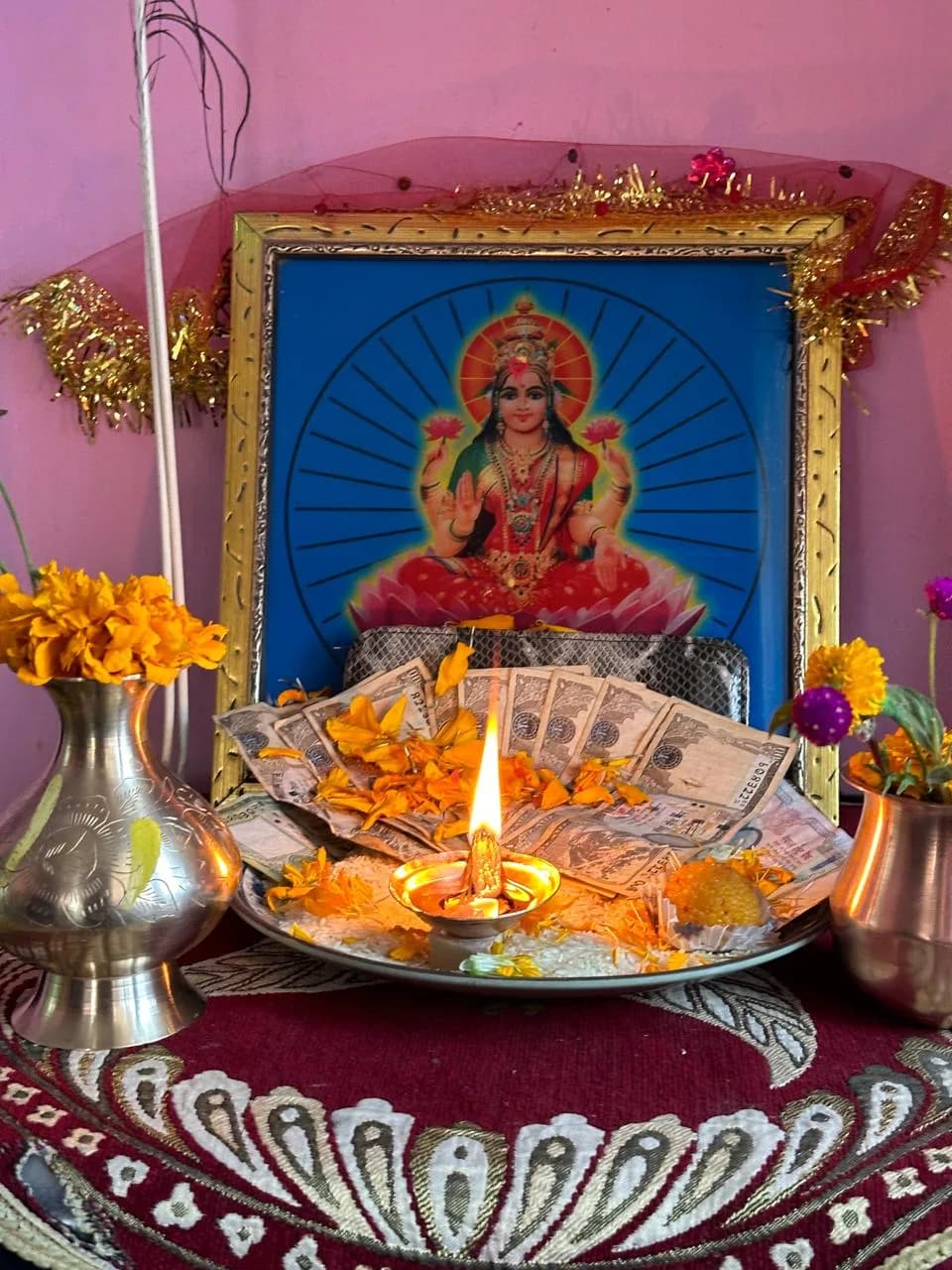
Laxmi Puja 2026 in Nepal: Tihar Festival Guide
Festival
1 day
Festival
Free
Kathamandu1 day
Event Details
Loading...
Event starts in
The Tiji Festival is one of Nepal's most extraordinary cultural and religious celebrations, attracting travelers, photographers, pilgrims, and cultural enthusiasts from around the world. Held annually in the ancient walled city of Lo Manthang in Upper Mustang, this remarkable festival showcases the rich traditions of Tibetan Buddhism, vibrant masked dances, sacred rituals, and centuries-old cultural practices preserved in one of the Himalayas' most isolated regions.
Known as the "Festival of Hope" and a celebration of the triumph of good over evil, the Tiji Festival Nepal offers visitors a rare opportunity to witness authentic Himalayan culture in its purest form. Against the dramatic backdrop of Upper Mustang's rugged landscapes, Buddhist monks perform elaborate ceremonies and sacred dances that tell an ancient story of spiritual victory and the protection of humanity from suffering.
Today, the festival stands as one of Nepal's most important cultural events, preserving the unique heritage of the former Kingdom of Lo while supporting sustainable tourism and cultural conservation in the remote Himalayan region.
The origins of the Tiji Festival are deeply rooted in Tibetan Buddhist traditions that have shaped life in Upper Mustang for centuries. The region historically maintained close cultural and religious ties with Tibet, resulting in the preservation of unique customs and practices.
Lo Manthang, once the capital of the independent Kingdom of Lo, became an important center of Tibetan Buddhism. Monasteries played a central role in community life, and religious festivals served as opportunities to reinforce spiritual values and cultural identity.
Over generations, the Tiji Festival evolved into one of the region's most significant annual celebrations. Despite social and political changes, the people of Mustang have continued to preserve the festival's traditions, ensuring that future generations remain connected to their cultural heritage.
Today, Tiji Festival is recognized internationally as one of Nepal's most authentic and culturally important Buddhist celebrations.
At the heart of the Tiji Festival lies the story of Dorje Jono, a revered deity believed to possess the power to protect people from suffering and misfortune.
According to legend, a powerful demon caused widespread destruction by creating drought, disrupting rainfall, and bringing hardship to communities. Crops failed, water sources dried up, and people struggled to survive.
Dorje Jono confronted the demon and ultimately defeated it through spiritual strength and compassion. His victory restored balance to nature, brought rainfall back to the land, and relieved the suffering of the people.
The sacred dances performed during the Tiji Festival reenact this story, symbolizing the eternal struggle between positive and negative forces and the triumph of wisdom, compassion, and righteousness.
The Tiji Festival holds deep religious significance in Tibetan Buddhism, symbolizing the victory of good over evil and the power of compassion, wisdom, and spiritual protection. Through sacred rituals, prayers, and traditional Cham dances, Buddhist monks honor the legendary deity Dorje Jono, who defeated destructive forces and restored harmony. The festival promotes world peace, spiritual purification, blessings, and the preservation of Nepal's rich Buddhist heritage and religious traditions.
The celebrations take place in the central courtyard of Lo Manthang's royal palace and monasteries. Residents gather alongside visitors to witness the ceremonies and participate in community celebrations.
Monks dressed in elaborate costumes perform sacred dances accompanied by traditional instruments such as horns, drums, and cymbals. Ritual chants fill the air while colorful prayer flags flutter against the Himalayan sky.
The performances depict scenes from the legend of Dorje Jono and carry deep symbolic meaning related to spiritual transformation and protection.
The festival atmosphere combines devotion, celebration, and cultural pride, creating an unforgettable experience for participants and visitors alike.
The first day of the Tiji Festival begins with sacred prayers, blessings, and traditional Cham dances performed by Buddhist monks. These rituals introduce the legendary story of Dorje Jono, a deity who seeks to protect the people from suffering and destructive forces. Monks dressed in colorful costumes and masks perform symbolic dances representing spiritual purification, wisdom, and the beginning of the battle between good and evil. The ceremonies create a powerful spiritual atmosphere and set the foundation for the festival's religious significance.
The second day focuses on the dramatic struggle between Dorje Jono and the demon responsible for drought, hardship, and suffering. Through elaborate masked dances, ritual performances, and sacred chants, monks portray the confrontation between positive and negative forces. The performances symbolize the ongoing human struggle against ignorance, greed, and obstacles. This day is considered one of the most visually impressive parts of the festival, attracting photographers, pilgrims, and cultural travelers from around the world.
The final day celebrates the triumph of Dorje Jono over evil and the restoration of harmony, prosperity, and balance. Monks perform concluding rituals and sacred dances symbolizing spiritual victory and renewal. A ceremonial destruction of negative forces marks the end of the festival, representing the removal of obstacles and misfortune. The day concludes with prayers for world peace, community well-being, good harvests, and blessings for all living beings, making it the most spiritually significant day of the Tiji Festival.
The Traditional Mask Dances (Cham Dances) are among the most captivating highlights of the Tiji Festival. Performed by Buddhist monks in elaborate costumes and colorful masks, these sacred dances depict the legendary battle between Dorje Jono and evil forces. Accompanied by traditional music, chants, and ritual movements, the performances symbolize spiritual purification, protection, wisdom, and the triumph of good over evil. These dances preserve the rich Tibetan Buddhist heritage of Upper Mustang.
The Tiji Festival in Lo Manthang is the most important cultural and religious celebration in Upper Mustang, Nepal. Held within the historic walled city, the festival transforms Lo Manthang into a vibrant center of Tibetan Buddhist culture, attracting monks, pilgrims, local communities, and international travelers. Against the backdrop of dramatic Himalayan landscapes, visitors witness sacred rituals, colorful Cham dances, and centuries-old traditions preserved by the former Kingdom of Lo. The festival offers a unique opportunity to experience authentic Buddhist heritage, local customs, and the spiritual heart of Mustang.
The best time to visit the Tiji Festival is during May, when the festival is celebrated in the ancient city of Lo Manthang, Upper Mustang. This period offers pleasant weather, clear Himalayan views, and ideal conditions for exploring the unique landscapes and cultural heritage of Mustang. Visitors can witness sacred Cham dances, Buddhist rituals, and vibrant cultural performances while enjoying one of Nepal's most authentic festivals. Since festival dates follow the Tibetan lunar calendar, travelers should check the official schedule in advance and plan permits and accommodations early.
The Tiji Festival Nepal is far more than a colorful celebration. It is a living expression of Tibetan Buddhist culture, spiritual devotion, and community identity preserved in the heart of the Himalayas. Through sacred dances, ancient rituals, and centuries-old traditions, the festival continues to inspire local communities and visitors alike.
Held in the extraordinary setting of Lo Manthang, Upper Mustang, the Tiji Festival offers one of the most authentic cultural experiences in Nepal. Whether you are a traveler, photographer, researcher, or spiritual seeker, attending this remarkable festival provides a deeper understanding of Himalayan heritage and the enduring values of compassion, peace, and harmony.
Key experiences and features
Tiji Festival Nepal
Buddhist Rituals & Prayers
Sacred Cham Mask Dances
Upper Mustang Himalayas
Traditional Music & Costumes
Ancient Himalayan Traditions
Recommended packing list
Lo Manthang, Upper Mustang, Nepal
Lo Manthang, Mustang, Gandaki, Nepal
Got questions about this event?
Wear comfortable walking shoes and layered clothing suitable for the cool and dry Himalayan climate.
Tiji Festival is held in Lo Manthang, Upper Mustang, Nepal.
The festival is generally celebrated in May, although the exact dates vary according to the Tibetan lunar calendar.
The main highlights include sacred Cham mask dances, Buddhist rituals, traditional costumes, and the story of Dorje Jono.
Tiji Festival is a three-day Tibetan Buddhist festival celebrated annually in Lo Manthang, Upper Mustang, Nepal
May 25 – May 27, 2027
2 days
Quick Info
More festival experiences
Nov 8 – Nov 8, 2026Kathamandu
 Aug 17 – Sep 16, 2027
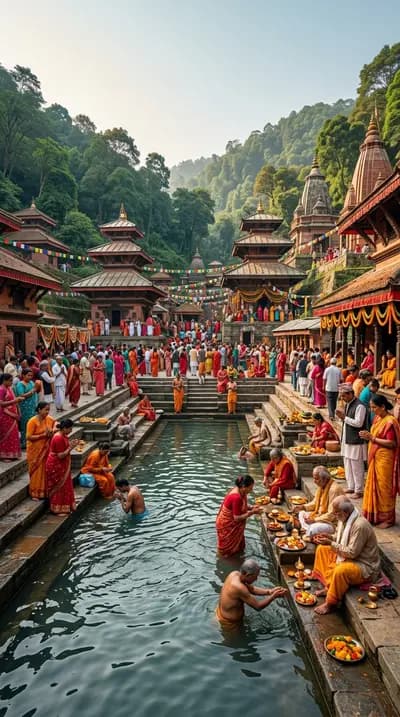
Godavari Kunda
 Jan 15 – Jan 16, 2027
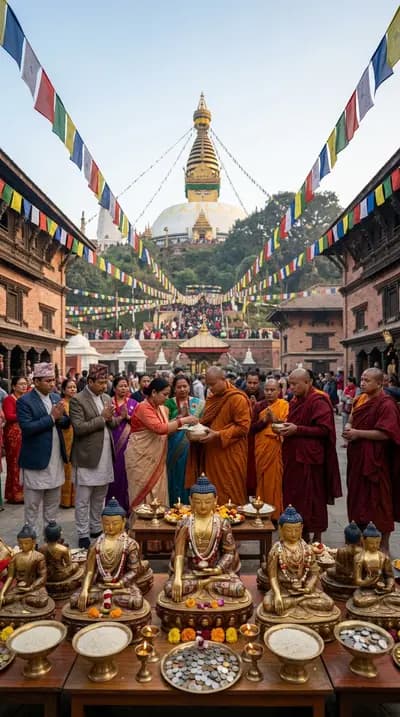
Swayambhu Bhuikhhel