Loading...
8 days
1 Option Available
Annapurna Winter Trek: 8 Days December to February Snow Season
Country
Nepal
Duration
8 days
Best season
["SPRING"]
Group size
Flexible group size
Difficulty
moderate
0(0 reviews)
Annapurna Region, Nepal
Tour Description
Annapurna Winter Trek: 8 Days of Snowy Trails, Quiet Mountains, and Poon Hill Sunrise
Annapurna Winter Trek Overview
The Annapurna Winter Trek offers a different way to experience the Himalayas, replacing busy autumn trails with quieter mountain paths, snow-covered landscapes, and peaceful mornings beneath the Annapurna range. Running from December through February, this 8-day journey takes trekkers through traditional Gurung villages, rhododendron forests, and beautiful Himalayan viewpoints, including Ghorepani and the famous Poon Hill sunrise viewpoint. Rather than rushing through the mountains, the experience focuses on a comfortable winter pace, thoughtful preparation, and opportunities to appreciate Nepal's natural beauty during the colder months.
Winter trekking requires more planning than a typical spring or autumn journey, particularly when temperatures drop and icy sections appear along stone staircases. This package addresses those challenges with expedition-grade sleeping bags, microspikes for suitable icy sections, snow gaiters, insulated water bottles, and a licensed guide experienced in winter trekking. Accommodation is selected with attention to dining-room heating and available facilities, while meals, permits, and private transfers are included according to the package arrangements. For travelers who value peaceful trails and dramatic winter scenery, this 8-day Annapurna winter adventure offers a rewarding alternative to peak-season trekking.
Why Choose Annapurna for a Winter Trek?
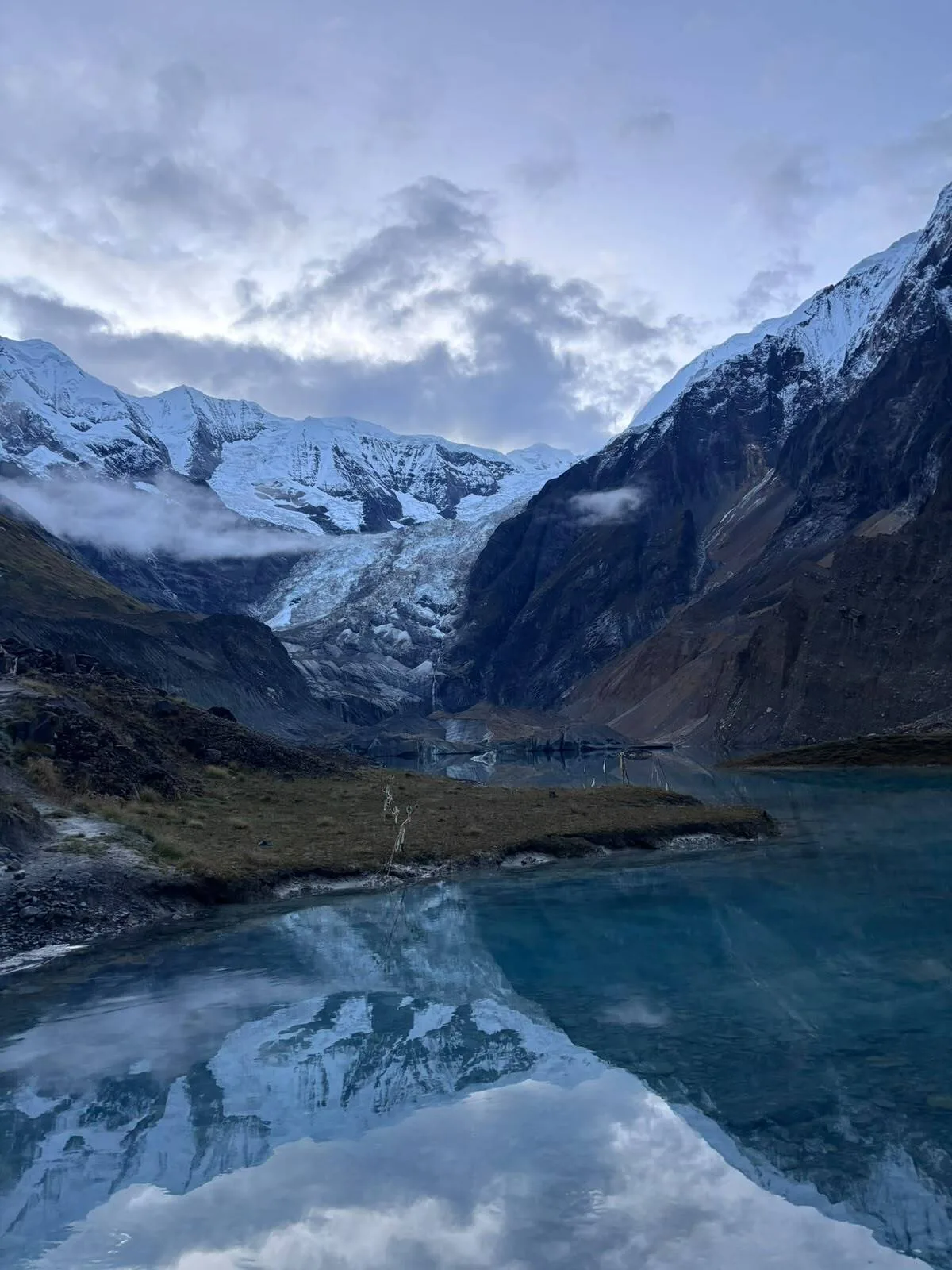
The Annapurna region is one of Nepal's most accessible and diverse trekking destinations. Its combination of traditional villages, forested hillsides, terraced farmland, and high Himalayan viewpoints makes it suitable for travelers seeking a meaningful mountain experience without committing to a long expedition. Winter brings a different atmosphere to the region, with colder mornings, occasional snowfall, quieter settlements, and beautiful contrasts between white mountain peaks and darker forest ridges.
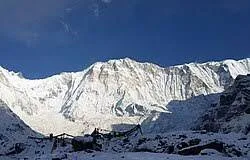
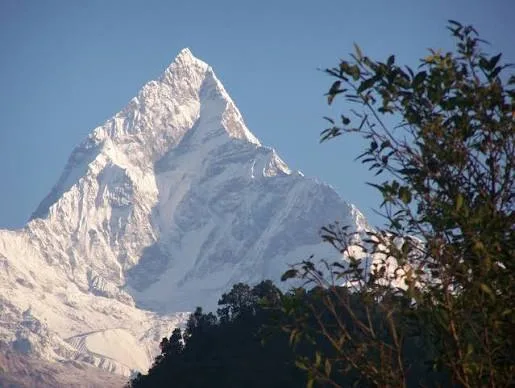
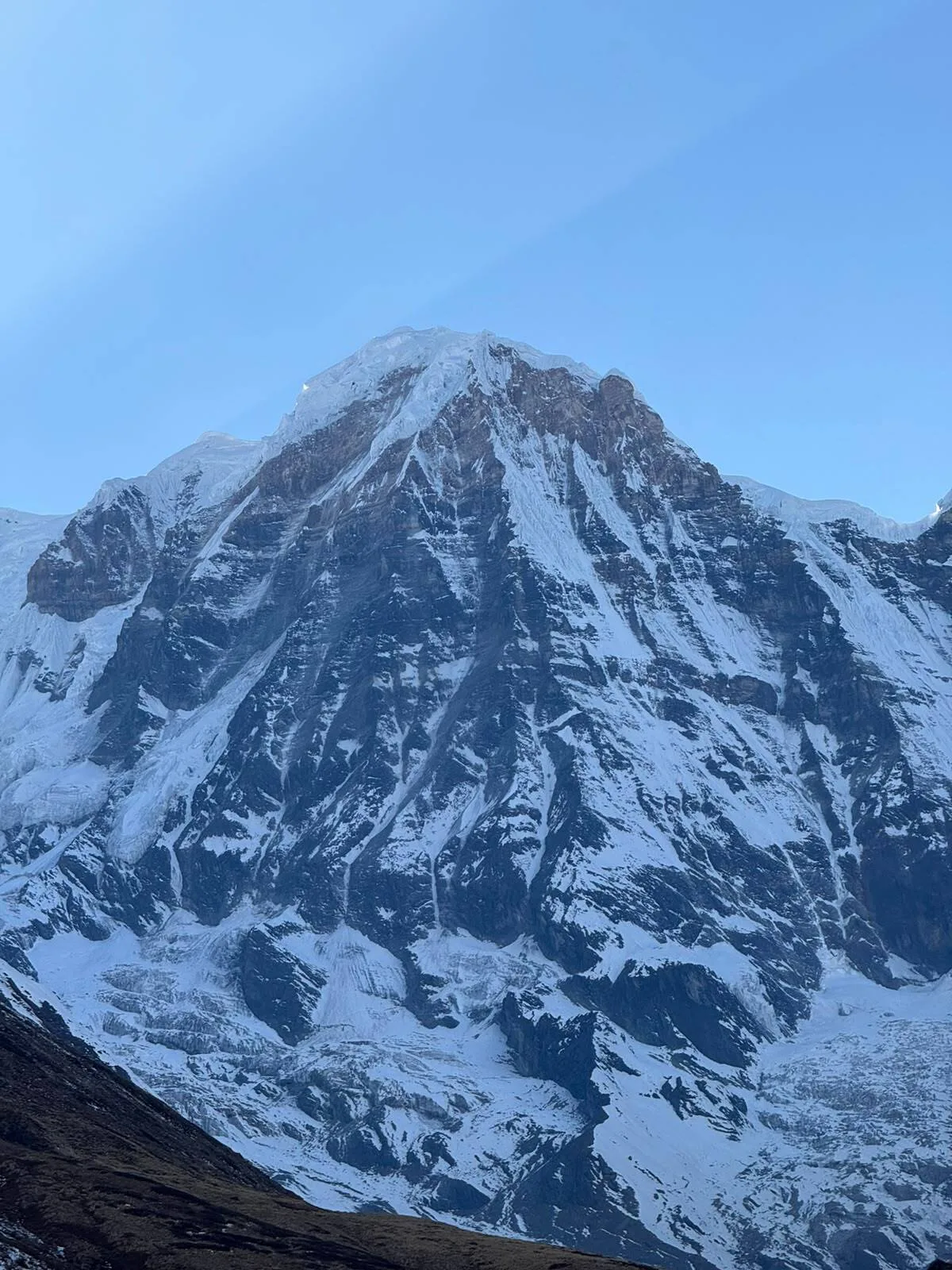
December, January, and February can provide excellent mountain views when skies are clear, although weather conditions vary from day to day. Some mornings reveal sharp outlines of Annapurna South and neighboring peaks, while other days bring clouds, snow, or limited visibility. This natural unpredictability is part of winter travel, making flexibility an important element of the experience.
Another attraction is the opportunity to enjoy popular viewpoints with fewer trekkers than during the busiest autumn periods. The atmosphere around Ghorepani and Poon Hill can feel especially peaceful during quieter periods, allowing more time to appreciate the landscape and photograph the mountains. However, trail traffic, snowfall, and accommodation availability vary by date, so completely empty trails should not be guaranteed.
Travelers planning their first Himalayan holiday can also explore the wider range of experiences available through Enticing Himalayas, where trekking, cultural discovery, and nature-focused travel come together.
Experience the Beauty of Ghandruk and Tadapani
Ghandruk is one of the best-known traditional villages in the Annapurna region. Surrounded by mountain scenery and terraced hillsides, it offers an introduction to Gurung culture, local architecture, and the daily life of communities connected to trekking tourism. Stone houses, narrow village lanes, and mountain views create a welcoming setting for travelers who want to experience more than the walking trail itself.
Winter gives the surrounding landscape a distinctive character. Clear mornings can reveal impressive mountain panoramas, while cold evenings encourage visitors to relax indoors and enjoy the hospitality of local teahouses. Families, couples, photographers, and experienced trekkers may all appreciate the quieter atmosphere, although everyone should prepare for chilly conditions.
The journey toward Tadapani introduces a different landscape of forest trails, moss-covered trees, and rhododendron woodland. In winter, sections of the route may be frosty or icy, particularly in shaded areas where sunlight reaches the ground less frequently. Microspikes can provide additional traction when conditions are suitable, but they do not eliminate the risk of slipping. Walking carefully and following the guide's advice remain essential.
Tadapani also offers beautiful opportunities to appreciate the surrounding mountains when visibility is favorable. The combination of forest scenery, fresh mountain air, and traditional accommodation makes this section an enjoyable part of the winter journey.
Ghorepani: A Peaceful Winter Mountain Village
Ghorepani is a major highlight of the Annapurna Winter Trek. Located along the trekking route toward Poon Hill, this mountain settlement provides a comfortable stopping point before the early-morning viewpoint excursion. During winter, the village can experience freezing temperatures, frost, and occasional snow, transforming the surrounding hillsides into a striking seasonal landscape.
Cold-weather preparation is particularly important here. Temperatures can fall below freezing overnight, and conditions may become especially cold before sunrise. The exact temperature depends on the weather, elevation, and time of year, so travelers should prepare for changing conditions rather than rely on a single temperature estimate.
The package's four-season sleeping bags, insulated water bottles, and winter clothing recommendations help address common challenges. Teahouse facilities differ between properties, however, and a heated dining room does not necessarily mean that bedrooms or bathrooms will also be heated. Travelers should confirm accommodation expectations with the operator before departure.
Evenings in Ghorepani can become memorable parts of the trek. After a day outdoors, enjoying a warm meal and resting in a mountain lodge provides time to recover and prepare for the next morning's walk. The quieter winter atmosphere can make these simple moments particularly rewarding.
Poon Hill Sunrise: The Highlight of the Journey
Poon Hill is among the Annapurna region's most famous viewpoints, known for its panoramic mountain scenery and early-morning sunrise views. The climb to the viewpoint typically begins before dawn, allowing trekkers to arrive in time to watch the changing light illuminate the Himalayan peaks.
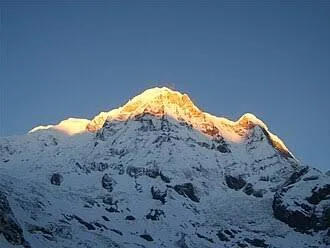
When the weather cooperates, the landscape can reveal an impressive panorama of the Annapurna and Dhaulagiri ranges. As the sky brightens, snowy summits gradually change color, creating memorable opportunities for photography and quiet reflection. For many trekkers, this moment becomes the emotional highlight of the journey.
Winter adds an extra layer of preparation to the sunrise excursion. The trail may be dark, cold, or icy, so a headlamp, warm gloves, insulated clothing, and suitable footwear are important. Microspikes should be used when appropriate and as advised by the guide. The group should maintain a manageable pace rather than rushing to reach the viewpoint.
Sunrise visibility is never guaranteed. Clouds, snowfall, wind, and changing weather may affect the panorama, and the guide may recommend postponing or modifying the excursion if conditions are unsafe. The priority is to enjoy the experience responsibly rather than take unnecessary risks for a photograph.
Travelers interested in combining mountain scenery with a slower, wellness-focused experience can also explore the Annapurna Yoga Trek with Poon Hill Sunrise, which offers a different approach to discovering the Annapurna landscape.
Winter Trekking Gear and Cold-Weather Comfort
Proper equipment is one of the most important parts of a successful winter trek. Temperatures can change significantly between sunny afternoons and cold nights, making a layered clothing system more practical than relying on a single heavy jacket.
Trekkers should bring thermal base layers, insulating mid-layers, a warm down or synthetic jacket, waterproof outerwear, trekking trousers, warm socks, gloves, and a winter hat. Well-fitted trekking boots with reliable grip are essential for uneven trails and potentially icy stone steps.
The package includes winter equipment such as expedition-grade sleeping bags, snow gaiters, and a microspike or crampon loan set, according to the confirmed package specifications. These items help prepare trekkers for colder conditions, but their suitability depends on the actual terrain and weather. Technical crampons are not interchangeable with lightweight microspikes, and the guide should determine which traction equipment is appropriate for a particular section.
An insulated water bottle can help keep drinking water from becoming uncomfortably cold, while a headlamp is useful for early starts and dark evenings. Camera batteries and mobile devices should be protected from low temperatures, as cold weather can reduce battery performance.
Travelers should review the equipment list before departure and confirm whether any items require a deposit, fitting, or additional payment. Carrying appropriate personal gear makes the journey more comfortable and reduces the likelihood of avoidable problems.
Winter Safety and Flexible Route Planning
Winter trekking is rewarding, but it requires realistic expectations and careful decisions. Snowfall, ice, cold temperatures, and changing visibility can affect walking conditions, especially on shaded forest paths and higher ridges. A route that feels straightforward in dry weather may require extra time or a different approach after a cold night or snowfall.
The Annapurna Winter Trek includes a winter-specialist licensed guide who can assess daily conditions and advise the group on appropriate route choices. If heavy snowfall or unsafe ice affects the trail above Tadapani, the plan may need to change, potentially replacing the Ghorepani overnight with an earlier return to Ghandruk. Travelers should confirm the package's alternative-route policy and any applicable costs before departure.
Although the itinerary includes private transfers and a planned schedule, transportation can still be affected by road conditions, weather, or operational changes. Keeping a buffer in the overall holiday schedule is sensible, particularly before an international flight.
Trekkers should communicate openly if they feel unusually cold, exhausted, unwell, or uncomfortable on an icy section. Guides may slow the pace, modify the route, or recommend turning back when necessary. Responsible winter trekking means understanding that reaching a particular village or viewpoint is never more important than the safety of the group.
Permits, Meals, Accommodation, and Transfers
Organizing a winter trek involves more than selecting a route and packing warm clothing. Permit arrangements, transportation, meals, and overnight accommodation all contribute to a smoother experience, particularly when seasonal weather can create additional challenges.
According to the package description, the Annapurna Winter Trek includes the applicable Annapurna Conservation Area Permit (ACAP), TIMS permit where required, meals during the trek, private transfers, and specified winter equipment. The operator should confirm current permit requirements and explain which transportation services are covered by the package.
Teahouse accommodation provides an opportunity to experience the hospitality of mountain communities. Facilities may be simpler than those in Pokhara or Kathmandu, and room heating, hot water, electricity, and charging facilities can vary. Travelers should check what is included in the price and budget for any excluded personal expenses.
Meals during the trek help maintain energy for walking in cold conditions. Eating regularly and drinking enough fluids remain important even when the weather reduces the sensation of thirst. Travelers with dietary restrictions should inform the operator before departure so suitable arrangements can be discussed.
Clear information about inclusions, exclusions, equipment loans, and alternative-route arrangements helps travelers understand the overall value of the package before booking.
Who Should Choose the Annapurna Winter Trek?
This winter adventure is suitable for travelers who enjoy mountain scenery, quieter trails, and the atmosphere of Nepal's colder season. It may appeal to photographers, couples, small groups, and experienced hikers looking for a different perspective on a familiar trekking region.
It can also suit travelers who prefer a shorter mountain holiday rather than a longer expedition. However, winter trekking still requires a reasonable level of fitness, appropriate equipment, and the ability to walk on uneven terrain in cold conditions. People who are uncomfortable with freezing temperatures or uncertain footing may prefer visiting the Annapurna region during a warmer season.
Previous high-altitude trekking experience is helpful but does not replace preparation. The guide's advice, suitable clothing, and a flexible approach are essential for participants of different experience levels.
Travelers considering other trekking options can browse the Enticing Himalayas tour collection to compare routes, durations, and experiences before choosing the adventure that best matches their interests.
Best Time for the Annapurna Winter Trek
The Annapurna Winter Trek operates from December through February, with each month offering slightly different conditions. December can bring crisp mornings and attractive mountain views, while January is often among the coldest periods. February may offer gradually changing conditions toward the end of winter, although cold nights and snowfall remain possible.
The best departure depends on current forecasts, trail conditions, and individual preferences. Travelers hoping to photograph snowy landscapes should understand that snowfall is variable and cannot be guaranteed on specific dates. Likewise, clear skies may provide spectacular views, but winter weather can occasionally obscure the mountains.
Booking ahead helps with planning accommodation, equipment, and transportation, while maintaining flexibility allows the guide to respond to actual conditions. A responsible operator should explain how weather-related changes are handled and what support is available if the route needs to be modified.
Book Your Annapurna Winter Trek with Enticing Himalayas
The 8-day Annapurna Winter Trek offers a distinctive way to explore Nepal's mountains during December, January, and February. From the traditional village atmosphere of Ghandruk to the forested trails around Tadapani, the snowy possibilities of Ghorepani, and the sunrise panorama from Poon Hill, the journey combines natural beauty with a quieter seasonal experience.
With winter equipment, a licensed guide, meals, applicable permits, and private transfers included according to the package terms, the trek is designed to make cold-season travel more organized. Its most important advantage, however, is the opportunity to experience the Annapurna foothills at a different pace, with time to appreciate the landscape rather than simply follow the crowds.
Before confirming a departure, review the exact itinerary, accommodation standards, equipment arrangements, permit coverage, and alternative-route policy. Prepare for freezing mornings, bring appropriate clothing, and remain flexible when conditions change.
For travelers who value peaceful trails, crisp mountain air, and the magic of a Himalayan sunrise, winter can be a rewarding time to discover the Annapurna region. Trade the crowds for quiet trails, embrace the winter landscape, and experience Poon Hill in a different season with Enticing Himalayas.
Highlights
What's Included
What's Not Included
Not Suitable For
Important Information
What to Bring
Know Before You Go
Not Allowed
Detailed Itinerary
Day 1Pokhara arrival, winter kit issue
Welcome to Pokhara! A driver meets you and takes you to your hotel, where you can rest. You’ll receive your expedition sleeping bag and microspikes, so you’re ready for the cold ahead. Over dinner, we hold a winter briefing covering trail conditions, weather, and ways to stay warm and safe.
Day 2Pokhara to Ghandruk (1,940m)
We begin with a private jeep ride to Kimche, then take a gentle two-hour walk into Ghandruk, a charming Gurung village. After settling in, spend the afternoon exploring its stone-paved lanes and village life. In the evening, relax in a cozy heated dining lodge and warm up after the chilly day.
Day 3Ghandruk to Tadapani (2,630m)
Enjoy a four-hour morning walk through a quiet, snowy forest, where the air is crisp and the trail feels peaceful. We stop for a hot lunch, then spend the whole afternoon beside the stove, warming your hands, resting your legs, and sharing stories with fellow trekkers.
Day 4Tadapani to Ghorepani (2,860m)
Today’s three-hour walk follows a snow-covered trail up to Ghorepani, with views opening as you climb. Once you settle into the lodge, rest and warm up. In the evening, we hold a briefing for tomorrow’s Poon Hill climb, covering timing, gear, and what to expect in the cold.
Day 5Poon Hill sunrise (3,210m), descend to Banthanti
Before dawn, we climb to Poon Hill with microspikes for steady grip on the icy path. At the top, snow-covered peaks glow in the first golden light of sunrise. After a hearty breakfast back at the lodge, we descend gently to Banthanti (2,220 m).
Day 6Banthanti to Jhinu Danda (1,780m), hot springs
Walk about three hours to Jhinu, where the day’s real reward awaits: the riverside hot springs. Soaking in the warm water is the best antidote to winter cold, easing tired muscles after days on the trail. Relax, unwind, and enjoy a peaceful evening by the river.
Day 7Jhinu to Siwai, jeep to Pokhara
Enjoy a short two-hour walk, then hop on a jeep back to Lakeside in Pokhara. At your hotel, treat yourself to a long, hot shower. In the evening, join the group for a farewell dinner to celebrate the trek, share favorite moments, and toast your winter adventure.
Day 8Departure
After breakfast, you’ll be transferred to the airport or the Kathmandu-bound bus. Say goodbye to your guide and fellow trekkers, and carry home snowy mountain memories, new friendships, and the quiet calm of the Himalayas. Your trip ends here.
Gallery
0 photosNo gallery images available for this tour.
Downloads
No downloadable files available for this tour.
00 reviews
5
0
4
0
3
0
2
0
1
0
No reviews yet. Be the first to review this tour!
Tour Video
No video available for this tour.
1 option available
Annapurna Winter Trek: 8 Days December to February Snow Season
Standard tour package with flexible dates
8 days
Guide: English
Select a date
1
$1,208
1 Adult × $1,208
Free cancellation
Cancel up to 24 hours in advance for a full refund
From
$1,208/person
Booking options
Choose a departure below, or use the availability calendar to select a flexible date. Availability and final pricing are confirmed during booking.