Loading...
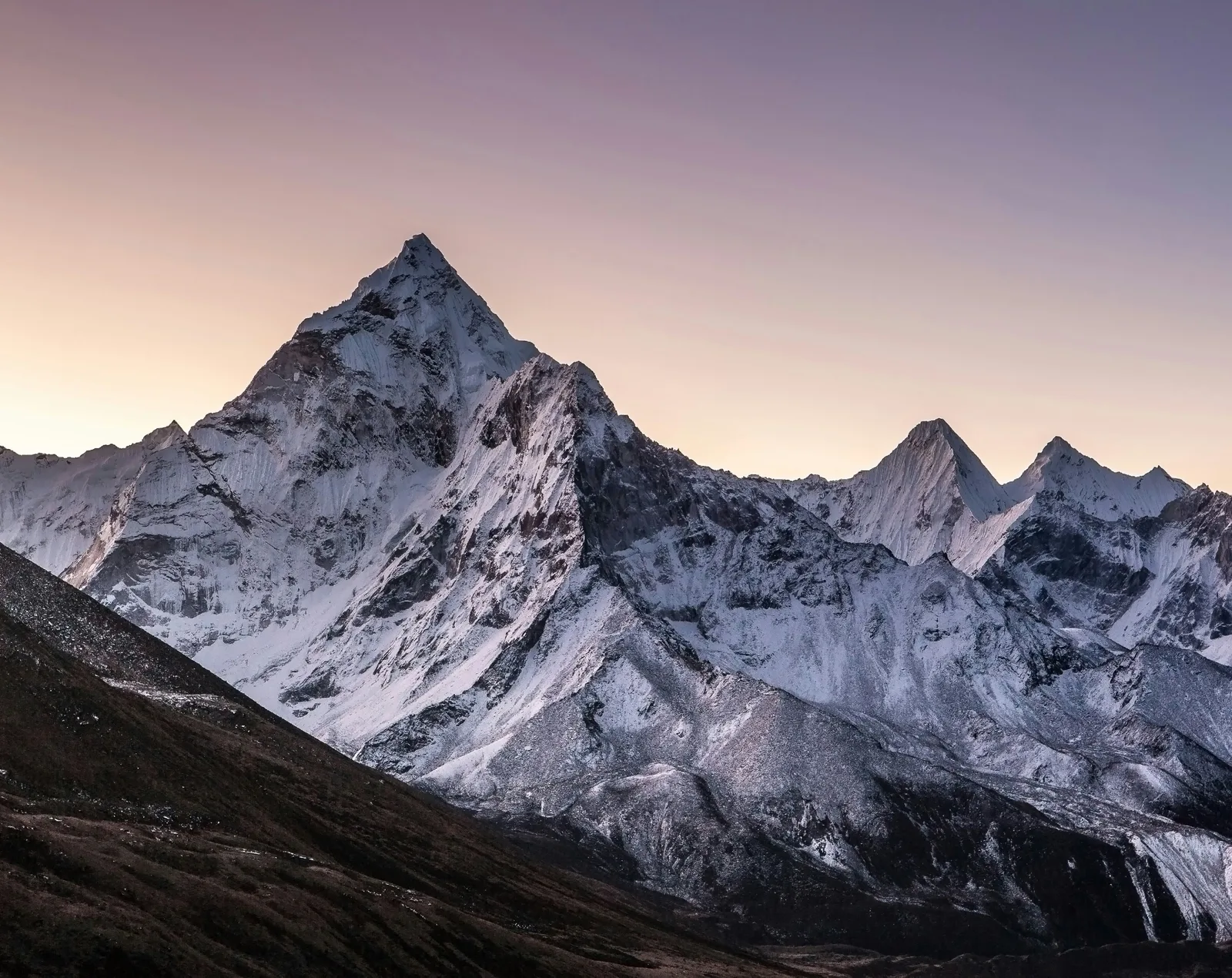
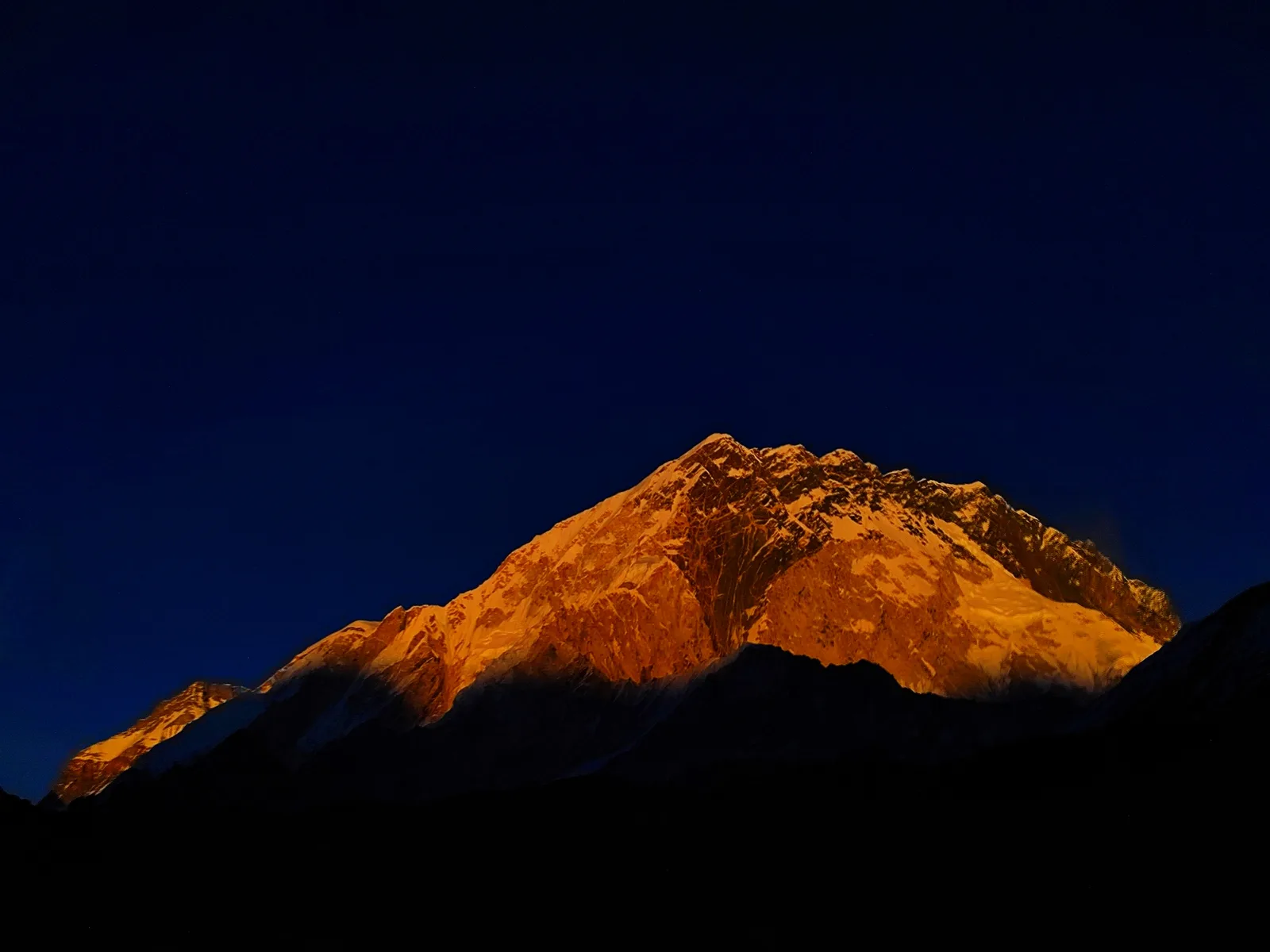
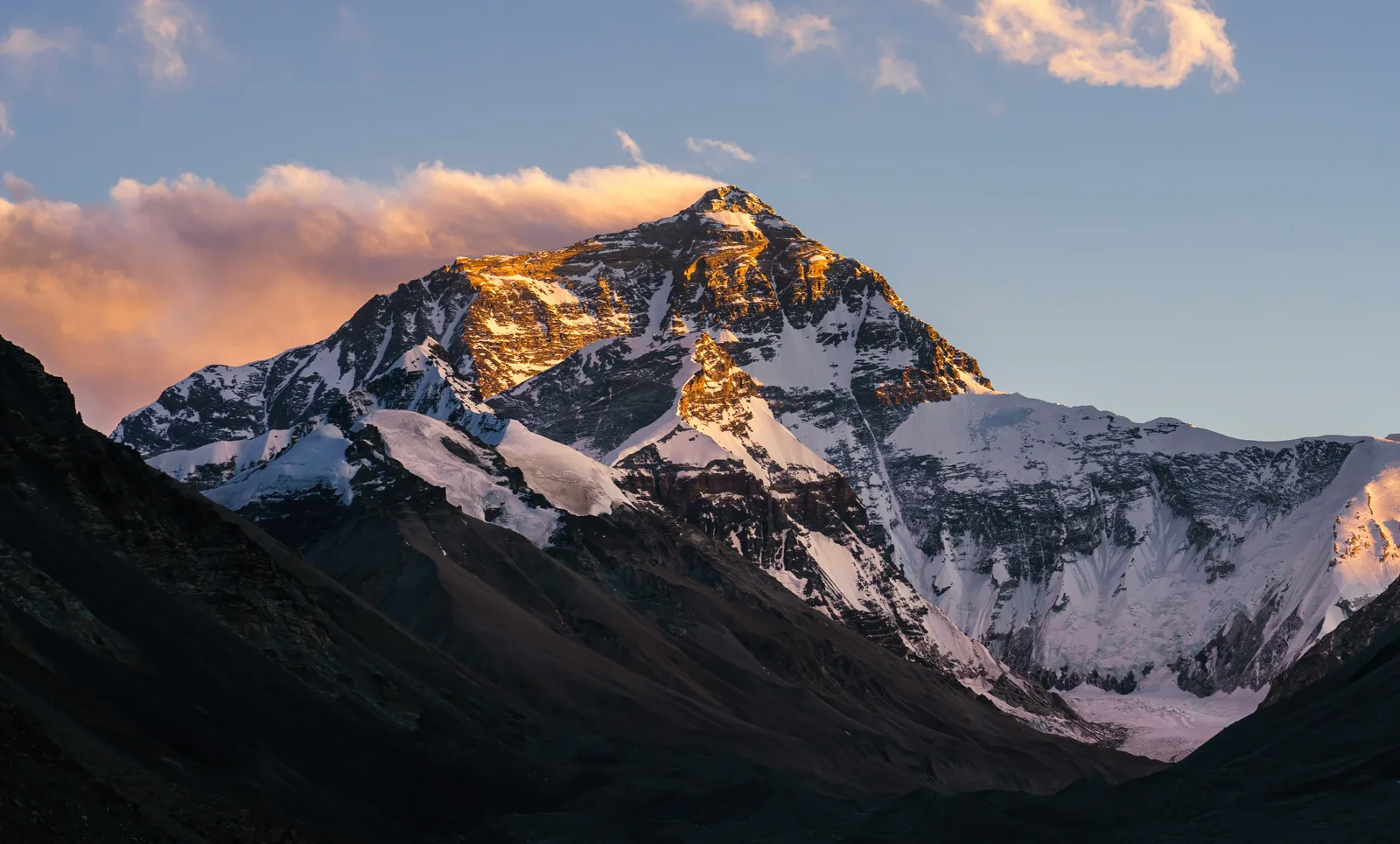
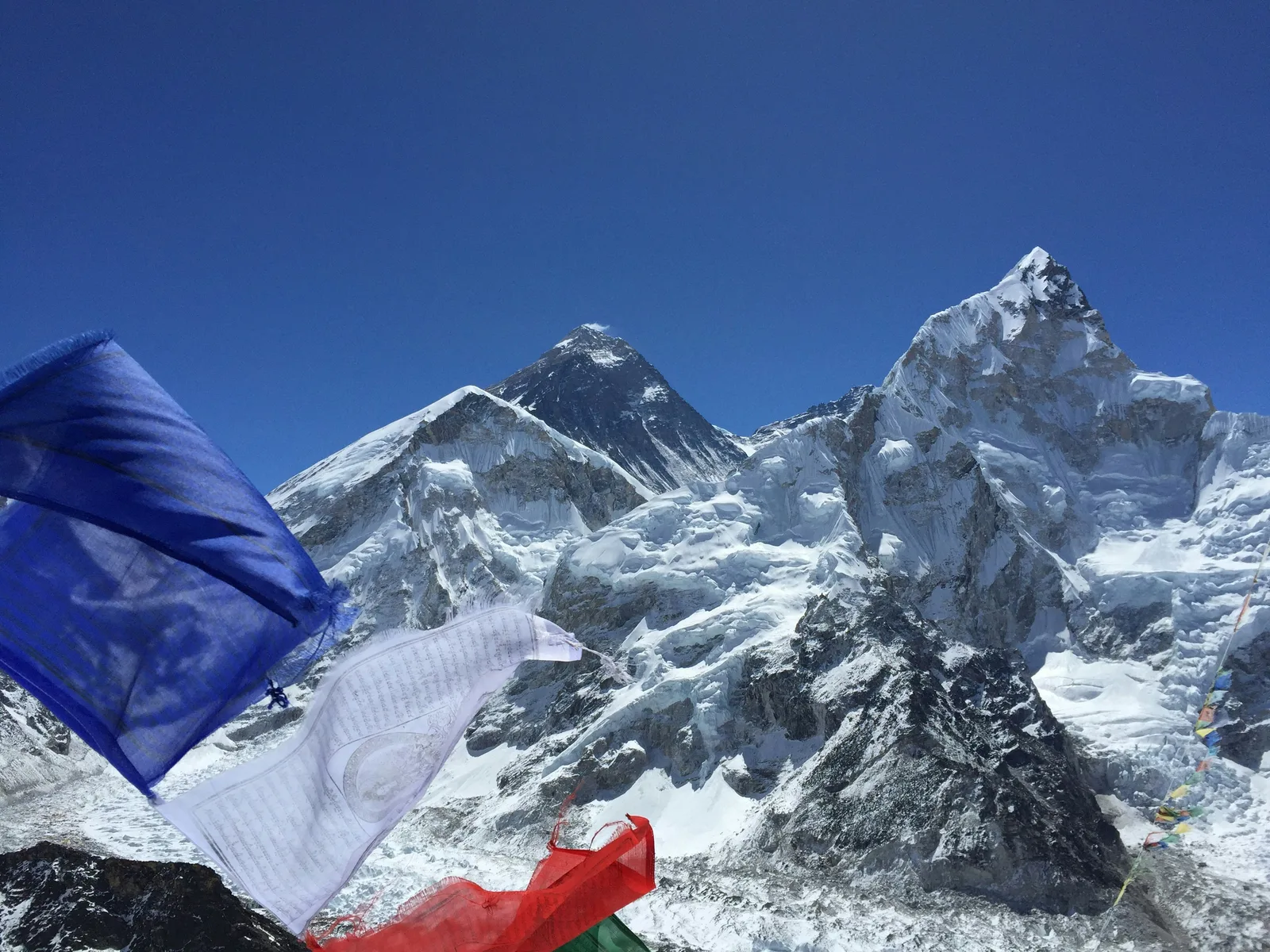
14 days
1 Option Available
14 Days Everest Base Camp Budget Trek Group Joining
Country
Nepal
Duration
14 days
Best season
["SPRING","AUTUMN","WINTER"]
Group size
Flexible group size
Difficulty
challenging
5(10 reviews)
Solukhumbu, Everest Region
Tour Description
Everest Base Camp Budget Trek — 14 Days of Authentic Himalayan Adventure
Experiencing the majesty of Mount Everest should not require spending a fortune. The 14-day Everest Base Camp Budget Trek is designed for travelers who want to experience one of the world's most iconic trekking adventures without paying for unnecessary luxury. This journey focuses on the essentials: spectacular Himalayan scenery, traditional mountain villages, authentic local food, comfortable basic teahouses, and the unforgettable achievement of reaching Everest Base Camp at approximately 5,364 meters above sea level. You will follow the legendary trails of the Khumbu region, walk through welcoming Sherpa communities, cross suspension bridges above rushing rivers, and witness extraordinary mountain views along the way. Instead of private luxury accommodation and elaborate dining arrangements, the emphasis is on a practical trekking experience that makes the most of your budget. With licensed English-speaking guides, planned acclimatization, and a small group of fellow adventurers, this 14-day journey offers a rewarding way to discover the Everest region while keeping costs manageable.
Why Choose the Everest Base Camp Budget Trek?
The Everest Base Camp Budget Trek is ideal for travelers who value adventure, cultural experiences, and mountain scenery more than luxury facilities. Trekking in the Himalayas does not require expensive accommodation or premium services to be memorable. Often, the most meaningful moments happen while walking along a mountain trail, sharing a meal with fellow trekkers, or watching the first sunlight illuminate the surrounding peaks.
This package removes selected luxury extras while preserving the essential elements of the trekking experience. You follow the classic Everest Base Camp route, stay in basic but clean teahouses, enjoy hearty meals, and receive guidance from experienced trekking professionals. Rather than spending more on private rooms or elaborate dining, you can focus your budget on experiencing the mountains themselves.
The group format also creates opportunities to meet travelers from different countries and backgrounds. Walking together, sharing stories, and celebrating each day's progress can create friendships that continue long after the trek ends. For solo travelers, a group departure can be an especially enjoyable way to experience the Everest region.
Budget travel does not mean ignoring safety or preparation. Proper acclimatization, suitable equipment, experienced guides, and a realistic itinerary remain essential. The goal is to reduce unnecessary expenses while maintaining a responsible and enjoyable trekking experience.
Follow the Legendary Everest Base Camp Trail
The classic Everest Base Camp route takes you through the heart of the Khumbu region, where dramatic landscapes and traditional mountain settlements create a distinctive Himalayan experience. The journey typically begins with travel toward the Everest region and continues on foot through villages, forested trails, river valleys, and increasingly rugged alpine terrain.
Namche Bazaar is one of the most recognizable settlements along the route. Built into a mountainside, this lively Sherpa town serves as a major trading and trekking center. It offers shops, bakeries, local businesses, and opportunities to learn about the culture and mountaineering heritage of the region.
Beyond Namche, the trail continues toward Tengboche, Dingboche, and other high-altitude settlements, depending on the itinerary. Buddhist monasteries, prayer flags, mani stones, and traditional villages reveal the cultural significance of the mountains to local communities.
As you gain elevation, the landscape gradually changes. Forests become less common, the terrain grows rockier, and enormous Himalayan peaks dominate the horizon. Every section of the journey provides a different perspective on the Khumbu, making the walk itself a major part of the adventure.
The budget approach does not change the destination or the natural beauty of the trail. You still experience the same remarkable region, although the accommodation and services may be simpler than those offered by luxury trekking packages.
Reach Everest Base Camp at 5,364 Meters
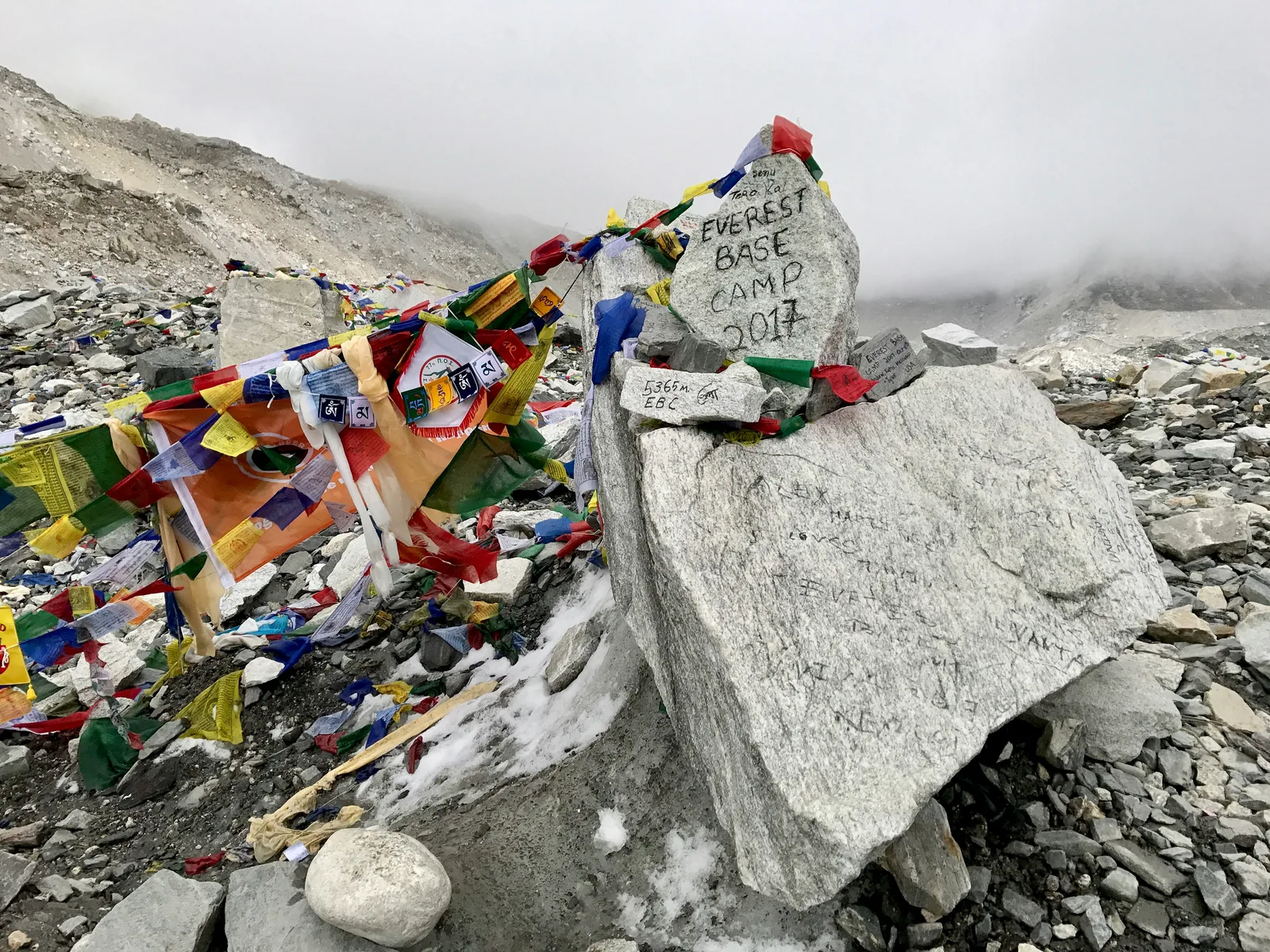
The highlight of the expedition is reaching Everest Base Camp, located at approximately 5,364 meters beside the Khumbu Glacier. This legendary destination is closely associated with the mountaineering expeditions that attempt to climb Mount Everest, the world's highest mountain.
Arriving at base camp is a memorable achievement because it represents days of walking, gradual acclimatization, and determination. The surrounding landscape features glacial debris, rugged mountain slopes, and an extraordinary high-altitude environment. During the spring climbing season, expedition tents may add color and activity to the area.
Everest Base Camp itself does not always provide a direct view of Everest's summit, as nearby mountains obstruct parts of the skyline. Nevertheless, its historical significance, glacial setting, and proximity to the world's highest mountain make it one of Nepal's most celebrated trekking destinations.
A visit to base camp should be approached with realistic expectations. Conditions can be cold and windy, and the altitude can make even a short walk feel demanding. Your guide should help manage the pace and assess whether the group is ready to continue.
For many travelers, reaching base camp is not simply about taking a photograph. It is the culmination of a journey through remarkable landscapes, local communities, and a challenging mountain environment.
Basic Teahouses and Authentic Mountain Hospitality
One of the main ways this trek keeps costs manageable is through basic teahouse accommodation rather than luxury lodges. Teahouses are an essential part of trekking life in the Everest region, providing places to sleep, eat, warm up, and connect with other travelers.
Accommodation generally consists of simple rooms with beds and basic furnishings. Bathrooms may be shared, and facilities vary depending on the village, lodge, and season. Rooms at higher elevations can be cold, and the availability of hot showers, electricity, charging facilities, and internet may be limited or involve additional charges.
Although the facilities are simpler, teahouses offer an authentic experience of Himalayan hospitality. The communal dining areas often become the social center of the evening, where trekkers gather around warm meals, discuss the day's walk, and share stories from the trail.
The package focuses on clean and practical accommodation rather than premium room features. Private rooms may be available at selected stops for an additional fee, but availability cannot always be guaranteed, particularly during busy trekking seasons.
Travelers should confirm the exact accommodation standard and included services before booking. Understanding what to expect helps avoid surprises and allows you to appreciate the experience for what it is: a practical, community-oriented way to explore the Himalayas.
Enjoy Hearty Local Meals Along the Way
Food is an important part of trekking, especially when you are walking for several hours each day at increasing elevations. The Everest Base Camp Budget Trek emphasizes filling, practical meals that provide energy for the trail without the cost of elaborate dining arrangements.
Dal bhat is one of the most popular meals in Nepal. Typically served with rice, lentil soup, vegetables, and accompaniments, it is a satisfying choice for trekkers. Teahouse menus may also include noodles, soups, potatoes, eggs, pancakes, bread, rice dishes, and other familiar options.
Menu variety often decreases at higher elevations because food supplies must be transported into remote mountain settlements. Prices can also increase as the trail climbs, making it important to budget for meals and drinks according to the package's inclusion policy.
Sharing meals in a communal dining room is part of the social experience. Travelers can exchange stories, learn about other cultures, and build friendships with fellow adventurers. These everyday moments often become some of the most enjoyable memories of the trek.
If you have dietary restrictions or food allergies, inform the trekking operator before departure. Drinking sufficient safe water and eating regularly are also important for maintaining energy during the journey.
Experienced Guides and Group Support
A licensed, English-speaking trekking guide is an important part of a successful Everest Base Camp expedition. Guides help navigate the route, coordinate daily arrangements, explain local culture, and provide information about the mountains and settlements along the trail.
The package emphasizes experienced guides while keeping accommodation and other selected services simple. A good guide also helps monitor the group's pace, identify signs of altitude-related illness, and make decisions when weather or trail conditions change.
The planned group size of approximately 10–12 travelers creates a balance between shared adventure and manageable group coordination. Smaller groups can make it easier to communicate, enjoy shared experiences, and build friendships along the way.
However, a group trek requires cooperation. Participants may have different walking speeds, energy levels, and preferences, so patience and communication are important. The guide should explain how the group will manage breaks, daily departures, and any differences in pace.
Before booking, confirm the actual group-size limit, guide-to-trekker ratio, and whether porter support is included. These details can vary between departures and operators.
Safety and Acclimatization Come First
Although the Everest Base Camp Budget Trek reduces selected expenses, safety should never be treated as an optional extra. The route reaches a high altitude where the body receives less oxygen, and altitude-related illness can affect even fit and experienced trekkers.
A responsible itinerary includes appropriate acclimatization arrangements and a gradual ascent. Rest and acclimatization days allow the body time to adjust, although they do not eliminate the risk of altitude sickness.
The package description includes daily pulse oximeter monitoring and a comprehensive medical kit. These can support routine monitoring and basic first aid, but a pulse oximeter reading alone cannot determine whether someone is safe to ascend. Symptoms and overall condition must also be considered, and medical equipment cannot replace professional assessment or emergency evacuation arrangements.
Common symptoms of altitude sickness include headache, nausea, dizziness, unusual fatigue, and loss of appetite. Severe symptoms such as confusion, difficulty walking, or breathlessness at rest require urgent medical attention and descent when appropriate. Trekkers should tell their guide immediately if they feel unwell rather than hiding symptoms to keep up with the group.
Before departure, confirm what emergency support is included and obtain travel insurance that specifically covers high-altitude trekking and emergency evacuation where available. The guide must be able to adjust the plan when health, weather, or trail conditions make continuing unsafe.
Is the Budget Everest Base Camp Trek Right for You?
This trek is suitable for travelers who want to experience the Everest region without paying for luxury accommodation and premium services. It can be especially appealing to students, solo travelers, backpackers, couples, and adventure enthusiasts who prefer spending money on experiences rather than upgraded rooms.
However, a budget package is not necessarily an easy package. Reaching Everest Base Camp requires several consecutive days of walking, substantial elevation gain, and the ability to cope with cold weather and high altitude. A reasonable level of cardiovascular fitness, strong motivation, and appropriate preparation are essential.
Before departure, build your endurance through regular walking, hiking, stair climbing, or other suitable exercise. Practice using your trekking boots and daypack, and make sure your clothing is suitable for changing temperatures.
Travelers should also understand which services are included in the package price. Flights, airport transfers, meals, drinks, snacks, showers, charging, Wi-Fi, tips, personal equipment, and emergency costs may be treated differently by different operators. Requesting a written breakdown helps you calculate the true cost of the journey.
Best Time for the Everest Base Camp Budget Trek
Spring and autumn are generally popular seasons for trekking to Everest Base Camp. Spring brings gradually warming temperatures and the possibility of clear mountain views, while autumn often provides favorable trekking conditions after the summer monsoon.
Winter can offer quieter trails and beautiful snow-covered scenery, but temperatures become very cold, particularly at higher elevations. The monsoon season can bring rain, cloud, slippery paths, and changes to transport schedules.
The best departure time depends on weather conditions, accommodation availability, your preferences, and the operator's itinerary. Booking ahead during popular periods can help secure suitable accommodation and transport arrangements.
No season guarantees uninterrupted mountain views. A flexible mindset and proper preparation will help you enjoy the journey even when weather conditions change.
What to Pack for Your Budget Trek
Packing carefully is one of the simplest ways to manage costs while staying comfortable. Essential items include sturdy trekking boots, layered clothing, a warm insulated jacket, waterproof outerwear, warm gloves, a hat, trekking socks, sunglasses, and sunscreen.
A comfortable daypack should carry water, snacks, personal medication, rain protection, important documents, and extra layers. A headlamp is useful for early starts, and trekking poles can help with balance during steep ascents and descents.
A sleeping bag may be recommended because rooms at higher elevations can be cold and blankets may not always provide enough warmth. Confirm the seasonal equipment requirements with your operator and ask whether sleeping bags or other items can be rented.
Carry a reusable water bottle and follow guidance on treating drinking water safely. Bring any essential personal medication, and avoid packing unnecessary items that increase the weight you need to carry.
A thoughtful packing plan reduces the likelihood of needing to buy expensive supplies along the trail while ensuring that you are prepared for the conditions.
Responsible Budget Travel in the Khumbu Region
Budget trekking can support local communities when travelers choose local lodges, guides, and services responsibly. Staying in teahouses provides opportunities to interact with local businesses and experience the hospitality of mountain communities.
Travelers should respect local customs, follow monastery rules, ask permission before photographing people, and avoid leaving rubbish behind. Carrying reusable containers and following local waste-management guidance can help reduce the environmental impact of trekking.
Responsible travel also includes treating guides and porters fairly. Confirm appropriate luggage limits, working conditions, equipment, and insurance arrangements when porter services are included.
The Everest region is not simply a scenic destination. It is home to communities with deep cultural and spiritual connections to the mountains. Respecting those communities helps make the journey more meaningful and supports the preservation of the region's heritage.
Experience Everest Without the Luxury Price Tag
The 14-day Everest Base Camp Budget Trek offers an opportunity to experience one of the world's most famous mountain destinations while keeping costs manageable. From the busy trails around Namche Bazaar to the dramatic surroundings of Everest Base Camp, the journey combines spectacular scenery, cultural discovery, simple accommodation, and shared adventure.
You do not need a luxury lodge or gourmet dining to appreciate the scale of the Himalayas. A warm meal, a clean place to sleep, a knowledgeable guide, and the company of fellow trekkers can be enough to create lasting memories.
The most important investment is your preparation, fitness, and respect for the mountain environment. By understanding the included services, allowing time for acclimatization, and following your guide's safety advice, you can focus on enjoying the experience rather than worrying about unnecessary extras.
For travelers who have dreamed of standing at Everest Base Camp, this budget-focused journey offers a practical way to turn that ambition into reality. The mountain experience remains extraordinary, even when the comforts are simple.
Highlights
What's Included
What's Not Included
Not Suitable For
Important Information
What to Bring
Know Before You Go
Not Allowed
Detailed Itinerary
Day 1Drive to Ramechhap
Your journey begins in Kathmandu, where you meet your guide and the fellow trekkers who will share the trail with you for the next 14 days. Over tea, a group briefing walks you through the route, how altitude affects the body, and the safety rules that keep the whole team strong. Then comes a final gear check, so nothing is left behind that you will wish you had at 5,000 metres.
After the briefing, you set off on the five to six hour drive toward Ramechhap. The road winds past terraced hills, loud rivers, and small bazaar towns where life carries on at its own pace. Arrive, settle in, and share a welcome dinner with your new trail family. Turn in early, because tomorrow is flight day.
Elevation: 1,400m
Accommodation: Budget hotel (twin-share)
Meals: Welcome Dinner
Meals:dinnerStay:hotel
Day 2Fly to Lukla & Trek to Phakding (2,610m)
Your day begins with the 25-minute mountain flight from Ramechhap to Lukla, with the Himalayas appearing out of the window as the sky turns pink. The landing on Lukla’s short, sloping airstrip is one you will talk about for years.
From the airstrip, the trail eases you in gently. You follow the Dudh Koshi River downhill, passing mani walls carved with prayers and spinning prayer wheels as you go. The path is friendly, the group falls into step quickly, and by the time you reach Phakding the nerves of the flight have turned into laughter. Tonight at dinner, everyone will be retelling the landing.
Elevation: 2,840m → 2,610m
Trekking: 3-4 hours
Accommodation: Teahouse
Meals: All meals
Meals:all mealsStay:teahouse
Day 3Trek to Namche Bazaar (3,440m)
Today the real climb begins. You cross the high Hillary Suspension Bridge, swaying above the river gorge, then enter Sagarmatha National Park, where the trail runs through fragrant pine forest. The group walks at one shared pace, with regular rests and water breaks, so nobody is left behind or rushed.
The final ascent into Namche is steep and tests your legs. Then the town opens up in front of you, built in a great horseshoe bowl on the mountainside, and on a clear day your first glimpse of Everest appears above the ridges. That moment makes every step worthwhile. Walk through Namche’s lanes, hear its lively Sherpa voices, and enjoy the feeling of having arrived.
Elevation: 2,610m → 3,440m
Trekking: 6-7 hours
Accommodation: Teahouse
Meals: All meals
Meals:all mealsStay:teahouse
Day 4Acclimatization Day in Namche Bazaar
Today your body gets a chance to catch up with the mountains. After breakfast, climb to the Everest View Hotel at 3,880m, where Everest, Lhotse, and Ama Dablam stand together on the horizon. It is your first real panorama of the giants you came to see.
Then descend to Namche and spend the rest of the day at an easy pace. Browse the markets, visit the bakeries, and see the Sherpa Museum to learn about the people who live and work in these valleys. This day is essential acclimatization, so never skip it. Climbing high and sleeping low is how the body learns to cope with thin air. Rest in the afternoon, drink plenty of water, and let the town’s energy carry you through the evening.
Elevation: 3,440m (hike to 3,880m)
Activity: 3-4 hours
Accommodation: Teahouse
Meals: All meals
Meals:all mealsStay:teahouse
Day 5Trek to Tengboche (3,860m)
This is one of the most scenic days of the entire trek. From the first steps out of Namche, the trail rewards you with constant views of Everest, Nuptse, Lhotse, and Ama Dablam. You then drop down to Phunki Tenga for lunch beside the river.
After lunch, the trail climbs steadily through quiet rhododendron forest, with moss-draped branches and the occasional flash of a Himalayan pheasant. At the top stands Tengboche Monastery, the spiritual heart of the Khumbu. If the timing works out, step inside for the afternoon prayer ceremony, where deep chanting, long horns, and drums fill the hall. Afterward, step outside to watch the evening light turn the peaks gold. It is a stop you will not forget.
Elevation: 3,440m → 3,860m
Trekking: 5-6 hours
Accommodation: Teahouse
Meals: All meals
Meals:all mealsStay:teahouse
Day 6Trek to Dingboche (4,410m)
The trail drops through Deboche, then crosses the Imja Khola on a suspension bridge before climbing steadily. Gradually, the forest thins out and disappears. You rise above the tree line into open country, and Dingboche appears ahead, its fields divided by long stone walls that protect the barley and potatoes from the wind.
The air is noticeably thinner today. Your guide keeps a careful eye on everyone, and the group pace stays slow and steady. Drink plenty of water, take small steps, and rest when you need to. With Ama Dablam standing beside the village like a guardian, the wide valley views make Dingboche a place you want to stay for a while.
Elevation: 3,860m → 4,410m
Trekking: 5-6 hours
Accommodation: Teahouse
Meals: All meals
Meals:all mealsStay:teahouse
Day 7Acclimatization Day in Dingboche
This is your second rest day, and it is just as important as the first. If you feel strong, take the optional hike up Nangkartshang Peak (5,083m). It is a steady, breathless climb, but the view from the top is wonderful, with Makalu, Lhotse, and Island Peak laid out before you.
After the hike, come back down to rest, eat well, and keep drinking water, since this is how your body adapts to the altitude. If you prefer a calmer day, there is no shame in staying in the village, writing postcards, or sharing hot drinks and stories with the group. Either way, you are preparing for the higher days ahead.
Elevation: 4,410m (hike to 5,083m optional)
Activity: 3-4 hours optional
Accommodation: Teahouse
Meals: All meals
Meals:all mealsStay:teahouse
Day 8Trek to Lobuche (4,940m)
Today the landscape becomes bare and powerful. You climb to Thukla Pass, where rows of memorial chortens stand in honor of climbers and Sherpas who lost their lives on Everest. It is a quiet, moving place, and most trekkers stop here in silence.
Beyond the pass, the trail follows the lateral moraine of the Khumbu Glacier, with Nuptse rising steeply overhead. There are no trees now, only rock, ice, and sky. The oxygen is thin, so walk slowly, eat well, and keep drinking water. Lobuche is cold at night, so wear your warmest layers and enjoy the stars.
Elevation: 4,410m → 4,940m
Trekking: 5-6 hours
Accommodation: Teahouse
Meals: All meals
Meals:all mealsStay:teahouse
Day 9Trek to Everest Base Camp (5,364m) & Gorak Shep (5,140m)
This is the day you have been walking toward. You trek to Gorak Shep, the last settlement on the route, and fuel up with lunch. Then you follow the rocky, uneven trail beside the Khumbu Glacier toward Everest Base Camp.
When you arrive, you stand at 5,364m, right beside the Khumbu Icefall. This is the same ground where expeditions gather before their summit attempts. Take your photos, celebrate with your group, and let the achievement sink in. It is a big moment, and the emotions are real. Then return to Gorak Shep for the night, tired and happy.
Elevation: 4,940m → 5,364m → 5,140m
Trekking: 7-8 hours
Accommodation: Teahouse
Meals: All meals
Meals:all mealsStay:teahouse
Day 10Kala Patthar (5,545m) & Descend to Pheriche (4,240m)
The morning starts early and cold, in the dark. The pre-dawn climb to Kala Patthar is steep and tiring, but when the first sunlight touches the summit of Everest from 5,545m, you will understand why you made the effort. It is a moment you will remember for life.
Take your photos, then begin the long descent to Pheriche. As you drop, the air grows thicker, your head clears, and your body feels lighter with every step. By the time you reach Pheriche, the relief is wonderful, and you can finally relax after reaching the highest point of your trek.
Elevation: 5,140m → 5,545m → 4,240m
Trekking: 7-8 hours
Accommodation: Teahouse
Meals: All meals
Meals:all mealsStay:teahouse
Day 11Trek to Namche Bazaar (3,440m)
Today you retrace your route through Tengboche and descend into the greener lower valley. With each hour, the air grows richer and the forests become lush again, with pine and rhododendron welcoming you back. It is a long day, but your legs know the trail now.
When you reach Namche, the celebration begins. Enjoy a hot shower, treat yourself at the bakery, and soak in the satisfaction of having done the thing you came here to do. The energy in town tonight is always high, so share stories with your group and enjoy the moment.
Elevation: 4,240m → 3,440m
Trekking: 6-7 hours
Accommodation: Teahouse
Meals: All meals
Meals:all mealsStay:teahouse
Day 12Trek to Lukla (2,840m)
This is your final day of walking. Follow the Dudh Koshi River down to Lukla, crossing the suspension bridges and passing villages you now recognize like old friends. The trail feels different on the way down, and you carry yourself differently too.
Tonight in Lukla, celebrate with your guide and porter team, who carried your bags up the mountain while you carried your dreams. Share stories, give thanks, and make sure they know how much their effort meant. Then get some rest, because tomorrow’s flight leaves early.
Elevation: 3,440m → 2,840m
Trekking: 6-7 hours
Accommodation: Teahouse
Meals: All meals
Meals:all mealsStay:teahouse
Day 13Fly to Kathmandu / Ramechhap— Free Afternoon
Take the morning flight out of Lukla to Ramechhap, with the Himalayas shrinking behind you. From there, a road transfer brings you back to your hotel in Kathmandu, where the city’s noise and color feel like a different world.
The afternoon is yours. Visit the hilltop stupa of Swayambhunath, wander and shop in Thamel, book a massage for tired legs, or simply sleep. In the evening, gather with the group for a farewell dinner. Share your favorite moments from the trail, swap photos, and toast what you have accomplished together.
Accommodation: Budget hotel
Meals: Breakfast, Farewell Dinner
Meals:breakfastStay:hotel
Day 14Departure from Kathmandu
After a last breakfast in Kathmandu, a private vehicle takes you to Tribhuvan International Airport for your onward journey. The city is waking up as you drive, with the first shops opening and the morning light on the rooftops. Two weeks ago it was all new to you. Now it feels almost familiar.
This is the moment to say goodbye. Thank your guide, who set the pace, watched your health, and told you the stories of every village on the trail. Exchange contacts and photos with the trekkers who started as strangers and are now trail friends. You have shared early mornings, thin air, hot tea, and the quiet moment at Everest Base Camp, and that does not fade quickly. After 14 days together, they are no longer strangers.
Meals: Breakfast
Meals:breakfast
Gallery
0 photosNo gallery images available for this tour.
Downloads
No downloadable files available for this tour.
510 reviews
5
10
4
0
3
0
2
0
1
0
N
Nina Kowalski
Poland · ✓ Verified
From Kathmandu chaos to mountain peace
After a tough year, I needed perspective and Everest Base Camp Budget Trek Group Joining delivered exactly that. Sunrise over Annapurna South — worth the 4:30am wake-up call. I was skeptical about teahouse food but the dal bhat was genuinely delicious. Hot showers at most stops — an unexpected luxury. All permits and paperwork were handled invisibly — I just showed up. Walking above the tree line for hours was surreal. This changed how I think about travel and about myself.
M
Mei Lin
China · ✓ Verified
This is what trekking dreams are made of
I was skeptical about organized tours, but Everest Base Camp Budget Trek Group Joining changed my mind completely. Our guide Nima carried extra snacks for the group and shared stories of growing up in these mountains. The 360-degree mountain panorama from the high point was worth every step. We watched a sunrise puja ceremony that grounded me for the day ahead. The wood-burning stoves in the dining rooms created a cozy atmosphere. I expected pain; I got perspective. And a bit of pain too — good pain. Walking above the tree line for hours was surreal. We crossed three high passes and each one felt like a personal victory. Every aspect was thoughtfully managed — stress-free adventure.
M
Maria Garcia
Spain ·
Professional, personal, perfect
I took a sabbatical and chose Everest Base Camp Budget Trek Group Joining as my cornerstone experience. Dal bhat power 24 hour! The local lentil curry fueled me through the toughest days. The teahouses were basic but clean — and the blankets were warm. The pre-trek briefing in Kathmandu answered every question I had. The teahouse-to-teahouse rhythm was meditative and grounding. Best decision I've made in years.
I
Isabella Rossi
Italy · ✓ Verified
Best guided trek I've done
After recovering from a health scare, I wanted something meaningful — Everest Base Camp Budget Trek Group Joining gave me purpose again. Our guide Sonam negotiated better rooms at every teahouse — perks of booking with a local company. Golden hour lighting on the mountains is something every photographer must see. The garlic soup at high altitude genuinely helped with acclimatization. Hot showers at most stops — an unexpected luxury. The pre-trek briefing in Kathmandu answered every question I had. I expected pain; I got perspective. And a bit of pain too — good pain. The teahouse-to-teahouse rhythm was meditative and grounding. Each village has its own character — charming and distinct. Booking tip: go with an open mind and good boots.
E
Erik Johansen
Norway · ✓ Verified
Worth every step: Everest Base Camp Budget Trek Group Joining
I'd been dreaming of doing Everest Base Camp Budget Trek Group Joining for years and finally committed to it this season. Ang Tenzing didn't just lead — he taught us about local plants, Buddhist traditions, and mountain geology. Walking through cloud forests felt like stepping into another world. Fresh apple pie at 3,800m — a delightful surprise. Walking above the tree line for hours was surreal. We crossed three high passes and each one felt like a personal victory. Every aspect was thoughtfully managed — stress-free adventure.
M
Michael Chen
Canada ·
Challenging and rewarding in equal measure
Our family chose Everest Base Camp Budget Trek Group Joining for our annual vacation and it exceeded every expectation we had. The guide Pasang knew every shortcut, viewpoint, and best teahouse along the route. Tea house momos (dumplings) became my daily reward. Playing cards with teahouse owners in the evening — simple pleasures. Our group bonded over evening card games — lifelong friendships formed. I was surprised by how comfortable the rooms were at altitude. Communication via WhatsApp before the trip was fast and helpful. I expected pain; I got perspective. And a bit of pain too — good pain. Walking above the tree line for hours was surreal. Every aspect was thoughtfully managed — stress-free adventure.
L
Laura Bianchi
Italy · ✓ Verified
Best decision of my year
I celebrated my 50th birthday doing Everest Base Camp Budget Trek Group Joining — best gift I've ever given myself. Our guide Mingma negotiated better rooms at every teahouse — perks of booking with a local company. Sunrise over Annapurna South — worth the 4:30am wake-up call. The garlic soup at high altitude genuinely helped with acclimatization. Local women weaving traditional textiles — I bought a scarf directly from the maker. Reaching the base camp brought tears of joy. Communication via WhatsApp before the trip was fast and helpful. The morning light on the peaks is something I'll never forget. The teahouse-to-teahouse rhythm was meditative and grounding. Five stars without hesitation.
A
Anita Desai
India ·
Professional, personal, perfect
As someone who usually plans trips independently, trusting Enticing Himalayas with Everest Base Camp Budget Trek Group Joining was the right call. Pemba, our lead guide, spotted altitude sickness symptoms in another trekker before they became serious. Standing at the highest point, surrounded by giants, I felt truly alive. Walking above the tree line for hours was surreal. Each village has its own character — charming and distinct. The morning light on the peaks is something I'll never forget. This experience reset my perspective on what matters.
D
David Kim
Australia · ✓ Verified
Pure mountain magic with exceptional guides
After months of research, I booked Everest Base Camp Budget Trek Group Joining with Enticing Himalayas and it delivered on every promise. Pemba didn't just lead — he taught us about local plants, Buddhist traditions, and mountain geology. The sunrise over the peaks on day 3 made me cry — no photo does it justice. I was surprised by how comfortable the rooms were at altitude. The pre-trek briefing in Kathmandu answered every question I had. The trail markers were excellent — very easy to follow. Each village has its own character — charming and distinct. Already planning my next trip with Enticing Himalayas.
G
Grace Liu
Singapore ·
Best guided trek I've done
I'd never been to Asia before, and Everest Base Camp Budget Trek Group Joining was the perfect introduction. Pasang balanced the group perfectly — fast hikers and leisurely walkers both felt comfortable. The valley views opened up dramatically after we passed the treeline. The cook at one teahouse taught me to make Tibetan bread — a skill I'll keep. The final ascent pushed my limits — and expanded them. A spontaneous dance party at a teahouse — pure joy. The wood-burning stoves in the dining rooms created a cozy atmosphere. The trail markers were excellent — very easy to follow. The suspension bridges over the deep gorges were heart-pounding. Each village has its own character — charming and distinct. Best decision I've made in years.
Tour Video
No video available for this tour.
1 option available
14 Days Everest Base Camp Budget Trek Group Joining
Standard tour package with flexible dates
14 days
Guide: English
Select a date
1
$1,400
1 Adult × $1,400
Free cancellation
Cancel up to 24 hours in advance for a full refund
From
$1,400/person
Booking options
Choose a departure below, or use the availability calendar to select a flexible date. Availability and final pricing are confirmed during booking.