Loading...
14 days
1 Option Available
Everest Base Camp Sisters' Adventure — 12 Day Photo Trek
Country
Nepal
Duration
14 days
Group size
Flexible group size
Difficulty
moderate
4.3(9 reviews)
Solukhumbu, Everest Region
Tour Description
Everest Base Camp Sisters' Adventure: A 12-Day Himalayan Journey for Women
Some adventures become more meaningful when shared with the people who know us best. The Everest Base Camp Sisters' Adventure is a 12-day Himalayan trekking experience designed for sisters, best friends, mothers and daughters, and women who dream of standing beneath the world's highest mountain together. Combining spectacular mountain scenery, meaningful connections, photography opportunities, and the excitement of reaching Everest Base Camp, this trek offers a special way to experience the Himalayas without treating the journey as a race to the finish line. It is about celebrating friendship, discovering personal strength, and creating memories that will remain long after returning home.
The Everest region of Nepal is famous for its dramatic peaks, traditional Sherpa communities, peaceful monasteries, glacial valleys, and legendary trekking trails. For women traveling together, these landscapes provide more than beautiful backgrounds for photographs. They create opportunities to share conversations, overcome challenges, support one another, and appreciate the simple pleasures of mountain life. Whether you have traveled extensively or are preparing for your first major Himalayan adventure, the Sisters' Adventure offers an opportunity to explore this remarkable region with companionship, thoughtful preparation, and a shared goal.
A Trek Designed for Sisters and Best Friends
Traveling with someone you love can transform an ordinary holiday into a lifelong memory. The Everest Base Camp Sisters' Adventure brings this idea to the heart of the Himalayas, where every walking day presents opportunities to experience something extraordinary together. From watching clouds move around snow-covered peaks to enjoying warm drinks inside traditional teahouses, the journey encourages travelers to slow down and appreciate the moments that make trekking special.
The experience is suitable for sisters, close friends, mothers and daughters, and other women who want to explore Nepal as a group. You do not need to be related to join the adventure. The shared experience of preparing for the trek, walking through mountain villages, and reaching a common destination often creates strong friendships among women who begin the journey as strangers.
The relaxed approach is particularly important because the Everest region demands patience and respect. Mountain trails include steep ascents, rocky paths, suspension bridges, and sections affected by changing weather. Instead of focusing exclusively on covering distance, the trekking experience emphasizes maintaining a manageable pace, taking appropriate breaks, and allowing time to enjoy the surroundings. The aim is to make the journey rewarding while recognizing that every trekker has different strengths, needs, and comfort levels.
Discover the Beauty of the Everest Region
The Everest Base Camp trail passes through some of Nepal's most celebrated Himalayan landscapes. The scenery changes gradually as trekkers move from lower mountain settlements into a world of alpine terrain, towering peaks, and glacial valleys. Forested paths, traditional villages, prayer flags, stone walls, and mountain streams create a constantly changing environment that makes the journey visually rewarding.
Namche Bazaar is one of the region's best-known settlements, offering a lively mountain atmosphere and impressive views of the surrounding peaks. Traditional architecture, small shops, bakeries, and teahouses provide opportunities to experience everyday life in the Khumbu region. Farther along the trail, the surroundings become increasingly dramatic, with open valleys and towering mountains creating a sense of remoteness that is difficult to find elsewhere.
Tengboche is another memorable part of the Everest region, known for its monastery and panoramic mountain setting. The spiritual atmosphere, colorful prayer flags, and views toward the Himalayan peaks create a peaceful contrast with the physical demands of trekking. As the route continues toward higher settlements, the landscape becomes more rugged, revealing rocky ridges, glacial formations, and the extraordinary scale of the surrounding mountains.
These changing environments make the Sisters' Adventure appealing to women who appreciate both nature and culture. The journey is not simply about reaching Everest Base Camp. It is also about experiencing the communities, landscapes, and traditions that make the Khumbu region unique.
A Photography-Focused Himalayan Experience
For women who love photography, the Everest Base Camp Sisters' Adventure offers countless opportunities to capture meaningful travel memories. The combination of dramatic mountain scenery, traditional villages, colorful prayer flags, and changing natural light makes the Everest region an exceptional destination for landscape and travel photography.
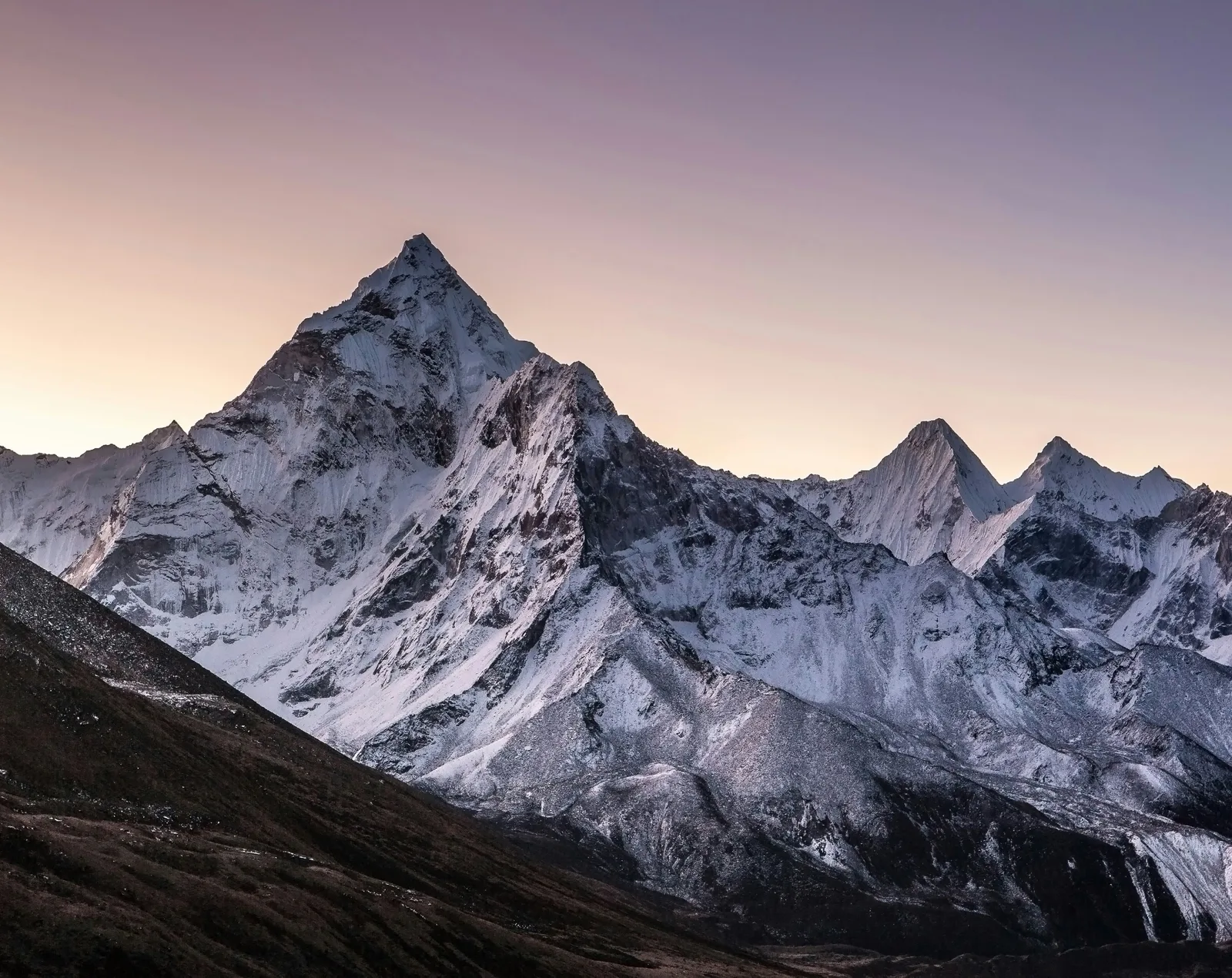
Rather than treating photography as something to squeeze into a demanding trekking schedule, this experience encourages travelers to appreciate suitable opportunities along the trail. Golden-hour light can create beautiful contrasts across mountain ridges, while early morning often brings crisp views and changing colors across the surrounding peaks. Weather conditions vary considerably, so patience and flexibility are essential when waiting for clear skies or favorable light.
Photographers can capture more than distant mountains. Details such as steaming cups of tea, weathered wooden doors, prayer wheels, local markets, suspension bridges, and the textures of traditional stone buildings help tell a richer story of the journey. Photographs of friends laughing during a break or celebrating a personal achievement may eventually become more meaningful than the most dramatic mountain panorama.
Guides familiar with the Everest region can help identify scenic stopping points and share practical photography suggestions when conditions permit. Travelers should bring a camera or smartphone, spare batteries, suitable memory cards, and protective equipment for cold or changing weather. Batteries can lose power quickly in low temperatures, making it useful to keep them warm and carry a reliable charging solution.
Photography should always remain secondary to safety, especially near exposed trails, steep drops, or crowded viewpoints. Asking permission before photographing local people and respecting religious sites are important parts of responsible travel. With thoughtful planning, the trek can provide a collection of photographs that document not only the landscapes but also the friendship and determination behind the adventure.
Golden-Hour Moments and Unforgettable Views
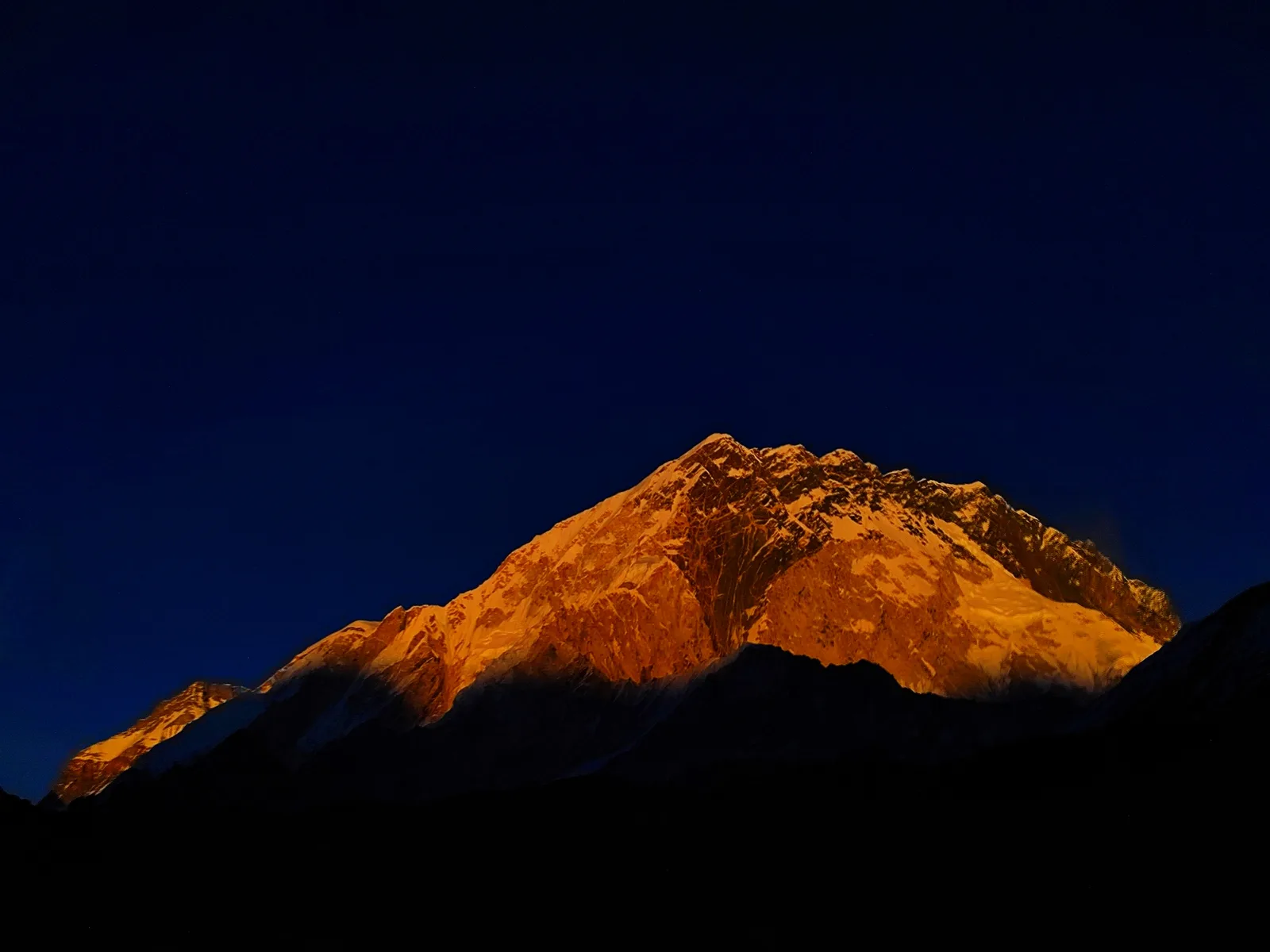
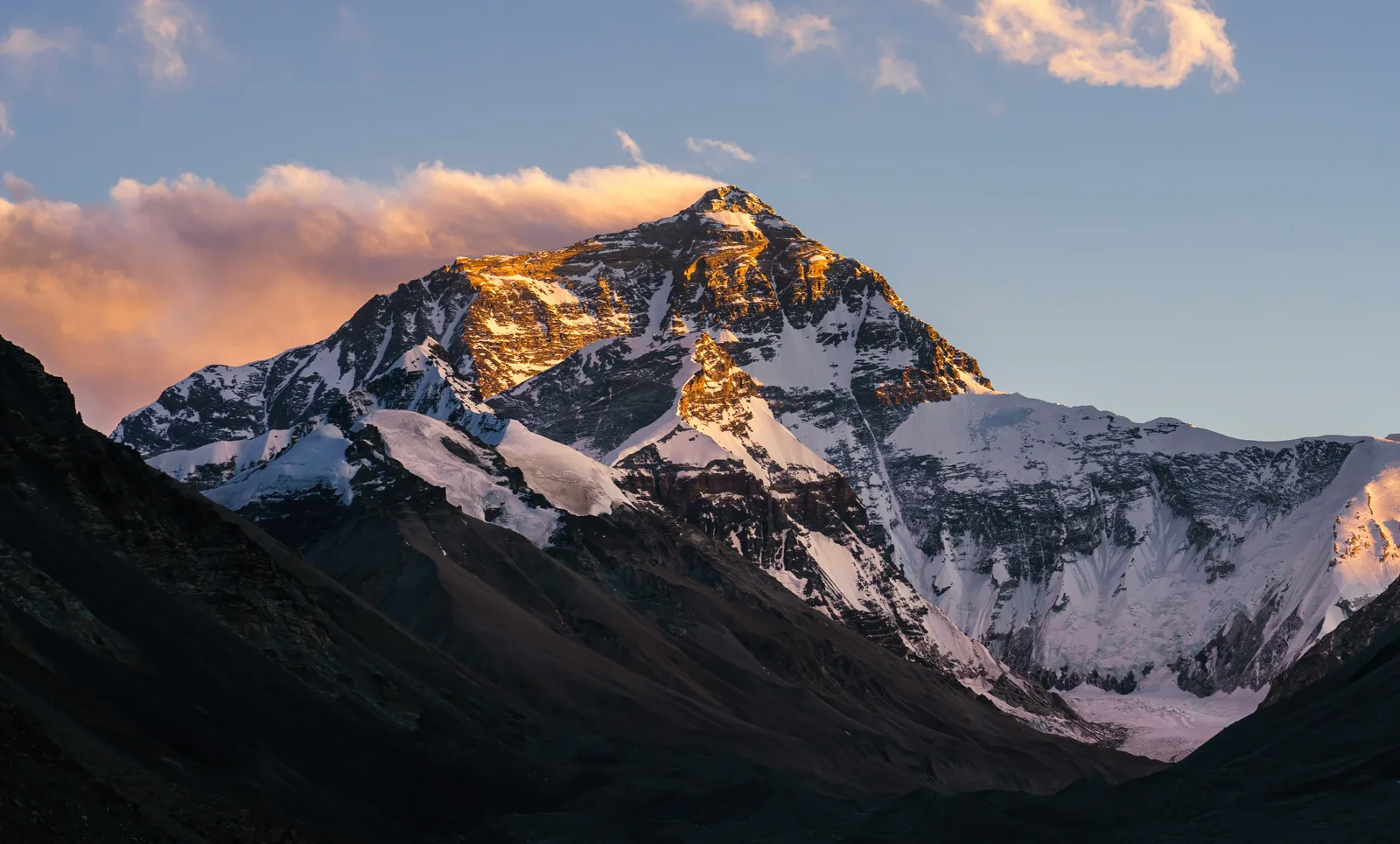
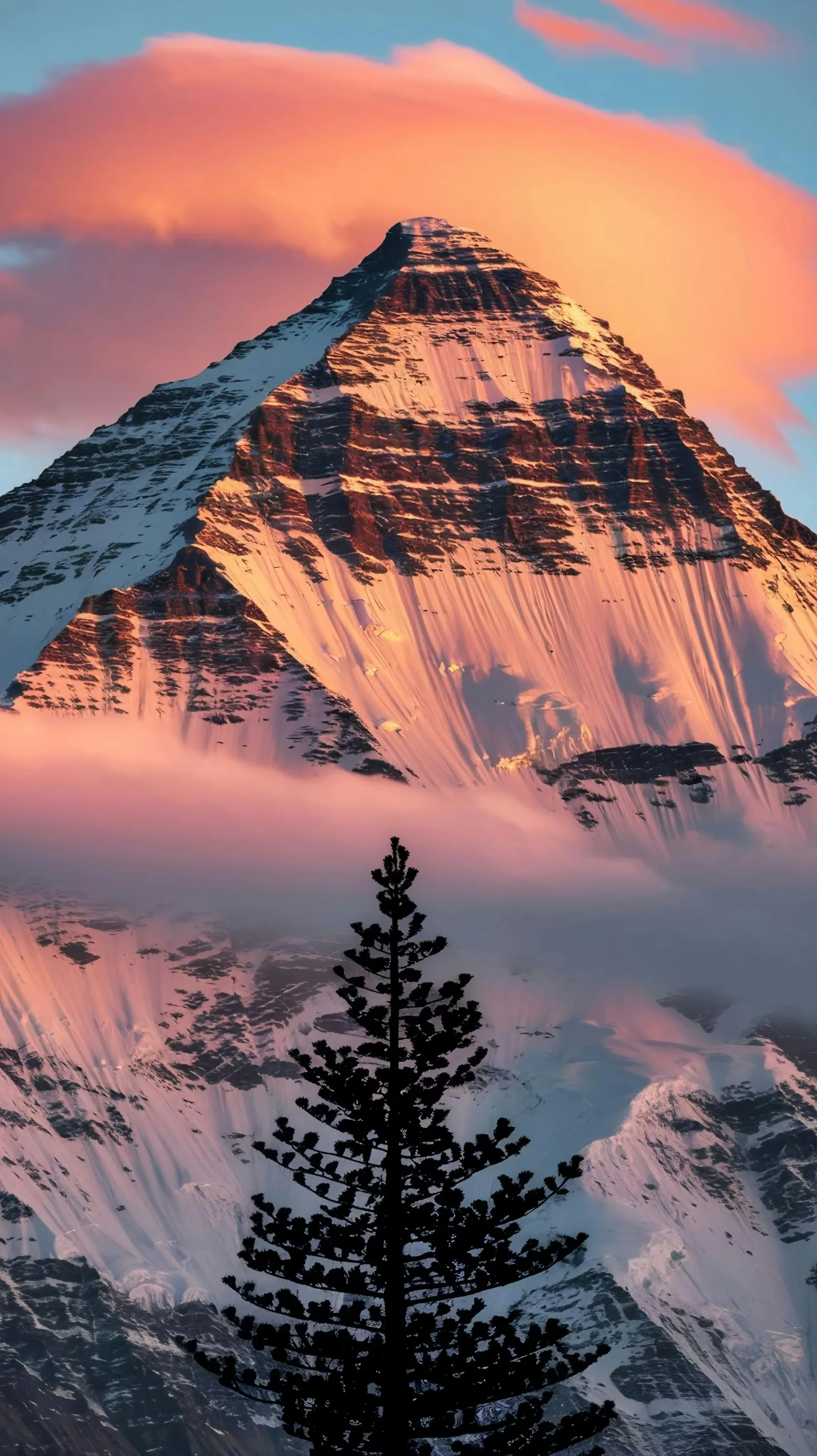
One of the most appealing aspects of trekking in the Himalayas is watching the mountains change color as sunlight moves across their slopes. Early morning and late afternoon can produce beautiful lighting conditions, turning familiar landscapes into memorable scenes. For photography-loving groups, these moments provide opportunities to pause, observe the surroundings, and capture the atmosphere of the mountains.
Golden-hour photography depends on weather, season, location, and the direction of the sunlight. Clear skies can reveal detailed mountain ridges, while mist and moving clouds may create softer, more atmospheric images. Some days may provide spectacular views, while others may remain cloudy. A flexible mindset makes the experience more enjoyable because the Himalayas rarely follow a perfectly predictable schedule.
The journey also offers opportunities for group photographs that celebrate the relationships behind the trip. A photograph beside a traditional village entrance, a shared moment on a scenic trail, or a picture beneath a line of colorful prayer flags can become a reminder of the people who made the experience special. These photographs help preserve the quieter moments that are sometimes overlooked when travelers focus only on major landmarks.
Although the trek can include additional time for photography where conditions allow, the exact timing of stops must remain flexible. Altitude, weather, daylight, trail conditions, and the group's physical comfort take priority. The most successful photography experience is one that allows travelers to enjoy the landscape without compromising their safety or acclimatization.
Women-Only Teahouse Rooms and a Supportive Group Atmosphere
Comfort and privacy matter during a demanding mountain journey. The Sisters' Adventure can be planned around women-only teahouse room arrangements, subject to availability, the accommodation facilities at each stop, and confirmation before departure. This arrangement can be especially appealing to sisters and friends who want to share the experience while maintaining a comfortable and supportive environment.
Teahouses are an important part of trekking in the Everest region. These mountain lodges provide places to rest, eat, sleep, and connect with other travelers. Facilities vary by settlement and accommodation provider. Rooms at higher elevations may be basic, heating may be limited to common areas, and hot showers or charging facilities may cost extra. Travelers should understand these practical details before departure so that expectations remain realistic.
A women-focused group can also create an atmosphere where participants feel comfortable discussing their needs, sharing concerns, and encouraging one another through difficult moments. Female guides or porters may be available depending on the team's arrangements, staffing, and booking requirements. Anyone who specifically requires female trekking staff should request confirmation before reserving the trip rather than assuming availability.
The strongest aspect of a supportive group is the understanding that everyone experiences the mountains differently. Some travelers may enjoy long photography stops, while others may prefer a quieter break or need additional time on a challenging section. Respecting individual needs helps create a more inclusive experience in which the group can celebrate achievements without unnecessary pressure.
The Challenge of Trekking to Everest Base Camp
Reaching Everest Base Camp is a significant physical achievement. Situated at approximately 5,364 meters above sea level, the destination exposes trekkers to thinner air, colder conditions, and a demanding high-altitude environment. Even experienced hikers can find the combination of elevation, terrain, and changing weather challenging.
A relaxed pace can improve the overall trekking experience, but it does not eliminate the risks associated with altitude. Acclimatization, hydration, adequate nutrition, rest, and careful attention to symptoms are essential. Headaches, nausea, dizziness, unusual fatigue, or worsening breathlessness may indicate altitude-related illness. Serious symptoms require prompt medical assessment and descent when advised. Trekkers should never feel pressured to continue simply because the group has a shared goal.
Preparation before departure can make the journey more manageable. Regular walking, uphill training, stair climbing, and cardiovascular exercise can help develop endurance. Strengthening the legs and improving balance may also make uneven trails more comfortable. Training should be adjusted to individual fitness levels, and travelers with relevant medical concerns should seek advice from a qualified healthcare professional before undertaking a high-altitude trek.
Appropriate equipment is equally important. Well-fitted trekking boots, layered clothing, insulated outerwear, gloves, sun protection, a warm sleeping layer, and a comfortable daypack help travelers respond to changing conditions. A suitable first-aid kit, personal medication, travel insurance that covers high-altitude trekking and emergency evacuation, and a clear emergency plan should also form part of the preparation.
The purpose of a carefully planned trek is not to prove that every participant can push through every difficulty. It is to help the group make informed decisions and enjoy the experience responsibly. Reaching Base Camp is a remarkable goal, but personal safety must always come first.
Celebrating Friendship at Everest Base Camp
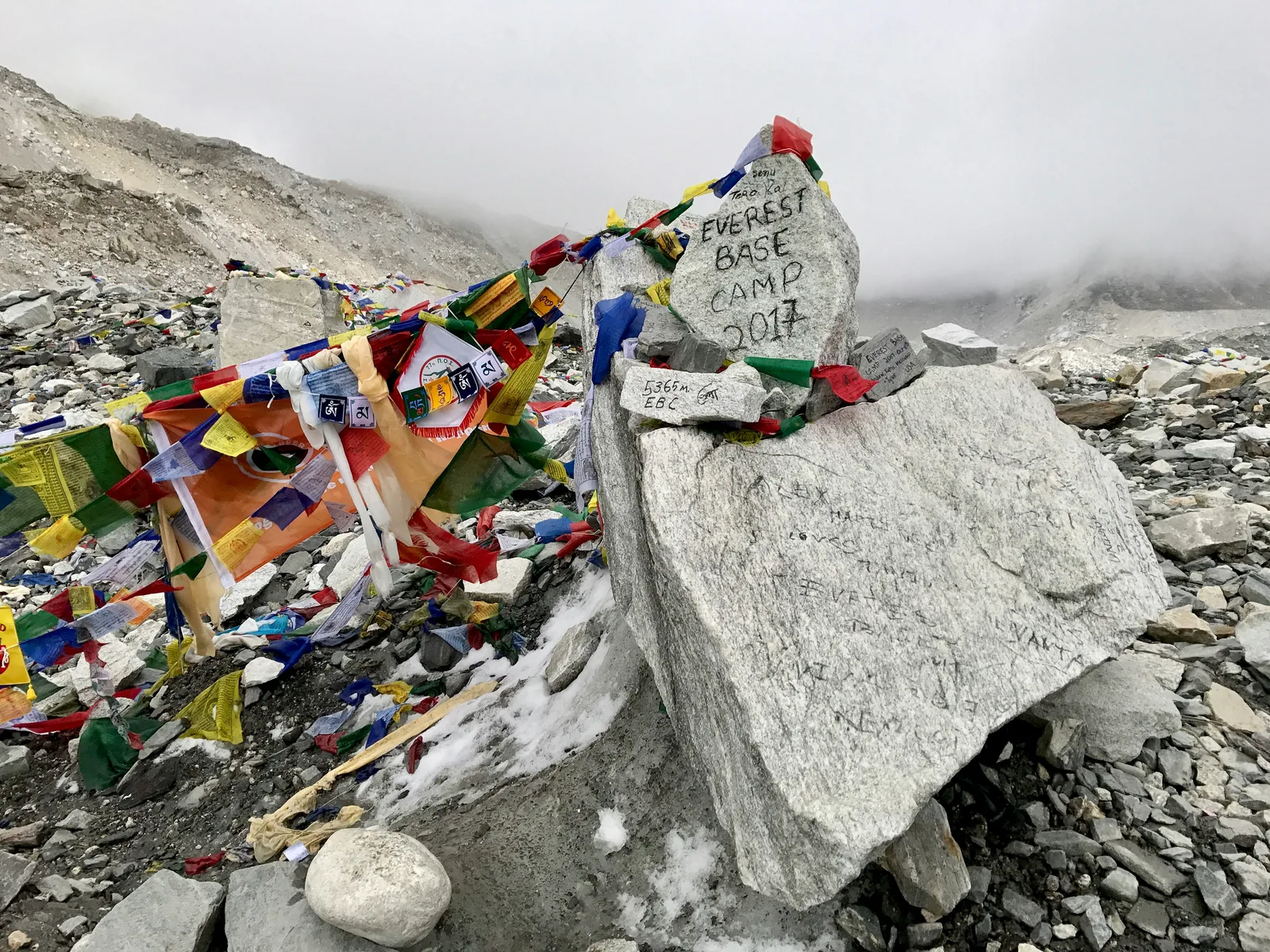
Standing at Everest Base Camp is a powerful moment for many trekkers. The surrounding mountains, glacial terrain, and sense of achievement create a setting unlike almost anywhere else. For sisters and best friends, arriving together adds another layer of meaning because the destination represents not only a physical accomplishment but also the shared effort required to reach it.
The Sisters' Adventure can include a small celebration at Base Camp, with group photographs, personal messages, and time to appreciate the achievement. Some travelers may choose to bring a handwritten note, a small keepsake, or a message for the person who inspired them to join the journey. These personal touches can make the occasion feel more meaningful than a simple photograph at a famous location.
Any special celebration must remain appropriate to the environment and follow local rules. Alcohol is not advisable at high altitude because it can worsen dehydration, impair judgment, and interfere with safe decision-making. A non-alcoholic sparkling drink or another celebratory beverage is a more responsible choice for a high-altitude toast. Supplies must also be planned realistically, as everything carried into the mountains adds weight for the trekking team.
The celebration should not distract from the importance of following the guide's instructions, respecting the landscape, and leaving no waste behind. A responsible group carries all rubbish out and avoids disturbing other trekkers or the fragile mountain environment. The most memorable celebration is one that honors both the achievement and the place where it happens.
Cultural Encounters Along the Trail
The Everest region is home to Sherpa communities whose traditions, religious practices, and mountain knowledge are closely connected to the landscape. Traveling through local settlements provides opportunities to learn about daily life, Buddhist heritage, traditional architecture, and the cultural significance of monasteries and sacred places.
Prayer flags, mani stones, prayer wheels, and chortens are common features along parts of the trail. These are not merely decorative elements; they hold religious meaning and deserve respect. Visitors should follow local customs, listen to their guides, and observe signs or instructions at monasteries and other sacred sites.
Supporting local businesses is another meaningful way to experience the region responsibly. Staying in locally operated teahouses, purchasing goods from local shops, and treating guides, porters, and accommodation staff fairly help recognize the communities that make Himalayan trekking possible. Travelers should also ask before photographing people or entering private spaces.
For a group of women sharing their first journey into the Everest region, these cultural encounters can become some of the most memorable parts of the experience. They encourage curiosity beyond the famous mountain views and provide a better understanding of the people who call this extraordinary landscape home.
What Makes This Adventure Different?
The defining feature of the Everest Base Camp Sisters' Adventure is its emphasis on shared experiences rather than speed. The classic Everest trail remains physically demanding, but the trip's approach focuses on thoughtful pacing, meaningful stops, photography opportunities, and a supportive group environment.
Women-only room arrangements, where confirmed, can provide additional privacy and comfort. Female trekking staff may also be requested, subject to availability. Photography-focused planning encourages participants to notice the changing scenery instead of rushing past it, while the planned Base Camp celebration gives the group an opportunity to recognize the effort behind the achievement.
However, travelers should review the actual package inclusions before booking. The availability of a professional photographer, female guides or porters, private or women-only rooms, celebratory drinks, equipment, and additional acclimatization support depends on the operator's confirmed arrangements. These features should be specified in writing rather than assumed from the package title or promotional description.
A well-organized experience combines these personal touches with responsible high-altitude trekking practices. Clear communication about costs, accommodation, staff arrangements, meals, permits, transportation, and emergency procedures helps ensure that travelers know what to expect. Transparent planning is particularly important for friends and family groups who want to enjoy their trip without unexpected expenses or misunderstandings.
The Best Time for an Everest Base Camp Sisters' Trek
Spring and autumn are generally popular seasons for trekking to Everest Base Camp. Spring, particularly March through May, brings changing mountain landscapes and generally favorable trekking conditions, although weather can still be unpredictable. Autumn, especially October and November, often attracts trekkers seeking clear mountain views and comfortable daytime walking conditions.
The best period for a photography-focused trip depends on the group's priorities. Travelers who value changing seasonal landscapes may prefer spring, while those hoping for crisp mountain panoramas often consider autumn. Neither season guarantees clear skies, and conditions can change rapidly at high elevations.
Winter trekking is possible for appropriately prepared travelers, but colder temperatures, snow, and changing trail conditions may create additional challenges. The monsoon season can bring cloud cover, rain, and travel disruptions, particularly at lower elevations. Flight operations to Lukla may also be affected by weather and operational conditions during different periods of the year.
When choosing dates, groups should consider more than photography alone. Personal availability, fitness preparation, travel insurance, accommodation arrangements, and the flexibility to manage delays are all important. Allowing sufficient flexibility around international flights is particularly sensible because mountain weather can affect transportation schedules.
Creating Memories Beyond the Mountains
The value of the Sisters' Adventure does not end when the group leaves Everest Base Camp. For many travelers, the most meaningful memories come from the moments between major landmarks: encouraging a friend through a difficult climb, sharing stories over dinner, laughing about a cold morning, or discovering a beautiful viewpoint unexpectedly.
Traveling with a sister or close friend can also create a different perspective on familiar relationships. Away from everyday responsibilities, participants have time to talk, reflect, and appreciate one another's company. For mothers and daughters, the trek can become an opportunity to celebrate a shared milestone. For friends, it can be a reminder of the importance of making time for experiences beyond routine life.
The photographs collected along the way help preserve these moments, but the experience itself remains more important than creating a perfect social media post. Some of the most meaningful memories may never be photographed at all. They may be the quiet satisfaction of reaching a teahouse after a challenging day, the kindness of a guide, or the feeling of standing together beneath immense Himalayan peaks.
The journey can also inspire future travel and a deeper interest in Nepal's landscapes and cultures. Visitors who appreciate the Everest region may later explore other parts of the country, including its historic cities, peaceful lakes, traditional villages, and diverse trekking destinations. Each experience offers another opportunity to discover the natural and cultural richness of Nepal.
Book Your Everest Base Camp Sisters' Adventure
The Everest Base Camp Sisters' Adventure is an invitation to share a remarkable Himalayan experience with the women who make life's biggest moments more meaningful. With a 12-day trekking concept, opportunities for golden-hour photography, requested women-only accommodation arrangements, and a celebration at Base Camp, the journey brings friendship and adventure together in one extraordinary setting.
Before booking, confirm the itinerary, acclimatization arrangements, group size, accommodation details, female staff availability, photography support, package inclusions, and cancellation terms with the trekking operator. Ask specifically whether women-only rooms can be guaranteed and whether any additional photography or celebration services are included in the price. Clear answers help ensure that the experience matches your expectations.
Most importantly, prepare for the physical demands of high-altitude trekking and remain flexible throughout the journey. The mountains reward patience, respect, and thoughtful preparation. Reaching Everest Base Camp together can be an unforgettable achievement, but the real success lies in experiencing the journey safely and supporting one another along the way.
For sisters, best friends, and women who love photography, this adventure offers much more than a destination. It is an opportunity to celebrate friendship, discover the beauty of the Himalayas, and create stories that will be shared for years to come. One mountain, one shared dream, and memories made together in the heart of Nepal.
Highlights
What's Included
What's Not Included
Not Suitable For
Important Information
What to Bring
Know Before You Go
Not Allowed
Detailed Itinerary
Day 1Arrival in Kathmandu — Welcome Sisters!
Your sisterhood begins at the airport where our female representative greets you with marigold garlands. Transfer to your hotel in Thamel. Evening welcome dinner with your guide and fellow sisters — introductions, stories, laughs, and the excitement of the adventure ahead.
Elevation: 1,400m
Accommodation: Hotel (women-only twin room)
Meals: Welcome Dinner
Meals:dinnerStay:hotel
Day 2Fly to Lukla & Trek to Phakding (2,610m)
The thrilling mountain flight to Lukla sets the tone. After tea with the porter team, the group sets off gently downhill along the Dudh Koshi River. Photo stops at prayer wheels, suspension bridges, and the first glimpse of snow-capped peaks. Welcome to the Khumbu.
Elevation: 2,840m → 2,610m
Trekking: 3-4 hours (relaxed pace)
Accommodation: Teahouse (women-only room)
Meals: All meals
Meals:all mealsStay:teahouse
Day 3Trek to Namche Bazaar — The Sherpa Capital
Cross the Hillary Suspension Bridge, enter Sagarmatha National Park, and climb to Namche Bazaar. The pace is steady with plenty of photo stops — prayer flags, mani walls, and mountain vistas around every corner. Your first Everest viewpoint is a highlight.
Elevation: 2,610m → 3,440m
Trekking: 5-6 hours
Accommodation: Teahouse
Meals: All meals
Meals:all mealsStay:teahouse
Day 4Acclimatization in Namche — Golden Hour at Everest View
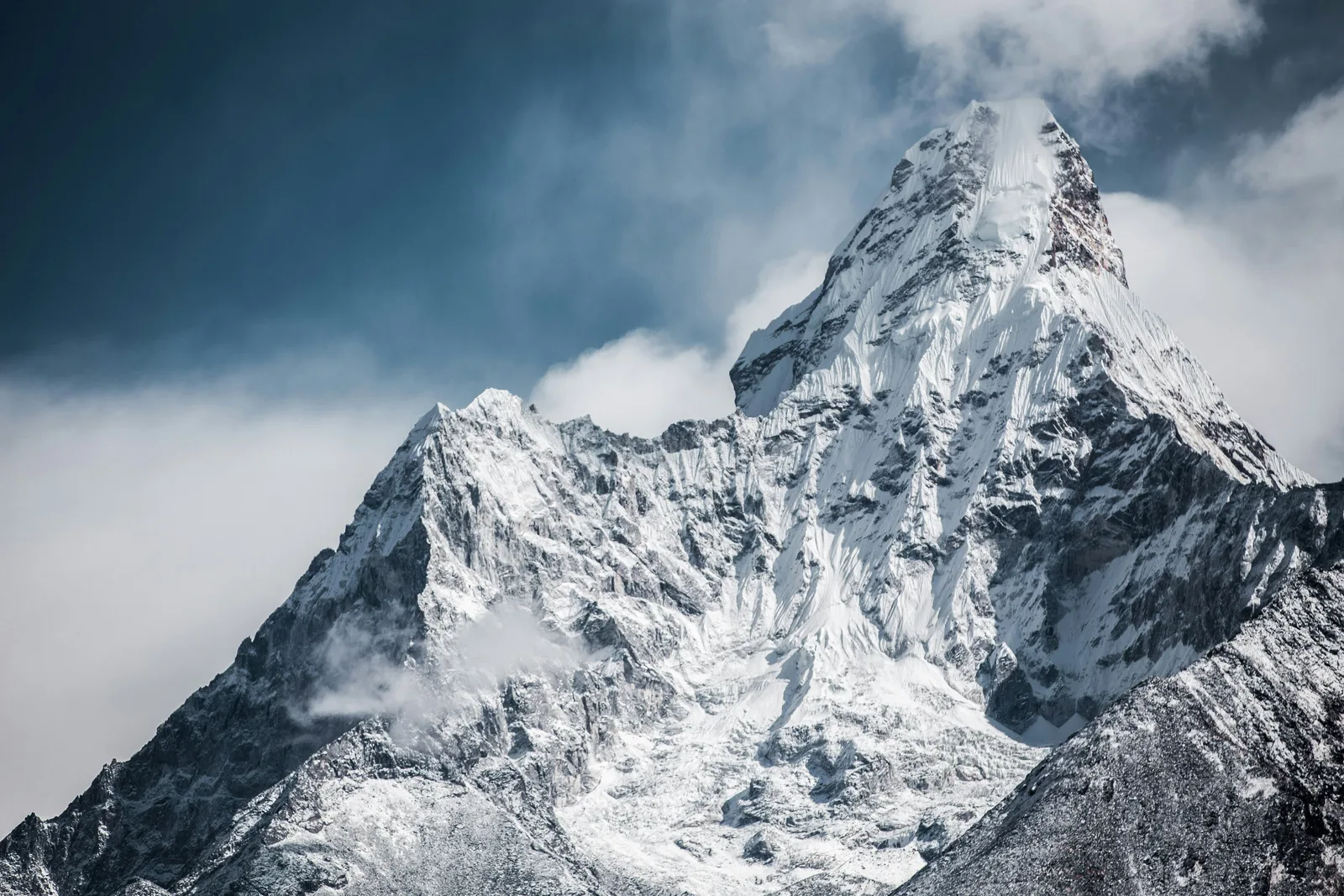
Acclimatization day with a relaxed hike to the Everest View Hotel (3,880m) for golden-hour photography — the light on Everest and Ama Dablam from the terrace is legendary. Descend to explore Namche's markets, visit the Sherpa Museum, and enjoy cappuccino at the world's highest Irish pub.
Elevation: 3,440m (hike to 3,880m)
Trekking: 3-4 hours round trip
Accommodation: Teahouse
Meals: All meals
Meals:all mealsStay:teahouse
Day 5Trek to Tengboche (3,860m) — Monastery & Mountain Views
One of the most photogenic days on the trail. Views of Everest, Nuptse, Lhotse, and Ama Dablam all day. Descend to Phunki Tenga for lunch, then climb through rhododendron forest to Tengboche Monastery. Join the afternoon prayer ceremony — an unforgettable cultural experience.
Elevation: 3,440m → 3,860m
Trekking: 5-6 hours
Accommodation: Teahouse
Meals: All meals
Meals:all mealsStay:teahouse
Day 6Trek to Dingboche (4,410m) — Above the Tree Line
Descend through Deboche, cross the Imja Khola, and pass ancient Pangboche Monastery. The landscape opens into the wide Imja Valley with stone-walled fields and towering peaks on all sides. Dingboche sits beneath Lhotse and Island Peak — sunset photography here is stunning.
Elevation: 3,860m → 4,410m
Trekking: 5-6 hours
Accommodation: Teahouse
Meals: All meals
Meals:all mealsStay:teahouse
Day 7Acclimatization in Dingboche — Nangkartshang Peak
Second acclimatization day. Optional hike to Nangkartshang Peak (5,083m) for 360-degree views of Makalu, the world's fifth-highest mountain, along with Lhotse, Island Peak, and Ama Dablam. A relaxed afternoon in Dingboche — read, journal, share photos, or simply soak in the mountain silence.
Elevation: 4,410m (hike to 5,083m optional)
Activity: 3-4 hours optional hike
Accommodation: Teahouse
Meals: All meals
Meals:all mealsStay:teahouse
Day 8Trek to Lobuche (4,940m) — Memorial Chortens
Climb past the moving memorial chortens at Thukla Pass — dedicated to climbers who never returned from Everest. The trail follows the lateral moraine of the Khumbu Glacier with Nuptse looming overhead. The scale of the landscape grows more dramatic with every step.
Elevation: 4,410m → 4,940m
Trekking: 5-6 hours
Accommodation: Teahouse
Meals: All meals
Meals:all mealsStay:teahouse
Day 9Everest Base Camp (5,364m) — The Celebration
The main event! Trek to Gorak Shep, fuel up on lunch, then follow the rocky trail beside the Khumbu Glacier to Everest Base Camp. Stand at 5,364m beside the Khumbu Icefall, take your celebration photos, and pop the prosecco we carried up — you earned this moment. Return to Gorak Shep for the night.
Elevation: 4,940m → 5,364m → 5,140m
Trekking: 7-8 hours
Accommodation: Teahouse
Meals: All meals
Meals:all mealsStay:teahouse
Day 10Kala Patthar Sunrise (5,545m) & Descend to Pheriche
The pre-dawn climb to Kala Patthar is the trek's highest point and best view. Watch the first rays of sunlight hit Everest's summit — an emotional, unforgettable moment. After breakfast, descend to the warmer air of Pheriche. Your lungs and legs will thank you.
Elevation: 5,140m → 5,545m → 4,240m
Trekking: 7-8 hours
Accommodation: Teahouse
Meals: All meals
Meals:all mealsStay:teahouse
Day 11Trek to Namche Bazaar — Celebration Night
Retrace the trail through Tengboche and down to Namche Bazaar. Hot showers, bakery treats, and the celebration of what you accomplished. The group dinner in Namche this evening is always full of laughter, shared photos, and stories that will last a lifetime.
Elevation: 4,240m → 3,440m
Trekking: 6-7 hours
Accommodation: Teahouse
Meals: All meals
Meals:all mealsStay:teahouse
Day 12Trek to Lukla — Farewell to the Khumbu
The final walking day follows the Dudh Koshi back to Lukla. Look back at the mountains you conquered — Everest may fade from view, but the memories are forever. Tonight, celebrate with your guide and porter team in Lukla.
Elevation: 3,440m → 2,840m
Trekking: 6-7 hours
Accommodation: Teahouse
Meals: All meals
Meals:all mealsStay:teahouse
Day 13Fly to Kathmandu — Farewell Dinner
Morning flight back to Kathmandu and hotel transfer. The day is free for shopping, spa visits, or exploring. In the evening, the farewell dinner: certificates are presented, final group photos are taken, and promises are made to stay in touch. Most sister groups do — for years.
Accommodation: Hotel
Meals: Breakfast, Farewell Dinner
Meals:breakfastStay:hotel
Day 14Departure from Kathmandu
Transfer to the airport for your onward journey, carrying memories and friendships that will last a lifetime. Or extend your stay with a Chitwan safari or Pokhara getaway — we are happy to arrange.
Meals: Breakfast
Meals:breakfast
Gallery
0 photosNo gallery images available for this tour.
Downloads
No downloadable files available for this tour.
4.39 reviews
5
4
4
4
3
1
2
0
1
0
S
Sarah Johnson
USA · ✓ Verified
Five stars for Enticing Himalayas
I traveled from USA specifically for Everest Base Camp Sisters' Adventure and it was worth every hour of the flight. Our guide Mingma carried extra snacks for the group and shared stories of growing up in these mountains. Learning basic Nepali phrases opened doors to genuine connections. The trail markers were excellent — very easy to follow. I expected pain; I got perspective. And a bit of pain too — good pain. Five stars without hesitation.
F
Felix Wagner
Austria · ✓ Verified
Incredible guides, incredible views
Our family chose Everest Base Camp Sisters' Adventure for our annual vacation and it exceeded every expectation we had. When my knees acted up, Dorje arranged a porter within hours. Professional and kind. Hot showers and warm meals felt like luxury after long walking days. Spotting a Himalayan monal (national bird) was a lucky treat. I was surprised by how comfortable the rooms were at altitude. Pickup from the airport was seamless — I was met despite flight delays. Each village has its own character — charming and distinct. The morning light on the peaks is something I'll never forget. Highly recommended for anyone considering this trek.
B
Ben Clark
USA · ✓ Verified
Challenging and rewarding in equal measure
I took a sabbatical and chose Everest Base Camp Sisters' Adventure as my cornerstone experience. Our guide Pasang was exceptional — 15 years of local knowledge condensed into engaging stories every evening. Golden hour lighting on the mountains is something every photographer must see. Receiving a khata (blessing scarf) from a lama was an honor. The family-run teahouses had character and genuine hospitality. The pre-trek briefing in Kathmandu answered every question I had. The teahouse-to-teahouse rhythm was meditative and grounding. Highly recommended for anyone considering this trek.
A
Aanya Verma
India · ✓ Verified
Life-changing mountain experience
Three friends and I booked Everest Base Camp Sisters' Adventure together and we're already planning our next trip. Jangbu didn't just lead — he taught us about local plants, Buddhist traditions, and mountain geology. The valley views opened up dramatically after we passed the treeline. The contrast between Kathmandu chaos and mountain serenity is profound. The steep climb on day 2 tested me, but reaching the top felt incredible. The teahouses were basic but clean — and the blankets were warm. All permits and paperwork were handled invisibly — I just showed up. The trail markers were excellent — very easy to follow. The teahouse-to-teahouse rhythm was meditative and grounding. Not if, but when — I'm already planning my return.
F
Fatima Al-Sayed
Qatar ·
Pure mountain magic with exceptional guides
I traveled from Qatar specifically for Everest Base Camp Sisters' Adventure and it was worth every hour of the flight. The valley views opened up dramatically after we passed the treeline. The architecture in the mountain villages tells centuries of history. Blisters on day 1 taught me a lesson; proper boots are essential. We crossed three high passes and each one felt like a personal victory. The suspension bridges over the deep gorges were heart-pounding. Worth every penny and every step.
J
Jonas Weber
Germany · ✓ Verified
A transformative mountain journey
My second trek in Nepal, my first with this company — Everest Base Camp Sisters' Adventure convinced me I'll come back. Tashi woke up at 5am with us every morning to catch the best sunrise light. We spotted a family of blue sheep grazing on the high slopes. The garlic soup at high altitude genuinely helped with acclimatization. Altitude headaches hit me at 3,500m — our guide managed it professionally. The pre-trek briefing in Kathmandu answered every question I had. Each village has its own character — charming and distinct. The teahouse-to-teahouse rhythm was meditative and grounding. Genuine, caring team that delivers on promises.
L
Liam Murphy
Ireland · ✓ Verified
The trek of a lifetime
I wasn't sure what to expect from Everest Base Camp Sisters' Adventure, but it turned out to be one of the best travel decisions of my life. Sonam balanced the group perfectly — fast hikers and leisurely walkers both felt comfortable. The glacial river water was the clearest blue I've ever seen. Receiving a khata (blessing scarf) from a lama was an honor. I'm not a morning person, but pre-dawn starts became my favorite part. The wood-burning stoves in the dining rooms created a cozy atmosphere. I expected pain; I got perspective. And a bit of pain too — good pain. The teahouse-to-teahouse rhythm was meditative and grounding. Thank you Sonam and team — you made this unforgettable.
K
Karl Anderson
Sweden · ✓ Verified
Incredible guides, incredible views
The booking process for Everest Base Camp Sisters' Adventure was so smooth I knew I was in good hands. What I appreciated most: Nima checked in with each of us individually every evening. Local women weaving traditional textiles — I bought a scarf directly from the maker. Snug rooms with thick blankets; I slept better than expected. Pickup from the airport was seamless — I was met despite flight delays. I expected pain; I got perspective. And a bit of pain too — good pain. The trail markers were excellent — very easy to follow. The suspension bridges over the deep gorges were heart-pounding. Genuine, caring team that delivers on promises.
T
Tara O'Brien
Ireland ·
Cannot recommend enough
I almost skipped Everest Base Camp Sisters' Adventure because of the price — thank goodness I didn't. Golden hour lighting on the mountains is something every photographer must see. I learned to order 'extra spicy, extra comfort' — it worked every time. We visited a monastery during morning prayers — the chanting was deeply moving. The final ascent pushed my limits — and expanded them. A spontaneous dance party at a teahouse — pure joy. I was surprised by how comfortable the rooms were at altitude. Walking above the tree line for hours was surreal. Each village has its own character — charming and distinct. The trail markers were excellent — very easy to follow. Highly recommended for anyone considering this trek.
Tour Video
No video available for this tour.
1 option available
Everest Base Camp Sisters' Adventure — 12 Day Photo Trek
Standard tour package with flexible dates
14 days
Guide: English
Select a date
1
$2,460
1 Adult × $2,460
Free cancellation
Cancel up to 24 hours in advance for a full refund
From
$2,460/person
Booking options
Choose a departure below, or use the availability calendar to select a flexible date. Availability and final pricing are confirmed during booking.