Loading...
14 days
1 Option Available
Everest Base Camp Sisters' Adventure — 14 Day Photo Trek
Country
Nepal
Duration
14 days
Best season
["SPRING","AUTUMN"]
Group size
Flexible group size
Difficulty
challenging
4.3(9 reviews)
Solukhumbu, Everest Region
Tour Description
Everest Base Camp Sisters' Adventure: A 12-Day Himalayan Journey for Women
Some adventures become more meaningful when shared with the people who know us best. The Everest Base Camp Sisters' Adventure is a 12-day Himalayan trekking experience designed for sisters, best friends, mothers and daughters, and women who dream of standing beneath the world's highest mountain together. Combining spectacular mountain scenery, meaningful connections, photography opportunities, and the excitement of reaching Everest Base Camp, this trek offers a special way to experience the Himalayas without treating the journey as a race to the finish line. It is about celebrating friendship, discovering personal strength, and creating memories that will remain long after returning home.
The Everest region of Nepal is famous for its dramatic peaks, traditional Sherpa communities, peaceful monasteries, glacial valleys, and legendary trekking trails. For women traveling together, these landscapes provide more than beautiful backgrounds for photographs. They create opportunities to share conversations, overcome challenges, support one another, and appreciate the simple pleasures of mountain life. Whether you have traveled extensively or are preparing for your first major Himalayan adventure, the Sisters' Adventure offers an opportunity to explore this remarkable region with companionship, thoughtful preparation, and a shared goal.
A Trek Designed for Sisters and Best Friends
Traveling with someone you love can transform an ordinary holiday into a lifelong memory. The Everest Base Camp Sisters' Adventure brings this idea to the heart of the Himalayas, where every walking day presents opportunities to experience something extraordinary together. From watching clouds move around snow-covered peaks to enjoying warm drinks inside traditional teahouses, the journey encourages travelers to slow down and appreciate the moments that make trekking special.
The experience is suitable for sisters, close friends, mothers and daughters, and other women who want to explore Nepal as a group. You do not need to be related to join the adventure. The shared experience of preparing for the trek, walking through mountain villages, and reaching a common destination often creates strong friendships among women who begin the journey as strangers.
The relaxed approach is particularly important because the Everest region demands patience and respect. Mountain trails include steep ascents, rocky paths, suspension bridges, and sections affected by changing weather. Instead of focusing exclusively on covering distance, the trekking experience emphasizes maintaining a manageable pace, taking appropriate breaks, and allowing time to enjoy the surroundings. The aim is to make the journey rewarding while recognizing that every trekker has different strengths, needs, and comfort levels.
Discover the Beauty of the Everest Region
The Everest Base Camp trail passes through some of Nepal's most celebrated Himalayan landscapes. The scenery changes gradually as trekkers move from lower mountain settlements into a world of alpine terrain, towering peaks, and glacial valleys. Forested paths, traditional villages, prayer flags, stone walls, and mountain streams create a constantly changing environment that makes the journey visually rewarding.
Namche Bazaar is one of the region's best-known settlements, offering a lively mountain atmosphere and impressive views of the surrounding peaks. Traditional architecture, small shops, bakeries, and teahouses provide opportunities to experience everyday life in the Khumbu region. Farther along the trail, the surroundings become increasingly dramatic, with open valleys and towering mountains creating a sense of remoteness that is difficult to find elsewhere.
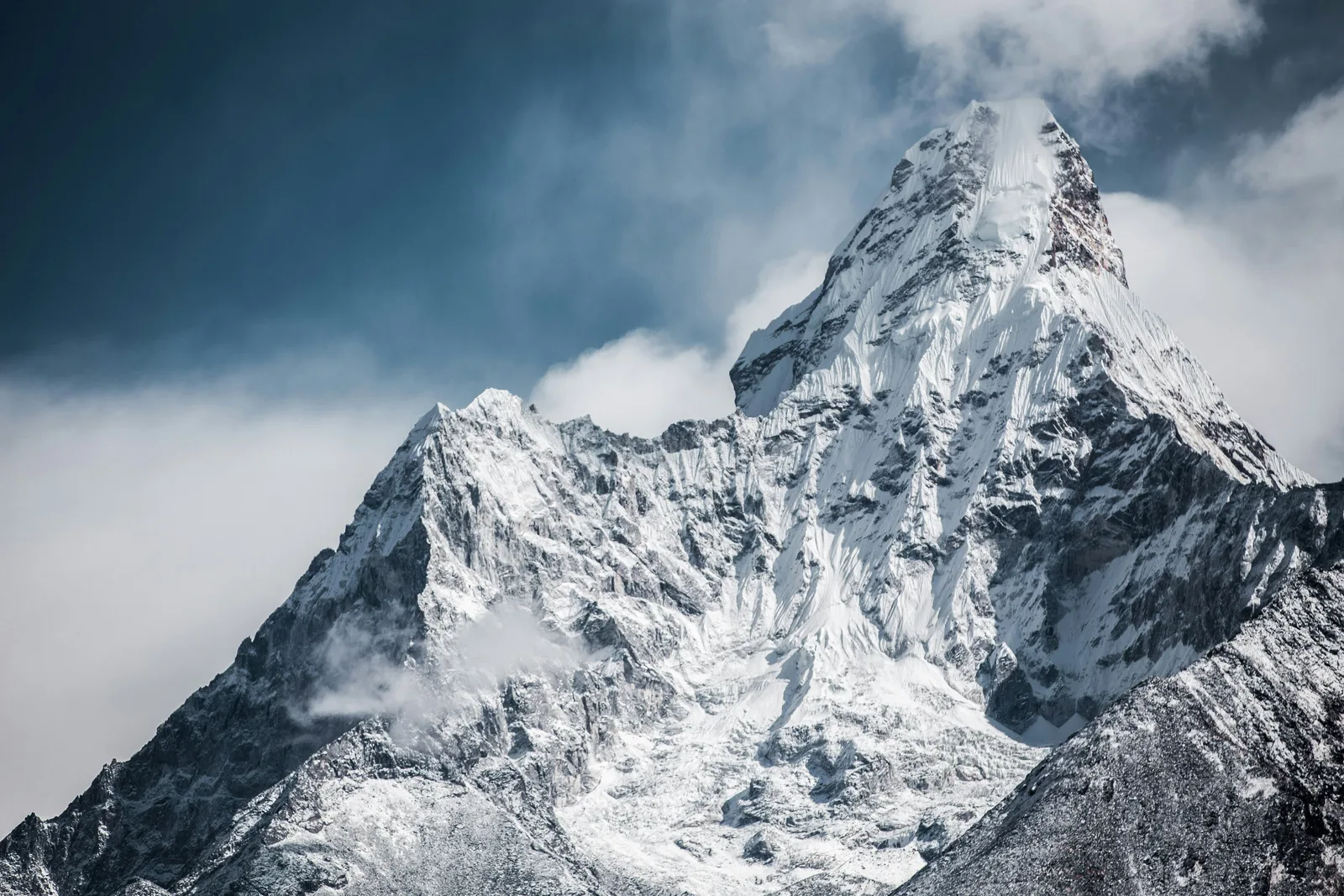
Tengboche is another memorable part of the Everest region, known for its monastery and panoramic mountain setting. The spiritual atmosphere, colorful prayer flags, and views toward the Himalayan peaks create a peaceful contrast with the physical demands of trekking. As the route continues toward higher settlements, the landscape becomes more rugged, revealing rocky ridges, glacial formations, and the extraordinary scale of the surrounding mountains.
These changing environments make the Sisters' Adventure appealing to women who appreciate both nature and culture. The journey is not simply about reaching Everest Base Camp. It is also about experiencing the communities, landscapes, and traditions that make the Khumbu region unique.
A Photography-Focused Himalayan Experience
For women who love photography, the Everest Base Camp Sisters' Adventure offers countless opportunities to capture meaningful travel memories. The combination of dramatic mountain scenery, traditional villages, colorful prayer flags, and changing natural light makes the Everest region an exceptional destination for landscape and travel photography.
Rather than treating photography as something to squeeze into a demanding trekking schedule, this experience encourages travelers to appreciate suitable opportunities along the trail. Golden-hour light can create beautiful contrasts across mountain ridges, while early morning often brings crisp views and changing colors across the surrounding peaks. Weather conditions vary considerably, so patience and flexibility are essential when waiting for clear skies or favorable light.
Photographers can capture more than distant mountains. Details such as steaming cups of tea, weathered wooden doors, prayer wheels, local markets, suspension bridges, and the textures of traditional stone buildings help tell a richer story of the journey. Photographs of friends laughing during a break or celebrating a personal achievement may eventually become more meaningful than the most dramatic mountain panorama.
Guides familiar with the Everest region can help identify scenic stopping points and share practical photography suggestions when conditions permit. Travelers should bring a camera or smartphone, spare batteries, suitable memory cards, and protective equipment for cold or changing weather. Batteries can lose power quickly in low temperatures, making it useful to keep them warm and carry a reliable charging solution.
Photography should always remain secondary to safety, especially near exposed trails, steep drops, or crowded viewpoints. Asking permission before photographing local people and respecting religious sites are important parts of responsible travel. With thoughtful planning, the trek can provide a collection of photographs that document not only the landscapes but also the friendship and determination behind the adventure.
Golden-Hour Moments and Unforgettable Views
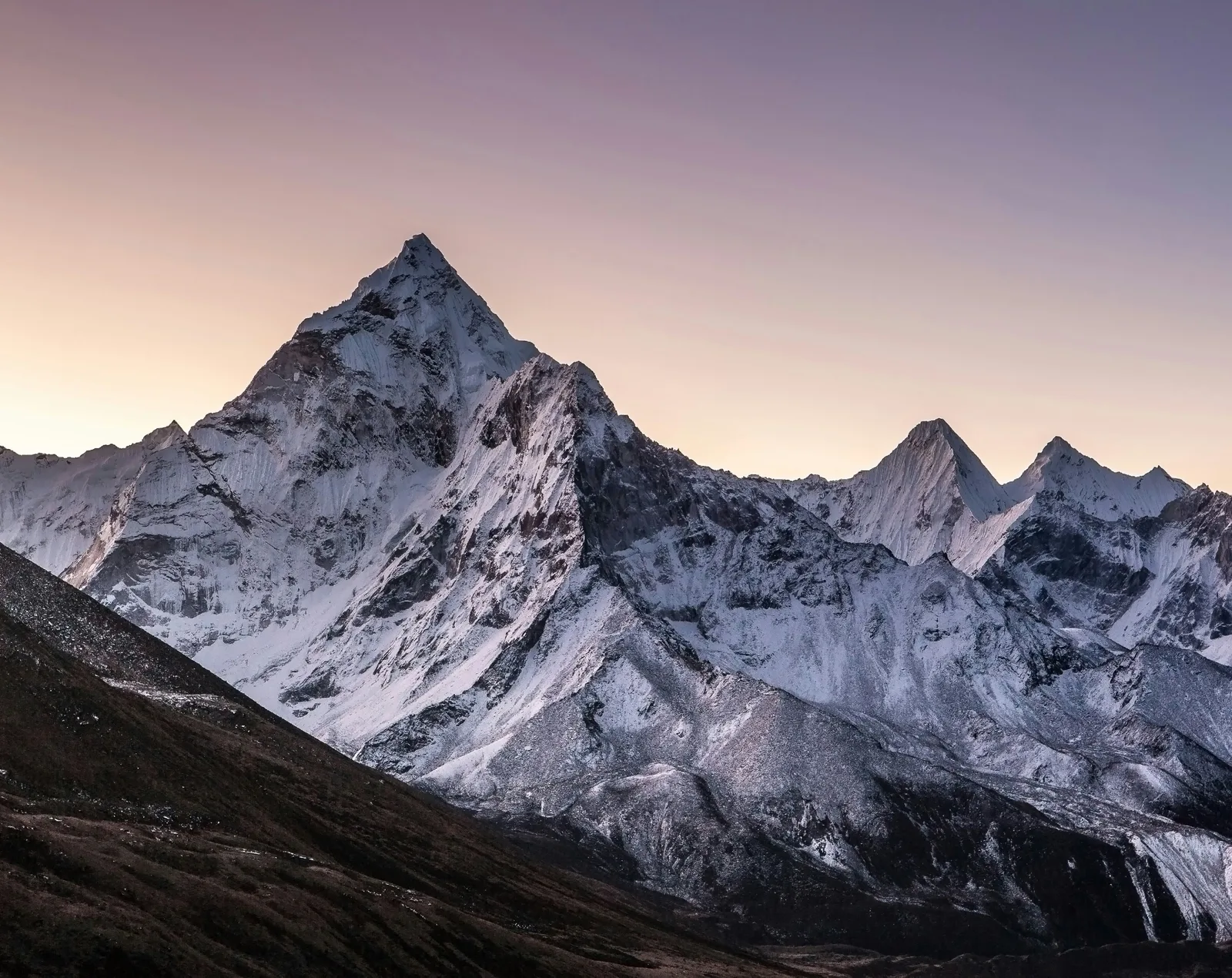
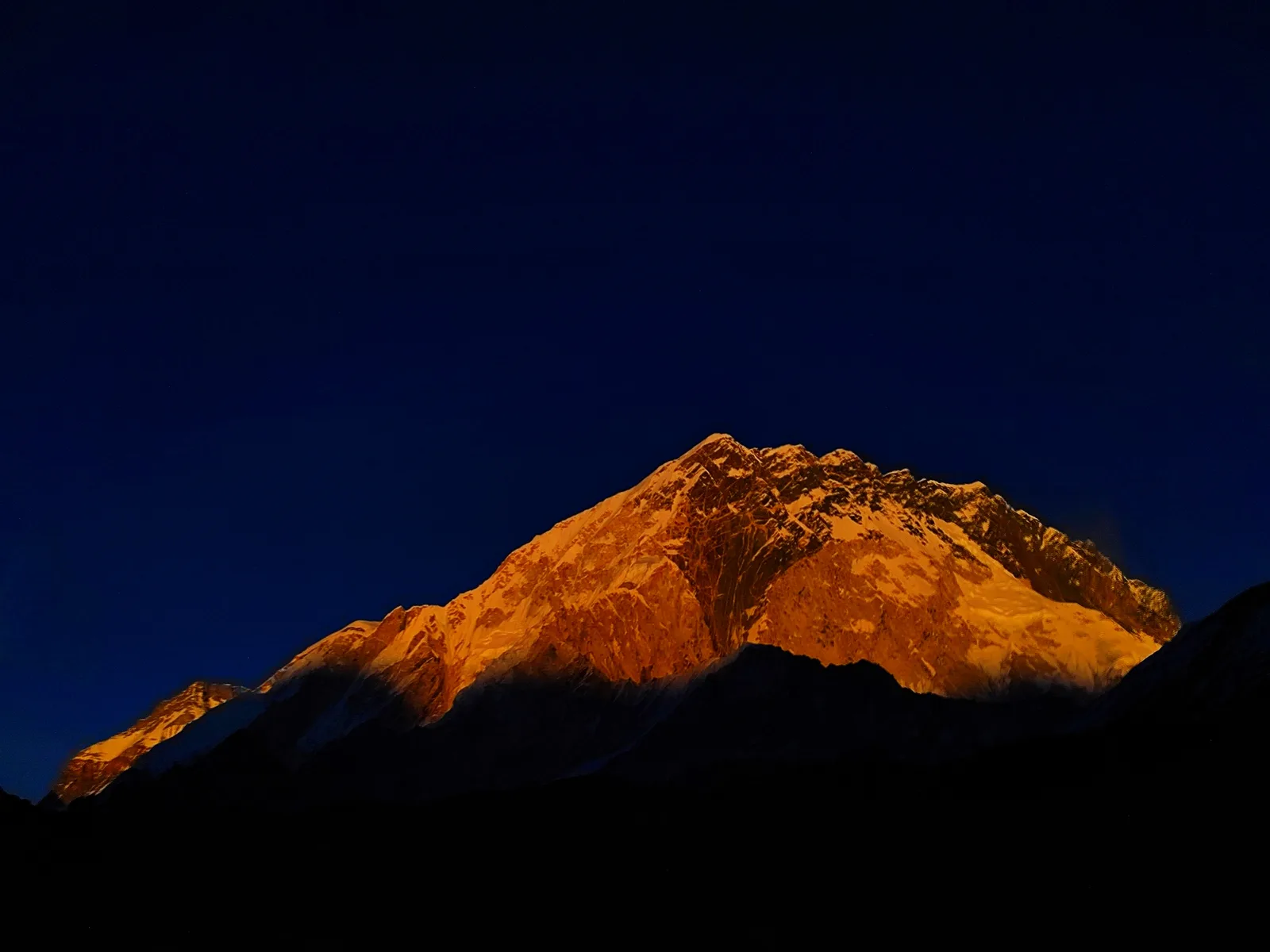
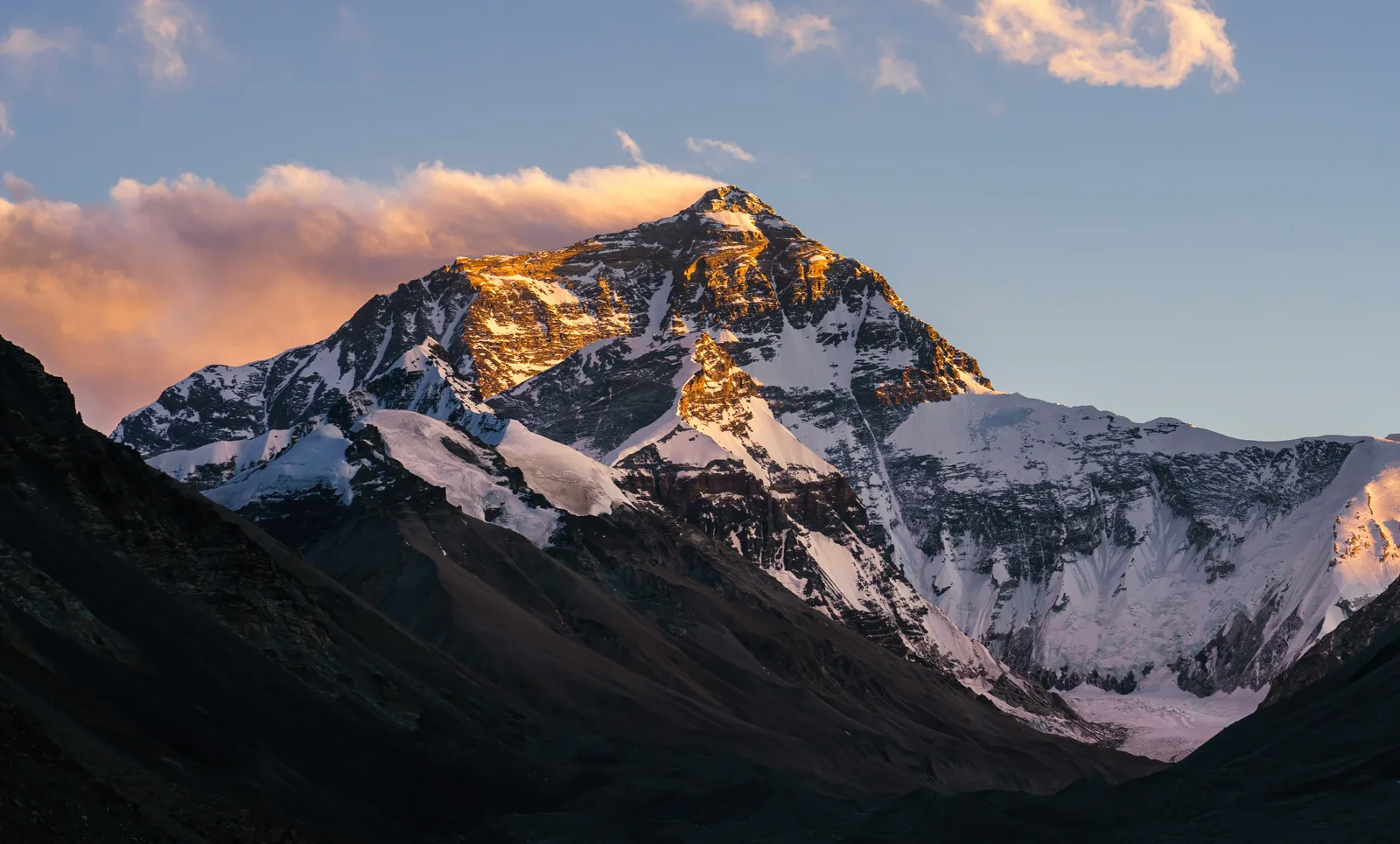
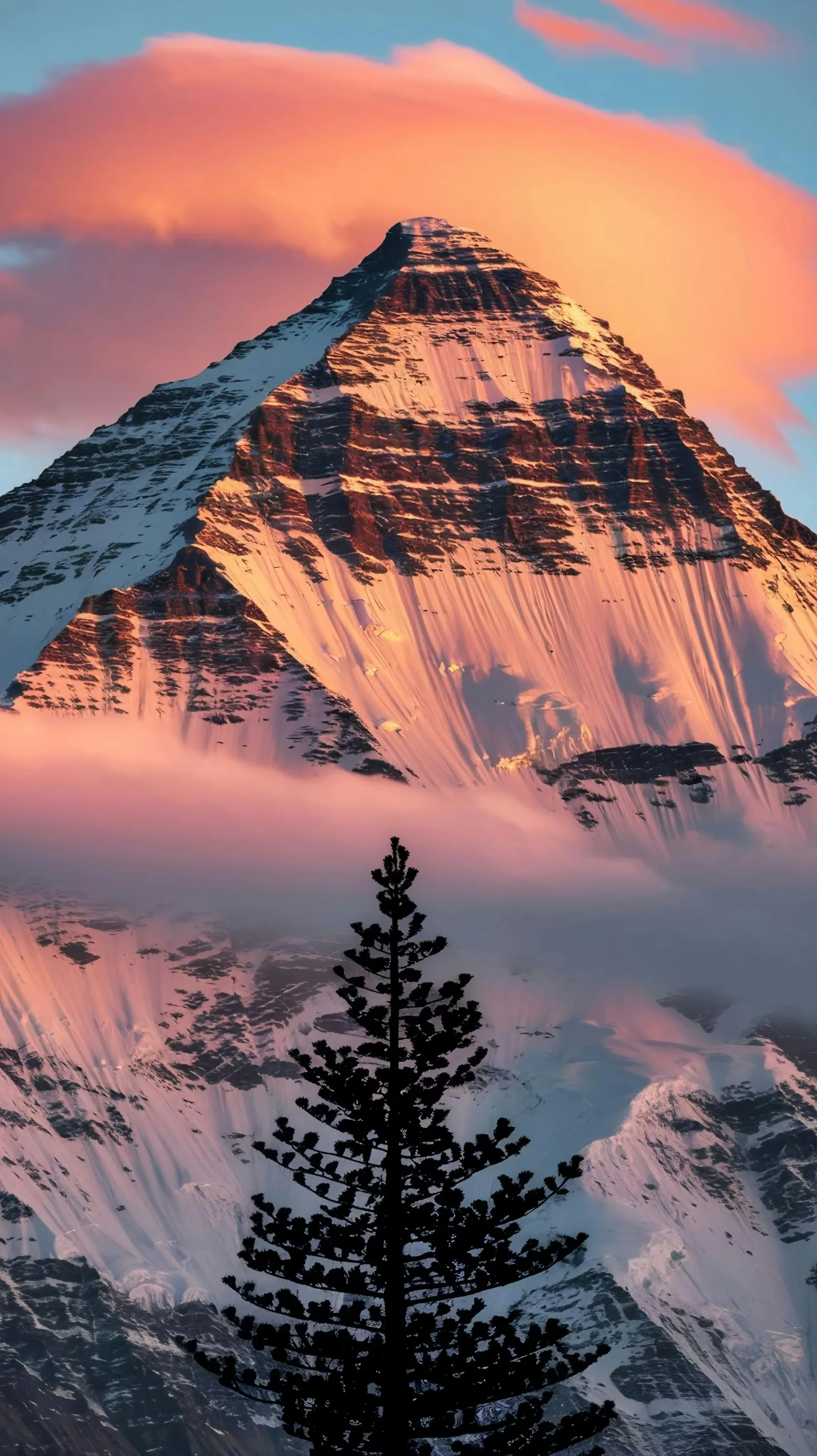
One of the most appealing aspects of trekking in the Himalayas is watching the mountains change color as sunlight moves across their slopes. Early morning and late afternoon can produce beautiful lighting conditions, turning familiar landscapes into memorable scenes. For photography-loving groups, these moments provide opportunities to pause, observe the surroundings, and capture the atmosphere of the mountains.
Golden-hour photography depends on weather, season, location, and the direction of the sunlight. Clear skies can reveal detailed mountain ridges, while mist and moving clouds may create softer, more atmospheric images. Some days may provide spectacular views, while others may remain cloudy. A flexible mindset makes the experience more enjoyable because the Himalayas rarely follow a perfectly predictable schedule.
The journey also offers opportunities for group photographs that celebrate the relationships behind the trip. A photograph beside a traditional village entrance, a shared moment on a scenic trail, or a picture beneath a line of colorful prayer flags can become a reminder of the people who made the experience special. These photographs help preserve the quieter moments that are sometimes overlooked when travelers focus only on major landmarks.
Although the trek can include additional time for photography where conditions allow, the exact timing of stops must remain flexible. Altitude, weather, daylight, trail conditions, and the group's physical comfort take priority. The most successful photography experience is one that allows travelers to enjoy the landscape without compromising their safety or acclimatization.
Women-Only Teahouse Rooms and a Supportive Group Atmosphere
Comfort and privacy matter during a demanding mountain journey. The Sisters' Adventure can be planned around women-only teahouse room arrangements, subject to availability, the accommodation facilities at each stop, and confirmation before departure. This arrangement can be especially appealing to sisters and friends who want to share the experience while maintaining a comfortable and supportive environment.
Teahouses are an important part of trekking in the Everest region. These mountain lodges provide places to rest, eat, sleep, and connect with other travelers. Facilities vary by settlement and accommodation provider. Rooms at higher elevations may be basic, heating may be limited to common areas, and hot showers or charging facilities may cost extra. Travelers should understand these practical details before departure so that expectations remain realistic.
A women-focused group can also create an atmosphere where participants feel comfortable discussing their needs, sharing concerns, and encouraging one another through difficult moments. Female guides or porters may be available depending on the team's arrangements, staffing, and booking requirements. Anyone who specifically requires female trekking staff should request confirmation before reserving the trip rather than assuming availability.
The strongest aspect of a supportive group is the understanding that everyone experiences the mountains differently. Some travelers may enjoy long photography stops, while others may prefer a quieter break or need additional time on a challenging section. Respecting individual needs helps create a more inclusive experience in which the group can celebrate achievements without unnecessary pressure.
The Challenge of Trekking to Everest Base Camp
Reaching Everest Base Camp is a significant physical achievement. Situated at approximately 5,364 meters above sea level, the destination exposes trekkers to thinner air, colder conditions, and a demanding high-altitude environment. Even experienced hikers can find the combination of elevation, terrain, and changing weather challenging.
A relaxed pace can improve the overall trekking experience, but it does not eliminate the risks associated with altitude. Acclimatization, hydration, adequate nutrition, rest, and careful attention to symptoms are essential. Headaches, nausea, dizziness, unusual fatigue, or worsening breathlessness may indicate altitude-related illness. Serious symptoms require prompt medical assessment and descent when advised. Trekkers should never feel pressured to continue simply because the group has a shared goal.
Preparation before departure can make the journey more manageable. Regular walking, uphill training, stair climbing, and cardiovascular exercise can help develop endurance. Strengthening the legs and improving balance may also make uneven trails more comfortable. Training should be adjusted to individual fitness levels, and travelers with relevant medical concerns should seek advice from a qualified healthcare professional before undertaking a high-altitude trek.
Appropriate equipment is equally important. Well-fitted trekking boots, layered clothing, insulated outerwear, gloves, sun protection, a warm sleeping layer, and a comfortable daypack help travelers respond to changing conditions. A suitable first-aid kit, personal medication, travel insurance that covers high-altitude trekking and emergency evacuation, and a clear emergency plan should also form part of the preparation.
The purpose of a carefully planned trek is not to prove that every participant can push through every difficulty. It is to help the group make informed decisions and enjoy the experience responsibly. Reaching Base Camp is a remarkable goal, but personal safety must always come first.
Celebrating Friendship at Everest Base Camp
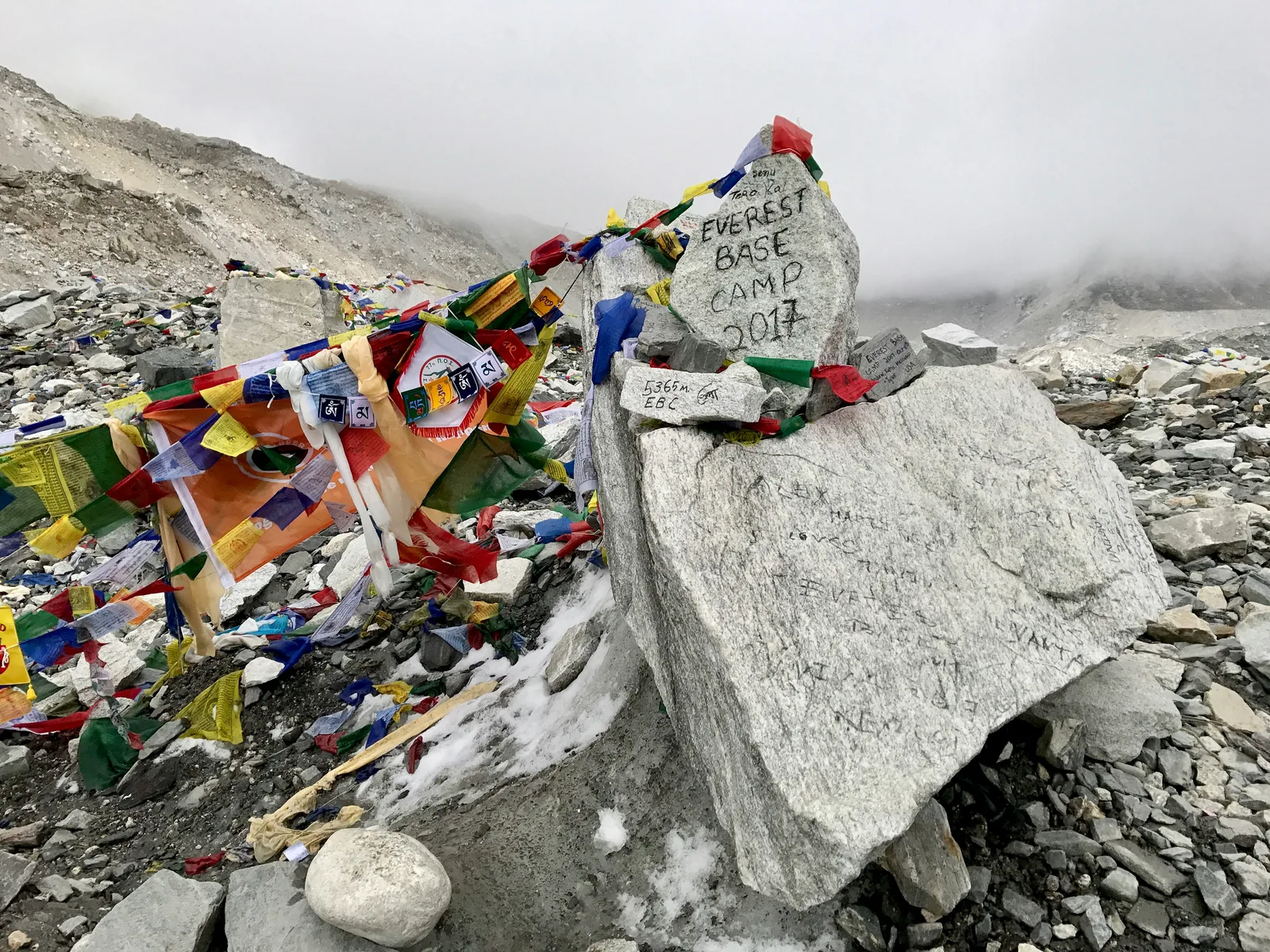
Standing at Everest Base Camp is a powerful moment for many trekkers. The surrounding mountains, glacial terrain, and sense of achievement create a setting unlike almost anywhere else. For sisters and best friends, arriving together adds another layer of meaning because the destination represents not only a physical accomplishment but also the shared effort required to reach it.
The Sisters' Adventure can include a small celebration at Base Camp, with group photographs, personal messages, and time to appreciate the achievement. Some travelers may choose to bring a handwritten note, a small keepsake, or a message for the person who inspired them to join the journey. These personal touches can make the occasion feel more meaningful than a simple photograph at a famous location.
Any special celebration must remain appropriate to the environment and follow local rules. Alcohol is not advisable at high altitude because it can worsen dehydration, impair judgment, and interfere with safe decision-making. A non-alcoholic sparkling drink or another celebratory beverage is a more responsible choice for a high-altitude toast. Supplies must also be planned realistically, as everything carried into the mountains adds weight for the trekking team.
The celebration should not distract from the importance of following the guide's instructions, respecting the landscape, and leaving no waste behind. A responsible group carries all rubbish out and avoids disturbing other trekkers or the fragile mountain environment. The most memorable celebration is one that honors both the achievement and the place where it happens.
Cultural Encounters Along the Trail
The Everest region is home to Sherpa communities whose traditions, religious practices, and mountain knowledge are closely connected to the landscape. Traveling through local settlements provides opportunities to learn about daily life, Buddhist heritage, traditional architecture, and the cultural significance of monasteries and sacred places.
Prayer flags, mani stones, prayer wheels, and chortens are common features along parts of the trail. These are not merely decorative elements; they hold religious meaning and deserve respect. Visitors should follow local customs, listen to their guides, and observe signs or instructions at monasteries and other sacred sites.
Supporting local businesses is another meaningful way to experience the region responsibly. Staying in locally operated teahouses, purchasing goods from local shops, and treating guides, porters, and accommodation staff fairly help recognize the communities that make Himalayan trekking possible. Travelers should also ask before photographing people or entering private spaces.
For a group of women sharing their first journey into the Everest region, these cultural encounters can become some of the most memorable parts of the experience. They encourage curiosity beyond the famous mountain views and provide a better understanding of the people who call this extraordinary landscape home.
What Makes This Adventure Different?
The defining feature of the Everest Base Camp Sisters' Adventure is its emphasis on shared experiences rather than speed. The classic Everest trail remains physically demanding, but the trip's approach focuses on thoughtful pacing, meaningful stops, photography opportunities, and a supportive group environment.
Women-only room arrangements, where confirmed, can provide additional privacy and comfort. Female trekking staff may also be requested, subject to availability. Photography-focused planning encourages participants to notice the changing scenery instead of rushing past it, while the planned Base Camp celebration gives the group an opportunity to recognize the effort behind the achievement.
However, travelers should review the actual package inclusions before booking. The availability of a professional photographer, female guides or porters, private or women-only rooms, celebratory drinks, equipment, and additional acclimatization support depends on the operator's confirmed arrangements. These features should be specified in writing rather than assumed from the package title or promotional description.
A well-organized experience combines these personal touches with responsible high-altitude trekking practices. Clear communication about costs, accommodation, staff arrangements, meals, permits, transportation, and emergency procedures helps ensure that travelers know what to expect. Transparent planning is particularly important for friends and family groups who want to enjoy their trip without unexpected expenses or misunderstandings.
The Best Time for an Everest Base Camp Sisters' Trek
Spring and autumn are generally popular seasons for trekking to Everest Base Camp. Spring, particularly March through May, brings changing mountain landscapes and generally favorable trekking conditions, although weather can still be unpredictable. Autumn, especially October and November, often attracts trekkers seeking clear mountain views and comfortable daytime walking conditions.
The best period for a photography-focused trip depends on the group's priorities. Travelers who value changing seasonal landscapes may prefer spring, while those hoping for crisp mountain panoramas often consider autumn. Neither season guarantees clear skies, and conditions can change rapidly at high elevations.
Winter trekking is possible for appropriately prepared travelers, but colder temperatures, snow, and changing trail conditions may create additional challenges. The monsoon season can bring cloud cover, rain, and travel disruptions, particularly at lower elevations. Flight operations to Lukla may also be affected by weather and operational conditions during different periods of the year.
When choosing dates, groups should consider more than photography alone. Personal availability, fitness preparation, travel insurance, accommodation arrangements, and the flexibility to manage delays are all important. Allowing sufficient flexibility around international flights is particularly sensible because mountain weather can affect transportation schedules.
Creating Memories Beyond the Mountains
The value of the Sisters' Adventure does not end when the group leaves Everest Base Camp. For many travelers, the most meaningful memories come from the moments between major landmarks: encouraging a friend through a difficult climb, sharing stories over dinner, laughing about a cold morning, or discovering a beautiful viewpoint unexpectedly.
Traveling with a sister or close friend can also create a different perspective on familiar relationships. Away from everyday responsibilities, participants have time to talk, reflect, and appreciate one another's company. For mothers and daughters, the trek can become an opportunity to celebrate a shared milestone. For friends, it can be a reminder of the importance of making time for experiences beyond routine life.
The photographs collected along the way help preserve these moments, but the experience itself remains more important than creating a perfect social media post. Some of the most meaningful memories may never be photographed at all. They may be the quiet satisfaction of reaching a teahouse after a challenging day, the kindness of a guide, or the feeling of standing together beneath immense Himalayan peaks.
The journey can also inspire future travel and a deeper interest in Nepal's landscapes and cultures. Visitors who appreciate the Everest region may later explore other parts of the country, including its historic cities, peaceful lakes, traditional villages, and diverse trekking destinations. Each experience offers another opportunity to discover the natural and cultural richness of Nepal.
Book Your Everest Base Camp Sisters' Adventure
The Everest Base Camp Sisters' Adventure is an invitation to share a remarkable Himalayan experience with the women who make life's biggest moments more meaningful. With a 12-day trekking concept, opportunities for golden-hour photography, requested women-only accommodation arrangements, and a celebration at Base Camp, the journey brings friendship and adventure together in one extraordinary setting.
Before booking, confirm the itinerary, acclimatization arrangements, group size, accommodation details, female staff availability, photography support, package inclusions, and cancellation terms with the trekking operator. Ask specifically whether women-only rooms can be guaranteed and whether any additional photography or celebration services are included in the price. Clear answers help ensure that the experience matches your expectations.
Most importantly, prepare for the physical demands of high-altitude trekking and remain flexible throughout the journey. The mountains reward patience, respect, and thoughtful preparation. Reaching Everest Base Camp together can be an unforgettable achievement, but the real success lies in experiencing the journey safely and supporting one another along the way.
For sisters, best friends, and women who love photography, this adventure offers much more than a destination. It is an opportunity to celebrate friendship, discover the beauty of the Himalayas, and create stories that will be shared for years to come. One mountain, one shared dream, and memories made together in the heart of Nepal.
Highlights
What's Included
What's Not Included
Not Suitable For
Important Information
What to Bring
Know Before You Go
Not Allowed
Detailed Itinerary
Day 1Arrival in Kathmandu — Welcome Sisters!
Your sisterhood begins at Tribhuvan International Airport, where our female representative greets you with fresh marigold garlands and a big smile. After the long journey, a private car takes you through the busy streets to Thamel, the lively heart of Kathmandu. Rest for a while, then wander through the colorful lanes if you have energy. In the evening, you sit down with your guide and the other women in the group for a welcome gathering. Share your names, your reasons for coming, and a few laughs. Your guide also explains the route, the photo plan, and how to stay safe at altitude. By the end of the night, strangers feel like friends, and the adventure feels real.
Elevation: 1,400m
Accommodation: Hotel (women-only twin room)
Meals: Welcome Dinner
Meals:dinnerStay:hotel
Day 2Fly to Lukla & Trek to Phakding (2,610m)
Today the mountains finally come close. A short, thrilling flight takes you from Kathmandu to Lukla at 2,840 meters, and the window view of snowy peaks is worth a first photo. After tea with your porter team, the group starts walking at a gentle pace. The trail goes slightly downhill beside the Dudh Koshi River, through pine forests and small Sherpa villages. Stop often for photos at the spinning prayer wheels, the carved mani stones, and the swinging suspension bridges. You may even catch your first glimpse of the white peaks above the trees. The walk takes only three to four hours, so your legs get a soft start. You end the day in Phakding at 2,610 meters.
Elevation: 2,840m → 2,610m
Trekking: 3-4 hours (relaxed pace)
Accommodation: Teahouse (women-only room)
Meals: All meals
Meals:all mealsStay:teahouse
Day 3Trek to Namche Bazaar — The Sherpa Capital
After a slow morning, cross the Dudh Koshi River several times on long suspension bridges hung with colorful prayer flags. The most famous is the Hillary Suspension Bridge, high above the river, so take your time and enjoy the view. At Monjo, you enter Sagarmatha National Park and your guide checks your permits. Then the real climb begins, a steady uphill walk through pine forest. Go slowly, drink water often, and rest whenever you need to. Along the way, you may catch your first view of Mount Everest through the trees, a perfect photo moment. At the end of five to six hours, you arrive in Namche Bazaar at 3,440 meters, a busy Sherpa town built on a hillside shaped like a horseshoe.
Elevation: 2,610m → 3,440m
Trekking: 5-6 hours
Accommodation: Teahouse
Meals: All meals
Meals:all mealsStay:teahouse
Day 4Acclimatization in Namche — Golden Hour at Everest View
Today is a rest day for your body, so the walk is short and relaxed. Climbing high and then coming back down helps you get used to the thin air. Hike up to the Everest View Hotel at 3,880 meters, taking about two hours. From the terrace, the light on Everest, Lhotse, Ama Dablam, and Thamserku is soft and golden, and many photographers say this is the best light of the whole trek. Take your time with your camera and enjoy the moment with the group. Then walk back down to Namche to explore the market, visit the Sherpa Museum, and try a cappuccino and fresh bakery treats in one of the cozy cafes. The round trip takes three to four hours.
Elevation: 3,440m (hike to 3,880m)
Trekking: 3-4 hours round trip
Accommodation: Teahouse
Meals: All meals
Meals:all mealsStay:teahouse
Day 5Trek to Tengboche (3,860m) — Monastery & Mountain Views
This is one of the most photogenic days on the trail. The path leaves Namche and runs along a high hillside with big views of Everest, Nuptse, Lhotse, and Ama Dablam. Keep your camera ready, because the peaks seem to change with every turn. Then the trail drops through rhododendron forest to Phunki Tenga, a small riverside village, where you cross the bridge and take a break. After that, a steady climb of about two hours leads through quiet woods to Tengboche, home to the largest monastery in the Khumbu region. If the timing works, step inside and listen to the monks at their afternoon prayers. The walk takes five to six hours, and the evening sky behind Ama Dablam is magic.
Elevation: 3,440m → 3,860m
Trekking: 5-6 hours
Accommodation: Teahouse
Meals: All meals
Meals:all mealsStay:teahouse
Day 6Trek to Dingboche (4,410m) — Above the Tree Line
Leave the monastery and walk down through birch and rhododendron forest to Deboche. Cross the Imja Khola on a suspension bridge, then pass long mani walls and the ancient Pangboche Monastery, one of the oldest in the region. As you climb higher, the trees get smaller and then disappear, and the land opens into the wide Imja Valley. Stone-walled fields spread out below, with huge peaks on every side. Dingboche sits at 4,410 meters beneath Lhotse and Island Peak. The walk takes five to six hours, and the air begins to feel thin, so walk slowly. If you have energy after you arrive, go out for the sunset. The light on the high peaks here is truly stunning.
Elevation: 3,860m → 4,410m
Trekking: 5-6 hours
Accommodation: Teahouse
Meals: All meals
Meals:all mealsStay:teahouse
Day 7Acclimatization in Dingboche — Nangkartshang Peak
This is your second rest day, and it is a gift for your body. After a slow morning, you can join the optional hike up Nangkartshang Peak, which reaches 5,083 meters. It is steep, so go slowly and stop often. At the top, you get a 360-degree view of Makalu, the fifth highest mountain in the world, along with Lhotse, Island Peak, and Ama Dablam. The hike takes three to four hours up and down. If you prefer to rest, that is perfectly fine. Spend the afternoon back in Dingboche reading, writing in your journal, sharing photos with the group, or simply sitting quietly in the mountain silence. The slow day helps you feel strong for the higher trail ahead.
Elevation: 4,410m (hike to 5,083m optional)
Activity: 3-4 hours optional hike
Accommodation: Teahouse
Meals: All meals
Meals:all mealsStay:teahouse
Day 8Trek to Lobuche (4,940m) — Memorial Chortens
The trail climbs slowly across a wide, open valley, with the mountains close on both sides. Walk up to Thukla, then take on the steep climb to Thukla Pass. At the top, you will find rows of stone chortens and fluttering prayer flags for climbers who never returned from Everest and nearby peaks. It is a quiet and moving place, so take a moment here before you take photos. From the pass, the trail follows the edge of the Khumbu Glacier, with Nuptse standing huge above you. The landscape feels bigger and more dramatic with every step. The air is cold and thin, so keep warm and walk slowly. You reach Lobuche at 4,940 meters after five to six hours.
Elevation: 4,410m → 4,940m
Trekking: 5-6 hours
Accommodation: Teahouse
Meals: All meals
Meals:all mealsStay:teahouse
Day 9Everest Base Camp (5,364m) — The Celebration
This is the main event! Start early, because the weather is best in the morning. Trek to Gorak Shep at 5,140 meters, the last settlement before Base Camp, and rest for a while with a good lunch. Then follow the rocky trail beside the Khumbu Glacier to Everest Base Camp. The path goes up and down, and sometimes you can hear the ice cracking below. At 5,364 meters, you stand beside the Khumbu Icefall, surrounded by prayer flags. Take your celebration photos, hug your sisters, and enjoy a moment you have worked so hard for. You earned it. Then walk back to Gorak Shep for the night. The whole day takes seven to eight hours, so pace yourself and drink plenty of water.
Elevation: 4,940m → 5,364m → 5,140m
Trekking: 7-8 hours
Accommodation: Teahouse
Meals: All meals
Meals:all mealsStay:teahouse
Day 10Kala Patthar Sunrise (5,545m) & Descend to Pheriche
Wake up in the dark and begin the climb to Kala Patthar, the highest point of the trek at 5,545 meters. It is very cold, so wear all your layers and go slowly. When the first rays of sun touch the summit of Everest, the whole sky turns gold. It is an emotional, unforgettable moment, and it gives you the best photos of the journey. Spend a little time at the top, then walk down to Gorak Shep for breakfast. After that, begin the long descent along the glacier, past Lobuche and Thukla, to Pheriche at 4,240 meters. The air gets warmer and thicker with every step, and your lungs and legs will thank you. The day takes seven to eight hours.
Elevation: 5,140m → 5,545m → 4,240m
Trekking: 7-8 hours
Accommodation: Teahouse
Meals: All meals
Meals:all mealsStay:teahouse
Day 11Trek to Namche Bazaar — Celebration Night
Today you retrace your steps down the valley, passing Pangboche and Tengboche, and then continue to Namche Bazaar at 3,440 meters. The trail feels easy now, and the air is rich and warm. Look back often, because the high peaks you stood beneath are slowly fading from view. When you reach Namche after six to seven hours, enjoy a hot shower, a visit to the bakery, and a little time to walk through the market. In the evening, the group gathers for a celebration full of laughter, shared photos, and stories about the highs and tough moments of the trek. These are the nights that stay with you for a lifetime.
Elevation: 4,240m → 3,440m
Trekking: 6-7 hours
Accommodation: Teahouse
Meals: All meals
Meals:all mealsStay:teahouse
Day 12Trek to Lukla — Farewell to the Khumbu
Your last day of walking follows the Dudh Koshi River back to Lukla. Leave Namche early and go down the steep trail to the river, crossing the Hillary Suspension Bridge one more time. The route passes through Monjo and Phakding, villages that look different now that you are stronger. Look back at the mountains you conquered. Everest may fade from view, but the memories will stay. Stop to thank the porters and yak herders you meet on the trail, and always step to the hill side to let them pass. The walk takes six to seven hours and ends in Lukla at 2,840 meters. In the evening, celebrate together with your guide and porter team, who helped you reach your goal.
Elevation: 3,440m → 2,840m
Trekking: 6-7 hours
Accommodation: Teahouse
Meals: All meals
Meals:all mealsStay:teahouse
Day 13Fly to Kathmandu — Farewell Dinner
Take the early morning flight from Lukla back to Kathmandu and look out the window one last time at the peaks and valleys you walked through. After landing, you are taken to your hotel, and the rest of the day is yours. Go shopping in Thamel, book a spa session to ease your tired legs, or explore the old streets of the city. In the evening, the whole group comes together for the farewell dinner. Certificates are given out, final group photos are taken, and promises are made to stay in touch. Most sister groups do, for years. It is a warm and happy end to a journey you will never forget.
Accommodation: Hotel
Meals: Breakfast, Farewell Dinner
Meals:breakfastStay:hotel
Day 14Departure from Kathmandu
Today you say goodbye to Nepal. After a relaxed morning, our team will take you to Tribhuvan International Airport for your onward flight. You carry home photos, new friendships, and a strong feeling for the Himalayas. If you are not ready to leave, we can help you extend your trip with a wildlife safari in Chitwan or a peaceful getaway in Pokhara, beside the lake and mountains. Just let us know and we will arrange everything for you. Whatever you choose, thank you for being part of this adventure. We hope to welcome you, and your sisters, back to the mountains very soon.
Meals: Breakfast
Meals:breakfast
Gallery
0 photosNo gallery images available for this tour.
Downloads
No downloadable files available for this tour.
4.39 reviews
5
4
4
4
3
1
2
0
1
0
S
Sarah Johnson
USA · ✓ Verified
Five stars for Enticing Himalayas
I traveled from USA specifically for Everest Base Camp Sisters' Adventure and it was worth every hour of the flight. Our guide Mingma carried extra snacks for the group and shared stories of growing up in these mountains. Learning basic Nepali phrases opened doors to genuine connections. The trail markers were excellent — very easy to follow. I expected pain; I got perspective. And a bit of pain too — good pain. Five stars without hesitation.
F
Felix Wagner
Austria · ✓ Verified
Incredible guides, incredible views
Our family chose Everest Base Camp Sisters' Adventure for our annual vacation and it exceeded every expectation we had. When my knees acted up, Dorje arranged a porter within hours. Professional and kind. Hot showers and warm meals felt like luxury after long walking days. Spotting a Himalayan monal (national bird) was a lucky treat. I was surprised by how comfortable the rooms were at altitude. Pickup from the airport was seamless — I was met despite flight delays. Each village has its own character — charming and distinct. The morning light on the peaks is something I'll never forget. Highly recommended for anyone considering this trek.
B
Ben Clark
USA · ✓ Verified
Challenging and rewarding in equal measure
I took a sabbatical and chose Everest Base Camp Sisters' Adventure as my cornerstone experience. Our guide Pasang was exceptional — 15 years of local knowledge condensed into engaging stories every evening. Golden hour lighting on the mountains is something every photographer must see. Receiving a khata (blessing scarf) from a lama was an honor. The family-run teahouses had character and genuine hospitality. The pre-trek briefing in Kathmandu answered every question I had. The teahouse-to-teahouse rhythm was meditative and grounding. Highly recommended for anyone considering this trek.
A
Aanya Verma
India · ✓ Verified
Life-changing mountain experience
Three friends and I booked Everest Base Camp Sisters' Adventure together and we're already planning our next trip. Jangbu didn't just lead — he taught us about local plants, Buddhist traditions, and mountain geology. The valley views opened up dramatically after we passed the treeline. The contrast between Kathmandu chaos and mountain serenity is profound. The steep climb on day 2 tested me, but reaching the top felt incredible. The teahouses were basic but clean — and the blankets were warm. All permits and paperwork were handled invisibly — I just showed up. The trail markers were excellent — very easy to follow. The teahouse-to-teahouse rhythm was meditative and grounding. Not if, but when — I'm already planning my return.
F
Fatima Al-Sayed
Qatar ·
Pure mountain magic with exceptional guides
I traveled from Qatar specifically for Everest Base Camp Sisters' Adventure and it was worth every hour of the flight. The valley views opened up dramatically after we passed the treeline. The architecture in the mountain villages tells centuries of history. Blisters on day 1 taught me a lesson; proper boots are essential. We crossed three high passes and each one felt like a personal victory. The suspension bridges over the deep gorges were heart-pounding. Worth every penny and every step.
J
Jonas Weber
Germany · ✓ Verified
A transformative mountain journey
My second trek in Nepal, my first with this company — Everest Base Camp Sisters' Adventure convinced me I'll come back. Tashi woke up at 5am with us every morning to catch the best sunrise light. We spotted a family of blue sheep grazing on the high slopes. The garlic soup at high altitude genuinely helped with acclimatization. Altitude headaches hit me at 3,500m — our guide managed it professionally. The pre-trek briefing in Kathmandu answered every question I had. Each village has its own character — charming and distinct. The teahouse-to-teahouse rhythm was meditative and grounding. Genuine, caring team that delivers on promises.
L
Liam Murphy
Ireland · ✓ Verified
The trek of a lifetime
I wasn't sure what to expect from Everest Base Camp Sisters' Adventure, but it turned out to be one of the best travel decisions of my life. Sonam balanced the group perfectly — fast hikers and leisurely walkers both felt comfortable. The glacial river water was the clearest blue I've ever seen. Receiving a khata (blessing scarf) from a lama was an honor. I'm not a morning person, but pre-dawn starts became my favorite part. The wood-burning stoves in the dining rooms created a cozy atmosphere. I expected pain; I got perspective. And a bit of pain too — good pain. The teahouse-to-teahouse rhythm was meditative and grounding. Thank you Sonam and team — you made this unforgettable.
K
Karl Anderson
Sweden · ✓ Verified
Incredible guides, incredible views
The booking process for Everest Base Camp Sisters' Adventure was so smooth I knew I was in good hands. What I appreciated most: Nima checked in with each of us individually every evening. Local women weaving traditional textiles — I bought a scarf directly from the maker. Snug rooms with thick blankets; I slept better than expected. Pickup from the airport was seamless — I was met despite flight delays. I expected pain; I got perspective. And a bit of pain too — good pain. The trail markers were excellent — very easy to follow. The suspension bridges over the deep gorges were heart-pounding. Genuine, caring team that delivers on promises.
T
Tara O'Brien
Ireland ·
Cannot recommend enough
I almost skipped Everest Base Camp Sisters' Adventure because of the price — thank goodness I didn't. Golden hour lighting on the mountains is something every photographer must see. I learned to order 'extra spicy, extra comfort' — it worked every time. We visited a monastery during morning prayers — the chanting was deeply moving. The final ascent pushed my limits — and expanded them. A spontaneous dance party at a teahouse — pure joy. I was surprised by how comfortable the rooms were at altitude. Walking above the tree line for hours was surreal. Each village has its own character — charming and distinct. The trail markers were excellent — very easy to follow. Highly recommended for anyone considering this trek.
Tour Video
No video available for this tour.
1 option available
Everest Base Camp Sisters' Adventure — 14 Day Photo Trek
Standard tour package with flexible dates
14 days
Guide: English
Select a date
1
$2,460
1 Adult × $2,460
Free cancellation
Cancel up to 24 hours in advance for a full refund
From
$2,460/person
Booking options
Choose a departure below, or use the availability calendar to select a flexible date. Availability and final pricing are confirmed during booking.