Loading...
14 days
1 Option Available
Everest Base Camp Trek for Women — Women-Only Guided Group
Country
Nepal
Duration
14 days
Group size
Flexible group size
Difficulty
moderate
4.2(9 reviews)
Solukhumbu, Everest Region
Tour Description
Everest Base Camp Trek for Women: Strength, Sisterhood, and Summit
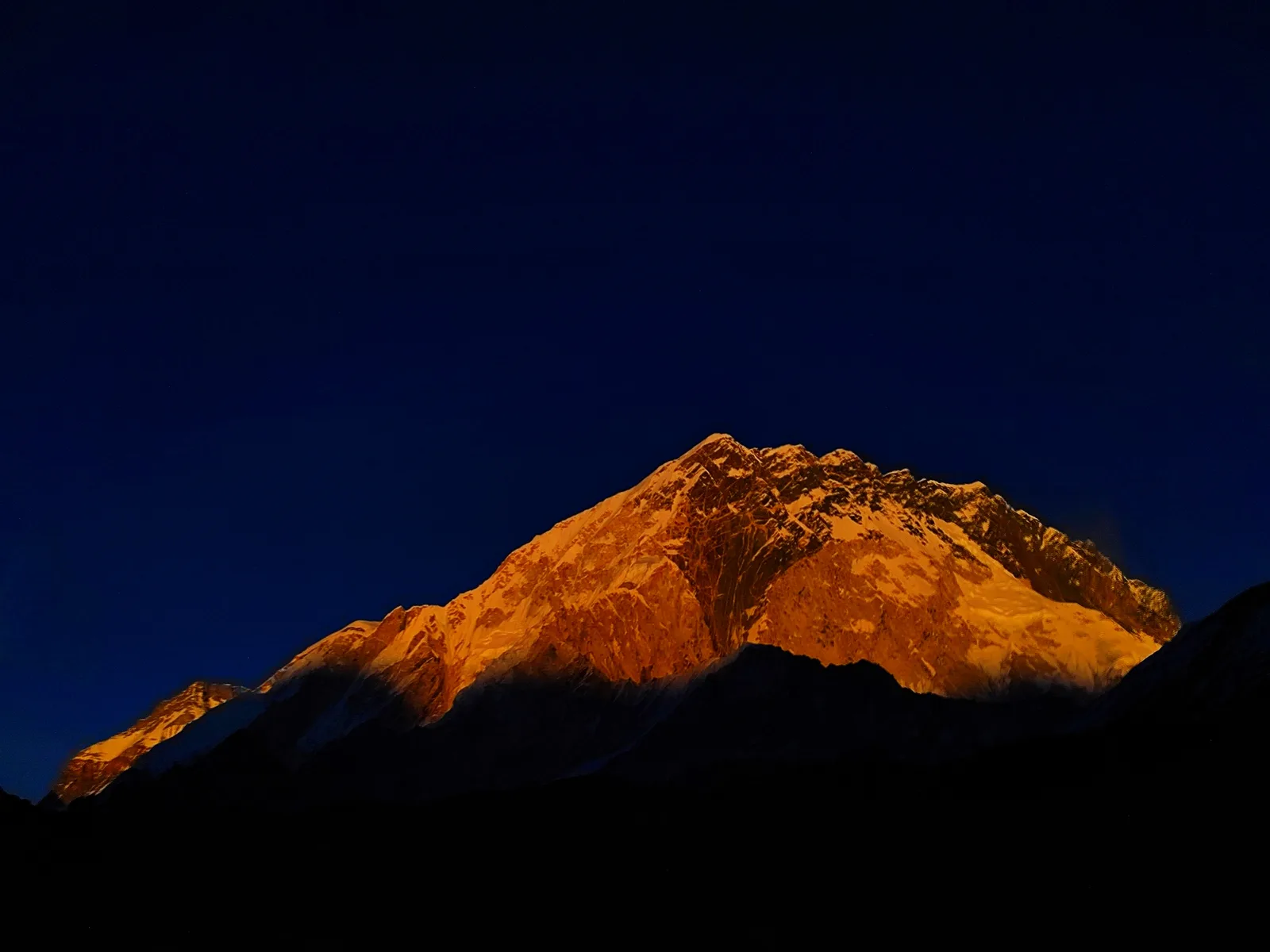
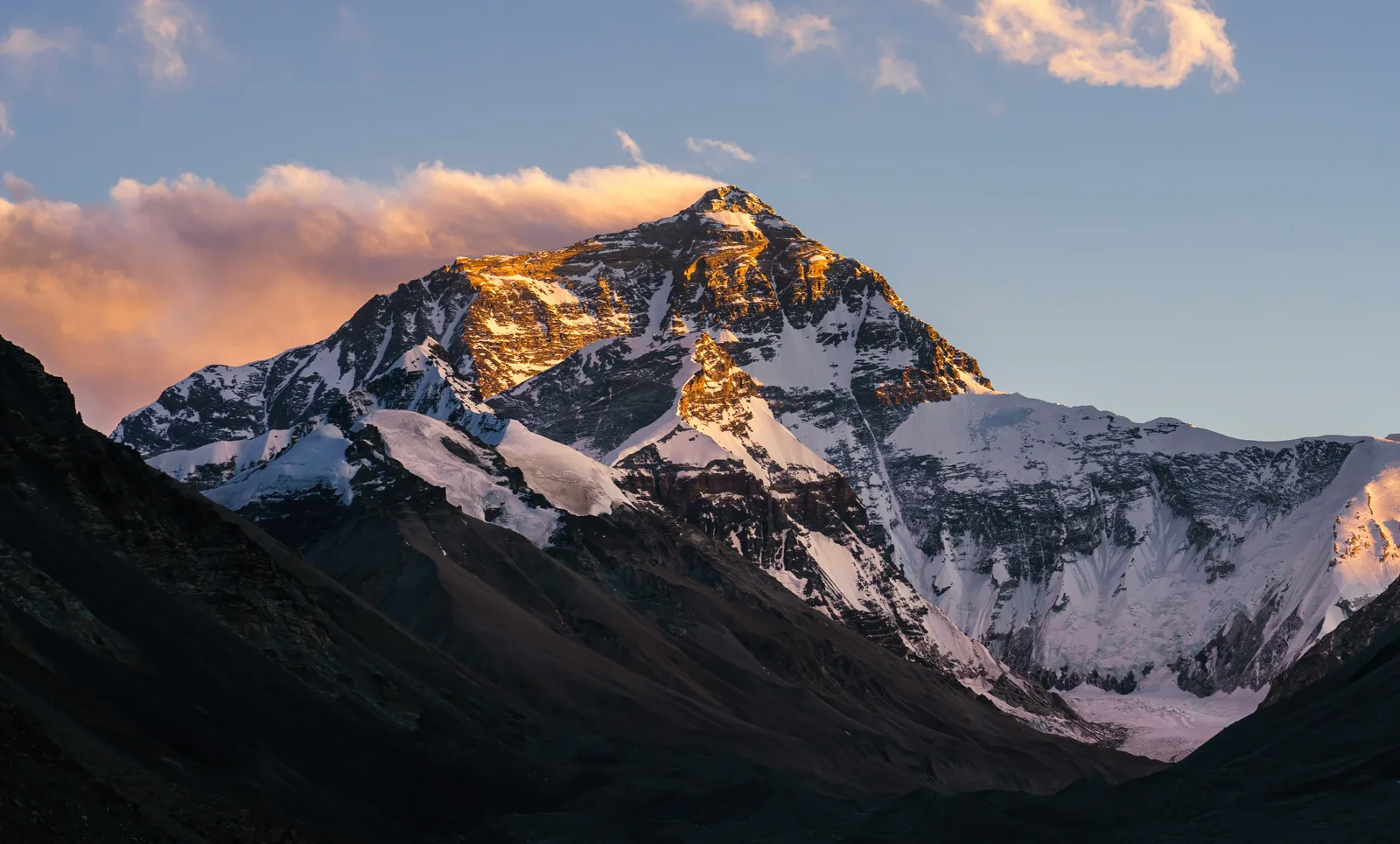
The Everest Base Camp Trek for Women is a 14-day Himalayan adventure created for women who want to explore Nepal's spectacular mountains while building confidence, forming meaningful friendships, and experiencing the power of a supportive trekking community. Led by experienced female Sherpa guides, this women-focused journey takes travelers through the beautiful Khumbu region toward Everest Base Camp at approximately 5,364 meters above sea level. Beyond the extraordinary mountain scenery, the experience celebrates independence, resilience, and the shared determination of women pursuing an ambitious goal together. Whether you are traveling solo, with a friend, or as part of a small group, the trek offers an opportunity to challenge yourself, learn about Himalayan culture, and discover the remarkable landscapes surrounding Mount Everest.
A women-only trekking experience can make the journey more comfortable for travelers who value privacy, companionship, and opportunities to connect with other women. From preparing for the trek in Kathmandu to walking through traditional Sherpa settlements and watching sunlight illuminate the Himalayan peaks, every stage offers something memorable. The journey also highlights the contributions of women working in Nepal's trekking industry, particularly female guides and other professionals helping create more opportunities for women in mountain tourism. With thoughtful preparation, a responsible trekking approach, and a strong focus on acclimatization, the Everest Base Camp Trek for Women brings together adventure, cultural discovery, and sisterhood in one unforgettable Himalayan experience.
A Himalayan Adventure Created for Women
Traveling to Everest Base Camp requires physical preparation, patience, and a willingness to adapt to changing mountain conditions. For women joining a dedicated group, the experience can also provide a welcoming environment in which to share concerns, exchange advice, and encourage one another throughout the journey. The purpose of a women-only trek is not to suggest that every woman has identical needs or abilities. Instead, it creates a space where participants can enjoy a shared adventure while respecting their individual preferences, comfort levels, and personal goals.
Some women join because they have always dreamed of seeing Mount Everest. Others want to celebrate a milestone, reconnect with themselves, experience solo travel in a group setting, or take on a challenge beyond their everyday routine. Whatever the motivation, reaching Everest Base Camp can become a meaningful personal achievement.
The trail does not require participants to be professional athletes, but it does demand a reasonable level of fitness and preparation. Days often involve several hours of walking over uneven terrain, stone steps, steep uphill sections, and rocky mountain paths. As the altitude increases, even ordinary movements can become more tiring. A supportive group culture encourages everyone to maintain a manageable pace, take necessary breaks, and communicate openly when they need assistance.
The most rewarding experience comes from understanding that the journey is not a competition. Every participant brings different strengths, experiences, and reasons for joining. By encouraging one another rather than comparing progress, the group can create an atmosphere built around respect, confidence, and shared accomplishment.
Experienced Female Sherpa Guides and Local Knowledge
One of the defining features of the Everest Base Camp Trek for Women is the opportunity to travel with experienced female Sherpa guides, subject to the trekking operator's confirmed staffing arrangements. Female guides can offer valuable local knowledge, professional trekking expertise, and an understanding of some concerns women travelers may have when navigating unfamiliar mountain environments.
Professional guides play an important role in making a high-altitude trek more organized and informed. They help coordinate daily walking plans, explain local customs, assess trail conditions, monitor participants for signs of altitude-related illness, and communicate with accommodation providers. Their knowledge of the Everest region can also introduce travelers to the cultural and environmental
significance of the places they visit.
Female representation in mountain tourism has wider importance in Nepal, where trekking and mountaineering have historically been male-dominated professions in many settings. Supporting qualified women working as guides and trekking professionals can help increase visibility and encourage future generations to consider careers in outdoor tourism.
Participants should confirm their guide's qualifications, experience, language skills, and emergency-response training before departure. The availability of female guides can depend on the season, group size, and operator staffing, so it is important to obtain written confirmation when this feature is essential to the booking.
A good guide also understands that leadership involves more than reaching a destination. It means listening to the group, communicating clearly, encouraging responsible decisions, and recognizing when conditions require a change of plan. In the Himalayas, that judgment is especially important because weather, altitude, and trail conditions can change rapidly.
Discover the Beauty of the Khumbu Region
The Khumbu region is one of Nepal's most celebrated trekking destinations, known for its spectacular mountain views, traditional Sherpa villages, Buddhist heritage, and dramatic high-altitude landscapes. The journey toward Everest Base Camp provides an opportunity to experience these features gradually, with the surroundings changing as trekkers move from lower valleys toward the glacial terrain beneath the world's highest peaks.
Namche Bazaar is a major settlement along the route and an important center for trekkers visiting the Everest region. Built into a mountainside, it features local shops, bakeries, teahouses, and viewpoints overlooking the surrounding landscape. It also offers a glimpse into the relationship between tourism and everyday life in the Khumbu.
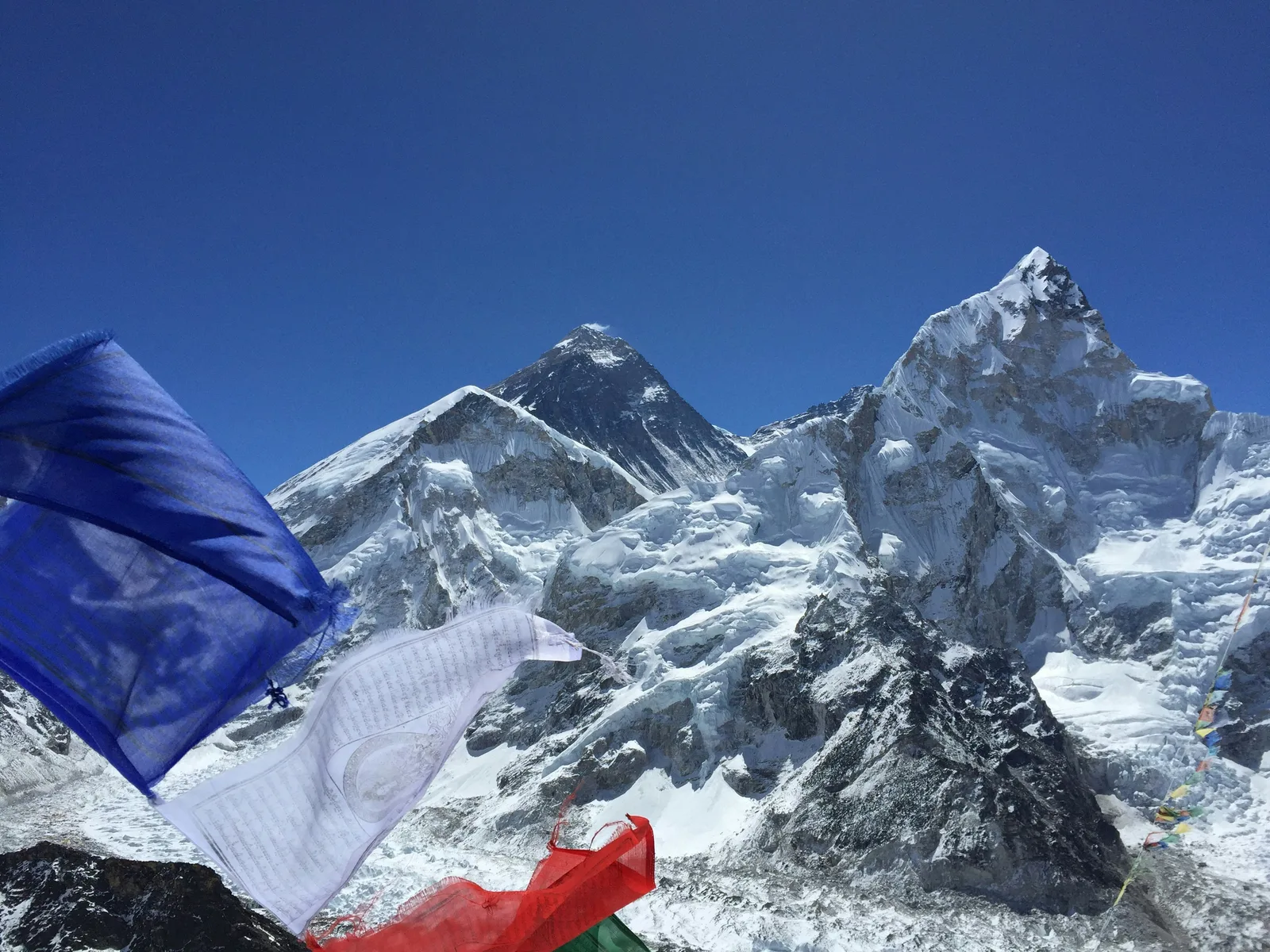
Further along the trail, Tengboche is known for its monastery and remarkable mountain setting. Prayer flags, traditional religious structures, and panoramic views create a peaceful atmosphere that contrasts with the physical challenge of trekking at altitude. Respecting local customs and observing monastery guidelines help visitors experience these places responsibly.
As the route progresses toward Dingboche and Lobuche, the landscape becomes more rugged. Forests gradually give way to open alpine terrain, rocky ridges, glacial valleys, and expansive views of surrounding peaks. The reduced vegetation and increasingly exposed environment reveal the scale and intensity of the high Himalayas.
For women experiencing the Everest region for the first time, these changing landscapes offer more than beautiful photographs. They demonstrate the diversity of Nepal's mountain environments and provide opportunities to learn about local traditions, high-altitude living, and the communities that support trekking tourism.
Safety, Privacy, and Comfort on the Trail
Feeling comfortable during a multi-day trek is important, particularly when traveling in an unfamiliar environment. A women-focused trekking package can address privacy preferences through carefully arranged accommodation, clear communication, and opportunities to discuss personal needs with the guide or operator.
Women-only teahouse rooms may be available at some overnight stops, depending on the accommodation provider and seasonal demand. However, facilities vary throughout the Everest region, and private rooms or exclusive bathroom arrangements cannot always be guaranteed. Travelers who require specific arrangements should confirm them before booking and understand what alternatives may be offered if the preferred accommodation is unavailable.
Mountain lodges typically provide basic rooms, shared dining areas, and meals suitable for trekkers. Facilities can become more limited at higher elevations, where hot showers, charging points, heating, and other conveniences may cost extra or be unavailable. Bringing suitable personal hygiene supplies, warm clothing, and essential toiletries can make the experience more comfortable.
Guides should also establish clear communication about daily plans, group expectations, emergency procedures, and individual concerns. Travelers should feel comfortable asking questions about accommodation, food, bathroom facilities, changing weather, or their physical condition.
Safety is a shared responsibility. Participants should follow the guide's instructions, remain aware of their surroundings, and avoid separating from the group without informing the trekking team. Travel insurance should cover high-altitude trekking at the intended elevation and emergency evacuation, including helicopter evacuation where available and medically appropriate.
No trekking package can eliminate every risk associated with the Himalayas. A responsible operator should explain these limitations honestly and prioritize participant well-being over a fixed schedule or the desire to reach a particular landmark.
Acclimatization and the Importance of a Responsible Pace
Reaching Everest Base Camp at approximately 5,364 meters is a considerable physical achievement. At this elevation, oxygen availability is significantly lower than at sea level, and the body needs time to adapt. Even fit and experienced hikers can develop altitude-related symptoms, making acclimatization a central part of a successful trek.
A 14-day trekking program should be designed around gradual elevation gain and appropriate opportunities for rest and acclimatization. The exact schedule depends on the operator's route, overnight elevations, and safety procedures. Rest or acclimatization days are not wasted time; they help the group adapt and provide opportunities to explore nearby viewpoints without unnecessarily rushing toward higher elevations.
Common symptoms of altitude-related illness include headache, nausea, dizziness, fatigue, and reduced appetite. More serious warning signs can include difficulty walking normally, confusion, or breathlessness while resting. Such symptoms require prompt attention, and suspected serious altitude illness may require immediate descent and medical assistance. Participants should never be encouraged to continue ascending when doing so could endanger their health.
A slower pace can make the experience more manageable, but it does not guarantee protection from altitude sickness. Proper acclimatization, hydration, adequate nutrition, rest, and honest communication about symptoms remain essential.
Preparation should begin well before arriving in Nepal. Regular walking, uphill hikes, stair climbing, cardiovascular exercise, and lower-body strengthening can help improve endurance. Training with a loaded daypack can also prepare travelers for the demands of carrying personal supplies. Anyone with medical concerns should consult a qualified healthcare professional before undertaking a high-altitude trek.
The goal is to reach Everest Base Camp responsibly, not at any cost. If conditions or health concerns make continuing unsafe, changing the plan is a sign of good judgment rather than failure.
Sisterhood and the Power of Shared Experiences
A women-only trek can create friendships through the simple experience of spending time together in the mountains. Long walking days provide opportunities for conversation, while shared meals and evenings in teahouses allow participants to relax and exchange stories.
The group may include women from different countries, professional backgrounds, age groups, and stages of life. Some may be experienced trekkers, while others may be attempting their first major Himalayan journey. This diversity can make the experience especially rewarding because everyone has something different to contribute.
Support often appears in small moments. A fellow trekker may offer encouragement during a steep climb, share useful advice about layering clothing, or help someone adjust their backpack. These gestures can become just as meaningful as the major milestones of the journey.
For solo travelers, joining a group can also provide a way to experience the Himalayas while sharing parts of the adventure with others. Participants can enjoy independence while benefiting from organized logistics, professional guidance, and a community of fellow travelers.
Friendships formed on the trail may continue after everyone returns home. Photographs, shared stories, and memories of the journey can become reminders of what the group achieved together. Ultimately, sisterhood on the trail is not about everyone having the same experience. It is about recognizing one another's efforts and celebrating each person's progress.
Empowering Women Through Responsible Tourism
Women's participation in Himalayan trekking can contribute to broader conversations about opportunity, leadership, and representation in Nepal's tourism industry. Female guides, porters, lodge owners, entrepreneurs, and other tourism professionals help shape the experience of visitors while supporting local livelihoods.
Choosing a responsible trekking operator allows travelers to support businesses that treat staff fairly, respect local communities, and prioritize environmental care. Participants can ask how the operator recruits and supports female staff, whether employees receive appropriate training, and what measures are in place to provide fair working conditions.
If a package states that a portion of every booking supports training female trekking guides, travelers should ask the operator for details about the program and how contributions are allocated. Clear information helps ensure that empowerment claims are meaningful and transparent.
Travelers can also support local communities by using locally operated accommodation and services, purchasing goods from local businesses, and treating guides and porters with respect. Learning about Sherpa culture and Buddhist traditions helps create a more thoughtful connection with the region.
Environmental responsibility is equally important. Trekkers should avoid leaving rubbish on the trail, minimize unnecessary single-use plastics, respect wildlife, and follow local guidance around sacred places. The Everest region is both a major tourism destination and a fragile mountain environment that requires careful stewardship.
An empowering journey should benefit more than the travelers themselves. It should also recognize the knowledge, work, and contributions of the people who make Himalayan tourism possible.
Reaching Everest Base Camp Together
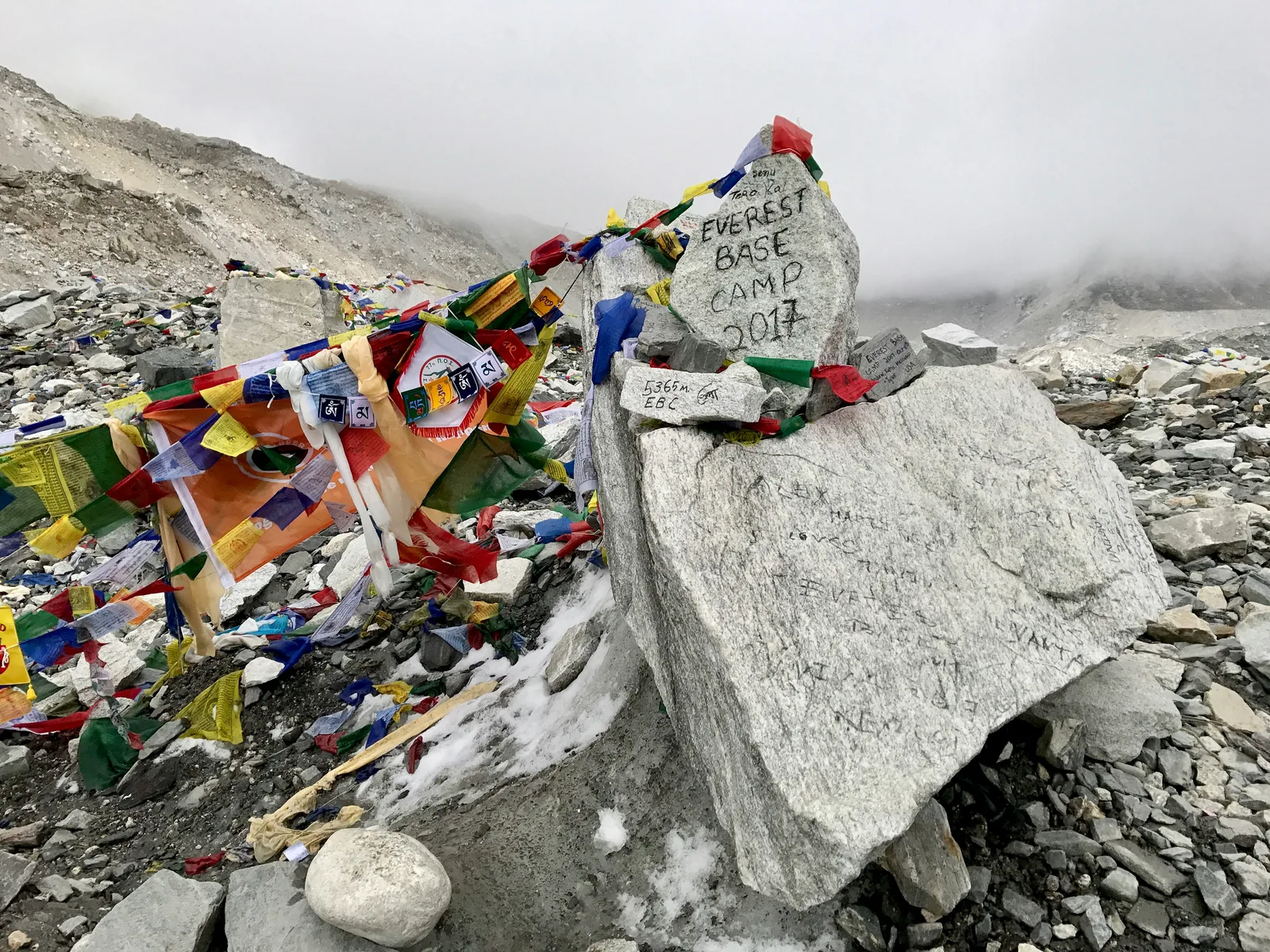
Arriving at Everest Base Camp is the central goal of the journey for many participants. At approximately 5,364 meters, the destination sits amid a dramatic landscape of glacial debris, towering mountain walls, and the immense environment of the Khumbu Glacier. The atmosphere changes with the season, and the views depend on weather and visibility.
For many trekkers, reaching Base Camp represents the culmination of months of preparation, personal determination, and support from others. Standing there together can create a powerful sense of achievement, especially for women who have set themselves a challenging goal and worked toward it as part of a group.
It is important to understand that Everest Base Camp is not the summit of Mount Everest. The summit lies much higher and requires a separate, highly technical mountaineering expedition. The trek to Base Camp is itself demanding, but it is a distinct experience from climbing the mountain.
A responsible celebration at Base Camp can focus on group photographs, personal reflections, and appreciation for the effort required to reach the destination. Participants should follow the guide's instructions, respect other trekkers, and avoid leaving any waste behind.
The achievement also belongs to the people who make the journey possible, including guides, porters, lodge staff, and local communities. Recognizing their contributions makes the experience more meaningful and reflects the spirit of responsible travel.
What to Prepare for the Everest Base Camp Trek for Women
Good preparation can help travelers feel more confident before arriving in the Himalayas. Appropriate clothing is essential because temperatures and weather conditions can change significantly throughout the route. Layered clothing, a warm insulating jacket, a waterproof outer shell, thermal base layers, gloves, a hat, and suitable trekking trousers help manage different conditions.
Well-fitted trekking boots should be broken in before departure to reduce the risk of blisters. Warm socks, a comfortable daypack, a reusable water bottle, sun protection, sunglasses, and a headlamp are also useful. Personal hygiene supplies, any required medication, and a small first-aid kit should be packed according to individual needs.
Cold temperatures can reduce battery performance, so keeping spare batteries and electronic devices warm is helpful. Travelers planning to take photographs should bring sufficient storage and a practical charging solution, while remembering that access to electricity can be limited at higher elevations.
It is also important to arrange appropriate travel insurance, confirm trekking permits and transportation with the operator, and keep copies of important travel documents. Travelers should discuss dietary requirements, allergies, and other essential needs before the trip begins.
Packing should balance comfort with practicality. Porters may carry larger luggage according to the package arrangements, but each trekker should be prepared to carry the essential items needed during the day's walk.
Best Seasons for a Women-Only Everest Base Camp Trek
Spring and autumn are generally the most popular trekking seasons in the Everest region. Spring, from March through May, offers opportunities to experience changing mountain landscapes and generally favorable trekking conditions, although weather remains unpredictable. Autumn, especially October and November, is also popular because mountain views are often clear and daytime conditions can be suitable for walking.
The best season depends on personal preferences, availability, and the type of experience travelers want. Women interested in photography may appreciate the changing light and seasonal scenery, but no month can guarantee clear skies or uninterrupted mountain views.
Winter trekking is possible with suitable preparation, but colder temperatures and snow can make conditions more challenging. During the monsoon season, rain, clouds, and travel disruptions may affect the journey, particularly at lower elevations. Flights to and from Lukla can be delayed or changed because of weather and operational conditions.
When selecting dates, travelers should allow flexibility for transportation delays and consider their fitness preparation, insurance coverage, accommodation preferences, and available time. Booking with an experienced operator and understanding the cancellation and delay policies can make planning easier.
Book Your Everest Base Camp Trek for Women
The Everest Base Camp Trek for Women combines Himalayan exploration with a supportive group environment, experienced female Sherpa guides where confirmed, and opportunities to build confidence through a shared challenge. Over 14 days, the journey offers the chance to experience the landscapes and culture of the Khumbu region while working toward the remarkable goal of reaching Everest Base Camp.
Before booking, confirm the itinerary, acclimatization arrangements, group size, guide qualifications, room arrangements, included services, and emergency procedures. If female guides, women-only rooms, or a contribution toward training female trekking professionals are important to you, ask the operator to explain and confirm these arrangements in writing.
Approach the trek with realistic expectations, prepare physically, and remain flexible when mountain conditions require changes. Above all, remember that the experience is about more than reaching a destination. It is about developing confidence, supporting fellow travelers, learning from local communities, and appreciating the extraordinary environment of the Himalayas.
For women ready to take on a meaningful adventure, Everest offers a powerful setting in which to discover strength, independence, and connection. The trail may challenge your body, test your patience, and ask you to step outside your comfort zone, but it can also reward you with unforgettable views, new friendships, and a lasting sense of accomplishment.
One trail, a community of women, and one extraordinary Himalayan goal: strength, sisterhood, and the journey to Everest Base Camp.
Highlights
What's Included
What's Not Included
Not Suitable For
Important Information
What to Bring
Know Before You Go
Not Allowed
Detailed Itinerary
Day 1Arrival in Kathmandu (1,400m) — Meet Your Group
Welcome to Nepal! Our female representative meets you at the airport and transfers you to your hotel in Thamel. Take time to rest and settle in. In the evening, meet your female Sherpa guide and your fellow trekkers over a welcome dinner. Your guide gives a full briefing on the route, altitude, and safety, followed by a gear check, so everyone feels ready and supported.
Elevation: 1,400m
Accommodation: Hotel (women-only twin-share)
Meals: Welcome Dinner
Meals:dinnerStay:hotel
Day 2Fly to Lukla (2,840m) & Trek to Phakding (2,610m)
Take an early scenic 35-minute flight to Lukla, where you meet the porter team who will carry your bags. Then trek gently downhill along the Dudh Koshi River, through pine forest and over your first suspension bridges. Mani walls and prayer wheels line the path, and the pace is easy, giving the group time to get to know each other.
Elevation: 2,840m → 2,610m
Trekking: 3-4 hours
Accommodation: Teahouse
Meals: All meals
Meals:all mealsStay:teahouse
Day 3Trek to Namche Bazaar (3,440m)
Cross the famous Hillary Suspension Bridge and register at Sagarmatha National Park in Monjo, then climb steadily through pine forest. Your first glimpse of Everest appears before you reach the horseshoe-shaped amphitheater of Namche Bazaar. The climb is steady, so walk slowly, drink plenty of water, and enjoy the lively Sherpa town, with its cafés and bakeries, at the end of the day.
Elevation: 2,610m → 3,440m
Trekking: 6-7 hours
Accommodation: Teahouse
Meals: All meals
Meals:all mealsStay:teahouse
Day 4Acclimatization Day in Namche Bazaar
Hike up to the Everest View Hotel (3,880 m) for your first panorama of Everest, Lhotse, and Ama Dablam. Return to Namche to visit the Sherpa Culture Museum and a local women’s handicraft cooperative, where you can meet local makers and buy handmade gifts. Rest, hydrate, and let your body adapt, since walking high and sleeping low is the key to a safe climb.
Elevation: 3,440m (hike to 3,880m)
Activity: 3-4 hours acclimatization hike
Accommodation: Teahouse
Meals: All meals
Meals:all mealsStay:teahouse
Day 5Trek to Tengboche (3,860m)
Follow a spectacular trail with views of Everest, Ama Dablam, and Thamserku. Descend to Phunki Tenga for lunch, then climb through quiet rhododendron forest to Tengboche Monastery, the largest in the Khumbu. If you wish, join the afternoon prayer ceremony, where chanting, horns, and drums fill the hall. The open setting and evening light on the peaks are unforgettable.
Elevation: 3,440m → 3,860m
Trekking: 5-6 hours
Accommodation: Teahouse
Meals: All meals
Meals:all mealsStay:teahouse
Day 6Trek to Dingboche (4,410m)
Descend through Deboche, cross the Imja Khola, and pass the ancient Pangboche Monastery. The trail then climbs above the tree line into the wide, stone-walled fields of Dingboche, beneath Lhotse and Island Peak. The air is thinner now, so the group keeps a steady pace and your guide checks in with everyone. Drink plenty of water and rest well.
Elevation: 3,860m → 4,410m
Trekking: 5-6 hours
Accommodation: Teahouse
Meals: All meals
Meals:all mealsStay:teahouse
Day 7Acclimatization Day in Dingboche
The second acclimatization day is key to reaching Base Camp safely. Hike to Nangkartshang Peak (5,083 m) for views of Makalu, then return to Dingboche for a relaxed afternoon. Your guide briefs the group on recognizing and preventing altitude symptoms, so everyone knows what to watch for and feels confident. Rest, eat well, and prepare for the higher days ahead.
Elevation: 4,410m (hike to 5,083m optional)
Activity: 3-4 hours
Accommodation: Teahouse
Meals: All meals
Meals:all mealsStay:teahouse
Day 8Trek to Lobuche (4,940m)
Climb past the memorial chortens of Thukla Pass, a moving tribute to climbers lost on Everest, and follow the lateral moraine of the Khumbu Glacier to Lobuche. The scenery grows bare and powerful as you gain height. Nuptse towers directly overhead tonight. It is cold and basic here, so layer up, eat a warm dinner, and rest early.
Elevation: 4,410m → 4,940m
Trekking: 5 hours
Accommodation: Teahouse
Meals: All meals
Meals:all mealsStay:teahouse
Day 9Trek to Everest Base Camp (5,364m) & Gorak Shep (5,140m)
This is the big day! Trek to Gorak Shep, drop your packs, and follow the rocky glacier trail to Everest Base Camp. Stand together as a group at 5,364 m beside the Khumbu Icefall, the same ground where expeditions prepare for the summit. Celebrate, take photos, and share the moment, then return to Gorak Shep for the night.
Elevation: 4,940m → 5,364m → 5,140m
Trekking: 7-8 hours
Accommodation: Teahouse
Meals: All meals
Meals:all mealsStay:teahouse
Day 10Kala Patthar Sunrise (5,545m) & Descend to Pheriche (4,240m)
Start in the dark with a climb to Kala Patthar, the highest point of the trek, and watch sunrise paint the summit of Everest gold. After breakfast, descend to the warmer, oxygen-rich air of Pheriche. With every step down, your body feels lighter, and your lungs will thank you. The wide valley is calm and peaceful
Elevation: 5,140m → 5,545m → 4,240m
Trekking: 7-8 hours
Accommodation: Teahouse
Meals: All meals
Meals:all mealsStay:teahouse
Day 11Trek to Namche Bazaar (3,440m)
Retrace the trail through Tengboche and down to the Dudh Koshi, then climb back up to Namche. The forests turn green again, and the air feels rich and warm. In Namche, enjoy hot showers, bakery treats, and a lively celebration with your group. You have earned it, so share stories and favorite moments from the trail.
Elevation: 4,240m → 3,440m
Trekking: 6-7 hours
Accommodation: Teahouse
Meals: All meals
Meals:all mealsStay:teahouse
Day 12Trek to Lukla (2,840m)
The final walking day follows the Dudh Koshi back down through forests and across suspension bridges to Lukla. Tonight, the group celebrates with the guide and porter team. Thank them well, because they carried your dream up the mountain. Share stories, give thanks, and rest before the early morning flight tomorrow.
Elevation: 3,440m → 2,840m
Trekking: 6-7 hours
Accommodation: Teahouse
Meals: All meals
Meals:all mealsStay:teahouse
Day 13Fly to Kathmandu — Free Afternoon
Take the morning flight back to Kathmandu and transfer to your hotel. The afternoon is free for shopping, a spa visit, or exploring the lanes of Thamel at your own pace. In the evening, gather for the farewell dinner, where you receive your Base Camp achievement certificate and celebrate the journey with the women you trekked with.
Accommodation: Hotel (women-only twin-share)
Meals: Breakfast, Farewell Dinner
Meals:breakfastStay:hotel
Day 14Departure from Kathmandu
After breakfast, you are transferred to the airport for your onward journey. Say goodbye to your guide and the friends you made on the trail. If you would like to stay longer, you can extend your trip with a Chitwan safari or a Pokhara getaway, and we can arrange everything for you.
Meals: Breakfast
Meals:breakfast
Gallery
0 photosNo gallery images available for this tour.
Downloads
No downloadable files available for this tour.
4.29 reviews
5
3
4
5
3
1
2
0
1
0
J
Jasmine Chen
Taiwan · ✓ Verified
Pure mountain magic with exceptional guides
Three friends and I booked Everest Base Camp Trek for Women together and we're already planning our next trip. Lakpa didn't just lead — he taught us about local plants, Buddhist traditions, and mountain geology. I was surprised by how comfortable the rooms were at altitude. Communication via WhatsApp before the trip was fast and helpful. Walking above the tree line for hours was surreal. The morning light on the peaks is something I'll never forget. We crossed three high passes and each one felt like a personal victory. The hardest part was saying goodbye to the mountains.
L
Lucas Meyer
Switzerland · ✓ Verified
The trek of a lifetime
The photos of Everest Base Camp Trek for Women looked too good to be true. They're not — it's that beautiful. Tashi spoke excellent English and had a great sense of humor that kept morale high. The 360-degree mountain panorama from the high point was worth every step. Hot showers and warm meals felt like luxury after long walking days. I trained for months but still found sections challenging — in a good way. The farewell dinner with cultural dance was the perfect ending. Hot showers at most stops — an unexpected luxury. The suspension bridges over the deep gorges were heart-pounding. This experience reset my perspective on what matters.
K
Kenji Sato
Japan ·
Professional, personal, perfect
This was my second time trekking with Enticing Himalayas, and Everest Base Camp Trek for Women was even better than the first. Our guide Pemba was exceptional — 15 years of local knowledge condensed into engaging stories every evening. We visited a monastery during morning prayers — the chanting was deeply moving. The final ascent pushed my limits — and expanded them. Each village has its own character — charming and distinct. Five stars without hesitation.
R
Rajesh Kumar
India · ✓ Verified
The trek of a lifetime
I'd never been to Asia before, and Everest Base Camp Trek for Women was the perfect introduction. Jangbu didn't just lead — he taught us about local plants, Buddhist traditions, and mountain geology. Rhododendron forests in full bloom — colors I didn't think existed in nature. We watched a sunrise puja ceremony that grounded me for the day ahead. Standing at the highest point, surrounded by giants, I felt truly alive. We crossed three high passes and each one felt like a personal victory. The trail markers were excellent — very easy to follow. The hardest part was saying goodbye to the mountains.
C
Camille Laurent
France ·
Everest Base Camp Trek for Women — an unforgettable trek
After months of research, I booked Everest Base Camp Trek for Women with Enticing Himalayas and it delivered on every promise. We spotted a family of blue sheep grazing on the high slopes. I learned to order 'extra spicy, extra comfort' — it worked every time. We attended a local festival and were welcomed like family. Pickup from the airport was seamless — I was met despite flight delays. We crossed three high passes and each one felt like a personal victory. The morning light on the peaks is something I'll never forget. The teahouse-to-teahouse rhythm was meditative and grounding. Already planning my next trip with Enticing Himalayas.
A
Aisha Khan
Malaysia · ✓ Verified
Highly recommend Everest Base Camp Trek for Women
I wasn't sure what to expect from Everest Base Camp Trek for Women, but it turned out to be one of the best travel decisions of my life. Guide Tashi adjusted the pace perfectly when I struggled on the steeper sections. I learned to order 'extra spicy, extra comfort' — it worked every time. Standing at the highest point, surrounded by giants, I felt truly alive. I expected pain; I got perspective. And a bit of pain too — good pain. The suspension bridges over the deep gorges were heart-pounding. Not if, but when — I'm already planning my return.
M
Mei Lin
China ·
Incredible guides, incredible views
I celebrated my 50th birthday doing Everest Base Camp Trek for Women — best gift I've ever given myself. What I appreciated most: Sonam checked in with each of us individually every evening. Rhododendron forests in full bloom — colors I didn't think existed in nature. Reaching the base camp brought tears of joy. The family-run teahouses had character and genuine hospitality. Communication via WhatsApp before the trip was fast and helpful. Each village has its own character — charming and distinct. Walking above the tree line for hours was surreal. I'll be back, and I'll bring friends.
Y
Yuki Nakamura
Japan ·
Incredible guides, incredible views
A friend recommended Everest Base Camp Trek for Women and I'm so glad I listened to her. The terraced hillsides and traditional villages were as beautiful as the peaks. I trained for months but still found sections challenging — in a good way. The hot springs on the return day were exactly what my legs needed. The trail markers were excellent — very easy to follow. I expected pain; I got perspective. And a bit of pain too — good pain. Booking tip: go with an open mind and good boots.
M
Maya Patel
India ·
Everest Base Camp Trek for Women — an unforgettable trek
I compared four companies for Everest Base Camp Trek for Women. Enticing Himalayas won on every metric. Pasang didn't just lead — he taught us about local plants, Buddhist traditions, and mountain geology. The glacial river water was the clearest blue I've ever seen. The cook at one teahouse taught me to make Tibetan bread — a skill I'll keep. Reaching the base camp brought tears of joy. All permits and paperwork were handled invisibly — I just showed up. We crossed three high passes and each one felt like a personal victory. The trail markers were excellent — very easy to follow. The suspension bridges over the deep gorges were heart-pounding. Best decision I've made in years.
Tour Video
No video available for this tour.
1 option available
Everest Base Camp Trek for Women — Women-Only Guided Group
Standard tour package with flexible dates
14 days
Guide: English
Select a date
1
$2,700
1 Adult × $2,700
Free cancellation
Cancel up to 24 hours in advance for a full refund
From
$2,700/person
Booking options
Choose a departure below, or use the availability calendar to select a flexible date. Availability and final pricing are confirmed during booking.