Loading...
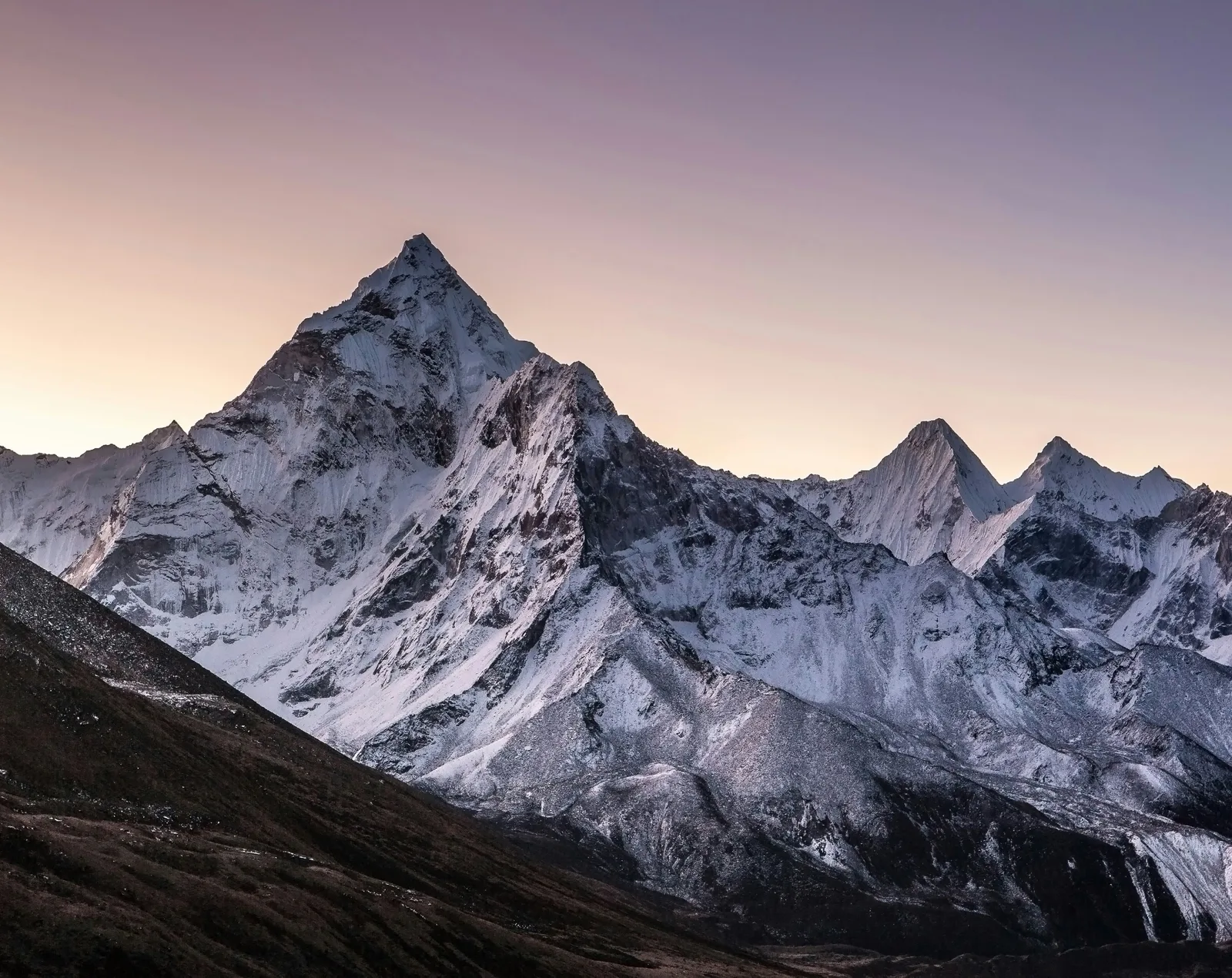
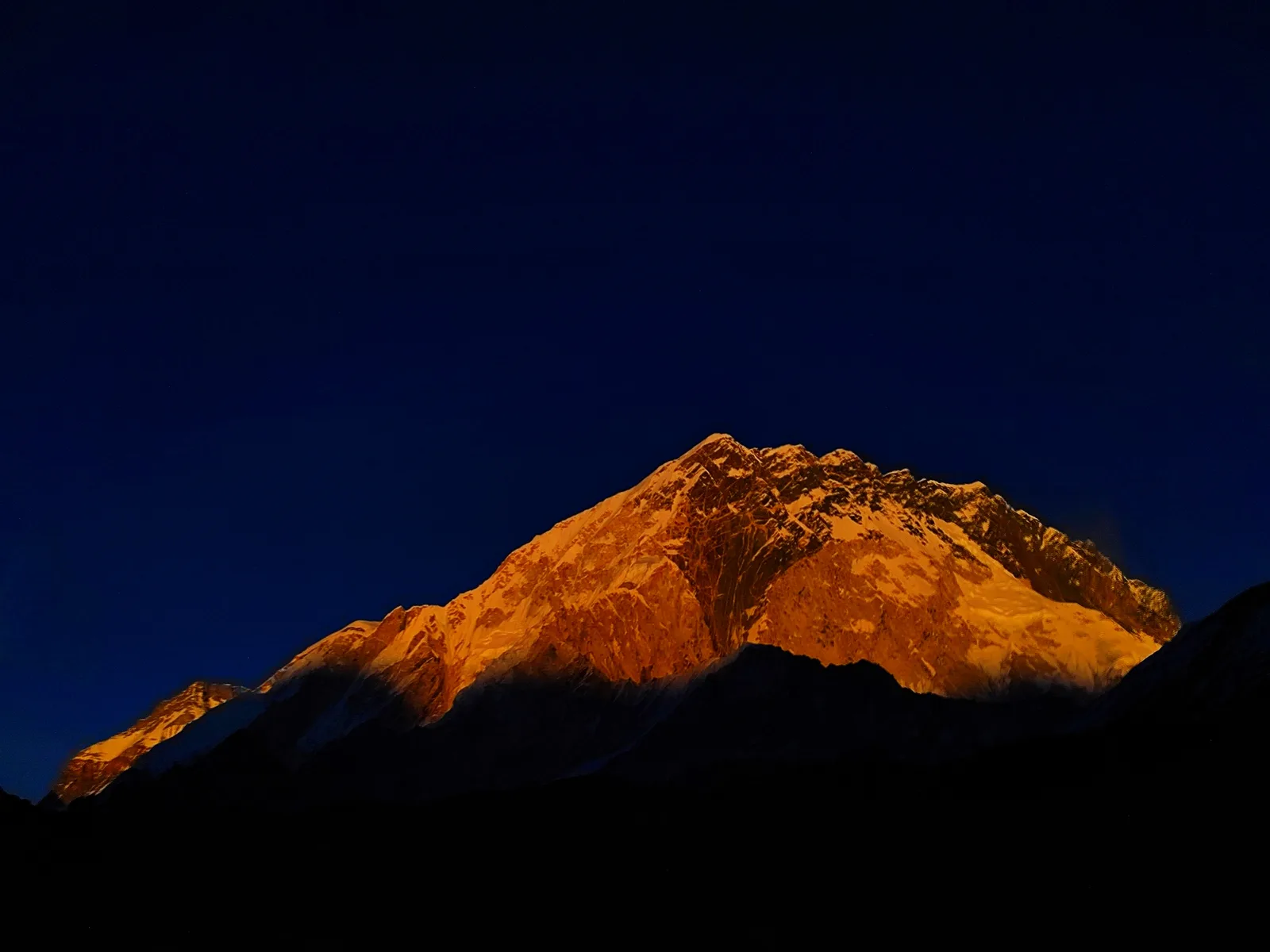
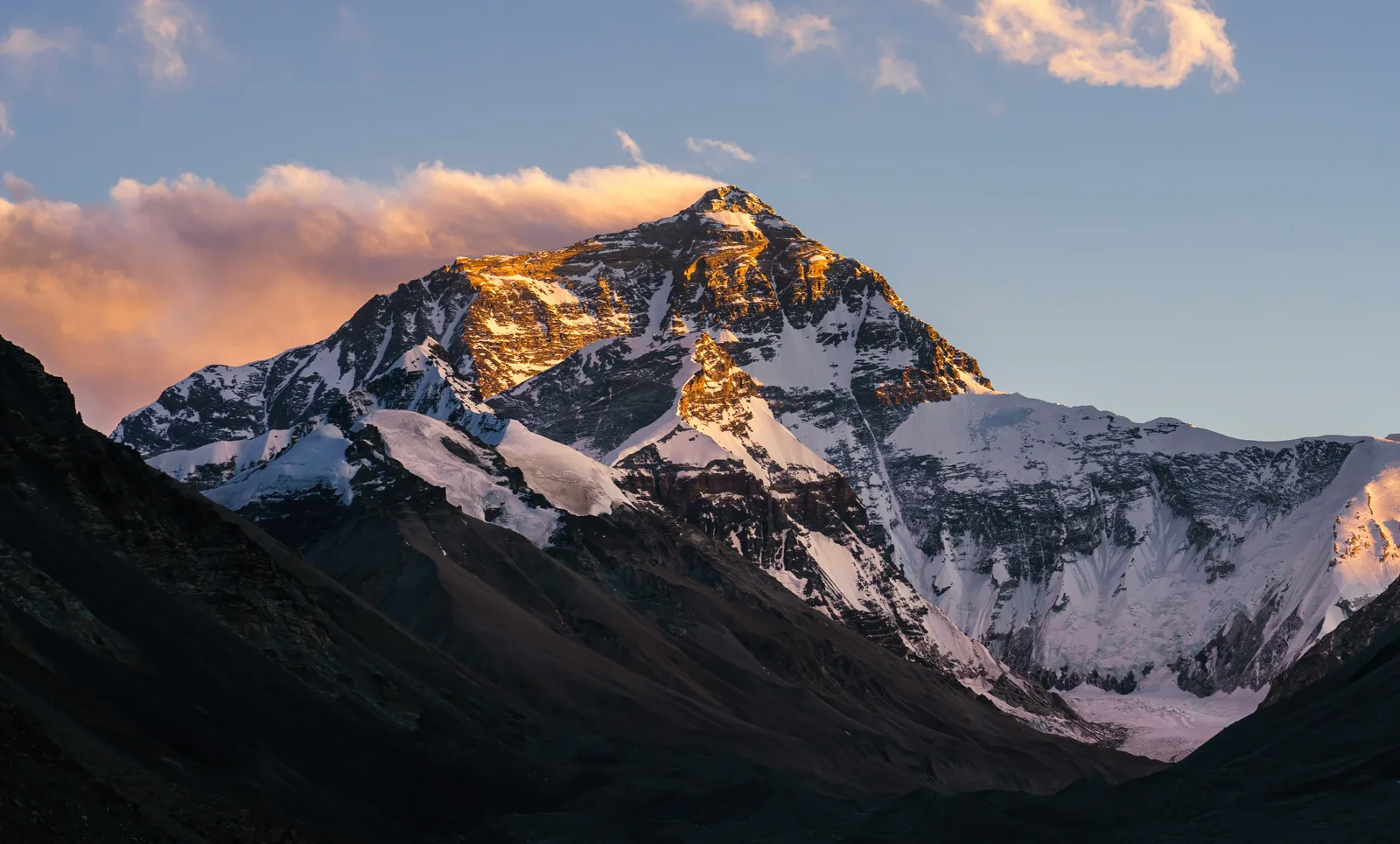
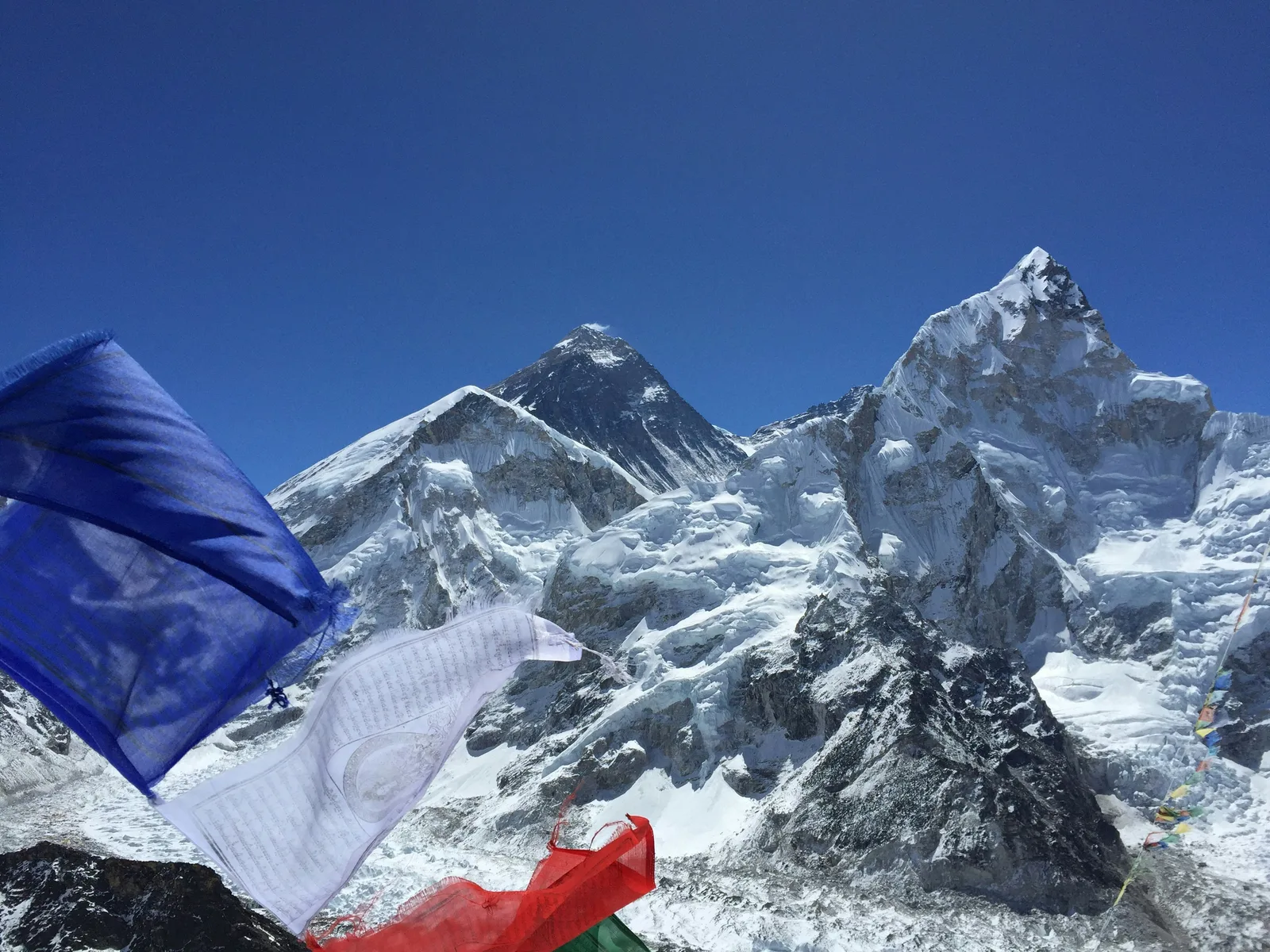
21 days
1 Option Available
Everest Base Camp via Jiri — 21 Days Classic Hillary Route
Country
Nepal
Duration
21 days
Group size
Flexible group size
Difficulty
moderate
4.7(10 reviews)
Solukhumbu, Everest Region
Tour Description
Everest Base Camp via Jiri — Walk the Route of Legends
The Everest Base Camp Trek via Jiri is one of Nepal’s most historic and rewarding long-distance trekking adventures, following the traditional approach associated with early Everest expeditions. Before Lukla became the main gateway to the Everest region, climbers and trekkers traveled overland from the lower hills, walking through rural settlements, forested ridges, and mountain passes before reaching the high Himalayas. The route is closely associated with the 1953 Everest expedition of Sir Edmund Hillary and Tenzing Norgay Sherpa. Over approximately 21 days, this journey takes you from Jiri through terraced farmland, traditional Rai and Sherpa villages, rhododendron forests, and spectacular mountain landscapes before joining the classic Everest Base Camp trail.
Unlike the shorter Lukla-to-Everest Base Camp itinerary, the Jiri approach offers a more gradual introduction to the Himalayan environment. The early days are spent in Nepal’s beautiful middle hills, where green valleys, cultivated terraces, traditional villages, and winding trails create a completely different atmosphere from the high-altitude Khumbu region. The trail gradually gains elevation, giving trekkers time to build their walking endurance and adapt to changing conditions. However, gradual ascent does not eliminate the risk of altitude sickness, and proper acclimatization remains essential as the route enters higher elevations.
Why Choose the Jiri Route to Everest Base Camp?
Historic Himalayan Trail: Follow the traditional overland approach associated with early Everest expeditions and experience the heritage of mountain exploration.
Gradual Altitude Gain: Spend additional days walking through the middle hills before entering the high-altitude Khumbu region.
Authentic Rural Nepal: Discover terraced farms, traditional settlements, forested hills, and local teahouses away from the busiest trekking corridors.
Lamjura La Pass: Cross Lamjura La at approximately 3,530 meters, surrounded by forested slopes and beautiful mountain scenery.
Sherpa Culture and Buddhist Heritage: Explore Junbesi and discover the spiritual traditions of the Solukhumbu region, including the nearby Thupten Chholing Monastery.
No Inbound Lukla Flight: Travel overland from Kathmandu to Jiri and begin your adventure on foot, although the return journey may include a flight from Lukla.
A Longer Himalayan Experience: Enjoy approximately three weeks of changing landscapes, cultural encounters, and mountain adventure.
Explore Nepal’s Beautiful Middle Hills
The first part of the trek introduces you to a quieter side of Nepal, where farming communities, traditional houses, and green hills dominate the landscape. Walking along narrow trails, you pass terraced fields, small villages, and forests that change with the seasons. These lower sections offer opportunities to interact with local residents, enjoy traditional Nepali hospitality, and appreciate everyday life outside the country’s major tourist centers.
As you continue toward Junbesi, the landscape becomes increasingly mountainous, with forested ridges and views of distant Himalayan peaks. Junbesi is an important cultural stop known for its Sherpa heritage and Buddhist traditions. The nearby Thupten Chholing Monastery adds a spiritual dimension to the journey, although visits should respect local customs and access arrangements.
One of the memorable features of this approach is Lamjura La Pass, which stands at approximately 3,530 meters. The climb offers a physical challenge and a transition from the middle hills toward the higher Himalayan environment. After descending through the surrounding landscapes, the trail continues toward the Dudh Koshi valley and eventually joins the classic Everest trekking route near Phakding.
Discover the Classic Everest Trail
Once the route joins the main Khumbu trail, trekkers continue toward Namche Bazaar, the famous Sherpa trading town surrounded by dramatic mountain scenery. Here, visitors can explore local shops, enjoy mountain viewpoints, and take acclimatization walks before heading farther into the Himalayas.
The journey continues through traditional settlements toward Tengboche, known for its important Buddhist monastery and spectacular mountain setting. Beyond Tengboche, the landscape becomes increasingly alpine as the trail progresses toward Dingboche, Lobuche, and Gorak Shep. Snow-covered peaks, rocky slopes, glaciers, and expansive mountain valleys become defining features of the experience.
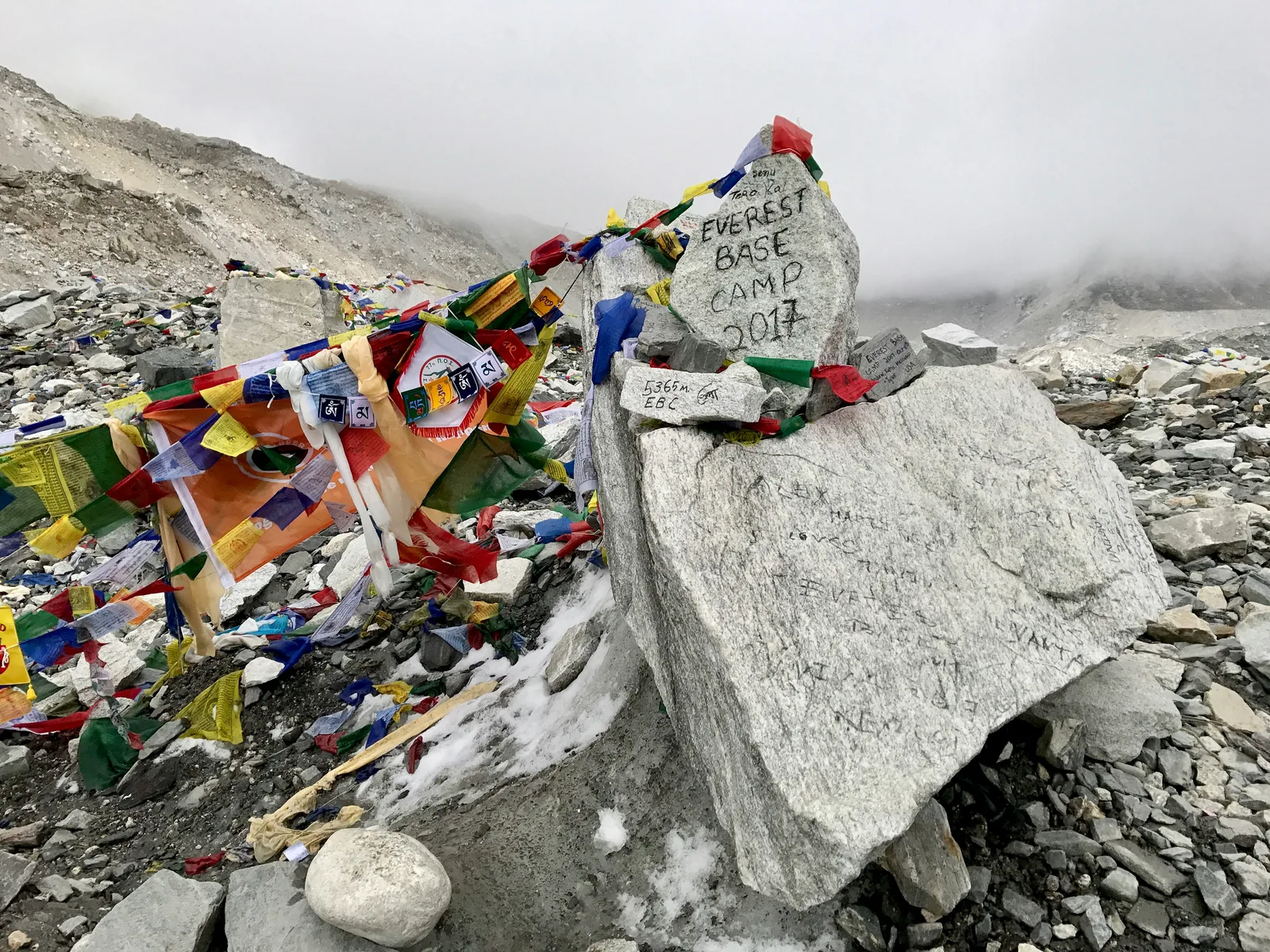
Reaching Everest Base Camp, at approximately 5,364 meters, is a major achievement for trekkers. The destination offers an opportunity to experience the dramatic surroundings of the Khumbu Glacier and the high Himalayan environment. Many trekkers also visit Kala Patthar, whose commonly cited summit elevation is approximately 5,545 meters, for panoramic views of Mount Everest and neighboring peaks.
Best Time and Trekking Preparation
Spring, from March to May, and autumn, from September to November, are generally the most popular seasons for the Jiri-to-Everest Base Camp trek. Spring brings warmer conditions and the possibility of rhododendron blooms, while autumn often provides clear skies and excellent mountain visibility. Winter can bring severe cold and snow, while the monsoon season may affect lower trails, road access, and visibility.
This is a demanding long-distance trek that requires good fitness, suitable equipment, and careful planning. Sturdy trekking boots, warm layers, waterproof clothing, sun protection, a suitable sleeping bag, and a reliable water-treatment method are essential. A licensed guide can help with route planning, accommodation, permits, and changing mountain conditions.
The Jiri route is ideal for travelers who want to experience more than the famous Everest viewpoints. It combines Nepal’s rural landscapes, cultural heritage, gradual mountain progression, and the unforgettable challenge of reaching Everest Base Camp. For those seeking a longer and more immersive Himalayan adventure, walking from Jiri offers a meaningful way to discover the journey toward the world’s highest mountain.
Highlights
What's Included
What's Not Included
Not Suitable For
Important Information
What to Bring
Know Before You Go
Not Allowed
Detailed Itinerary
Day 1Arrival in Kathmandu (1,400m)
Your guide meets you at Tribhuvan International Airport with a warm welcome and drives you about 6 km through Kathmandu’s lively streets to your hotel in Thamel. After checking in, rest and freshen up, then step out to see the lanes and shops if you have the energy. In the evening, a briefing covers the full 21-day journey, the Jiri road transfer, the route ahead, how altitude affects the body, and the safety rules that keep the group strong. Your guide also runs a gear check so nothing is forgotten. A welcome dinner ends the day, with a first chance to meet your team and get excited.
Meals:dinnerStay:hotel
Day 2Drive Kathmandu to Jiri/Salleri Region (2,370m)
Today you travel about 190 km by road, a scenic drive of eight to nine hours heading east through the Sun Koshi gorge and the middle hills. Terraced fields, deep river valleys, and small bazaars pass by your window, and the road slowly leaves the city far behind. Jiri was the historic starting point of every Everest expedition before the Lukla airstrip existed, and you now follow the same path that early climbers walked. Stop for tea along the way, stretch your legs, and watch village life roll by, from market stalls to children walking home from school. Arrive by evening and settle in, then turn in early, because tomorrow the real journey begins on foot.
Drive: 8-9 hours
Meals:all mealsStay:teahouse
Day 3Trek to Deurali (2,705m)
Your first walking day covers about 14 km and takes five to six hours through terraced farms and traditional Tamang settlements. The trail rises and falls gently, and every village greets you with smiling faces and the sound of children playing. You pass the monastery at Mali, with its fluttering prayer flags and quiet courtyards, before reaching the ridge-top settlement of Deurali at 2,705m. Looking back, you can see the rim of the Kathmandu valley fading behind you. The pace is steady rather than fast, which helps your legs find their rhythm for the weeks ahead. Drink plenty of water and enjoy the peace.
Trekking: 5-6 hours
Meals:all mealsStay:teahouse
Day 4Trek to Sete (2,575m)
Today’s walk is about 15 km and takes six to seven hours along a beautiful forested ridge, with your first distant views of the high Himalaya appearing between the trees. The trail descends through forest to Kinja, crossing streams and small farms, and then climbs steadily to the Sherpa village of Sete at 2,575m, set beneath the Lamjura La. It is a longer day with a good amount of up and down, so keep a steady pace, rest often, and drink water regularly. Save some energy for tomorrow, because the big pass of the trek waits just above the village.
Trekking: 6-7 hours
Meals:all mealsStay:teahouse
Day 5Cross Lamjura La (3,530m) to Junbesi (2,675m)
This is the big pass before the Khumbu, covering about 14 km in six to seven hours. The climb leads through magnificent rhododendron forest, which is ablaze with blooms in March and April, and mossy trees line the path. At 3,530m, Lamjura La is the highest point on the Jiri route, and on a clear day the views stretch far across the hills. After crossing the pass, descend to Junbesi at 2,675m, one of the most beautiful Sherpa villages on the entire route. Whitewashed houses, a clear river, and mountain views make it a rewarding place to arrive and rest.
Trekking: 6-7 hours
Meals:all mealsStay:teahouse
Day 6Rest Day at Junbesi — Thupten Choling Visit
Today is gentler, with a walk of about 6 km round trip that takes three to four hours. After a slow start, explore Junbesi and its quiet lanes, then hike up to the great Thupten Choling Monastery, home to hundreds of monks and nuns. The setting is peaceful and deeply sacred, one of the most calming places in the lower Solu region. Step inside if the doors are open and take in the colorful murals and the sound of prayer. Spend the rest of the day resting, reading, and enjoying the quiet village before the trail gets busier. Your legs will thank you for the break.
Activity: 3-4 hours
Meals:all mealsStay:teahouse
Day 7Trek to Nunthala (2,250m)
Descend from Junbesi and cross the Dudh Kosi on a suspension bridge, then climb through forest toward Nunthala at 2,250m. The distance is about 16 km and takes six to seven hours, so it is a solid walking day with a long drop to the river and a steady climb after it. Take your time and enjoy the river views from the bridge. Nunthala is a Rai settlement, and its first teahouse clusters were built for early trekkers. The change in culture and landscape is clear, with warmer air, new village styles, and different faces along the trail. Arrive tired but content, with the day’s hard work behind you.Trekking: 6-7 hours
Meals:all mealsStay:teahouse
Day 8Trek to Bupsa/Kharikhola (2,200m)
Walk about 12 km in five to six hours at lower elevation, through cardamom farms and lush green terraces where the air feels warm. The trail crosses a river on a swinging bridge, then climbs to the lodge clusters at Kharikhola and Bupsa at 2,200m. The scenery is lush and village life is lively, with children, goats, and farmers along the path. Keep an eye out for mule trains carrying supplies up the valley. Take photos, greet the locals with a friendly Namaste, and enjoy the gentle change from the high ridges. It is a lighter day, leaving time to rest and prepare for the climbs ahead.
Trekking: 5-6 hours
Meals:all mealsStay:teahouse
Day 9Trek to Surkhe/Paiya (2,730m)
Today’s trail is about 13 km and takes around six hours, climbing steeply away from the river through bamboo and rhododendron forest. The Dudh Koshi guides you north, and the valley slowly opens toward the tributary valleys of Lukla. The effort is real, but the forest is cool, quiet, and full of birdsong. Take short, regular rests and keep your water close, since the climb is steady and the air is humid. By afternoon you reach Surkhe or Paiya at 2,730m, where you can put your feet up and get an early night to restore your energy.
Trekking: 6 hours
Meals:all mealsStay:teahouse
Day 10Trek to Phakding (2,610m) — Join the Classic Trail
Walk about 12 km in five to six hours and join the famous Lukla to Everest Base Camp trail. The change is clear at once, with bigger teahouses, more trekkers from around the world, and prayer wheels along the path. Walking beside the Dudh Koshi, you feel the classic trek begin in earnest, and the mountains feel closer with every bend. After days on quieter trails, the energy here is exciting, and you will likely trade greetings and stories with trekkers from other groups. Settle into Phakding at 2,610m and stretch your legs in the evening. Rest well, because tomorrow you climb to Namche.
Trekking: 5-6 hours
Meals:all mealsStay:teahouse
Day 11Trek to Namche Bazaar (3,440m)
Today’s walk is about 11 km and takes six to seven hours. Cross the high Hillary Suspension Bridge above the river gorge, then enter Sagarmatha National Park and climb the famous staircases up to Namche Bazaar at 3,440m. The ascent is long and steady, but thanks to your Jiri walk, you arrive stronger and better acclimatized than most trekkers at this stage. On a clear day, you may catch your first glimpse of Everest on the way up. Walk slowly, drink often, and let the group pace guide you. The Sherpa capital welcomes you with bakeries, shops, and cafés. Take a slow stroll through the lanes and enjoy the sense of achievement.
Trekking: 6-7 hours
Meals:all mealsStay:teahouse
Day 12Acclimatization Day in Namche
This rest-and-explore day covers about 8 km and takes three to four hours. Hike up to the Everest View Hotel at 3,880m, where the terrace opens onto a panorama of Everest, Lhotse, and Ama Dablam. Walking high and sleeping low helps your body adapt to altitude, so treat this as a key part of the plan. Return to Namche for a relaxed afternoon, with time to wander the markets and cafés of the Sherpa capital, visit the museum, and perhaps enjoy a fresh coffee. Nothing is rushed today. Rest, hydrate, and prepare for the higher days to come.
Activity: 3-4 hours
Meals:all mealsStay:teahouse
Day 13Trek to Tengboche (3,860m)
Walk about 10 km in five to six hours on the classic trail, with Ama Dablam dominating the eastern sky. The path drops to the river, then climbs through quiet forest to Tengboche at 3,860m. In the afternoon, attend the prayers at the great monastery beneath Everest, where chanting, horns, and drums create a memorable atmosphere. The setting is open and spacious, and the evening light on the peaks is unforgettable. Keep your camera ready, because this is one of the most photographed places in the Khumbu. Wrap up warm as the temperature falls quickly after sunset, and stay a while outside to watch the mountains change color before the stars appear.
Trekking: 5-6 hours
Meals:all mealsStay:teahouse
Day 14Trek to Dingboche (4,410m)
Today’s trail is about 11 km and takes five to six hours through Deboche and past ancient Pangboche, then up into the wide Imja Valley. The trees thin out and the landscape becomes open and stark, ringed by Lhotse and Island Peak, with Ama Dablam standing close by like a guardian. The air is noticeably thinner now, so walk slowly, drink plenty of water, and rest whenever you need to. Stone-walled fields and yak pastures make Dingboche at 4,410m a striking place to arrive. Your guide watches everyone closely at this height, so speak up early if you feel a headache or unusual tiredness.
Trekking: 5-6 hours
Meals:all mealsStay:teahouse
Day 15Acclimatization in Dingboche
Today’s optional hike to Nangkartshang Peak (5,083m) is about 5 km round trip and takes three to four hours. It is a steady, breathless climb, but from the top you look across to Makalu and a ring of giant peaks. The hike helps your body adapt before the high days ahead, following the same walk-high, sleep-low idea. If you prefer, simply rest in the village, write postcards, or share hot drinks with your group, because nothing is rushed. Drink plenty of water throughout the day. Either way, spend the afternoon recovering, packing, and preparing for the push toward Base Camp. Check your layers and gloves tonight, since the nights are about to get much colder.
Activity: 3-4 hours optional
Meals:all mealsStay:teahouse
Day 16Trek to Lobuche (4,940m)
Walk about 8 km in five to six hours along a wide, windswept valley. You pass the memorial chortens at Thukla, built in honor of climbers who lost their lives on Everest. It is a quiet, moving place, and most trekkers pause here in silence. The scenery grows stark and powerful as you climb, with rock, ice, and sky all around and no trees at all. Walk slowly; the thin air makes every step count. Lobuche at 4,940m sits beneath the immense west face of Nuptse. It is cold here, so layer up, drink plenty of water, and rest early for tomorrow’s big objective.
Trekking: 5-6 hours
Meals:all mealsStay:teahouse
Day 17Everest Base Camp (5,364m), Gorak Shep (5,140m)
This is a long day of about 15 km and seven to eight hours, and it is the one you have been walking toward. Walk up the flank of the Khumbu Glacier to Gorak Shep at 5,140m, then continue to Everest Base Camp at 5,364m beside the icefall. The trail is rocky and uneven, so watch your footing. Standing among ice, prayer flags, and expedition tents, you reach the goal of three weeks of walking. Take your photos, celebrate with your group, and let the achievement sink in. Then return to Gorak Shep for the night, tired, proud, and grateful for every step.
Trekking: 7-8 hours
Meals:all mealsStay:teahouse
Day 18Kala Patthar (5,545m) Sunrise, Descend to Pheriche (4,240m)
Start in the dark with a short climb to Kala Patthar at 5,545m, about 3 km round trip, for first light on Everest’s summit. It is steep and cold, but the sunrise is a moment you will remember for life. Take your photos, then begin the long descent of about 14 km to Pheriche at 4,240m. The day takes seven to eight hours in total, so pace yourself. With every step, the air becomes richer in oxygen, your head clears, and your body feels lighter. The valley is wide and quiet, and you finish the day relaxed and happy, having reached the highest point of your trek.
Trekking: 7-8 hours
Meals:all mealsStay:teahouse
Day 19Trek to Namche Bazaar (3,440m)
Today you walk about 20 km down through Pangboche and Tengboche, then drop to the river and climb gently into Namche at 3,440m. The trek takes six to seven hours, and it is a long day, but the thicker air makes it feel easy. Take care on the downhill, since tired knees need steady steps. The forests turn lush again, with pine and rhododendron welcoming you back. In Namche, enjoy hot showers, bakeries, and a lively celebration with your group. After the high mountains, the comforts of the town feel truly special, so share your favorite moments, swap photos, and enjoy the feeling of a job well done.Trekking: 6-7 hours
Meals:all mealsStay:teahouse
Day 20Trek to Lukla (2,840m)
The final trail day covers about 19 km and takes six to seven hours as you walk down the valley beside the Dudh Koshi, crossing suspension bridges and passing villages you now know well. The trail feels different on the way down, and you carry yourself differently too. Reach Lukla at 2,840m by afternoon for a last evening with your crew. Take a last look at the mountains behind you. Share stories, give thanks to your guides and porters, who carried your bags up the mountain while you carried your dreams, and celebrate the journey you have completed together. Pack your bags tonight, ready for the early flight tomorrow.
Trekking: 6-7 hours
Meals:all mealsStay:teahouse
Day 21Fly Lukla to Kathmandu — Departure
Take the 35-minute morning flight of about 138 km from Lukla to Kathmandu, with the Himalayas outside your window. Flights from Lukla depend on weather, so keep a little flexibility in your plans. After landing, you are transferred to your hotel to rest and freshen up. In the evening, join the farewell dinner, where you receive your Everest Base Camp certificate and look back on three weeks of walking, from the green hills of Jiri to the ice of the Khumbu Glacier. Share your favorite moments with the team. Your guide can also help with departure or extension arrangements, so your journey ends smoothly and comfortably.
Flight: 35 minutes
Meals:breakfastStay:hotel
Gallery
0 photosNo gallery images available for this tour.
Downloads
No downloadable files available for this tour.
4.710 reviews
5
7
4
3
3
0
2
0
1
0
D
Diego Fernandez
Spain ·
The trek of a lifetime
My partner and I did Everest Base Camp via Jiri for our honeymoon — couldn't have picked better. Tea house momos (dumplings) became my daily reward. The final ascent pushed my limits — and expanded them. Equipment rental was affordable and the gear was good quality. I expected pain; I got perspective. And a bit of pain too — good pain. The teahouse-to-teahouse rhythm was meditative and grounding. I'll be back, and I'll bring friends.
B
Ben Clark
USA ·
Pure mountain magic with exceptional guides
I'd read about Everest Base Camp via Jiri in a travel magazine and booked within a week. Pasang woke up at 5am with us every morning to catch the best sunrise light. Sunrise over Annapurna South — worth the 4:30am wake-up call. I was skeptical about teahouse food but the dal bhat was genuinely delicious. I expected pain; I got perspective. And a bit of pain too — good pain. We crossed three high passes and each one felt like a personal victory. Not if, but when — I'm already planning my return.
R
Ravi Chandran
Malaysia · ✓ Verified
Five stars for Enticing Himalayas
After a tough year, I needed perspective and Everest Base Camp via Jiri delivered exactly that. We spotted a family of blue sheep grazing on the high slopes. Hot showers and warm meals felt like luxury after long walking days. The contrast between Kathmandu chaos and mountain serenity is profound. The teahouse-to-teahouse rhythm was meditative and grounding. The suspension bridges over the deep gorges were heart-pounding. For anyone on the fence: this is your sign to go.
A
Ava Novak
Slovenia · ✓ Verified
This is what trekking dreams are made of
After recovering from a health scare, I wanted something meaningful — Everest Base Camp via Jiri gave me purpose again. When my knees acted up, Pasang arranged a porter within hours. Professional and kind. Sunrise over Annapurna South — worth the 4:30am wake-up call. Hot showers and warm meals felt like luxury after long walking days. The sunrise from the viewpoint was the single best moment of the entire trip. Equipment rental was affordable and the gear was good quality. The teahouse-to-teahouse rhythm was meditative and grounding. Walking above the tree line for hours was surreal. This experience reset my perspective on what matters.
P
Priya Sharma
India · ✓ Verified
Everest Base Camp via Jiri exceeded all expectations
I'm not usually a group tour person, but Everest Base Camp via Jiri proved me wrong. What stood out was Tashi's genuine passion — this isn't just a job for him. The cook at one teahouse taught me to make Tibetan bread — a skill I'll keep. We visited a monastery during morning prayers — the chanting was deeply moving. The family-run teahouses had character and genuine hospitality. Each village has its own character — charming and distinct. The teahouse-to-teahouse rhythm was meditative and grounding. I expected pain; I got perspective. And a bit of pain too — good pain. Thank you Tashi and team — you made this unforgettable.
N
Nadia Rahman
Bangladesh · ✓ Verified
Challenging and rewarding in equal measure
I'd never been to Asia before, and Everest Base Camp via Jiri was the perfect introduction. When my knees acted up, Pasang arranged a porter within hours. Professional and kind. Each day brought a completely different landscape — forests, meadows, moraine. Playing cards with teahouse owners in the evening — simple pleasures. The final ascent pushed my limits — and expanded them. The farewell dinner with cultural dance was the perfect ending. The suspension bridges over the deep gorges were heart-pounding. The trail markers were excellent — very easy to follow. Worth every penny and every step.
Y
Yuki Nakamura
Japan · ✓ Verified
Best decision of my year
The booking process for Everest Base Camp via Jiri was so smooth I knew I was in good hands. Guide Sonam adjusted the pace perfectly when I struggled on the steeper sections. Each day brought a completely different landscape — forests, meadows, moraine. Tea house momos (dumplings) became my daily reward. The final ascent pushed my limits — and expanded them. Our group bonded over evening card games — lifelong friendships formed. The teahouse-to-teahouse rhythm was meditative and grounding. Each village has its own character — charming and distinct. This changed how I think about travel and about myself.
O
Oscar Lindqvist
Sweden · ✓ Verified
Everest Base Camp via Jiri — an unforgettable trek
I was skeptical about organized tours, but Everest Base Camp via Jiri changed my mind completely. When my knees acted up, Pasang arranged a porter within hours. Professional and kind. Tea house momos (dumplings) became my daily reward. Altitude headaches hit me at 3,500m — our guide managed it professionally. The family-run teahouses had character and genuine hospitality. All permits and paperwork were handled invisibly — I just showed up. The trail markers were excellent — very easy to follow. Walking above the tree line for hours was surreal. Each village has its own character — charming and distinct. I'd do it again tomorrow if I could.
M
Maria Garcia
Spain · ✓ Verified
Challenging and rewarding in equal measure
I found Everest Base Camp via Jiri while researching Nepal trips and the reviews convinced me — now I'm adding my own. What I appreciated most: Dorje checked in with each of us individually every evening. I learned to order 'extra spicy, extra comfort' — it worked every time. The wood-burning stoves in the dining rooms created a cozy atmosphere. They stored my extra luggage safely — a small but appreciated service. The teahouse-to-teahouse rhythm was meditative and grounding. Genuine, caring team that delivers on promises.
H
Hiroshi Tanaka
Japan · ✓ Verified
Best decision of my year
My friend had just finished Everest Base Camp via Jiri and insisted I do it — she was right. Our guide Nima negotiated better rooms at every teahouse — perks of booking with a local company. Prayer flags fluttering against snow-capped peaks — an image burned into my memory. The architecture in the mountain villages tells centuries of history. I'm not a morning person, but pre-dawn starts became my favorite part. The hot springs on the return day were exactly what my legs needed. Walking above the tree line for hours was surreal. I'll be back, and I'll bring friends.
Tour Video
No video available for this tour.
1 option available
Everest Base Camp via Jiri — 21 Days Classic Hillary Route
Standard tour package with flexible dates
21 days
Guide: English
Select a date
1
$3,320
1 Adult × $3,320
Free cancellation
Cancel up to 24 hours in advance for a full refund
From
$3,320/person
Booking options
Choose a departure below, or use the availability calendar to select a flexible date. Availability and final pricing are confirmed during booking.