Loading...
10 days
1 Option Available
Everest Comfort Trek — 10 Days Moderate Pace with Upgraded Lodges
Country
Nepal
Duration
10 days
Group size
Flexible group size
Difficulty
moderate
4.3(9 reviews)
Solukhumbu, Everest Region
Tour Description
Everest Comfort Trek — Mountain Magic Without the Hardship
The Everest Comfort Trek is a 10-day Himalayan adventure designed for travelers who want to experience the beauty of the Everest region without giving up everyday comfort. From spectacular mountain views and traditional Sherpa villages to peaceful monasteries and welcoming mountain lodges, this journey combines the excitement of trekking in Nepal with a more relaxed and comfortable travel experience. Instead of focusing only on reaching the destination as quickly as possible, the trek allows you to enjoy the scenery, take photographs, spend time over a cup of tea, and appreciate the unique culture of the Khumbu region. With upgraded lodge accommodation, better bedding, quality meals, and porter support when needed, you can explore the Himalayas while making your comfort an important part of the journey. It is an excellent option for couples, mature travelers, first-time Himalayan trekkers, and anyone who wants to experience the Everest landscape without choosing an unnecessarily demanding trekking style.
Why Choose the Everest Comfort Trek?
Trekking in the Everest region is often associated with long walking days, basic teahouse accommodation, cold nights, and physically demanding mountain trails. Although these challenges are part of the traditional trekking experience, they are not the only way to explore the Himalayas. The Everest Comfort Trek offers a more balanced approach by combining the region's most memorable landscapes with carefully selected accommodation and a relaxed travel philosophy.
This 10-day experience is designed for travelers who appreciate the journey as much as the destination. Rather than rushing through mountain villages, you have more opportunity to pause at scenic viewpoints, enjoy a warm drink, learn about local traditions, and appreciate the changing landscape. The aim is to make each day rewarding without turning the trek into a race against time.
Comfort does not mean removing every challenge. The Everest region remains a high-altitude mountain environment, and walking trails can include steep climbs, stone steps, uneven paths, and suspension bridges. Weather conditions can change quickly, and altitude affects every traveler differently. However, comfortable accommodation, thoughtful planning, and appropriate support can make the experience more enjoyable and manageable.
The package is particularly suitable for people who want to experience the Himalayas without choosing the most basic accommodation available. It offers an appealing middle ground between a standard teahouse trek and a premium luxury lodge expedition.
Upgraded Lodges for a Better Mountain Experience
Accommodation is one of the defining features of the Everest Comfort Trek. After spending several hours exploring the mountain trails, returning to a comfortable room can make a significant difference to your overall experience. The package focuses on selecting the best available rooms at the overnight stops, prioritizing comfort, cleanliness, warmth, and a welcoming atmosphere.
Depending on the location and availability, upgraded rooms may offer more comfortable mattresses, additional blankets, improved furnishings, and better bathroom facilities than standard rooms. Some lodges in popular villages provide private bathrooms and hot showers, while other locations have more limited facilities. Availability depends on the specific lodge, season, and current operating conditions, so private bathrooms and hot showers should be confirmed before booking rather than assumed at every stop.
Mountain lodges also provide an opportunity to experience the hospitality of the Khumbu region. Many are family-run businesses where visitors can enjoy traditional meals, relax in communal dining areas, and learn about life in the mountains. The atmosphere is often simple but welcoming, with views of surrounding peaks and the opportunity to meet travelers from different parts of the world.
This is not necessarily a five-star hotel experience. Instead, the Everest Comfort Trek focuses on improving the standard of accommodation while preserving the authentic character of a Himalayan journey. For travelers who want a comfortable bed, a warm dining room, and a peaceful place to rest, this balance can be ideal.
Experience Namche Bazaar in Comfort
Namche Bazaar is one of the most recognizable settlements in the Everest region and an important stop on the classic trekking route. Built along a mountainside, this lively Sherpa town serves as a trading center, supply hub, and meeting point for trekkers and mountaineers heading deeper into the Khumbu.
The village offers a combination of traditional mountain culture and modern trekking facilities. You can explore local shops, browse handicrafts, visit bakeries, enjoy coffee, and discover the stories of the Sherpa communities that have helped shape Himalayan mountaineering. On clear days, surrounding mountain views add to the atmosphere.
A comfortable trek gives you the opportunity to enjoy Namche without feeling that every moment must be spent walking. You can take time to explore the village, enjoy a relaxed meal, and appreciate the scenery from a suitable viewpoint. Depending on the route and schedule, you may also have opportunities to visit local cultural sites or learn more about the history of Everest expeditions.
Because Namche lies at a significant altitude, time spent here also supports acclimatization. Your trekking plan should allow your body to adjust gradually before continuing higher. The exact schedule must be designed around the route, the overall 10-day duration, and the altitude reached, with safety taking priority over rushing toward a particular destination.
Tengboche Monastery and the Spiritual Side of Everest
Tengboche Monastery is one of the most memorable cultural landmarks in the Everest region. Surrounded by dramatic Himalayan scenery, the monastery reflects the importance of Tibetan Buddhist traditions in Sherpa communities. Its peaceful setting provides a different perspective on the mountains, where spiritual practices and everyday life remain closely connected.
Visiting Tengboche allows you to appreciate more than the physical beauty of the Himalayas. Prayer flags, traditional architecture, religious artwork, and the atmosphere of the monastery offer insight into the cultural values of the region. When access and local schedules permit, visitors may have opportunities to observe aspects of monastic life respectfully.
The surrounding landscape can be particularly impressive on clear days, with views of peaks rising above the forested hills and deep valleys. It is an excellent place to slow down, take photographs, and enjoy the contrast between the quiet monastery and the rugged mountains beyond.
Travelers should remember that Tengboche is a living religious site rather than simply a sightseeing attraction. Modest clothing, respectful behavior, and following local instructions help preserve the peaceful environment. Photography inside religious spaces should only be undertaken where it is permitted.
Enjoy Spectacular Everest Region Views
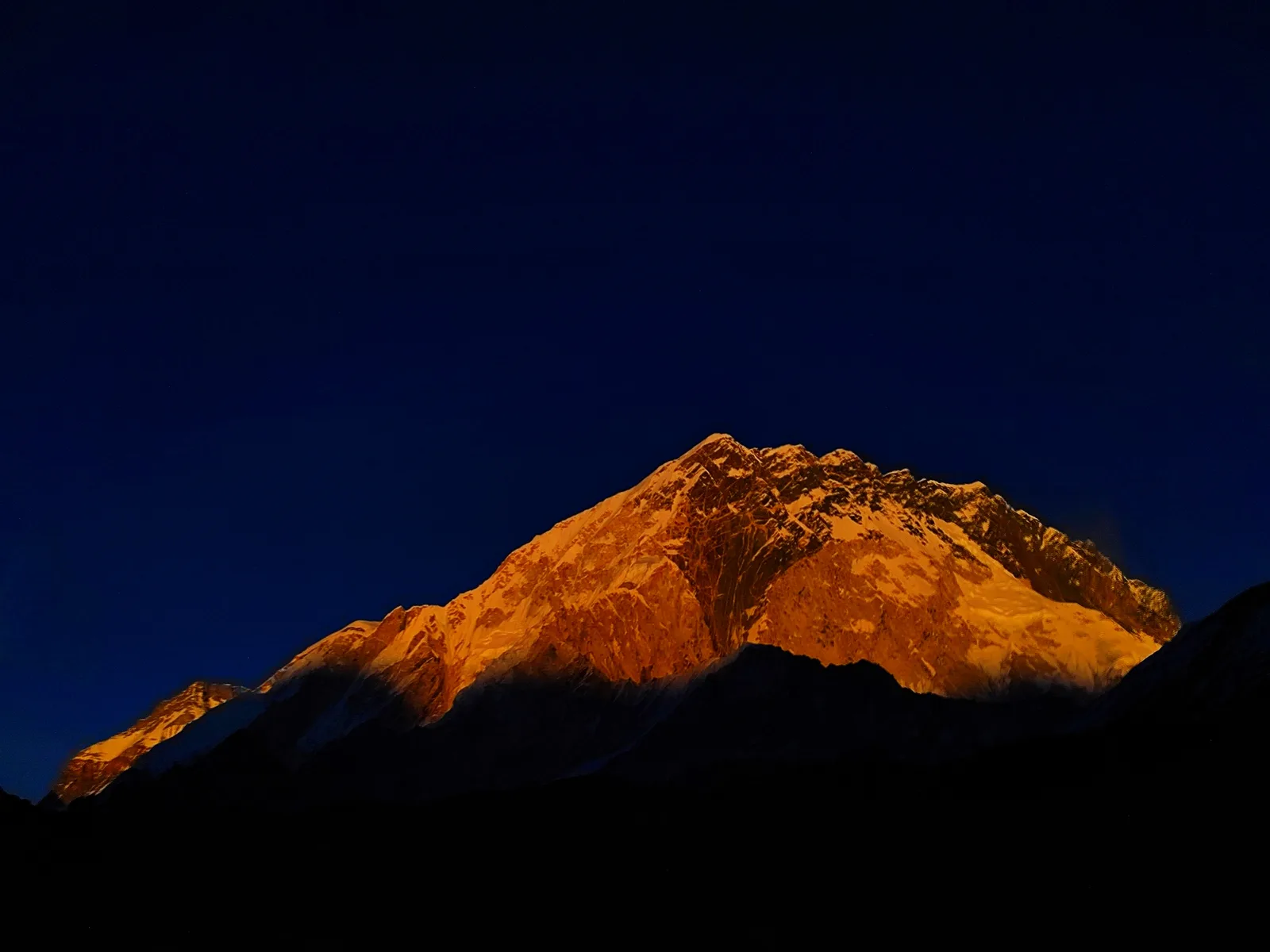
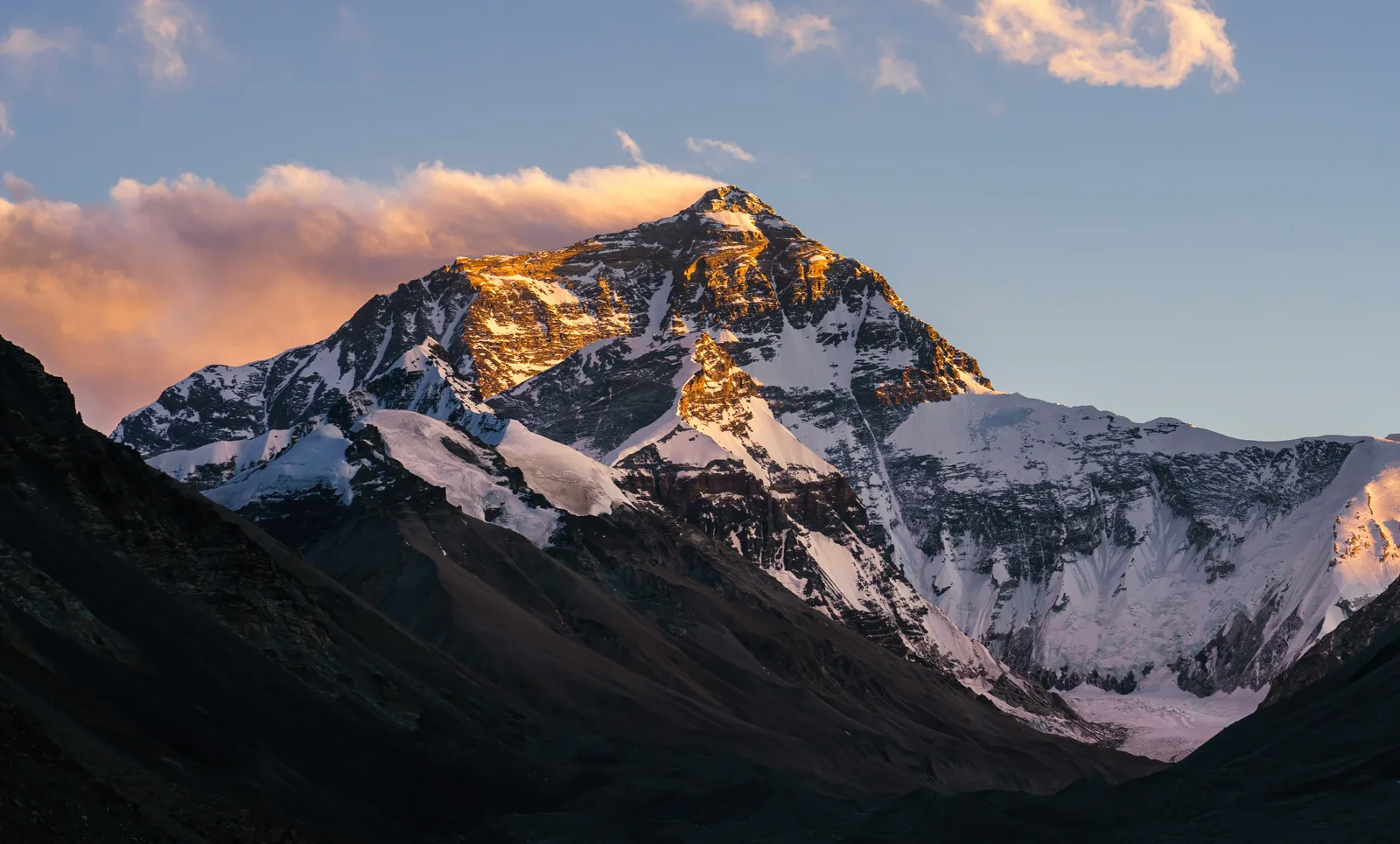
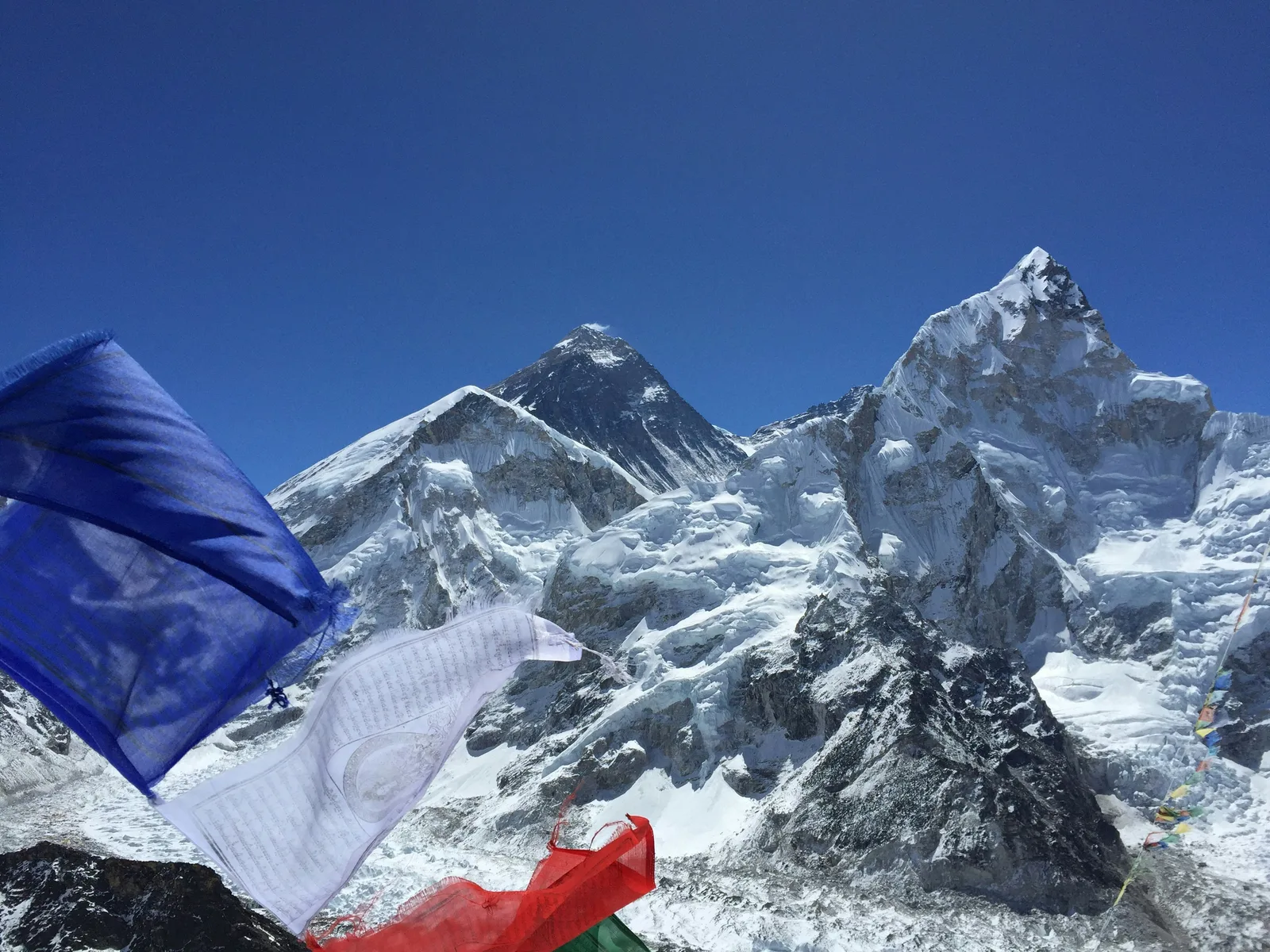
The Everest region is famous for its extraordinary mountain scenery, and the comfort-focused approach allows you to enjoy these views without feeling pressured to rush. Depending on the exact route, weather, and viewpoints included in the package, the journey may offer views of Everest, Ama Dablam, Lhotse, Nuptse, and other Himalayan peaks.
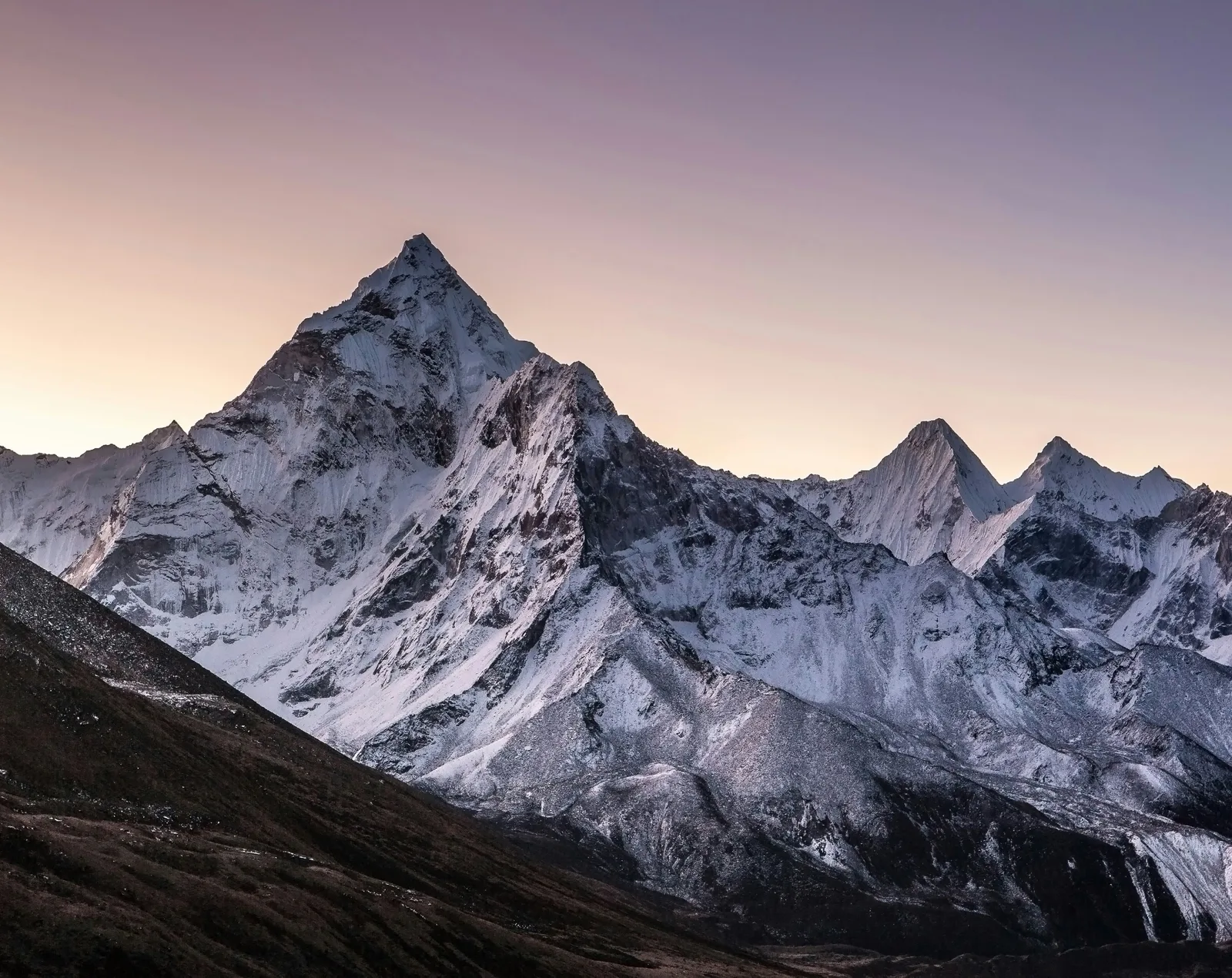
Ama Dablam is especially striking because of its sharply defined ridges and distinctive shape. Its dramatic profile often becomes a favorite subject for photographers, while the surrounding valleys and mountain villages provide beautiful foregrounds. Changes in sunlight throughout the day can transform the scenery, creating opportunities for both wide landscape photographs and detailed mountain compositions.
The trek also reveals the gradual transformation of the landscape. Lower sections feature forests, cultivated areas, rivers, and traditional settlements. Higher elevations become more open and rugged, with rocky slopes, alpine vegetation, and increasingly expansive mountain views. Every section offers a different impression of the Khumbu region.
Clear skies cannot be guaranteed, particularly during unsettled weather or periods of cloud cover. A flexible schedule and a willingness to appreciate the landscape in changing conditions can make the experience more rewarding. Even when the highest peaks are hidden, the villages, forests, rivers, and cultural landmarks provide plenty of reasons to enjoy the journey.
Everest Base Camp and Viewpoint Expectations
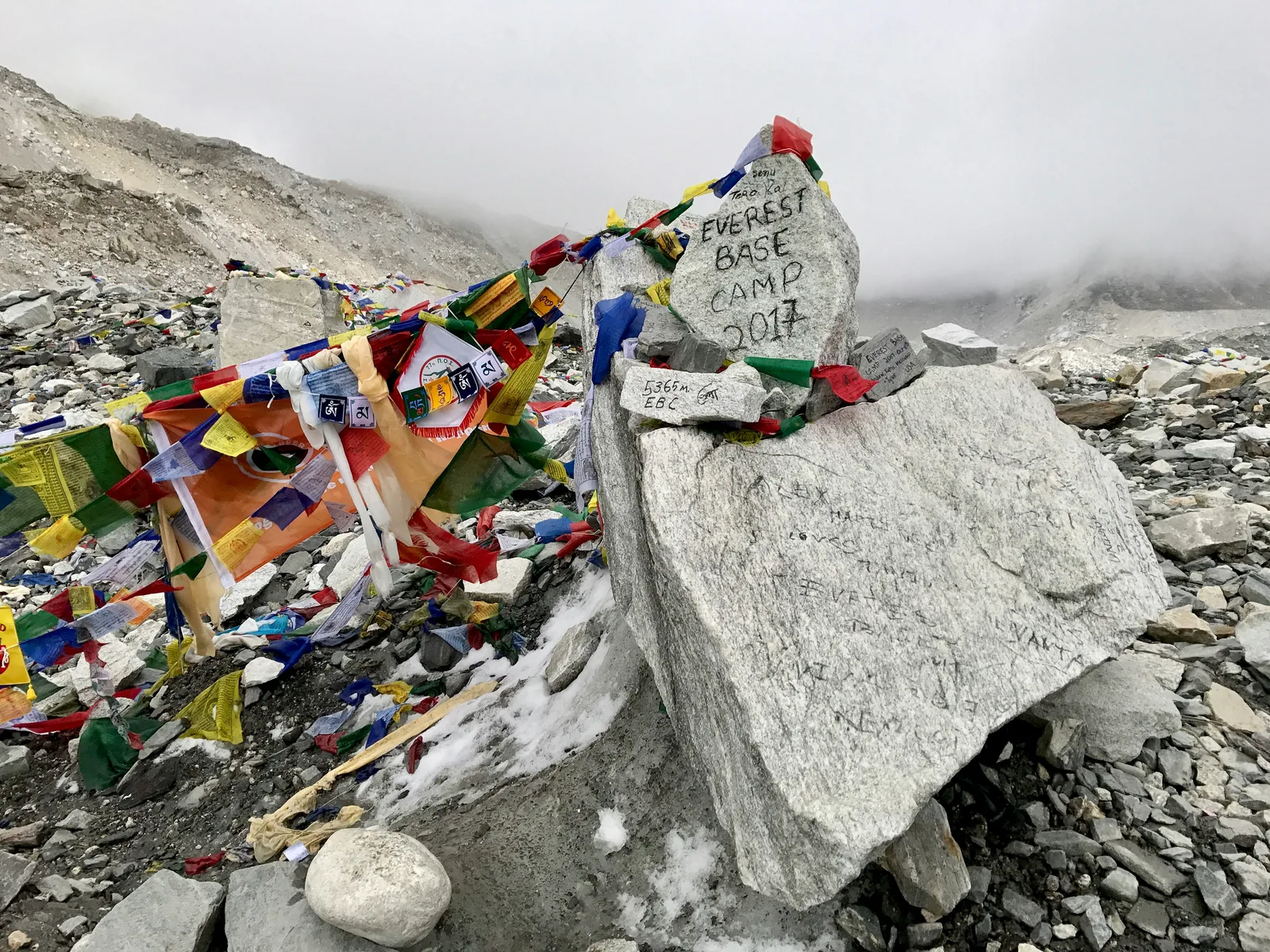
The Everest Comfort Trek is designed around the Everest View and Base Camp approach trail, but it is important to understand exactly which destinations are included in the final itinerary. Everest View viewpoints, the traditional route toward Everest Base Camp, and Everest Base Camp itself are different experiences that involve different distances, elevations, and time commitments.
Everest Base Camp lies at approximately 5,364 meters above sea level. Reaching it involves trekking through a high-altitude environment where cold temperatures, reduced oxygen availability, and challenging terrain can significantly affect physical performance. Kala Patthar, at approximately 5,545 meters, is a famous viewpoint that offers impressive views of Everest and the surrounding peaks when the weather is clear.
A 10-day comfort-focused package needs careful planning if it is intended to include Everest Base Camp or Kala Patthar. The operator should clearly specify the starting and ending points, trekking days, overnight elevations, acclimatization arrangements, and any domestic flights required. If the package instead focuses on Everest View viewpoints and lower sections of the classic trail, it should not be advertised as guaranteeing a visit to Everest Base Camp.
Travelers should confirm these details before booking so that the level of physical challenge and the destinations match their expectations. A well-planned itinerary should balance sightseeing, comfortable daily walking distances, and appropriate acclimatization rather than attempting to fit too much into too little time.
Better Bedding, Warm Rooms, and Relaxing Evenings
After a day on the trail, a comfortable place to rest becomes one of the most valuable parts of a mountain holiday. The Everest Comfort Trek prioritizes better bedding and practical comforts that help travelers recover between walking days.
Upgraded rooms may provide thicker mattresses, additional blankets, and more comfortable sleeping arrangements. Hot water bottles may be available at selected lodges, helping make cold evenings more pleasant. The availability of heating varies, however, and bedrooms in Himalayan lodges can remain cold, especially at higher elevations.
Hot showers are another important consideration for travelers seeking additional comfort. Some lodges offer private showers or improved washing facilities, while others may have limited hot water because of weather, energy supplies, or infrastructure. The package aims to arrange showers where available, but travelers should confirm whether shower charges are included and understand that facilities can vary between locations.
Evenings are also an opportunity to slow down and enjoy the social side of trekking. A warm dining area, a freshly prepared meal, a hot drink, and time to talk with your guide can turn a simple mountain stop into a memorable experience. Rather than treating the lodge as somewhere to sleep before the next walk, the comfort-focused approach makes relaxation part of the adventure.
Quality Meals and a More Enjoyable Dining Experience
Food is an important part of a successful trek, particularly when you are walking for several hours each day. The Everest region offers a variety of meals, ranging from traditional Nepali dishes to familiar international options at established trekking lodges.
Dal bhat, a traditional combination of rice, lentil soup, vegetables, and accompaniments, is a popular choice because it provides a filling meal. Depending on the lodge, menus may also include noodles, soups, potatoes, rice dishes, eggs, pancakes, bread, pasta, and other traveler-friendly options. Some establishments offer bakery items and hot beverages that make breakfast or an afternoon break especially enjoyable.
The comfort package emphasizes good-quality meals and a more varied dining experience where available. However, menu choices become more limited at some higher-altitude locations because supplies must be transported along mountain trails or by other logistical methods. Fresh ingredients and food availability can also change with the season.
Drinking enough safe water and eating regularly are important during high-altitude trekking. Travelers should discuss dietary restrictions, allergies, and special meal requirements with the operator in advance. A little planning helps ensure that meals remain an enjoyable part of the journey while supporting the energy needed for walking.
Porter Support When You Need It
Carrying a heavy backpack can make a trekking day more tiring than necessary. The Everest Comfort Trek offers porter support as needed, allowing travelers to reduce the weight they carry themselves, subject to the package's agreed services and porter arrangements.
With appropriate support, you can concentrate on walking comfortably, enjoying the mountain views, and taking photographs instead of carrying every item of clothing and equipment. You may still need a small daypack for water, snacks, rain protection, sun protection, medication, valuables, and other essentials that should remain accessible during the day.
The exact porter allowance, baggage weight limit, and support arrangements should be confirmed before departure. Porters work in challenging mountain conditions, so responsible operators should provide fair working conditions, suitable equipment, insurance where applicable, and reasonable weight limits. Travelers can contribute by packing efficiently and following the operator's luggage guidance.
Support should enhance the journey rather than create unrealistic expectations. You will still need to walk the trail yourself, manage changes in weather, and follow your guide's instructions. The benefit is a more comfortable trekking experience with less unnecessary strain.
Who Is the Everest Comfort Trek Best For?
The Everest Comfort Trek is a strong option for travelers who want a balance between adventure and convenience. Couples and honeymooners may appreciate the opportunity to share mountain scenery and village experiences while staying in upgraded accommodation. Mature travelers may value the relaxed pace and the availability of assistance with luggage. First-time trekkers may also enjoy having a more comfortable base at the end of each walking day.
It can be suitable for people who prefer thoughtful travel arrangements rather than an extremely basic trekking experience. Photographers may appreciate extra opportunities to stop for views, while travelers interested in culture can enjoy more time exploring Sherpa villages and Buddhist landmarks.
Nevertheless, comfort does not remove the physical demands of trekking. Participants should be prepared for several hours of walking, uneven trails, steep ascents and descents, and possible changes in weather. The appropriate level of fitness depends on the final route and the highest elevation reached.
Before booking, discuss your walking experience, health concerns, accommodation expectations, and preferred daily distances with the operator. The goal is to choose a package that genuinely matches your needs instead of assuming that upgraded lodges make every section easy.
Best Time for the Everest Comfort Trek
Spring and autumn are generally popular seasons for trekking in the Everest region. Spring brings gradually warming temperatures, changing mountain vegetation, and favorable opportunities for mountain views. Autumn often follows the summer monsoon and can provide clear skies, although weather conditions are never guaranteed.
Winter can offer quieter trails and striking mountain scenery, but colder temperatures may make accommodation and high-altitude walking more challenging. The monsoon season can bring rain, cloud, slippery trails, and changes to transport schedules, particularly on routes connected to mountain airstrips.
The best time for your trek depends on the route, the altitude reached, your preferred conditions, and the availability of accommodation and transport. If your priority is reaching Everest Base Camp or Kala Patthar, the season and daily itinerary should be planned carefully to allow for acclimatization and possible weather disruptions.
What to Pack for a Comfortable Everest Trek
Although accommodation and porter support can improve the experience, appropriate personal equipment remains essential. Conditions in the Everest region can vary considerably between lower villages and higher elevations, so clothing should be suitable for both walking and cold evenings.
Useful items include layered trekking clothing, a warm insulated jacket, waterproof outerwear, comfortable broken-in trekking boots, warm socks, gloves, a hat, sunglasses, sunscreen, and a reusable water bottle. A headlamp, personal medication, basic toiletries, and a small daypack are also useful. A sleeping bag may be recommended depending on the season, the accommodation standard, and the operator's arrangements.
Pack according to the confirmed itinerary rather than assuming that upgraded lodges will provide every item. If you plan to visit higher viewpoints or Everest Base Camp, discuss the required clothing and equipment with your guide before departure. A comfortable trek begins with being prepared for the actual conditions, not simply relying on the accommodation.
Responsible and Sustainable Trekking in the Everest Region
The Everest region is home to communities whose traditions, livelihoods, and natural environment deserve respect. Responsible trekking means supporting local businesses, following established trails, respecting religious sites, and minimizing waste wherever possible.
Choosing locally operated lodges and services can help direct tourism income toward mountain communities. Travelers should avoid leaving rubbish behind, use refillable water containers where safe and practical, and follow local guidance about drinking water treatment and waste disposal.
Respect for local culture is equally important. Ask permission before photographing people, observe monastery rules, and be considerate when passing through villages and religious spaces. Hiring experienced local guides and using responsible porter services can also contribute to a more meaningful and ethical trip.
The comfort-focused approach does not need to come at the expense of sustainability. By making thoughtful choices, travelers can enjoy a more relaxing Himalayan adventure while helping preserve the region's cultural heritage and natural beauty for future visitors.
Experience Everest with More Comfort and Less Rush
The Everest Comfort Trek offers a different way to experience one of Nepal's most celebrated mountain regions. Rather than focusing solely on endurance, it combines Himalayan scenery, Sherpa culture, Buddhist heritage, upgraded lodge accommodation, quality meals, and practical support to create a more balanced adventure.
Its greatest appeal is the opportunity to enjoy the journey without feeling that comfort and adventure must be opposites. You can spend your days exploring mountain trails and traditional settlements, then return to a welcoming lodge where you can relax, enjoy dinner, and prepare for the next day's experience.
The exact destinations, including whether Everest Base Camp and Kala Patthar are included, should be confirmed in the final 10-day itinerary. With clear expectations, suitable acclimatization, responsible local support, and thoughtful preparation, the Everest Comfort Trek can offer an unforgettable introduction to the Himalayas.
For travelers who want mountain magic without unnecessary hardship, this journey provides an appealing balance of exploration, comfort, and authentic Himalayan hospitality.
Highlights
What's Included
What's Not Included
Not Suitable For
Important Information
What to Bring
Know Before You Go
Not Allowed
Detailed Itinerary
Day 1Arrival in Kathmandu (1,400m)
Arrive at Tribhuvan International Airport, where your guide meets you and transfers you to your hotel in Thamel. Take it easy today, rest well, and let your body adjust to the time zone after the journey. There is nothing to rush, because your adventure begins tomorrow. In the evening, join your guide for a welcome dinner and a relaxed chat about the days ahead. Airport to hotel: about 6 km drive
Meals:dinnerStay:hotel
Day 2Fly to Lukla & Trek to Phakding (2,610m)
Take an early flight to Lukla, with the Himalayas outside your window, then enjoy a gentle downhill walk along the Dudh Koshi River to Phakding. The Comfort Trek keeps this first day deliberately easy, so you have plenty of time to settle into the trail, pass mani walls and prayer wheels, and adjust to the mountain rhythm. Rest early in your upgraded lodge. Lukla to Phakding.
Trekking: 3-4 hours
Meals:all mealsStay:teahouse
Day 3Trek to Namche Bazaar (3,440m)
Cross the Hillary Suspension Bridge, enter Sagarmatha National Park, and climb steadily to Namche Bazaar. The ascent is manageable, because the Comfort Trek never rushes its way up. Take breaks, drink water, and enjoy the first glimpses of Everest. At the lodge, enjoy a proper hot shower, your first real taste of what “upgraded” means on this trail. Phakding to Namche.
Elevation: 2,610 m → 3,440 m
Trekking: 5-6 hours
Meals:all mealsStay:teahouse
Day 4Acclimatization Day — Everest View Hotel & Khumjung
Today is a gentle acclimatization day. Hike up to the Everest View Hotel (3,880 m) and enjoy tea on the terrace, with the world’s highest mountains laid out before you. Then descend to Khumjung village to visit the Hillary School, before returning to Namche for a relaxed afternoon. Walking high and sleeping low helps your body adapt comfortably. Round-trip hike.
Elevation: 3,440 m (hike to 3,880 m)
Activity: 4-5 hours round trip
Meals:all mealsStay:teahouse
Day 5Trek to Tengboche (3,860m)
This is one of the most beautiful days in the Khumbu. The contouring trail keeps Everest, Ama Dablam, and Thamserku in constant view. Descend for lunch at Phunki Tenga, then climb through quiet rhododendron forest to Tengboche Monastery. You arrive with time to explore the grounds and attend the prayer ceremony, where chanting, horns, and drums fill the hall. Namche to Tengboche.
Elevation: 3,440 m → 3,860 m
Trekking: 5-6 hours
Meals:all mealsStay:teahouse
Day 6Trek Back to Namche Bazaar (3,440m)
Today is a relaxed descent. Retrace your steps through the forest, down to the river, and back up to Namche. The mountains look different on the way down, softer, more familiar, and more beloved. The afternoon is free, so enjoy a hot shower, bakery treats, and a good coffee. You have earned the satisfaction of a job well done. Tengboche to Namche.
Elevation: 3,860 m → 3,440 m
Trekking: 4-5 hours
Meals:all mealsStay:teahouse
Day 7Trek to Lukla (2,840m) — Farewell to the Mountains
The final walking day follows the Dudh Koshi River back to Lukla. You cross suspension bridges and pass villages you now know well, as the mountains slowly recede behind you. The memories stay. Tonight in Lukla, celebrate with your guide and porter team, share stories, and give thanks for their care before the early flight tomorrow. Namche to Lukla.
Elevation: 3,440 m → 2,840 m
Trekking: 5-6 hours
Meals:all mealsStay:teahouse
Day 8Fly to Kathmandu — Free Afternoon
Take the morning flight back to Kathmandu, then transfer to your hotel. The afternoon is free to enjoy as you like, whether exploring the lanes of Thamel, getting a massage, or simply resting by the pool. In the evening, join your guide for a farewell dinner to celebrate the trek and share your favorite moments. Lukla to Kathmandu.
Flight: 35 minutes.
Meals:all mealsStay:hotel
Day 9Kathmandu Free Day — Sightseeing & Leisure
Enjoy a full free day in Kathmandu. Watch the sunrise from Swayambhunath, the Monkey Temple, for views over the city, or have lunch at the Garden of Dreams. You can also take a day trip to Bhaktapur for its medieval architecture and its famous king curd. Transfers and a private guide are available on request. Thamel to Bhaktapur: about 15 km drive
Meals:breakfastStay:hotel
Day 10Departure from Kathmandu
After breakfast, you are transferred to the airport for your onward journey. Say goodbye to your guide, carrying home memories of mountain views and warm lodges. If you would like to stay longer, ask about extensions to Pokhara, Chitwan, or Bhutan, and we can arrange everything for you. Hotel to airport: about 6 km drive
Meals:breakfast
Gallery
0 photosNo gallery images available for this tour.
Downloads
No downloadable files available for this tour.
4.39 reviews
5
5
4
2
3
2
2
0
1
0
C
Carlos Mendez
Mexico · ✓ Verified
The trek of a lifetime
This was my second time trekking with Enticing Himalayas, and Everest Comfort Trek was even better than the first. What I appreciated most: Mingma checked in with each of us individually every evening. Prayer flags fluttering against snow-capped peaks — an image burned into my memory. Learning basic Nepali phrases opened doors to genuine connections. Hot showers at most stops — an unexpected luxury. I expected pain; I got perspective. And a bit of pain too — good pain. For anyone on the fence: this is your sign to go.
A
Aanya Verma
India · ✓ Verified
The trek of a lifetime
After a tough year, I needed perspective and Everest Comfort Trek delivered exactly that. Dorje didn't just lead — he taught us about local plants, Buddhist traditions, and mountain geology. We watched a sunrise puja ceremony that grounded me for the day ahead. The farewell dinner with cultural dance was the perfect ending. Equipment rental was affordable and the gear was good quality. Walking above the tree line for hours was surreal. Each village has its own character — charming and distinct. The morning light on the peaks is something I'll never forget. I'd do it again tomorrow if I could.
M
Mei Lin
China · ✓ Verified
Professional, personal, perfect
I found Everest Comfort Trek while researching Nepal trips and the reviews convinced me — now I'm adding my own. Gelu spoke excellent English and had a great sense of humor that kept morale high. Sunrise over Annapurna South — worth the 4:30am wake-up call. I was skeptical about teahouse food but the dal bhat was genuinely delicious. Receiving a khata (blessing scarf) from a lama was an honor. Standing at the highest point, surrounded by giants, I felt truly alive. The wood-burning stoves in the dining rooms created a cozy atmosphere. All permits and paperwork were handled invisibly — I just showed up. I expected pain; I got perspective. And a bit of pain too — good pain. Already planning my next trip with Enticing Himalayas.
R
Ravi Chandran
Malaysia · ✓ Verified
Best decision of my year
The booking process for Everest Comfort Trek was so smooth I knew I was in good hands. We crossed suspension bridges over roaring rivers that made my heart race. I learned to order 'extra spicy, extra comfort' — it worked every time. We crossed three high passes and each one felt like a personal victory. This changed how I think about travel and about myself.
E
Emma Williams
United Kingdom · ✓ Verified
Everest Comfort Trek — an unforgettable trek
I celebrated my 50th birthday doing Everest Comfort Trek — best gift I've ever given myself. Our guide Sonam carried extra snacks for the group and shared stories of growing up in these mountains. The valley views opened up dramatically after we passed the treeline. Tea house momos (dumplings) became my daily reward. Snug rooms with thick blankets; I slept better than expected. The suspension bridges over the deep gorges were heart-pounding. The morning light on the peaks is something I'll never forget. If you're reading this and hesitating — just book it.
O
Oscar Martinez
Spain · ✓ Verified
A transformative mountain journey
Our family chose Everest Comfort Trek for our annual vacation and it exceeded every expectation we had. Golden hour lighting on the mountains is something every photographer must see. Playing cards with teahouse owners in the evening — simple pleasures. Each village has its own character — charming and distinct. The morning light on the peaks is something I'll never forget. I expected pain; I got perspective. And a bit of pain too — good pain. Every aspect was thoughtfully managed — stress-free adventure.
Z
Zara Ahmed
United Arab Emirates · ✓ Verified
Pure mountain magic with exceptional guides
My second trek in Nepal, my first with this company — Everest Comfort Trek convinced me I'll come back. Pasang didn't just lead — he taught us about local plants, Buddhist traditions, and mountain geology. The terraced hillsides and traditional villages were as beautiful as the peaks. The teahouse-to-teahouse rhythm was meditative and grounding. The suspension bridges over the deep gorges were heart-pounding. The trail markers were excellent — very easy to follow. Worth every penny and every step.
Y
Yuki Nakamura
Japan · ✓ Verified
Worth every step: Everest Comfort Trek
A friend recommended Everest Comfort Trek and I'm so glad I listened to her. Tashi spoke excellent English and had a great sense of humor that kept morale high. The ginger lemon honey tea became my ritual at every stop. The family-run teahouses had character and genuine hospitality. The suspension bridges over the deep gorges were heart-pounding. Walking above the tree line for hours was surreal. Highly recommended for anyone considering this trek.
A
Anita Desai
India ·
Everest Comfort Trek exceeded all expectations
I'd been dreaming of doing Everest Comfort Trek for years and finally committed to it this season. Guide Nima adjusted the pace perfectly when I struggled on the steeper sections. Sunrise over Annapurna South — worth the 4:30am wake-up call. Fresh apple pie at 3,800m — a delightful surprise. The pre-trek briefing in Kathmandu answered every question I had. The morning light on the peaks is something I'll never forget. The suspension bridges over the deep gorges were heart-pounding. Already planning my next trip with Enticing Himalayas.
Tour Video
No video available for this tour.
1 option available
Everest Comfort Trek — 10 Days Moderate Pace with Upgraded Lodges
Standard tour package with flexible dates
10 days
Guide: English
Select a date
1
$2,220
1 Adult × $2,220
Free cancellation
Cancel up to 24 hours in advance for a full refund
From
$2,220/person
Booking options
Choose a departure below, or use the availability calendar to select a flexible date. Availability and final pricing are confirmed during booking.