Loading...
8 days
1 Option Available
Everest Panorama Senior Trek — 8 Days Gentle Pace, Maximum Views
Country
Nepal
Duration
8 days
Group size
Flexible group size
Difficulty
moderate
4.4(8 reviews)
Solukhumbu, Everest Region
Tour Description
Everest Panorama Senior Trek — Take Your Time in the Himalaya
Age should never be a reason to miss the extraordinary beauty of the Himalayas. The Everest Panorama Senior Trek is an 8-day mountain journey designed for travelers aged 50 and above who want to experience the famous Everest region at a comfortable and sustainable pace. Instead of long, exhausting walking days and extreme elevations, this trek focuses on shorter hikes, welcoming mountain lodges, cultural experiences, and spectacular Himalayan scenery. With daily walking generally planned for around three to five hours, depending on the route and conditions, travelers have more time to rest, enjoy a warm cup of tea, take photographs, and appreciate the landscape. The maximum planned altitude is approximately 3,860 meters at Tengboche, making this a lower-altitude alternative to the traditional Everest Base Camp trek. From the lively mountain settlement of Namche Bazaar to the peaceful surroundings of Tengboche Monastery, the journey offers a wonderful introduction to Sherpa culture and the dramatic peaks of the Khumbu region without requiring travelers to rush through their Himalayan experience.
Why Choose the Everest Panorama Senior Trek?
The Everest Panorama Senior Trek is designed around a simple idea: a memorable Himalayan holiday should be enjoyable, not a race against time. Many traditional Everest trekking packages involve long walking days, demanding ascents, and higher elevations that may not suit every traveler. This itinerary takes a more relaxed approach, allowing participants to explore the mountain region while paying attention to comfort, personal energy levels, and the enjoyment of each day.
Travelers aged 50 and above have different interests, fitness levels, and travel preferences. Some enjoy regular hiking, while others prefer gentle walks with plenty of breaks. This trek aims to accommodate a range of abilities by emphasizing manageable walking distances, flexible pacing, and suitable overnight stops. The guide can help the group maintain a comfortable rhythm, take breaks when needed, and adjust the day's activities according to weather and individual well-being.
The journey is also suitable for couples, friends, mature travelers, and anyone who wants to experience the Everest region without committing to a demanding high-altitude expedition. You can explore traditional villages, visit Buddhist cultural landmarks, and enjoy impressive mountain views while returning to a comfortable lodge each evening.
However, a slower pace does not remove the physical demands of mountain walking. Trails may include steep stone steps, uneven surfaces, suspension bridges, and uphill sections. Good preparation and a realistic understanding of the route remain important, regardless of age.
Spectacular Everest Views Without Reaching Everest Base Camp
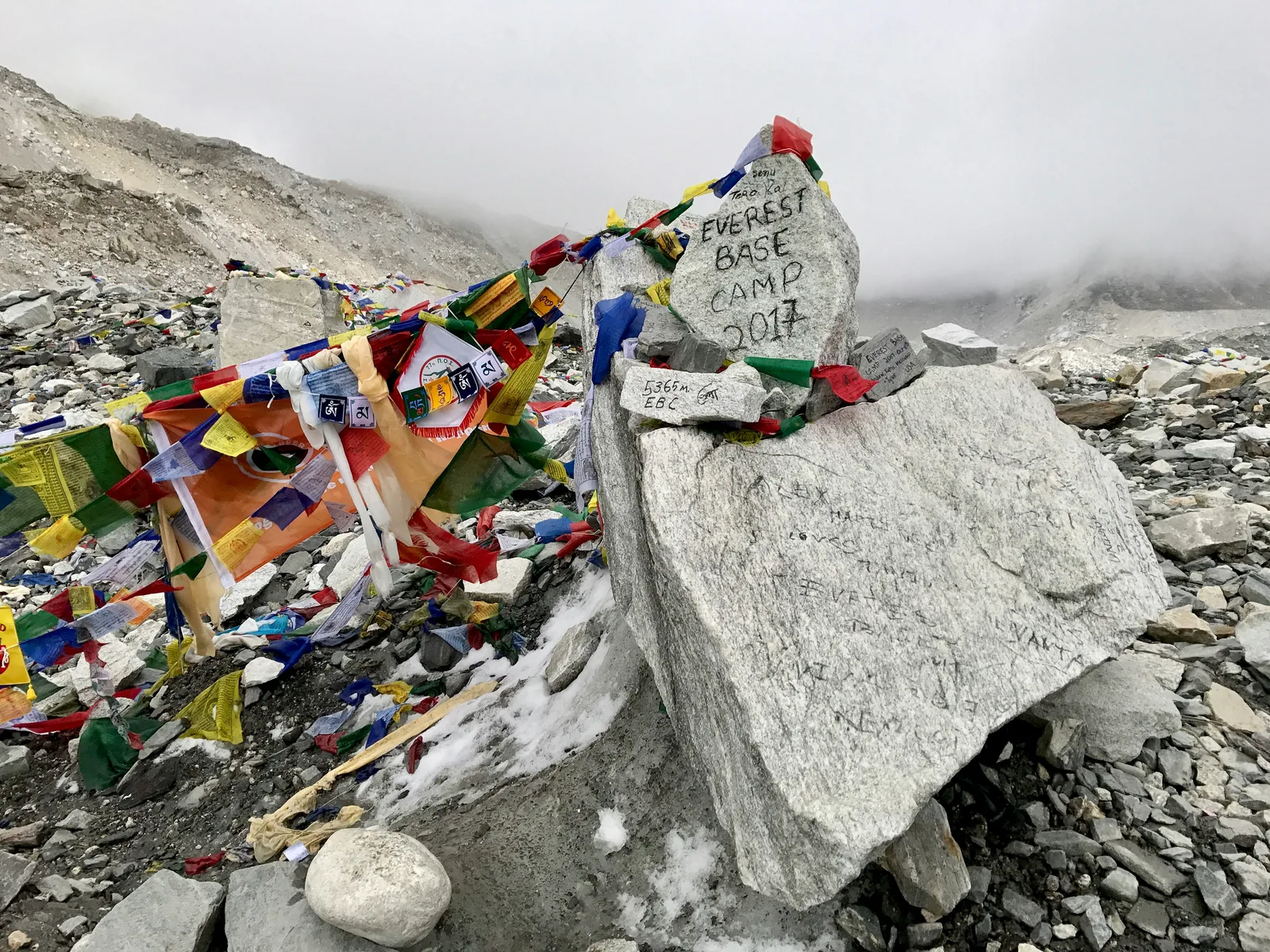
One of the main attractions of this trek is the opportunity to enjoy the scenery of the Everest region without climbing all the way to Everest Base Camp. Located at approximately 5,364 meters, Everest Base Camp requires a longer and more demanding high-altitude journey. The Everest Panorama Senior Trek focuses instead on scenic viewpoints and mountain settlements at lower elevations.
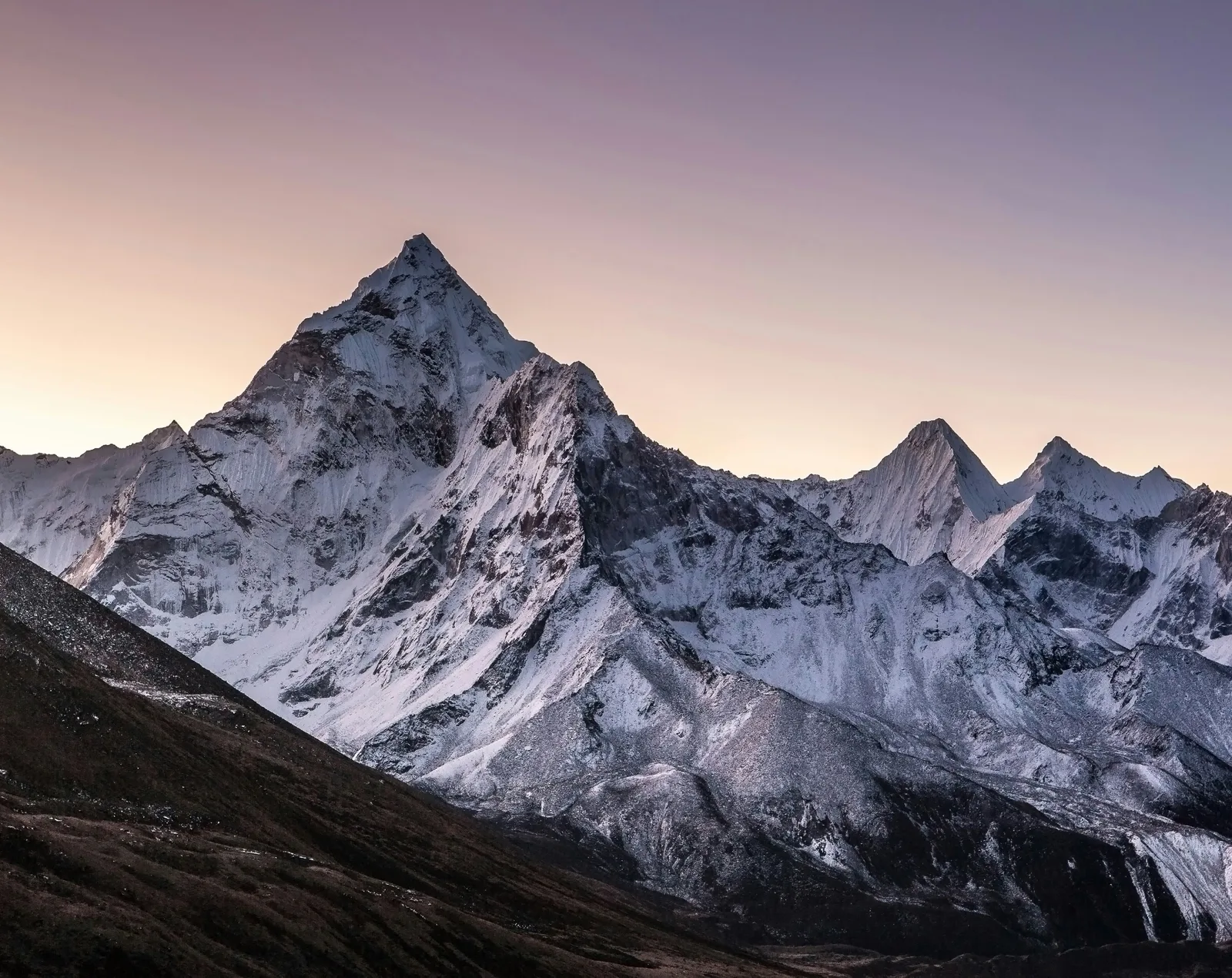
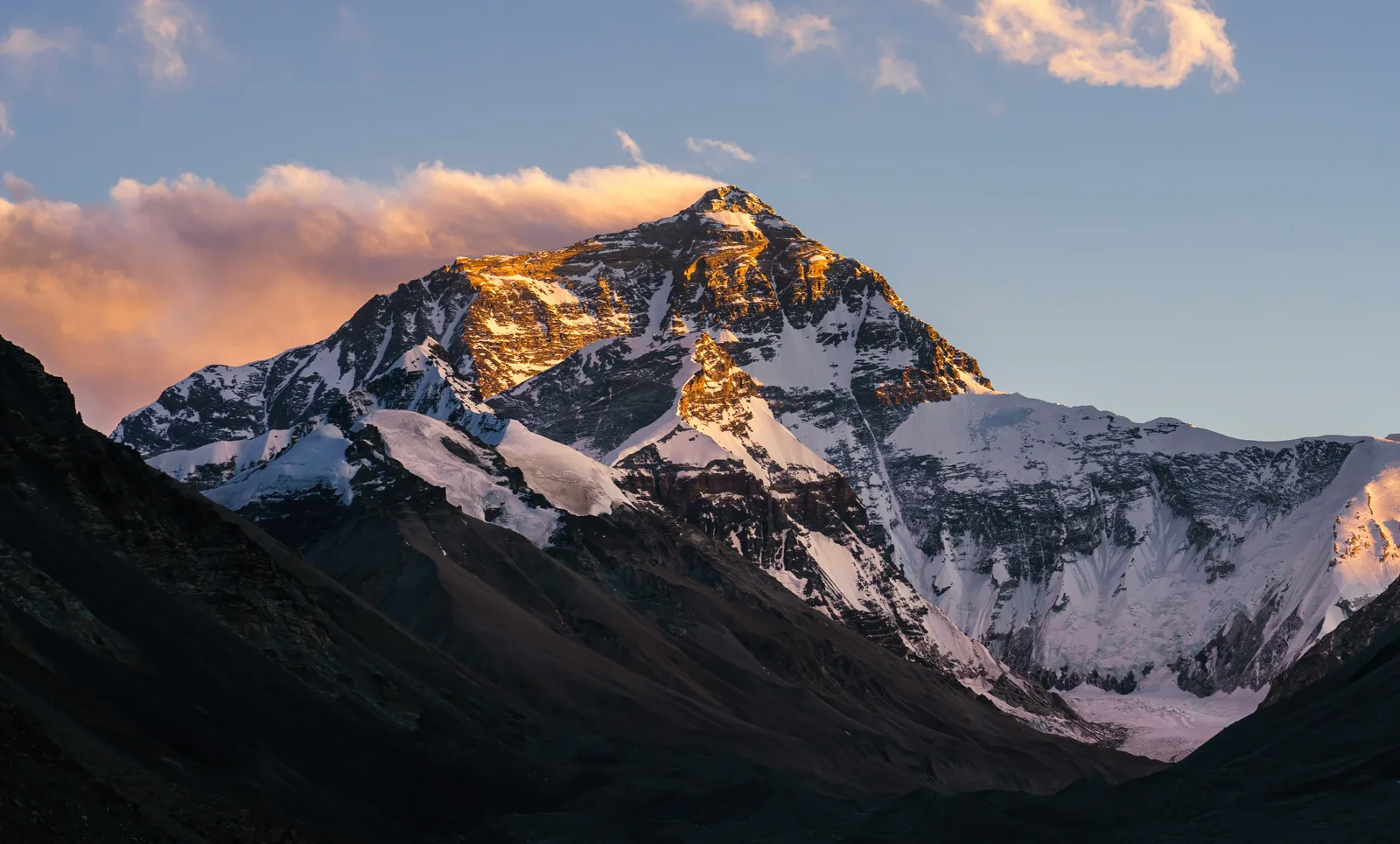
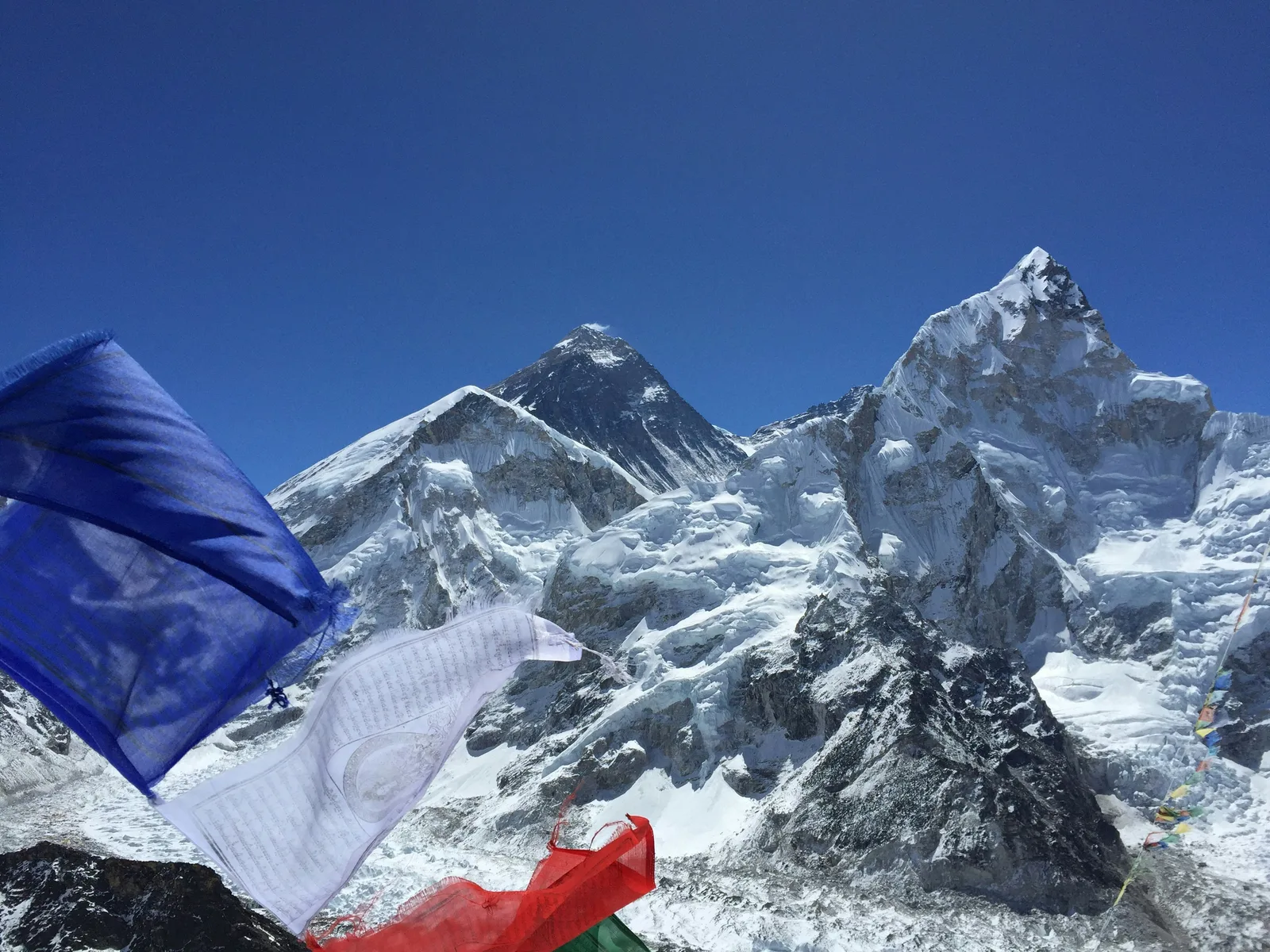
The Khumbu region is famous for its dramatic mountain landscapes, with snow-covered summits rising above deep valleys and traditional Sherpa villages. Depending on weather conditions and the precise viewpoints visited, travelers may see Mount Everest, Ama Dablam, Lhotse, Nuptse, and Thamserku. Ama Dablam is particularly memorable for its distinctive shape and sharp ridgelines, while Everest's enormous presence creates an unforgettable Himalayan backdrop.
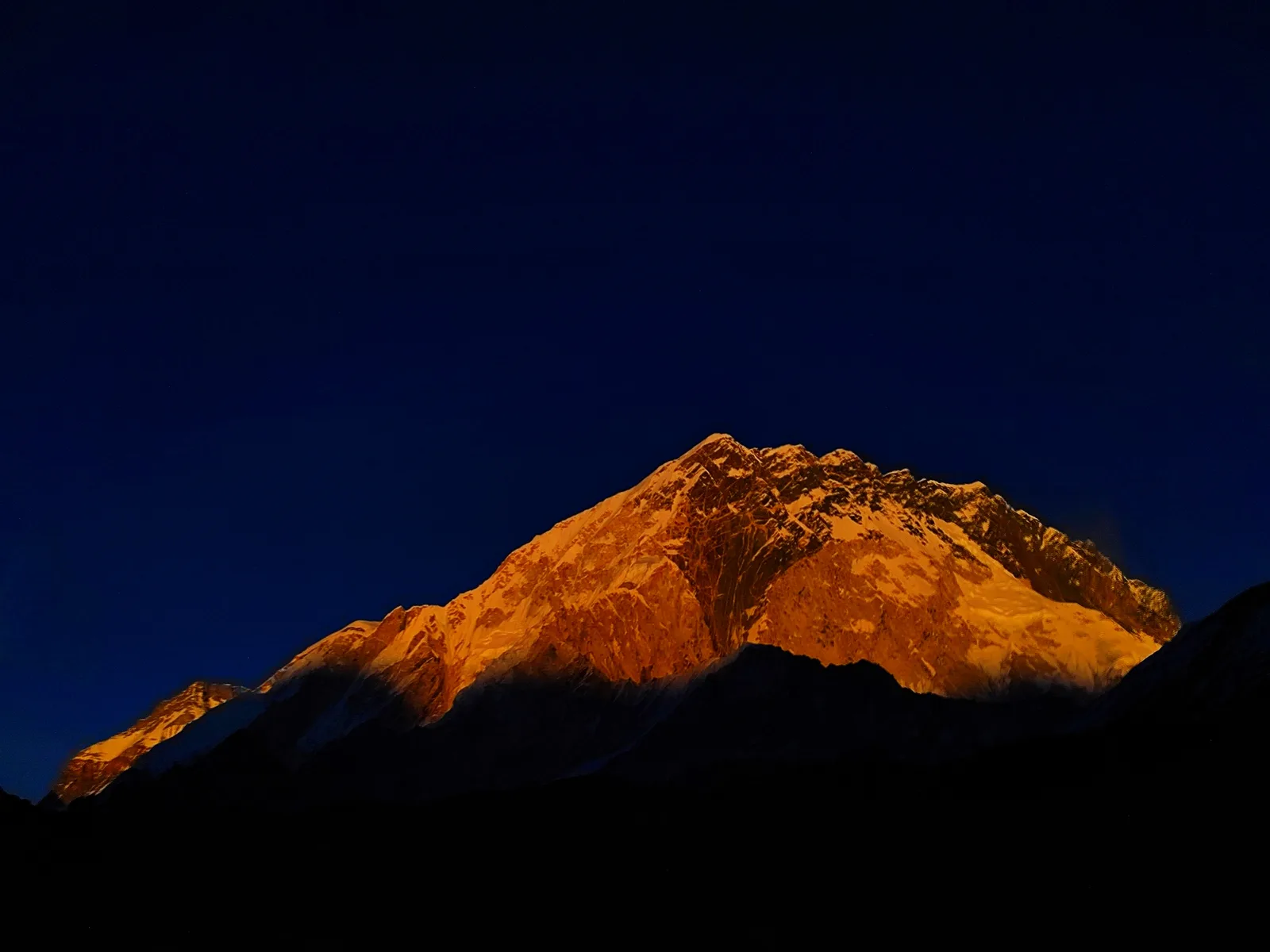
The lower-altitude route allows travelers to enjoy these landscapes without following the full Everest Base Camp trail. Mountain scenery changes throughout the day, with morning sunlight illuminating the peaks and clouds sometimes drifting through the valleys later in the afternoon. Taking time to appreciate these changes is part of the experience.
Clear views are never guaranteed, as weather in the mountains can change quickly. A flexible schedule, suitable clothing, and patience can help make the most of the available conditions. Even on cloudy days, the villages, forests, rivers, and mountain culture provide plenty to appreciate.
Comfortable Walking Days Designed for Mature Travelers
The daily walking schedule is one of the defining features of the Everest Panorama Senior Trek. Rather than planning long days that leave little time for rest, the itinerary aims for approximately three to five hours of walking on typical trekking days. Actual durations depend on the selected route, elevation changes, trail conditions, group fitness, and the number of stops.
Shorter walking days provide more opportunities to enjoy the surroundings without feeling pressured to maintain a fast pace. Travelers can pause for photographs, drink water, rest on suitable sections of the trail, and appreciate the local environment. The goal is to create a balanced experience that combines gentle physical activity with time to relax.
A comfortable pace is particularly valuable on uphill sections, where breathing and walking can become more difficult as elevation increases. Your guide should encourage a steady rhythm, regular breaks, and communication about fatigue or discomfort. Travelers should never feel compelled to continue simply because others are walking faster.
The trek still requires stamina and mobility. Walking for several consecutive days, even at a moderate pace, can be tiring. Preparing with regular walks before departure can help build confidence and make the journey more enjoyable.
Explore Namche Bazaar and Sherpa Culture
Namche Bazaar is one of the most recognizable villages in the Everest region. Set into a mountainside, this lively settlement serves as a commercial center and an important stopping point for trekkers traveling deeper into the Khumbu. Its shops, bakeries, lodges, and small businesses provide a fascinating contrast to the quieter trails beyond the village.
For travelers who enjoy culture as much as scenery, Namche offers an opportunity to learn about the Sherpa communities whose traditions and mountaineering expertise are closely connected with the history of the Everest region. You can browse local handicrafts, enjoy a relaxed meal, explore the village streets, and appreciate the surrounding mountain views.
A slower itinerary allows you to spend time enjoying the village instead of treating it as a quick overnight stop. Depending on the schedule and your energy level, you may have opportunities to visit local cultural attractions or explore nearby viewpoints.
Namche also lies at a significant altitude, so spending adequate time here can support gradual acclimatization. Your guide should explain the importance of adjusting to elevation and monitor how the group is feeling before proceeding higher. A comfortable trekking experience depends not only on good accommodation but also on sensible altitude management.
Visit Tengboche Monastery at 3,860 Meters
Tengboche Monastery is one of the most important cultural landmarks in the Khumbu region. Surrounded by a dramatic Himalayan landscape, it provides a peaceful setting in which to appreciate the Buddhist traditions that remain central to many Sherpa communities.
The monastery is known for its religious significance, traditional architecture, and remarkable mountain surroundings. Visitors can experience the atmosphere of the monastery grounds, observe local customs respectfully, and learn about the spiritual traditions that shape life in the region. When permitted, visitors may also have opportunities to observe aspects of monastic life.
At approximately 3,860 meters, Tengboche is the planned highest point of this trek. It offers a rewarding mountain experience without requiring the much higher elevations associated with Everest Base Camp. Depending on visibility, surrounding peaks can create an extraordinary panorama from the monastery area and nearby viewpoints.
The ascent to Tengboche can still be physically demanding, particularly on uphill and stepped sections. The itinerary should allow enough time to reach the destination comfortably and should include appropriate plans for returning to a lower elevation if needed. Travelers should not assume that a lower maximum altitude eliminates altitude-related risks.
Because Tengboche is an active religious site, modest clothing, quiet behavior, and respect for local instructions are important. Ask before photographing people or religious ceremonies, and follow any restrictions on photography inside the monastery.
Enjoy the Everest View Hotel Panorama
The Everest View Hotel area is known for its panoramic mountain scenery and is a popular destination for visitors seeking impressive views without trekking all the way to Everest Base Camp. Depending on the itinerary, weather, and trail conditions, it can provide an excellent opportunity to enjoy the surrounding peaks in a relaxed setting.
The appeal lies in combining mountain scenery with a comfortable break. Travelers may have time to sit down, enjoy a hot drink where available, take photographs, and appreciate the view rather than moving quickly from one destination to another. The combination of mountain air, open landscapes, and dramatic peaks makes this kind of stop especially memorable.
The exact viewpoint and walking route should be confirmed with the operator. Visiting the Everest View Hotel does not automatically mean that every traveler will have uninterrupted views of Everest, as cloud cover and weather can affect visibility. The route may also involve uphill walking and uneven trails, so appropriate footwear and a realistic pace remain essential.
For many travelers, these panoramic stops are among the highlights of the journey. They provide a chance to enjoy the scenery at a comfortable pace while still experiencing the distinctive mountain environment of the Everest region.
Comfortable Lodges and Relaxing Evenings
A comfortable place to rest after a day of walking can make a major difference to a trekking holiday. The Everest Panorama Senior Trek prioritizes suitable mountain lodges, with an emphasis on cleanliness, comfortable sleeping arrangements, and welcoming service.
Depending on the location and availability, upgraded rooms may offer thicker mattresses, additional blankets, and improved facilities. Some lodges provide private bathrooms and hot showers, while others have shared facilities or more limited hot-water supplies. Conditions can vary between villages and seasons, so travelers should confirm the expected accommodation standard before booking.
Evenings offer an opportunity to slow down and enjoy the hospitality of local lodge owners. You can relax in the dining area, enjoy a warm meal, talk with fellow travelers, and prepare for the next day's walk without feeling rushed.
The trek is designed to provide comfort within the realities of a mountain environment. It should not be mistaken for a five-star hotel holiday, as facilities become more limited in remote locations. Nevertheless, thoughtful accommodation choices can make the overall experience more pleasant and allow travelers to focus on the landscape and cultural experiences.
Quality Meals and Time to Enjoy Every Stop
Good food is an important part of an enjoyable trekking experience. Lodges in the Everest region commonly serve a variety of dishes, including traditional Nepali meals, soups, rice, noodles, potatoes, eggs, pancakes, bread, and selected international options.
Dal bhat, made with rice, lentil soup, vegetables, and accompaniments, is a popular meal because it provides energy for walking. Depending on the lodge, travelers may also find baked goods, hot drinks, and lighter snacks suitable for breakfast or afternoon breaks.
The range of food available can vary with location, season, and supply conditions. Travelers with allergies, dietary restrictions, or specific food preferences should communicate these requirements to the operator in advance. It is also important to drink enough safe water and eat regularly during trekking days.
Because this trek emphasizes a relaxed pace, there may be more opportunities to enjoy meals without rushing. Taking time to rest and refuel can help maintain energy throughout the journey.
Lower Altitude, Thoughtful Acclimatization, and Safety
The planned maximum altitude of approximately 3,860 meters is lower than that of Everest Base Camp and many other high-altitude Himalayan treks. This makes the panorama route an attractive alternative for travelers who prefer not to ascend to extreme elevations. However, altitude-related illness can still occur at these heights, and age alone does not determine how a person responds to altitude.
Acclimatization depends on factors such as ascent profile, individual susceptibility, previous altitude experience, and overall health. A slower walking pace may improve comfort, but it does not prevent altitude sickness by itself. The itinerary should allow for sensible altitude gains, and the guide should monitor the group's condition throughout the journey.
Travelers should tell their guide immediately if they experience symptoms such as a persistent headache, nausea, dizziness, unusual fatigue, or difficulty walking. Severe symptoms, confusion, or breathlessness at rest require urgent medical attention and descent when appropriate. Continuing upward despite serious symptoms can be dangerous.
Anyone with existing health concerns or questions about their fitness for trekking should seek medical advice before booking. Suitable travel insurance should cover trekking at the planned altitude and emergency evacuation where available.
Safety also includes proper footwear, layered clothing, sun protection, hydration, and careful movement on uneven trails. A well-planned trek should prioritize the well-being of participants rather than promising that every activity or destination will be completed regardless of conditions.
Who Is the Everest Panorama Senior Trek Best For?
This trek is especially appealing to travelers aged 50 and above who want to explore the Himalayas while prioritizing comfort, manageable walking days, and cultural experiences. It may suit couples, mature friends, independent-minded travelers, and people who enjoy gentle outdoor adventures but do not want the demands of a full Everest Base Camp expedition.
It can also be a good option for younger travelers who prefer a slower pace or want to experience the Everest region without trekking to extreme elevations. The most important consideration is not age alone but the ability to walk the planned route and cope with several consecutive days of mountain travel.
The trek may be less suitable for anyone expecting a completely flat walking route or a holiday without physical effort. Mountain paths include ascents, descents, steps, and uneven surfaces, and some sections can be challenging even when daily distances are short.
Before booking, ask for the full route, expected daily walking hours, overnight elevations, accommodation details, and the exact highest point. These details will help you understand whether the itinerary matches your needs and expectations.
Best Time to Enjoy the Everest Panorama Trek
Spring and autumn are generally popular seasons for trekking in the Everest region. Spring brings gradually warming weather and changing vegetation, while autumn often offers favorable conditions after the summer monsoon. Both seasons can provide excellent opportunities for mountain views, although clear skies are never guaranteed.
Winter can bring quieter trails and beautiful snow-covered scenery, but temperatures can become very cold, particularly in the mornings and evenings. The monsoon season can bring rain, cloud, slippery paths, and changes to transport arrangements.
The best season depends on your preferred conditions, the final itinerary, and the availability of accommodation and transport. Travelers who prioritize comfort may prefer to avoid the coldest periods unless they are well prepared for winter conditions.
Regardless of the season, packing layered clothing and waterproof protection is sensible. Mountain weather can change quickly, and being prepared helps make the trek more comfortable.
What to Pack for a Comfortable Senior Trek
A well-prepared traveler can enjoy the mountain experience with greater confidence. Pack comfortable trekking boots that have already been worn in, warm layers, a waterproof jacket, trekking trousers, warm socks, gloves, a hat, sunglasses, and sunscreen. Temperatures can vary considerably between lower villages and higher viewpoints, so layering is more practical than relying on one heavy item of clothing.
A small daypack should hold water, snacks, personal medication, rain protection, valuables, and any other essentials you may need during the walk. Trekking poles can be helpful for balance and reducing strain on the knees during descents, although they are not a substitute for suitable footwear or careful movement.
Other useful items include a headlamp, personal toiletries, a reusable water bottle, and any recommended medication prescribed by your healthcare professional. Confirm with the operator whether a sleeping bag is necessary based on the season and accommodation arrangements.
Pack according to the actual itinerary and expected weather. A thoughtful packing list helps avoid carrying unnecessary weight while ensuring you have the equipment needed for the conditions.
Responsible Travel and Respect for Sherpa Culture
The Everest region is home to communities with distinctive traditions, religious practices, and a close relationship with the mountain environment. Responsible trekking means treating local residents and cultural sites with respect while helping protect the landscapes that make the region so special.
Choose local services where practical, follow established trails, avoid leaving rubbish behind, and use refillable water containers when safe. Travelers should follow guidance on waste disposal and water treatment, especially in remote villages where resources can be limited.
Respect for local culture is equally important. Ask permission before photographing people, observe monastery rules, and behave quietly around religious spaces. Supporting local lodges, guides, and other community businesses can help ensure that tourism contributes to local livelihoods.
A slower trek creates more opportunities to connect with the places you visit. By approaching the journey with curiosity and respect, you can enjoy a more meaningful experience while helping preserve the cultural and natural heritage of the Everest region.
Experience the Himalayas at Your Own Pace
The Everest Panorama Senior Trek shows that experiencing the Himalayas does not require following the most demanding route or reaching the highest possible altitude. Over eight days, travelers can enjoy mountain scenery, traditional villages, Sherpa hospitality, Buddhist culture, and comfortable lodge stays while following a more relaxed trekking style.
With shorter walking days, a planned maximum altitude of approximately 3,860 meters, and opportunities to pause and appreciate the surroundings, the trek is designed for people who want to make the journey as rewarding as the destination. It offers a different perspective on the Everest region, where a warm cup of tea, a quiet monastery, and a clear mountain view can become lasting memories.
The final itinerary should clearly confirm the viewpoints visited, daily walking distances, accommodation standards, and acclimatization arrangements. With realistic expectations, appropriate preparation, and a guide who prioritizes comfort and safety, the Everest Panorama Senior Trek can be a wonderful way to discover the Himalayas.
For travelers aged 50 and above who want to enjoy the magic of Everest without the strain of a demanding high-altitude expedition, this journey offers a thoughtful balance of scenery, culture, comfort, and adventure.
Highlights
What's Included
What's Not Included
Not Suitable For
Important Information
What to Bring
Know Before You Go
Not Allowed
Detailed Itinerary
Day 1Arrival in Kathmandu (1,400m) — Settle In
Arrive at Tribhuvan International Airport, where your guide meets you and transfers you to your comfortable hotel in Thamel. Take the rest of the day to relax, adjust to the time zone, and settle in. There is nothing planned and nothing to rush. Your adventure begins tomorrow, so enjoy a welcome dinner and start well rested.
Airport to hotel.
Elevation: 1,400m
Accommodation: Hotel (comfortable, quiet location)
Meals: Welcome Dinner
Meals:dinnerStay:hotel
Day 2Kathmandu Sightseeing & Trek Briefing
Enjoy a gentle morning exploring one or two UNESCO World Heritage Sites at your own pace, perhaps Pashupatinath and Boudhanath. In the afternoon, your guide holds a comprehensive trekking briefing, with a gear check, an altitude discussion, and a review of your medical questionnaire. Have an early dinner and go to bed, ready for the mountain flight tomorrow. Thamel to Boudhanath.
Elevation: 1,400m
Activity: Sightseeing + briefing, ~4 hours
Accommodation: Hotel
Meals: Breakfast, Dinner
Meals:all mealsStay:hotel
Day 3Fly to Lukla & Trek to Phakding (2,610m) — Easy Start
After an early breakfast, transfer to the airport for the 35-minute mountain flight to Lukla. The first trekking day is gentle and mostly downhill along the Dudh Koshi River, passing mani walls and prayer wheels. You arrive by early afternoon, so there is time to settle into your lodge and rest. Welcome to the Khumbu. Lukla to Phakding.
Elevation: 2,840m → 2,610m
Trekking: 3-4 hours (gentle pace)
Accommodation: Upgraded lodge
Meals: All meals
Meals:all mealsStay:teahouse
Day 4Trek to Namche Bazaar (3,440m) — The Sherpa Capital
Today is a little longer but still manageable. Cross the Hillary Suspension Bridge, enter Sagarmatha National Park, and climb steadily through pine forest to the horseshoe amphitheater of Namche Bazaar. Your guide sets a relaxed pace, with plenty of photo and tea stops along the way. Arrive, rest, and enjoy a warm evening in the lodge
Elevation: 2,610m → 3,440m
Trekking: 5-6 hours (with breaks)
Accommodation: Upgraded lodge
Meals: All meals
Meals:all mealsStay:teahouse
Day 5Acclimatization Day — Everest View Hotel & Khumjung
Today is a rest day with a gentle acclimatization hike to the Everest View Hotel (3,880 m). Enjoy tea on the panoramic terrace, with Everest, Lhotse, and Ama Dablam filling the view. Then descend to Khumjung village to visit the Hillary School and see the famous yeti skull at the monastery. Spend a long, relaxing afternoon in Namche.
Elevation: 3,440m (hike to 3,880m)
Activity: 4-5 hours round trip
Accommodation: Upgraded lodge
Meals: All meals
Meals:all mealsStay:teahouse
Day 6Trek to Tengboche (3,860m) — Monastery & Everest
Today offers the most spectacular scenery of the trek. The contouring trail keeps Everest, Nuptse, and Ama Dablam in constant view. Descend to Phunki Tenga for a riverside lunch, then climb through rhododendron forest to Tengboche Monastery. You arrive by mid-afternoon, leaving plenty of time to explore the grounds and attend the prayer ceremony.
Elevation: 3,440m → 3,860m
Trekking: 5-6 hours
Accommodation: Upgraded lodge
Meals: All meals
Meals:all mealsStay:teahouse
Day 7Trek Back to Namche Bazaar (3,440m) — Downhill Rewards
Today is a gentle descent. Retrace the trail through the forest to the Dudh Koshi, then climb briefly back to Namche. Every step downhill feels easier, and the mountains look softer and more familiar. The afternoon is free for hot showers, bakery visits, and café time. Celebrate over dinner, because you have trekked to the shadow of Everest and back.
Elevation: 3,860m → 3,440m
Trekking: 4-5 hours
Accommodation: Upgraded lodge
Meals: All meals
Meals:all mealsStay:teahouse
Day 8Trek to Lukla (2,840m) & Fly to Kathmandu
Enjoy a final gentle walk along the river to Lukla, then take the scenic flight back to Kathmandu. Transfer to your hotel for a hot shower and a proper rest. In the evening, join your guide and fellow trekkers for a farewell dinner, sharing favorite moments from the trail.
Elevation: 3,440m → 2,840m → 1,400m
Trekking: 3-4 hours
Accommodation: Hotel
Meals: Breakfast, Farewell Dinner
Meals:breakfastStay:hotel
Gallery
0 photosNo gallery images available for this tour.
Downloads
No downloadable files available for this tour.
4.48 reviews
5
3
4
5
3
0
2
0
1
0
A
Aisha Khan
Malaysia · ✓ Verified
Life-changing mountain experience
My partner and I did Everest Panorama Senior Trek for our honeymoon — couldn't have picked better. Dal bhat power 24 hour! The local lentil curry fueled me through the toughest days. Walking above the tree line for hours was surreal. The hardest part was saying goodbye to the mountains.
S
Sofia Pettersson
Sweden · ✓ Verified
Everest Panorama Senior Trek exceeded all expectations
I took a sabbatical and chose Everest Panorama Senior Trek as my cornerstone experience. The glacial river water was the clearest blue I've ever seen. Simple but hearty: fried rice, dal bhat, noodle soup. Perfect trekking fuel. The contrast between Kathmandu chaos and mountain serenity is profound. The pre-trek briefing in Kathmandu answered every question I had. The morning light on the peaks is something I'll never forget. Highly recommended for anyone considering this trek.
R
Ravi Chandran
Malaysia ·
Best guided trek I've done
After a tough year, I needed perspective and Everest Panorama Senior Trek delivered exactly that. Sonam spoke excellent English and had a great sense of humor that kept morale high. The star field at night from the teahouse roof was the densest I've ever seen. I learned to order 'extra spicy, extra comfort' — it worked every time. Standing at the highest point, surrounded by giants, I felt truly alive. The trail markers were excellent — very easy to follow. Walking above the tree line for hours was surreal. This changed how I think about travel and about myself.
R
Ryan O'Connor
Ireland · ✓ Verified
Authentic, safe, breathtaking
My second trek in Nepal, my first with this company — Everest Panorama Senior Trek convinced me I'll come back. The guide Lakpa knew every shortcut, viewpoint, and best teahouse along the route. The valley views opened up dramatically after we passed the treeline. The garlic soup at high altitude genuinely helped with acclimatization. The contrast between Kathmandu chaos and mountain serenity is profound. Altitude headaches hit me at 3,500m — our guide managed it professionally. The trail markers were excellent — very easy to follow. This changed how I think about travel and about myself.
F
Felix Wagner
Austria · ✓ Verified
Authentic, safe, breathtaking
I'd never been to Asia before, and Everest Panorama Senior Trek was the perfect introduction. Guide Pemba adjusted the pace perfectly when I struggled on the steeper sections. We spotted a family of blue sheep grazing on the high slopes. The ginger lemon honey tea became my ritual at every stop. A spontaneous dance party at a teahouse — pure joy. The wood-burning stoves in the dining rooms created a cozy atmosphere. The teahouse-to-teahouse rhythm was meditative and grounding. Walking above the tree line for hours was surreal. The suspension bridges over the deep gorges were heart-pounding. The hardest part was saying goodbye to the mountains.
I
Ivan Petrov
Russia · ✓ Verified
A transformative mountain journey
After recovering from a health scare, I wanted something meaningful — Everest Panorama Senior Trek gave me purpose again. The 360-degree mountain panorama from the high point was worth every step. The homestay experience in Chhukung village gave me insight into real Nepali life. Altitude headaches hit me at 3,500m — our guide managed it professionally. The teahouses were basic but clean — and the blankets were warm. The teahouse-to-teahouse rhythm was meditative and grounding. The morning light on the peaks is something I'll never forget. This experience reset my perspective on what matters.
A
Ali Reza
Iran ·
From Kathmandu chaos to mountain peace
This was my second time trekking with Enticing Himalayas, and Everest Panorama Senior Trek was even better than the first. Gelu didn't just lead — he taught us about local plants, Buddhist traditions, and mountain geology. Sunrise over Annapurna South — worth the 4:30am wake-up call. I learned to order 'extra spicy, extra comfort' — it worked every time. Learning basic Nepali phrases opened doors to genuine connections. The final ascent pushed my limits — and expanded them. A spontaneous dance party at a teahouse — pure joy. I expected pain; I got perspective. And a bit of pain too — good pain. Not if, but when — I'm already planning my return.
S
Sarah Johnson
USA · ✓ Verified
Everest Panorama Senior Trek — an unforgettable trek
I'd been saving for Everest Panorama Senior Trek for over a year. Worth every rupee. Tashi was patient with our teenagers and made learning fun during the trek. The valley views opened up dramatically after we passed the treeline. The farewell dinner with cultural dance was the perfect ending. The teahouses were basic but clean — and the blankets were warm. The morning light on the peaks is something I'll never forget. Each village has its own character — charming and distinct. We crossed three high passes and each one felt like a personal victory. The hardest part was saying goodbye to the mountains.
Tour Video
No video available for this tour.
1 option available
Everest Panorama Senior Trek — 8 Days Gentle Pace, Maximum Views
Standard tour package with flexible dates
8 days
Guide: English
Select a date
1
$1,980
1 Adult × $1,980
Free cancellation
Cancel up to 24 hours in advance for a full refund
From
$1,980/person
Booking options
Choose a departure below, or use the availability calendar to select a flexible date. Availability and final pricing are confirmed during booking.