Kathmandu, the vibrant capital of Nepal, is a city where ancient temples, bustling markets, and Himalayan mountain views exist side by side. Among the many cultural and natural treasures the valley offers, Swayambhunath Stupa stands out as one of the most iconic and spiritually significant sites. Perched on a hilltop overlooking the entire Kathmandu Valley, this ancient stupa (also known as the Monkey Temple) provides some of the best panoramic views you will find on any Kathmandu city tour. In this guide, we explore the best views for your Kathmandu city tour with a focus on Swayambhunath Stupa, including what to see, when to visit, and how to make the most of your experience at this sacred site.
What Is Swayambhunath Stupa and Why Is It Famous?
Swayambhunath is one of the oldest and most sacred Buddhist sites in Nepal, with a history spanning over 2,000 years. According to legend, the Kathmandu Valley was once a great lake, and a lotus bloomed on the hill where Swayambhunath now stands. The stupa's all-seeing eyes of Buddha, painted on all four sides of the central tower, gaze serenely across the valley, symbolizing omniscient wisdom and compassion. The site is revered by both Buddhists and Hindus, making it a powerful symbol of Nepal's religious harmony. The name Swayambhu means "self-existent," referring to the belief that the stupa arose spontaneously. Today, it is a UNESCO World Heritage Site and one of the most visited cultural landmarks in Kathmandu.
Where Are the Best Views at Swayambhunath?
Swayambhunath offers multiple viewpoints, each with its own character. The eastern stairway entrance, with its 365 stone steps, provides a dramatic approach with prayer flags fluttering overhead and monkeys playing along the railings. Once you reach the main platform, the 360-degree view of Kathmandu Valley is breathtaking: the sprawling city below, the ring of green hills surrounding it, and on clear days, the snow-capped peaks of the Langtang and Ganesh Himal ranges rising in the north. The western side of the stupa platform offers the best sunset views, with the city lighting up below as the sky turns orange and pink. For a less crowded perspective, walk to the smaller Shantipur temple on the northwest corner of the complex, where you can sit quietly and absorb the panorama.
How Do You Get to Swayambhunath from Kathmandu?
Swayambhunath is located approximately 3 kilometers west of Thamel, Kathmandu's main tourist district. You can reach it by taxi in about 15 to 20 minutes, or by walking in about 45 minutes through the narrow streets of old Kathmandu. The most rewarding approach is the eastern staircase, which begins at the intersection of the Ring Road and climbs 365 steps through a forested hillside dotted with shrines, prayer wheels, and stone carvings. If you prefer a gentler approach, there is a paved road on the west side that leads to the upper parking area, from which it is only a short walk to the main stupa. The 3-Day Spiritual Kathmandu Heritage Tour includes Swayambhunath as a key stop, along with other major sites.
When Is the Best Time to Visit Swayambhunath for Views?
The best time for clear mountain views from Swayambhunath is early morning, especially during autumn (October to November) and winter (December to February) when the air is dry and clear. Sunrise between 6 and 7 AM offers the most spectacular light, with the city still quiet and the mountain peaks visible on the northern horizon. Late afternoon, around 4 to 5 PM, is ideal for sunset views and golden-hour photography. Spring (March to May) can be hazy, reducing visibility of distant peaks, but the warm weather and blooming flowers make up for it. Monsoon season (June to September) brings clouds and rain, but the stupa takes on a mystical atmosphere in mist and the fresh rain-washed air is a refreshing change from the valley's usual dust.
What Other Landmarks Can You See from Swayambhunath?
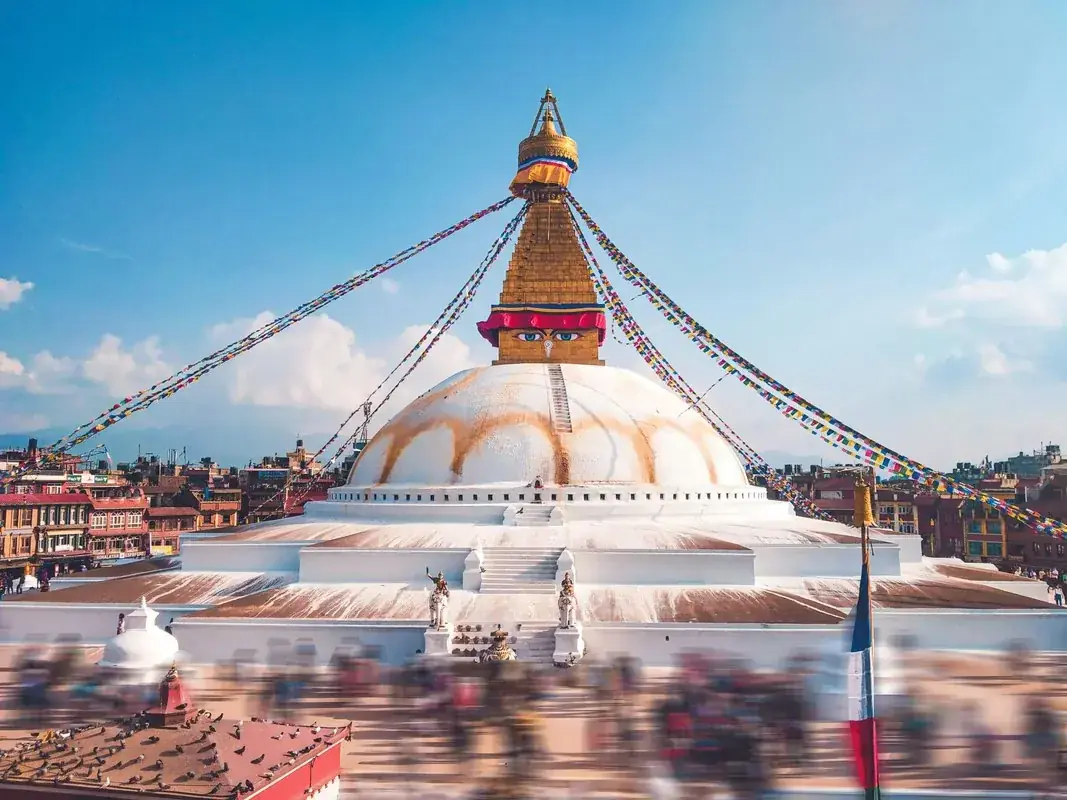
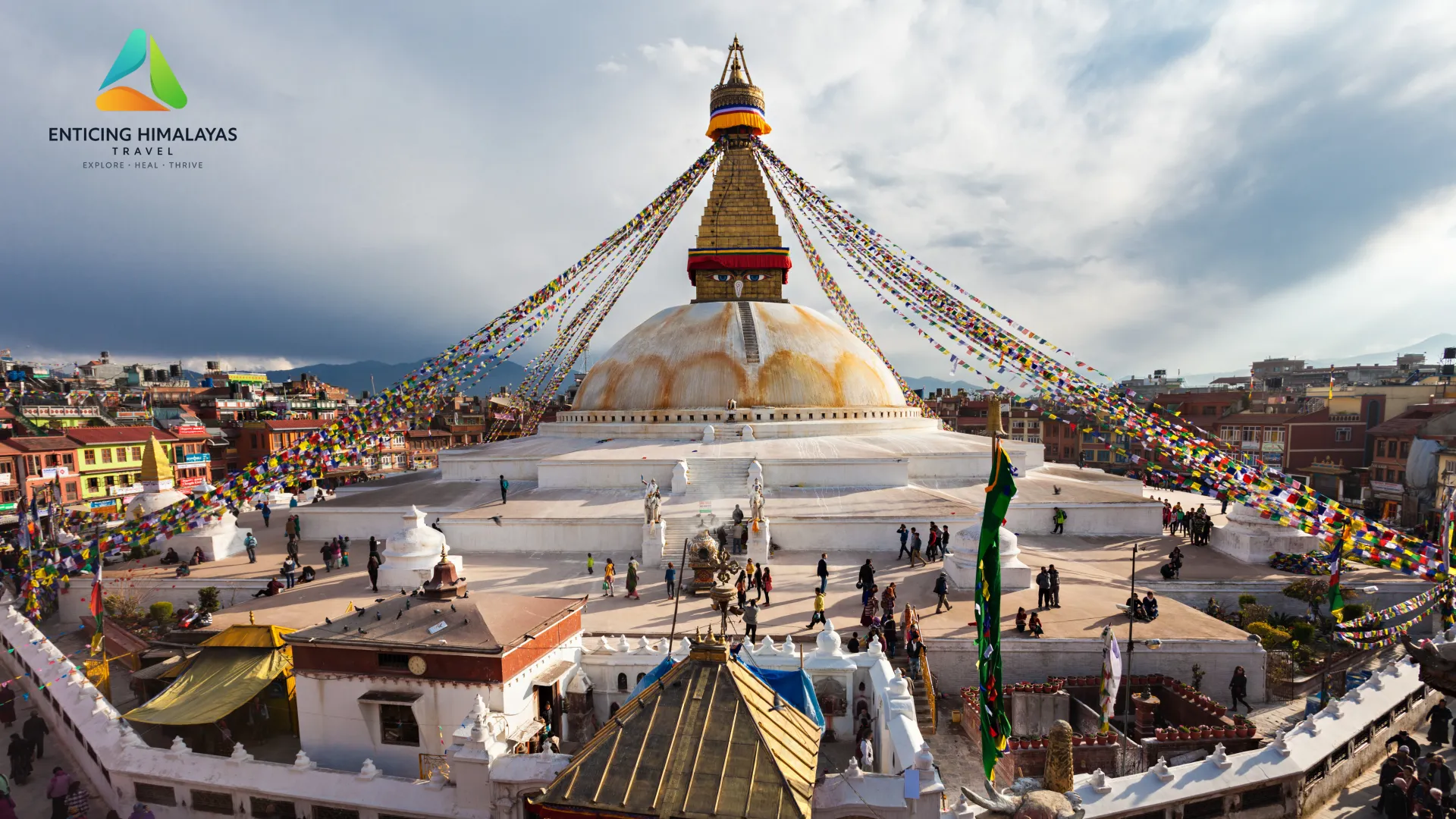
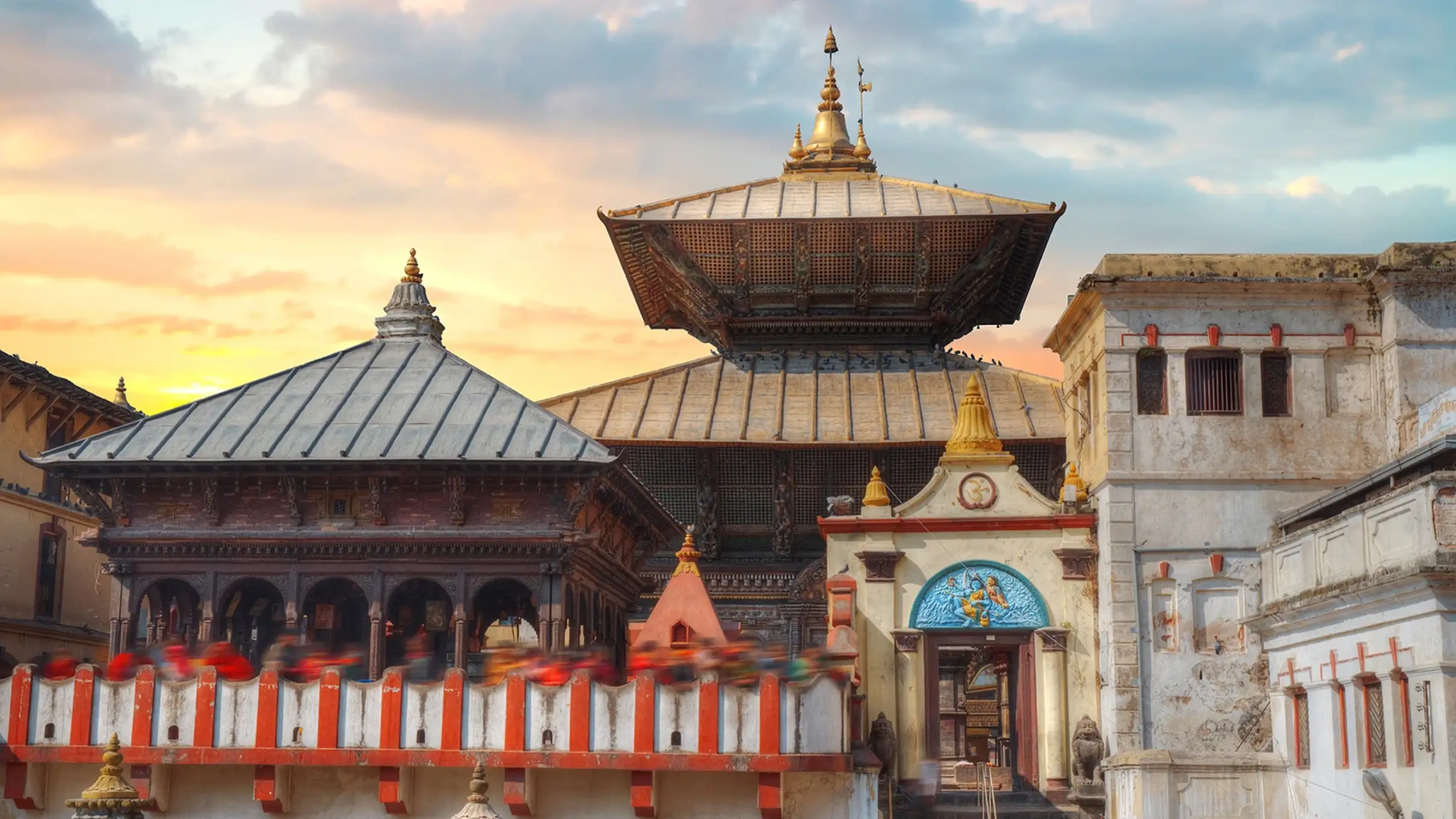
From the main platform of Swayambhunath, you can see much of the Kathmandu Valley spread out below. To the east, the Great Stupa of Boudhanath is visible as a white dome with a golden tower, one of the largest stupas in the world. To the southeast, you can spot the Pashupatinath temple complex along the banks of the Bagmati River. On clear days, the hilltop town of Nagarkot is visible to the east, a popular sunrise viewpoint. The old royal palaces of Kathmandu Durbar Square and Patan can be identified by their distinctive pagoda-style roofs. Looking north, the Langtang range forms a dramatic snowy backdrop. The Day Tour of Kathmandu Landmarks visits these sites with an expert guide who identifies each landmark from the hilltop.
What Should You Know About the Monkeys at Swayambhunath?
Swayambhunath is affectionately known as the Monkey Temple because of the large population of rhesus macaques that live on the hill. These monkeys are considered sacred by devotees and are protected within the temple complex. While they are generally accustomed to human presence, visitors should keep a respectful distance and avoid feeding them, as this encourages aggressive behavior. Keep food, bags, and loose items secured, as monkeys are known to snatch anything that catches their eye. Do not make direct eye contact or show teeth, as monkeys may interpret this as a threat. Despite these cautions, the monkeys are part of what makes Swayambhunath so memorable, and watching them play among the ancient shrines is a delightful experience that adds life and character to the site.
What Are the Key Monuments Within the Swayambhunath Complex?
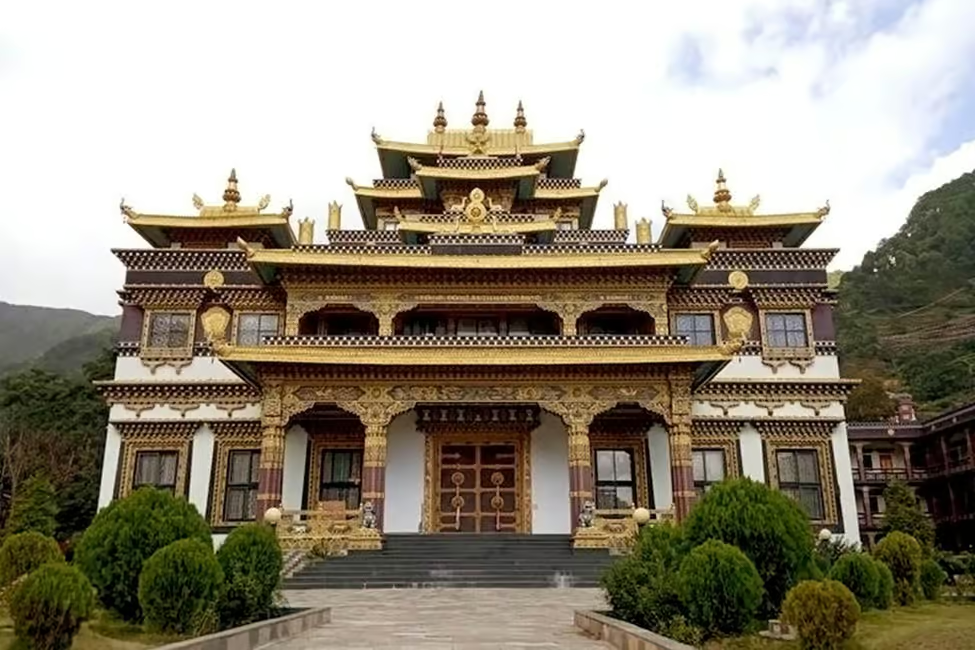
The Swayambhunath complex is much more than just the main stupa. The central white dome, topped by a gilded spire with the all-seeing eyes of Buddha, is the focal point. Around it, you will find the Shakyamuni Buddha statue, Harati Temple (dedicated to the goddess of smallpox and children), Shantipur (the temple of secret knowledge), and the Pratapur and Anantapur twin temples built by King Pratap Malla in the 17th century. The complex also features dozens of smaller stupas, votive chaityas, stone carvings, and the large Dorje (thunderbolt symbol) placed by King Pratap Malla. Each monument has its own legend and significance, and a knowledgeable guide can bring the site to life with stories of kings, sages, and deities who have worshipped here over the centuries.
How Long Should You Spend at Swayambhunath?
Most visitors spend 1 to 2 hours at Swayambhunath, which allows time to climb the eastern stairs, explore the main platform, visit the smaller temples, and enjoy the panoramic views. If you are a photographer or want to experience the site at different times of day, consider visiting twice: once in the early morning for sunrise and mountain views, and once in the late afternoon for sunset and golden light. The morning visit is quieter and more meditative, while the afternoon brings more visitors and a livelier atmosphere. If you are combining Swayambhunath with other Kathmandu sites, the 2-Day Kathmandu Spiritual Circuit pairs it with Pashupatinath and Boudhanath for a comprehensive spiritual journey through the valley's most sacred places.
What Is the Significance of the Prayer Flags at Swayambhunath?
The colorful prayer flags that adorn Swayambhunath are an essential part of Tibetan Buddhist tradition. Each flag is printed with mantras and prayers, and it is believed that the wind carries these blessings across the valley and beyond. The five colors (blue, white, red, green, and yellow) represent the five elements: sky, air, fire, water, and earth. As the flags fade and fray in the wind, they symbolize the impermanence of all things, a core Buddhist teaching. Visitors often walk clockwise around the stupa, spinning the prayer wheels that line the base, a practice known as kora. Each prayer wheel contains thousands of printed mantras, and spinning it is believed to accumulate the same merit as reciting them. This meditative circumambulation is a deeply peaceful practice that connects you to centuries of devotion.
Can You Combine Swayambhunath with Other Kathmandu Valley Sites?
Absolutely. Swayambhunath is one of seven UNESCO World Heritage Sites in the Kathmandu Valley, and combining visits makes for a rich cultural day. The 4-Day 7 UNESCO Wonders Tour covers all seven sites in depth, including Swayambhunath, Boudhanath, Pashupatinath, Kathmandu Durbar Square, Patan Durbar Square, Bhaktapur Durbar Square, and Changu Narayan. For a shorter option, the 5-Day Kathmandu Valley Tour combines UNESCO sites with a Himalayan scenic flight. You can also visit Bhaktapur and Dhulikhel as day trips from Kathmandu, each offering unique cultural experiences and their own hilltop views of the Himalayas.
What Should You Wear When Visiting Swayambhunath?
As Swayambhunath is a sacred religious site, visitors should dress modestly. Shoulders and knees should be covered, so avoid shorts, tank tops, and sleeveless shirts. Comfortable walking shoes are essential, as the 365-step eastern staircase is steep and the stone steps can be slippery, especially during or after rain. Remove your shoes before entering any temple building within the complex. A sun hat and sunscreen are recommended, as the hilltop is exposed with little shade. In winter, bring a warm layer, as the hilltop can be windy and cold in the early morning. In monsoon season, bring an umbrella or rain jacket. Photography is allowed in the outdoor areas but be respectful when photographing devotees engaged in prayer or ritual.
Are There Good Restaurants Near Swayambhunath?
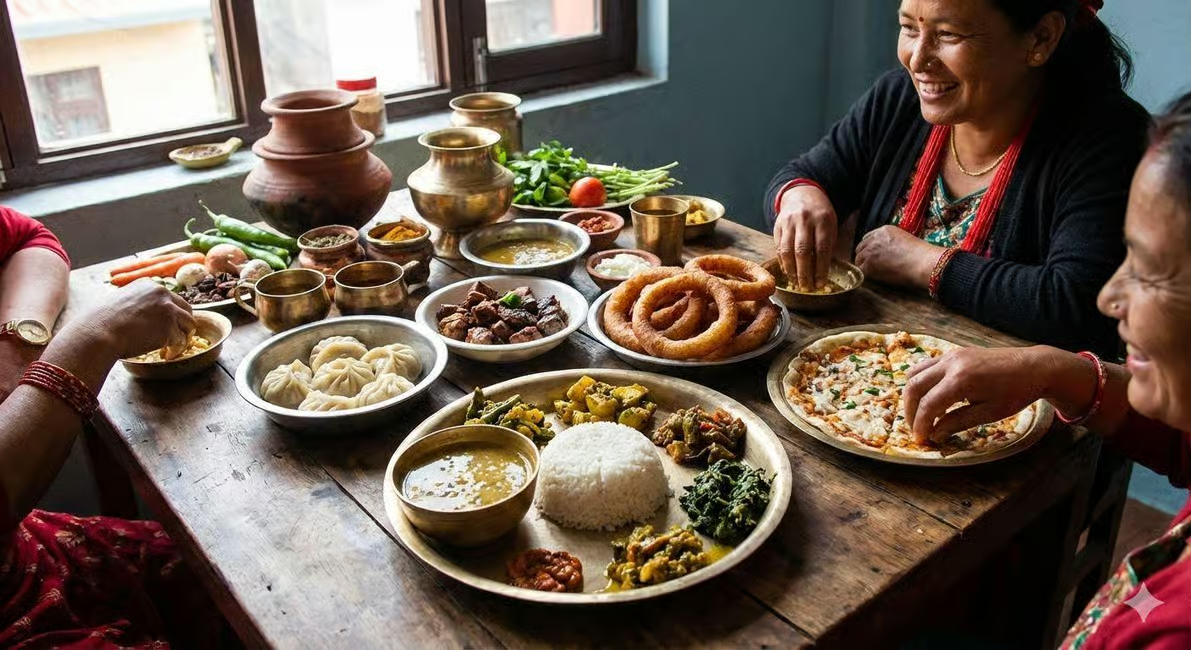
Several restaurants and cafes are located near the Swayambhunath complex, particularly around the western entrance. The nearby Thamel area, just a short taxi ride away, offers the widest variety of dining options in Kathmandu, from traditional Nepali thali to international cuisine. For an elevated dining experience with mountain views, the Everest View Hotel in nearby Syangboche is an option on multi-day packages, but within Kathmandu, the Chitlang Wine Tasting Tour with Lunch offers a unique culinary experience. Closer to the stupa, small teashops serve traditional milk tea and snacks, perfect for a quick break during your visit. For a deeper food experience, the 6-Day Kathmandu and Chitwan Food Culture Tour combines sightseeing with authentic Nepali cooking.
What Cultural Events Can You See at Swayambhunath?
Swayambhunath hosts several important Buddhist festivals throughout the year. Buddha Jayanti (usually in May) celebrates the birth, enlightenment, and death of Buddha, with thousands of devotees circling the stupa and lighting butter lamps. Losar (Tibetan New Year, usually in February) brings colorful celebrations with traditional music, dance, and ceremonial offerings. During the Gunla festival (a month-long Buddhist holy period in August), devotees visit daily and chant scriptures. Even outside of festival times, you may witness daily rituals: monks chanting, devotees lighting butter lamps, and pilgrims performing kora. These living traditions make Swayambhunath more than a historical site; it is an active place of worship where ancient practices continue daily. Visiting during a festival offers an extraordinary cultural immersion, but even on a regular day, the spiritual energy is palpable.
Is Swayambhunath Accessible for Elderly or Disabled Visitors?
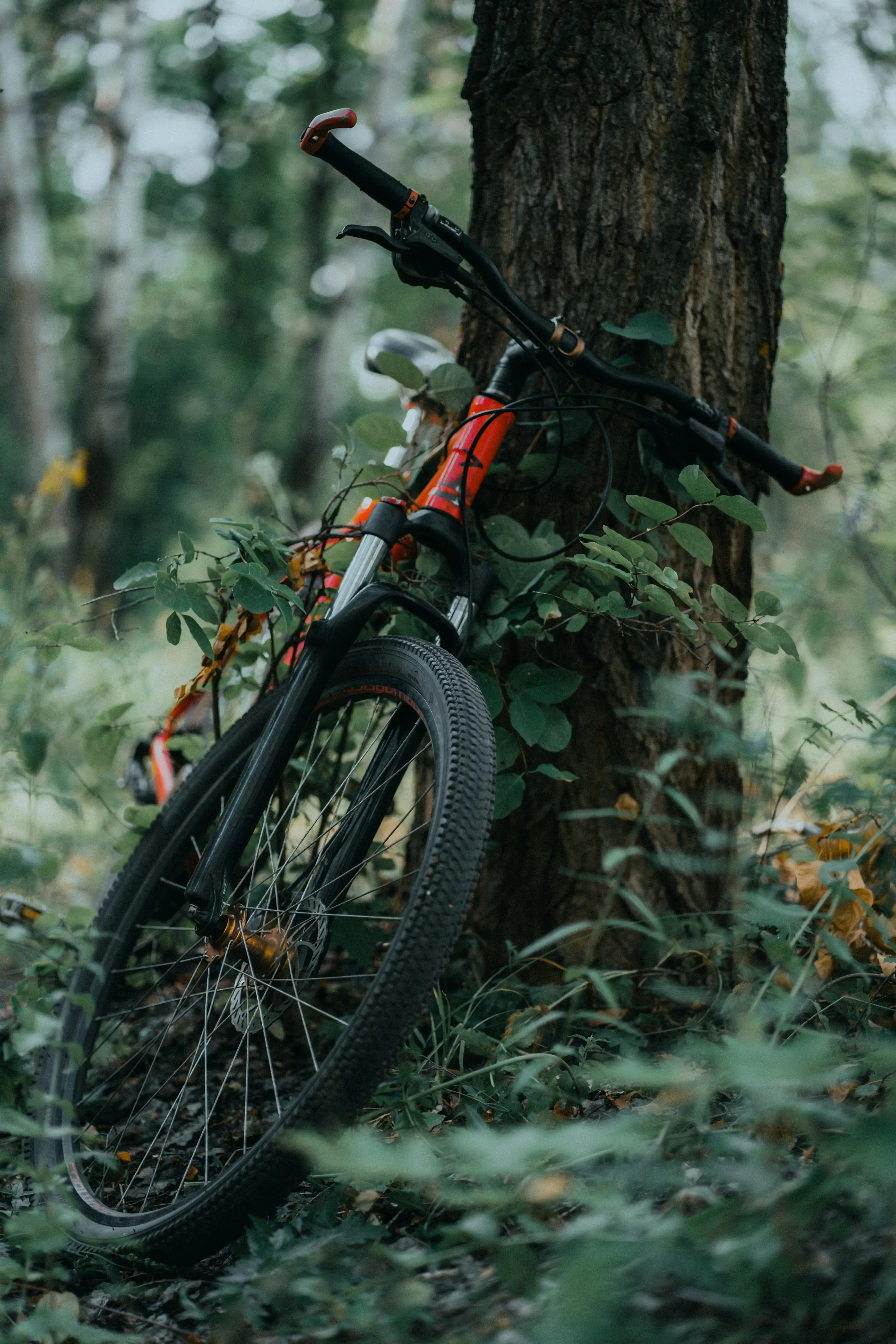
The 365-step eastern staircase is challenging for elderly visitors and not accessible for wheelchair users. However, the western entrance has a paved road that leads directly to the upper parking area, from which the main stupa platform is only a short, relatively flat walk. This makes the site accessible to most visitors, including those with limited mobility. The main platform itself is level, though there are some uneven stone surfaces. If you are visiting with elderly family members, arrange a taxi to the western entrance rather than attempting the eastern stairs. Restrooms and small teashops are available near the main platform. The Swayambhunath Temples and Scenic Hilltops Bike Tour is another accessible option that covers the area by bicycle, with stops at multiple viewpoints.
What Is the Entrance Fee for Swayambhunath?
Swayambhunath charges a modest entrance fee for foreign visitors, which goes toward the maintenance and preservation of this UNESCO World Heritage Site. SAARC nationals pay a reduced rate. Children under 10 enter free. The ticket counter is located at both the eastern and western entrances. Keep your ticket in case you need to show it at any point within the complex. The entrance fee supports the ongoing conservation of the stupa, temples, and surrounding structures, many of which are centuries old and require constant maintenance. Your contribution helps ensure that this extraordinary site remains accessible and beautiful for future generations. For organized tours, the entrance fee is typically included in the package price.
How Does Swayambhunath Compare to Boudhanath?
Swayambhunath and Boudhanath are the two great stupas of the Kathmandu Valley, and both are must-visit sites, but they offer different experiences. Swayambhunath sits on a hilltop, offering panoramic valley views and a mix of Buddhist and Hindu elements, with monkeys adding a wild element. Boudhanath is located on the flat valley floor and is the largest stupa in Nepal, surrounded by a vibrant Tibetan community with monasteries, shops, and restaurants. Swayambhunath is older and has a more ancient, mystical atmosphere, while Boudhanath feels more active and communal, especially during evening kora when hundreds of Tibetans walk around the stupa. Visiting both gives you a complete picture of Nepal's Buddhist heritage. The Sacred Kathmandu Heritage Tour includes both stupas along with other key religious sites.

What Photography Tips Should You Know for Swayambhunath?
Swayambhunath is a photographer's paradise with countless angles and subjects. For the classic wide-angle shot of the stupa with the all-seeing eyes, position yourself on the main platform facing the central tower. The best light is early morning (6 to 7 AM) or late afternoon (4 to 5 PM), when the golden light enhances the white dome and gilded spire. For valley panoramas, use a wide-angle lens from the eastern or western edge of the platform. The monkeys make wonderful subjects but be careful with your gear around them. The prayer flags strung across the complex create colorful leading lines in compositions. A telephoto lens lets you capture detail shots of the eyes, prayer wheels, and devotees. If shooting during midday, use a polarizing filter to manage harsh light. Always ask permission before photographing individual devotees or monks.
Explore, Heal, Thrive: Discover Swayambhunath and Beyond
Swayambhunath Stupa is more than a viewpoint or a historical monument; it is a living spiritual center where ancient wisdom meets modern life. The panoramic views from its hilltop are among the finest in the Kathmandu Valley, encompassing city, temple, and Himalayan peak in a single breathtaking frame. Whether you come for the photography, the history, the spirituality, or simply the view, Swayambhunath delivers an experience that lingers long after you descend the hill. Explore the rich heritage of Kathmandu, heal in the meditative atmosphere of the stupa, and thrive in the knowledge that you have walked one of the most sacred sites in the Himalayas. Discover more cultural journeys on the full tour list and start planning your Kathmandu adventure today.