Nepal Helicopter Tours: Everest, Annapurna & Mountain Flights
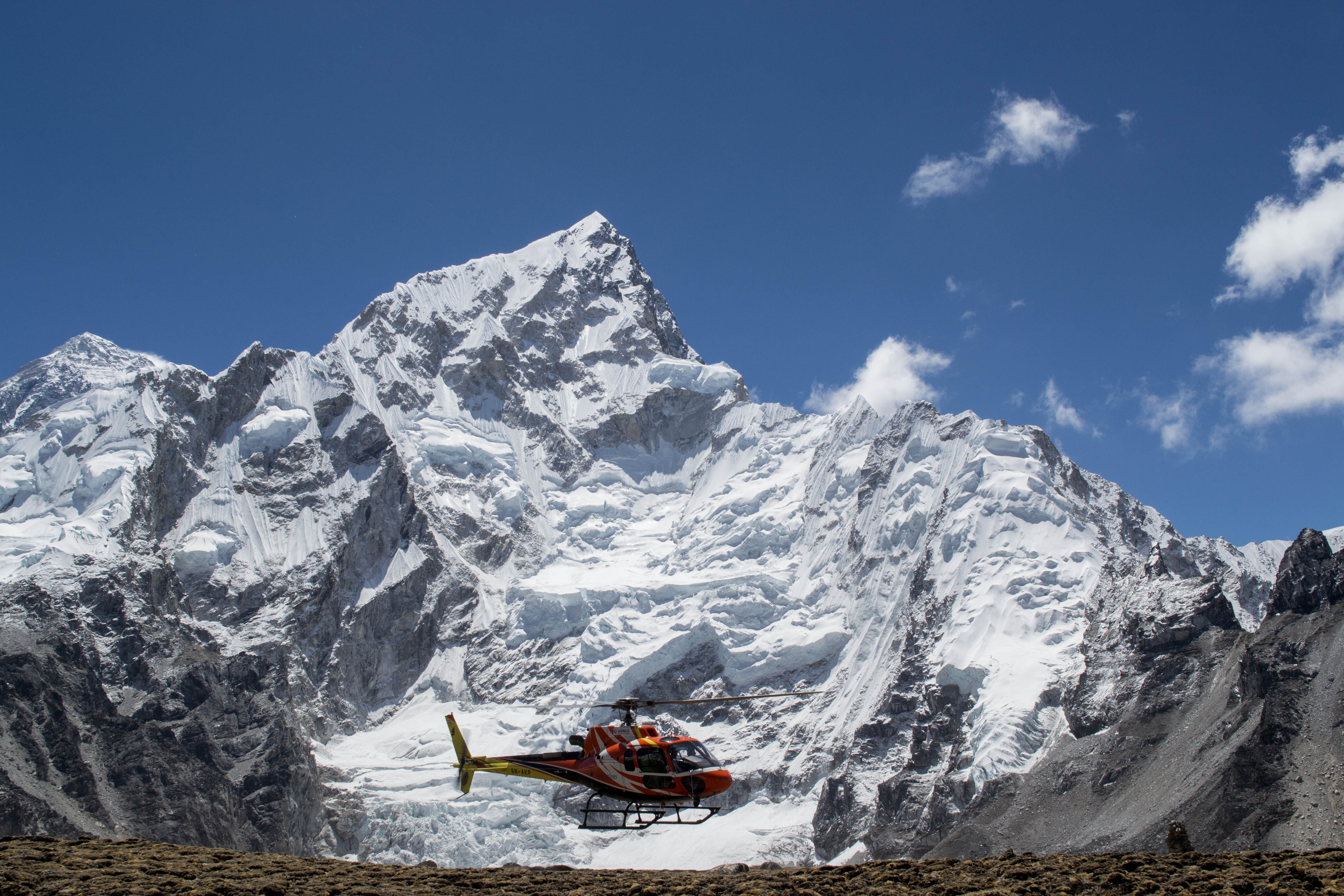
Heli tours land at Everest Base Camp and Kala Patthar. Photo: Wikimedia Commons (CC).
Nepal helicopter tours turn a two-week trek into a few hours of flight — a sunrise departure from Kathmandu, a landing at Everest Base Camp or Kala Patthar, and back for lunch. They are the backbone of luxury Nepal travel and a lifeline for travelers short on time or unable to trek. This guide covers the routes, the realistic costs, the season, and how to book a safe, legal flight.
Why take a helicopter tour
A heli tour delivers the Himalaya's signature views without the altitude risk, the trail time, or the Lukla flight gamble. It suits luxury travelers, families with kids or older members, time-pressed visitors, and anyone with a health limit on trekking. It is also a way to reach base camp for a prayer or a photo and still be home for dinner.
Everest helicopter tour
The classic route flies Kathmandu–Lukla–Kala Patthar or Everest Base Camp, often with a breakfast stop at Syangboche (Everest View Hotel) and a landing at Kala Patthar (5,545 m) for photos. Total air time is roughly 3–4 hours round trip. Our luxury Everest helicopter landing is the headline product.
Annapurna and Pokhara flights
From Pokhara you can fly the Annapurna range, land at ABC or a ridge for views, or do a scenic loop. The Annapurna heli tour is popular as a trek shortcut or a standalone scenic flight. These are shorter and cheaper than the Everest run.
Gosaikunda and other sacred flights
A Gosaikunda helicopter tour gives pilgrims the sacred lake without the multi-day walk — an aerial pilgrimage for Janai Purnima or personal devotion. Similar short flights serve Muktinath and other sites for those who cannot trek.
Cost of helicopter tours
Heli tours are priced per charter (the whole aircraft) or per seat on a shared flight. A shared Everest seat commonly runs from about USD 1,100+, while a private charter is several times that. Annapurna and Gosaikunda flights are cheaper. Prices vary by operator, season, and fuel; we quote a fixed all-in figure so there are no surprises.
Best season and weather
October–May is best, matching the best time to visit Nepal guide. Winter is clear but very cold at altitude; monsoon is poor. Helicopters are weather-bound — flights are cancelled on the morning if cloud or wind is unsafe, and you get a rebook or refund. Build flexibility.
Altitude and the Kala Patthar stop
Even a short landing at 5,545 m is high enough for altitude effects. Operators limit ground time at the highest stops (often 5–10 minutes) precisely to avoid AMS, and some ascend via Lukla to acclimatize en route. If you have heart or altitude concerns, tell the operator beforehand.
Safety and legal operators
Use a company with a valid Civil Aviation Authority permit, insured aircraft, and experienced mountain pilots. Check the aircraft type and maintenance record. We only work with vetted heli operators and confirm insurance before booking. Avoid bargain charters with unclear credentials.
Shared vs private charter
A shared seat is the affordable way in (you join other travelers on a set departure). A private charter gives you the route, timing, and stops to yourself — better for proposals, families, or photography. Decide by budget and privacy; both are weather-dependent.
What to bring on a heli tour
Passport, sunglasses, a warm layer (it is cold at altitude even in spring), a camera with a clear window shot, and motion-sickness remedy if prone. Do not bring large bags — weight limits are strict and shared flights cap personal luggage small. A scarf helps with dust at rural landing zones.
Photography from the helicopter
Window seats are gold. Shoot with a fast shutter to kill vibration, and avoid the rotor reflection by angling slightly down. The Kala Patthar landing with Everest filling the frame is the hero shot. Buffer the memory card — you will take hundreds.
Combine heli with a trek
Many travelers trek up and fly down (or vice versa) — walk the EBC trek and heli out from Gorak Shep, or fly to ABC and walk down. It saves the hard descent and removes Lukla weather risk. We design these hybrid plans on request.
Luxury and wellness pairings
Heli tours anchor the luxury yoga and wellness escape and the 9-day luxury tour. A morning flight, an afternoon spa, and a heritage dinner is the Enticing Himalayas signature combo.
Booking and cancellation
Book through a licensed operator that confirms the permit, insurance, and weather plan in writing. Understand the cancellation terms — morning no-fly is normal, not a scam. Our tour pages state what is included so you know before you pay.
How much does an Everest helicopter tour cost?
A shared seat on an Everest heli tour commonly starts from about USD 1,100, while a private charter costs several times more. Annapurna and Gosaikunda flights are cheaper. Prices vary by operator, season, and fuel; book with a fixed all-in quote so there are no surprises on the day.
What is the best time for helicopter tours in Nepal?
October to May is best, with clear, stable air. Winter is clear but very cold at the high landing points; the June to August monsoon is poor with cloud. Helicopters are weather-bound, so even in season flights are cancelled if the morning is unsafe and rebooked or refunded.
Is a helicopter tour to Everest safe?
Yes, with a licensed operator holding a Civil Aviation Authority permit, insured aircraft, and experienced mountain pilots. Ground time at the highest stops like Kala Patthar is kept short to avoid altitude sickness. Use only vetted operators and confirm insurance before you book; avoid unclear bargain charters.
Can I land at Everest Base Camp by helicopter?
Helicopters land at Kala Patthar (5,545 m) or near base camp depending on conditions and permit; a full landing right at EBC is sometimes restricted, so the Kala Patthar viewpoint is the usual photo stop. The flight typically includes a Syangboche breakfast stop for the Everest View Hotel panorama.
Should I take a shared or private helicopter?
A shared seat is the affordable option — you join a set departure with other travelers. A private charter gives you the route, timing, and stops to yourself, better for families, proposals, or photography. Both are weather-dependent, so build flexibility into your plan either way.
About Enticing Himalayas

Enticing Himalayas (legal name Enticing Himalayas Travels) is a Kathmandu based, Nepal licensed travel operator under the brand Explore Heal Thrive. This guide covers Nepal helicopter tours — Everest, Annapurna, Gosaikunda, and how to book safely.
Our services
- Trekking and slow trekking with daily meditation and breathwork
- Spiritual and pilgrimage tours (Muktinath, Gosaikunda, Lumbini, Pashupatinath, Namobuddha)
- Wellness and yoga retreats, including the 9 Day Luxury Yoga, Wellness and Himalayan Escape
- Certified Ayurveda and Panchakarma, vetted locally
- Cultural, heli, rafting, and wildlife journeys
- Custom itinerary design and on ground logistics
Accreditations and partnerships


We are a recognized partner of the Nepal Tourism Board and list experiences through established global platforms. Every wellness provider we send guests to is met in person and vetted.
About the author
Written by the Enticing Himalayas editorial team in Kathmandu, with input from our resident guides and partners. We update this guide as our programs develop.
Why trust Enticing Himalayas
We are based in Kathmandu and our guides run these routes every season. We vet every provider on three things: verifiable training, a resident qualified practitioner, and a track record with international guests. If a provider cannot clear that bar, we do not send you there.