
What Is Nepal Wellness Tourism Year 2027 and Why Does It Matter?
In April 2026, the Nepal Tourism Board, working with the Ministry of Culture, Tourism and Civil Aviation, announced Nepal Wellness Year 2027. The country is positioning itself as a serious global wellness destination, not a side note to mountaineering. For travelers planning a spiritual or wellness journey, this is the moment to go, because the infrastructure, training, and itineraries are being built around it right now. The strategy names yoga, Ayurveda, meditation, and community-based healing as the four pillars of the push, and for once the living tradition is being treated as the asset rather than dressed up for photos.
What Does the Official Announcement Actually Say?
On 15 April 2026, the Nepal Tourism Board launched the national Wellness Tourism Strategy and declared 2027 as Wellness Year. The launch was marked by an International Wellness Day observance in Kathmandu, with mantra chanting, guided yoga, and meditation sessions open to the public. The strategy names yoga, Ayurveda, meditation, and community-based healing as the pillars of the push. This is not a slogan. It is a coordinated government framework that affects permits, training standards, and how international visitors are received. The practical effect for you is simpler: more trained practitioners, more vetted retreats, and a country that is actively competing to host wellness travelers well.
Why Is Nepal Uniquely Suited for Wellness Tourism?
Nepal already had the raw material. As much as 80 percent of the population reports using Ayurveda, according to references on traditional medicine. Monasteries run silent retreats that predate the tourism industry by centuries. Village healers in the hills still lead ceremonies their grandparents led. The birthplace of the Buddha sits in the southern plains. The Pashupatinath Temple draws Hindu pilgrims year-round. Sacred lakes like Gosaikunda and mountain pilgrimage sites like Muktinath combine physical challenge with spiritual depth. What was missing was coordination, and that is what 2027 is meant to fix.
What Wellness Year Means for Travelers in Practice
Concretely, three things change for you in 2027, and each one directly affects the quality of your trip.
- Better vetting. The strategy pushes training and standards, which makes it easier to tell a real clinic from a tourist trap. Certified practitioners will be more visible, and unqualified operators will have a harder time hiding.
- More structured itineraries. Expect curated wellness routes rather than you assembling pieces alone. The Tourism Board is working with operators to design standardized quality pathways.
- Early access. Operators who build relationships now will have the first confirmed slots when demand spikes. Booking early in 2026 and 2027 secures the practitioners and dates that later applicants will miss.
Enticing Himalayas is already curating certified retreats and early access itineraries around the announcement. We are not waiting for the brochure. We are helping write it.
Which Wellness Regions of Nepal Should You Visit in 2027?
Nepal offers distinct wellness environments, each suited to different aims. Kathmandu is the spiritual density center, with monasteries, singing bowl masters, and centuries of contemplative practice in one valley. Pokhara offers lakeside calm, mountain views, and a slower pace ideal for integration and gentle yoga. The Annapurna region combines trekking with wellness through yoga treks and nature immersion. Nuwakot provides rural healing retreats in quiet hills close to the valley. Everest region and Langtang offer high-altitude pilgrimage routes for those who want physical challenge woven into their spiritual journey. Browse all options on our healing programs page.
What Are the Best Wellness Packages Available for 2027?
Different travelers need different packages. Here is how we match them. The 9-Day Luxury Yoga, Wellness and Himalayan Escape is the flagship deep-recovery program, combining yoga, meditation, sound healing, and gentle cultural immersion. The 7 Days Yoga Retreat with Sightseeing adds heritage depth for guests who want inner work plus cultural exploration. The 6 Days Yoga and Stress Management Retreat targets stress and burnout directly. The Nuwakot Healing Retreat delivers nature immersion for nervous system reset. The 3-Day Kathmandu Sound Therapy Retreat offers a compressed entry point. The 4-Day Pokhara Wellness Retreat provides lakeside calm.

How Does Meditation Fit Into Nepal Wellness Tourism?
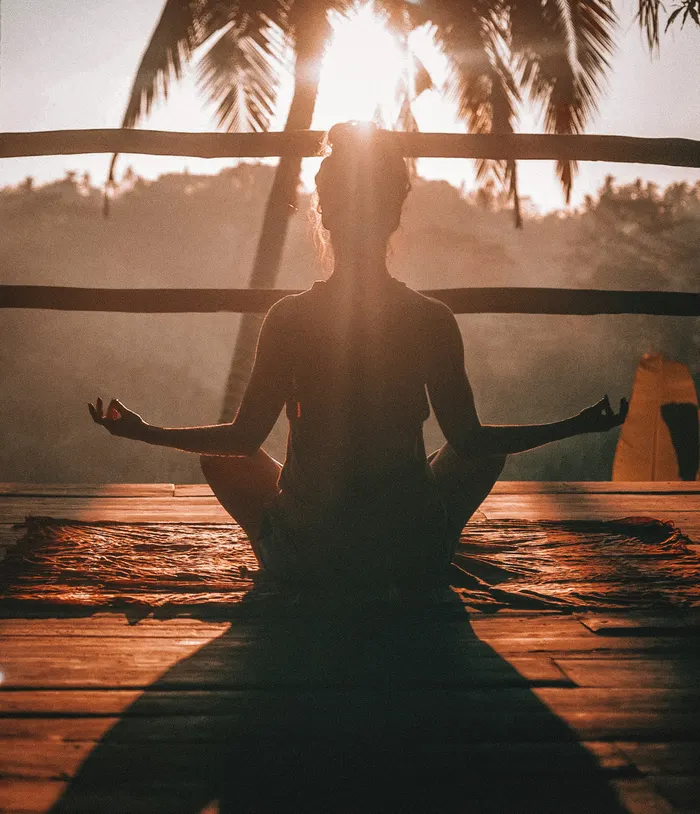
Meditation is not an add-on in Nepal. It is the substrate. The country's monasteries have been teaching breath awareness and mindfulness for over two thousand years, long before those words became wellness industry buzzwords. Vipassana retreats, silent monastery stays, guided mantra sessions, and singing bowl therapy are all available through vetted practitioners. The 3 Days Yoga and Sound Healing Retreat combines meditation with vibrational therapy for a compressed introduction. For those who want to go deeper, the Kathmandu Spiritual Circuit weaves meditation into visits to the most sacred sites in the valley. Explore, Heal, Thrive is not just a tagline. It is the structure of the trip itself.

What Role Does Ayurveda Play in Nepal's Wellness Offerings?
Ayurveda is Nepal's indigenous medical system, not an imported concept. With 80 percent of the population reporting some use of Ayurvedic practice, the tradition is alive in ways that boutique spas in other countries can only approximate. Panchakarma detoxification, Ayurvedic massage, dietary therapy, and herbal treatments are available through certified practitioners who trained in Nepal's own institutions. The wellness year strategy explicitly names Ayurveda as a pillar, which means 2027 will bring more visibility, better regulation, and easier access for international guests. Combined with yoga and meditation, Ayurveda forms the body-repair layer of a complete wellness protocol that addresses the physical, mental, and energetic dimensions simultaneously.
How Can You Book a 2027 Wellness Trip Well?
Booking well means booking early, booking with the right operator, and knowing what you want before you arrive. These are the four steps we recommend.
- Decide your aim first. Recovery, spirituality, detox, or quiet. The right region follows the aim. Kathmandu for spiritual density, Pokhara for calm, Nuwakot for nature, the mountains for pilgrimage.
- Ask who is delivering the care. A named, qualified practitioner is the difference between a spa day and a real result. We name our practitioners before you book.
- Book ahead. 2027 will fill. Early applicants get the vetted clinics and the quiet seasons. Waiting until the last minute means compromising on quality.
- Let a local operator broker it. We hold the relationships with communities and clinics, which protects you and them. A local operator also handles the logistics that can derail a wellness trip if left to chance.
Is Wellness Tourism in Nepal Safe for Solo Travelers?
Yes, and it is increasingly popular with solo travelers, especially women. Nepal's main wellness regions are well-traveled and safe, and a local operator adds vetted stays, ground transport, and a contact you can reach at any time. We keep groups small or fully private, which most solo guests prefer for the quiet. The wellness framework being built for 2027 will further improve safety standards, with clearer certification and complaint pathways. Solo wellness travel in Nepal is not an edge case. It is a core part of what we do.
How Does Nepal Wellness Year 2027 Connect to the Wider Journey?
Wellness is one door into Nepal, but once you walk through it, the other doors open naturally. The recovery door is burnout-focused retreats that reset the nervous system through silence and practice. The movement door is slow trekking with mindfulness, which builds the body while keeping the inner work alive. The spiritual door is pilgrimage to sacred sites like Boudhanath, Swayambhunath, and Lumbini. The adventure door is trekking in the Annapurna or Everest regions. All of it sits inside the 2027 wellness framework. Browse our tour packages or explore the full range of what Nepal offers.
What Does a Practitioner Say About Wellness Year?
"Wellness Year is useful because it forces the serious providers to step forward. For years the guest could not tell who was qualified. Now there is a framework, and we can point to it. The traveler wins." - wellness coordinator, Enticing Himalayas partner network, Kathmandu
What Should Travelers Know About Timing and Seasons?
Nepal has four distinct seasons, and each one affects wellness travel differently. Autumn (October to November) brings clear skies, moderate temperatures, and the best conditions for combining trekking with wellness practice. Spring (March to May) adds rhododendron blooms and warm days, ideal for outdoor yoga and meditation. Winter (December to February) is cold but very clear, excellent for monastery stays and indoor practice. Monsoon (June to August) is rainy and cloudy, less ideal for mountain views but beautiful for indoor retreats, Ayurvedic treatments, and meditation intensives. The wellness year strategy is designed to spread visitation across all seasons, which means you can find quality practitioners available year-round. Book through our tour list to match your dates with the right program.
What Community-Based Healing Traditions Can Travelers Experience?
Community-based healing is the fourth pillar of Nepal's wellness strategy, and it is the one that makes Nepal different from every other wellness destination. In the hills beyond Kathmandu, village healers still practice traditions that predate organized medicine. Shamanic ceremonies, fire rituals, and plant-based remedies are not performances for tourists. They are living practices that local families have used for generations. The Nuwakot Healing Retreat gives guests access to this layer in a structured way, combining nature immersion with traditional healing sessions. Community-based healing also means that your visit directly supports the local economy, keeping ancient practices alive by making them economically viable for the next generation.
How Can Families and Groups Plan a Wellness Trip to Nepal?
Wellness travel is not only for solo seekers. Families and small groups increasingly book multi-generational wellness trips where each member gets something different from the experience. Grandparents might do gentle yoga and Ayurvedic massage, parents might do meditation and singing bowl therapy, and younger members might do short treks combined with cultural workshops. The 5 Days Yoga Retreat and Hiking works well for active families, while the 4 Days Yoga Retreat and Reiki Healing suits those who want a gentler pace. We design private family itineraries that keep the group together for meals and key experiences while allowing individual practice tracks. Explore, Heal, Thrive works for families too: explore the culture, heal together, thrive individually.


What Makes Nepal Different from Other Wellness Destinations?
Nepal is not competing with Bali, Thailand, or India on spa infrastructure. It is competing on authenticity and depth. The wellness traditions in Nepal are not imported or reconstructed. They are indigenous, continuous, and woven into daily life. Ayurveda here is not a boutique service. It is how 80 percent of the population approaches health. Meditation here is not a secularized stress technique. It is a 2,500-year-old practice rooted in the land where the Buddha was born. The monasteries are not retreat centers built for tourists. They are working religious institutions that have been training practitioners for centuries. The 2027 wellness year strategy is not creating something new. It is organizing something that already exists and making it accessible to travelers who want the real thing, not a packaged imitation.
Frequently Asked Questions
Is Nepal Wellness Year 2027 an official government program?
Yes. The Nepal Tourism Board announced it on 15 April 2026 alongside the Ministry of Culture, Tourism and Civil Aviation, with a national Wellness Tourism Strategy. It is a coordinated government framework covering training, standards, and how wellness travelers are received, not a marketing slogan from a single operator.
When should I book a 2027 wellness trip?
Book as early as possible. Demand for vetted clinics and quiet-season slots will rise through 2027, and the best retreats will fill first. Enticing Himalayas is already holding early access itineraries, so contacting us now secures the practitioners and dates that later applicants will miss.
Do I need to be spiritual or religious to join?
No. Many guests come for recovery, silence, or fitness rather than faith. The practices are offered as tools, not conversions. You can take yoga, Ayurveda, or a quiet trek without any religious framing, and our guides shape the experience around your own aim rather than a doctrine.
Is wellness tourism in Nepal safe for solo travelers?
Yes, and it is popular with solo travelers, especially women. Nepal's main wellness regions are well traveled, and a local operator adds vetted stays, ground transport, and a contact you can reach. We keep groups small or fully private, which most solo guests prefer for the quiet.
What is the best season for a wellness retreat in Nepal?
Autumn (October to November) and spring (March to May) are ideal for combining outdoor practice with clear mountain views. Winter is cold but excellent for indoor retreats and monastery stays. Monsoon is beautiful for Ayurvedic treatments and meditation intensives, though mountain views are limited.
How much does a wellness retreat in Nepal cost?
Costs range from budget-friendly group retreats to luxury private escapes. A 3-day sound healing retreat starts lower, while the 9-day luxury wellness escape represents the premium end. All include accommodation, meals, guided practice, and transfers. Contact us for a fixed all-in quote matched to your budget and aims.