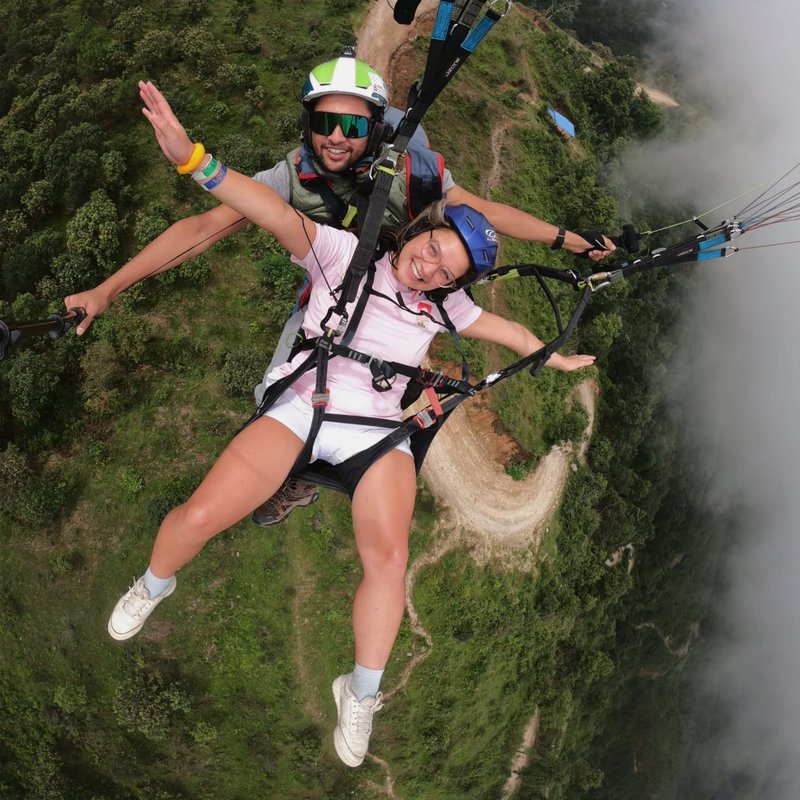
Paragliding in Nepal: The Complete 2026 Guide to Tandem Flights, Destinations, Costs, and Safety
Paragliding in Nepal has grown from a niche adventure activity into one of the country's signature experiences. Every year, tens of thousands of travelers launch from the grassy ridge of Sarangkot, rising above Phewa Lake with the Annapurna massif filling the horizon. The combination of world-class thermals, accessible launch sites, affordable pricing, and the sheer drama of flying beside 8,000-meter peaks has earned Pokhara a place on every list of the world's best paragliding destinations.
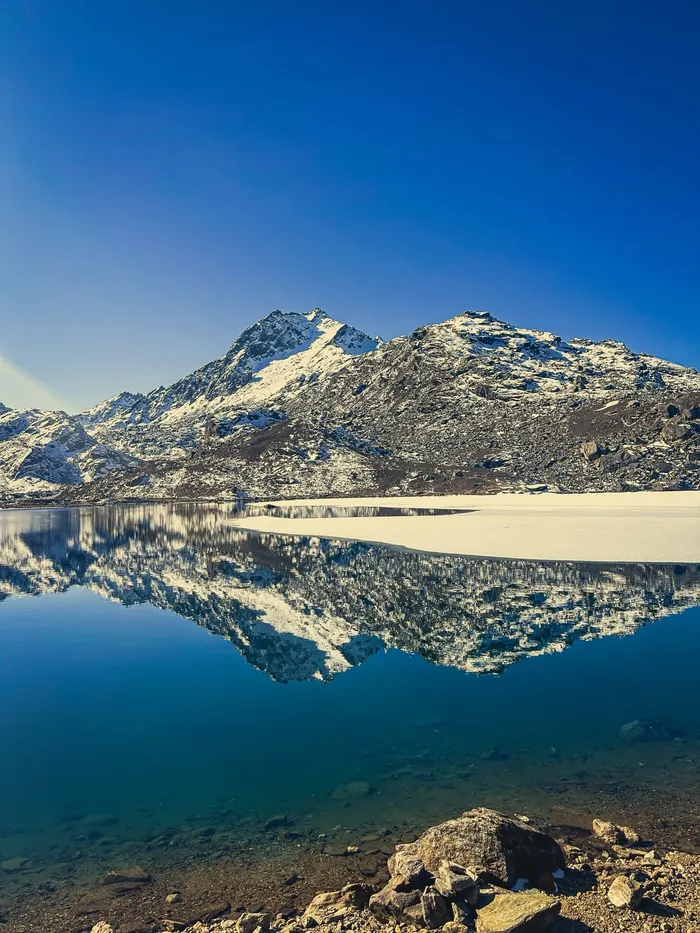
This guide covers everything you need to know before booking a paragliding flight in Nepal: where to fly, what it costs, when to go, what to expect on the day, safety standards, and how to combine paragliding with trekking, cultural tours, and other adventures. Whether you are a first-time flier researching your options or a returning pilot looking for new launch sites, this is the complete resource.
Why Nepal Is a World-Class Paragliding Destination
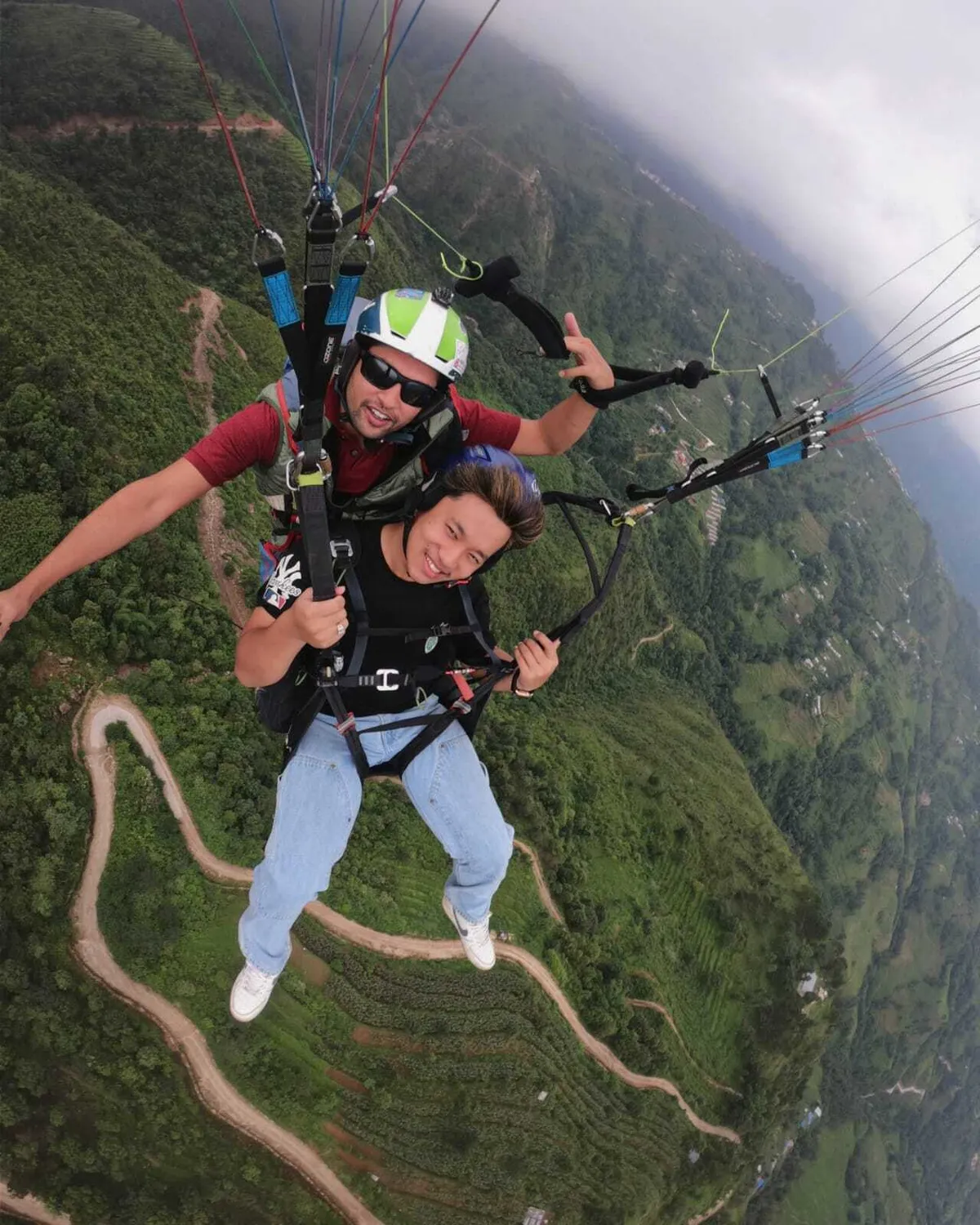
Nepal's geography creates ideal paragliding conditions that few places on Earth can match. The Pokhara Valley sits at roughly 800 meters above sea level, while the Annapurna range rises to over 8,000 meters just 30 kilometers to the north. This extreme vertical relief generates consistent thermal activity as the sun heats the valley floor, creating columns of rising air that paragliders use to gain altitude and extend their flights.
Several factors set Nepal apart from other paragliding destinations:
- Unmatched scenery: Nowhere else can you fly at 2,000 meters with 8,000-meter peaks on the horizon. The view from a Sarangkot flight includes Machhapuchhre (Fishtail, 6,993m), Annapurna South (7,219m), Annapurna I (8,091m), and on clear days, Dhaulagiri (8,167m) to the west.
- Reliable flying conditions: Pokhara's microclimate produces flyable conditions on roughly 250 to 280 days per year. Morning flights are typically smooth ridge-soaring, while afternoon thermals allow experienced pilots to climb to 2,500 meters or higher.
- Accessible infrastructure: The main launch site at Sarangkot is a 30-minute drive from Lakeside, Pokhara's tourist hub. The landing zone is a large open field along the lakeshore, making for easy, gentle touchdowns. Dozens of registered operators, equipment shops, and paragliding schools operate within walking distance of most hotels.
- Affordable pricing: A standard tandem flight in Pokhara costs USD 80 to 120, roughly one-third to one-half of what you would pay for a comparable experience in Interlaken, Switzerland, or Queenstown, New Zealand.
- Year-round flying: While autumn and spring are the peak seasons, winter flying is possible on clear days, and even the monsoon months offer occasional flyable windows with dramatic cloudscapes.
Ready to Fly Over the Himalayas?
Book your tandem paragliding flight with a CAAN-licensed pilot. Hotel pickup, safety briefing, and GoPro video included.
Check Paragliding AvailabilityBest Paragliding Destinations in Nepal
Sarangkot, Pokhara: The Main Hub
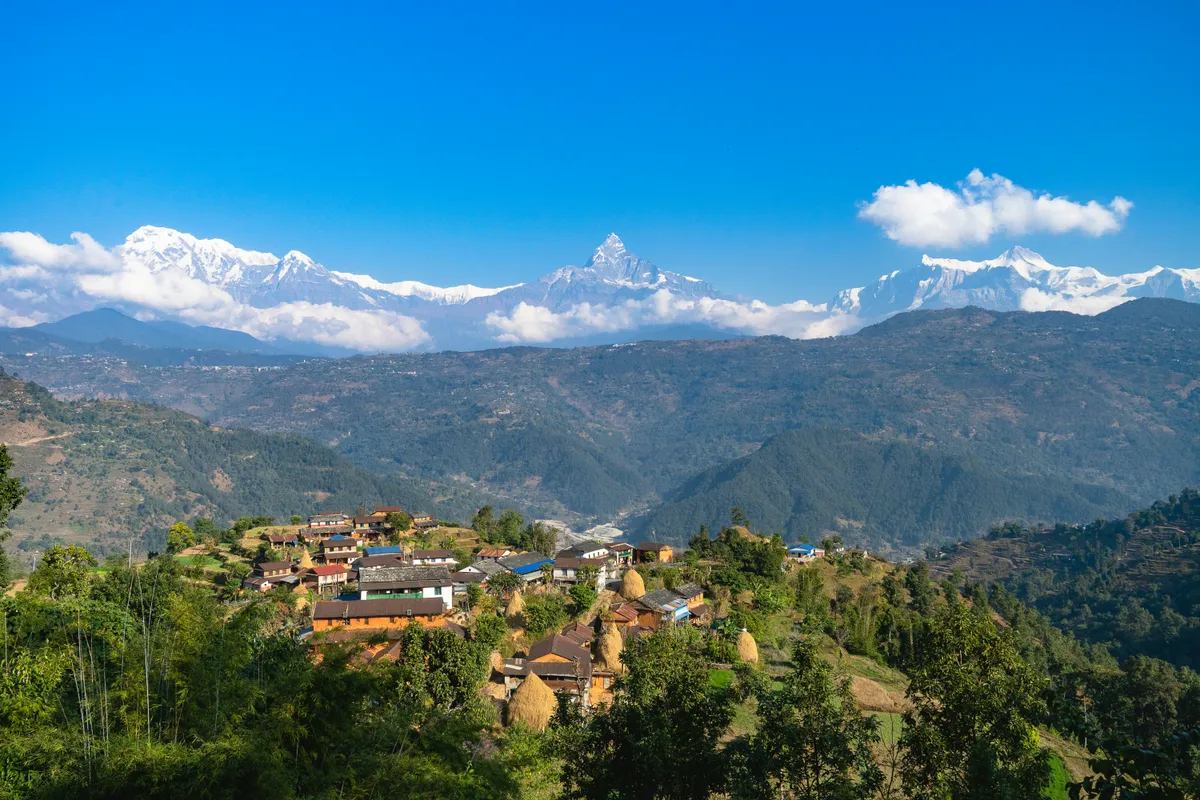
Sarangkot (1,592m) is the undisputed capital of paragliding in Nepal. The launch site is a gently sloping grass ridge with a 600-meter vertical drop to the valley floor. From takeoff, you immediately gain a panoramic view of Phewa Lake, the World Peace Pagoda on its forested hill, and the entire Pokhara Valley stretching south toward the Indian border. The flight path typically crosses the lake, circles the Peace Pagoda, and follows the ridge line before descending to the landing zone at Lakeside.
Sarangkot offers two distinct flight experiences. Morning flights (9 AM to 11 AM) are smoother, with gentle ridge lift and the clearest mountain views. Afternoon flights (11 AM to 2 PM) tap into stronger thermals, allowing longer flights of 45 to 60 minutes and the possibility of climbing above the launch altitude. Most tandem passengers fly in the morning window for the best combination of scenery and comfort.
Godavari, Kathmandu Valley
For travelers who cannot make the trip to Pokhara, the Kathmandu Valley offers paragliding from Godavari, a hill station at the valley's southern rim approximately 45 minutes from Thamel. The launch site sits at about 1,500 meters, and the flight path takes you over the Phulchowki ridge with views of the Langtang range to the north and the Mahabharat foothills to the south. Flights here are shorter (15 to 25 minutes) and more weather-dependent than Pokhara, but the convenience of a half-day adventure from Kathmandu makes it a popular option for travelers on tight schedules.
Bandipur: Heritage and Flight
The preserved Newari hill town of Bandipur, perched on a ridge between Kathmandu and Pokhara, has emerged as an exciting alternative paragliding destination. The launch site offers panoramic views of the Marsyangdi Valley with the Annapurna and Manaslu ranges as a backdrop. Bandipur's flights are less crowded than Pokhara's, and the landing zone is near the town's historic bazaar, so you can go from touchdown to exploring 18th-century temples and cobblestone streets in minutes. This makes Bandipur ideal for travelers who want to combine paragliding with cultural heritage exploration.
Kushma: The Adventure Frontier
Kushma, in the Parbat district, is rapidly gaining recognition as Nepal's adventure sports capital. Home to one of the world's highest bungee jumps and the longest suspension bridge, Kushma also offers paragliding with dramatic views of the Kali Gandaki gorge, the deepest gorge on Earth. The thermals here are strong and consistent, making it a favorite among experienced cross-country pilots. Tandem flights are available and offer a wilder, less touristy experience than Pokhara.
Chandragiri Hills, Kathmandu
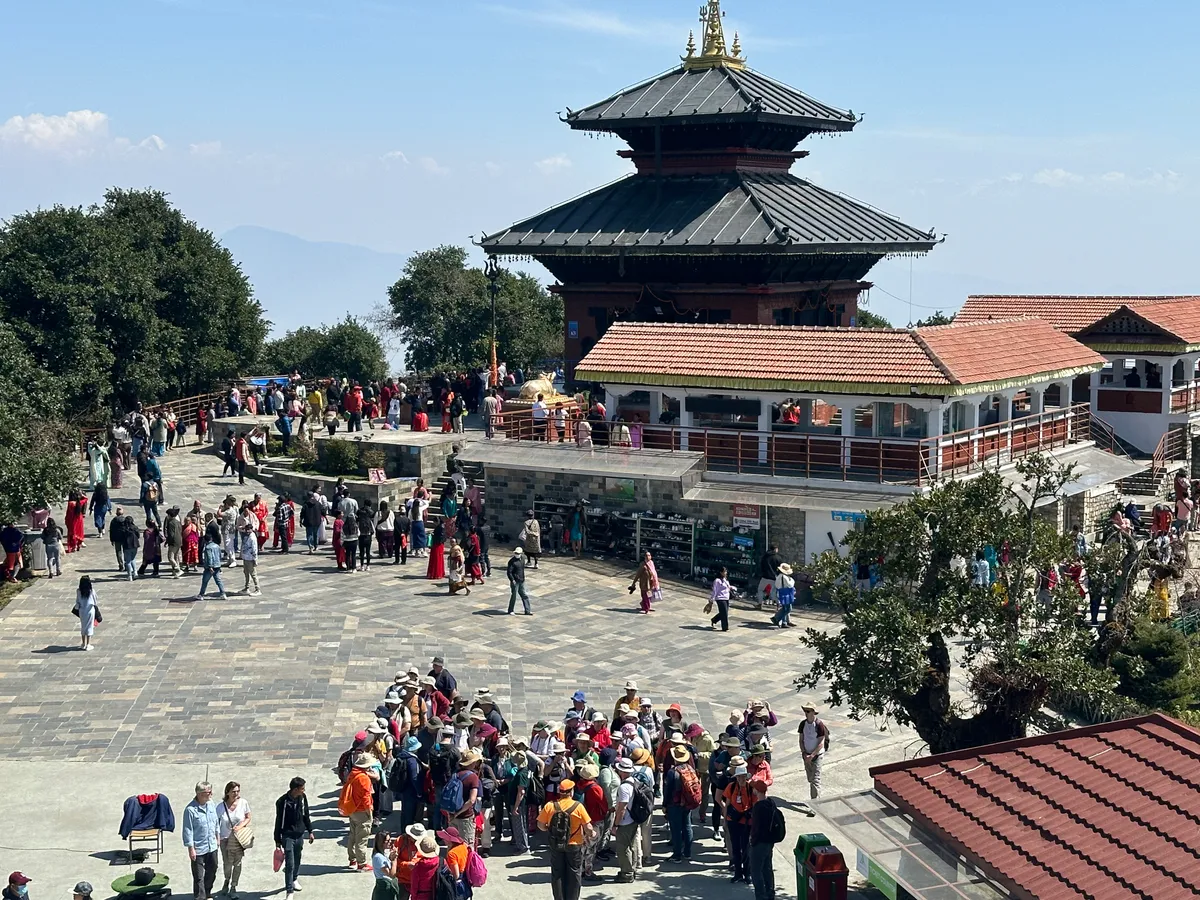
Chandragiri Hills, on the southwestern edge of the Kathmandu Valley, has recently opened for paragliding. Accessible via a cable car from Thankot, the launch site at 2,551 meters offers views stretching from the Annapurna range to Everest on exceptionally clear days. The site is still developing its paragliding infrastructure, but it represents an exciting new option for Kathmandu-based fliers.
How Much Does Paragliding Cost in Nepal? (2026 Prices)
Paragliding in Nepal is remarkably affordable by international standards. Prices vary by location, flight duration, season, and included extras. Here is a breakdown of what you can expect to pay in 2026:
| Flight Type | Duration | Price (USD) | Includes |
|---|---|---|---|
| Pokhara Standard Tandem | 20-30 min | $80-$120 | Hotel pickup, safety briefing, pilot, equipment |
| Pokhara Extended Thermal | 45-60 min | $150-$200 | Longer flight, thermal soaring, cross-country route |
| Kathmandu Valley Tandem | 15-25 min | $75-$100 | Hotel pickup, briefing, flight |
| Bandipur Tandem | 20-30 min | $80-$110 | Pickup, briefing, flight, heritage town access |
| Kushma Tandem | 20-30 min | $70-$100 | Pickup, briefing, gorge views |
| GoPro Video Package | Add-on | $15-$25 | HD video and photos of your flight |
Prices are generally 10 to 15 percent higher during the peak autumn season (October to November) and lower during the monsoon off-season (June to September). Most operators include hotel pickup and drop-off from Lakeside (Pokhara) or Thamel (Kathmandu) in the base price. Always confirm exactly what is included before booking.
Best Season and Weather for Paragliding in Nepal
Nepal has two prime paragliding seasons, each offering distinct advantages:
| Season | Months | Conditions | Best For |
|---|---|---|---|
| Autumn | Oct-Nov | Crystal-clear skies, stable thermals, post-monsoon greenery, best mountain visibility | Photography, long flights, first-time fliers |
| Spring | Mar-May | Warm temperatures, blooming rhododendrons, strong afternoon thermals | Thermal soaring, combining with trekking |
| Winter | Dec-Feb | Clear but cold, weaker thermals, shorter windows, excellent visibility | Scenic flights, fewer crowds, budget travel |
| Monsoon | Jun-Sep | Unpredictable rain, dramatic clouds, limited flying days | Not recommended for most fliers |
The best single month for paragliding in Nepal is November. The monsoon has cleared, the air is crisp and dry, and the mountain views are at their most spectacular. October is nearly as good but slightly busier. March and April offer warm flying conditions and the added bonus of rhododendron forests in bloom on the surrounding hills.
What to Expect on Your First Tandem Paragliding Flight
If you have never paraglided before, here is exactly how a typical tandem flight in Pokhara unfolds:
- Pickup (30 minutes before flight): Your operator collects you from your hotel in Lakeside and drives you up the winding road to the Sarangkot launch site. The drive takes about 30 minutes and offers increasingly dramatic views as you climb.
- Safety briefing (5-10 minutes): At the launch site, your pilot explains the takeoff procedure, in-flight posture, and landing position. You will practice the takeoff stance: stand upright, lean slightly forward, and walk or jog a few steps when the pilot says "go."
- Gear-up (5 minutes): You are fitted into a comfortable harness and clipped to the pilot's harness. The pilot lays out the wing on the grass slope, checks all lines and connections, and waits for the right wind conditions.
- Takeoff (30 seconds): When the wind is right, the pilot calls "three, two, one, go." You walk or jog forward together. The wing inflates above you with a soft whoosh, and within seconds your feet leave the ground. The sensation is surprisingly gentle, more like floating upward than falling.
- The flight (20-45 minutes): Once airborne, you settle into a comfortable seated position. The pilot steers using brake toggles, seeking thermals to gain altitude or following the ridge line for smooth soaring. You can take photos, shoot video, or simply watch the Annapurna range drift past. If you want more adrenaline, ask your pilot for wingovers or spiral dives.
- Landing (30 seconds): The pilot guides the wing toward the landing zone at Lakeside. As the ground approaches, you lift your legs slightly. The pilot flares the wing, slowing your descent to a gentle standing or seated touchdown on the grass.
Safety Standards, Regulations, and Insurance
Paragliding in Nepal is regulated by the Civil Aviation Authority of Nepal (CAAN). All commercial tandem pilots must hold a valid CAAN license, which requires a minimum of 200 logged flights and certification from an internationally recognized body such as the APPI (Association of Paragliding Pilots and Instructors) or the BHPA (British Hang Gliding and Paragliding Association).
Before booking, verify that your operator meets these standards:
- Employs CAAN-licensed tandem pilots with verifiable flight hours
- Uses EN-certified wings and harnesses manufactured within the last five years
- Carries a reserve parachute on every flight
- Provides a thorough pre-flight safety briefing
- Carries third-party liability insurance
- Cancels or reschedules flights in unsafe weather without penalty
No special permits are required for paragliding in Nepal. The activity does not take place inside national parks or restricted areas. However, if you are combining paragliding with a trek, the trekking portion may require a TIMS card or national park entry permit.
Who Can Go Paragliding? Age, Weight, and Fitness Requirements
Tandem paragliding is accessible to almost everyone. The general requirements are:
- Age: Typically 6 years and above. Children fly tandem with a parent or guardian's written consent. There is no strict upper age limit; healthy individuals in their 70s and 80s have flown successfully in Pokhara.
- Weight: Most operators accommodate passengers between 30 kg (66 lbs) and 100 kg (220 lbs). Heavier passengers may require a larger wing size, so inform your operator when booking.
- Fitness: You should be able to walk or jog a few steps for takeoff and stand for landing. No exceptional fitness is required.
- Medical conditions: Pregnant women, individuals with severe heart conditions, epilepsy, or recent surgeries should consult a doctor before flying. Always inform your pilot of any medical concerns during the briefing.
Combining Paragliding with Trekking and Other Adventures
Paragliding fits naturally into a broader Nepal itinerary. Here are popular combinations:
- Paragliding plus Pokhara sightseeing: Fly in the morning, then spend the afternoon exploring Pokhara: boat on Phewa Lake, visit the World Peace Pagoda, and explore Devi's Fall and Gupteshwor Cave.
- Paragliding plus short trek: Trek the Ghorepani Poon Hill Trek (4-5 days) and reward yourself with a paragliding flight on your return to Pokhara.
- Paragliding plus wellness retreat: Combine your flight with a yoga and wellness retreat in Pokhara for the ultimate mind-body adventure.
- Paragliding plus cultural tour: Fly from Sarangkot in the morning, then drive to Bandipur for an afternoon of Newari heritage exploration.
How to Book Your Paragliding Experience
Enticing Himalayas partners with Nepal's most experienced, CAAN-licensed paragliding operators to offer safe, unforgettable tandem flights across all major destinations. Every flight includes hotel transfers, a full safety briefing, and the option to add a GoPro video package.
Browse our paragliding activity page to see available flight options, or explore our tour packages to find a paragliding experience that fits your Nepal itinerary. For custom combinations (paragliding plus trekking, wellness, or cultural tours), contact our team directly.
Frequently Asked Questions About Paragliding in Nepal
What is the best place for paragliding in Nepal?
Pokhara, specifically the Sarangkot launch site, is the best place for paragliding in Nepal. It offers the most reliable flying conditions, the best infrastructure with dozens of licensed operators, and the most dramatic scenery with the Annapurna range as a backdrop. For travelers short on time, Godavari in the Kathmandu Valley is a convenient alternative with flights of 15 to 25 minutes.
How much does paragliding cost in Nepal?
A standard tandem paragliding flight in Pokhara costs USD 80 to 120 for 20 to 30 minutes. Extended thermal flights of 45 to 60 minutes range from USD 150 to 200. Kathmandu Valley flights cost USD 75 to 100. A GoPro video and photo package typically adds USD 15 to 25. Most prices include hotel pickup and drop-off.
Is paragliding in Nepal safe for beginners?
Yes, tandem paragliding in Nepal is safe for beginners. You fly with a CAAN-licensed pilot who has a minimum of 200 logged flights. All commercial operators use modern EN-certified wings with reserve parachutes, and flights only proceed in safe weather conditions. No prior experience is needed; your pilot handles all aspects of the flight while you enjoy the view.
What is the best month for paragliding in Nepal?
November is the best single month for paragliding in Nepal. The monsoon has cleared, the air is crisp and dry, and mountain visibility is at its peak. October is nearly as good but busier. March and April offer warm flying conditions with blooming rhododendrons. Winter months (December to February) are flyable on clear days but with shorter flight windows.
How long is a paragliding flight in Nepal?
A standard tandem paragliding flight in Pokhara lasts 20 to 30 minutes. Extended thermal flights can go 45 to 60 minutes on days with good conditions. Kathmandu Valley flights are typically shorter at 15 to 25 minutes. The actual duration depends on weather, thermal activity, and the package you book.
Do I need any training or permits for paragliding in Nepal?
No training or permits are required for tandem paragliding in Nepal. You fly with a licensed pilot who handles all aspects of the flight. The activity does not take place inside national parks or restricted areas, so no entry permits are needed. If you are combining paragliding with a trek, the trekking portion may require standard permits like a TIMS card.
Can children go paragliding in Nepal?
Yes, children aged 6 and above can fly tandem with a parent or guardian's written consent. The minimum weight is typically 30 kg (66 lbs). The pilot adjusts the harness and flight profile for younger passengers, keeping the experience smooth and gentle. There is no upper age limit for healthy individuals.
What should I wear for paragliding in Nepal?
Wear comfortable, layered clothing suitable for temperatures 5 to 10 degrees Celsius cooler than the valley floor. Closed-toe shoes like sneakers or hiking boots are essential; sandals and flip-flops are not permitted. Bring sunglasses for glare protection at altitude. A light jacket or windbreaker is recommended even on warm days, as it can be cool at 1,500 to 2,000 meters.