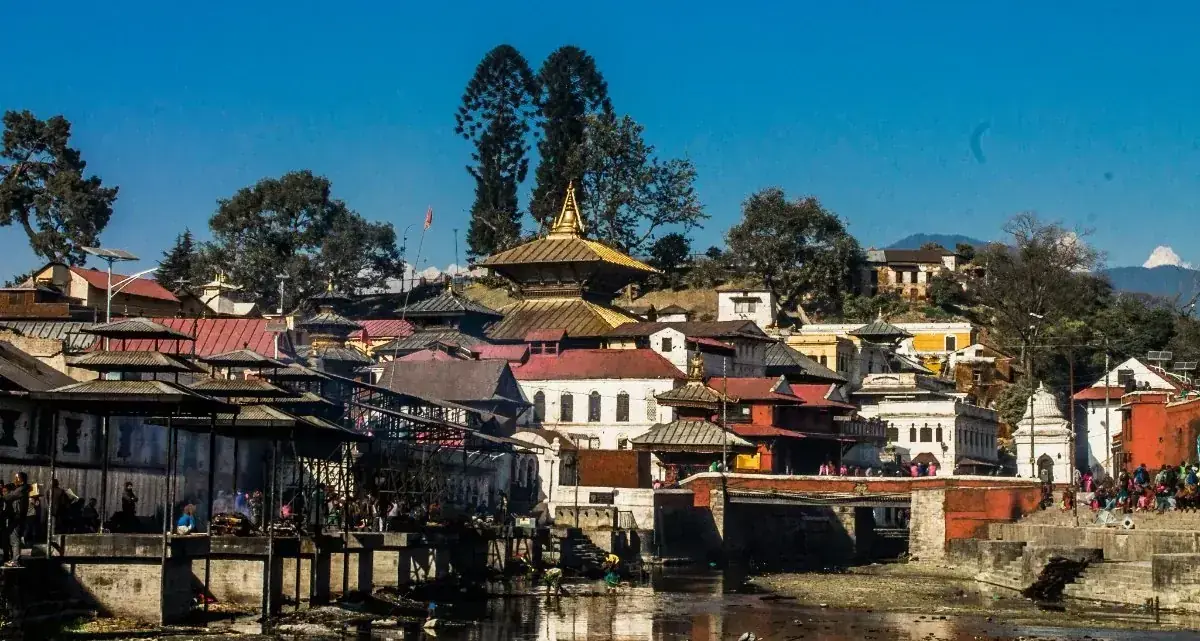
Pashupatinath Temple stands as the most sacred Hindu shrine in Nepal and one of the most important Shiva temples in the world. Located on the banks of the holy Bagmati River in Kathmandu, this UNESCO World Heritage Site draws pilgrims and travelers from across the globe. The evening Aarati ceremony, held daily at sunset along the ghats, is a deeply moving spiritual experience that combines fire, sound, devotion, and centuries of unbroken tradition. For visitors planning a Kathmandu spiritual circuit, the Pashupatinath Aarati is an unmissable highlight that reveals the living heart of Nepalese Hinduism.
What Is the Pashupatinath Aarati Ceremony?
The Pashupatinath Aarati is a daily sunset ritual performed on the banks of the Bagmati River, where priests offer light, incense, and sacred chants to Lord Shiva. The ceremony begins around 6:00 PM (times vary seasonally) and lasts approximately one hour. Priests dressed in traditional orange and yellow robes wave large oil lamps in circular motions while chanting Vedic hymns and playing classical instruments including the harmonium, tabla, and cymbals. The flickering flames reflect off the river surface as devotees gather on both banks, many lighting small butter lamps and placing marigold flowers on the water. The Aarati is free to attend and open to all visitors regardless of faith, making it one of the most accessible spiritual experiences in Kathmandu.
Why Should You Attend the Pashupatinath Aarati on Your Kathmandu City Tour?
Attending the Aarati ceremony offers a rare window into living Hindu devotion that no museum or guidebook can replicate. Unlike many temple rituals restricted to inner sanctums, the Pashupatinath Aarati takes place outdoors along the river ghats, allowing visitors to observe every gesture and chant up close. The atmosphere is both solemn and celebratory, with families, sadhus (wandering ascetics), international tourists, and elderly pilgrims all sharing the same sacred space. For travelers on a Kathmandu day tour, the Aarati provides a perfect evening conclusion after exploring the city's palace squares and stupas during the day. The experience deepens your understanding of Nepal's spiritual identity and connects you to a tradition that has continued uninterrupted for centuries.
What Is the History Behind Pashupatinath Temple?
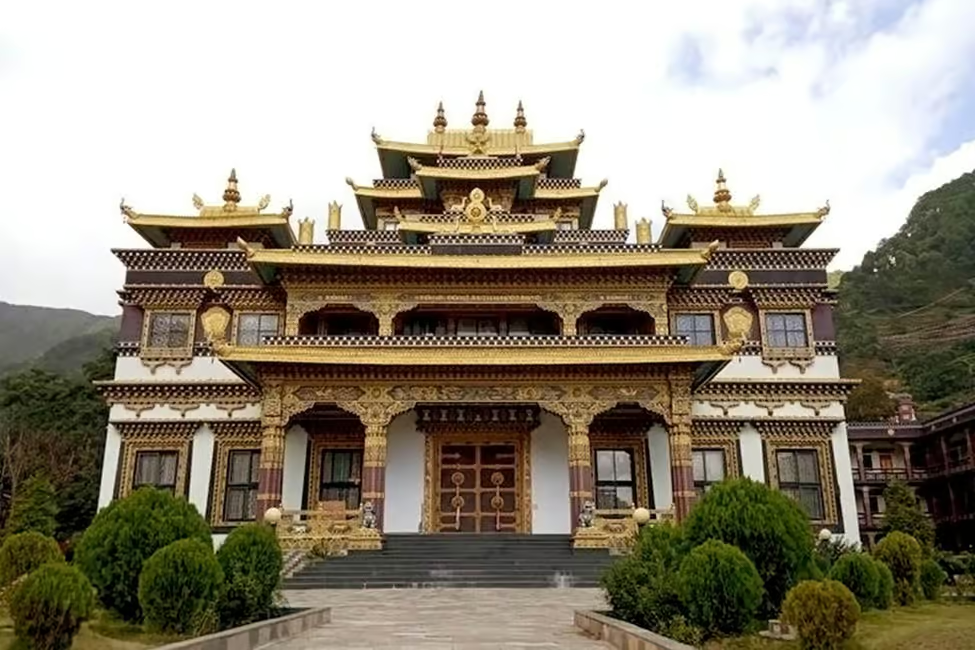
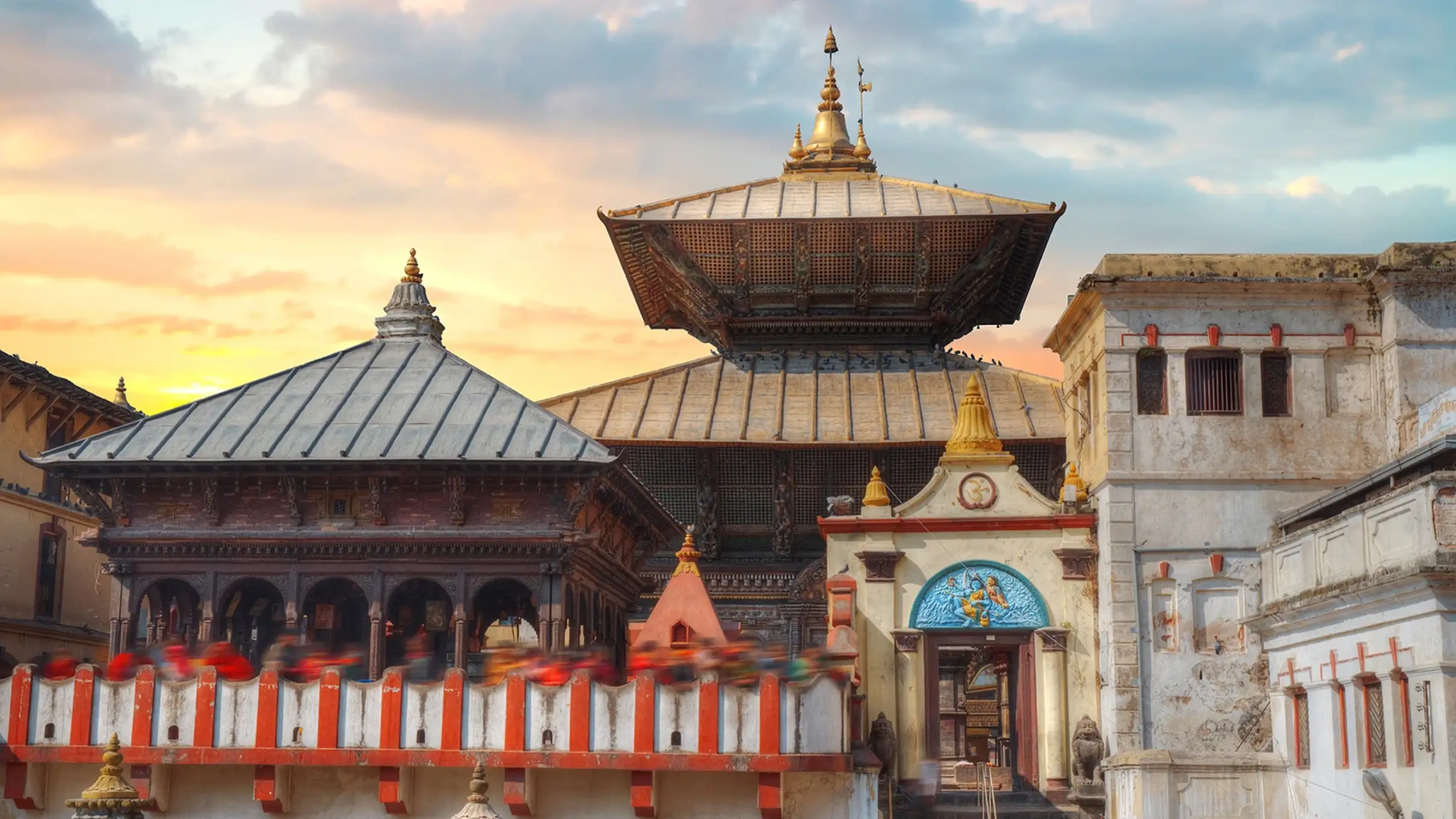
Pashupatinath Temple dates back to at least the 5th century, though legends place its origin much earlier. The temple's name combines "Pashu" (living beings), "Pati" (lord), and "Nath" (protector), translating to "Lord of all living beings," a form of Lord Shiva. The current pagoda-style structure was rebuilt in the 15th century by King Shupuspa after the original was destroyed by termites. The temple complex spans 264 hectares and includes 518 temples, monuments, and shrines. The main temple features a two-tiered golden roof, four silver doors, and a sacred lingam (a black stone representation of Shiva) inside the inner sanctum. Only Hindus may enter the main temple, but the surrounding complex, including the Bagmati ghats where the Aarati occurs, is open to all visitors. The site was inscribed as a UNESCO World Heritage Site in 1979.
How to Reach Pashupatinath Temple from Kathmandu City Center?
Pashupatinath Temple is located approximately 5 kilometers east of Kathmandu's city center (Thamel area). The journey takes about 20 to 30 minutes by taxi depending on traffic. Public buses also run along the Ring Road with stops near the temple gate, though they can be crowded and slower. Most guided Kathmandu tours include Pashupatinath as part of a half-day or full-day itinerary, often paired with nearby Boudhanath Stupa and Swayambhunath. If visiting independently, plan to arrive by 5:00 PM to find a good viewing spot along the Bagmati riverbank before the Aarati begins. The eastern bank offers the best vantage point for photography, while the western bank (near the main temple entrance) is where most devotees gather.
What Should Visitors Know About Aarati Etiquette?
Respectful behavior during the Aarati ensures a meaningful experience for everyone. Visitors should dress modestly, covering shoulders and knees, and remove shoes before stepping onto the ghat area. Photography is permitted along the riverbank, but avoid using flash near the priests or pointing cameras directly at devotees in prayer. Maintaining silence during the chanting is appreciated, and visitors should not touch the oil lamps or sacred items unless invited. Sitting cross-legged on the ghat steps is the traditional way to watch the ceremony, and locals are often happy to make space for respectful observers. The atmosphere is peaceful and contemplative, so loud conversation or disruptive behavior should be avoided throughout the ritual.
What Are the Key Rituals You Will See During the Aarati?
The Aarati ceremony unfolds in several distinct stages, each with symbolic meaning. It begins with the lighting of a large multi-tiered oil lamp, followed by the chanting of Vedic mantras dedicated to Lord Shiva. Priests then wave the lamps in synchronized circular motions, representing the offering of light to the divine. Devotees may light small butter lamps (diyas) and float them on the Bagmati River as offerings. The ceremony also includes the blowing of conch shells, which are believed to purify the air and ward off negative energies. Throughout the ritual, the sound of bells, drums, and harmonium creates a layered soundscape that draws the listener into a meditative state. The Aarati concludes with a final offering of flowers and a closing mantra.
- Lighting of the main lamp: The chief priest ignites a large oil lamp at the river's edge, signaling the start of the ceremony.
- Vedic chanting: Priests recite ancient Sanskrit hymns, their voices amplified by the stone ghats and open river.
- Lamp waving (Deepa Aarati): Priests wave lamps in circular motions, offering light to Shiva in all four directions.
- Conch shell blowing: The deep, resonant sound of the conch marks transitions in the ritual and purifies the space.
- Devotee participation: Pilgrims light butter lamps, offer marigold flowers, and place them on the river as floating offerings.
- Closing mantra: The ceremony ends with a collective chant, after which devotees receive a blessing (tika) from the priests if they wish.
What Else Can You See Around Pashupatinath Temple?
The Pashupatinath complex extends far beyond the main temple and the Aarati ghats. Along the Bagmati River, you will see the cremation ghats where Hindu families perform last rites, a practice that has continued here for centuries. The Arya Ghat, the oldest and most sacred cremation platform, is reserved for royalty and high-ranking officials. Visitors can observe from a respectful distance, though photography of cremations is inappropriate. The complex also houses several smaller temples, including the Guhyeshwari Temple dedicated to the goddess Sati, and numerous stone lingams scattered along the forested paths. Sadhus, the distinctive orange-robed ascetics, are often found in the temple courtyards and are generally willing to pose for photos (a small donation is customary). The area behind the temple leads to a peaceful forested hillside with meditation caves and small shrines.
When Is the Best Time to Visit Pashupatinath in 2026 and 2027?
The best time to visit Pashupatinath is during the dry autumn months (October to November) and early spring (March to April), when the weather is clear and mild. The Aarati takes place year-round regardless of weather, but the experience is most pleasant when the evening air is comfortable and the river level is lower. During the monsoon season (June to September), the Bagmati swells and the ghats may be partially submerged. Two major festivals amplify the temple's energy: Maha Shivaratri (usually February or March) draws hundreds of thousands of pilgrims for an all-night celebration, and Bala Chaturdashi (November or December) commemorates departed souls with the lighting of lamps along the river. If visiting during these festivals, expect large crowds and plan your transportation in advance.
How Does Pashupatinath Connect to Nepal's Broader Spiritual Landscape?
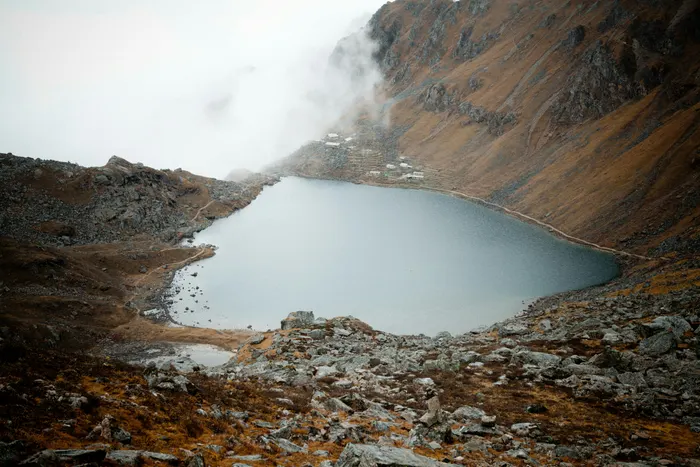
Pashupatinath is not an isolated spiritual site but part of a rich network of sacred places across Nepal. The Lumbini birthplace of Buddha, the Gosaikunda Lake sacred to Shiva, and the Muktinath shrine sacred to both Hindus and Buddhists form a spiritual circuit that spans the country. Pashupatinath's location in the Kathmandu Valley makes it the natural starting point for a spiritual journey through Nepal. Many travelers combine the Aarati experience with visits to Boudhanath and Swayambhunath, two of the most important Buddhist stupas in the valley, creating a day that spans both Hindu and Buddhist traditions. For those seeking a deeper spiritual immersion, a Gosaikunda sacred lakes trek or a Muktinath helicopter pilgrimage extends the journey beyond the valley.

What Packages Combine Pashupatinath with Other Kathmandu Highlights?
Enticing Himalayas offers several tour packages that include Pashupatinath as a key highlight. The Kathmandu Spiritual Circuit (2 Days) covers Pashupatinath, Boudhanath, and Swayambhunath in a focused spiritual itinerary. The 7 UNESCO Wonders of Kathmandu (4 Days) explores all seven World Heritage Sites in the valley, including Pashupatinath. For a shorter visit, the Kathmandu Day Tour of Landmarks fits the temple into a single day alongside Durbar Square and Swayambhunath. The Golden Triangle Nepal Tour (8 Days) combines Kathmandu's spiritual sites with Chitwan's wildlife and Pokhara's lakes, while the Sacred Valleys and Living Goddesses journey offers a deeper cultural immersion across the valley and beyond.
Can You Combine the Aarati with a Wellness Experience in Kathmandu?
Many travelers find that the spiritual atmosphere of Pashupatinath pairs naturally with wellness practices. After attending the evening Aarati, you can extend your spiritual journey with a half-day wellness spa escape or a full-day trekkers spa and wellness retreat in Kathmandu. For those interested in deeper healing, a 3-day yoga and sound healing retreat or a Himalayan sound therapy retreat can complement the temple visit with meditation, sound baths, and yoga sessions. The combination of ancient ritual and modern wellness practices creates a holistic experience that addresses both spiritual curiosity and physical well-being, perfectly embodying the Enticing Himalayas philosophy of Explore, Heal, Thrive. Explore the full range of healing experiences available across Nepal.

What Should You Bring to the Aarati Ceremony?
Preparing for the Aarati is straightforward, but a few items will enhance your comfort. Wear layered clothing, as Kathmandu evenings can be cool, especially from November to February. Comfortable, easily removable shoes are essential since you will need to take them off at the ghat area. A small flashlight or phone light is useful for navigating the temple paths after sunset. If you wish to participate in the offering, small butter lamps and flowers are sold by vendors near the entrance for a modest price. A reusable water bottle is recommended, and a light scarf or shawl can serve as both a modesty cover and warmth. Avoid bringing large bags or valuables, as the area gets crowded and the lighting is dim.
How Much Does It Cost to Visit Pashupatinath Temple?
Entrance to the Pashupatinath complex costs NPR 1,000 (approximately USD 7.50) for foreign visitors. SAARC nationals pay NPR 250, and the fee is waived for Indian nationals. The Aarati ceremony itself is free to attend once inside the complex. If you are on a guided tour, the entrance fee is typically included in the package price. The temple is open daily from 4:00 AM to 9:00 PM, with the Aarati beginning at approximately 6:00 PM (adjusting seasonally with sunset). You can purchase offering items (butter lamps, flowers, incense) from vendors inside the complex for NPR 50 to 200. Tipping guides or priests for a blessing is optional and at your discretion, typically NPR 100 to 500.
What Nearby Attractions Can You Visit After the Aarati?
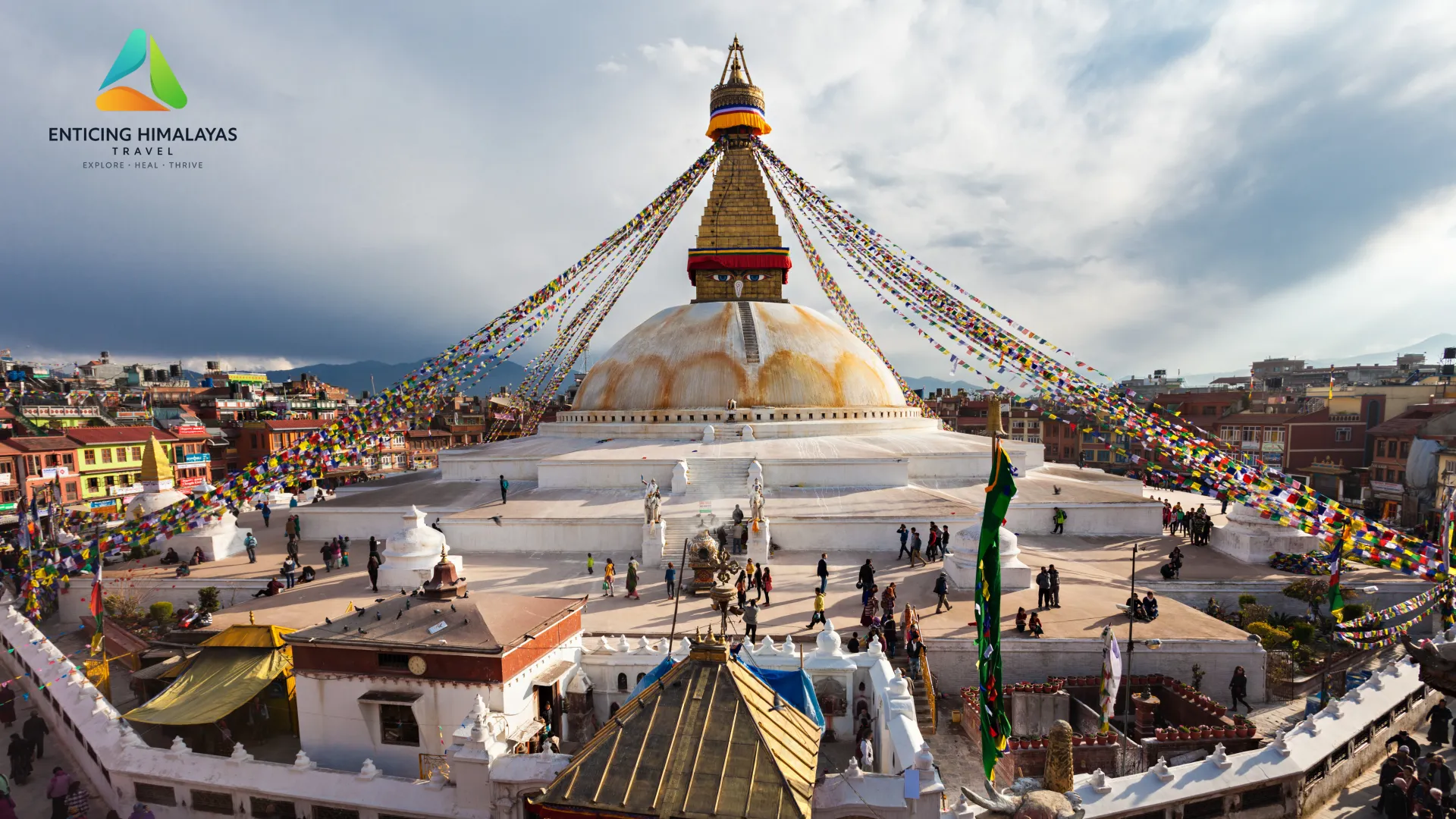
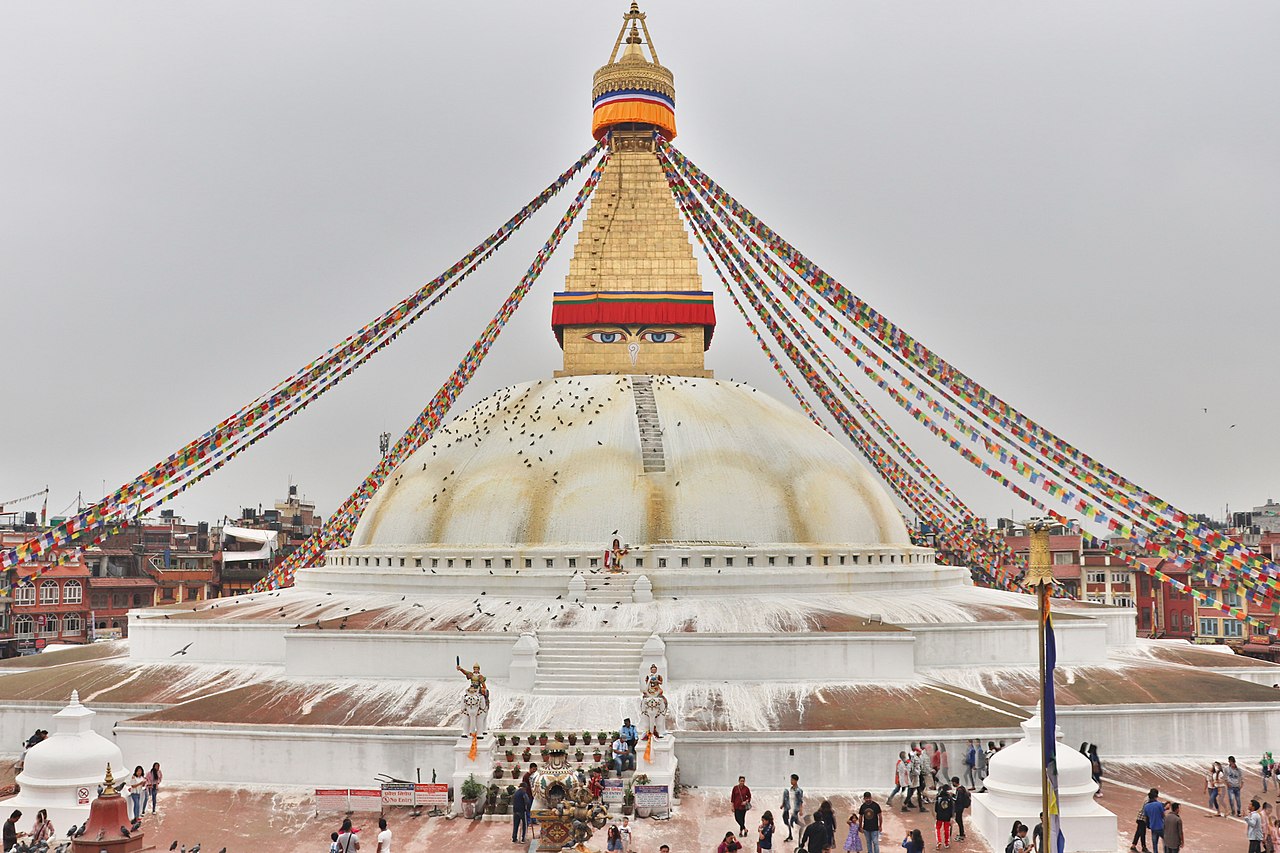
After the Aarati concludes (around 7:00 PM), several nearby attractions remain accessible or are worth visiting the following morning. Boudhanath Stupa, just 3 kilometers away, is one of the largest Buddhist stupas in the world and is particularly atmospheric at dusk when devotees perform their own kora (circumambulation) around the stupa. Swayambhunath, the monkey temple perched on a hilltop west of the city, offers panoramic sunset views of the Kathmandu Valley. The Bhaktapur Durbar Square, about 14 kilometers east, is a beautifully preserved medieval city worth a half-day visit. For those interested in extending their cultural exploration, a 5-day Kathmandu Valley tour covers all major sites at a relaxed pace.
Is Pashupatinath Safe for Solo and Female Travelers?
Pashupatinath is a safe destination for solo travelers, including women. The temple complex is well-patrolled by temple security and tourist police, and the Aarati draws a family-oriented crowd. As with any crowded religious site, basic precautions apply: keep valuables secure, avoid wandering into poorly lit areas after dark, and use registered taxis for the return trip to your hotel. Enticing Himalayas also offers women-only guided experiences, including the Sacred Kathmandu Heritage Tour, which provides a comfortable group environment for female travelers. Nepal is generally regarded as one of the safer South Asian destinations for women traveling independently, and the Kathmandu Valley's tourist infrastructure is well developed.

Tips for Photographing the Pashupatinath Aarati
The Aarati ceremony offers extraordinary photography opportunities, but it requires sensitivity and technical preparation. The low evening light means you will need a fast lens (f/1.8 or wider) or a camera capable of high ISO performance. A tripod is impractical on the crowded ghats, so stabilize your camera against a stone step or railing. Focus on capturing the interplay of firelight on the river, the expressions of devotees, and the silhouettes of priests against the flames. Avoid flash photography entirely, as it disrupts the sacred atmosphere and washes out the warm lamp light. For video, the sound of the chants and instruments is as important as the visuals, so record with external audio if possible. Always ask before photographing individual devotees up close, and never photograph the cremation ghats.
Frequently Asked Questions About Pashupatinath Aarati
What time does the Pashupatinath Aarati start?
The Aarati ceremony begins at approximately 6:00 PM daily, though the exact time shifts with the seasons. In summer (April to August), it starts closer to 6:30 PM, while in winter (November to February), it begins around 5:15 PM. Arrive at least 30 minutes early to find a good viewing spot along the Bagmati River ghats.
Can non-Hindus attend the Pashupatinath Aarati?
Yes, the Aarati ceremony is open to visitors of all faiths and nationalities. Non-Hindus are not allowed inside the main temple sanctum, but the Aarati takes place on the river ghats outside the temple, where everyone is welcome. Respectful observation is appreciated, and there is no dress code beyond modest attire covering shoulders and knees.
How long does the Pashupatinath Aarati last?
The Aarati ceremony typically lasts 45 to 60 minutes. It follows a structured sequence of lamp lighting, Vedic chanting, conch blowing, and devotional singing. After the ceremony concludes, priests may offer a blessing (tika) to those who wish to receive one. Plan to spend about 90 minutes total including arrival and departure.
Is there an entrance fee for Pashupatinath Temple?
Foreign visitors pay NPR 1,000 (about USD 7.50) to enter the Pashupatinath complex. SAARC nationals pay NPR 250, and Indian nationals enter free. The Aarati ceremony itself has no additional charge. Entrance fees are typically included if you are visiting as part of a guided tour package from Enticing Himalayas.
What should I wear to the Pashupatinath Aarati?
Dress modestly with shoulders and knees covered. Remove shoes before stepping onto the ghat area. A light jacket or shawl is recommended for evening coolness, especially from November to February. Avoid shorts, tank tops, and revealing clothing. Comfortable slip-on shoes are ideal since you will need to remove them frequently.
Can I take photos during the Aarati ceremony?
Photography is permitted along the riverbank during the Aarati, but avoid using flash. Do not photograph the cremation ghats or individual devotees without permission. The warm lamp light creates beautiful natural lighting for photos and video. Always be respectful of the sacred nature of the ceremony when capturing images.