What Is the Pikey Peak Trek and Why Is It Called the Best Everest Viewpoint?
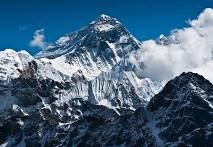
The Pikey Peak trek is the insider's Everest viewpoint. At 4,065 m in the Lower Solu region, the summit ridge is said by many, including Sir Edmund Hillary, to give the finest view of Everest in Nepal, sweeping from Kanchenjunga to Dhaulagiri. Unlike Everest Base Camp or Gokyo, Pikey sees few trekkers, the trails are gentle, and the culture is living Sherpa and Tamang village life. This guide explains the route, the view, the season, and why this short trek is one of the best-kept secrets near Kathmandu. Pikey sits on a ridge that catches the first light on Everest and the whole eastern arc. On a clear morning you see Everest, Lhotse, Nuptse, Makalu, Kanchenjunga, and Dhaulagiri in one slow turn.
Where Is Pikey Peak and How Do You Get There?
Pikey lies in the Solu-Khumbu south of the main Everest trail, reached by road from Kathmandu to the trailhead at Dhap or Sigane (roughly 7 to 9 hours). That road access is why the trek is short and why it suits travelers with limited time who still want a real Himalayan ridge experience. The road from Kathmandu to Dhap passes through scenic middle hills, terraced farmland, and the Sun Koshi river valley. The drive itself is part of the experience, transitioning from the chaos of Kathmandu to the quiet of the Solu region. Some trekkers choose to fly to Phaplu (a 35-minute flight) and start walking from there, which adds a day of acclimatization and saves the long drive. The road return via Phaplu can also include a short flight back to Kathmandu if you prefer.
What Is the Sacred Significance of Pikey Peak's Summit?
Pikey's top holds a Buddhist stupa and prayer flags, and locals consider it a sacred mountain. The pre-dawn climb to watch the sun hit Everest is the spiritual and photographic heart of the trek. Respect the site: it is an active place of worship, not just a viewpoint. Local Sherpa families have been making pilgrimages to this summit for generations, and the annual Pikey Festival in August draws crowds from across the Solu region for horse racing, traditional dancing, and religious ceremonies. Even outside the festival, the summit stupa is maintained by the local community, and you will see prayer flags renewed each season. Standing on this ridge at dawn, with the sound of wind in the flags and the peaks catching light one by one, is an experience that stays with you long after you return home.
What Is the Route and Itinerary for the Pikey Peak Trek?
A common plan: drive Kathmandu to Dhap, then trek to Jhapre, a small Sherpa village with a monastery and distant Everest views. Day 2: trek from Jhapre to Pikey Base Camp through rhododendron and pine forest. Day 3: pre-dawn summit climb to 4,065 m for the sunrise Everest panorama, then descend to Loding or Junbesi. Day 4: explore Junbesi and the Thubten Choeling monastery, one of the most important in the region. Day 5: trek or drive out via Phaplu with a flight or road return to Kathmandu. That is about 5 to 7 days. We tailor the length to your schedule and can add buffer days for acclimatization or cultural exploration. The daily walking hours are moderate, typically 4 to 6 hours per day, which makes this one of the gentler Himalayan ridge treks.
How Difficult Is the Pikey Peak Trek?
Pikey is easy to moderate: lower altitude than EBC, gentler daily walking, and teahouse comfort. It is a good choice for fit beginners, families with older children, or trekkers acclimatizing before a bigger route. The main challenge is the early cold start for the summit sunrise, not the distance. The trail gradients are mostly gentle, with the steepest section being the pre-dawn climb from base camp to the summit. At 4,065 m the altitude is noticeable but not extreme, and most trekkers who have spent a day or two at 3,000 m adjust comfortably. The trail is well-defined and does not require any technical climbing or special equipment. Trekking poles help on the descent, and a headlamp is essential for the pre-dawn summit walk.
When Is the Best Season for Pikey Peak?
Autumn (October to November) and spring (March to May) are best, with clear, stable weather and the best Everest views. Winter (December to February) is clear but very cold at the ridge, with temperatures well below freezing at night and potential snow on the summit. The June to August monsoon is green but cloudy, hiding the peaks entirely. For the Everest view specifically, aim for the dry, stable windows of October, November, March, April, and early May. Spring adds rhododendron blooms to the lower trails, which makes the forest sections particularly beautiful. Autumn offers the most reliable visibility. If you want the best chance of a crystal-clear sunrise on Everest, October and November are the safest bet.
What Can You See and Experience Along the Pikey Trail?
Below the summit the trail crosses rhododendron and pine forest, mani walls, chortens, and terraced fields with potato and barley. Villages sell homemade apple brandy and cheese, and the contrast between gentle farm life below and the highest peaks above is the Pikey magic. You will pass through Sherpa and Tamang villages where life follows rhythms that have not changed much in centuries. Monasteries dot the route, and you may hear chanting or see monks on their morning rounds. The Junbesi valley, with its important Thubten Choeling monastery, adds a deep cultural layer to the trek. Wildlife is occasionally visible: the Himalayan tahr, musk deer, and many bird species. The sunrise view from the summit takes in Everest, Lhotse, Nuptse, Makalu, Kanchenjunga, and Dhaulagiri in a single 180-degree panorama.
How Does Junbesi Add Cultural Depth to the Trek?
Junbesi is a traditional Sherpa village with one of the region's most important monasteries, Thubten Choeling. The side valley is also home to trails linked to the wider Solu network, and the pace of life here is slower and more authentic than the Khumbu highway. Staying here adds cultural depth to the short trek. You can visit the monastery, meet resident monks, and sometimes observe prayer sessions. The village itself is beautiful, with stone houses, terraced fields, and mountain streams. Local Sherpa families run the teahouses, and the food is hearty home-cooking rather than tourist fare. The Junbesi night is one of the quietest you will experience in Nepal, with no traffic noise, no Wi-Fi pressure, and stars that feel close enough to touch.
Pikey Peak vs Other Everest Viewpoints: How Does It Compare?
Kala Patthar (at EBC) is higher and closer to Everest but crowded and requires a two-week commitment. Gokyo Ri is stunning but a committed trek of 12 or more days. Pikey is the low-effort, high-reward alternative. If your goal is the single best Everest panorama without a fortress of logistics, Pikey wins. Kala Patthar gives you Everest up close but you share it with hundreds of others. Gokyo gives you lakes and a different angle but at significant time and cost. Pikey gives you the widest arc, from Kanchenjunga to Dhaulagiri, often with just a handful of other trekkers on the summit. The trade-off is that the peaks are farther away than from Kala Patthar, but the breadth of the panorama more than compensates for the distance.
What Permits and Logistics Does Pikey Peak Require?
The area is outside the national park fee zone but you still need the Khumbu Pasang Lhamu or local rural municipality permit depending on the exact route. Our team handles all permit arrangements for you. Teahouses are basic but warm, with communal dining and simple rooms. The road return via Phaplu can include a short flight to Kathmandu if you prefer to skip the long drive back. Carry your passport for checks at posts along the way. Because the region is less traveled, it is important to book through an operator who knows the route and has relationships with the local teahouse owners, as some lodges may not have space during peak season without prior booking.
What Should You Pack for the Pikey Peak Trek?
Layers for variable temperatures, a warm jacket for the summit dawn, good walking shoes (boots optional on this gentle trail), a headlamp, and a daypack. Even in spring, the pre-dawn summit is near freezing, so gloves and a warm hat are essential. A camera with a decent zoom captures the panorama best. Trekking poles help on the descent from the summit. Other essentials: a water bottle, sunscreen, a basic first aid kit, and a power bank. Because the trek is short, you can pack lighter than for a full Everest or Annapurna expedition. A 30 to 40 liter daypack is sufficient if you have a porter. The trail is gentle enough that trail running shoes work for some trekkers, but boots provide better ankle support on the descent.
How Can You Combine Pikey Peak with Other Nepal Experiences?
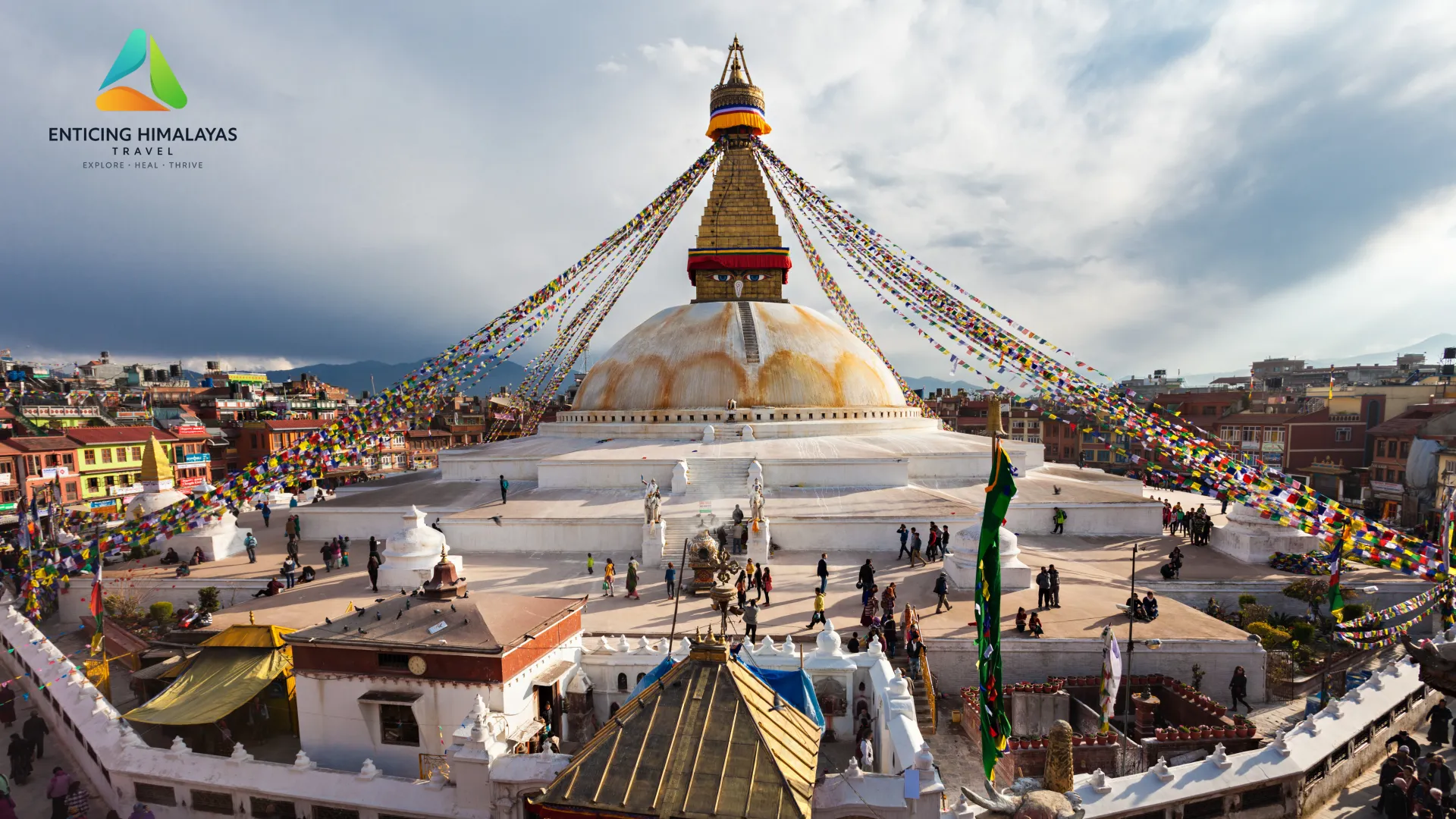
Pikey links to the Solu trail network. Some trekkers continue toward Phaplu or even north toward the Khumbu for a longer experience. A shorter version simply returns to Kathmandu by road. We can also add a Kathmandu heritage buffer on either end, with visits to Boudhanath, Swayambhunath, or Pashupatinath. Browse our tour packages for combination itineraries. The 3-Day Kathmandu Heritage Tour pairs well as a pre-trek cultural introduction.
Why Does Pikey Peak Stay Uncrowded?
Pikey is not on the classic EBC or Three Passes route, and the road access hides its quality from trekkers who assume "real" means "far." That is exactly why it stays peaceful. Expect to share the summit with locals and a handful of others, not a queue. The Solu region has historically been bypassed by the trekking mainstream, which flows north to Lukla and the Khumbu. But the road to Dhap has made Pikey accessible without sacrificing its quiet. As more trekkers discover the quality of the view relative to the effort required, this may change. For now, Pikey remains one of the best values in Himalayan trekking: a world-class sunrise with minimal crowds and a gentle trail.
What Photography Tips Help Capture the Pikey Peak Panorama?
Be on the summit 30 minutes before sunrise. A wide lens catches the full arc from Kanchenjunga to Dhaulagiri; a telephoto isolates Everest. The prayer flags in the foreground make the classic shot. Batteries die in cold, so keep spares warm inside your jacket. The blue hour before light is often the most dramatic on the ridge, with the peaks silhouetted against a deep indigo sky. Once the sun hits, the peaks go through a rapid color sequence: grey to pink to gold to white, all within ten minutes. Shoot in RAW if your camera supports it, as the dynamic range at dawn is extreme. A graduated neutral density filter helps balance the bright peaks against the dark valley. Do not forget to put the camera down and simply watch. No photograph matches the experience of standing on that ridge as the sun reaches the highest mountains on earth.
How Does the Pikey Peak Trek Support Local Communities?
The Pikey Peak route runs through villages that have not seen the mass tourism of the Khumbu, which means your presence has a direct and visible economic impact. Every teahouse you stay in is family-run. Every meal you eat supports a local kitchen. Porters from the local villages carry supplies and earn wages that feed families through the winter. The annual Pikey Festival in August is a community celebration that draws Sherpa families from across the Solu region, and trekking revenue helps fund it. The rural municipality permit fee goes toward trail maintenance and local development. By trekking Pikey rather than the crowded EBC route, you distribute tourism income to communities that need it more and that have preserved their culture precisely because they were not overrun. Responsible trekking here is not just about leaving no trace. It is about leaving a positive one.
What Is the Pikey Festival and When Does It Happen?
The Pikey Festival, held annually in August during the full moon, is one of the most vibrant cultural events in the Solu region. Sherpa families from across the region gather at the base of Pikey Peak for horse racing, traditional dancing, religious ceremonies, and feasting. The festival celebrates the sacred mountain and the Sherpa heritage of the Solu region. Trekkers who time their visit for the festival get a cultural experience that is impossible to arrange otherwise: you are not watching a performance for tourists. You are witnessing a living community tradition. The festival includes Buddhist lamas conducting rituals, traditional Sherpa songs, and competitions that draw participants from villages across the region. If you want to combine the best Everest viewpoint with the richest cultural experience, August is the month to go, though the weather is less reliable than autumn or spring.
Frequently Asked Questions
Where is Pikey Peak and why is it famous?
Pikey Peak (4,065 m) sits in the Lower Solu region south of the main Everest trail. It is famous for what many consider the best single panorama of Everest and the eastern Himalaya, stretching from Kanchenjunga to Dhaulagiri. Sir Edmund Hillary reportedly preferred this view to others.
How long is the Pikey Peak trek?
It is a short trek of about 5 to 7 days from Kathmandu, using the road to the trailhead at Dhap and walking through Jhapre and Pikey Base Camp to Junbesi, then out via Phaplu. Because the trailhead is road-accessible, you get a big Himalayan view without a two-week commitment.
Is Pikey Peak good for beginners?
Yes. It is easy to moderate, lower and gentler than Everest Base Camp, with teahouse comfort and short daily walks. The main effort is the pre-dawn cold start for the summit sunrise. It suits fit beginners, families with older children, or trekkers acclimatizing before a bigger route.
What is the best time for Pikey Peak?
Autumn (October to November) and spring (March to May) give the clearest, most stable weather and the best Everest views. Winter is clear but very cold on the ridge; the June to August monsoon is green but cloudy and hides the peaks. Aim for the dry windows.
Do I need a permit for Pikey Peak?
The exact permit depends on the route; the area is outside the national park fee zone but a local rural municipality permit may apply. A booked trek with a guide handles the paperwork. Carry your passport because checks can happen at posts along the way.
Can I see Everest from Pikey Peak?
Yes, and that is the main reason to go. From the summit ridge at dawn you can see Everest, Lhotse, Nuptse, Makalu, Kanchenjunga, and Dhaulagiri in a single panorama. It is widely considered the finest single Everest viewpoint in Nepal, offering breadth that closer viewpoints cannot match.