
Rafting in Nepal: The Best Rivers, Seasons & Trips for Every Level
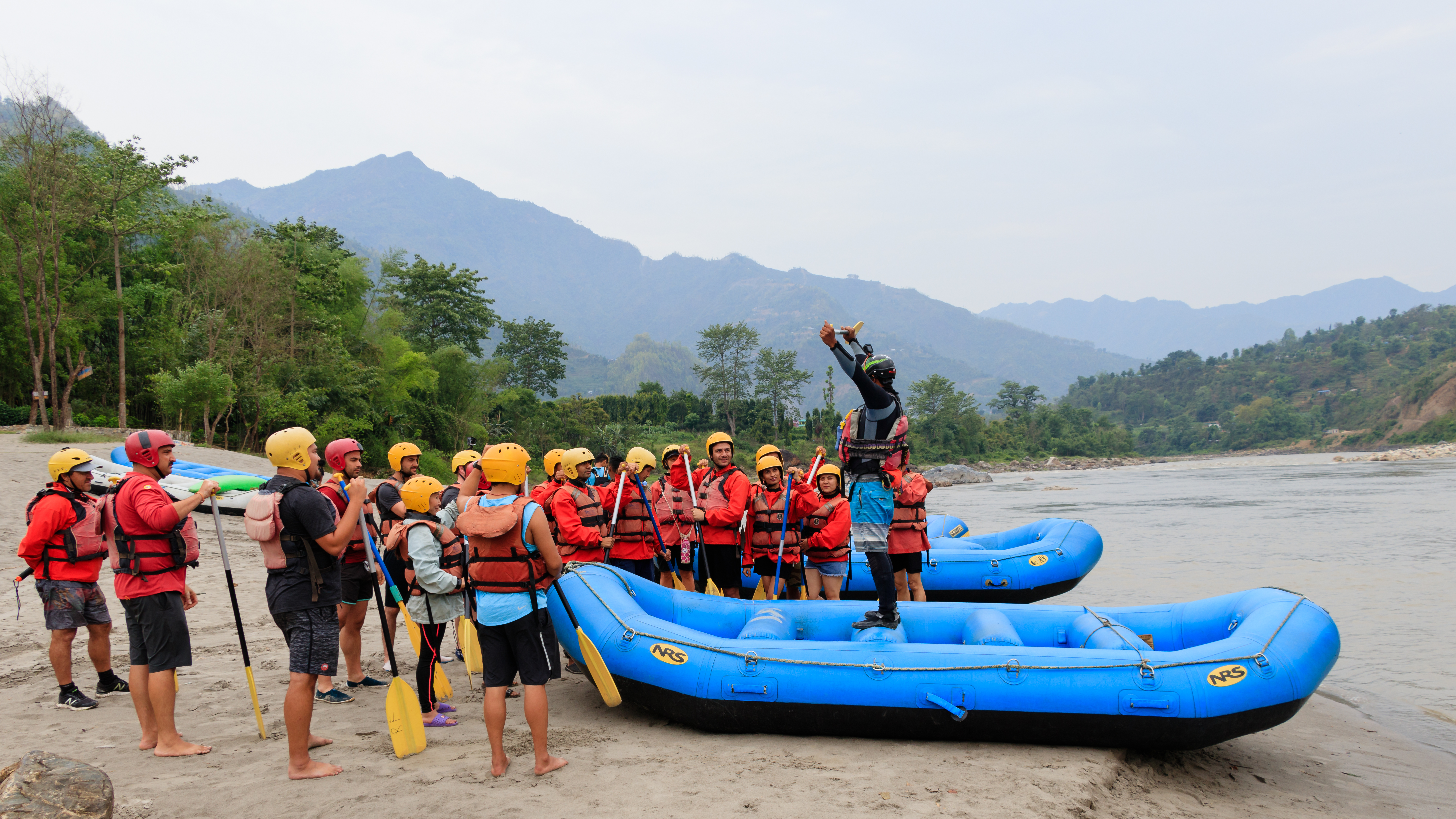
White-water rafting on the Trishuli River, one of Nepal's most popular rafting trips. Photo: Wikimedia Commons (CC).
Nepal is not only mountains. Threading down from the Himalaya, its rivers make rafting in Nepal one of the most accessible adventure sports in South Asia. Within a few hours of Kathmandu you can be on the Trishuli or the Bhote Koshi; go further and the Karnali and Tamur become multi-day wilderness journeys. This guide explains the best rivers, the right seasons, and how to choose a trip that matches your appetite for white water.
Why raft in Nepal?
Nepal's rivers are fed by snowmelt and monsoon rain, carving deep gorges through some of the most dramatic scenery on earth. A typical day mixes adrenaline-filled rapids with calm pools where you can float past village life, temples, and jungle. Operators run everything from half-day introductions to week-long expeditions with riverside camps.
Best Rivers for Rafting in Nepal
Trishuli River — the classic choice near Kathmandu and on the way to Pokhara and Chitwan; friendly Grade 2–3 rapids, ideal for first-timers and families. Bhote Koshi — a steep, continuous Grade 4+ run, often done as a one-day trip from Kathmandu for a serious adrenaline hit. Seti, Kali Gandaki, Marshyangdi — intermediate runs through middle-hill gorge country. Karnali and Tamur — remote multi-day expeditions for experienced paddlers.

The Bhote Koshi is Nepal's most intense one-day rafting run. Photo: Wikimedia Commons (CC).
Trishuli vs Bhote Koshi: which to choose
Choose the Trishuli River rafting trip if you want a relaxed, scenic, family-friendly adventure with a dose of fun rapids. Choose the Bhote Koshi rafting trip if you want the most intense one-day white water in the country. Many travelers combine a Trishuli run with a Chitwan wildlife stay.
Best season for rafting
The prime rafting window is October to May, after the monsoon when rivers run clear and warm-ish. Post-monsoon (Sept–Nov) brings bigger, browner water and high flows; pre-monsoon (Mar–May) is warmer with reliable rapids. Avoid peak monsoon (Jun–Aug) when rivers swell dangerously.
What to pack and expect
Operators supply helmets, life jackets, paddles, and dry bags. Bring quick-dry clothes, sandals with straps, sunscreen, and a change of clothes for after. Trips include safety kayakers and a licensed river guide; no experience is needed forGrade 2–3 trips.
Combine rafting with a Nepal trip
Rafting pairs naturally with a Kathmandu heritage tour, a Chitwan wildlife experience, or as a rest-day reset between treks such as the Annapurna Base Camp trek.
What to pack for a rafting trip
Pack quick-dry shorts and a t-shirt, sandals with a heel strap (not flip-flops), a swimsuit underneath, sunscreen, and a fleece for cold morning put-ins. The operator supplies the helmet, life jacket, paddle, and wet suit on bigger rivers. Leave cotton and valuables in the hotel; a small dry bag for the camera is worth bringing. Most one-day trips depart from Kathmandu or Pokhara, so travel light the night before.
Rafting safety and guide standards
Licensed Nepali rafting companies use internationally trained guides, throw ropes, and a safety kayaker on harder sections. A pre-trip briefing covers commands, the brace position, and how to swim a rapid if you fall out. Listen to the guide - the river is graded and the plan is built around the season's flow. With the right operator, rafting is a safe, high-adrenaline addition to any tour package.
Rivers by difficulty grade
The Trishuli is a friendly Class II-III, ideal first taste. The Seti is gentler and great for families. The Bhote Koshi is a punchy Class IV-V for adrenaline seekers near the Tibet border. The Karnali, Nepal's longest river, is a multi-day wilderness expedition on Class IV-V water. Match the river to your experience - the grade, not the name, tells you what you are in for.
Multi-day rafting expeditions
Beyond day trips, the Karnali and Tamur offer two to three day expeditions with riverside camps, cooked meals, and stars over the canyon. These are genuine wilderness journeys - no signal, no lodges, just the river and the team. They suit fit travellers who want adventure deeper than a half-day splash. We arrange the logistics, transfers, and the Kathmandu return.
Combining rafting with a trek or wellness stay
Rafting pairs perfectly with a wellness reset or a short trek. Many visitors run the Trishuli on the drive between Kathmandu and Pokhara, then continue to the Annapurnas. Others add a calm day at a riverside resort after the white water. It is the easiest big-thrill activity in Nepal and slots into almost any itinerary.
Best season for rafting in Nepal
September to December is prime - post-monsoon flows, clear water, warm sun. March to May is good but hotter; the pre-monsoon rise adds volume. Avoid June to August, when rivers run too high and brown. The Trishuli runs year-round at lower sections, but the exciting rapids are a dry-season sport. Plan around the best time to visit Nepal for the river you want.
Environmental care on the river
Nepal's rivers are clean because the rafting community protects them. Carry out all rubbish, use biodegradable soap at camp, and avoid disturbing riverside wildlife and temples. Many operators run clean-up floats and support local schools from trip fees. As a guest, the simple rule is to leave the sandbar as you found it. Responsible rafting keeps the Trishuli and Bhote Koshi flowing clear for the next generation of paddlers and for the communities that farm and fish along their banks.
Rafting for families and first-timers
The Trishuli and Seti are perfect introductions for families with children old enough to hold on and follow a guide - usually about eight and up. The rapids are exciting but forgiving, the days short, and the camps safe. First-timers should tell the operator their experience so they are placed on the right section and given a thorough briefing. A life jacket that fits and a guide you trust turn nerves into whoops. Most families finish the day soaking, laughing, and already planning the next run.
Photography and the river
The best river photos come from the calm pools between rapids - a waterproof camera on a float strap, or a phone in a dry case. Shoot the gorge walls, the paddler's face in the big drop, and the campsite dusk. From the support kayak or the bank you get the wider frame of the team riding a wave. Keep gear secured; a swim is part of the sport and loose items sink fast. The Karnali and Tamur especially reward a photographer with untouched canyon light.
Rafting and the monsoon decision
The June to August monsoon swells every river and turns friendly grades dangerous; commercial trips pause for safety. This is also when the countryside is greenest and the put-in roads muddy. If you want water in summer, the rain-shadow rivers of the far west or a short lower-section Trishuli are the only sane options. For everyone else, the dry-season window from September to May is when Nepali white water is at its safe, thrilling best - plan the calendar around it.
Choosing a rafting operator
Look for a licensed company with trained guides, a safety kayaker on harder runs, well-maintained rafts, and genuine insurance. Ask how they brief clients, what they do if someone falls out, and what is included in the price. A good operator answers plainly and shows the gear. We only send guests to vetted companies and confirm the plan before the put-in, so the only surprise on the river is the size of the next wave.
A sample rafting day on the Trishuli
A typical day: a morning drive from Kathmandu or Pokhara to the put-in, a gear check and safety talk, then three to four hours of paddle time broken by a riverside lunch and swim stops. You reach the take-out by late afternoon, transfer to your hotel or next destination. Add a night at a riverside camp and the trip becomes two days of stars, campfire, and early-river calm. It is the easiest adventure to slot beside a trek or a city stay.
River grading explained
Rivers are graded Class I to VI. Class I-II is flat or gentle, good for absolute beginners; Class III has real rapids and waves that need a paddle; Class IV is technical and powerful; Class V is expert-only; Class VI is essentially unrunnable. Nepal's popular trips sit in II-IV. Knowing the grade tells you the adrenaline and the risk before you sign up, so match the river to your nerve and your experience rather than to a pretty brochure photo.
Safety briefing and paddle commands
Before the first rapid your guide runs a briefing: how to hold the paddle, the brace position if flipped, and the key commands - left, right, forward, back, and get-down. Learn them once and they become reflex on the water. The guide reads the rapid from the back of the raft; your job is to paddle on command and trust the line. A team that listens runs cleaner and safer through every drop.
What happens if you fall in
Falling out is part of rafting and rarely serious if you follow training: float on your back, feet downstream, and let the current carry you to the calm. The safety kayaker or a throw rope recovers you. Do not stand in fast water - a foot trap in a rock is the real danger. Stay calm, the life jacket keeps you up, and the crew knows exactly what to do. Most swimmers are back in within seconds, laughing.
Best riverside camps
Multi-day trips camp on sandbars away from villages - a tent, a cook tent, and a star-filled sky. The Karnali and Tamur camps are wild and quiet; the Trishuli has established sites with even a few creature comforts. A riverside evening means a campfire, a hot meal, and the sound of the water. It is a different side of Nepal from the teahouse trail and a favourite with travellers who want nature without the climb.
Rafting and responsible tourism
Choose operators who pay guides fairly, run clean-up trips, and respect riverside temples and villages. Small groups leave a lighter footprint than large ones. As a guest, tipping the crew fairly and carrying nothing disposable onto the river helps. The rivers are a shared resource - the rafting community that protects them keeps the sport alive and the water clean for the farms and fishers along the banks.
Booking your rafting trip
Decide the river and the season, then book a licensed operator and confirm the grade, the included gear, the transfers, and the cancellation terms. Most trips run from Kathmandu or Pokhara with road transfers. Autumn and spring are the prime windows. We arrange vetted companies and handle the logistics so you arrive at the put-in ready to paddle, with the paperwork and the safety already sorted.
Rafting gear you can rent vs bring
Operators supply the technical kit - helmet, life jacket, paddle, and on bigger rivers a wetsuit or splash jacket. You bring the layers: quick-dry clothes, river sandals with a heel strap, a swimsuit, and a warm fleece for the put-in chill. A small dry bag for a camera and a change of clothes for after are smart. Leave jewellery and cotton at the hotel. The right personal kit makes the difference between a shivering shuttle and a comfortable day on the water.
Why Nepal is a world-class rafting destination
Few countries pack this much white water so close to the trailheads and the cities. The snow-fed rivers drop fast from the Himalaya, the gorges are deep and scenic, and the culture along the banks is alive. You can raft in the morning and be in a heritage hotel or a yoga shala by evening. That combination of adrenaline, landscape, and logistics is why Nepal ranks with the world's great rafting countries, and why the Trishuli alone sees tens of thousands of paddlers a year.
Is rafting in Nepal safe for beginners?
Yes. Beginner-friendly rivers like the Trishuli offer Grade 2 to 3 rapids with licensed guides, safety kayakers, helmets, and life jackets, so no experience is required. Choose a certified operator, attend the pre-trip safety briefing, and follow your guide on the water for a safe, fun, and memorable first rafting trip in Nepal.
Which river has the biggest rapids in Nepal?
The Bhote Koshi is the most intense one-day commercial run, with continuous Grade 4 plus white water close to Kathmandu and a short transfer from the capital. For true wilderness expeditions, the Karnali and Tamur rivers deliver multi-day Grade 4 to 5 journeys through remote gorges for experienced paddlers seeking a bigger challenge.
What is the best month for rafting in Nepal?
October to May is the main rafting season. Post-monsoon months from September to November bring high, powerful flows and brown water, while pre-monsoon March to May is warmer with dependable rapids. Avoid the peak monsoon from June to August, when rivers swell dangerously and crossings become hazardous for most commercial trips.
Can I raft in Nepal with no experience?
Absolutely. Most Trishuli and Seti trips are designed for first-timers and include full safety gear, a licensed guide, and on-river instruction before any rapid. Tell your operator your comfort level so they place you on the right river and section, and you can enjoy the trip even with zero prior white-water experience.
For a full overview of sacred sites, rituals, and wellness travel across the country, see our Spiritual Tour in Nepal — the 2026/2027 pillar guide.
About Enticing Himalayas

Enticing Himalayas (legal name Enticing Himalayas Travels) is a Kathmandu based, Nepal licensed travel operator under the brand Explore Heal Thrive. This guide covers white-water rafting trips across Nepal, from beginner-friendly Trishuli floats to the adrenaline-charged Bhote Koshi.
Our services
- Spiritual and pilgrimage tours (Muktinath, Gosaikunda, Lumbini, Pashupatinath, Namobuddha)
- Wellness and yoga retreats, including the 9 Day Luxury Yoga, Wellness and Himalayan Escape
- Trekking and slow trekking with daily meditation and breathwork
- Certified Ayurveda and Panchakarma, vetted locally
- Cultural, heli, rafting, and wildlife journeys
- Custom itinerary design and on ground logistics
Accreditations and partnerships


We are a recognized partner of the Nepal Tourism Board and list experiences through established global platforms. Every wellness provider we send guests to is met in person and vetted.
About the author
Written by the Enticing Himalayas editorial team in Kathmandu, with input from our resident guides and partners. We update this guide as our programs develop.
Why trust Enticing Himalayas
We are based in Kathmandu and our guides run these routes every season. We vet every wellness partner on three things: verifiable training, a resident qualified practitioner, and a track record with international guests. If a provider cannot clear that bar, we do not send you there.