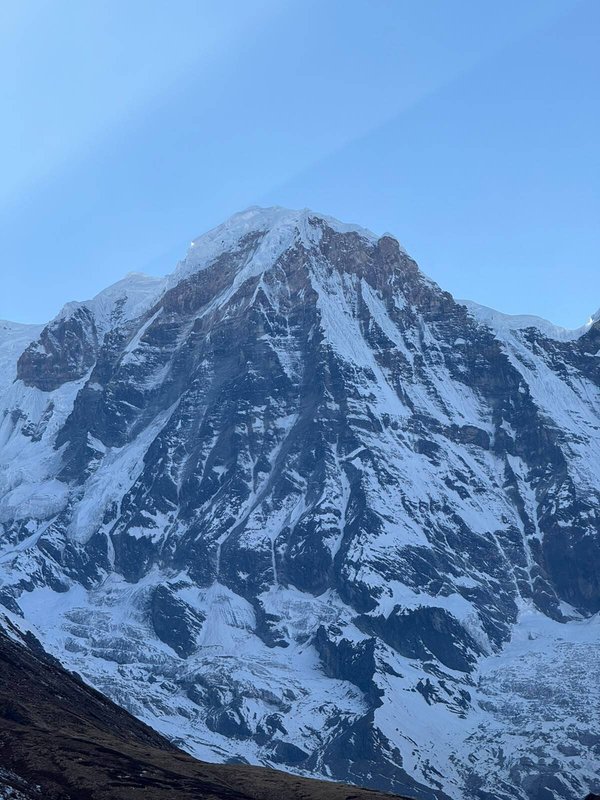
Can You Trek Solo in the Annapurna Region in 2026?
Trekking solo in the Annapurna region is a deeply appealing idea for many adventurers: the freedom to set your own pace, choose your own route, and experience the mountains on your own terms. However, since 2012, Nepal requires all trekkers to be accompanied by a licensed guide in protected areas, including the Annapurna Conservation Area. This means true independent solo trekking, without any guide, is no longer legally permitted. The question then becomes not whether to trek alone, but how much support you want: a minimal guide-only arrangement versus a fully guided trek with porters, accommodation bookings, and a structured itinerary. Understanding this trade-off is essential for planning your Annapurna adventure in 2026.
What Does a Guided Trek in Annapurna Actually Include?
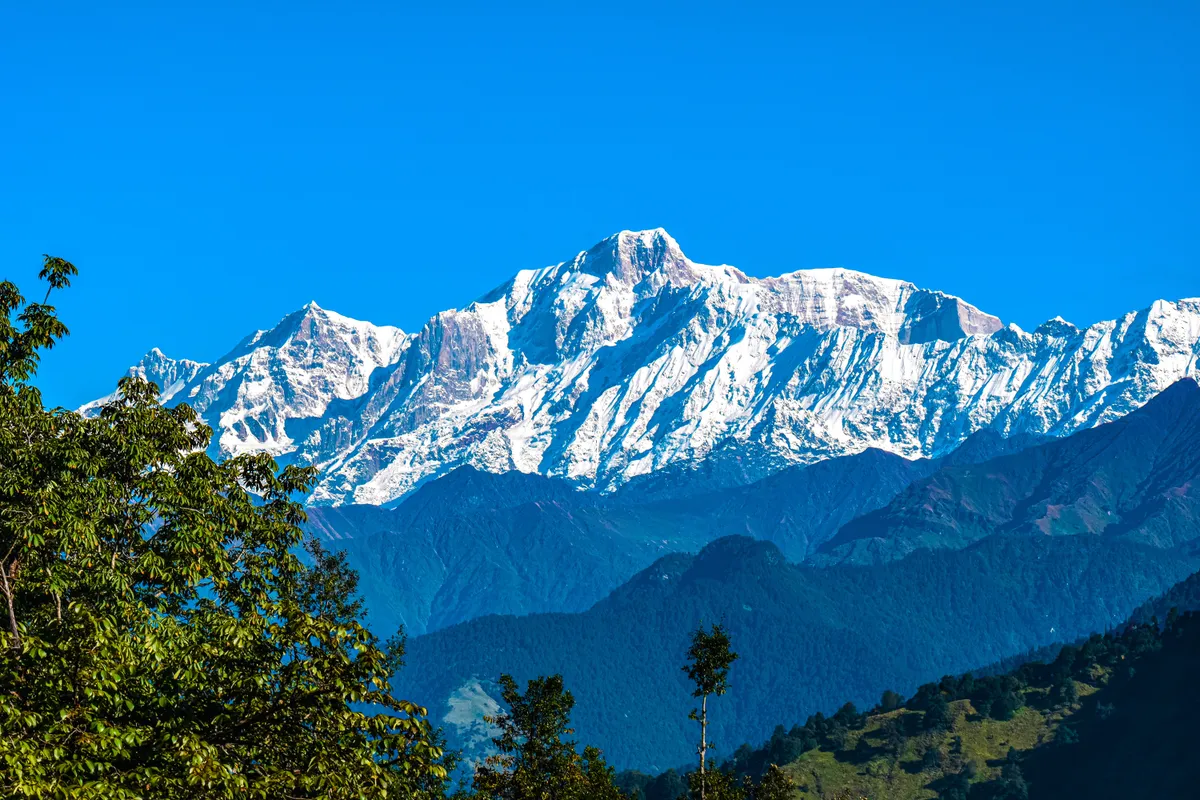
A guided trek through Enticing Himalayas includes a licensed guide, porters (typically one per two trekkers), all teahouse accommodation bookings, three meals per day, trekking permits (ACAP and TIMS), ground transportation to and from the trailhead, and emergency evacuation arrangements. The guide handles navigation, monitors your health for altitude sickness, communicates with lodge owners, and shares cultural and natural knowledge. Porters carry your main gear (up to 15 kg per porter), leaving you with a light daypack. The Annapurna Base Camp Trek and Annapurna Circuit Budget Trek are popular guided options that include all of these services, making the experience seamless from Kathmandu or Pokhara to the trailhead and back.
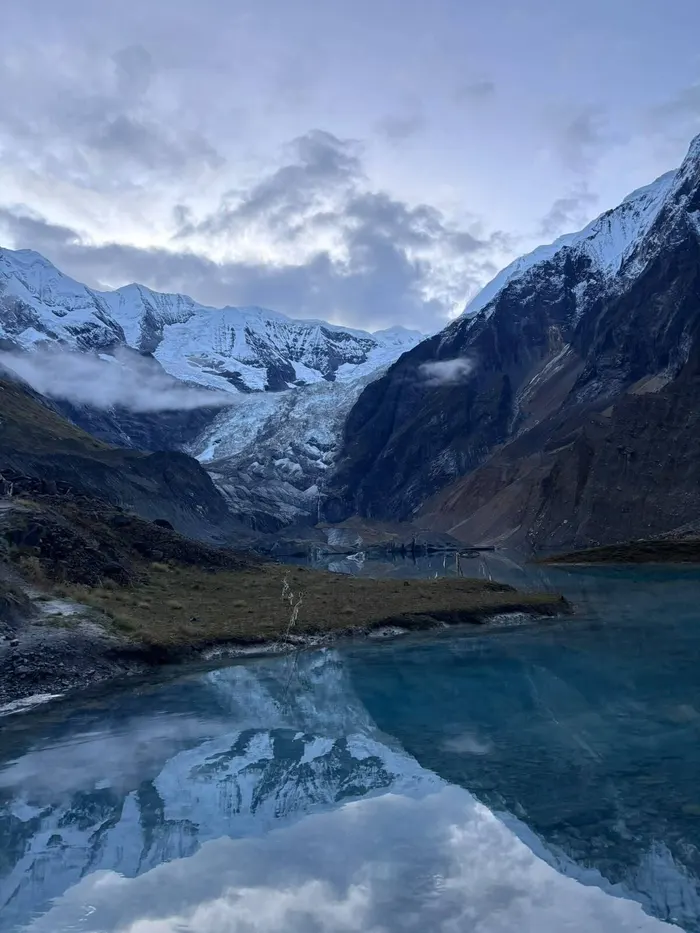
What Are the Advantages of a Guided Annapurna Trek?
A guided trek offers significant advantages that go beyond logistics. Safety is paramount: your guide is trained to recognise altitude sickness symptoms, navigates in all weather conditions, and can coordinate emergency evacuation if needed. Cultural enrichment is another major benefit, as a local guide shares stories, history, and introductions to village life that a solo trekker would miss entirely. Practical convenience cannot be overstated: no need to negotiate lodge bookings during peak season, no worries about where the next safe water source is, and no risk of getting lost on unmarked trail sections. Guided treks also directly support the local economy, employing guides and porters from the communities along the trail. For the Annapurna Circuit with Tilicho Lake, a guide is essential for the complex high-altitude sections.
What Are the Advantages of Trekking with Just a Guide and No Porter?
For trekkers who want more independence than a full guided package but still comply with the law, hiring just a guide (without a porter) is a middle ground. You carry your own backpack, which means a lighter pack and a more physically engaged experience. The guide handles navigation, permits, and safety, but you choose where to stop, what to eat, and which lodge to stay in. This arrangement suits experienced trekkers who are confident in their fitness and mountain skills but respect the legal requirement for a licensed guide. The cost is lower than a full guided package. On routes like Poon Hill or Mardi Himal, where distances are shorter and lodges are plentiful, this guide-only approach works well for self-sufficient trekkers.
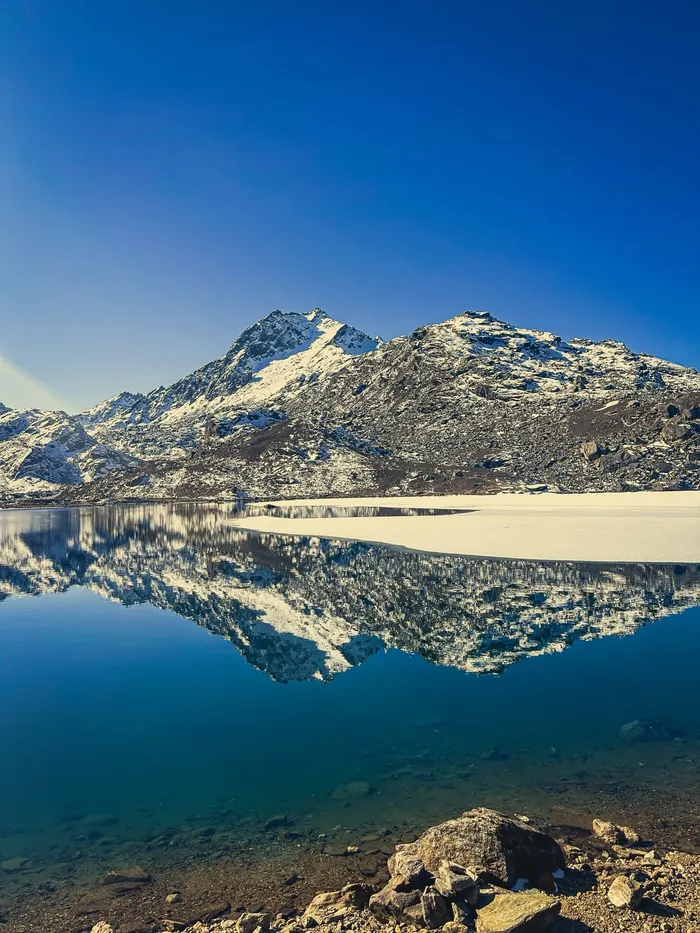
How Much Does a Guided Trek Cost Versus Trekking with Just a Guide?
Cost is a key factor in the decision. A full guided package (guide plus porter, all-inclusive) from Enticing Himalayas covers everything from permits to meals, typically ranging from moderate to premium depending on the route and lodge standard. Trekking with just a guide is cheaper because you pay for your own meals, accommodation, and permits directly, but you must carry your own gear. The budget group joining option offers the best value for a fully guided experience, sharing costs among a small group. For comparison, a solo guide hire from Pokhara costs less per day but does not include meals, lodging, or porters, which adds up over a 10 to 14 day trek.
Is It Safe to Trek Annapurna Without a Full Guided Group?
Safety on the Annapurna trails depends on route, season, experience, and preparation. The lower, popular routes like Ghorepani to Poon Hill and the ABC short trek have well-marked trails, frequent teahouses, and good mobile coverage, making them relatively safe even with a guide-only arrangement. Higher routes like the full Circuit with Thorong La involve high-altitude passes where weather can change rapidly, and having a guide who knows the route and can assess conditions is critical. For any trek above 4,000 metres, a full guided package with a guide who carries emergency communication and a group first aid kit is strongly recommended. Comprehensive travel insurance with helicopter evacuation is non-negotiable regardless of your guiding arrangement.
What Are the Trade-offs of Solo-style Trekking Versus Group Trekking?
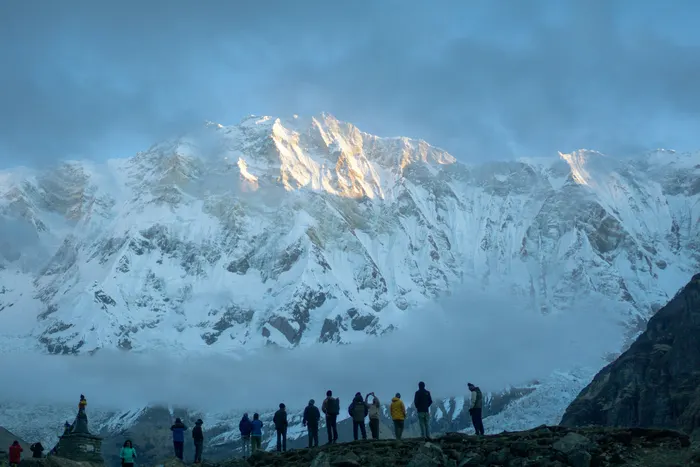
The solo-style experience (guide-only, no porter, self-organised) offers maximum flexibility and a sense of personal achievement. You can change your itinerary daily, stop when you want, and experience the mountains at your own rhythm. The trade-off is that you carry a heavier pack, handle your own meals and lodging, and miss out on the social camaraderie of a group. Group treks, like the group joining Circuit trek, offer shared experiences, new friendships, and the reassurance of numbers. They also tend to be more affordable per person since costs are shared. The Annapurna Solo Women's Trek is a unique option that combines the social benefits of a group with a female-led, women-only environment, ideal for solo female travellers seeking both safety and community.
Which Annapurna Routes Are Best for Independent-minded Trekkers?
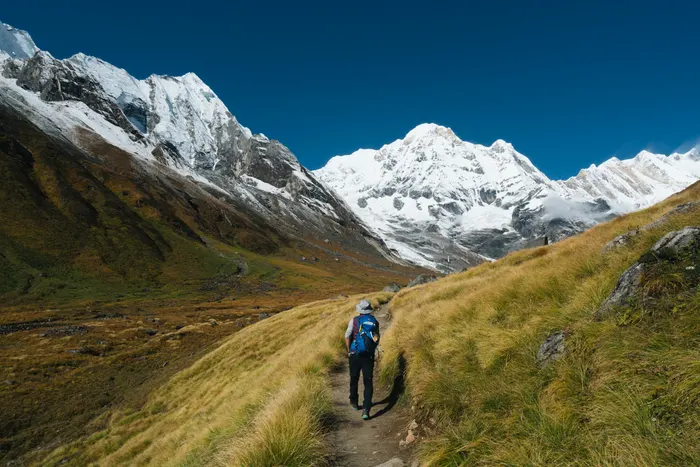
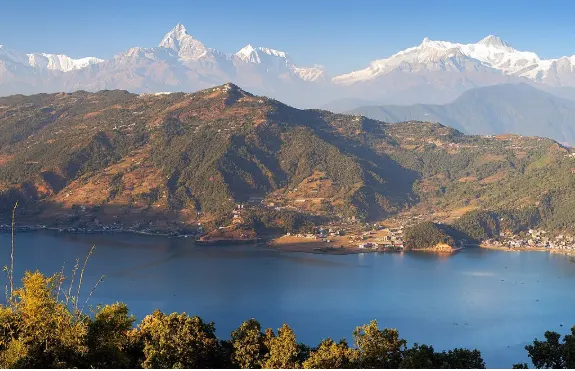
For trekkers who want maximum autonomy within the legal guiding framework, certain Annapurna routes are better suited than others. The Poon Hill trek is short, well-marked, and has abundant lodges, making it ideal for a guide-only arrangement where you handle your own logistics. The Mardi Himal trek is another excellent option, being shorter and less crowded. The Annapurna region also offers the Panchase Panorama Trek, a hidden-gem route in the foothills that is perfect for self-sufficient trekkers wanting quiet trails. For longer or higher routes, a full guided package is recommended for safety and logistical support.
How Do You Choose the Right Guide for an Annapurna Trek?
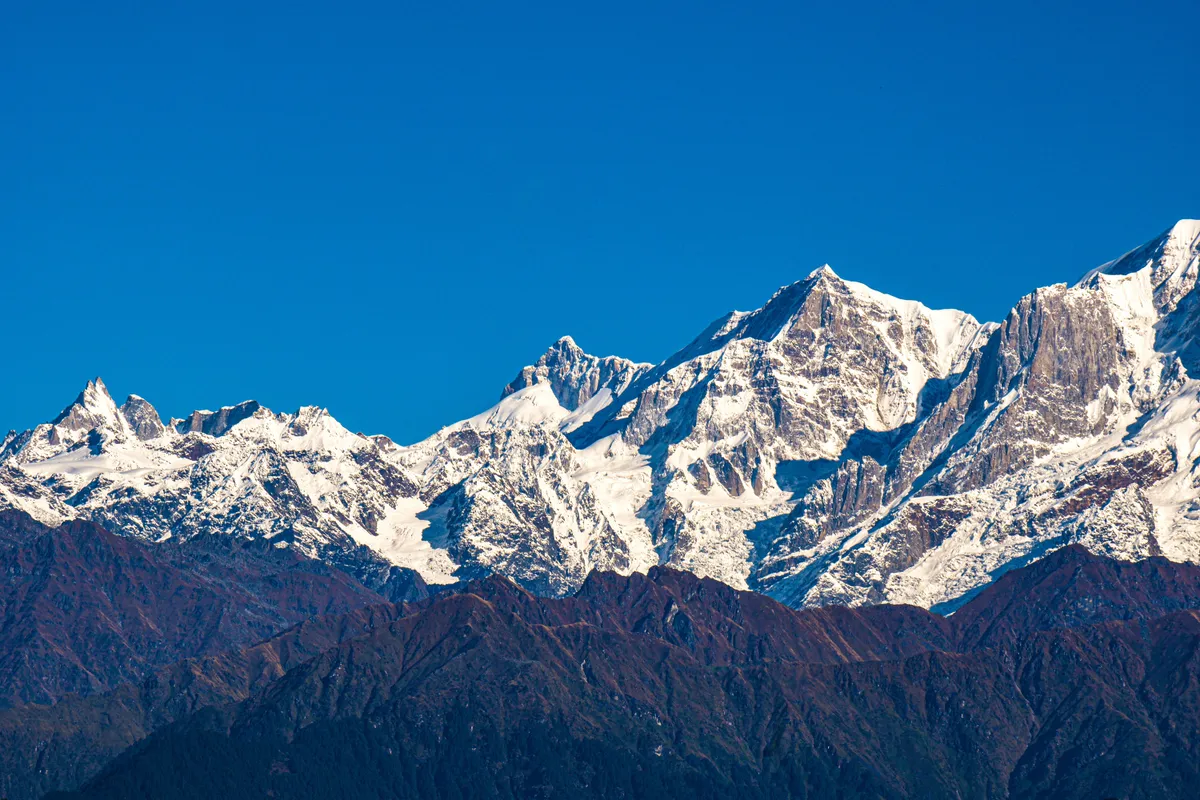
Choosing the right guide can make or break your Annapurna trek. A good guide is licensed, experienced, speaks your language fluently, knows the route intimately, and has first-aid and altitude-sickness training. When booking through Enticing Himalayas, guides are vetted, insured, and matched to your trekking style and group composition. For women trekking alone, the female-led women's trek provides a female guide for added comfort. Ask potential guides about their experience on your specific route, their emergency protocols, and whether they have led groups of your size and fitness level before. A great guide is not just a navigator but a cultural interpreter, safety officer, and trekking companion all in one.
What Should Solo Trekkers Know About Permits and Regulations?
All trekkers in the Annapurna Conservation Area need the ACAP entry permit and the TIMS card, regardless of whether they are in a group or with a guide-only arrangement. Since 2012, a licensed guide is mandatory. Your guide's license number is registered with your TIMS card. For restricted zones like Upper Mustang or the Nar Phu Valley, additional restricted-area permits are required and must be arranged through a registered trekking agency. These permits are checked at multiple points along the trail. Your guide handles permit processing, but you must bring your passport, Nepal visa, and passport-size photos. Trekking without proper permits results in fines and denial of entry to the conservation area. Enticing Himalayas arranges all permits as part of their packages.
How Does the Social Experience Differ Between Solo and Guided Treks?
The social dimension of trekking is one of the most overlooked factors in the solo versus guided decision. On a solo-style trek (guide-only), you interact more with teahouse owners, other trekkers, and locals along the trail, which can lead to rich, spontaneous cultural exchanges. However, evenings can be lonely, and there is no one to share the experience with. On a guided group trek, you have built-in companions, shared meals, and collective memories. Group dynamics can enhance the experience enormously or, occasionally, detract from it if personalities clash. The family trek and women's trek are examples of themed group treks that attract like-minded travellers, increasing the chance of compatible group dynamics and lasting friendships.
What Is the Environmental Impact of Guided Versus Solo Trekking?
Both guided and solo-style trekking have environmental impacts, but guided treks through responsible companies tend to be more sustainable. Enticing Himalayas follows Leave No Trace principles, ensures porters are properly equipped and paid fair wages, and supports the Annapurna Conservation Area's community-based conservation model. Group treks reduce per-person footprint by sharing transportation and resources. Solo-style trekkers have more control over their own waste and water purification choices but may lack the collective efficiency of a guided group. The ACAP entry fee that all trekkers pay directly funds conservation, trail maintenance, and community projects. Whichever option you choose, carry a reusable water bottle, avoid single-use plastics, and pack out all waste, including wet wipes and batteries.
Frequently Asked Questions
Is it legal to trek Annapurna without a guide?
No. Since 2012, Nepal requires all trekkers in protected areas, including the Annapurna Conservation Area, to be accompanied by a licensed guide. You can hire just a guide without a porter for a more independent experience, but trekking completely alone without any guide is not legally permitted. Your guide's license is registered with your TIMS card and checked at permit stations along the trail.
How much does a guided Annapurna trek cost compared to guide-only?
A full guided package includes guide, porter, permits, meals, accommodation, and transport, offering the best value for most trekkers. A guide-only arrangement is cheaper per day but you pay for your own meals, lodging, and permits, which adds up over 10 to 14 days. Budget group-joining options like the Annapurna Circuit Budget Trek offer the most affordable fully guided experience.
Which Annapurna route is best for a more independent trekking experience?
Shorter, lower routes like the Poon Hill trek and Mardi Himal trek are ideal for independent-minded trekkers who hire just a guide. These routes have well-marked trails, abundant teahouses, and no high-altitude risks. The Panchase Panorama Trek is another excellent quiet option. For longer routes crossing Thorong La or reaching Annapurna Base Camp, a full guided package is strongly recommended.
Are there women-only guided treks in the Annapurna region?
Yes. The Annapurna Solo Women's Trek (10 days) is a female-led, women-only trek to Annapurna Base Camp. It provides a safe, supportive environment for solo female travellers with a female guide, porters, and a small group of like-minded women. This is an excellent option for women who want both independence and the security of a guided group.
Do I still need travel insurance if I have a guide?
Yes, absolutely. Comprehensive travel insurance with helicopter evacuation cover is mandatory for all trekkers regardless of whether they have a guide. Your guide can coordinate an evacuation, but the insurance pays for it. Without insurance, a helicopter evacuation from Annapurna Base Camp or Thorong La can cost thousands of dollars. Ensure your policy covers trekking up to your maximum altitude.
Can I switch from a guide-only arrangement to a full guided package mid-trek?
It is difficult to add a porter mid-trek as porters are arranged from the trailhead. If you find your pack too heavy, some lodges can help contact a local porter, but this is not guaranteed. It is better to start with the arrangement you need for the full duration. If unsure, book a full guided package and simply choose not to use the porter if you feel comfortable carrying your own pack.