
Nepal is a country of extraordinary diversity, where within a single trip you can explore ancient temples, trek through the world's highest mountains, and spot rhinos in tropical jungles. For first-time visitors, the sheer range of options can be overwhelming, which is why narrowing your itinerary to the top three must-visit destinations is the smartest way to experience the best of Nepal without spreading yourself too thin. These three places, Kathmandu, Pokhara, and Chitwan, represent the cultural heart, the mountain gateway, and the wildlife frontier of Nepal, giving you a complete picture of what makes this country so special. In this guide, we explore each destination in detail, what to do, where to stay, and how to combine them into the perfect first-time Nepal itinerary.
Why These Three Places for Your First Nepal Visit?
Nepal has countless incredible destinations, from the remote trails of Manaslu to the ancient pilgrimage site of Lumbini. However, for a first visit, three locations stand out for their accessibility, variety of experiences, and sheer wow factor. Kathmandu is the cultural and historical capital, where you can explore seven UNESCO World Heritage Sites in a single valley. Pokhara is the adventure and nature hub, with its stunning lakeside setting and access to the Annapurna mountain range. Chitwan offers a completely different landscape, the subtropical lowlands where you can spot rhinoceros, tigers, and elephants. Together, these three give you culture, mountains, and wildlife in one trip.
What Makes Kathmandu the Cultural Heart of Nepal?
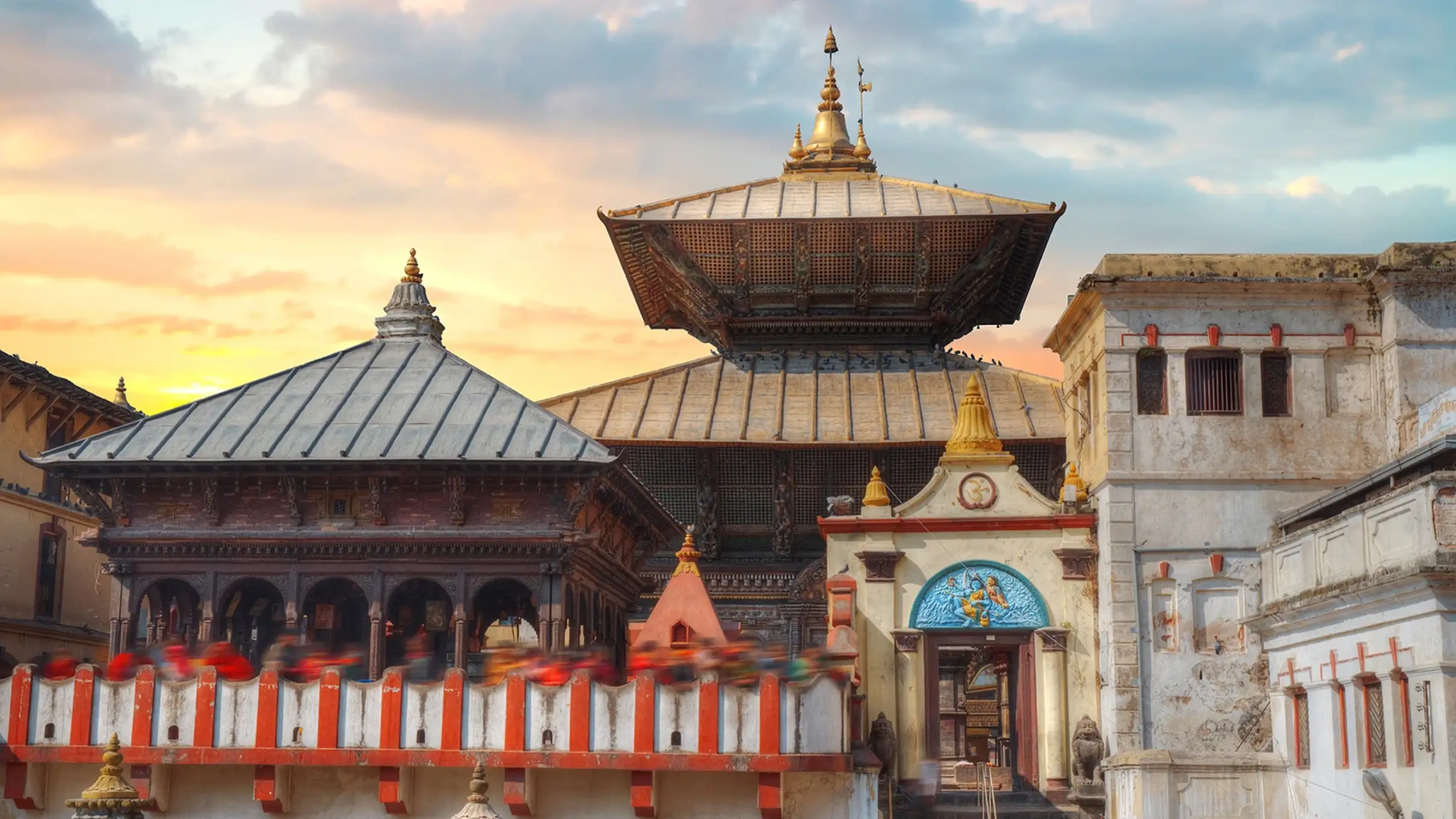
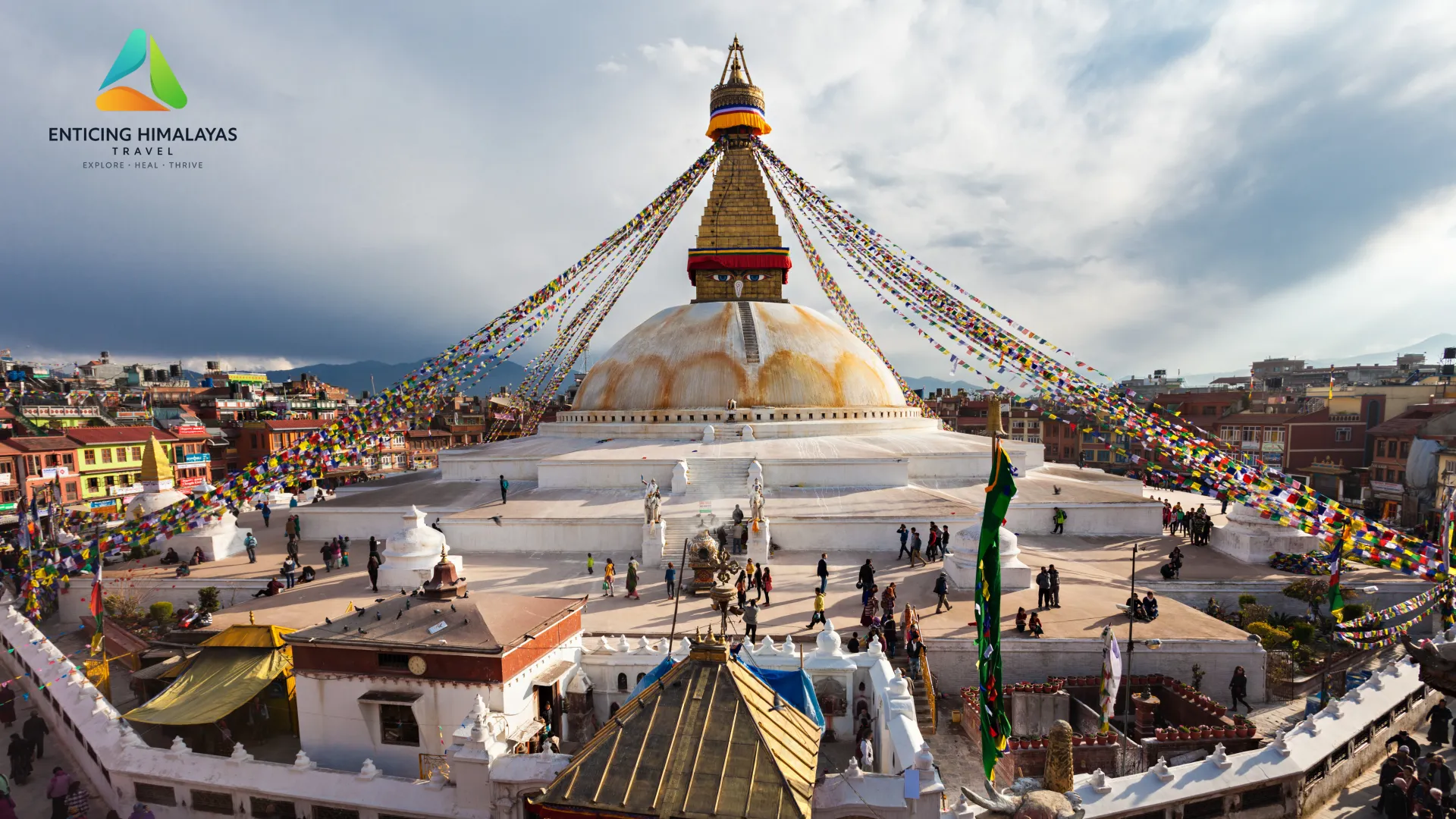
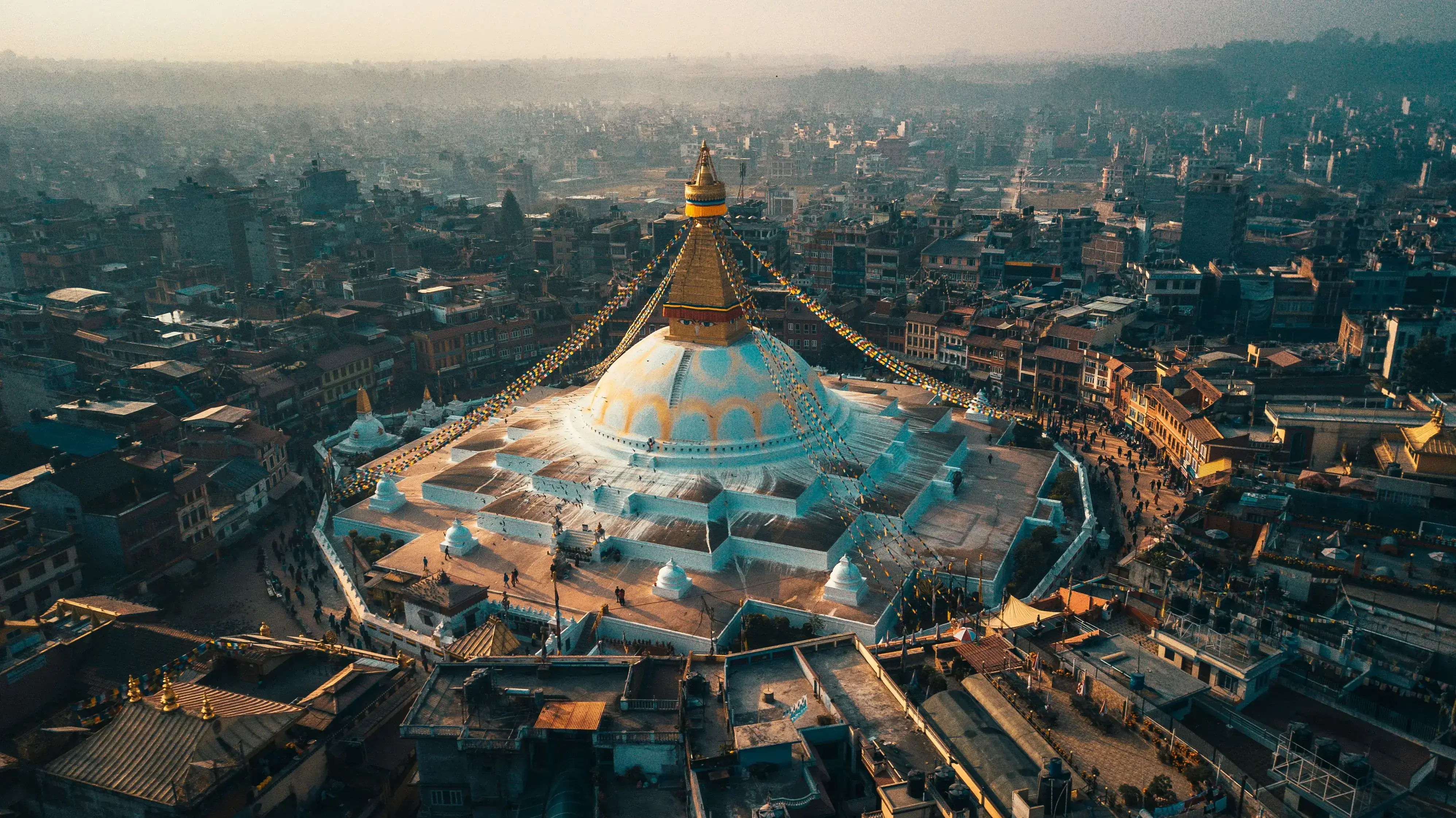
Kathmandu is where every Nepal journey begins and where the country's rich cultural heritage is most concentrated. The Kathmandu Valley was once home to three rival kingdoms (Kathmandu, Patan, and Bhaktapur), each with its own royal palace, temple squares, and artistic traditions. Today, seven UNESCO World Heritage Sites are packed into this valley, making it one of the most culturally dense areas in the world. From the ancient stupa of Swayambhunath (the Monkey Temple) with its panoramic valley views, to the Great Stupa of Boudhanath, to the sacred Hindu complex of Pashupatinath, Kathmandu offers spiritual experiences from multiple traditions within a few kilometers. The city is also Nepal's culinary capital, where you can taste Newari feasts, momos, dal bhat, and international cuisine in the bustling streets of Thamel.
What Are the Must-See Sites in Kathmandu Valley?
The must-see sites in Kathmandu Valley include Swayambhunath Stupa for sunrise views and spiritual atmosphere, Boudhanath Stupa for its vibrant Tibetan Buddhist culture, Pashupatinath Temple for Hindu cremation rites along the Bagmati River, Kathmandu Durbar Square for its royal palaces and the Kumari (living goddess), Patan Durbar Square for its exquisite Newari metalwork and architecture, Bhaktapur Durbar Square for its medieval charm and pottery squares, and Changu Narayan for its ancient Vishnu temple. The 4-Day 7 UNESCO Wonders Tour covers all seven sites in depth. For a shorter visit, the 3-Day Spiritual Kathmandu Heritage Tour hits the highlights. The Day Tour of Kathmandu Landmarks is perfect for those with limited time.
How Many Days Should You Spend in Kathmandu?
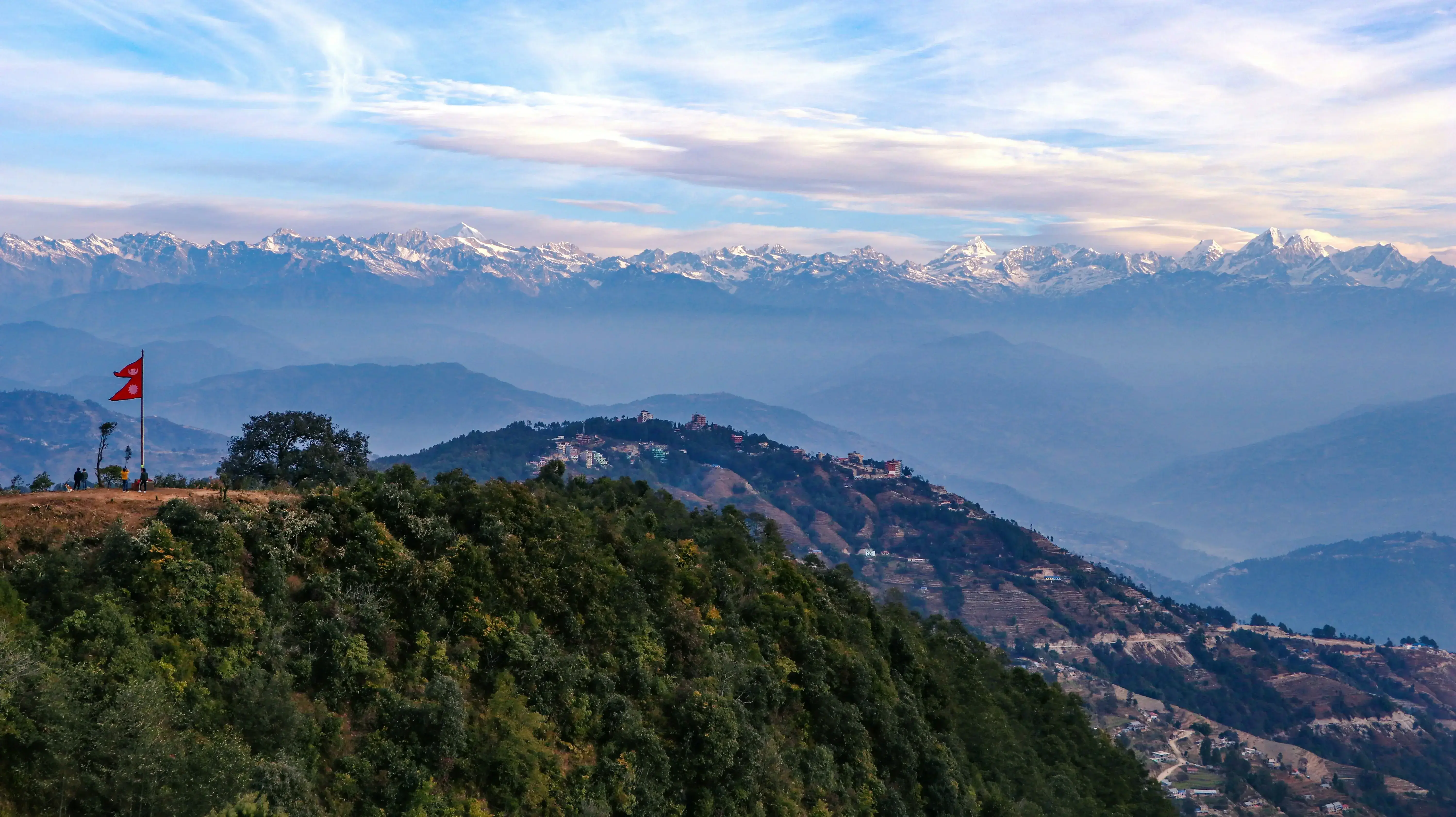
For a first visit, we recommend 2 to 3 full days in Kathmandu. Day one should cover the main cultural sites: Swayambhunath, Boudhanath, and Pashupatinath, plus Kathmandu Durbar Square. Day two can explore Patan and Bhaktapur, both a short drive from the city center. If you have a third day, take a day trip to Nagarkot for sunrise mountain views, or Dhulikhel for a spiritual hike to Namobuddha. The 5-Day Kathmandu Valley Tour combines UNESCO sites with a Himalayan scenic flight for the ultimate cultural experience. If you are short on time, a single day covering Swayambhunath, Boudhanath, and Pashupatinath gives you a meaningful taste of the valley's spiritual heritage.
What Makes Pokhara the Adventure Capital of Nepal?
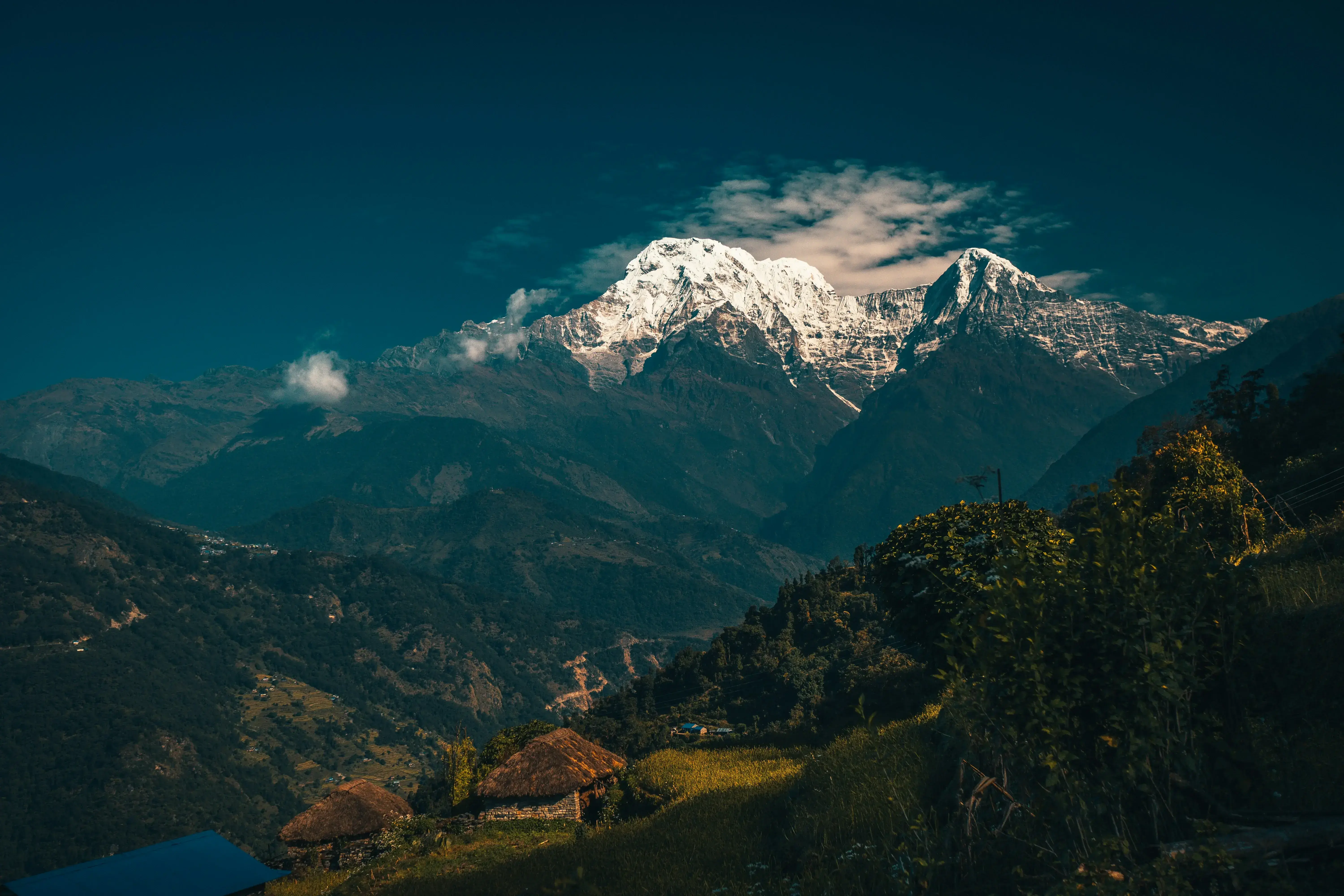
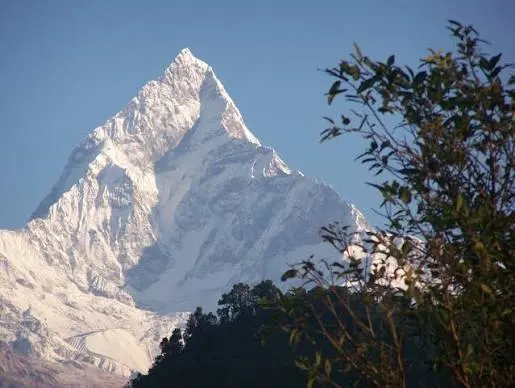
Pokhara is Nepal's second city and its premier destination for nature and adventure. Set on the shores of Phewa Lake with the Annapurna massif rising dramatically to the north, Pokhara offers a laid-back lakeside atmosphere that contrasts beautifully with the hustle of Kathmandu. The city is the starting point for some of the world's most popular treks, including the 10-Day Annapurna Base Camp Trek and the 7-Day Ghorepani Poon Hill Trek. Even if you are not trekking, Pokhara has plenty to offer: paragliding from Sarangkot, boating on Phewa Lake, visiting the World Peace Stupa, exploring limestone caves and waterfalls, and enjoying some of Nepal's best lakeside dining. The reflection of Machhapuchhre (Fish Tail Mountain) in Phewa Lake at dawn is one of the most iconic images of Nepal.
What Activities Can You Do in Pokhara Without Trekking?
Pokhara has an incredible range of activities for non-trekkers. Paragliding from Sarangkot offers tandem flights with panoramic views of the Annapurna range, suitable for beginners. Boating on Phewa Lake lets you visit the Tal Barahi Temple, a Hindu shrine on an island in the lake. The Sarangkot sunrise viewpoint is a short drive from the lakeside and offers the famous Annapurna panorama. The International Mountain Museum tells the story of Himalayan mountaineering. Davis Falls, Gupteshwor Cave, and the Seti River Gorge showcase Pokhara's dramatic geology. For relaxation, the 4-Day Pokhara Yoga and Wellness Retreat offers lakeside yoga and healing. The 6-Day Luxury Pokhara Getaway provides a premium lakeside experience for those who want comfort with their adventure.
How Many Days Should You Spend in Pokhara?
For a first visit without trekking, 2 to 3 days in Pokhara is ideal. Day one: arrive from Kathmandu (30-minute flight or 6-hour tourist bus), explore the lakeside, take a sunset boat ride on Phewa Lake. Day two: early morning drive to Sarangkot for sunrise, visit the World Peace Stupa, explore the International Mountain Museum, relax with lakeside dining. Day three: optional paragliding, visit Davis Falls and Gupteshwor Cave, or take a short day hike to the Australian Camp or Mardi Himal viewpoint. If you plan to trek from Pokhara, add 5 to 10 days depending on the route. The 5-Day Nepal Cultural and Scenic Tour: Kathmandu and Pokhara is the perfect combination for first-time visitors who want the best of both cities without trekking.
What Makes Chitwan Nepal's Wildlife Capital?
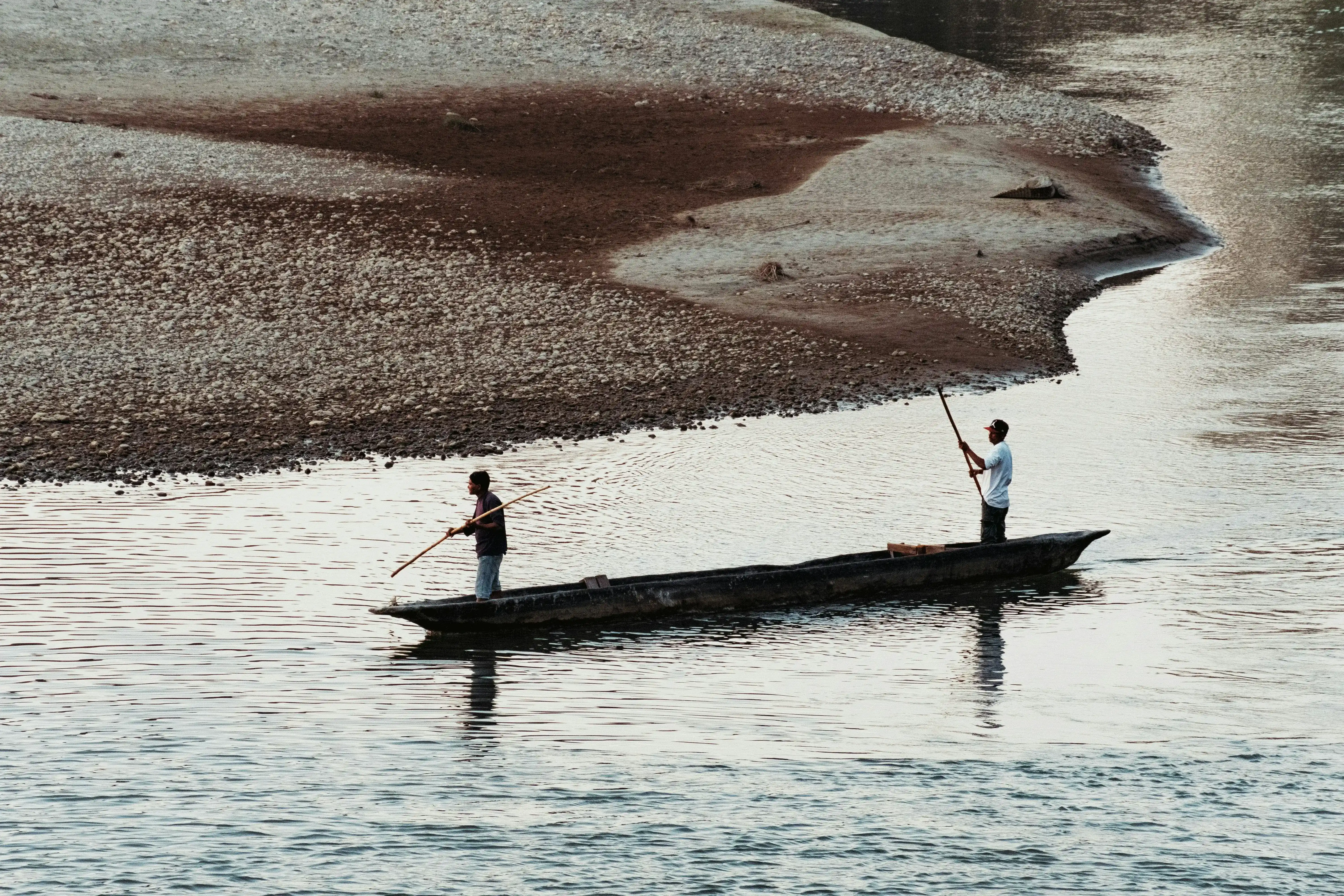
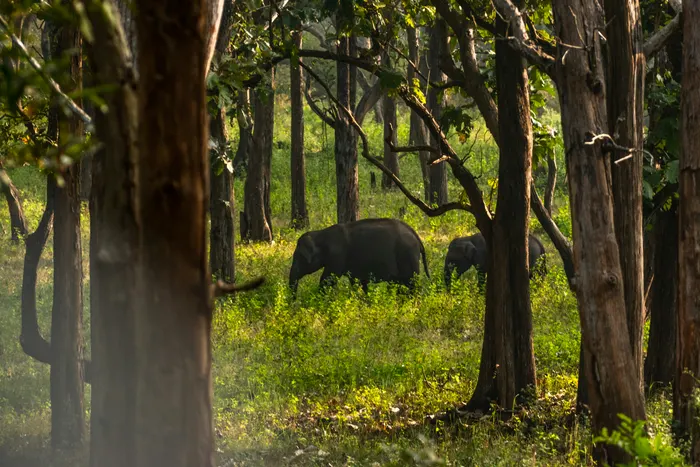
Chitwan National Park is Nepal's first national park and a UNESCO World Heritage Site, covering 932 square kilometers of subtropical lowland forest, grassland, and riverine habitat. It is the best place in Nepal to see wildlife, including the endangered one-horned rhinoceros (Chitwan has over 600), Bengal tigers (about 120, though sightings are rare), Asian elephants, sloth bears, leopards, and over 540 bird species. The landscape is completely different from the mountains, with flat terrain, warm temperatures, and dense jungle. Activities include jeep safaris, canoe rides on the Rapti River, guided jungle walks, bird watching, and visits to elephant breeding centers and Tharu villages. The contrast between the cool Himalayan heights of Kathmandu and Pokhara and the warm tropical lowlands of Chitwan is one of the great pleasures of a first Nepal trip.
What Wildlife Can You Actually See in Chitwan?
The one-horned rhinoceros is the star of Chitwan and is seen on nearly every jeep safari, often at close range, grazing in the grasslands or bathing in rivers. Asian elephants are commonly spotted, both wild and in the breeding center. Sloth bears are seen occasionally, particularly in the early morning. Bengal tiger sightings are possible but uncommon, as tigers are elusive and mostly active at night; the best chance is on a longer safari or in the buffer zone. Bird life is spectacular: you can see hornbills, kingfishers, egrets, storks, eagles, and many species of migratory waterfowl. Reptiles include gharial crocodiles (a critically endangered species with a long narrow snout), mugger crocodiles, and various snake species. The 7-Day Nepal Heritage and Wildlife Experience combines cultural sites with a full Chitwan safari experience. For serious birders, the Chitwan Bird Watching Expedition offers expert-guided birding.
How Many Days Should You Spend in Chitwan?
Two to three days in Chitwan is ideal for a first visit. Day one: arrive from Pokhara or Kathmandu (5 to 6 hours by road), settle into your lodge, take a Tharu village walk in the late afternoon, and enjoy a cultural program in the evening. Day two: early morning jeep safari (best time for wildlife), followed by a canoe ride on the Rapti River and a guided jungle walk. After lunch, visit the elephant breeding center and the gharial crocodile conservation center. Day three: optional early morning bird walk, then depart for your next destination. If you are particularly interested in wildlife, add a third full safari day. The key is to do your safaris early in the morning and late in the afternoon, when animals are most active and the light is best. Midday is hot and animals rest, so use this time for the museum, village visits, or poolside relaxation.
How Do You Travel Between These Three Destinations?
Traveling between Kathmandu, Pokhara, and Chitwan is straightforward with several options. Kathmandu to Pokhara: a 30-minute domestic flight (daily, weather permitting) or a 6 to 7 hour tourist bus ride along the Prithvi Highway, which follows the Trishuli River gorge with scenic mountain views. Pokhara to Chitwan: a 5 to 6 hour drive through the Nawalparasi district, passing rural villages and farmland. Chitwan to Kathmandu: a 5 to 6 hour drive or a 25-minute flight from Bharatpur airport. The most efficient first-time itinerary is a loop: Kathmandu to Chitwan (5 hours), Chitwan to Pokhara (5 to 6 hours), Pokhara to Kathmandu (flight or bus). This minimizes backtracking. The 8-Day Golden Triangle Nepal Tour follows exactly this route, covering all three destinations with comfortable transport and expert guiding throughout.
What Is the Best Time to Visit These Three Places?
The best time for visiting Kathmandu, Pokhara, and Chitwan together is autumn (October to November) or spring (March to May). In autumn, the skies are crystal clear in the mountains, temperatures are pleasant across all three regions, and Chitwan is neither too hot nor too wet. In spring, rhododendrons bloom on the hillsides, Pokhara is warm and inviting, and wildlife viewing in Chitwan is excellent as the grass is shorter. Winter (December to February) is good for Kathmandu culture and Pokhara views, but Chitwan can be chilly in the mornings, though wildlife sightings are easier due to reduced foliage. Monsoon (June to September) brings rain to all three regions, making road travel difficult and mountain views limited, though Chitwan is lush and green. For a balanced experience, October is the single best month.
What Should You Pack for a Three-Destination Nepal Trip?
Packing for Kathmandu, Pokhara, and Chitwan requires planning for three different climates. Kathmandu (1,400m) is temperate, requiring warm layers in mornings and evenings, especially in winter. Pokhara (800m) is slightly warmer but still needs layers, plus swimwear for lakeside relaxation and activewear for hiking or paragliding. Chitwan (150m) is subtropical and can be very warm, especially in spring: pack light cotton clothing, a sun hat, and insect repellent. Year-round essentials include comfortable walking shoes, modest clothing for temple visits (shoulders and knees covered), a light rain jacket in monsoon season, sunscreen, and a small daypack. The 8-Day Nepal Highlights Tour is designed for first-time visitors and includes a detailed packing list tailored to the season and itinerary.
Can You Add Trekking to This Three-Destination Itinerary?
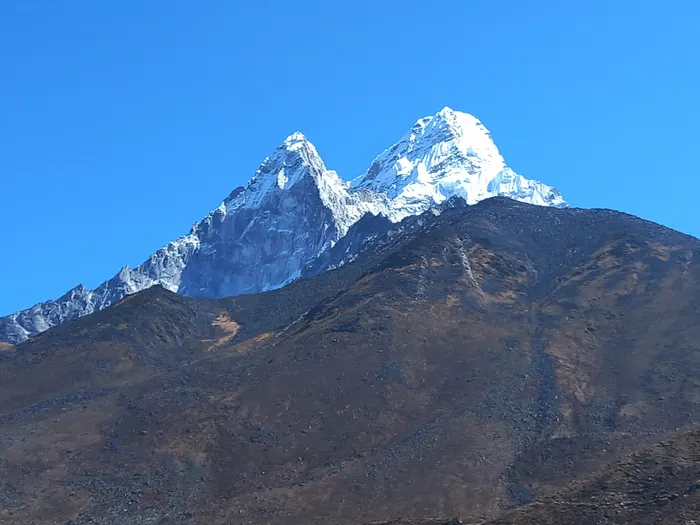
Yes, and many first-time visitors add a short trek to their Pokhara stay. The 7-Day Ghorepani Poon Hill Trek is the most popular add-on, a moderate 4 to 5 day trek from Pokhara that offers spectacular sunrise views over Annapurna and Dhaulagiri from Poon Hill (3,210m). The 5-Day Mardi Himal Trek is a shorter, less crowded alternative with ridge-top views. For a full Everest experience, you can fly to Lukla from Kathmandu for the 5-Day Everest View Short Trek. These treks add a new dimension to your trip, giving you the experience of walking through Himalayan villages and sleeping in teahouse lodges. The Sacred Valleys and Living Goddesses tour combines cultural sites with gentle walking.
What About Spiritual and Wellness Experiences in These Destinations?
All three destinations offer spiritual and wellness experiences. In Kathmandu, the 2-Day Spiritual Circuit visits the valley's most sacred Hindu and Buddhist sites. The 3-Day Yoga and Sound Healing Retreat introduces Himalayan singing bowl therapy and meditation. In Pokhara, the 4-Day Yoga and Wellness Retreat combines daily practice with lakeside serenity. The Full-Day Trekkers Spa and Wellness Retreat is perfect after a trek. For a comprehensive wellness journey, the 9-Day Luxury Yoga, Wellness and Himalayan Escape combines all three destinations with daily yoga, meditation, and spa treatments. Explore more on our heal page.

What Are the Accommodation Options in Each Destination?
All three destinations offer accommodation for every budget. In Kathmandu, Thamel has hundreds of guesthouses, boutique hotels, and luxury properties. The Kathmandu and Nagarkot Heritage Experience includes stays in both city and hilltop viewpoints. In Pokhara, the lakeside area offers everything from backpacker hostels to five-star resorts with Annapurna views. In Chitwan, lodges range from simple jungle camps to comfortable eco-resorts with swimming pools. The 9-Day Nepal Luxury Tour uses premium accommodations throughout. For mid-range travelers, the 6-Day Cultural, Nature and Himalayan Experience provides comfortable hotels at a reasonable price. We select accommodations based on location, cleanliness, service quality, and value, ensuring a comfortable stay in every destination.
Is This Itinerary Suitable for Families with Children?
Yes, this three-destination itinerary is excellent for families. Kathmandu offers cultural education and hands-on experiences like pottery making in Bhaktapur. Pokhara has boating, paragliding (for older children), and lakeside fun. Chitwan is a highlight for kids, with jeep safaris to see rhinos, elephant visits, and canoe rides. The 8-Day Golden Triangle Tour works well for families, with a pace that accommodates children. The 9-Day Annapurna Family Trek adds a kid-friendly trek with shorter walking days and cultural activities. We adjust itineraries based on children's ages, ensuring days are not too long and activities are age-appropriate.
How Much Does a Three-Destination Nepal Trip Cost?
The cost of a Kathmandu, Pokhara, and Chitwan trip varies based on accommodation level, transport choices, and included activities. Budget group tours are the most economical, covering transport, accommodation, guiding, and key activities. Mid-range private tours offer more comfort and flexibility. Luxury tours add premium hotels, private vehicles, and exclusive experiences. The main cost variables are domestic flights (Kathmandu to Pokhara, Chitwan to Kathmandu) versus road travel, and whether you add trekking days. The Golden Triangle Tour and Nepal Highlights Tour are both excellent value. We are transparent about all costs, with no hidden fees, and all our packages clearly state what is included.
Explore, Heal, Thrive: Your First Nepal Adventure
Nepal is a country that changes you. From the ancient temples of Kathmandu to the mirror-calm waters of Phewa Lake and the wild jungles of Chitwan, these three destinations offer a first taste of Nepal that is rich, varied, and unforgettable. Whether you have 8 days or 3 weeks, this itinerary gives you the cultural depth, natural beauty, and wildlife excitement that make Nepal one of the world's most rewarding travel destinations. Explore the heritage of Kathmandu, heal by the waters of Pokhara, and thrive in the wild beauty of Chitwan. Find your perfect Nepal journey on the full tour list or explore more adventure options today. Explore, Heal, Thrive.