Introduction
Nepal remains the beating heart of Himalayan adventure, home to eight of the world's fourteen 8,000 metre peaks and a trail network that ranges from gentle tea house walks to remote high pass expeditions. If you are planning to trek in Nepal in 2026, the single most important decision you will make is who you trek with. This guide explains why a local, Nepal based operator matters, what Enticing Himalayas offers, the best treks and seasons for 2026, and exactly what you get when you book with a team that lives and works in the mountains year round.
Why Trekking in Nepal Still Leads the World in 2026
More than sixty years after the first ascent of Everest put Nepal on the adventure map, the country's appeal has only deepened. What keeps trekkers returning is the rare combination of raw altitude and deep culture: you can walk beneath 8,000 metre walls by day and share a meal with a Buddhist monk or a Tamang farmer by night. In 2026, improved rural trails, a growing network of community lodges, and simplified permit systems make the Himalayas more accessible than ever, without losing the wildness that defines them.
For international travelers, Nepal offers a breadth no other country matches. Want a two week classic with hot showers and apple pie at altitude? The Annapurna Base Camp trek delivers. Prefer a remote, restricted region circuit with medieval villages? The Manaslu Circuit awaits. Add the spiritual pull of Lumbini, the sacred lakes of Gosaikunda, and the helicopter pilgrimage to Muktinath, and you have a destination that serves every kind of traveler.
Why Choose a Local Trekking Agency in Nepal
Agencies based outside Nepal can sell you a trek, but they cannot stand in the Kathmandu airport at 11 p.m. when your flight is cancelled, cannot reroute a permit when a district closes a trail, and cannot read the weather on a local radio that never makes it to a foreign office. A Nepal based agency lives inside the system it sells you.
- On the ground response: When weather closes Lukla or a strike disrupts roads, a local team rearranges transport, hotels, and guides in real time.
- Real guide relationships: The best guides are not freelancers hired per booking. They are part of the operator's year round team, trained, insured, and accountable.
- Permit and paperwork fluency: TIMS, national park entry, and restricted area permits each have their own counter, fee, and photo requirement. Local teams handle these daily.
- Fairer economics: Booking direct means more of your money reaches the Nepali guides, porters, and lodge owners who make the trek possible.
- Cultural access: Local knowledge opens doors: a festival date, a lesser known viewpoint, a family guesthouse that no brochure lists.
Meet Enticing Himalayas, Explore, Heal, Thrive
Enticing Himalayas is a Kathmandu based travel and trekking company built around a simple three word promise: Explore, Heal, Thrive. We organize trekking, cultural tours, wellness and yoga retreats, pilgrimage journeys, and adventure holidays across Nepal, from the Everest and Annapurna regions to the remote valleys of Manaslu, Langtang, and Mustang.
We are not a volume operator. Every itinerary we run is planned by people who have walked the routes, negotiated with the lodges, and stood at the trailhead at dawn. Whether you want a fully guided group trek, a private custom journey, or a slower wellness focused trip that pairs gentle hiking with yoga and sound healing, we shape the trip around you rather than fitting you into a fixed departure. Our wellness side lives at Heal, our experiences and scenic flights at Explore, and our full trip collection at tour list.
Our Trekking and Tour Services
Below is what we arrange end to end so you can focus on the mountains:
| Service | What it covers |
|---|---|
| Trekking packages | Curated multi day itineraries across Nepal's major and emerging regions. |
| Private and customized treks | Dates, pace, and route shaped around your fitness, interests, and time. |
| Group trekking | Fixed departure small groups with shared camaraderie and cost efficiency. |
| Guided tours | Sightseeing and cultural tours with English speaking local guides. |
| Cultural and sightseeing tours | Kathmandu Valley UNESCO sites, heritage towns, and community experiences. |
| Airport pickup and transfer | Meet on arrival and departure assistance in Kathmandu and Pokhara. |
| Hotel arrangements | City hotels before and after the trek, matched to your budget. |
| Domestic flights and ground transport | Flight bookings (for example to Lukla, Pokhara, Jomsom) and private vehicle transfers. |
| Trekking permits and documentation | TIMS, national park entry, and restricted area permits handled for you. |
| Experienced local guides | Government licensed, first aid trained guides familiar with your route. |
| Porter services | Insured porters with fair wages and proper load limits. |
| Accommodation and meals on trek | Tea house booking and meal planning, including dietary needs. |
| Emergency support | On trek safety monitoring and evacuation coordination if needed. |
| Personalized itinerary planning | One to one trip design before you pay a deposit. |
For a full list of current trips, see our Nepal trekking packages and tours pages.
Best Trekking Destinations in Nepal for 2026
Nepal's trail network is vast. Here are the destinations we recommend most for 2026, with who each suits and when to go. Where we run a dedicated package, we have linked it.
Annapurna Base Camp Trek
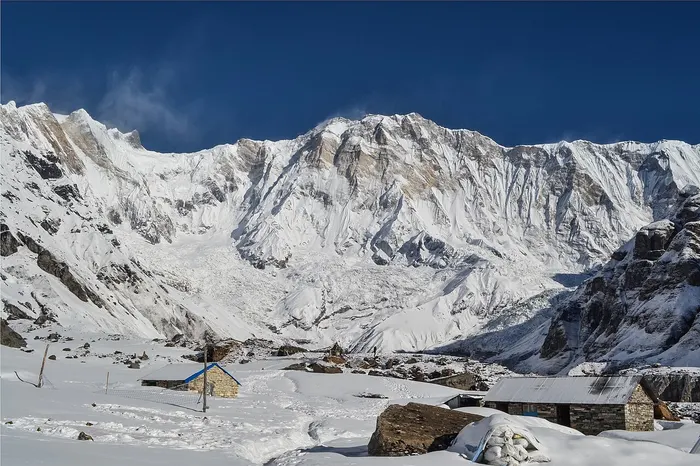
Best for: First time trekkers wanting a classic Himalayan payoff. Highlights: The 8,091 m Machhapuchhre (Fishtail) and a 360 degree amphitheatre of peaks at base camp (4,130 m). Difficulty: Moderate. Duration: about 10 days. Season: Spring and autumn. We run a dedicated Annapurna Base Camp trek, 10 days.
Annapurna Circuit with Tilicho Lake
Best for: Fit trekkers seeking a long, varied traverse. Highlights: The Thorong La (5,416 m), the high altitude Tilicho Lake, and shifting landscapes from subtropical to Tibetan plateau. Difficulty: Challenging. Duration: about 13 days. Season: Autumn best, spring good. See our Annapurna Circuit with Tilicho Lake, 13 days.
Manaslu Circuit Trek
Best for: Experienced trekkers wanting a quieter alternative to Annapurna. Highlights: The Larkya La (5,160 m), pristine Gurung and Tibetan influenced villages, and restricted region wilderness. Difficulty: Challenging. Duration: about 13 days. Season: Autumn and spring. Our Epic Manaslu Circuit package covers it.
Manaslu Tsum Valley Trek
Best for: Cultural trekkers and those chasing solitude. Highlights: The hidden Tsum Valley, ancient monasteries, and a strong sense of stepping back in time. Difficulty: Moderate to challenging. Duration: about 14 to 18 days. Season: Spring and autumn. Explore our Manaslu Tsum Valley trek.
Langtang Valley Trek
Best for: Trekkers short on time who still want big mountain immersion close to Kathmandu. Highlights: The Tserko Ri viewpoint (4,984 m), rhododendron forests, and Tamang culture. Difficulty: Moderate. Duration: about 8 to 10 days. Season: Spring and autumn. Our Langtang Valley Tserko Ri trek is a popular choice.
Upper Mustang, Cultural Adventure
Best for: Travelers drawn to desert landscapes, cave dwellings, and Tibetan Buddhist culture rather than snow peaks. Highlights: The walled city of Lo Manthang and a restricted region that limits visitor numbers. Difficulty: Moderate. Duration: about 10 to 14 days. Season: Spring and autumn, avoid peak monsoon. See our Mustang cultural adventure.
Everest Region, Scenic Flight and Treks
The full Mount Everest scenic flight from Kathmandu gives non trekkers a close look at the world's highest summit, while classic EBC and Gokyo treks remain the region's headline journeys. Best for: Those wanting the Everest name on their itinerary. Difficulty: Challenging at altitude. Season: Pre monsoon and post monsoon windows.
Emerging and Less Crowded Options
If you want to avoid the busy trails in 2026, consider the Panchase Panorama trek in the Annapurna foothills, the Khopra Ridge trek near Poon Hill, or the far west Rara Lake wilderness. These deliver big views with a fraction of the foot traffic.
Best Time to Trek in Nepal
Nepal has four distinct trekking seasons. None is wrong. Each simply changes what you see and carry.
| Season | Months | Pros | Cons | Best for |
|---|---|---|---|---|
| Spring | Mar to May | Rhododendrons bloom, clear mornings, warm days | Afternoon haze, busier on popular trails | Most treks, especially high passes |
| Monsoon, Summer | Jun to Aug | Lush green, few tourists, lower prices | Leeches, mud, cloud, flight delays | Rain shadow regions: Upper Mustang, Dolpo |
| Autumn | Sep to Nov | Clearest skies, stable weather, festivals | Peak crowds and higher prices | The classic window for all major treks |
| Winter | Dec to Feb | Crisp air, quiet trails, snow scenery | Cold nights, high passes may close | Lower altitude walks: Langtang, Poon Hill |
Our recommendation for 2026: If your dates are flexible, aim for mid October to mid November for the most reliable conditions, or late March to April for blooms and slightly smaller crowds. Off season trekkers should target rain shadow regions such as Upper Mustang.
How to Choose the Right Trek
The best trek is the one that fits you. Match on four factors:
- Fitness: New to altitude? Start with Ghorepani, Poon Hill, or Langtang. Comfortable with long days? Manaslu or a circuit suits you.
- Experience: First international trek, choose a well serviced tea house route. Seasoned, consider a restricted region for solitude.
- Time: Under 10 days limits you to the Kathmandu or Pokhara hinterland. Two weeks opens Annapurna and Manaslu. Three weeks reaches the far west or a full circuit.
- Budget: Group departures share costs. Private and restricted region treks cost more but offer flexibility and access.
Not sure where you fit? That is exactly what our personalized itinerary planning is for. Tell us your dates and goals and we will propose two or three realistic options.
What Do You Get When You Book With Us?
Booking with a local team should feel like having a knowledgeable friend on the ground. Here is the journey, step by step.
Before you arrive
- One to one itinerary planning based on your replies, not a template.
- Clear pre trip communication: what to pack, vaccination notes, insurance requirements, and a day by day plan.
- All permits and documentation prepared so you are not queuing on day one.
- Domestic flights and hotel nights booked and confirmed in writing.
On arrival and during the trek
- Airport pickup in Kathmandu or Pokhara and transfer to your hotel.
- A licensed, first aid trained local guide who knows the route and the people on it.
- Insured porters carrying agreed loads at fair wages.
- Tea house accommodation and meals arranged, with dietary needs handled.
- Daily safety check ins and altitude awareness monitoring, plus evacuation coordination if a problem arises.
- Flexibility to adjust pace, rest days, or side trips when conditions allow.
After the trek
- Assistance with onward travel, hotels, or a wellness extension.
- A direct line back to the team for feedback, photos, or your next trip.
Client Satisfaction and Personalized Service
We measure success by whether you would recommend us, not by how many bodies we move per season. That means transparent pricing with no surprise fees, honest answers about difficulty and weather, and a willingness to say that trek is not right for you when it is not. We keep groups small, treat guides and porters fairly (insured, properly paid, within load limits), and stay reachable from your first enquiry to your flight home. We do not publish invented testimonials or claim rankings we cannot verify. Our reputation is built trip by trip, in the field.
Why Choosing the Right Trekking Agency Matters
A trek is not a tour bus. At altitude, decisions have consequences:
- Safety and altitude: A guide who recognizes early AMS symptoms and acts can prevent a serious evacuation. We brief every client on acclimatization and carry protocols for it.
- Emergency planning: Evacuation insurance, helicopter coordination, and a known chain of contact are non negotiable above 3,000 m.
- Permits and legality: Trekking in restricted areas without the correct permits carries fines and deportation risk. We handle this correctly, every time.
- Logistics: Flights to Lukla are famously weather dependent. A local team rebooks and reroutes while you are still in bed.
- Responsible tourism: Fair porter treatment, waste discipline, and supporting local lodges are how the trails stay open for the next generation.
Practical Information for International Travelers
Permits
Most treks need a TIMS card plus a national park or conservation area entry permit (for example ACAP for Annapurna, the Langtang National Park fee). Restricted areas (Manaslu, Upper Mustang, Dolpo, Kanchenjunga, Makalu) require special permits with higher fees and a minimum group size, arranged through a registered agency. Rules and fees change, so confirm current requirements before you travel.
Guide requirements
As of recent Nepal Tourism Board regulations, most national park and restricted treks must be done with a licensed guide. Solo trekking in several protected areas is no longer permitted. We provide licensed guides as standard.
Insurance
Buy travel insurance that explicitly covers trekking to your maximum altitude and includes helicopter evacuation. Carry the policy number and emergency contacts daily.
Altitude, acclimatization, and sickness
Follow the climb high, sleep low rule, hydrate, and build rest days into any itinerary above 3,000 m. Learn the early signs of acute mountain sickness: headache, nausea, loss of appetite, and never ignore them.
Packing essentials
Layered clothing, a down jacket, broken in boots, a sleeping bag rated to the season, sun protection, a refillable bottle with purification, and a basic personal medical kit. We send a full packing list after booking.
Physical preparation
Build cardio (hiking with a pack, stairs, cycling) for 6 to 8 weeks before departure. The fitter you arrive, the more you enjoy the walk.
Costs and what affects price
Prices vary with group size, season, region (restricted areas cost more), standard of city hotels, and whether the trip is private or fixed departure. Understand exactly what is included: permits, meals, flights, guide and porter wages, before you compare quotes.
Private versus group, tea house trekking
Tea house trekking means lodging in local lodges rather than camping, lighter packs, hot meals, and social evenings. Private treks give you the schedule. Group departures share cost and company.
Connectivity, power, food, money
Wi Fi and mobile coverage thin out with altitude, so carry a power bank. Eat cooked food and treat or boil drinking water. ATMs are in Kathmandu and Pokhara, carry enough cash for the trail.
Responsible trekking
Pack out waste where you can, refuse single use plastic, respect monastery etiquette, and tip porters and guides directly and fairly.
Frequently Asked Questions
Do I need a guide to trek in Nepal in 2026?
On most protected and restricted routes, yes. Nepal requires a licensed guide in many national parks and all restricted areas. Even where not mandatory, a guide greatly improves safety and access. All Enticing Himalayas treks include a licensed local guide.
What is the best time of year to trek in Nepal?
Autumn (September to November) brings the clearest skies and most stable weather, while spring (March to May) offers rhododendron blooms. Winter suits lower trails. Summer, monsoon is best in rain shadow regions like Upper Mustang.
How much does a trek in Nepal cost?
Costs depend on region, group size, season, and standard. Restricted area treks cost more due to permits and logistics. Always confirm what is included: permits, meals, flights, guide and porter wages, before comparing prices.
Which trek is best for beginners?
Ghorepani, Poon Hill, the Langtang Valley, and Annapurna Base Camp are popular first treks with good tea house infrastructure and moderate effort. We help match the route to your fitness and time.
What permits do I need for trekking in Nepal?
Typically a TIMS card plus a national park or conservation area entry permit. Restricted regions (Manaslu, Upper Mustang, Dolpo, and others) need special permits arranged through a registered agency. Fees and rules change, so verify before travel.
Do I need travel insurance for a Nepal trek?
Yes. Buy a policy that covers trekking to your maximum planned altitude and includes emergency helicopter evacuation. Carry the policy number and emergency contacts every day on the trail.
How do I prevent altitude sickness?
Climb high and sleep low, hydrate well, add rest days above 3,000 m, and never ignore headache or nausea. Our guides monitor acclimatization daily and adjust the plan if needed.
Can Enticing Himalayas customize a private trek?
Absolutely. We design private and custom treks around your dates, fitness, interests, and budget, from a short Langtang walk to a full Manaslu circuit combined with wellness days.
What is included when I book with Enticing Himalayas?
Licensed guides, insured porters, permits, airport pickup, city hotels, domestic flights or transport, tea house accommodation and meals on trek, and emergency support, planned one to one before you pay a deposit.
Is it safe to trek in Nepal?
Millions trek safely each year. Risks rise with altitude and weather, which is why a licensed guide, insurance, and a clear evacuation plan matter. We brief every client on safety and acclimatization before and during the trek.
What should I pack for a Nepal trek?
Layered clothing, a down jacket, broken in boots, a season rated sleeping bag, sun protection, water purification, and a personal medical kit. We send a full packing list after booking.
How far ahead should I book my 2026 trek?
For autumn, the peak season, book 3 to 6 months ahead for the best flight and permit slots. Spring and off season trips can often be arranged with less lead time, but earlier always means more choice.
Plan Your 2026 Trek With Us
Choosing a trekking agency in Nepal is choosing your safety, your comfort, and the quality of every view along the way. As a Kathmandu based team living the Explore, Heal, Thrive promise, Enticing Himalayas is ready to help you plan a 2026 adventure that fits you, whether that is a first Annapurna trek, a remote Manaslu circuit, or a wellness leaning journey through the valleys.
Ready to talk it through? Tell us your dates, fitness, and what you hope to experience, and we will send back two or three realistic itineraries, no obligation. Reach us through our trip planner and let's build your Himalayan year.
About Enticing Himalayas

Enticing Himalayas (legal name Enticing Himalayas Travels) is a Kathmandu based, Nepal licensed travel operator under the brand Explore, Heal, Thrive. We run trekking, cultural tours, wellness and yoga retreats, and pilgrimage journeys across Nepal.
Our services
- Trekking packages and private, custom treks
- Group departures and guided cultural tours
- Wellness and yoga retreats (Heal)
- Pilgrimage journeys (Muktinath, Gosaikunda, Lumbini)
- Peak experiences, scenic flights, and adventure tours (Explore)
Accreditations

We are a recognized partner of the Nepal Tourism Board and list experiences through established global platforms. Every guide and porter we send guests with is insured, fairly paid, and vetted on our three standards: verifiable training, resident local knowledge, and a track record with international guests.
About the author
Written by the Enticing Himalayas editorial team in Kathmandu, with input from our resident guides and partners. We update this guide as our programs develop.
Why trust Enticing Himalayas
We are based in Kathmandu and our guides run these routes every season. We vet every provider on three things: verifiable training, a resident qualified practitioner, and a track record with international guests. If a provider cannot clear that bar, we do not send you there.