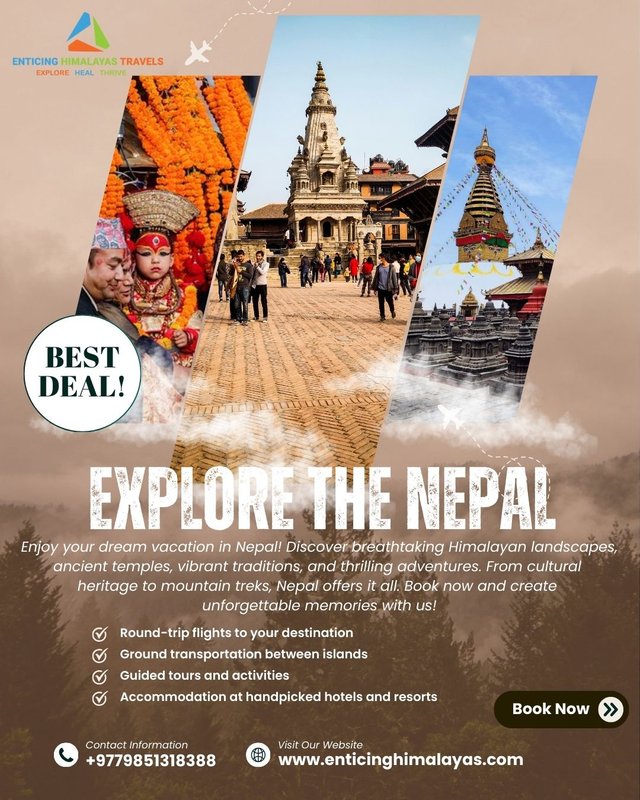
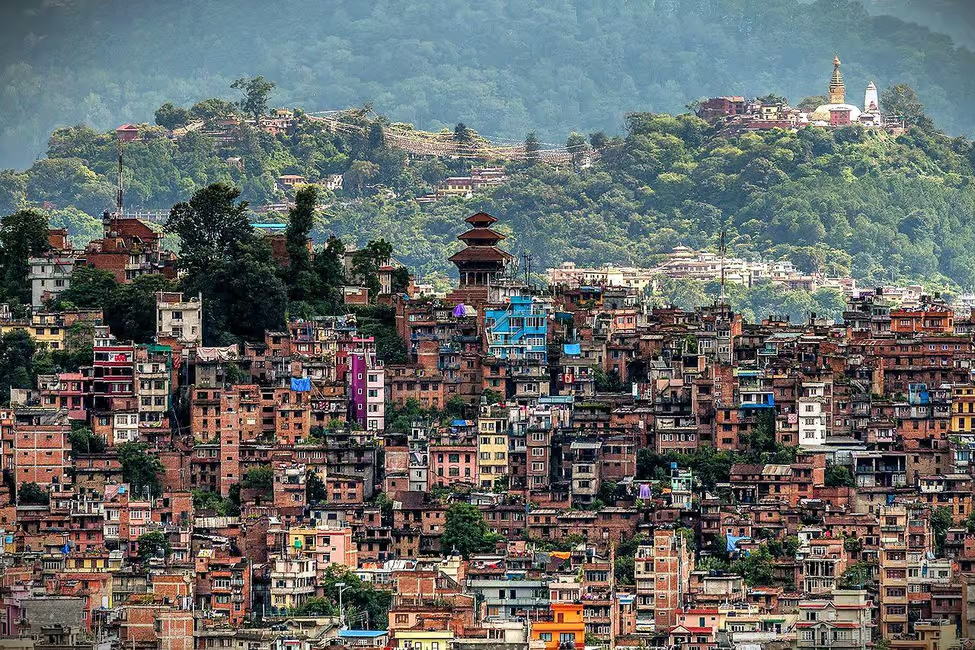
Kathmandu, the capital of Nepal, is a city where medieval palaces stand beside bustling modern streets, where temple bells ring at dawn and incense drifts through narrow alleys lined with spice vendors and silversmiths. The Kathmandu Valley is home to seven UNESCO World Heritage Sites, more per square kilometer than anywhere else on earth, making it one of the most culturally dense travel destinations in the world. From the sacred ghats of Pashupatinath to the monkey temple of Swayambhunath, from the medieval squares of Bhaktapur to the giant eyes of Boudhanath Stupa, Kathmandu offers an overwhelming richness of history, spirituality, and living culture. This complete travel guide covers everything you need to plan your Kathmandu tour, from must-see sites and hidden gems to practical logistics, best times to visit, and recommended itineraries. Explore, Heal, Thrive.
Why Should Kathmandu Be on Every Traveler's Bucket List?
Kathmandu is unlike any other city in the world. It is a living museum where centuries-old traditions continue daily, not as performances for tourists but as genuine expressions of faith and community. The valley was once three separate kingdoms (Kathmandu, Patan, and Bhaktapur), each with its own Durbar Square, palace, and distinct artistic traditions. Today, these three cities merge into a metropolitan area of over 3 million people, yet the ancient heart remains intact. Newar artisans still cast bronze statues using lost-wax techniques unchanged for 500 years. Families still celebrate festivals that predate the medieval period. Sadhus still walk the temple paths. The cuisine, architecture, music, and religious practice of the valley are unique to this place, found nowhere else in such concentration. For travelers, Kathmandu is both a destination in itself and the gateway to the Himalayas, the starting point for treks to Everest, Annapurna, and beyond.
What Are the Seven UNESCO World Heritage Sites in Kathmandu Valley?
The Kathmandu Valley's seven UNESCO World Heritage Sites represent the pinnacle of Newar architecture, Hindu and Buddhist art, and centuries of cultural continuity. Each site is unique and deserves dedicated time.
- Kathmandu Durbar Square: The royal palace complex of the former Kathmandu Kingdom, featuring the Hanuman Dhoka Palace, the Taleju Temple, and the Kumari Bahal where the living goddess (Kumari) resides. Though damaged in the 2015 earthquake, restoration has preserved its essential grandeur.
- Patan Durbar Square: Located in Lalitpur, this is the most artistically refined of the three Durbar Squares, with exquisite stone carvings, the Krishna Mandir temple, and the Patan Museum housed in a former royal palace.
- Bhaktapur Durbar Square: The best-preserved of the three squares, located in the medieval city of Bhaktapur, featuring the 55-Window Palace, the Golden Gate, and the Nyatapola Temple, a five-story pagoda that survived the 2015 earthquake largely intact.
- Swayambhunath (Monkey Temple): An ancient stupa on a hilltop west of Kathmandu, sacred to both Buddhists and Hindus, offering panoramic views of the valley. The site includes shrines, prayer wheels, and a resident population of sacred monkeys.
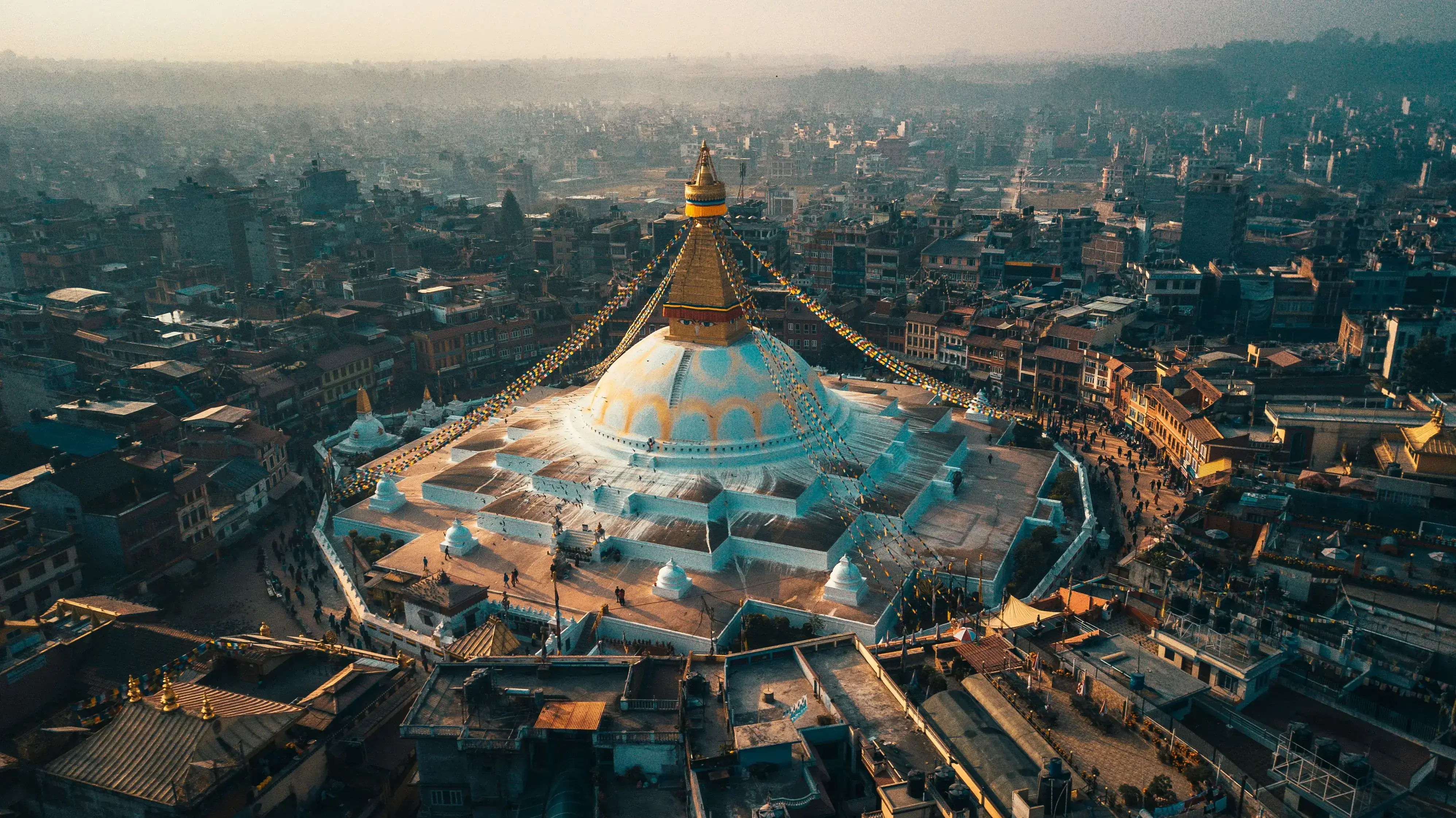
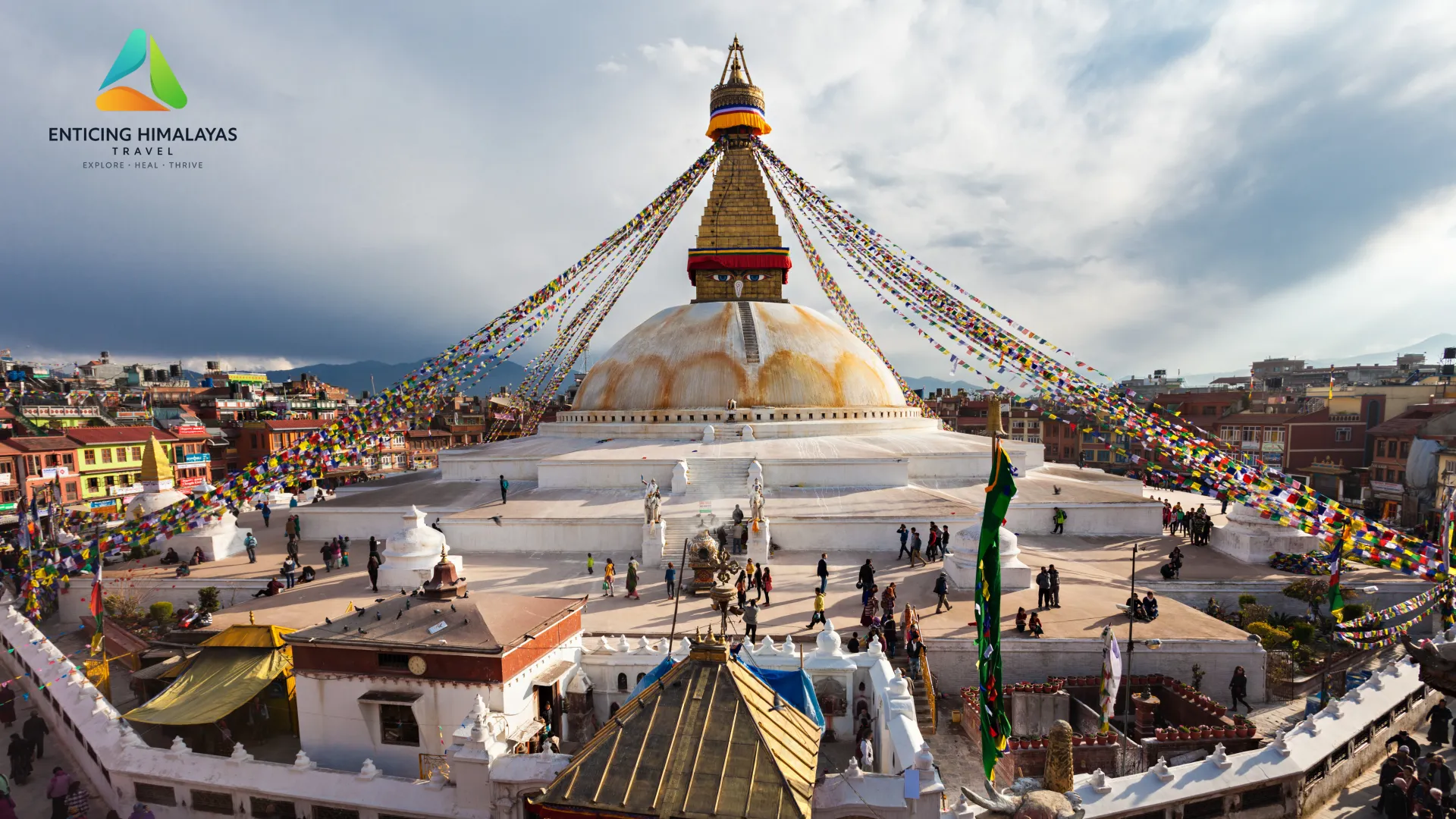
- Boudhanath Stupa: One of the largest spherical stupas in the world, the center of Tibetan Buddhism in Nepal, surrounded by monasteries and shops selling prayer flags, singing bowls, and ritual items.
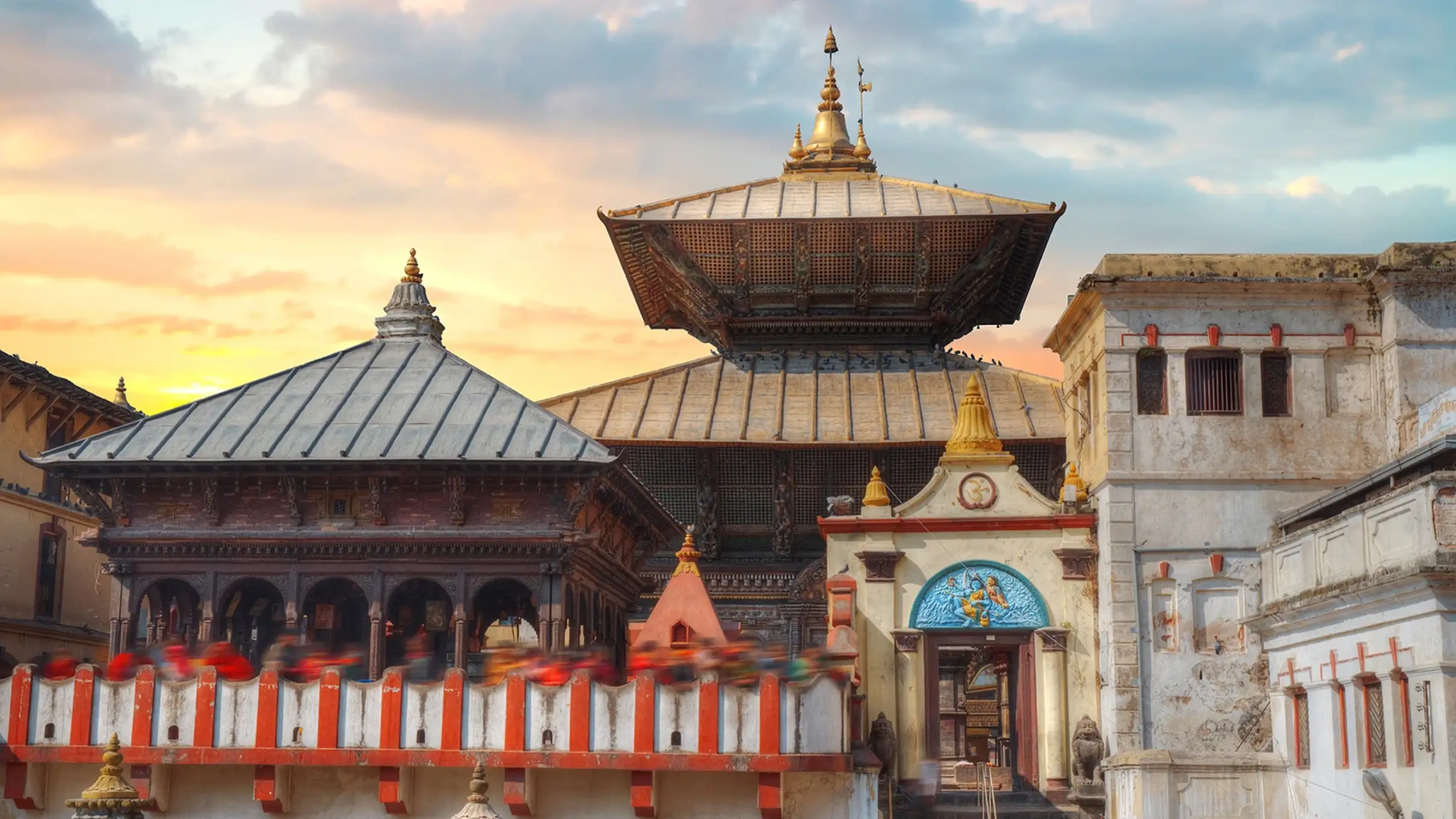
- Pashupatinath Temple: The holiest Hindu temple in Nepal, dedicated to Lord Shiva, located on the banks of the Bagmati River. The complex includes cremation ghats and the site of the daily evening Aarati ceremony.
- Changu Narayan Temple: The oldest Hindu temple still in use in the Kathmandu Valley, dating to the 4th century, located on a hilltop about 22 kilometers east of Kathmandu, featuring intricate stone carvings of Vishnu.
The 7 UNESCO Wonders of Kathmandu (4-Day Cultural Heritage Tour) covers all seven sites in a structured itinerary with expert guides, while the 5-Day Kathmandu Valley Tour adds a Himalayan aerial adventure to the cultural exploration.
Les 7 merveilles de Katmandou inscrites au patrimoine mondial de l'UNESCO : un circuit de 4 jours à la découverte du patrimoine culturel.
Circuit de 5 jours dans la vallée de Katmandou : sites classés au patrimoine mondial de l’UNESCO et aventure aérienne dans l’Himalaya
How Many Days Do You Need for a Kathmandu Tour?
The ideal duration depends on your interests, but a minimum of 3 days allows you to see the major sites without rushing. A one-day tour covers the highlights: Kathmandu Durbar Square, Swayambhunath, Pashupatinath, and Boudhanath, as offered in the Kathmandu Day Tour of Landmarks. Two days lets you add Patan Durbar Square and the Pashupatinath evening Aarati, as in the Kathmandu Spiritual Circuit (2 Days). Three days allows a more relaxed pace, including Bhaktapur and Changu Narayan. Four days, as in the 4-Day Cultural Heritage Tour, covers all seven UNESCO sites comfortably with time for cultural experiences. Five or more days lets you add day trips to Nagarkot for sunrise views, Dhulikhel, Panauti, or Nuwakot, and wellness activities. For travelers combining Kathmandu with other regions of Nepal, the Golden Triangle Nepal Tour (8 Days) adds Chitwan and Pokhara.
What Is the Best Time to Visit Kathmandu in 2026 and 2027?
The best time to visit Kathmandu is during autumn (October to November) when the monsoon has cleared the air, skies are blue, and temperatures are comfortable (15 to 25 degrees Celsius). This is also festival season, with Dashain (October) and Tihar (November) filling the streets with celebration. Spring (March to May) is the second best season, with warm weather, blooming flowers, and clear mountain views in the early mornings. Winter (December to February) brings cold mornings and evenings (2 to 15 degrees Celsius) but clear skies and fewer crowds, making it ideal for photography and unhurried temple visits. Monsoon season (June to September) brings rain, humidity, and cloudy skies, though the valley's temples take on a dramatic atmosphere and the surrounding hills turn lush green. Some travelers specifically enjoy the monsoon for its introspective mood and the Monsoon Magic tour captures this unique experience.
What Are the Best Day Trips from Kathmandu?
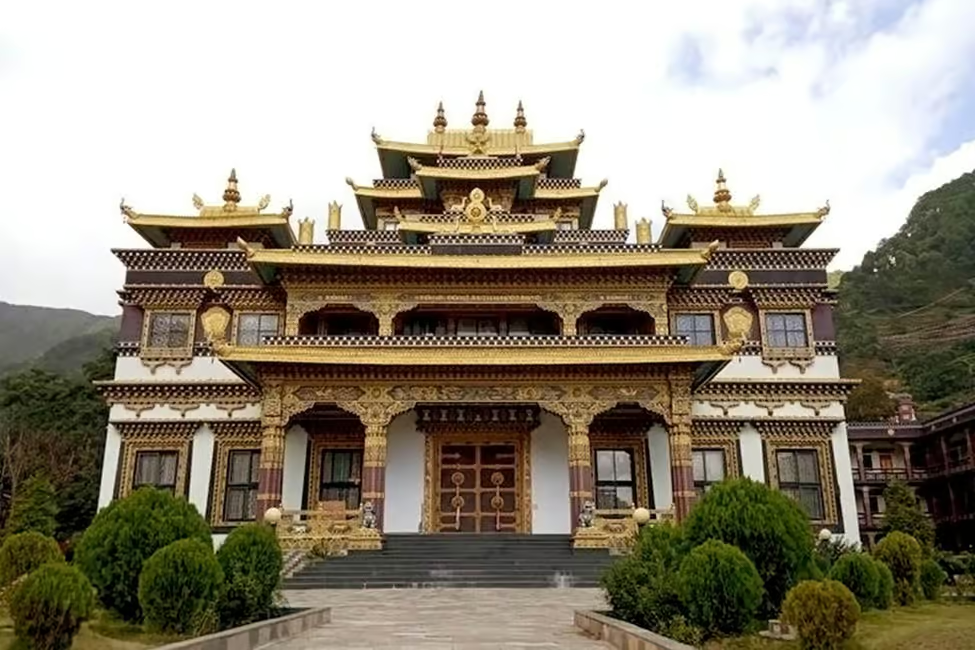
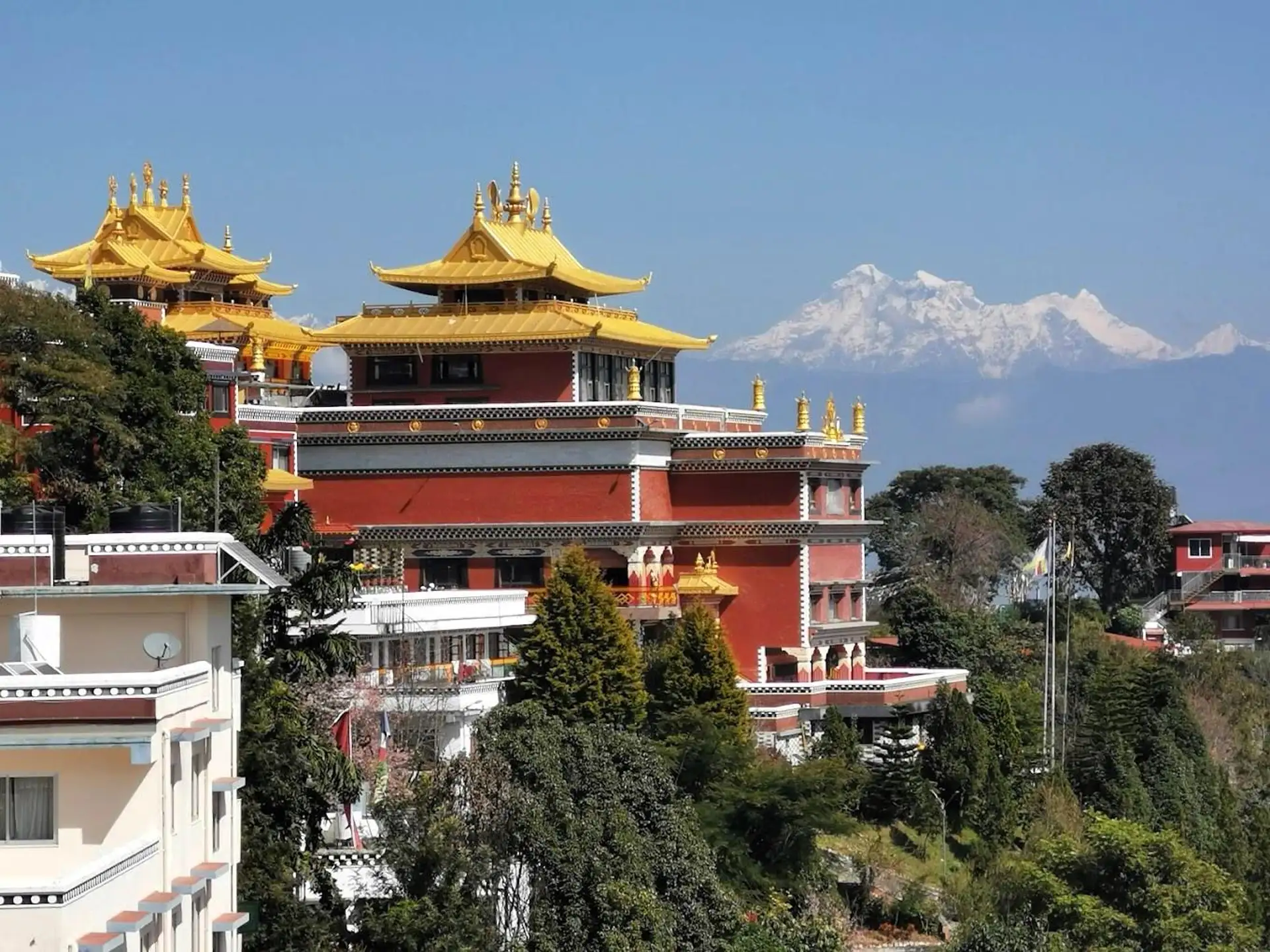
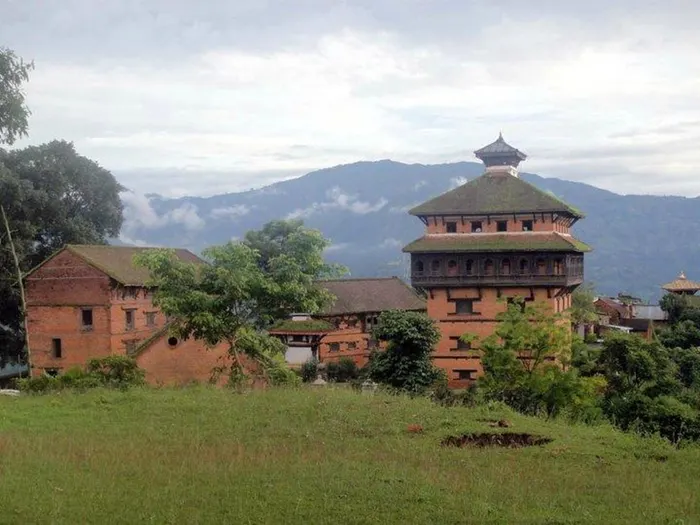
Kathmandu's location in the valley makes it an excellent base for day trips to surrounding hill stations, heritage towns, and natural attractions. Nagarkot, at 2,175 meters, is the most popular sunrise viewpoint, offering views of the Himalayan range from Annapurna to Everest on clear days. Dhulikhel offers a quieter alternative with traditional Newar architecture and mountain views. The Dhulikhel to Namobuddha Spiritual Guided Hike combines a scenic walk with a visit to the Thrangu Tashi Yangtse Monastery. Panauti is a charming medieval town at the confluence of two rivers, with an impressive temple complex. Nuwakot offers the Nuwakot Heritage Hills Tour and the Healing Retreat in a peaceful hill setting. For a unique experience, the Mount Everest Scenic Flight offers a one-hour aerial tour of the Himalayan range, and the Swayambhunath Temples and Scenic Hilltops Bike Tour combines cycling with temple visits.
Where Should You Stay in Kathmandu?
Kathmandu offers accommodation ranging from budget guesthouses to luxury heritage hotels, each area having its own character. Thamel is the tourist hub, packed with hotels, restaurants, trekking shops, and travel agencies, making it convenient but busy. It is ideal for first-time visitors who want everything within walking distance. Lazimpat and Baluwatar offer quieter upscale options near embassies and gardens. Patan (Lalitpur) provides a more artistic, less crowded base with excellent boutique hotels in restored Newar buildings. Bhaktapur is the most peaceful option, a car-free medieval city where you can stay in heritage guesthouses. For those seeking luxury, the 9 Days Nepal Luxury Tour includes premium accommodation. Budget travelers can find comfortable guesthouses from USD 15 to 30 per night, mid-range hotels from USD 50 to 100, and luxury properties from USD 150 to 500. Most tour packages from Enticing Himalayas include accommodation tailored to your budget and preferences, with options to upgrade.
What Should You Eat on a Kathmandu Tour?
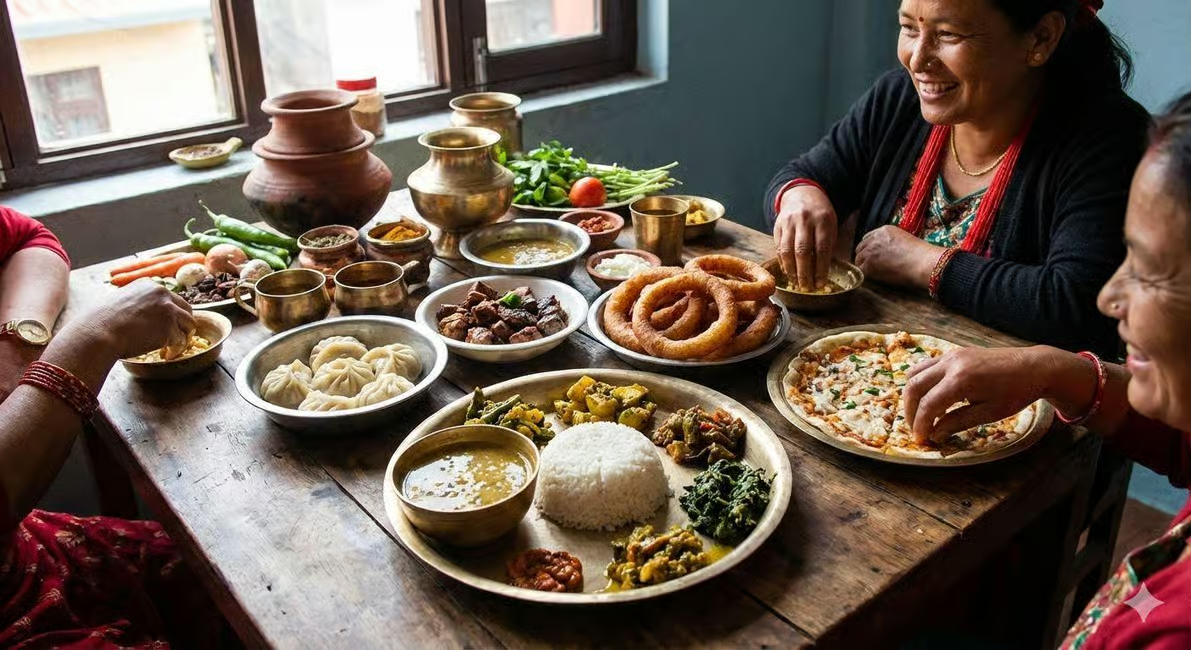
Kathmandu's food scene reflects its cultural diversity, with Newar, Nepali, Tibetan, and international cuisines all well represented. Must-try dishes include momos (dumplings, available steamed or fried with vegetarian or meat fillings), dal bhat (lentil soup with rice, vegetables, and pickles, the Nepali staple), Newari specialties like chatamari (rice flour crepe) and bara (fried lentil patties), and thukpa (Tibetan noodle soup). The Kathmandu and Chitwan 6-Day Food and Culture Tour combines sightseeing with culinary exploration. For a unique experience, the Chitlang Wine Tasting Tour visits a traditional winery outside the city. Thamel has dozens of restaurants serving everything from Nepali thalis to Italian pasta, while local eateries in Patan and Bhaktapur offer more authentic Newari cuisine. Street food is abundant and generally safe at busy stalls, though visitors with sensitive stomachs should stick to cooked items. A traditional Newari feast (bhoye) served on leaf plates is a memorable cultural dining experience.
How Do You Get Around Kathmandu?
Getting around Kathmandu requires some planning, as traffic can be heavy and road conditions vary. Taxis are the most convenient option for tourists, though fares should be negotiated in advance or meters should be used. Ride-hailing apps like Pathao and InDrive operate in Kathmandu and offer transparent pricing. For short distances, cycle rickshaws are available in the tourist areas. Public buses are cheap but crowded and confusing for visitors without Nepali language skills. Most guided tours from Enticing Himalayas include private transportation, which eliminates navigation stress. If you rent a motorcycle or scooter, be aware that traffic flows on the left, road conditions can be challenging, and a valid international license is required. Walking is the best way to explore the old town areas, particularly Durbar Squares, Thamel, and the temple circuits, where narrow alleys are inaccessible to vehicles. The Kirtipur Hidden Treasures City Walk is a great example of a walking exploration.
What Cultural Experiences Should Not Be Missed?
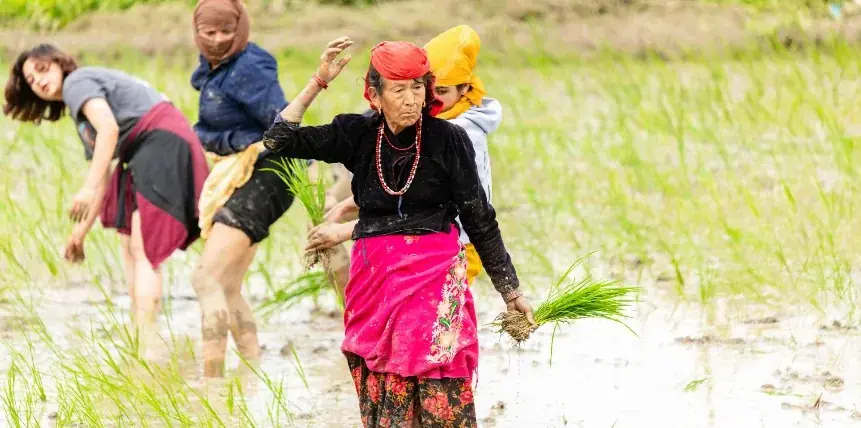
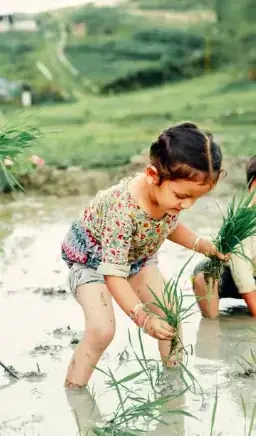
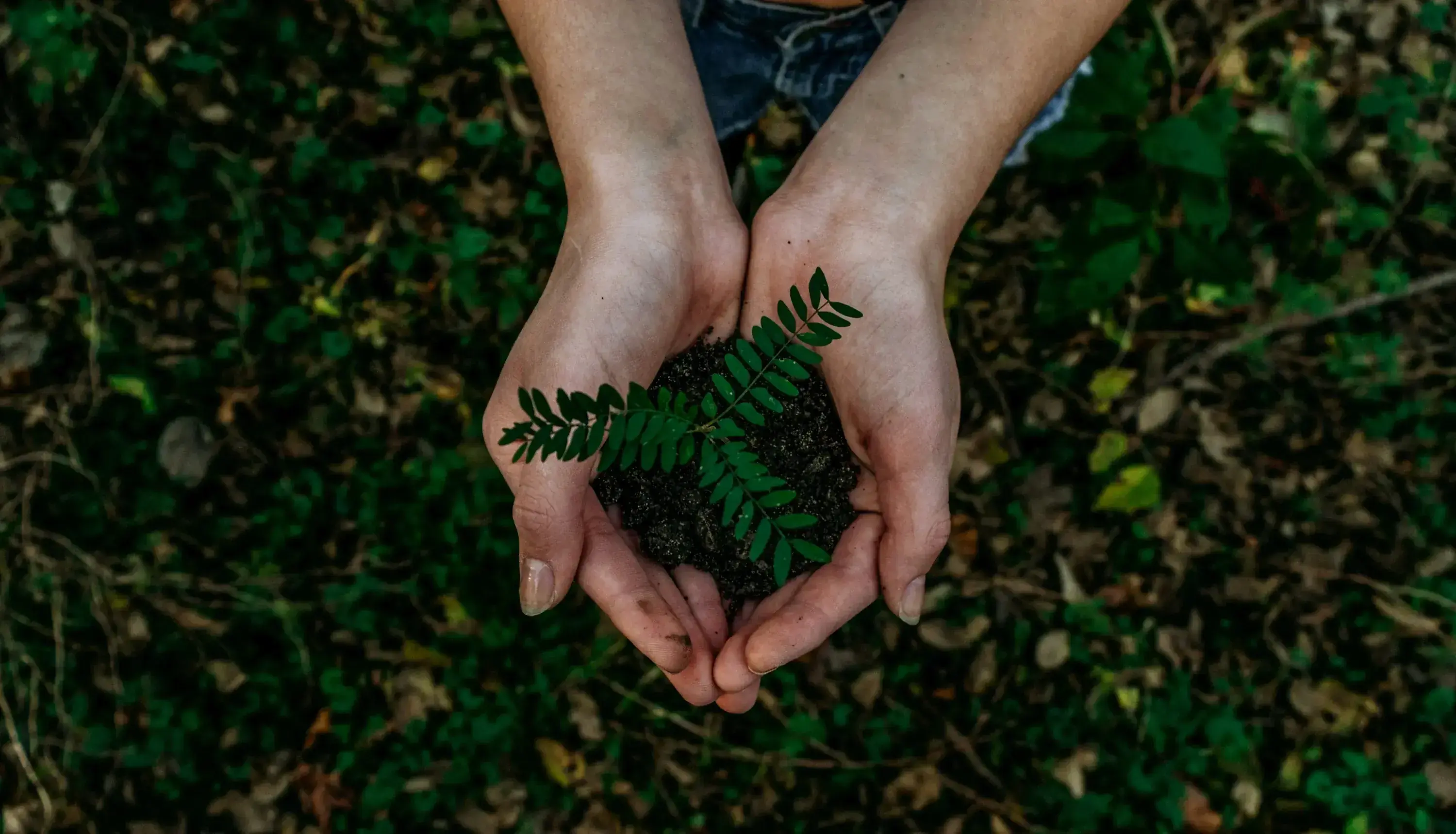
Beyond the monuments and museums, Kathmandu's living culture offers experiences that no building can provide. Attend the evening Aarati at Pashupatinath, where priests perform a fire ceremony on the Bagmati River at sunset. Join the kora (circumambulation) at Boudhanath at dusk, when devotees walk clockwise around the stupa spinning prayer wheels. Visit the Kumari (living goddess) at Kathmandu Durbar Square, where a young girl believed to be the incarnation of the goddess Taleju appears briefly at her window. Experience a traditional Newari feast, served on leaf plates with multiple courses of spiced dishes. Participate in a paddy planting festival for a hands-on agricultural experience. Join a tree planting hike for a carbon-neutral adventure. The Sacred Valleys and Living Goddesses journey offers a curated deep dive into these cultural traditions, and the Nepal Unveiled tour connects the valley's ancient streets with the wider country.
Can You Combine Kathmandu with Wellness and Spiritual Retreats?
Kathmandu is an excellent base for wellness and spiritual retreats, with numerous centers offering yoga, sound healing, Ayurveda, and meditation. A 3-day yoga and sound healing retreat provides a compact introduction to Himalayan wellness practices. The Himalayan sound therapy retreat uses singing bowls and mantras for deep relaxation. For physical recovery, the half-day wellness spa escape and full-day trekkers spa retreat offer massage, steam, and restorative treatments. Longer wellness programs include the 6-day stress management retreat and the 9-day luxury yoga and wellness escape. The valley's spiritual density, with Hindu temples and Buddhist monasteries in close proximity, makes it possible to combine cultural exploration with inner work in a single trip. Explore all healing experiences available in Nepal.

What Should You Pack for a Kathmandu Tour?
Packing for Kathmandu depends on the season and your planned activities. For general sightseeing, comfortable walking shoes with good grip (the temple stones can be slippery), lightweight clothing for daytime, and warm layers for cool mornings and evenings are essential. Modest clothing that covers shoulders and knees is required for temple visits. A light rain jacket is necessary during monsoon (June to September), and a warm jacket is essential in winter (December to February). Sun protection (hat, sunglasses, sunscreen) is important year-round due to the altitude. A reusable water bottle with a filter or purification tablets is recommended, as tap water is not safe to drink. If planning day hikes to Nagarkot or Dhulikhel, bring sturdy hiking shoes and layered clothing. A small daypack, camera, power bank, and hand sanitizer are practical items. Most toiletries and basic supplies are available in Thalem, but bring specific medications and a basic first-aid kit.
What Tour Packages Does Enticing Himalayas Offer for Kathmandu?
Enticing Himalayas offers a wide range of Kathmandu-focused tour packages suited to different durations and interests. The Kathmandu Day Tour of Landmarks covers the four major sites in one day. The 3-Day Kathmandu Heritage Tour provides a more comprehensive cultural experience. The Kathmandu and Nagarkot Heritage Experience adds a sunrise viewpoint. The Sacred Kathmandu Heritage Tour focuses on the spiritual dimension. For travelers who want to see more of Nepal, the 8 Days Nepal Highlights Tour, 7 Days Nepal Heritage and Wildlife, and 6 Days Nepal Cultural, Nature and Himalayan Experience all include Kathmandu as a key stop alongside other regions. Browse the full tour list for more options.
Frequently Asked Questions About Kathmandu Tours
Is Kathmandu safe for tourists?
Yes, Kathmandu is generally safe for tourists. Violent crime is rare, and the tourist areas of Thamel and the Durbar Squares are well-patrolled. Common issues are pickpocketing in crowded markets and scams involving unofficial guides. Use registered taxis, book tours through reputable operators like Enticing Himalayas, and keep valuables secure. Women traveling solo generally report feeling safe, though standard precautions apply, especially at night.
Do I need a visa to visit Kathmandu?
Most nationalities can obtain a visa on arrival at Tribhuvan International Airport. A 15-day tourist visa costs USD 30, a 30-day visa costs USD 50, and a 90-day visa costs USD 125. Bring passport-size photos or have a digital photo ready. You can also apply for an e-visa online before departure. Your passport must be valid for at least six months from the date of entry.
What is the altitude of Kathmandu and will I get altitude sickness?
Kathmandu sits at approximately 1,400 meters above sea level. Altitude sickness is not a concern at this elevation. However, if you plan day trips to Nagarkot (2,175 meters) or longer treks to higher elevations, gradual acclimatization is important. Drink plenty of water, avoid alcohol on the first day, and ascend slowly if heading to higher destinations.
How much does a Kathmandu tour cost?
A one-day guided tour of Kathmandu's major sites costs approximately USD 50 to 100 per person including transportation and a guide. Multi-day packages range from USD 150 for a 3-day budget tour to USD 800 for a luxury 5-day experience. Entrance fees for heritage sites are additional, typically NPR 1,000 to 1,500 per site for foreigners. Group tours are more affordable than private tours.
Can I visit Kathmandu during the monsoon season?
Yes, though you should expect rain and humidity. The monsoon (June to September) brings lush greenery, fewer tourists, and lower prices. Rain typically falls in afternoon showers, leaving mornings clear for sightseeing. The temples take on a dramatic atmosphere, and the valley's surrounding hills are at their most beautiful. Bring a rain jacket, waterproof shoes, and a waterproof bag for electronics.
What language is spoken in Kathmandu?
Nepali is the official language, but the Kathmandu Valley is linguistically diverse. The native Newar people speak Newari (Nepal Bhasa), and many residents speak Tamang, Gurung, or other languages. English is widely spoken in tourist areas, hotels, restaurants, and by guides. Most signage in tourist zones is in English and Nepali. Learning a few Nepali phrases like namaste (hello) and dhanyabad (thank you) is appreciated.