1. Getting Around: The Digital Shift
The days of stressful haggling for taxis are quickly fading. The rise of ride-sharing apps has made navigating urban centers like Kathmandu and Pokhara much smoother.
Why use apps? Platforms like Pathao, InDrive, and Yango have changed the game.
They offer transparent pricing and essential safety features like real-time GPS tracking and trip sharing. The "Pro" Move: If you're traveling solo, booking a motorcycle ride is the local secret for weaving through Kathmandu’s notorious traffic.
It’s fast, affordable, and an exhilarating way to see the city. Going Cashless: While Nepal remains a cash-heavy economy, many of these apps now support digital payments. However, always keep some Nepali Rupees (NPR) on hand for small shops and local markets where cards aren't accepted.
2. Essential Travel Tips for a Smooth Trip
Cultural Connection: A simple "Namaste"—said with palms pressed together at your chest—is the most respectful way to greet anyone.
Nepal is a deeply spiritual, conservative society; dress modestly, especially when visiting temples or rural villages. Health & Hydration: Stick strictly to bottled, boiled, or filtered water.
If you’re trekking, a portable filter bottle is an excellent, eco-friendly companion. A Major Update for Trekkers: As of March 2026, the government has updated its policy on restricted areas.
You can now trek solo in previously restricted regions—such as Manaslu, Upper Mustang, and Dolpo—provided you hire a licensed local guide through a registered agency. This balances your desire for independence with essential safety and local expertise. Breathe Easy: In the dustier corners of the Kathmandu Valley, carrying a simple mask or buff makes a world of difference for your comfort.
Digital Arrival: You can now fill out your visa forms online before you arrive, helping you skip the long queues at the airport.
3. Must-Visit Destinations & Experiences
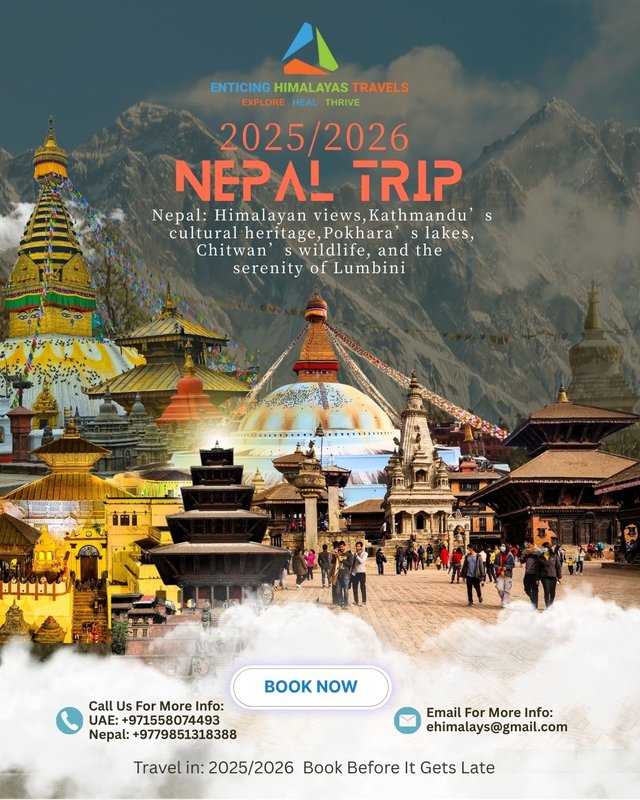
Kathmandu Valley: Dive into the history of Durbar Squares and the spiritual energy of Pashupatinath and Swayambhunath. Remember to carry a photo ID for potential heritage site visitor passes.
Pokhara: The gateway to the Annapurnas is perfect for those who want a blend of adventure and "slow living." It’s the ultimate place to recharge by the lake.
Wildlife Wonders: Chitwan and Bardiya National Parks are spectacular for spotting rhinos and tigers in their natural habitats.
The Flavor of Nepal: Do not leave without sitting down for Dal Bhat. It’s more than just a meal of lentil soup and rice—it’s the national fuel. Pro tip: in many local spots, you can ask for free refills until you're perfectly satisfied.
4. Timing Your Journey
While the spring (March–April) and autumn (October–November) months remain the "gold standard" for clear Himalayan views, Nepal’s charm is year-round.
A quick note for 2026: Because Nepal is becoming increasingly popular with regional travelers during public holidays, popular hubs like Pokhara and Chitwan can get quite busy. If you're traveling during peak windows, booking your accommodation a little ahead of time will give you peace of mind.
A Final Thought: Nepal is a country that rewards the "slow traveler." Infrastructure has improved significantly, but the heart of the country still beats at its own pace. Embrace the occasional unexpected turn, keep an open mind, and you’ll find that the journey in Nepal is just as meaningful as the destination itself.
Are you planning a specific trekking route, or are you looking for more tips on the best cultural neighborhoods to stay in while you're in Kathmandu?