Loading...
12 days
1 Option Available
Nar Phu Valley Trek: 12-Day Hidden Valley & Kang La Pass
Country
Annapurna Region, Nepal
Duration
12 days
Group size
Flexible group size
Difficulty
moderate
0(0 reviews)
Annapurna Region, Nepal
Tour Description
Nar Phu Valley Trek: Explore Nepal’s Hidden Himalayan Valleys
Introduction to the Nar Phu Valley Trek
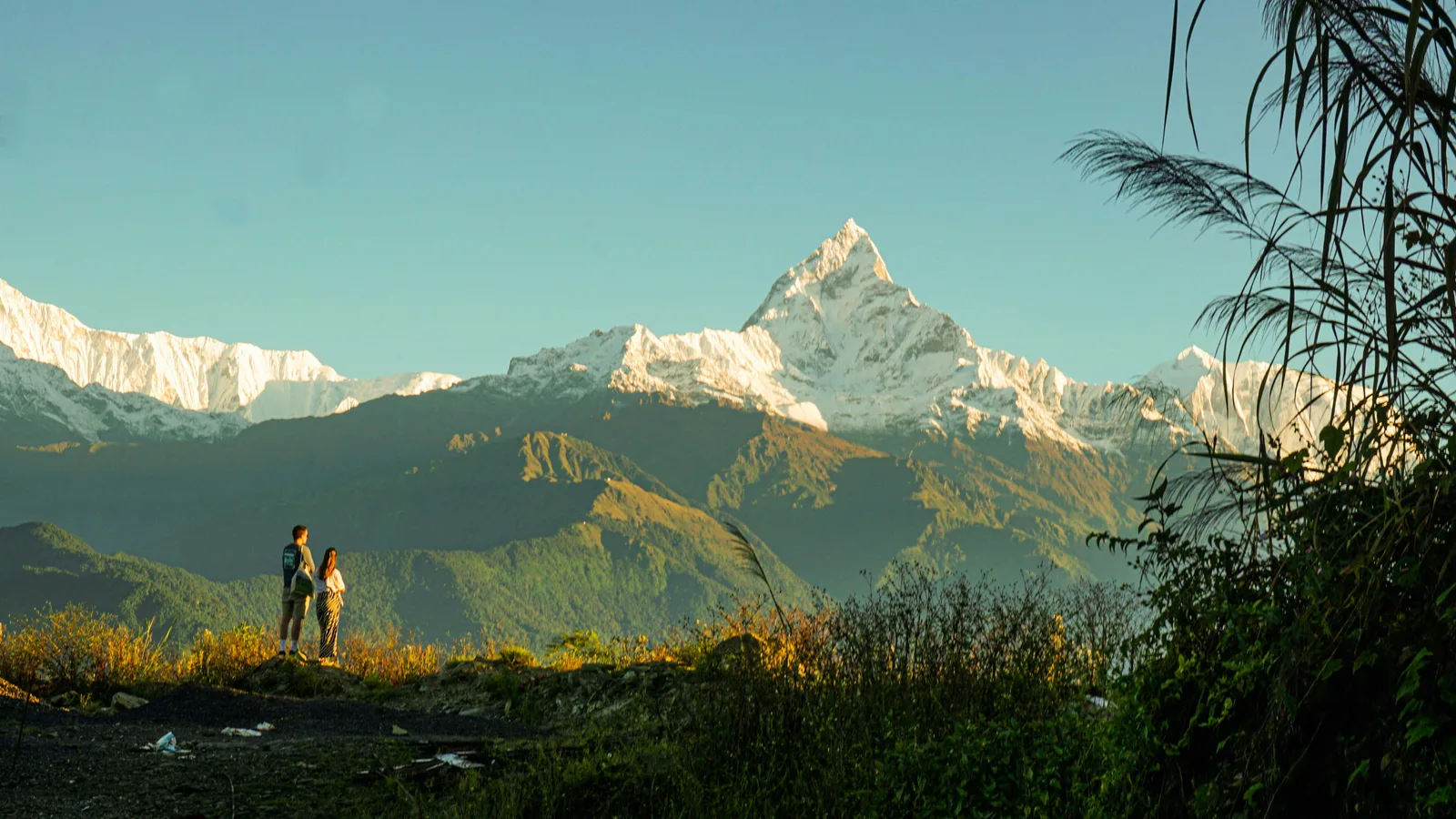
The Nar Phu Valley Trek is one of the most extraordinary trekking experiences in Nepal, offering a rare opportunity to explore remote Himalayan landscapes, ancient Tibetan-influenced villages, traditional Buddhist culture, and spectacular mountain scenery. Located in the northern part of the Annapurna region, near the Tibetan border, the Nar and Phu valleys remain among the less-explored destinations in Nepal. These secluded valleys were closed to foreign trekkers until 2003, and access continues to be regulated through restricted-area permits and trekking requirements. Unlike the busier trails of the Annapurna Circuit, Nar Phu provides a quieter atmosphere where traditional stone houses, centuries-old monasteries, yak pastures, and dramatic mountain cliffs define the landscape. The region is especially attractive to travelers who want to experience authentic Himalayan life rather than simply walk between popular trekking settlements. With the impressive Kang La Pass reaching approximately 5,320 meters, the trek combines cultural discovery, physical adventure, and breathtaking high-altitude scenery into one memorable journey.
Discover the Hidden Beauty of Nar and Phu Valleys
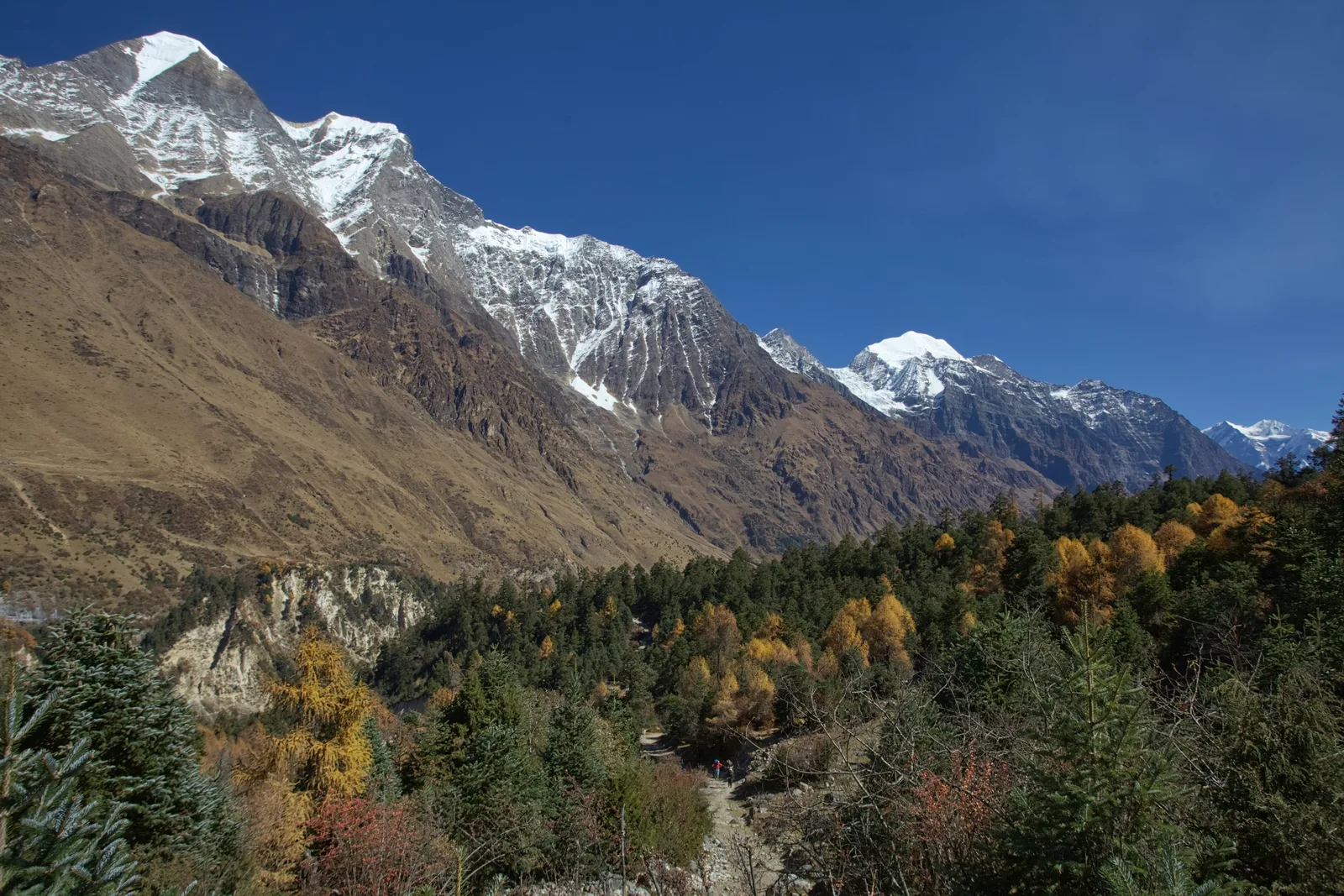
Nar and Phu are two distinctive Himalayan valleys that offer different perspectives on traditional mountain life. Their remote location, challenging geography, and cultural heritage have helped preserve an atmosphere that feels far removed from modern city life. The journey into these valleys takes trekkers through narrow gorges, rocky landscapes, pine forests, suspension bridges, and high-altitude settlements surrounded by enormous Himalayan walls.
Phu Valley is particularly fascinating because of its traditional architecture and dramatic setting. The village features closely grouped stone houses, agricultural terraces, prayer flags, and ancient cultural sites that reflect generations of mountain living. The surrounding landscape includes rugged cliffs, open pastures, and views of the high Himalayan terrain. Walking through Phu allows visitors to appreciate how communities have adapted their lifestyles to limited farmland, cold weather, and geographical isolation.
Nar Valley offers another perspective on Himalayan culture. Its traditional settlements, agricultural fields, and mountain surroundings reveal the relationship between local communities and their environment. Residents have historically depended on livestock, farming, trade, and seasonal activities for their livelihoods. Visitors may observe traditional building techniques, local clothing, and everyday practices that differ from those found in Nepal’s more developed trekking destinations.
The peaceful atmosphere is one of the strongest attractions of the Nar Phu Valley Trek. Although visitor numbers vary by season, the restricted status and remote location help distinguish the region from heavily traveled routes. For travelers who appreciate cultural authenticity, beautiful landscapes, and meaningful encounters with local communities, these valleys offer a particularly rewarding Himalayan experience.
Why Choose the Nar Phu Valley Trek?
The Nar Phu Valley Trek is ideal for travelers who want something more adventurous and culturally immersive than a conventional Himalayan trekking holiday. Its appeal comes from the combination of remote geography, traditional settlements, high mountain scenery, and the opportunity to experience a less-commercialized part of the Annapurna region.
Some of the main reasons to choose this trek include:
Remote Himalayan landscapes: Explore secluded valleys, deep gorges, rugged cliffs, and high-altitude pastures.
Traditional Tibetan-influenced culture: Discover distinctive architecture, local customs, Buddhist heritage, and mountain lifestyles.
Ancient villages: Experience the remarkable settlements of Phu and Nar, where traditional stone houses remain an important feature of the landscape.
Kang La Pass adventure: Experience a challenging high-altitude crossing with impressive views of the surrounding Himalayan mountains.
Peaceful trekking experience: Enjoy a route that generally receives fewer trekkers than the main Annapurna Circuit.
Cultural discovery: Learn about the connections between mountain communities, Buddhist traditions, agriculture, and livestock herding.
A sense of exploration: Travel through a region where geographical isolation has helped preserve distinctive local traditions.
The trek is especially suitable for people who enjoy walking in remote environments, learning about local cultures, and experiencing the mountains beyond the most familiar tourist destinations.
Kang La Pass and the Spectacular Annapurna Mountains
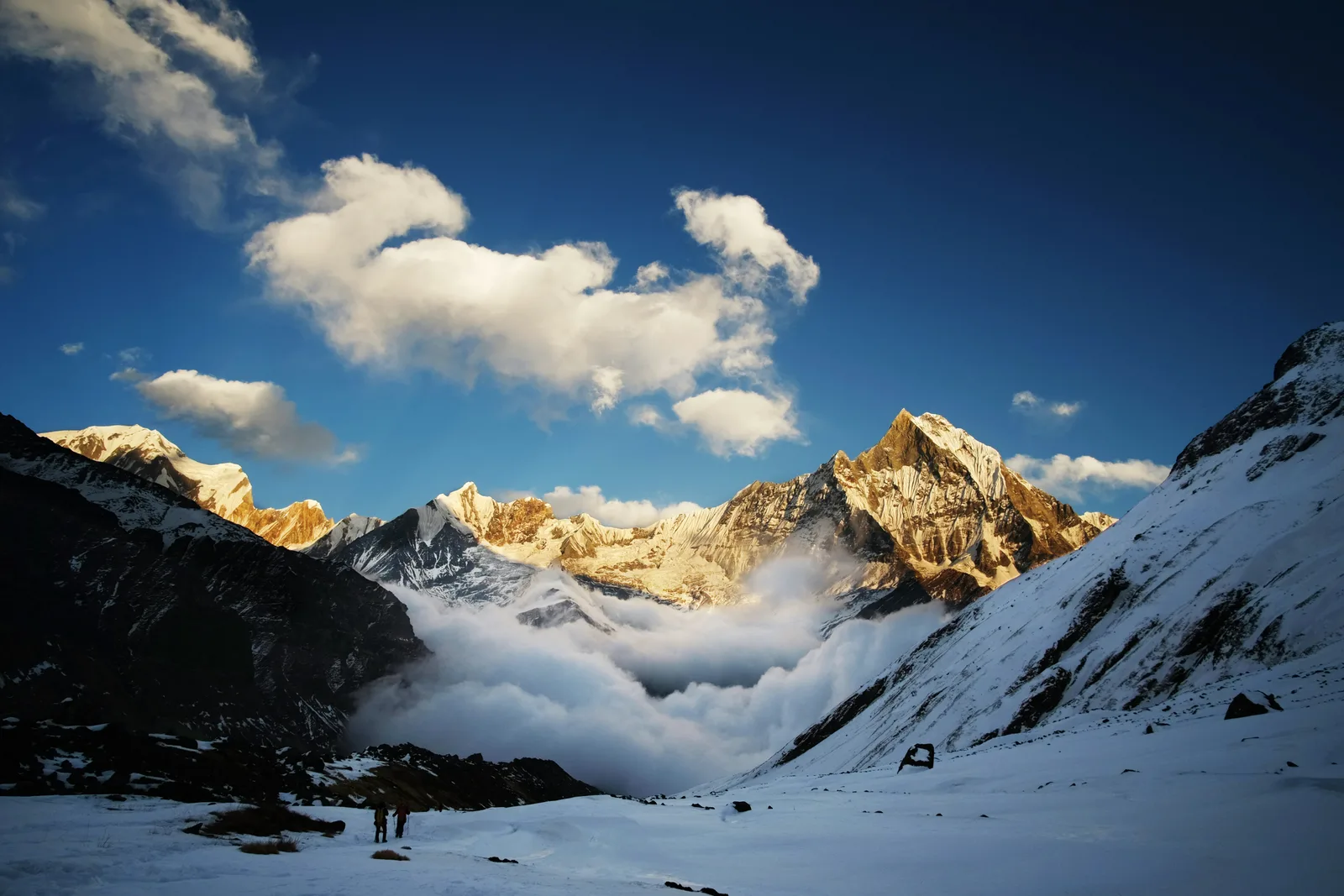
One of the defining features of the Nar Phu Valley Trek is Kang La Pass, which stands at approximately 5,320 meters above sea level. This high mountain crossing connects the Nar Phu region with the Annapurna Circuit side of the Himalayas and provides an unforgettable challenge for prepared trekkers.
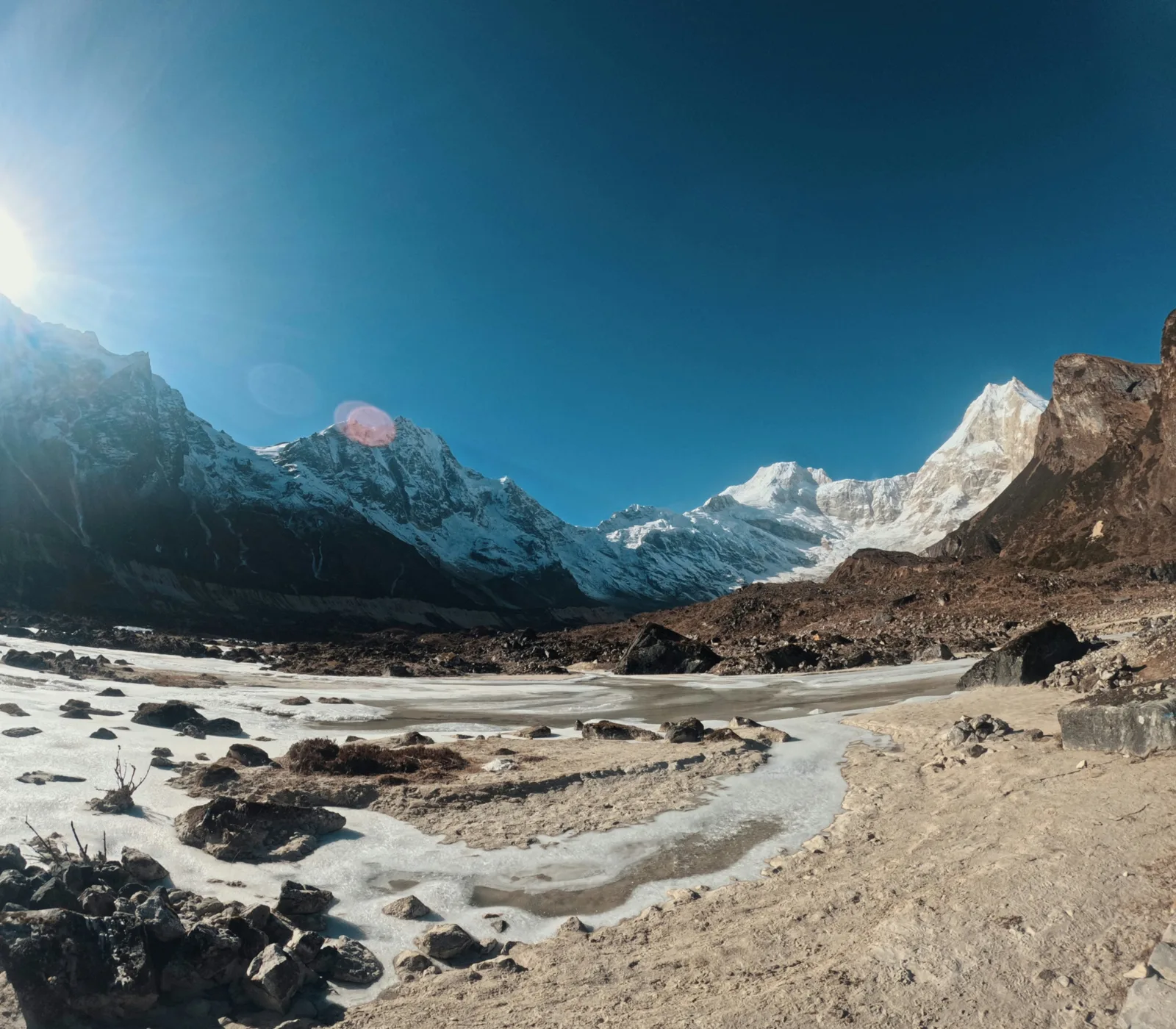
As the trail approaches the pass, the landscape becomes increasingly rugged. Green vegetation gradually gives way to rocky slopes, alpine terrain, snow-covered ground, and expansive mountain views. Depending on the season and weather, trekkers may encounter snow, icy sections, strong winds, and cold temperatures. These conditions make appropriate equipment, careful planning, and experienced guiding particularly important.
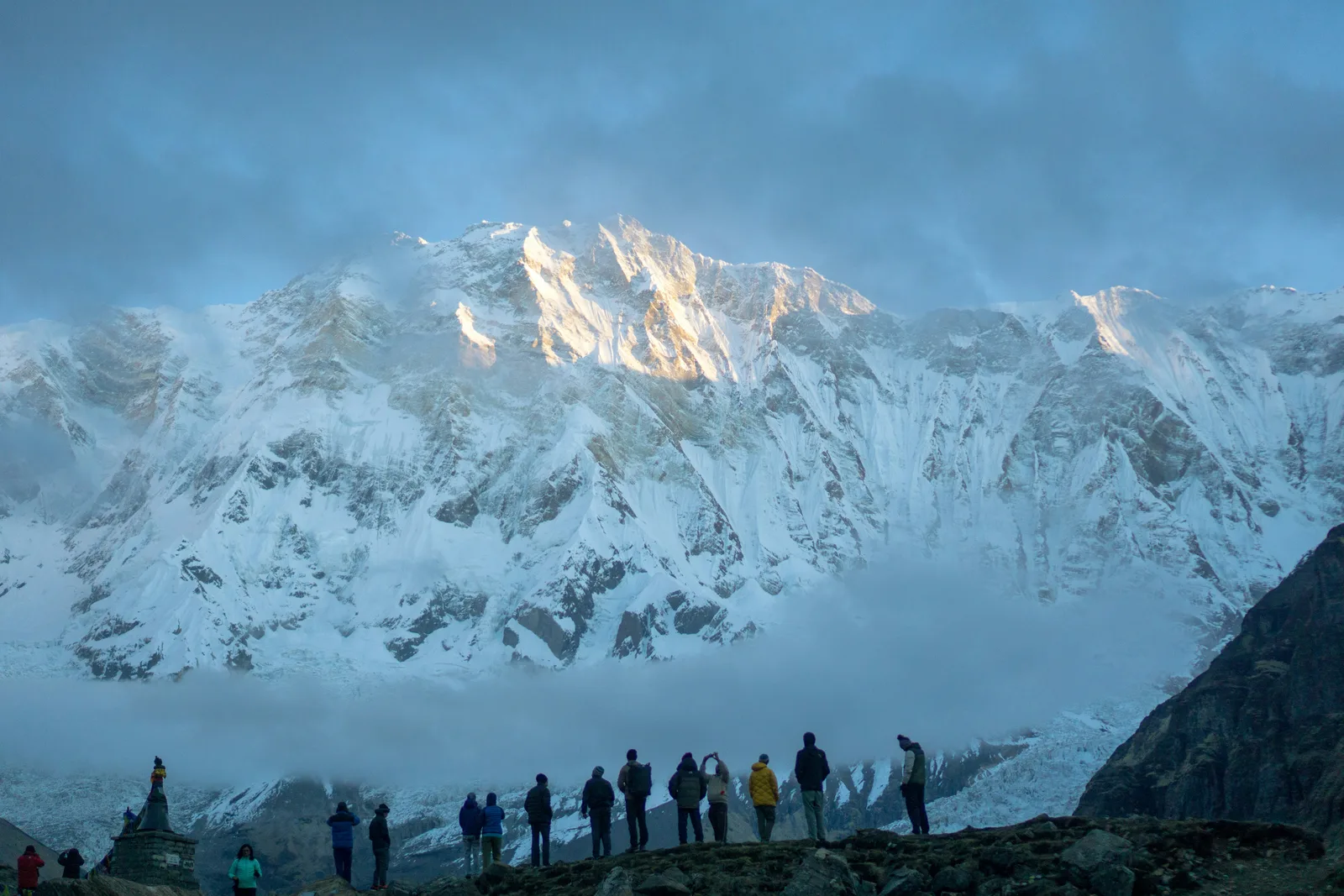
From the pass, clear weather can reveal impressive views of the surrounding Annapurna region, including prominent peaks and deep valleys. The changing perspectives of the mountains make the crossing a highlight for photography enthusiasts and experienced hikers alike.
However, Kang La is not simply a viewpoint. Reaching the pass requires physical endurance, good preparation, and respect for high-altitude conditions. The thin air can make even moderate physical activity feel exhausting, and weather can change rapidly. Trekkers should follow their guide’s instructions and avoid attempting the crossing when conditions are unsafe.
The reward is the experience of standing high above the surrounding valleys, surrounded by an immense Himalayan landscape that demonstrates the scale and beauty of Nepal’s mountain environment.
Cultural Heritage and Buddhist Traditions
The cultural experience is just as important as the scenery on the Nar Phu Valley Trek. The communities of Nar and Phu have strong historical and cultural connections with Tibetan Buddhism and the trans-Himalayan region. Their traditions have developed through generations of adaptation to high-altitude living, seasonal weather, and geographical isolation.
Buddhist monasteries, prayer wheels, chortens, mani walls, and colorful prayer flags are visible reminders of the region’s spiritual heritage. These features are not merely decorative elements; they are part of the religious practices and daily lives of local communities. Visitors may encounter residents visiting sacred sites, spinning prayer wheels, or maintaining traditional religious structures.
Local architecture also tells an important story. Stone houses are designed to withstand harsh weather, while their compact arrangements help communities live in a demanding mountain environment. Terraced fields and livestock enclosures demonstrate how residents use limited land and natural resources.
Travelers should approach these cultural experiences with respect and curiosity. Asking permission before taking photographs, removing shoes when required, dressing appropriately around monasteries, and following local guidance are simple ways to demonstrate consideration.
The region also has seasonal celebrations and community traditions, although the timing and nature of local events can vary. Visitors should not assume that a particular festival will take place during their visit. Learning about local customs directly from residents or a knowledgeable guide can make the journey more meaningful.
Traditional Mountain Lifestyle and Local Communities
Life in Nar and Phu is closely connected to the surrounding natural environment. The short agricultural season, cold winters, limited transportation access, and high elevation influence nearly every aspect of daily life. Families have traditionally depended on crops suited to the climate, livestock, and seasonal trade to support their households.
Barley, potatoes, and other hardy crops are important in many high-altitude Himalayan communities. Livestock, including yaks and yak-cattle crossbreeds in suitable areas, can provide transport, milk, meat, and other essential resources. These activities reflect a way of life shaped by generations of experience in a demanding landscape.
The architecture, clothing, food, and community relationships of the region reflect its distinctive cultural background. Although modern influences continue to reach remote villages, many traditional practices remain important to local identity.
Visitors can contribute positively to these communities by choosing locally operated accommodation when available, purchasing goods responsibly, hiring qualified local guides through registered agencies, and respecting the privacy of residents. Responsible tourism can create economic opportunities while encouraging the preservation of cultural heritage.
The Nar Phu Valley Trek is therefore more than an outdoor adventure. It is an opportunity to understand how people live, work, and maintain cultural traditions in one of Nepal’s most remote mountain environments.
Best Time to Experience the Nar Phu Valley Trek
The most popular seasons for trekking in the Annapurna region are generally spring and autumn. These periods often offer more favorable conditions for mountain walking, although weather and trail conditions can vary from year to year.
Spring, from March to May, brings changing mountain landscapes, longer daylight hours, and generally improving conditions as the season progresses. Lower sections of the route may become warmer, while high elevations can remain cold and snowy. Spring can be attractive for trekkers who enjoy the transition from winter conditions to the more active mountain season.
Autumn, from September to November, is another preferred period. After the monsoon season, skies are often clearer, and mountain visibility can be excellent. Daytime trekking conditions may be pleasant, although temperatures drop considerably at night and at higher elevations.
Summer overlaps with the monsoon season in Nepal. Rain can affect lower trails, road access, and landslide-prone areas, while winter may bring severe cold and heavy snow around Kang La Pass. The pass may become difficult or unsafe to cross during unfavorable conditions.
Before choosing travel dates, trekkers should consider:
Seasonal weather and current mountain forecasts.
Snow and ice conditions around Kang La Pass.
Road accessibility and transportation arrangements.
Availability of local accommodation.
Personal trekking experience and altitude tolerance.
A flexible schedule is valuable because conditions in the Himalayas can change unexpectedly.
Restricted-Area Permits and Trekking Regulations
The Nar Phu Valley Trek requires more preparation than many standard trekking routes in Nepal because the region is designated as a restricted area. Foreign trekkers generally need a Nar Phu Restricted Area Permit, an appropriate Annapurna Conservation Area Permit, and a licensed guide arranged through a registered trekking agency.
Restricted-area regulations generally require foreign visitors to travel in a group of at least two trekkers, excluding the guide, subject to current rules and any applicable exceptions. Permit fees depend on the applicable regulations, the season, and the duration of the stay inside the restricted area.
Travelers should verify all requirements before departure rather than relying on older permit prices or outdated information. A registered agency can help arrange the necessary documents, coordinate transportation, organize accommodation, and provide guidance about route conditions.
Important preparations include:
Carrying a valid passport and any required supporting documents.
Confirming the latest permit fees and application requirements.
Booking a licensed guide through a registered trekking agency.
Checking whether the planned route complies with current restrictions.
Confirming accommodation, meals, and transportation arrangements.
Keeping copies of essential travel documents.
These arrangements help travelers focus on the trekking experience while ensuring that their visit complies with local regulations.
Accommodation and Food in the Nar Phu Region
Accommodation in Nar and Phu is generally simpler than in the more developed sections of the Annapurna Circuit. Depending on the settlement and availability, trekkers may stay in basic teahouses, small lodges, or locally operated accommodation. Facilities can be limited, and travelers should prepare for a more rustic experience than they might find in major trekking centers.
Meals commonly include familiar Nepali staples such as dal bhat, rice, lentils, vegetable dishes, noodles, potatoes, soups, and tea. Food choices may become more limited in remote locations because supplies must be transported over difficult terrain. Carrying suitable snacks can be helpful during long walking days.
Warm clothing and a suitable sleeping bag are important because indoor temperatures can be low, particularly at higher elevations. Travelers should also carry a reusable water bottle and use a reliable method of treating drinking water.
The simplicity of the accommodation is part of the character of this remote trek. It encourages visitors to appreciate the essentials, interact with local hosts, and experience a side of Himalayan travel where comfort is secondary to cultural discovery and natural beauty.
Fitness, Preparation, and Trekking Safety
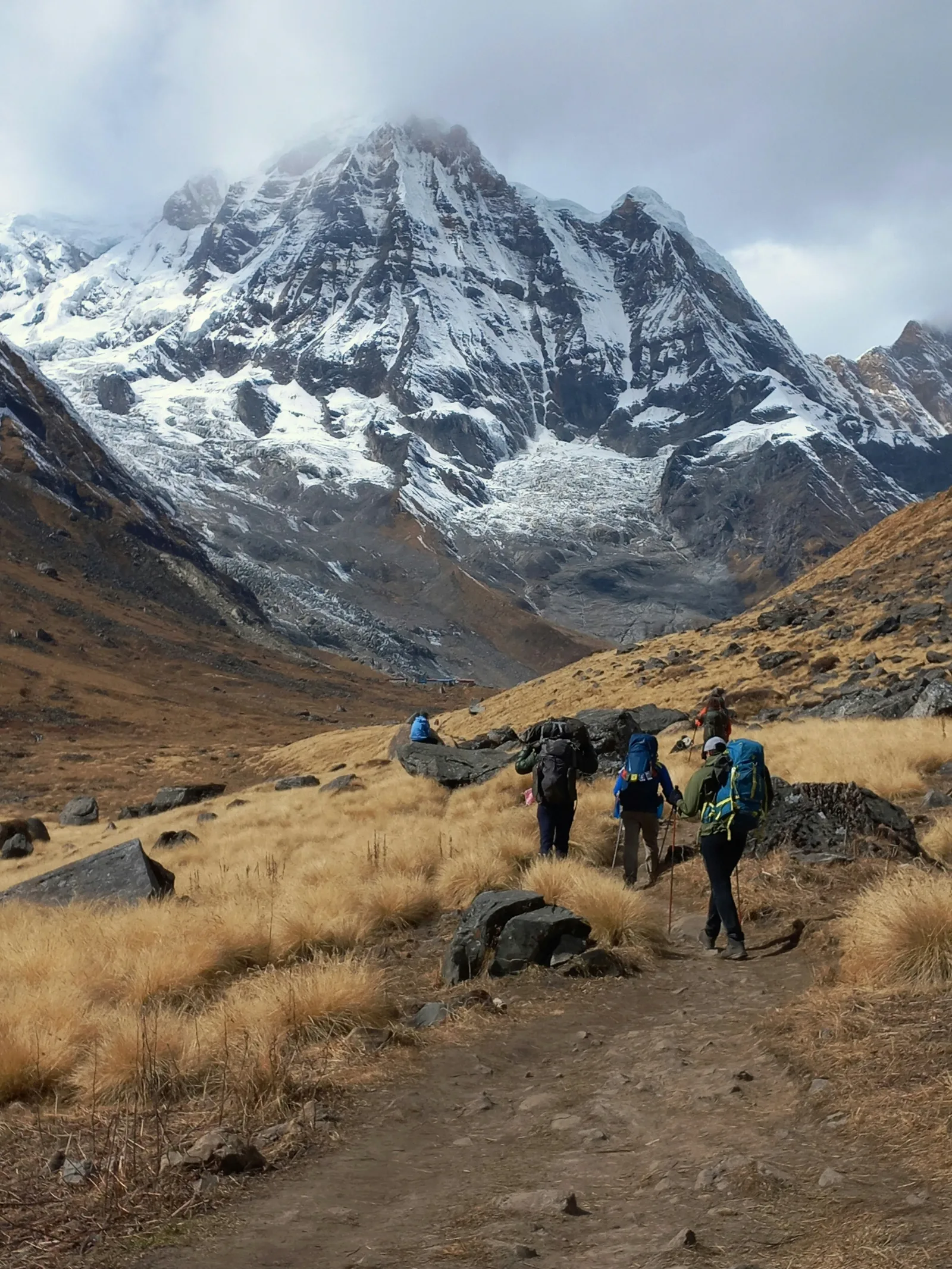
The Nar Phu Valley Trek is physically demanding and is best suited to travelers with good fitness and preferably some previous trekking experience. Long walking days, steep climbs, uneven paths, high elevations, and the Kang La crossing require endurance and careful preparation.
Regular hiking, uphill walking, stair climbing, and cardiovascular exercise can help improve fitness before departure. Training should also include walking with a daypack so the body becomes accustomed to carrying essential equipment.
Altitude awareness is particularly important. Sleeping at lower elevations than the highest point crossed does not eliminate the risk of altitude sickness. Symptoms can develop even in fit travelers, and ascending too quickly can increase the danger.
Trekkers should be alert to headaches, nausea, dizziness, unusual fatigue, and other symptoms that may indicate altitude-related illness. Severe or worsening symptoms require immediate medical attention and descent when appropriate. Never continue ascending when experiencing suspected altitude sickness.
Useful safety practices include:
Allowing enough time for acclimatization.
Following the guidance of an experienced trekking guide.
Carrying appropriate cold-weather and waterproof clothing.
Checking weather forecasts before high-pass crossings.
Staying hydrated and eating regularly.
Keeping emergency contacts and essential medication accessible.
Being prepared to adjust plans when conditions become unsafe.
Preparation improves comfort, but it cannot remove every risk associated with high-altitude trekking.
What Makes Nar Phu a Responsible Travel Destination?
Because Nar Phu is culturally distinctive and environmentally sensitive, responsible travel should be an essential part of every visit. The region’s remote location means that waste management, transportation, and access to supplies can be challenging. Visitors should minimize their environmental impact and avoid leaving rubbish along the trail or near settlements.
Travelers can support sustainable tourism by using reusable water bottles, limiting single-use packaging, respecting local wildlife, and following designated trails. Supporting local accommodation and businesses where possible can help tourism benefits reach the communities that host visitors.
Cultural respect is equally important. Sacred buildings and religious objects should be treated carefully, and visitors should follow local instructions about photography and appropriate behavior. Travelers should also remember that villages are homes, not simply attractions, and that residents deserve privacy.
For people interested in discovering additional outdoor experiences across Nepal, the outdoor adventures and cultural activities in Nepal offer more opportunities to connect with the country’s landscapes and communities.
Who Should Choose the Nar Phu Valley Trek?
The Nar Phu Valley Trek is particularly suitable for travelers who enjoy remote destinations, cultural exploration, and challenging mountain landscapes. It is an appealing option for experienced hikers seeking an alternative to heavily visited Himalayan trails, as well as culturally curious travelers who want to learn more about traditional communities.
The trek may be less suitable for visitors who prefer luxury accommodation, easy walking, reliable road access throughout the journey, or a highly flexible independent itinerary. Restricted-area regulations, basic facilities, and the high mountain crossing require a willingness to adapt.
Travelers considering other trekking experiences can explore the 14-day Budget Annapurna Circuit Trek via Thorong La for a classic Himalayan circuit experience. For a shorter mountain adventure, the 5-day Mardi Himal Trek from Pokhara provides a different perspective on the Annapurna region.
More destination inspiration and travel experiences are available through Enticing Himalayas, helping travelers discover the landscapes, culture, and adventures that make Nepal special.
Conclusion: Experience the Untouched Beauty of Nar Phu Valley
The Nar Phu Valley Trek offers a rare combination of remote Himalayan scenery, traditional Tibetan-influenced settlements, Buddhist heritage, and challenging high-altitude adventure. From the ancient stone houses of Phu and Nar to the dramatic landscapes surrounding Kang La Pass, the region reveals a distinctive side of Nepal that many travelers never experience. Its restricted status, basic facilities, and demanding terrain require careful preparation, but these characteristics also contribute to its appeal for those seeking a quieter and more culturally immersive journey.
With appropriate permits, a licensed guide, suitable fitness, and respect for local traditions, travelers can explore the valleys while helping protect their cultural and natural heritage. For anyone interested in discovering Nepal beyond its busiest trekking routes, Nar Phu is an unforgettable destination that combines adventure, cultural understanding, and the extraordinary beauty of the Himalayas.
Highlights
What's Included
What's Not Included
Not Suitable For
Important Information
What to Bring
Know Before You Go
Not Allowed
Detailed Itinerary
Day 1Arrive Kathmandu, permit application
A driver meets you at the airport and takes you to your hotel in Kathmandu for check-in. In the afternoon, your guide takes you to the Immigration office to submit your original passport for the Restricted Area Permit. It’s a simple but important step for entering Nar Phu. After that, relax, freshen up, and enjoy a calm first evening in the city.
Day 2Kathmandu free day
Today is set aside for collecting your permit, so the schedule is relaxed. You can join an optional guided tour to Boudhanath, with its great white stupa and prayer wheels, or to Patan Durbar Square, known for its beautiful old temples. In the evening, your guide holds a final trek briefing covering the route, altitude, gear, and what to expect.
Day 3Drive Kathmandu to Koto (2,610m)
Set off on a long, scenic drive through Besishahar, passing terraced hills, rivers, and small roadside towns. The journey takes about eight to nine hours, so take breaks and enjoy the changing landscape. You reach Koto, the gateway to Nar Phu, where the restricted zone begins and your permit is checked. It’s a quiet, anticipation-filled evening before the trek starts.
Day 4Koto to Meta (3,560m)
Cross the Naar Khola suspension bridge and begin climbing through fragrant pine forest, passing Dharmasala along the way. The trail grows wilder and quieter as you enter the upper Nar valley, with steep gorge walls rising on both sides. The walk takes about six hours at a steady pace, so rest often, drink plenty of water, and enjoy the feeling of leaving the busy trails behind.
Day 5Meta to Phu village (4,080m)
Today’s six-hour walk follows the valley deeper into a hidden landscape, with views of Kang Guru and Pisang Peak opening ahead. Dry, rugged cliffs and old chortens mark the way. By afternoon you arrive at ancient Phu, a timeless village of stone houses and Tibetan culture. Settle in, wander gently, and let the stillness of this remote place sink in.
Day 6Full rest and monastery day in Phu
Spend a rest day exploring Phu at an unhurried pace. Visit Tashi Lhakhang monastery and receive a blessing from the resident lama. Then step into a local family home for warm butter tea and conversation. Later, take a gentle walk above the village, which helps your body adjust to the altitude while rewarding you with wide, peaceful views over the valley.
Day 7Phu to Nar (4,110m)
A short three-hour walk brings you to Nar village, set beneath towering rock formations. After settling in, spend the afternoon exploring its four gompas and winding medieval lanes, where old stone houses and prayer flags give the village a timeless feel. It’s an easy, rewarding day that leaves plenty of time to rest, take photos, and meet local people.
Day 8Acclimatization day at Nar
Today is gentle and unhurried. If you feel strong, take an optional hike to the base of Kang La, where you can look back over Nar village and the valley below. Otherwise, simply rest, read, or enjoy the sunshine at your lodge. Eat well, drink plenty of water, and go to bed early, since tomorrow is the big pass day.
Day 9Cross Kang La Pass (5,320m) to Ngawal (3,660m)
Start early for the four to five hour climb to the Kang La pass cairn, where prayer flags flutter and wide Himalayan views open up. Then begin the long descent into the Annapurna Circuit valley, ending at Ngawal. With seven to nine hours of walking in total, it’s the hardest day of the trek, but it’s also the most rewarding.
Day 10Ngawal to Chame (2,670m)
Join the main Annapurna Circuit trail and walk through Pisang over five to six hours, with beautiful views of Annapurna II rising above the valley. After the quiet of Nar Phu, you’ll notice more trekkers, teahouses, and village life. The path is easier now, so you can relax, enjoy the scenery, and feel proud of the pass you’ve crossed.
Day 11Chame to Besishahar, drive to Kathmandu
Take a morning jeep to Besishahar, then continue by tourist bus to Kathmandu. The ride gives you time to look back on the trek and watch the mountains fade behind you. Once at your hotel, freshen up and enjoy a farewell dinner with your group, sharing stories, laughter, and favorite moments from the trail.
Day 12Departure
After breakfast, you’ll be transferred to the airport for your onward journey. Say goodbye to your guide and fellow trekkers, and carry home memories of ancient villages, quiet monasteries, and the high pass of Kang La. Your trip ends here, but the hidden valley of Nar Phu will stay with you for a long time.
Gallery
0 photosNo gallery images available for this tour.
Downloads
No downloadable files available for this tour.
00 reviews
5
0
4
0
3
0
2
0
1
0
No reviews yet. Be the first to review this tour!
Tour Video
No video available for this tour.
1 option available
Nar Phu Valley Trek: 12-Day Hidden Valley & Kang La Pass
Standard tour package with flexible dates
12 days
Guide: English
Select a date
1
$2,242
1 Adult × $2,242
Free cancellation
Cancel up to 24 hours in advance for a full refund
From
$2,242/person
Booking options
Choose a departure below, or use the availability calendar to select a flexible date. Availability and final pricing are confirmed during booking.