We live in a world that never stops moving. Between the relentless ping of notifications and the daily grind, it’s easy to feel like we are constantly running but never actually arriving anywhere. If you are reading this, chances are you aren’t looking for just another vacation. You aren't looking to simply snap a few photos of mountains and fly home. You are looking for a pause. A deep, collective breath.
When most travelers think of the Himalayas, they picture rugged trekking routes, heavy backpacks, and high-altitude summits. But beyond the physical climb lies an entirely different kind of exploration. In the local language, the journey meaning in Nepali translates to Yatra—a sacred, intentional passage of the soul. Understanding the spirit meaning in Nepali (Aatma) is the true foundation of what makes spiritual tourism Nepal so incredibly unique. It is not a manufactured wellness retreat; it is a living, breathing ecosystem of ancient wisdom.
Whether you are seeking a silent awakening in a Tibetan Buddhist monastery or a transformative evening ritual by the holy Bagmati River, undertaking a spiritual tour in Nepal is an experience that recalibrates the mind, body, and soul.
https://api.enticinghimalayas.com/uploads/general/951076f2-279b-42e7-99dc-63e400eab6e2.webp
Why Nepal? The Intersection of Three Ancient Worlds
You can go to a luxury spa in Bali, or an ashram in India, and have a wonderful time. But Nepal is fundamentally different. It is the only place on earth where Hinduism, Buddhism, and ancient Shamanic Bon traditions don't just coexist—they blend into one another seamlessly.
When you walk the streets here, you realize that spirituality isn't something tucked away inside a building for a Sunday service. It spills out onto the streets. It is in the marigold garlands draped over the doorways, the smell of juniper incense burning at dawn, and the sound of prayer wheels turning in the hands of elderly women walking to the market. A spiritual tour Kathmandu offers is raw, visceral, and beautifully chaotic before it settles into profound peace.
The Ultimate 10 Days Spiritual Tour in Nepal: A Day-by-Day Awakening
If you want to experience the absolute best spiritual tour in Nepal, pacing is everything. Enlightenment cannot be rushed. You need time to adjust to the altitude, the culture, and most importantly, the quiet.
We have poured years of local knowledge into designing an immersive, balanced itinerary. (Note: If you want to save this for your planning, you can download our complete, offline spiritual tour in Nepal PDF at the bottom of this page).
Phase 1: The Kathmandu Valley (The City of Temples)
Starting your spiritual tour in Nepal from Kathmandu is essential. The city is a sensory overload in the best way possible, forcing you out of your comfort zone and into the present moment.
Day 1: Arrival and Grounding
You touch down at Tribhuvan International Airport. The air is thick, warm, and smells faintly of spices and dust. We welcome you not just as a tourist, but as a guest. The first day is about grounding yourself. You will settle into your boutique heritage hotel, enjoy a warm cup of spiced Nepali tea, and simply rest. In the evening, we hold a gentle, guided meditation to help you leave the stress of your home country behind.
Day 2: The Cycle of Life at Pashupatinath
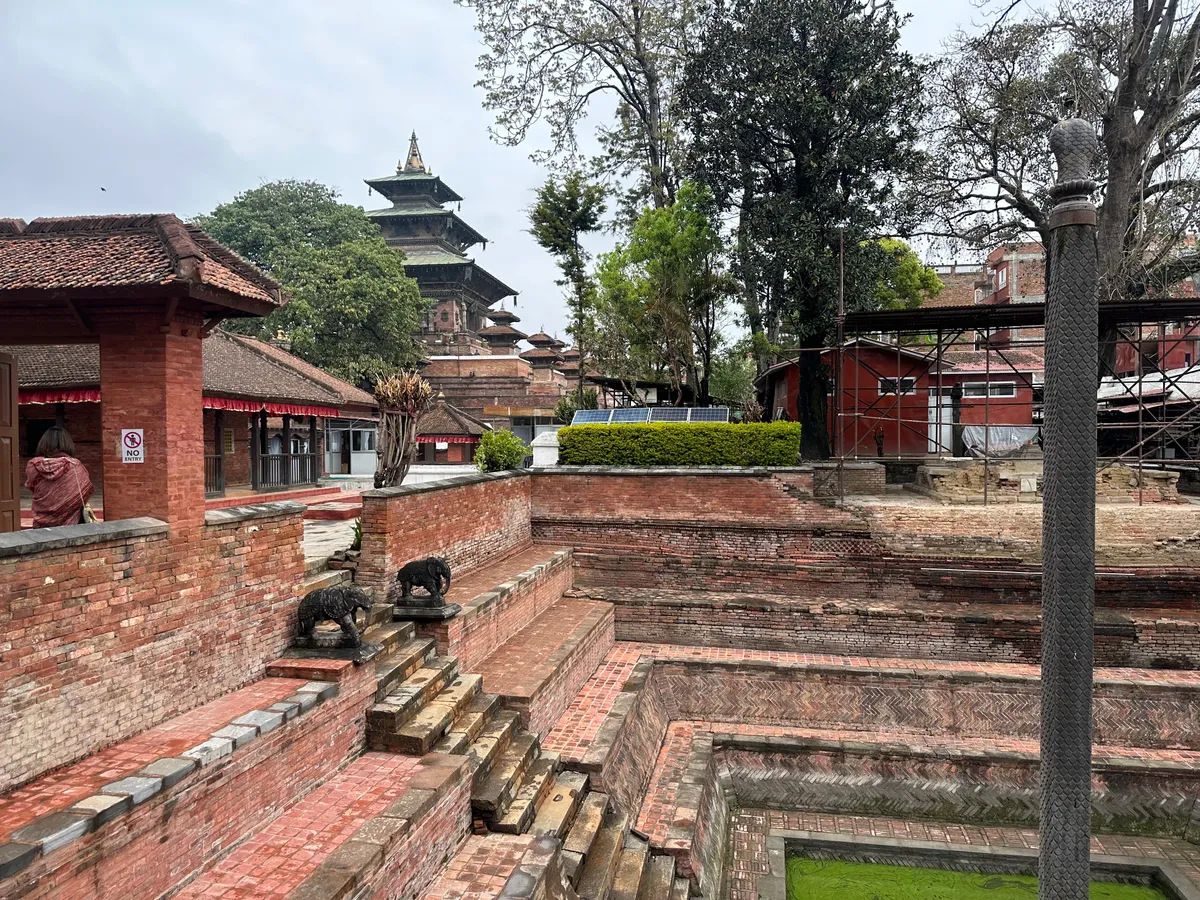
Today, we confront the deepest truths of human existence. We visit the sacred Pashupatinath Temple on the banks of the Bagmati River.
Day 3: The Silence of Boudhanath and Kopan
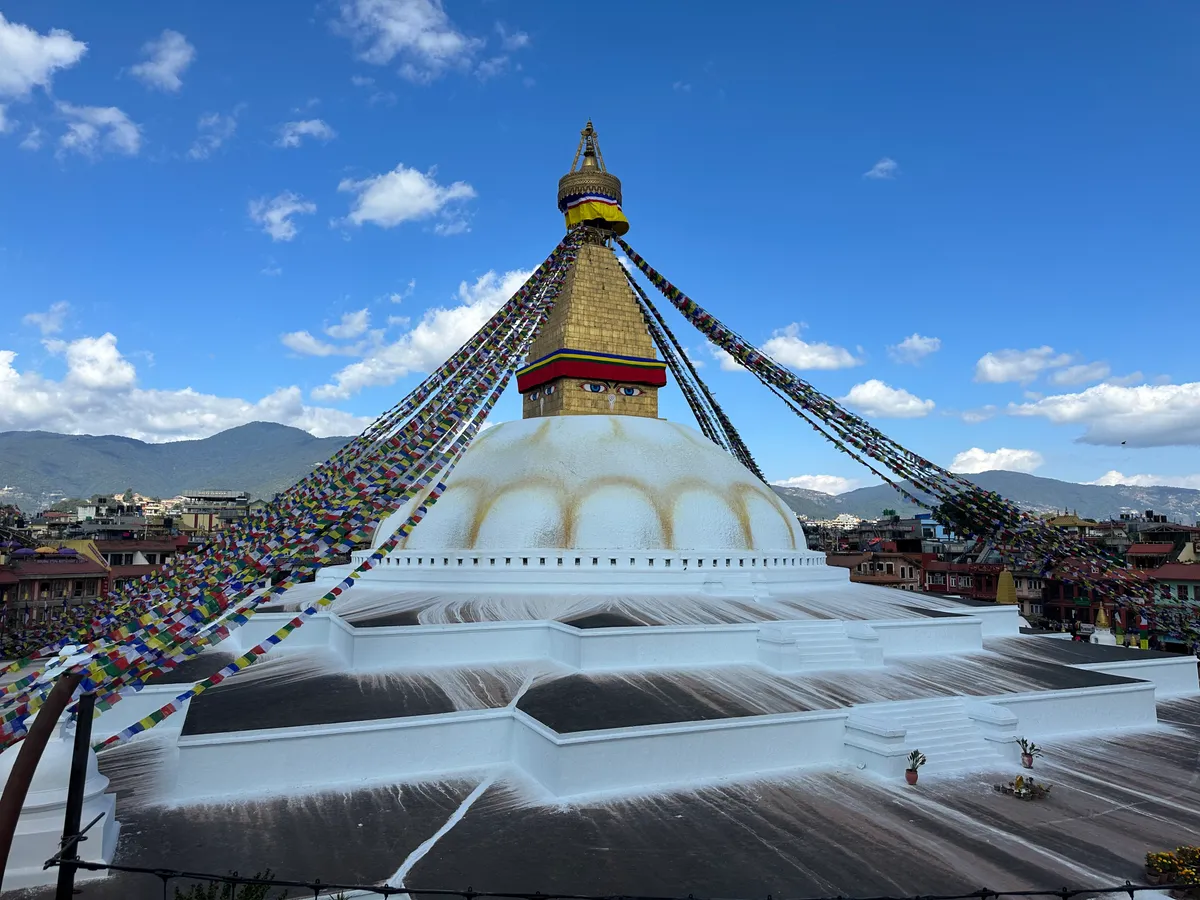
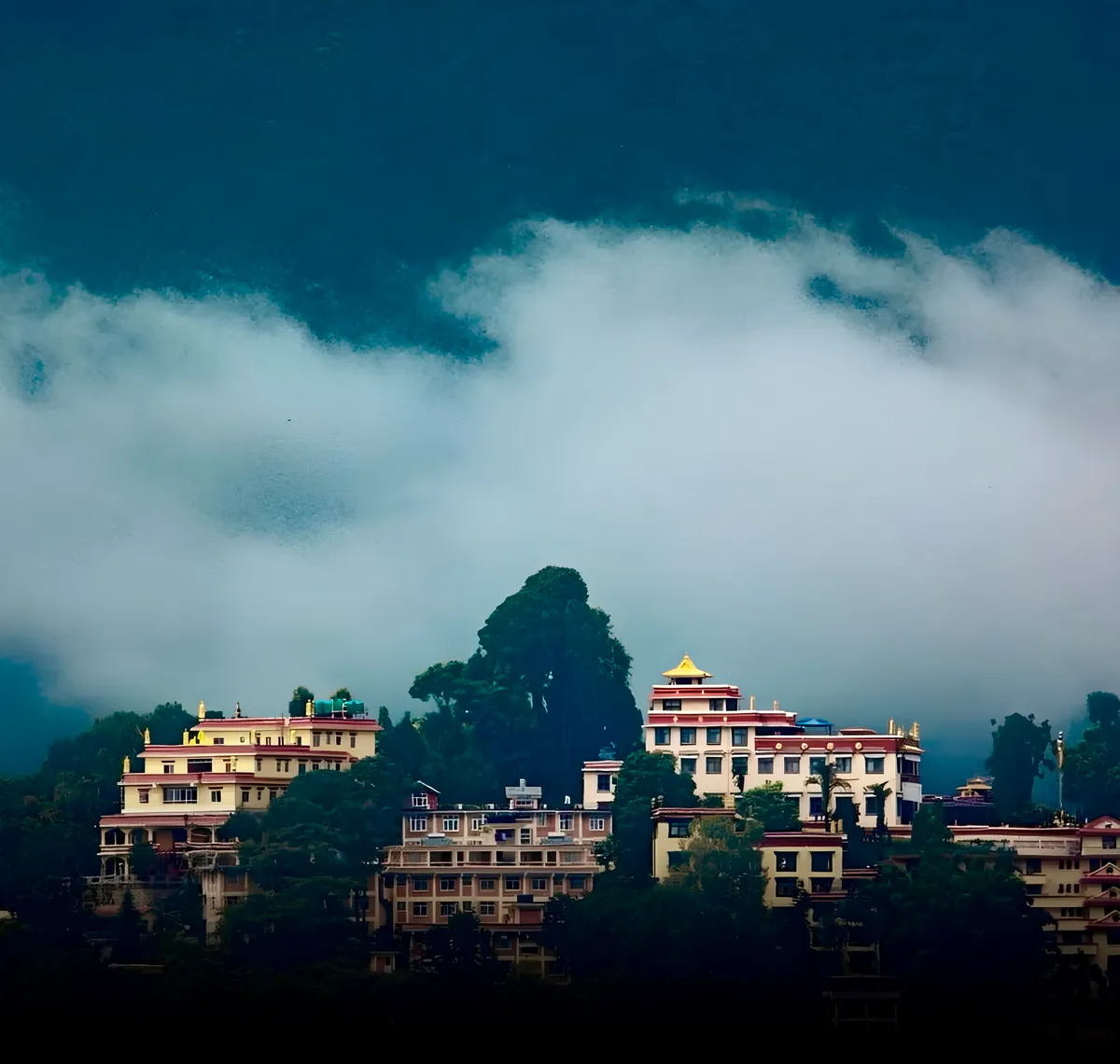
We wake up before dawn to join the local monks at Boudhanath Stupa. As the sun rises, we walk the kora (circumambulation path), spinning copper prayer wheels. Later, we ascend the hill to the Kopan Monastery.
Phase 2: Pokhara (The Gateway to Inner Peace)
Day 4: The Journey to the Lakes
We leave the bustling capital and drive (or fly) through stunning river valleys to Pokhara. If Kathmandu is the chaotic, beating heart of Nepal's spirituality, Pokhara is its calm, quiet lungs. You will immediately feel your shoulders drop as you look out over the still waters of Phewa Lake, perfectly reflecting the snow-capped Annapurna mountains.
Day 5: Yoga at Dawn and Sound Healing
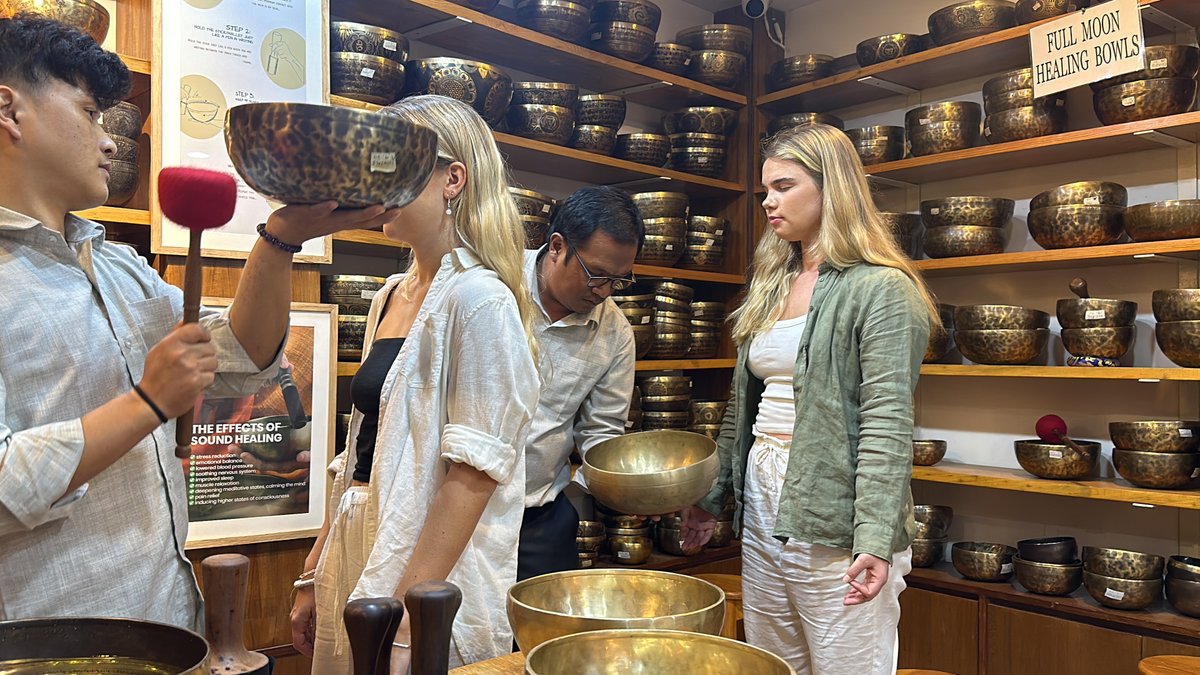
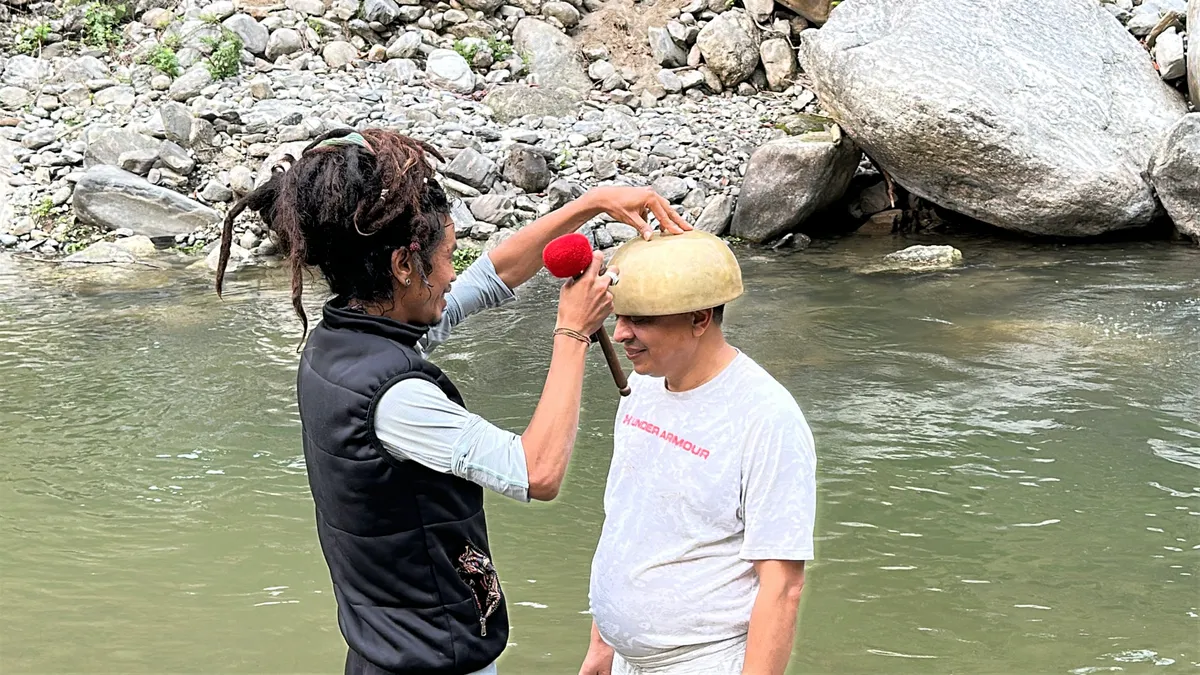
Your day begins with a gentle Hatha yoga session on a rooftop facing the sunrise. As the golden light hits the Annapurna peak, you'll feel a deep sense of gratitude. In the afternoon, you will experience a traditional singing bowl sound healing session. The resonant frequencies of these handcrafted Himalayan metal bowls are scientifically proven to lower heart rates and induce deep states of relaxation.
Day 6: The World Peace Pagoda
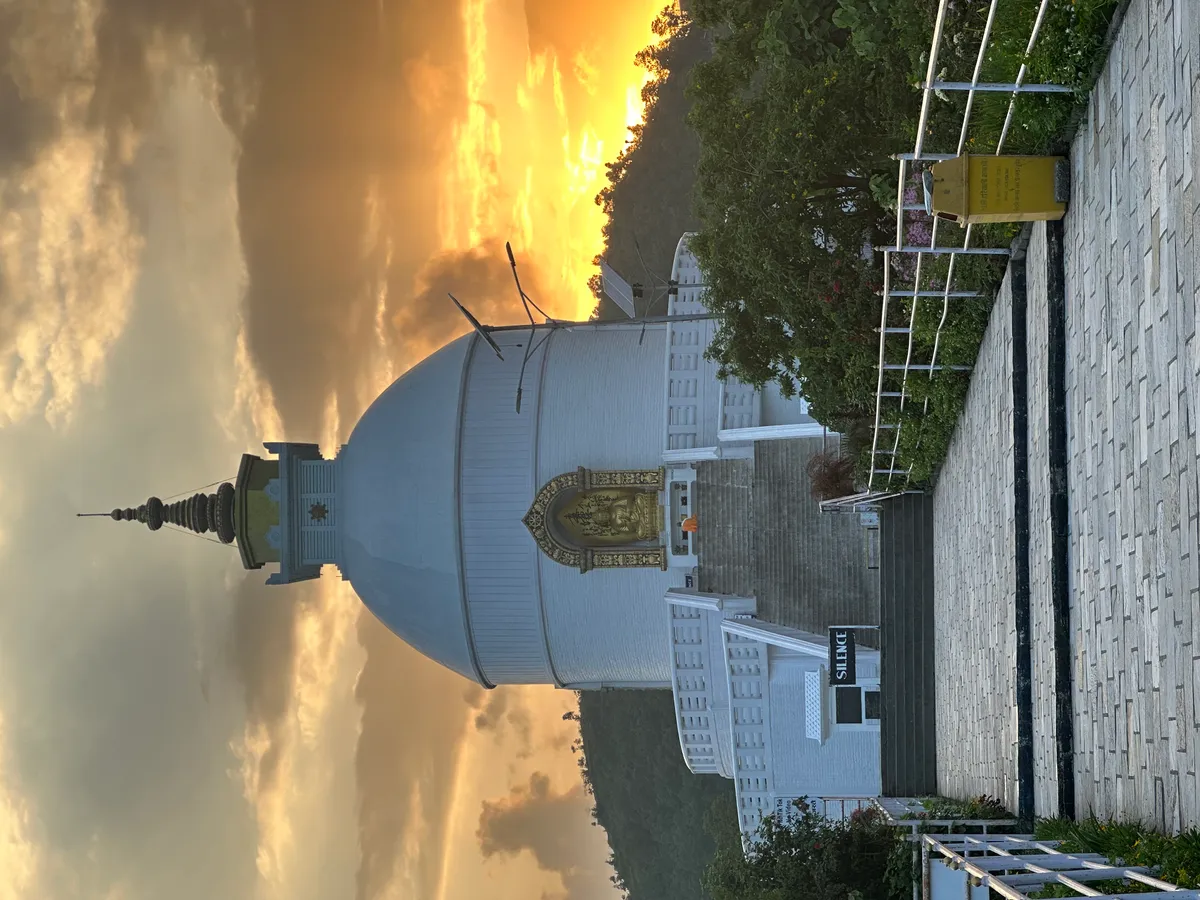
We take a wooden rowboat across Phewa Lake and hike up a lush forest trail to the brilliant white Shanti Stupa (World Peace Pagoda). Built by Japanese Buddhist monks to inspire peace for all races and creeds, it is a spectacular place for silent reflection.
Phase 3: Lumbini (The Birthplace of Awakening)
Day 7: Journey to the Sacred Garden
We travel down to the warm, subtropical plains of the Terai region to reach Lumbini.
Day 8: Walking in the Footsteps of Buddha
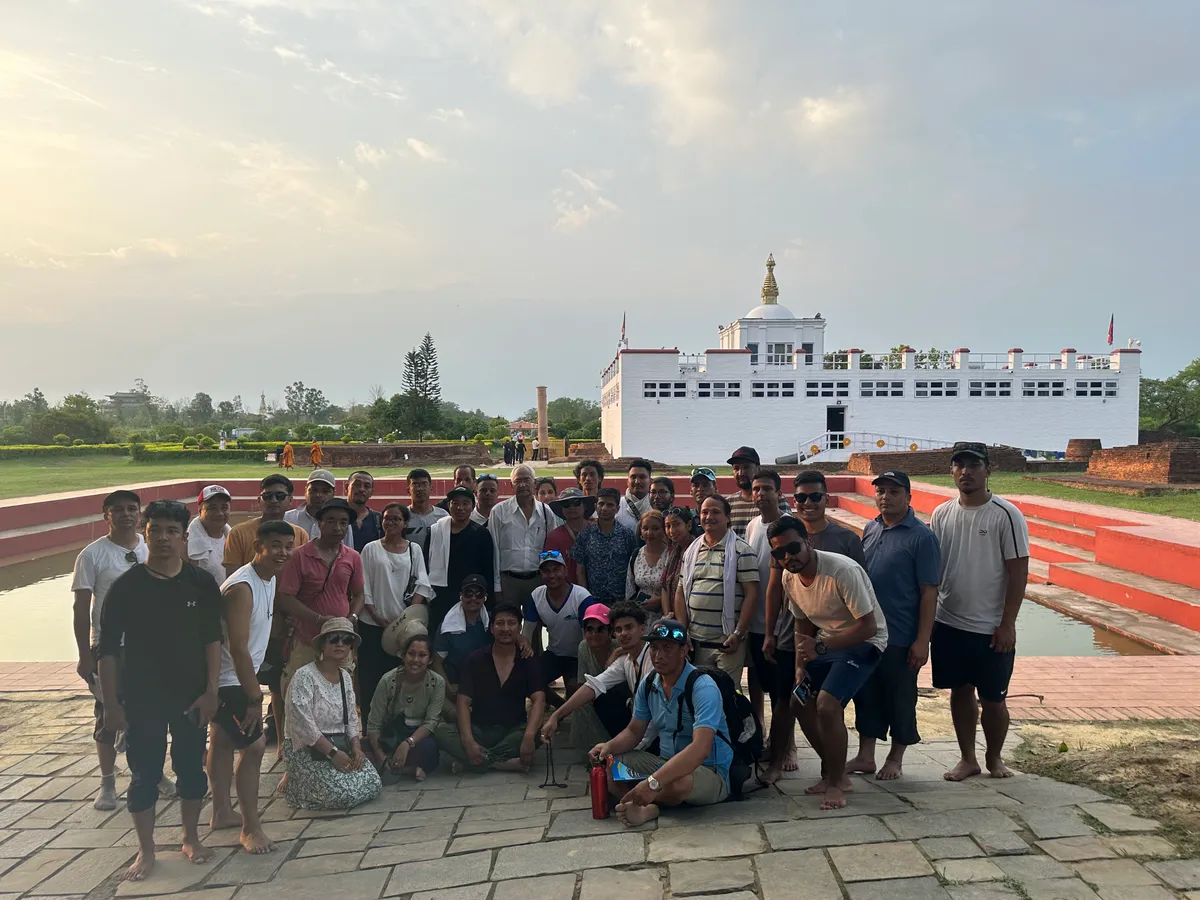
No spiritual journey is complete without standing where Siddhartha Gautama was born in 523 BCE. You will spend the day in the Sacred Garden. We will visit the Maya Devi Temple, view the ancient Ashokan Pillar, and sit for a long, silent meditation under the sprawling Bodhi tree. Surrounded by the gentle chanting of monks from all over the world, it is an incredibly powerful place to set intentions for your life back home.
Day 9: Exploring the Monastic Zone
Lumbini hosts monasteries built by countries from all over the world—from the golden spires of Myanmar to the elegant pagodas of Japan. We will spend the day exploring these different interpretations of peace and architecture.
Phase 4: Integration
Day 10: Return and Blessing
We fly back to Kathmandu. On your final evening, we arrange a private blessing from a respected local Lama. He will tie a sacred red thread around your neck, a symbol of protection and a reminder of the inner peace you have cultivated over the past ten days. You leave Nepal different from how you arrived.
Understanding the Logistics: Investing in Your Soul
When planning a trip with such deep personal significance, worrying about logistics is the last thing you want to do. Understanding the financial and practical aspects upfront gives you the peace of mind to focus entirely on your experience.
Breaking Down the Spiritual Tour and Wellness Tours in Nepal Cost
So, what is the actual Nepal tour cost for a journey like this? Quality matters when you are dealing with spiritual guides, comfortable transport, and safe, hygienic food.
For a fully supported, comfortable 10 days spiritual tour in Nepal, prices typically range from $1,200 to $2,500 USD per person. This spiritual tour in Nepal cost is an all-inclusive investment. It generally covers:
Domestic flights (to avoid grueling 10-hour bus rides).
Accommodation in boutique heritage hotels and peaceful monastery guesthouses.
Private, air-conditioned transport.
Expert spiritual guides and meditation facilitators.
All temple entrance fees and permits.
Food for the Soul (and Body)
Spiritual travel often involves a mindful diet. While you might want to explore the massive, diverse menu of Nepali restaurant offerings in the tourist hub of Thamel—which features everything from rich, spicy curries to wood-fired pizzas—during your retreats, your diet will shift.
You will primarily consume Dal Bhat (a perfectly balanced, highly nutritious meal of lentil soup, rice, and seasonal vegetable curries). You will also enjoy organic vegetarian meals prepared by monastery kitchens. Eating light, locally sourced food is essential to keeping the body comfortable and the mind sharp for long meditation sessions.
The People Behind Your Journey: Our Local Experts
Ethical tourism means the people showing you their country are treated fairly and with immense respect. Our guides are not just navigators pointing at buildings; they are philosophers, historians, and cultural ambassadors.
Many young locals, inspired by the beauty of their homeland, often ask how to be tourist guide in Nepal. It is not easy. It requires passing rigorous, government-mandated training in history, religion, and wilderness first aid from the Nepal Academy of Tourism and Hotel Management.
While the average tourist guide salary in Nepal provides a solid, respectable middle-class living, we ensure our spiritual facilitators are compensated at a premium. They are sharing deeply personal generational knowledge, translating complex Buddhist philosophies, and holding space for your emotional transformations. Their expertise is the heartbeat of your tour.
Comprehensive Frequently Asked Questions (FAQ)
What if I want to stay longer and work remotely? Is the internet reliable?
Absolutely. Many spiritual seekers decide a 10-day trip isn't enough, and they extend their stay to integrate their learnings. If you plan to document your journey through a blog, or need to connect to work, you'll be happy to know that internet speeds in Kathmandu and Pokhara are excellent. The hosting price in Nepal for local servers, co-working spaces, and digital infrastructure is incredibly affordable. Kathmandu has quickly become a rising hub for mindful digital nomads who want to code in the morning and meditate in the afternoon.
Are there specific spiritual quotes in Nepali I should know before I arrive?
While the most common mantras you will hear are often in ancient Sanskrit or Tibetan (like the omnipresent Om Mani Padme Hum), learning a little local phrasing goes a long way in connecting with the people. One of the most beautiful, comforting spiritual quotes in Nepali translates roughly to: "The mind is like the sky; clouds pass, but the sky remains." It is a perfect, grounding reminder to use during your meditation practice when your thoughts begin to wander.
I heard about something called the "SEE" in Nepal. What is that?
If you travel during the spring, you might see teenagers nervously celebrating or studying for the "SEE." The SEE Nepal full form is the Secondary Education Examination. It is the massive, nationwide board exam that marks the end of secondary school. It’s a huge cultural moment for Nepali families. However, as a traveler, you come to Nepal for a different kind of test—a deep, internal examination of the self.
Do I need to be a practicing Buddhist or Hindu to join this tour?
Not at all. Our tours are completely secular and open to everyone, regardless of your religious background or lack thereof. You are not expected to adopt a new religion. The teachings of mindfulness, compassion, and inner peace are universal human concepts. We invite you to take what resonates with your own life and leave the rest.
What should I pack for a spiritual tour?
Leave the heavy trekking boots and the high-end fashion at home. You need comfortable, modest clothing. Think loose linen pants, breathable cotton shirts that cover your shoulders, and a warm fleece for the cool mornings. You will be taking your shoes off constantly to enter temples and monasteries, so bring slip-on shoes or sandals. Most importantly, bring an open mind and a journal.