
What Is the Mardi Himal Trek and Why Is It Getting So Popular?
The Mardi Himal trek is the compact alternative to the busy Poon Hill route: a narrow ridge walk above Pokhara that delivers a face-to-face view of Machapuchare (the "Fishtail") and the Annapurna wall. In 4 to 7 days you go from lakeside to a high ridge at around 4,500 m, through rhododendron forest and yak pastures, with the kind of close-up peak drama that longer treks take weeks to reach. Mardi exploded in popularity because it packs a serious mountain view into a short trip close to Pokhara. The ridge is dramatic and the Machapuchare view from the high camp is spectacular. It is less commercial than Poon Hill, so the trail feels wilder for its size. This guide covers the route, the difficulty, the best season, and how to book the Mardi Himal Trek: 5 Days Short Ridge Adventure from Pokhara.
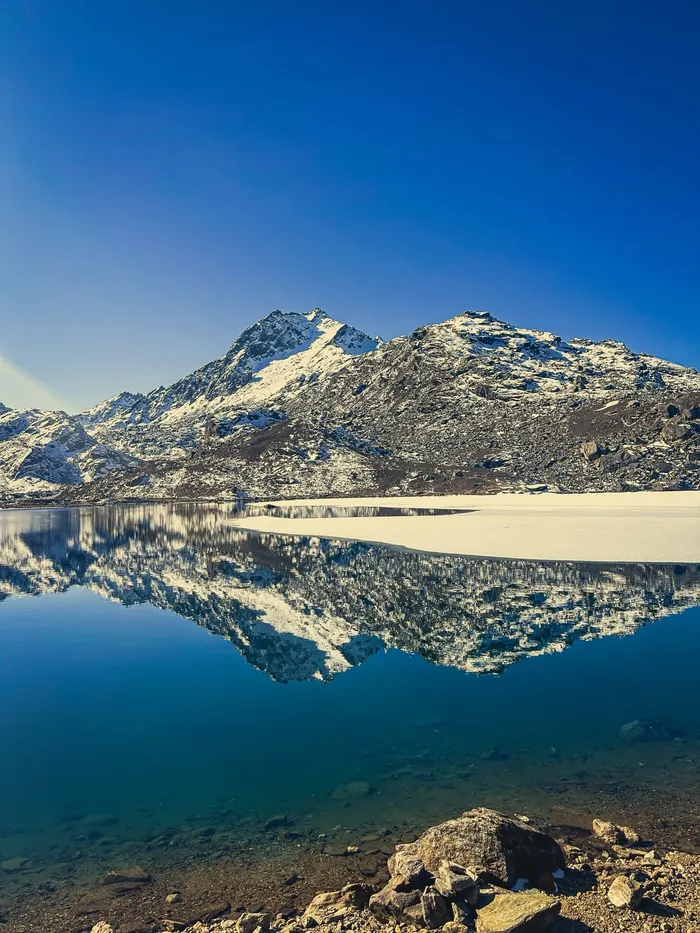
What Does the Mardi Himal Route Look Like Day by Day?
Most treks start with a drive to Kande or Phedi, climb to Australian Camp or Deurali, then Forest Camp, Low Camp, High Camp, and the Mardi Himal viewpoint (about 4,200 to 4,500 m). Some descend via Siddhing or loop back to Pokhara. The classic 4 to 5 day version is tight; 6 to 7 days is more relaxed with a Pokhara buffer. Here is the typical arc: Day 1 drive from Pokhara to Kande and trek to Australian Camp or Deurali. Day 2 trek through dense rhododendron forest to Forest Camp and Low Camp. Day 3 climb to High Camp at 3,580 m. Day 4 pre-dawn walk to the Mardi Himal viewpoint at 4,500 m, then descend. Day 5 return to Pokhara. The trail is rougher and more exposed than Poon Hill, with some steep, narrow sections, but it is achievable for most fit trekkers with hill walking experience.
Why Is the Machapuchare View from Mardi Himal So Special?
Mardi's signature is the unclimbed Fishtail peak filling your frame, with Annapurna South, Hiunchuli, and Gangapurna behind. The pre-dawn walk to the viewpoint for first light is the payoff. Because you are on a ridge, not in a valley, the proximity of the peaks feels immediate and intimate. The mountain is sacred and has never been climbed, which adds a spiritual dimension to standing in its shadow. The ridge itself is dramatic: you walk a thin line with valleys dropping on both sides, and at dawn the entire Annapurna range lights up from east to west in a slow wave of gold and pink. No photograph fully prepares you for how close Machapuchare feels from this ridge.
How Difficult Is the Mardi Himal Trek?
Mardi is moderate. Days are 5 to 7 hours with real climbs, and the high camp is properly high, so altitude matters. The trail is rougher and more exposed than Poon Hill, with some steep, narrow sections. Fit trekkers with some hill experience do well. It is not a first-ever walk, but it is achievable for most reasonably active people. The main challenges are the altitude gain (going from 1,000 m in Pokhara to 4,500 m at the viewpoint in just a few days) and the exposed ridge sections, which can be windy and cold. A guide keeps the pace honest when the view tempts you to rush, and a buffer night at High Camp helps the body adjust before the summit push.
When Is the Best Time to Trek Mardi Himal?
Autumn (October to November) and spring (March to May, with rhododendrons) are best. Winter is snowy and cold at the high camp; monsoon is leechy and cloudy. Spring turns the forest red and pink with rhododendron blooms, which is a draw on its own. The rhododendron season in April is particularly stunning, as the entire forest between Low Camp and High Camp bursts into color. Autumn offers the clearest mountain views and the most stable weather. If you want both blooms and clear peaks, aim for late March to mid-April. If you want the absolute clearest Machapuchare view, October and November are hard to beat.
What Are the Teahouses and Facilities Like on Mardi Himal?
Mardi's lodges are newer and simpler than the established Annapurna base camp or Poon Hill teahouses: basic rooms, communal dining, dal bhat and noodles. Upper camps can be cold, so a good sleeping bag matters. Because the trail is shorter and less developed, supplies are limited up high, so carry snacks and a power bank. Wi-Fi is available at some lodges for a small fee but is unreliable above Low Camp. Hot showers are available at lower camps but may not be at High Camp. The communal dining hall is where everyone gathers in the evening, and the warmth of the stove and the conversation with fellow trekkers is part of the experience. Bring a book, a deck of cards, and patience for slow evenings.
Mardi Himal or Poon Hill: Which Short Trek Should You Choose?
Poon Hill is lower, easier, and more built-up, with a famous sunrise over a broad range. Mardi is higher, wilder, and more intimate with Machapuchare. If you want a short trek with a strong peak experience and fewer crowds, Mardi wins. If you want the gentlest possible walk with the broadest panorama, Poon Hill is safer. Poon Hill is also better for families with young children or trekkers who want minimal physical challenge. Mardi suits those who want a real ridge walk with altitude drama but cannot spare two weeks for a full Annapurna expedition. For a longer Annapurna experience, the Annapurna Base Camp Trek (10 Days) goes deeper into the sanctuary.
What Permits Do You Need for Mardi Himal?
Mardi lies in the Annapurna Conservation Area, so you need the ACAP (Annapurna Conservation Area Project) permit and the TIMS (Trekkers Information Management System) card, arranged in Pokhara or Kathmandu. Our Mardi Himal Trek package handles both permits for you. Carry your passport for checks at the conservation area entry posts. The permit fees go toward trail maintenance, conservation, and community support in the region, so they are a direct contribution to keeping the trail sustainable. Permits can also be arranged independently at the Nepal Tourism Board office in Kathmandu or the ACAP office in Pokhara.
What Should You Pack for the Mardi Himal Trek?
Layers are essential. A minus-10 degree Celsius sleeping bag for the high camp, broken-in boots, trekking poles for the steep bits, a rain shell, and a headlamp for the pre-dawn summit walk. The exposed ridge is windy and cold at dawn, even in spring, so a warm jacket and gloves are non-negotiable. A camera with zoom captures Machapuchare without the haze of a phone lens. Other essentials: a water bottle or hydration bladder, water purification tablets, sunscreen, a first aid kit with altitude medication, and a power bank. Keep your pack light; the trail has enough climbing without carrying unnecessary weight. A 30 to 40 liter daypack is sufficient if you have a porter.
How Do You Combine Mardi Himal with Pokhara?
Mardi is the perfect Pokhara add-on. Fly or drive in, trek 4 to 5 days, and return to a lakeside massage and the wellness and paragliding options that Pokhara is famous for. It slots into almost any tour package as a short mountain extension. Many guests add a day of yoga or a spa treatment after the trek to recover. The Mardi Himal trailhead is only a 45-minute drive from Lakeside Pokhara, making it the most accessible real ridge trek in the Annapurna region. You can even combine it with a Poon Hill trek for a longer Annapurna experience.
What Photography Opportunities Does the Mardi Ridge Offer?
The narrow ridge gives leading-line compositions; shoot the valley drops and the peak together. Sunrise lights Machapuchare pink, then gold, then white in a rapid sequence. A polarizer cuts glare. The high camp at golden hour, with yaks and prayer flags, is the social-media shot everyone wants. The pre-dawn walk to the viewpoint is the photographic heart of the trek: arrive 30 minutes before sunrise, set up on the ridge, and wait for the light. The contrast between the dark valley below and the lit peaks above is dramatic. A wide-angle lens captures the full Annapurna arc, while a telephoto isolates Machapuchare's distinctive fishtail summit. Keep spare batteries warm in your jacket, as cold drains them fast at altitude.
Why Should You Trek Mardi Himal with a Guide?
The route has a few junctions and the high camp is cold and exposed. A guide keeps you on track and safe at altitude. Our Mardi Himal Trek package includes a licensed guide, permits, and lodges, so the short trek stays simple for you. A guide also manages pace, which is critical on the fast altitude gain to the viewpoint. They know which teahouses are best, where to get hot water, and how to read the weather on the ridge. For solo trekkers, a guide provides safety and company. For groups, a guide handles logistics so you can focus on the experience. Every guide we assign is licensed, experienced on this specific route, and trained in altitude awareness.
How Do You Practice Responsible Trekking on Mardi Himal?
The trail is young and the lodges are small. Tread lightly, carry out your trash, and respect the forest. Rhododendron blooms are protected; do not pick them. Fair tipping supports the local families running the camps. Because Mardi is less developed than other Annapurna routes, the environmental impact of each trekker is more visible. Stick to the trail, avoid cutting switchbacks, and do not leave food waste. The teahouse owners are local families who depend on the trail economy, so spending on meals and lodging directly supports the community. Bring a reusable water bottle and purification tablets rather than buying single-use plastic bottles. Explore, Heal, Thrive means leaving the trail better than you found it.
What Wildlife and Flora Can You See on the Mardi Himal Trail?
The Mardi Himal trail passes through the Annapurna Conservation Area, which is home to a remarkable range of Himalayan flora and fauna. The rhododendron forest between Low Camp and High Camp is one of the most beautiful in Nepal, with species that bloom in sequence from March to May, turning the trail corridor red, pink, and white. Above the tree line, the landscape opens to alpine meadows with hardy shrubs and wildflowers. Wildlife sightings are not guaranteed but possible: the Himalayan tahr (a wild goat), the Himalayan monal (Nepal's national bird), and various species of pheasant and eagle. Yaks graze the high pastures, and their bells are part of the soundtrack of the upper trail. The conservation area is managed for biodiversity, and your ACAP permit fee directly supports this protection.
How Does Altitude Affect the Mardi Himal Trek Experience?
The Mardi Himal trek involves a rapid altitude gain: from Pokhara at 800 m to the viewpoint at 4,500 m in just three or four walking days. This is faster than most Himalayan treks, which means altitude awareness is critical. The golden rule is to climb high and sleep low, but the Mardi itinerary compresses this. A buffer night at High Camp (3,580 m) before the summit push helps the body adjust. Symptoms of acute mountain sickness include headache, nausea, loss of appetite, and difficulty sleeping. If any of these appear, the cure is simple: descend. A guide keeps the pace honest and watches for symptoms, which is one of the key reasons to trek with support rather than independently. Hydration matters: drink at least three liters of water per day above 3,000 m, and avoid alcohol at altitude.
Can Beginners Do the Mardi Himal Trek?
Yes, with preparation. Mardi Himal is achievable for beginners who are reasonably fit and willing to walk 5 to 7 hours per day on steep trails. The trail does not require any technical climbing or special equipment, but the altitude and the exposed ridge sections demand respect. We recommend a six-week training plan before the trek: regular hill walking with a daypack, cardiovascular training three times per week, and stair climbing to build leg strength. Trekking poles reduce knee strain on the descents, which is where most beginners struggle. The 5-day package is structured for beginners, with a licensed guide who manages pace and safety. For those who want an easier first trek, the Poon Hill Trek (7 Days) is lower and gentler.
Frequently Asked Questions
How long is the Mardi Himal trek?
It takes about 4 to 7 days from Pokhara. The classic version drives to Kande, climbs through Forest, Low, and High Camp to the viewpoint near 4,500 m, then descends. Four or five days is tight; six or seven is more relaxed with a Pokhara buffer at either end.
Is Mardi Himal difficult?
It is moderate. Days are 5 to 7 hours with real climbs, and the high viewpoint is near 4,500 m, so altitude matters. The trail is rougher and more exposed than Poon Hill, with steep narrow sections, but it is achievable for fit trekkers with some hill walking experience.
What is the best time for Mardi Himal?
Autumn (October to November) and spring (March to May) are best, with spring adding rhododendron blooms. Winter is snowy and cold at the high camp, and the June to August monsoon brings leeches and cloud. The dry, stable windows give the clearest Machapuchare views.
Do I need a permit for Mardi Himal?
Yes. Mardi lies in the Annapurna Conservation Area, so you need the ACAP permit and the TIMS card, arranged in Pokhara or Kathmandu. A booked trek usually handles both permits, and you should carry your passport for the entry-post checks along the trail.
Mardi Himal or Poon Hill: which is better?
Poon Hill is lower, easier, and more built-up with a broad sunrise range; Mardi is higher, wilder, and more intimate with Machapuchare. Choose Mardi for a short trek with a strong, less-crowded peak experience; choose Poon Hill for the gentlest possible walk with the widest panorama.
Can I combine Mardi Himal with other Annapurna treks?
Yes. Mardi can be combined with the Poon Hill trek or the Annapurna Base Camp trek for a longer Annapurna experience. The trails connect through the Annapurna Conservation Area. Combining treks gives you both the ridge drama of Mardi and the broad panoramas of Poon Hill or the deep sanctuary of ABC.