Panchase Panorama Trek 2026: Nepal's Hidden Foothills Hike
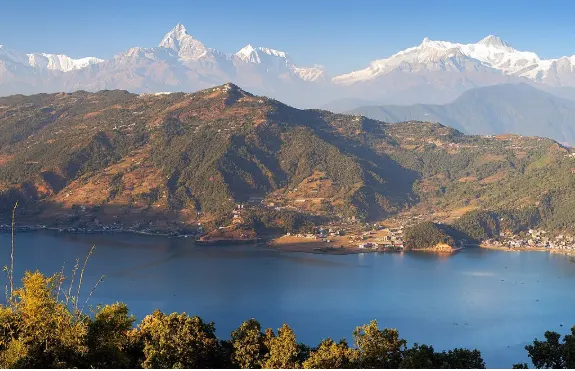
Most trekkers who come to Pokhara book Poon Hill, walk to the sunrise viewpoint, and go home without ever learning that a quieter ridge sits barely thirty kilometres to the west. It is called Panchase, and from its summit you can watch the first light fall on five Himalayan giants at once: Dhaulagiri, Annapurna I, Machhapuchhre, Manaslu and Lamjung Himal. There is no altitude problem, no technical ground, and almost no crowd.
The Panchase Panorama Trek is a short, low-altitude eco-trek through the southwestern foothills of the Annapurna region. It tops out at Panchase Peak, roughly 2,510 metres above sea level, which is low enough to remove any real risk of altitude sickness and high enough to deliver a mountain panorama that many high passes struggle to match. The trail runs through protected oak and rhododendron forest and through Gurung, Magar and Brahmin villages that still host travellers in family homes rather than purpose-built lodges.
This guide covers the full eight-day route, what the sunrise is actually like, how hard the walking is, what the trek costs, how homestays work, and who should choose Panchase over the better-known routes nearby. If you are still planning the wider trip, our complete guide to trekking in Nepal sets the context, and the cultural and spiritual tours in Nepal guide explains why these foothill valleys matter far beyond the view.



What Is the Panchase Panorama Trek?
Panchase is an eight-day nature and culture journey that starts and ends in Kathmandu, with the walking concentrated into three gentle days in the hills west of Pokhara. The route climbs from the Pokhara valley floor through terraced farmland to the village of Bhumdi, continues through the Panchase Protected Forest to Panchase Bhanjyang, and finishes with a pre-dawn ascent of Panchase Peak for sunrise. You then walk down to the road, return to Pokhara for a rest day, and travel back to Kathmandu.
Because the maximum altitude sits at about 2,500 metres, Panchase belongs to a rare category of Himalayan trek: a genuine mountain experience with no acclimatisation days, no oxygen worries and no wasted days climbing high and sleeping higher. The trade is that you are never truly in the high country. What you get instead is forest, farmland, village life and a five-peak sunrise that feels completely out of proportion to the effort required.
The trek is officially part of the Panchase Protected Forest, a conservation area managed for watershed protection, biodiversity and community tourism. That status shapes everything: trails are maintained, logging is controlled, and homestay income is channelled back into villages, which is a large part of why the area still feels unspoiled.
Why Is Panchase Called Pokhara's Hidden Gem?
Panchase stays quiet for a simple reason: it sits outside the two main trekking corridors that radiate from Pokhara. Poon Hill and the Annapurna Base Camp route pull almost all of the short-trek traffic to the north and east, while the Mardi Himal ridge draws the more ambitious walkers. Panchase lies to the west, on a separate ridge system, and that geography keeps it off the standard itinerary.
The result is a trail where you can walk for hours and meet more goats than trekkers, where homestays are still run by families rather than trekking companies, and where the forest has real depth. The Panchase Protected Forest holds more than 125 orchid species and over 260 recorded bird species, and in spring the rhododendron and magnolia canopy turns the ridgeline into colour. For a photographer or a birdwatcher, that combination is worth more than a famous summit.
It also makes Panchase one of the very few Himalayan treks that genuinely suits a mixed-ability group. A fit teenager and a grandparent can walk the same itinerary at the same pace, because no single day demands more than a comfortable half-day of uphill walking. That is unusual anywhere in Nepal, and it is the reason the route has quietly become a favourite for families and for travellers over sixty who still want the mountains.
Panchase Peak: Five Himalayan Giants at Sunrise
The summit of Panchase Peak is the reason the trek exists. You climb it before dawn with a head torch, following a forest path that steepens near the top, and you arrive on a small, grassy, stone-marked ridge with room for perhaps twenty people. Then the light comes up, and one by one the peaks catch fire.
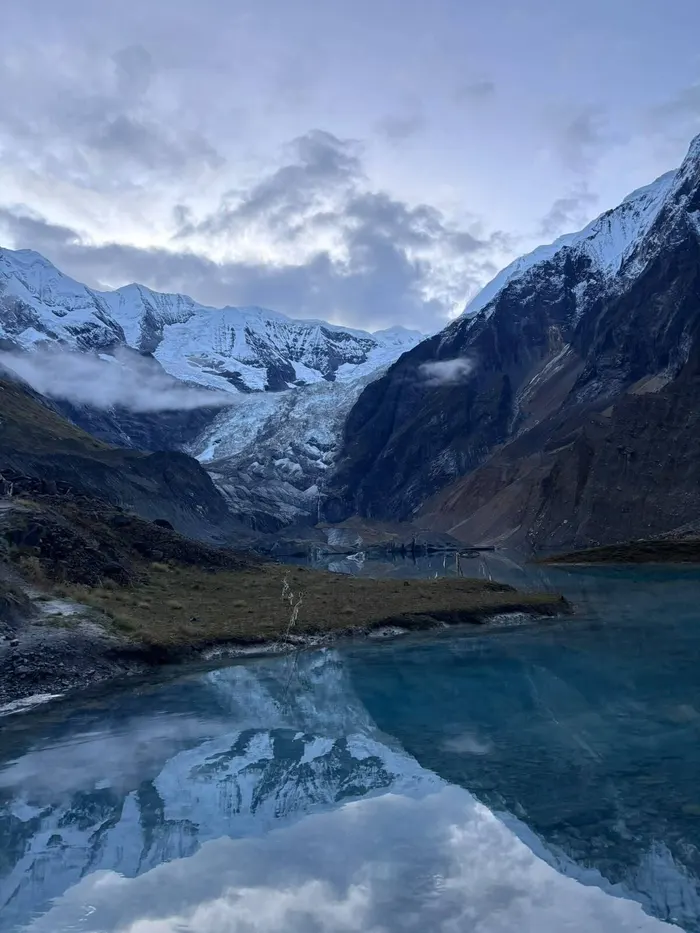
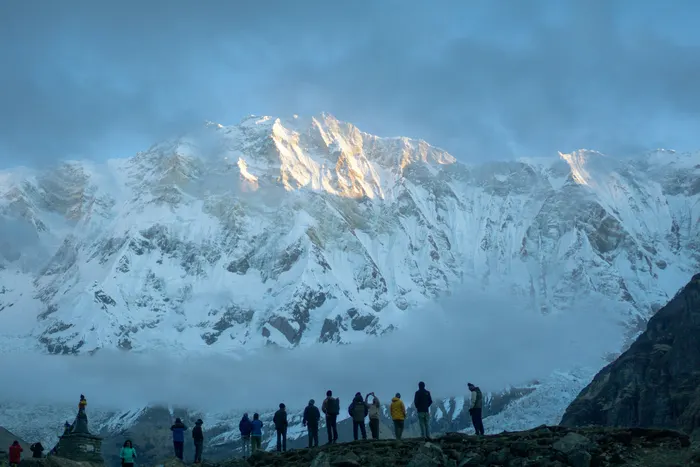
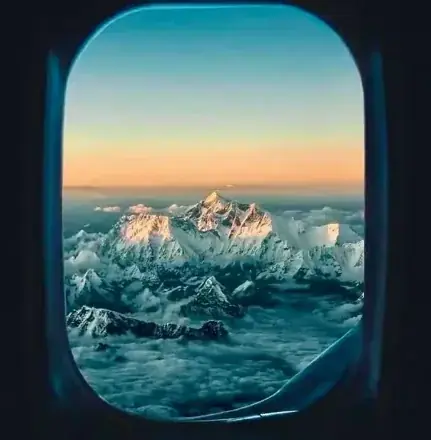
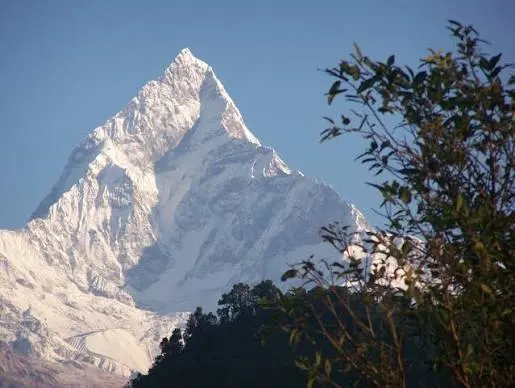
Dhaulagiri, the seventh-highest mountain on earth, stands away to the northwest. Annapurna I and the Annapurna South wall fill the northern sky. Machhapuchhre, the fishtail peak that is sacred and unclimbed, rises directly above Pokhara. Manaslu appears to the northeast, and Lamjung Himal closes the eastern end of the panorama. Because the summit is low and the viewing arc is wide, you see all five in a single sweep rather than turning from one window to the next.
The other advantage of a low summit is warmth. At 2,500 metres you are not shivering at minus fifteen, and you do not need a down suit to enjoy the sunrise. A jacket, gloves and a warm hat are enough, and you can stay until the light is fully up instead of retreating down the moment the sun clears the horizon.
The Panchase Panorama Trek Itinerary: Eight Days, Day by Day
Our 8-day Panchase Panorama Trek follows the classic route with homestay and lodge accommodation, a licensed English-speaking guide, and all permits arranged before you leave Kathmandu. The day-by-day shape looks like this.
Day 1: Arrive Kathmandu. Airport pickup and hotel check-in, with the rest of the day free to rest or wander. There is no trekking today, which gives you a buffer if your flight lands late.
Day 2: Kathmandu to Pokhara. A scenic drive of around six to eight hours along the Trishuli and Marsyangdi valleys, or a short domestic flight of about twenty-five minutes. You arrive in time for an evening on Lakeside, with Phewa Lake glowing below the mountains.
Day 3: Drive to the trailhead and walk to Bhumdi. A short transfer out of Pokhara, then your first walking day through terraced farmland and rural settlements, climbing gently to the traditional village of Bhumdi. This is an easy introduction, deliberately kept short.
Day 4: Bhumdi to Panchase Bhanjyang. The most beautiful forest day of the trek. The trail climbs through dense rhododendron, oak and pine into the Panchase Protected Forest, with birdsong the whole way, before reaching Panchase Bhanjyang for the night.
Day 5: Sunrise on Panchase Peak, then descend. A pre-dawn start for the short climb to Panchase Peak at 2,517 metres, sunrise over the five peaks, then a long, gentle descent through forest and villages back toward the Pokhara valley and your lodge.
Day 6: Free day in Pokhara. A full rest day in the lake city. Boating on Phewa Lake, the World Peace Pagoda, Davis Falls and Gupteshwor Cave are all within easy reach, and there is no better place to let tired legs recover.
Day 7: Pokhara to Kathmandu. Return by tourist vehicle or domestic flight, with the afternoon free in the capital for shopping or further exploration.
Day 8: Departure. Airport transfer and the end of the journey, with a camera roll full of foothill forest and one very good sunrise.
How Hard Is the Panchase Trek?
Panchase is an easy trek by Himalayan standards. The walking days are short, generally three to five hours, and the gradients are gentle apart from the final pull to Panchase Peak. There is no scrambling, no glacier, no rope work and no altitude to manage, which makes it one of the most accessible multi-day treks in Nepal.
You should still be able to walk for several hours on consecutive days on uneven ground. If you are reasonably active and can manage a long hilly walk at home, you will be comfortable. If you are coming off a long sedentary stretch, give yourself four to six weeks of walking and stair climbing before you fly, and break in your boots properly. The forest paths can be slippery after rain, and a trekking pole is genuinely useful on the descent.
The bigger practical challenge is the trail itself rather than the gradient. Foothill paths are steeper and rougher than the groomed Annapurna tracks, with stone steps, roots and stretches of mud in the wet season. Good grip matters more here than raw fitness.
When Is the Best Time to Trek Panchase?
Autumn, from October to November, is the best window. The monsoon has cleared, the air is sharp, and the sunrise panorama is at its clearest, with Dhaulagiri and Annapurna standing out against a deep blue sky. Spring, from March to April, is the second great season, when the forest fills with rhododendron blossom and the orchids come out.
Winter, from December to February, is cooler but often beautifully clear, with far fewer trekkers on the trail and excellent sunrise visibility on the good days. Summer, from June to September, is the monsoon: the hills turn intensely green, the waterfalls and streams run full, and the forest is at its most alive, but cloud frequently hides the high peaks, so a sunrise view is never guaranteed.
What Does the Panchase Panorama Trek Cost in 2026?
The cost of the Panchase trek depends mainly on whether you travel to Pokhara by road or by domestic flight, whether you add the rest day, and how many people share the guide and transport. Our Panchase package includes airport transfers, two nights in Kathmandu, four nights in Pokhara and trek lodges, daily breakfast, lunch and dinner during the trek, all ground transport, a licensed English-speaking guide, and all trekking permits and conservation area fees. Because pricing changes with the season, group size and flight versus vehicle options, the current rate is best confirmed live on the Panchase trek package page.
Several cost lines sit outside the package and are worth budgeting separately: international airfare, the Nepal visa, travel and medical insurance, porter service if you want it, personal gear, optional sightseeing in Pokhara and Kathmandu, and tips. None of these change the trek itself, but insurance is mandatory and should explicitly cover trekking to around 2,500 metres and emergency helicopter evacuation.
Do You Need a Permit for the Panchase Trek?
Yes, Panchase sits inside a protected forest area, so the trek requires an entry permit alongside the standard trekking paperwork for the region. The permit is arranged through a licensed trekking operator and is included in our Panchase package, which also covers the conservation and forest entry fees. You do not need to queue at a government office yourself, and you do not need a restricted area permit, because Panchase is not a restricted zone and independent walking is permitted.
The one document you must carry is your passport and a copy of your travel insurance. Guides are required to register trekking groups at the entry checkpoint, and the paperwork is far simpler here than on the Everest or Manaslu routes. If you want the full national picture, our guide to Nepal trekking permits and TIMS explains how the system fits together, and the Annapurna trek permits guide covers the fees that apply to the wider region.
What Is Homestay Life Like on the Panchase Trail?
Panchase is a community tourism route, and the accommodation reflects it. Instead of trekker lodges built for foreigners, you mostly sleep in family homes in villages such as Bhumdi and Panchase Bhanjyang, where rooms are simple, clean and shared between two people, and meals are cooked by the household. On the Pokhara and Kathmandu nights you stay in hotels, so the trip balances comfort and authenticity.
Evenings are the highlight. You eat dal bhat, seasonal vegetables, gundruk and sometimes a local chicken curry, usually in the family kitchen, and conversation is part guide, part sign language and part shared laughter. Electricity can be intermittent, hot showers are not guaranteed in every home, and wifi is unreliable at best. Travellers who accept that trade-off almost always describe the homestay nights as the most memorable part of the trek.
Spending locally is part of the point. Homestay income keeps families in villages that would otherwise lose their young people to Pokhara and Kathmandu, and choosing an operator that pays households fairly and uses local porters and cooks is the single biggest thing you can do to make the trek a positive force for the community you walk through, a theme we explore in our guide to conservation areas versus national parks in Nepal.
What Should You Pack for the Panchase Trek?
Panchase is a low-altitude trek, so you can leave the down suit and the expedition boots at home. What you need is layered, weatherproof clothing, because the foothills are warmer than the high mountains but also wetter, and a single day can swing from warm sunshine to cold mist and rain.
Pack a moisture-wicking base layer, a fleece or light down mid layer, and a waterproof shell with a hood. Bring comfortable, broken-in trekking boots with real grip, a warm hat and gloves for the sunrise, a sun hat, sunscreen and sunglasses, and a head torch for the pre-dawn climb. Add a water bottle or bladder, water purification tablets or a filter, a basic first aid kit, personal medication, insect repellent for the lower forest, and a small daypack for the summit morning with your main bag carried by porter or left at the lodge.
Off the trail, you will want a warm layer for Pokhara evenings and Kathmandu, a swimsuit for the lake, and a modest outfit for visiting monasteries and temples. A reusable shopping bag and a refillable bottle cut down plastic on the route, which matters in a protected forest.
Panchase Protected Forest: Orchids, Birds and Rhododendrons
The Panchase Protected Forest is the ecological heart of the trek. It is a mid-hill forest of oak, chestnut, magnolia and rhododendron that protects the watershed feeding the Pokhara valley, and it is managed with the involvement of the surrounding communities rather than by exclusion. That model is why the forest is intact, why the trails are maintained, and why tourism revenue reaches the villages that steward it.
Botanically, it is exceptional. The area holds more than 125 species of orchid and over 260 recorded bird species, and in spring the rhododendron canopy blazes red and pink across entire hillsides. Birdwatchers should carry binoculars, because the forest dawn chorus is one of the richest in central Nepal and the trail is quiet enough to actually hear it. If wildlife and forest are what draw you, our guide to Rara and Chhayanath national parks covers the wildest protected landscapes in the country.
Who Is the Panchase Panorama Trek Best For?
Panchase is the right trek for anyone who wants a real Himalayan view without a hard trek. That includes families with children old enough to walk a few hours a day, travellers in their sixties and seventies who want gentle days and no altitude risk, first-time trekkers testing whether they enjoy multi-day walking, and photographers and birdwatchers who value forest and light over summit bragging rights.
It also suits couples and small groups who want quiet time together on a trail rather than a queue of strangers at a viewpoint. Compared with the beginner-friendly options on busier routes, detailed in our guide to the best treks in Nepal for beginners, families and solo women, Panchase offers a similar gentle gradient with far more solitude.
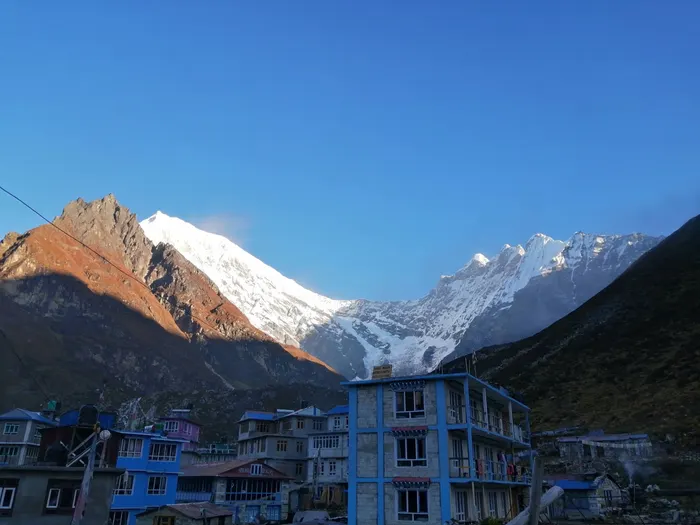
It is not the right choice if your goal is to stand in the high Himalaya, cross a big pass or reach a famous base camp. Panchase is a foothill trek, and it is proud of it. If you want altitude and snow, look at a longer Annapurna itinerary instead, and compare the two Everest and Annapurna classics in our Annapurna versus Everest Base Camp breakdown.
Is Panchase Better Than Ghorepani, Mardi Himal or Khopra Ridge?
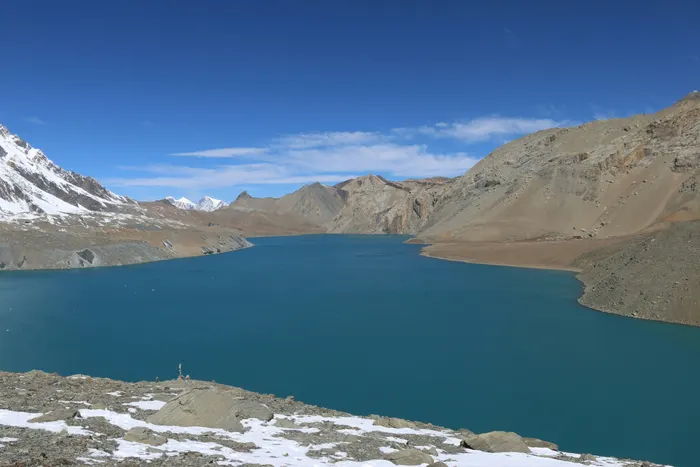
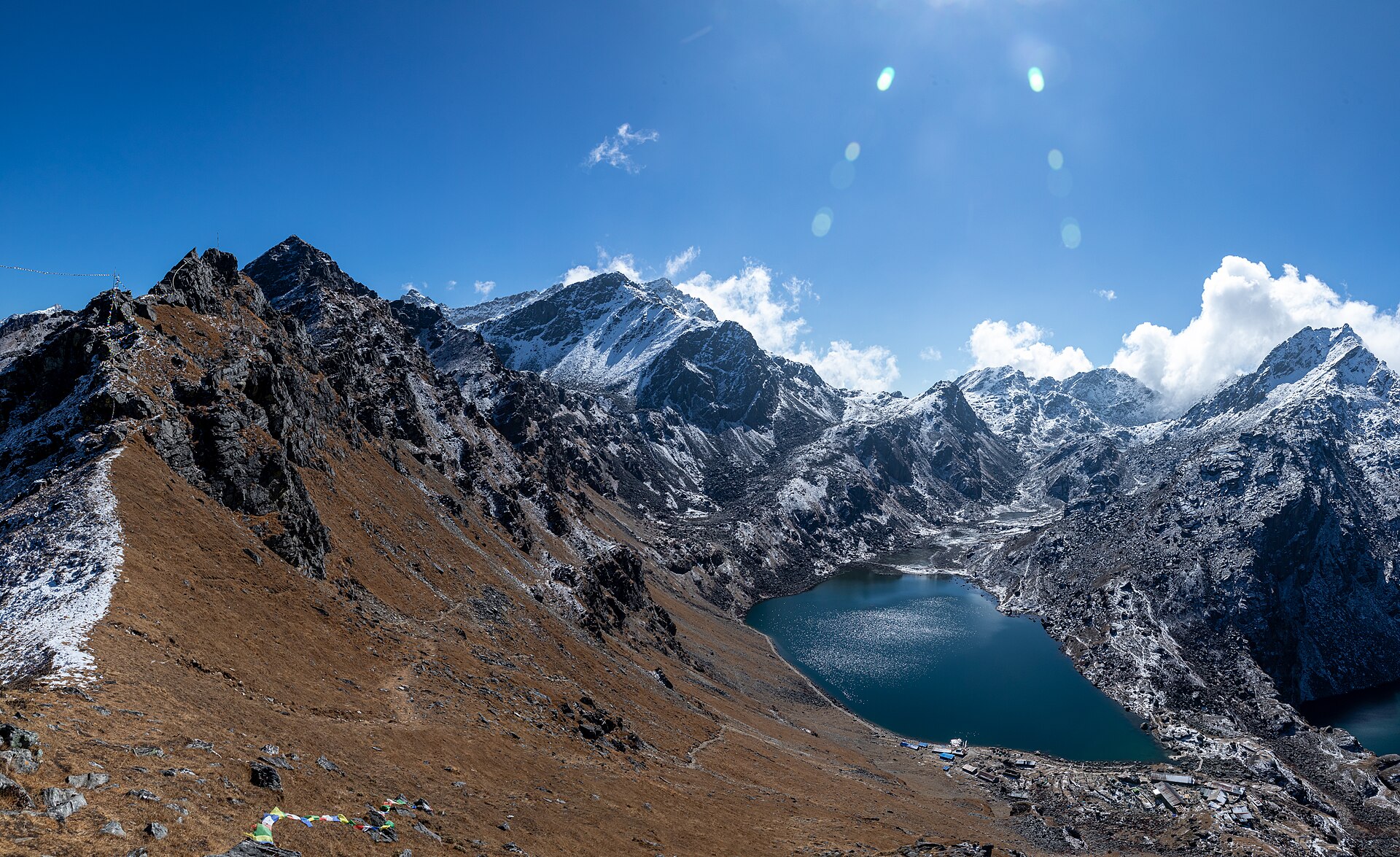
Each of Pokhara's short treks has a different personality, and the right choice depends on what you want from the days around the view. Panchase is the gentlest and the quietest, a low-altitude forest and village walk with a five-peak sunrise. The classic Ghorepani Poon Hill trek is the most famous ridge sunrise in Nepal, with more infrastructure and more people. The Mardi Himal trek climbs higher onto a dramatic ridge below Machhapuchhre for close-up mountain drama, and the Khopra Ridge trek adds a sacred lake and longer days for stronger walkers.
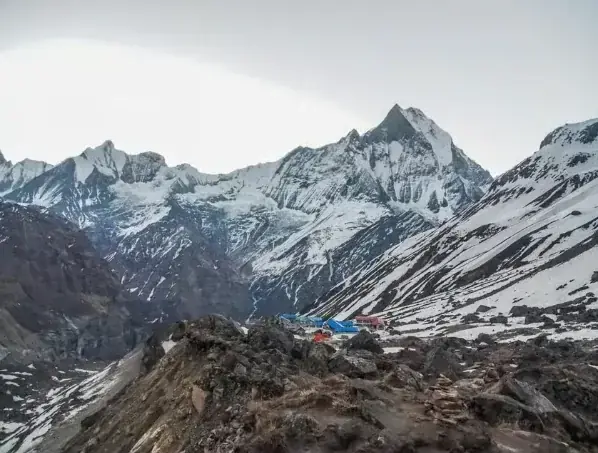
Choose Panchase if altitude is a concern, if you are travelling with a mixed-ability group, if you want homestays and forest rather than lodges and stone steps, or if you simply want a trail with almost nobody on it. Choose Poon Hill if you want the iconic view with the most comfortable logistics. Choose Mardi Himal or Khopra if you are fit and want to climb higher.
For travellers drawn to the cultural and spiritual side of the Himalaya, Panchase also pairs naturally with the temple and pilgrimage routes, and it is a comfortable first trek before a longer journey. The neighbouring restricted valley culture of Nar Phu, covered in our Nar Phu Valley trek guide, shows how much more remote a Tibetan-Buddhist valley trek can be, while the Tsum Valley sacred valley guide covers another protected community route in the Manaslu range.
Plan Your Panchase Trek with a Local Team
Panchase is a straightforward trek to organise, but it rewards a good operator. The route runs through community homestays rather than large lodges, so a guide who knows the families, speaks the local dialect and can secure a warm room at the right village makes a real difference to how the trek feels. Enticing Himalayas is a licensed, Nepal Tourism Board registered operator with guides who have walked this ridge for years, and our Panchase package includes meals, accommodation, permits, guide, porters on request, and transport to and from the trailhead.
Tell us your dates, your group's ages and how much walking you want, and we will shape the itinerary around you, whether that means adding rest days in Pokhara, extending into the wider Annapurna foothills, or pairing the trek with a lake and heritage itinerary. Browse our Nepal tours to see how Panchase fits into a longer journey, or look at the Pokhara travel guide for what to do in the lake city before and after the walk.
Exploring More of Nepal After Panchase
Eight days leaves plenty of room to add a second experience without turning the trip into an expedition. The most natural pairing is more Pokhara: a sunrise at Sarangkot, a boat on Phewa Lake, the World Peace Pagoda, or a paragliding flight above the valley. Our Annapurna Region travel guide shows how the foothills connect to the higher trails if you want to build up slowly.
If you would rather change landscape entirely, add the heritage cities and a jungle safari on the Golden Triangle Nepal tour, which links Kathmandu, Pokhara and Chitwan in one relaxed circuit. Adrenaline seekers can look at paragliding in the Everest region or the rock climbing sites of Nepal, both of which make short, punchy add-ons to a foothill trek.