Cultural and Spiritual Tours in Nepal: The Complete 2026 Guide to Heritage, Pilgrimage, and Himalayan Soul
Nepal is a small country with an oversized soul. Tucked between India and the high Tibetan plateau, it holds the birthplace of the Buddha, some of the oldest Hindu temples still in daily use, and a living tapestry of ethnic cultures that have traded, prayed, and farmed along the Himalayas for more than a thousand years. For travelers who want more than scenery, a cultural tour in Nepal or a spiritual tour in Nepal is the difference between looking at a place and actually understanding it.
This guide is written for international visitors, pilgrims, families, photographers, researchers, and first time travelers planning a Nepal heritage tour or Nepal pilgrimage tour in 2026. It covers why Nepal matters as a cultural destination, what the major attractions are, the UNESCO sites you should not miss, top regions, festivals, food, ethnic communities, sample itineraries, the best seasons, and practical travel tips. It also explains exactly what Enticing Himalayas does, how we do it, and what you receive when you travel with a Kathmandu based operator that runs these routes every season.
Why Nepal for Cultural and Spiritual Travel
Nepal compresses an extraordinary range of human experience into a short distance. Within a single two week trip you can watch dawn hit the stupas of the Kathmandu Valley, join a Buddhist chant in a hill monastery, walk through medieval Newar squares lit by butter lamps, and stand where the Buddha was born. Few countries let you move from a living World Heritage city to a remote mountain shrine without leaving the same cultural continuum.
The appeal is also practical. Nepal is compact and well connected by short domestic flights and good roads, English is widely spoken in tourism, and the people are famously welcoming to visitors who show respect for local custom. For a Nepal sacred heritage tour, the infrastructure already exists. You just need the right local hand to guide it.
The Importance of Cultural and Spiritual Tourism
Cultural and spiritual tourism is not a side activity in Nepal. It is one of the main reasons the country's heritage survives at all. When travelers visit temples, monasteries, and heritage towns respectfully and pay local guides, artisans, and lodge owners directly, that income funds the upkeep of centuries old sites and keeps traditional crafts alive. It also gives younger Nepalis a reason to learn the rituals, languages, and building skills of their grandparents.
For the traveler, the value runs the other way. A spiritual tour Nepal style journey slows you down. You learn to read a stupa, understand a puja, and see a landscape as sacred rather than scenic. That shift, from consuming views to meeting a culture, is the heart of why people return to Nepal again and again.
Major Cultural and Spiritual Attractions
The headline sites fall into three overlapping groups: Hindu temples and pilgrimage routes, Buddhist stupas and monasteries, and the mixed heritage of the Kathmandu Valley's royal squares.
- Pashupatinath: Nepal's most sacred Shiva temple on the Bagmati River, a working cremation and worship site for Hindus from across the subcontinent.
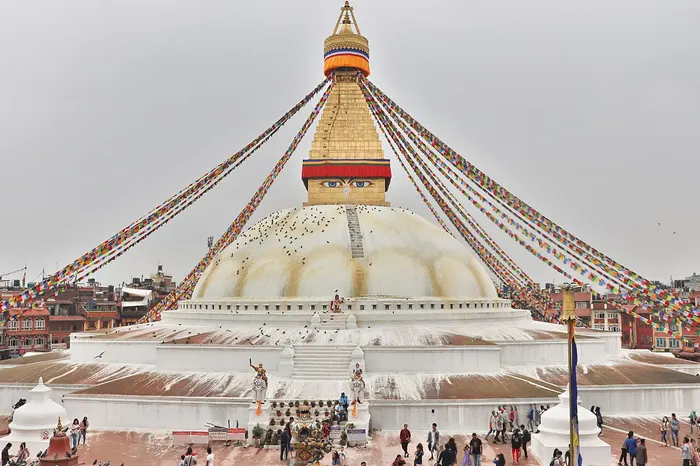
- Boudhanath: One of the largest spherical stupas on earth and the spiritual home of Kathmandu's Tibetan community.
- Swayambhunath: The hilltop stupa known as the Monkey Temple, with views across the whole valley and a blend of Buddhist and Hindu shrines.
- Kathmandu, Patan, and Bhaktapur Durbar Squares: Royal palace complexes, temples, and water spouts from the Malla period.
- Lumbini: The birthplace of Siddhartha Gautama, with the Maya Devi Temple and monasteries built by Buddhist traditions from around the world.
- Muktinath: A high altitude Vishnu shrine sacred to both Hindus and Buddhists, reached on a classic Annapurna circuit side journey or by helicopter pilgrimage.
- Gosaikunda: A sacred alpine lake tied to Lord Shiva, the goal of the Gosaikunda sacred lake trek.
UNESCO World Heritage Sites in Nepal
Nepal has ten UNESCO World Heritage Sites, seven of them cultural and concentrated in and around the Kathmandu Valley. A well planned UNESCO heritage tour of Kathmandu can cover most in a few days.
| Site | Type | Why it matters |
|---|---|---|
| Kathmandu Durbar Square | Cultural | Malla palace architecture, the living goddess Kumari, wooden temples |
| Patan Durbar Square | Cultural | Finest Newar metalwork and stone carving in the valley |
| Bhaktapur Durbar Square | Cultural | Best preserved medieval town, pottery and brick squares |
| Swayambhunath | Cultural | Ancient stupa, hilltop panorama of the valley |
| Boudhanath | Cultural | Major Tibetan Buddhist pilgrimage stupa |
| Pashupatinath | Cultural | Most important Shiva temple in Nepal |
| Changu Narayan | Cultural | Oldest temple site in the valley, Licchavi stone inscriptions |
| Lumbini | Cultural | Birthplace of the Buddha, Maya Devi Temple |
For a focused valley experience, our 5 day Kathmandu Valley UNESCO tour pairs the squares with an aerial Himalayan view, and the Bhaktapur day tour goes deep on Newar culture.
Top Destinations for Cultural and Spiritual Tours
Kathmandu Valley
The gateway and the center. Three cities (Kathmandu, Patan, Bhaktapur), seven UNESCO sites, and a daily rhythm of temple bells. Ideal for first timers and for a day tour of the landmarks or a deeper 3 day Kathmandu tour.
The Spiritual Circuit
A short, powerful route through Pashupatinath, Boudhanath, and Swayambhunath, plus the hill monasteries near Dhulikhel and Namobuddha. Our 2 day spiritual circuit is built for this.
Lumbini
The Buddhist heart. Beyond the Maya Devi Temple you can walk a loop of international monasteries, each built in the style of its home country. Pair it with Kathmandu on the Golden Triangle with Lumbini tour or the dedicated Lumbini Buddhist pilgrimage.
Mustang and the Buddhist North
Upper Mustang is a high desert kingdom of cave dwellings, walled towns, and Tibetan Buddhist practice largely untouched by mainstream tourism. Our Mustang cultural adventure is the cultural counterpoint to a trek.
Gosaikunda and Muktinath
For travelers who want pilgrimage with mountain air, the Gosaikunda sacred lake trek and the Muktinath helicopter pilgrimage combine devotion with altitude.
Nuwakot and the Hill Heritage
Less visited than the valley but rich in history, Nuwakot offers a palace, fort, and quiet village life an easy drive from Kathmandu.
Wellness and Spiritual Healing
Nepal's retreat culture is part of its spiritual offer. Our Heal program includes yoga retreats with sightseeing and luxury wellness escapes that pair practice with cultural exploration.
Festivals Worth Planning Around
Nepal runs on a lunar calendar packed with festivals. A few stand out for cultural travelers:
- Dashain and Tihar: The biggest Hindu festivals of the year, with family gatherings, lamps, and worship. Late September to early November.
- Indra Jatra: Kathmandu's living chariot festival around the old royal square, with the Kumari goddess paraded through the city.
- Buddha Jayanti: Celebrated at Lumbini and Boudhanath, marking the Buddha's birth, enlightenment, and passing.
- Maha Shivaratri: Tens of thousands of sadhus and devotees gather at Pashupatinath in late winter.
- Lhosar: Tibetan New Year, most visible in Boudhanath and the mountain north.
- Fagu Purnima (Holi): The spring color festival, joyful but messy, best enjoyed in the valley's towns.
Timing a Nepal heritage tour around one of these changes the whole trip. Tell us your dates and we will plan around what is happening.
Traditional Food You Should Try
Food is culture you can taste. Staples to know:
- Dal bhat tarkari: Lentil soup, rice, and vegetable curry, the daily plate across Nepal. Refills are usually free.
- Newari cuisine: The Kathmandu Valley's indigenous food culture: bara (lentil patties), chatamari (rice crepe), and buffalo dishes, best explored on a food and culture tour.
- Momo: Steamed or fried dumplings, Tibetan in origin, now everywhere.
- Sel roti and yogurt: Ring shaped rice bread and thick curd, common at festivals.
- Thakali set: The balanced platter of the Annapurna region, a good intro to mountain hospitality.
Ethnic Groups and Living Traditions
Nepal counts more than a hundred ethnic groups. The main ones you meet on a cultural tour:
- Newar: The historic urban culture of the Kathmandu Valley, master builders, metalworkers, and festival keepers.
- Brahmin and Chhetri: Hindu caste communities across the hills, tied to temple and agrarian life.
- Tamang and Gurung: Hill communities with strong Buddhist practice and a reputation for guiding and portering.
- Sherpa and Tibetan: Himalayan Buddhist communities of the north, custodians of monasteries and high passes.
- Tharu: The indigenous people of the southern Terai, with distinct dance, architecture, and a strong community tourism tradition.
Our Cultural Bridge community exchange tour is built specifically to connect travelers with these living traditions respectfully.
Suggested Itineraries
5 Day Kathmandu Heritage and Spiritual Circuit
Day 1 arrive and settle. Day 2 Kathmandu and Patan Durbar Squares. Day 3 the spiritual circuit: Pashupatinath, Boudhanath, Swayambhunath. Day 4 Bhaktapur and Changu Narayan. Day 5 departure or extend to a broader sacred heritage tour. Based on our 7 UNESCO wonders tour.
8 Day Nepal Cultural Highlights
Kathmandu heritage, a scenic flight or drive to Pokhara, the Nepal highlights tour, and a heritage extension. Good for first timers who want city and landscape.
10 Day Pilgrimage: Kathmandu to Lumbini
The valley's sacred sites, then Lumbini via the Golden Triangle with Lumbini, with optional Muktinath by air. A true Nepal cultural pilgrimage.
12 Day Luxury Culture and Wellness
Heritage touring by day, luxury wellness and yoga by evening, with private guides and premium hotels throughout.
Best Time to Visit
| Season | Months | Cultural travel notes |
|---|---|---|
| Spring | Mar to May | Pleasant, festivals like Holi and Nepali New Year, good light for photography |
| Monsoon | Jun to Aug | Green and quiet, fewer crowds, some road delays; good for indoor heritage and monastery visits |
| Autumn | Sep to Nov | Best overall: clear skies, Dashain and Tihar, peak festival energy |
| Winter | Dec to Feb | Cold mornings, crisp views, Maha Shivaratri at Pashupatinath, low crowds |
For a cultural tour in Nepal, autumn is the classic window, but winter is excellent for photographers and anyone who prefers empty temples.
Travel Tips for International Visitors
- Visa: Most visitors get a visa on arrival at Kathmandu airport or apply online. Carry a passport valid six months and a passport photo.
- Dress: Cover shoulders and knees at temples and monasteries. Remove shoes before entering shrines.
- Photography: Ask before photographing people, puja, or monks. Some inner sanctums forbid cameras.
- Money: ATMs in Kathmandu and Pokhara; carry cash for smaller towns and donations.
- Guides: A licensed guide opens access and context you cannot get alone, and is now required in many protected sites.
- Altitude: Even Gosaikunda or Muktinath involves real altitude. Build rest and hydrate.
- Insurance: Carry travel insurance that covers your activities, including any flight or trek component.
Responsible and Sustainable Tourism
Heritage only survives if visitors treat it gently. We ask travelers to:
- Walk clockwise around stupas and mani walls, and never sit on altars.
- Refuse single use plastic and carry a refillable bottle.
- Give directly to monasteries or registered community funds rather than individual solicitation.
- Choose locally owned hotels and guides so the money stays in the community.
- Respect festival closures and private rituals; not every moment is for spectators.
Our community exchange tour is designed so the visit itself supports the place visited.
Why Choose Enticing Himalayas
Enticing Himalayas is a Kathmandu based travel and tour company built around the three word promise Explore, Heal, Thrive. For cultural and spiritual travel, being local is everything. We are in the city the morning your flight lands, we know which festival is happening and which side road is closed, and our guides are residents who actually practice the traditions they explain. That is the difference between a checklist tour and a real meeting with Nepal.
What We Do and How We Do It
What we do: We design and operate cultural tours, spiritual and pilgrimage journeys, heritage city experiences, community exchange trips, and wellness retreats across Nepal, from the Kathmandu Valley to Lumbini, Mustang, and the sacred lakes.
How we do it: Every trip starts with a one to one plan based on your dates, interests, and pace. We handle permits, hotel bookings, private transport, domestic flights, and guide assignment in house. Our guides are licensed, first aid trained, and insured, and our community partners are met in person and vetted. We keep groups small and adjust the day to weather, festivals, and your energy.
What Guests Receive, Inclusions
When you book a Nepal cultural or spiritual tour with us, you receive:
| Included | Notes |
|---|---|
| Licensed local guide | English speaking, heritage and pilgrimage trained |
| Airport pickup and transfer | Kathmandu and Pokhara |
| Hotels and heritage stays | Matched to your budget, locally owned where possible |
| Private transport or domestic flights | Including scenic flights where the itinerary uses them |
| Permits and site entry | Heritage site fees and any restricted area permits arranged |
| Daily logistics and safety | On call support, weather and festival monitoring |
| Personalized planning | One to one design before you pay a deposit |
Meals, international flights, and personal insurance are typically separate, and we confirm exactly what is included before you compare any quote.
Frequently Asked Questions
What is a cultural tour in Nepal?
A cultural tour in Nepal visits the country's heritage sites, living traditions, festivals, and communities, usually across the Kathmandu Valley, Lumbini, and heritage towns, with a licensed guide explaining the history and practice.
What is a spiritual tour in Nepal?
A spiritual tour focuses on pilgrimage and practice: Hindu temples like Pashupatinath, Buddhist stupas like Boudhanath, birthplaces like Lumbini, and sacred sites like Muktinath and Gosaikunda, often combined with meditation or wellness time.
How many UNESCO sites are in Nepal?
Nepal has ten UNESCO World Heritage Sites, including seven cultural sites concentrated in and around the Kathmandu Valley and Lumbini, the birthplace of the Buddha.
What are the top cultural destinations in Nepal?
The Kathmandu Valley (Kathmandu, Patan, Bhaktapur), the spiritual circuit of Pashupatinath, Boudhanath, and Swayambhunath, Lumbini, Mustang, Nuwakot, and the sacred lakes of Gosaikunda and Muktinath.
When is the best time for a Nepal heritage tour?
Autumn, from September to November, gives the clearest weather and the biggest festivals such as Dashain and Tihar. Winter is excellent for empty temples and photography, and spring brings Holi and Nepali New Year.
Do I need a guide for cultural sites in Nepal?
For context and access, yes. Many protected and heritage sites now require or strongly benefit from a licensed guide, and a local guide explains the meaning behind what you see.
Can Enticing Himalayas customize a private cultural tour?
Yes. We design private and custom tours around your dates, interests, and pace, from a short Kathmandu heritage loop to a multi week pilgrimage across Lumbini, Mustang, and the sacred lakes.
Is Lumbini worth visiting?
For anyone interested in Buddhism or peaceful heritage, absolutely. The Maya Devi Temple and the ring of international monasteries make Lumbini a quiet, reflective counterpoint to the busy valley.
What should I wear to temples in Nepal?
Cover shoulders and knees, remove shoes before entering shrines, and avoid pointing feet at altars. A scarf and modest clothing are respectful and practical.
Do I need a visa for Nepal?
Most visitors can get a visa on arrival at Kathmandu airport or apply online in advance. Carry a passport valid for six months and a passport photo.
How many days do I need for a Nepal cultural tour?
A focused Kathmandu and spiritual circuit takes about 5 days. Adding Lumbini, Pokhara, or Mustang extends it to 8 to 12 days. We plan around your available time.
What food will I eat on a cultural tour?
Expect dal bhat, momos, Newari dishes in the valley, Thakali sets in the hills, and festival foods like sel roti. Vegetarian options are widely available.
Is Nepal safe for cultural tourists?
Yes. Heritage travel in Nepal is generally safe and welcoming. Standard precautions apply: licensed guides, travel insurance, and respecting local custom at religious sites.
Can I combine culture with wellness or yoga?
Definitely. Our Heal program pairs yoga and sound healing with cultural sightseeing, including retreats with sightseeing and luxury wellness escapes.
What is included in an Enticing Himalayas cultural tour?
Licensed guide, airport transfers, heritage hotels, private transport or domestic flights, site permits, daily logistics and safety support, and personalized planning. Meals and international flights are usually separate.
Can you include Mustang or Muktinath?
Yes. We run a Mustang cultural adventure and a Muktinath helicopter pilgrimage, and can combine both into a longer journey.
How far ahead should I book?
For autumn, the peak season, book 3 to 6 months ahead for the best hotels and flight slots. Spring and off season trips can often be arranged with less lead time.
Do you support responsible tourism?
Yes. We use locally owned hotels and guides, refuse single use plastic on trips, and run a community exchange tour designed so the visit supports the place visited.
Is the tour suitable for families?
Very much so. Heritage squares, stupas, and food tours work well for families, and we adjust pace and content for children. Tell us ages and interests and we will shape it.
Can photographers get good access?
Yes. Early morning at the squares and stupas is excellent, and our guides know the light and the moments. Winter and spring are especially good for quiet frames.
What makes Enticing Himalayas different from a foreign booking site?
We are based in Kathmandu and run the trips ourselves. More of your money reaches local guides and lodges, and we can respond in real time to weather, festivals, and changes on the ground.
Start Planning Your Nepal Cultural Tour
A cultural and spiritual tour in Nepal is one of the most rewarding ways to experience the country, and 2026 is a strong year to do it, with stable seasons, rich festivals, and easy connections. As a Kathmandu based team living the Explore, Heal, Thrive promise, Enticing Himalayas is ready to design a trip around your dates, your interests, and your pace.
Tell us what you hope to experience, whether that is the UNESCO squares of the valley, the calm of Lumbini, the high prayer flags of Mustang, or a wellness leaning journey through the hills, and we will send back two or three realistic itineraries, no obligation. Reach us through our trip planner and let's build your Himalayan year.
About Enticing Himalayas

Enticing Himalayas (legal name Enticing Himalayas Travels) is a Kathmandu based, Nepal licensed travel operator under the brand Explore, Heal, Thrive. We run cultural tours, spiritual and pilgrimage journeys, heritage city experiences, wellness retreats, and trekking across Nepal.
Our services
- Cultural and heritage tours of the Kathmandu Valley and beyond
- Spiritual and pilgrimage journeys (Lumbini, Muktinath, Gosaikunda)
- Wellness and yoga retreats (Heal)
- Community exchange and responsible tourism trips
- Scenic flights and adventure experiences (Explore)
Accreditations


We are a recognized partner of the Nepal Tourism Board and list experiences through established global platforms. Every guide and porter we send guests with is insured, fairly paid, and vetted on our three standards: verifiable training, resident local knowledge, and a track record with international guests.
About the author
Written by the Enticing Himalayas editorial team in Kathmandu, with input from our resident guides and cultural partners. We update this guide as our programs develop.
Why trust Enticing Himalayas
We are based in Kathmandu and our guides run these routes every season. We vet every provider on three things: verifiable training, a resident qualified practitioner, and a track record with international guests. If a provider cannot clear that bar, we do not send you there.