 Mar 23 – Mar 7, 2027
Kathmandu
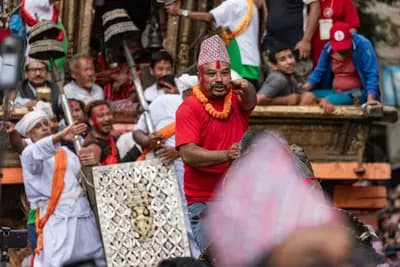
Seto Machindranath Jatra 2027: Kathmandu’s Sacred Festival
Culture
5 Tage
Festival
Free
Kathmandu 5 Tage
Event Details
Loading...
Event starts in
Maghe Sankranti in Nepal is one of the country's most meaningful winter festivals, bringing together religious devotion, traditional food, family gatherings, seasonal change, and diverse community traditions. Celebrated on the first day of the Nepali month of Magh, usually in mid-January, the festival is associated with the Sun's transition into Capricorn and the beginning of a period traditionally connected with longer and warmer days. Across Nepal, people observe the occasion through holy river bathing, temple visits, family blessings, traditional meals, charity, cultural gatherings, and community celebrations. The same festival can have different names and customs depending on the community and region. The Nepal Tourism Board describes it as a festival of renewal, prosperity, togetherness, and the seasonal transition toward warmer days.
For travelers, Maghe Sankranti provides an opportunity to experience living Nepali culture rather than simply visiting monuments. A visitor can see families preparing sesame sweets and chaku, pilgrims gathering near rivers, elders blessing younger family members, and communities celebrating their own traditions. In the Kathmandu Valley, the festival is closely connected with Newar traditions, while in the southern plains it is celebrated particularly strongly as Maghi among the Tharu community. This cultural diversity makes the festival especially valuable for anyone interested in Nepal's heritage, religion, food, and community life. Travelers planning a broader cultural journey can also explore the Kathmandu Valley cultural experience, where temples, courtyards, traditional neighborhoods, and festivals reveal the depth of Nepal's living heritage.
Maghe Sankranti is an annual Nepali festival observed on the first day of Magh in the Bikram Sambat calendar. It is closely associated with the Sun's movement into Capricorn, known as Makar, and is traditionally regarded as an important seasonal transition. Rather than being only a religious occasion, it combines spiritual beliefs, agricultural traditions, family customs, seasonal foods, and community celebrations. The festival is particularly significant because it follows a solar cycle, unlike many Nepali festivals whose dates are determined by lunar calculations. This gives the festival a relatively consistent place in the annual calendar, generally around January 14 or 15. Nepal Tourism Board identifies Maghe Sankranti as a major traditional festival celebrated across Nepal.
The meaning of the festival differs somewhat between communities, but the central themes remain remarkably connected: renewal, health, prosperity, family, gratitude, and the changing season. Many people believe the occasion is an auspicious time to begin a more positive period of the year. Traditional foods such as ghee, chaku, sesame sweets, sweet potatoes, and yam are associated with warmth and nourishment during the cold season. Religious observances can include bathing in sacred rivers and visiting temples. In Newar communities, the festival is known as Ghyo Chaku Sanlhu, referring to ghee and molasses, while the Tharu community celebrates it as Maghi, with distinctive cultural practices and strong community participation.
Maghe Sankranti is celebrated on the first day of Magh, which generally falls in the middle of January. Because the festival follows the solar calendar, its date is more consistent than festivals based on the lunar calendar. For travelers planning a Nepal trip specifically around the celebration, checking the Nepali calendar for the relevant year is important because the corresponding Gregorian date can vary slightly.
The timing is significant because Magh traditionally represents a movement away from the coldest part of winter toward increasingly longer and warmer days. The Nepal Tourism Board explains the festival as marking the beginning of Uttarayana, traditionally understood as the Sun's northward journey. This seasonal symbolism gives Maghe Sankranti a broader meaning beyond ritual: it represents a turning point and a hopeful beginning. Travelers interested in Nepal's seasonal traditions can combine the festival with other cultural experiences and read related Nepal travel stories to understand how festivals fit into the country's wider cultural calendar.
The religious importance of Maghe Sankranti comes from its association with the Sun, sacred bathing, purification, and auspicious beginnings. In Hindu traditions, the Sun is regarded as a powerful symbol of life, energy, light, and spiritual consciousness. The movement of the Sun into Capricorn therefore carries considerable symbolic importance. Devotees may begin the festival with a ritual bath before continuing with prayers, temple visits, offerings, and family traditions.
The festival also has connections with ancient Hindu beliefs concerning auspicious periods and spiritual liberation. Traditional accounts associate the transition of the Sun with an especially favorable period for religious activity. These beliefs help explain why major rivers and pilgrimage sites become busy during the festival. However, it is important for visitors to understand that individual practices vary between families and communities. Maghe Sankranti should not be treated as one identical ceremony throughout Nepal; its strength comes from the different ways communities interpret and celebrate the same seasonal occasion. Radio Nepal has also reported widespread observance through holy bathing, temple worship, and traditional foods including ghee, yam, khichadi, chaku, and sesame sweets.
One of the most important ideas connected with Maghe Sankranti in Nepal is the Sun's transition into Capricorn. In cultural and religious understanding, this is associated with Uttarayana and the return toward longer days. The festival therefore symbolizes a movement from darkness and cold toward greater warmth and light.
This symbolism is one reason the celebration feels particularly appropriate in the middle of winter. Families eat foods considered nourishing and warming, people gather together, and religious activities emphasize good fortune and renewal. The festival can therefore be understood at several levels simultaneously: as a religious celebration, seasonal festival, family gathering, cultural tradition, and agricultural occasion. For international travelers, understanding these layers makes the experience much more meaningful than simply photographing the food or attending a public gathering.
Food is one of the most recognizable parts of Maghe Sankranti celebrations. Traditional dishes are closely connected with the cold winter season and the idea of providing warmth and nourishment to the body. Among the most commonly associated foods are til ko laddu, chaku, ghee, sweet potatoes, yam or tarul, and khichadi. Families may prepare different combinations depending on their community, location, and household traditions. Nepal Tourism Board specifically highlights sesame sweets, chaku, ghee, sweet potatoes, yam, and tarul as traditional festival foods.
Chaku is a concentrated molasses-based sweet that has a distinctive dark color and rich flavor. Til ko laddu, made from sesame seeds, is another popular festival food. Ghee is commonly eaten alongside these foods, while sweet potatoes and yams provide hearty seasonal nourishment. In some households, the meal is not simply about taste; sharing food represents family connection, generosity, health, and prosperity. This makes food an important part of the social meaning of the festival.
Visitors interested in experiencing Nepal through its cuisine can consider a Traditional Nepali Culinary & Food Tour, which provides broader insight into local ingredients, cooking methods, Newar food culture, and traditional dishes. The activity page describes experiences involving foods such as momo, choila, yomari, sel roti, and traditional Nepali meals, showing how food can provide a deeper cultural connection.
Chaku and sesame sweets have become almost synonymous with Maghe Sankranti in many Nepali households. Their popularity is connected both to cultural tradition and the winter season. Sesame seeds, molasses, and ghee provide energy-rich foods during cold weather, while their preparation and sharing create a strong family tradition.
The Newar name Ghyo Chaku Sanlhu itself reflects this culinary identity. The Lalitpur Metropolitan City heritage documentation records the festival's association with ghee, chaku, sesame balls, yam, and sweet potatoes, along with family practices such as receiving oil massage from elders. Thus, food is not an accessory to the festival; it is part of the cultural language through which families express affection, blessing, and continuity.
Among the most distinctive forms of the festival is Maghi celebrated by the Tharu community. For many Tharu communities, Maghi is not simply another festival but an important cultural occasion associated with the New Year, family gatherings, community organization, food, music, and traditional celebrations. The festival can extend beyond a single day in some communities, creating a broader period of cultural activity.
The Lumbini Development Trust's cultural calendar describes Maghi celebrations in Tharu villages through holy bathing, large family feasts, cultural programs, traditional clothing, music, dance, and community activities. It also notes important social roles and community responsibilities associated with the celebration. This makes the Tharu version of Maghe Sankranti especially important for travelers who want to understand Nepal's ethnic and cultural diversity.
Travelers should approach these celebrations with respect. A cultural festival is not simply an entertainment event. It belongs to the community, and visitors should avoid treating sacred ceremonies or private family activities as performances created for tourists. Asking permission before photographing people, respecting local dress and religious practices, and following guidance from local hosts are simple ways to travel responsibly.
The Kathmandu Valley offers another fascinating interpretation of the festival. Among Newar communities, Maghe Sankranti is traditionally known as Ghyo Chaku Sanlhu. The celebration includes traditional foods, family gatherings, religious practices, and distinctive customs passed between generations.
The valley is particularly interesting because religious traditions exist alongside historic architecture and active community life. Patan, Bhaktapur, and Kathmandu each preserve different aspects of Newar heritage. Visitors can therefore combine a festival experience with temple visits, traditional squares, local markets, and food experiences.
A cultural visit through Kathmandu does not have to be limited to major monuments. The smaller courtyards, neighborhood shrines, traditional houses, local eateries, and community spaces often reveal the everyday side of heritage. The Kathmandu Valley destination guide provides a useful overview of the valley's temples, heritage areas, festivals, food, and cultural experiences.
Holy bathing is one of the most important religious practices connected with Maghe Sankranti. Devotees may travel to rivers and confluences in the early morning to take a ritual bath. The act is associated with purification, spiritual renewal, and good fortune.
Important bathing locations include Devghat, Triveni, Ridi, Sankhamul, Dolalghat, Panauti, and other sacred river locations. Radio Nepal reported large gatherings at places including Devghat, Barahchhetra, Ridi, Panauti, Dolalghat, and Kankai during the festival.
For travelers, these locations can provide a powerful cultural experience, but visitors should remember that bathing is a religious practice. Photography should be handled carefully, particularly when people are performing private rituals. Travelers should also follow local instructions concerning river safety, crowd movement, and appropriate clothing.
Devghat is one of Nepal's best-known pilgrimage destinations and becomes particularly significant during major religious bathing festivals. Located near the meeting area of important rivers, the site attracts devotees seeking ritual purification and blessings.
A visit to Devghat during Maghe Sankranti can introduce travelers to the connection between Nepal's rivers, religion, pilgrimage, and seasonal festivals. Rather than seeing the river only as a geographical feature, visitors can understand why rivers occupy such an important place in Nepali spiritual life.
Travelers combining festival experiences with wider cultural tours should allow sufficient time for local conditions, crowds, and ceremonies. Festival travel is different from ordinary sightseeing because the most meaningful experiences often happen early in the morning or in community spaces away from conventional tourist attractions.
Panauti is another culturally important destination associated with religious traditions and sacred rivers. Its historic Newar settlement, temples, traditional architecture, and surrounding landscape make it a fascinating place for travelers interested in authentic cultural experiences.
The connection between Panauti and Maghe Sankranti demonstrates how festivals, rivers, architecture, and local communities are connected in Nepal. Instead of experiencing a festival as an isolated event, travelers can explore the town, observe traditional architecture, learn about local religious practices, and taste regional food.
For visitors who want a slower cultural experience, Panauti can also be combined with community-based tourism and homestay experiences. This type of travel gives visitors the opportunity to interact with local residents while supporting community tourism rather than concentrating entirely on large commercial attractions.
The Terai region of Nepal offers a different cultural atmosphere from the Himalayan and hill regions. The plains are home to many ethnic communities, languages, food traditions, and religious practices. Maghe Sankranti and Maghi are therefore celebrated through a variety of local customs.
In Tharu communities, the festival has particular importance as a New Year celebration, with gatherings, feasting, traditional clothing, dancing, music, and community activities. The Lumbini Development Trust identifies Tharu villages around the Lumbini area as important places for Maghi cultural celebrations.
This makes the Terai an excellent region for travelers interested in understanding Nepal beyond the famous mountain destinations. A cultural itinerary can connect Lumbini, Tharu villages, traditional food experiences, and local heritage to create a more complete picture of Nepal.
At its heart, Maghe Sankranti is a family festival. Relatives gather, traditional foods are prepared, elders bless younger family members, and people spend time together. In a rapidly changing society, these traditions provide an opportunity for different generations to reconnect.
The importance of family is particularly visible through food. Preparing chaku, sesame sweets, yam, sweet potatoes, and other dishes requires participation and sharing. Younger family members learn traditional practices from parents and grandparents, while older generations maintain customs that may have been passed down for decades.
For travelers, this family-centered nature is important to understand. The festival is not primarily designed for tourism. Its authenticity comes precisely from the fact that people celebrate it for themselves. Visitors who approach the festival respectfully can learn much more about Nepali family culture and community values than they would through a conventional sightseeing itinerary.
One distinctive tradition associated with Ghyo Chaku Sanlhu among Newar communities involves elders applying oil to younger family members. Documentation from Lalitpur describes mustard oil being applied to the scalp in the sunlight as a blessing.
This custom reflects the broader relationship between health, seasonal change, elders, and family care. Traditional practices often combine cultural symbolism with everyday ideas about keeping the body comfortable during winter. Visitors should understand these practices in their cultural context rather than reducing them to tourist attractions.
The Kathmandu Valley remains particularly valuable for learning about Newar traditions because festivals are integrated into the urban landscape. Temples, courtyards, traditional homes, public squares, and neighborhood shrines continue to function as living cultural spaces.
For international travelers, Maghe Sankranti in Nepal can become an important part of a cultural itinerary. Instead of simply visiting famous monuments, travelers can plan around a festival and experience Nepal when local communities are actively celebrating.
A good festival-focused itinerary might combine Kathmandu heritage sites, local food, temple visits, sacred river areas, traditional markets, and community experiences. Depending on the traveler's interests, the itinerary could also include spiritual sites or short excursions outside the valley.
For example, visitors interested in Nepal's spiritual traditions can read the Spiritual Tour in Nepal 2026 guide, which explores sacred Hindu and Buddhist destinations and explains the etiquette travelers should follow at religious sites.
Because the festival has strong religious associations, travelers interested in spiritual tourism in Nepal may find it especially meaningful. Nepal's spiritual landscape includes Hindu temples, Buddhist monasteries, sacred rivers, pilgrimage routes, meditation centers, and ancient heritage sites.
A broader spiritual itinerary could include Pashupatinath, Boudhanath, Swayambhunath, Patan, Lumbini, or Muktinath, depending on time and physical ability. Each destination provides a different perspective on Nepal's religious diversity.
Enticing Himalayas' 10-Day Hindu and Buddhist Pilgrimage Circuit is an example of how travelers can connect multiple sacred destinations into one journey. The itinerary focuses on Nepal's Hindu and Buddhist heritage rather than treating religious sites as isolated sightseeing stops.
Visitors should look for chaku, til ko laddu, ghee, yam, sweet potatoes, and khichadi during the festival period. The exact menu varies by community and household, so there is no single official Maghe Sankranti meal.
Food is particularly important because it allows travelers to understand culture through everyday life. Rather than only photographing temples, visitors can ask local hosts about ingredients, cooking methods, family recipes, and the meaning of specific foods. This creates a more personal cultural experience.
Travelers who enjoy food-based exploration can also include a Nepali culinary experience in their itinerary. Learning about everyday Nepali cuisine before or after the festival can make the special Maghe Sankranti dishes easier to understand within the larger food culture of Nepal.
Visitors should remember that Maghe Sankranti is a living religious and cultural festival, not simply a tourist attraction. Appropriate behavior is therefore important. Dress modestly when visiting temples, remove shoes where required, avoid interrupting prayers, and ask permission before photographing people or ceremonies.
At crowded bathing locations, travelers should follow safety instructions and avoid entering rivers simply to imitate local rituals. If you are not familiar with the religious meaning of an activity, observing respectfully is usually better than participating without understanding it.
The same principle applies to food and family traditions. If invited into someone's home, accept hospitality respectfully and ask before photographing family members or private ceremonies. Responsible cultural tourism helps ensure that festivals remain meaningful for local communities while also allowing visitors to learn from them.
There is no single “best” place because the experience depends on what you want to see. Kathmandu Valley is particularly useful for visitors interested in Newar culture, temples, heritage architecture, and urban traditions. Devghat is significant for pilgrimage and sacred bathing. Panauti provides a more intimate historic-town experience. Lumbini and surrounding Tharu communities offer opportunities to learn about Maghi and Tharu cultural traditions.
Travelers should also consider their travel style. Someone interested in religious practices may prefer a pilgrimage site, while a traveler focused on food may enjoy a community or culinary experience. Those interested in ethnic culture may prefer the Terai and Tharu communities.
The most rewarding approach is therefore to choose a destination according to cultural interest rather than popularity.
Maghe Sankranti offers travelers a chance to experience Nepal as a living culture. The festival connects religion, food, family, nature, seasonal change, and community identity. It is not confined to one city or one ethnic group, which means the celebration changes as you travel from the Kathmandu Valley toward the hills and Terai.
The festival also demonstrates something fundamental about Nepal: cultural diversity does not necessarily mean separation. Different communities can celebrate the same seasonal transition through their own foods, languages, rituals, and traditions. This makes Maghe Sankranti a valuable subject for cultural travelers, students, photographers, researchers, and anyone curious about South Asian traditions.
For travelers planning a broader Nepal journey, the Enticing Himalayas travel homepage can be used as a starting point for exploring cultural, spiritual, adventure, and wellness experiences throughout Nepal.
Festival tourism should benefit local communities rather than turning traditions into staged performances. Travelers can support this principle by purchasing local food, using community-based accommodations where appropriate, hiring local guides, respecting cultural restrictions, and avoiding unnecessary waste.
Small choices matter. Carrying reusable water bottles, reducing plastic waste, respecting sacred spaces, and supporting local businesses can help make festival travel more responsible. Visitors should also remember that religious gatherings can become crowded, so planning transportation and accommodation early is useful.
Responsible tourism allows travelers to enjoy Nepal while helping protect the cultural traditions that make the destination special.
Before traveling for Maghe Sankranti in Nepal, check the exact festival date for the year you plan to visit. January can be cold, particularly in the mornings, so warm clothing is important. If you plan to visit a river-bathing site, arrive early and follow local safety guidance.
Book accommodation and transportation in advance if traveling to a major pilgrimage location during the festival period. Carry modest clothing for temples and cultural sites. Keep cash available for local food, donations, and small purchases because some rural locations may have limited card facilities.
Most importantly, keep your itinerary flexible. Festivals do not always follow the same rhythm as ordinary tourist attractions. A ceremony may begin early, traffic may become heavier, and public spaces may become crowded. Allowing extra time can make the experience much more enjoyable.
Key experiences and features
Cultural Festival
Traditional Rituals
Holy Bathing
Traditional Foods
Tharu Maghi
Recommended packing list
Kathmandu
Kathmandu, Kathmandu, Bagmati, Nepal
Got questions about this event?
Maghe Sankranti is a major Nepali festival celebrated in January, marking the beginning of the month of Magh and an important seasonal and religious transition.
It is generally celebrated around January 14 or 15, depending on the calendar year.
Popular foods include chaku, sesame sweets, ghee, yam, sweet potatoes, tarul, and khichadi.
Maghi is the name commonly used for the festival among the Tharu community, where it has strong cultural and New Year significance.
Cultural celebrations can be experienced in places such as Kathmandu Valley, Devghat, Panauti, Ridi, and Tharu communities in the Terai, depending on local programs.
Jan 14, 2027
1 day
Quick Info
More culture experiences
Mar 23 – Mar 7, 2027Kathmandu
 Dec 13 – Dec 17, 2026
Janaki Mandir, Janakpur
 Nov 15 – Nov 16, 2026
Tsum Valley