Loading...
5 days
Excursión al lago Gosaikunda: Peregrinación sagrada al Himalaya y lagos alpinos (5 días)
Country
Distrito de Rasuwa
Duration
5 days
Group size
Flexible group size
Difficulty
moderate
0(0 reviews)
Distrito de Rasuwa
Tour Description
The Sacred Waters of Gosaikunda: A Pilgrimage to the High Himalayas
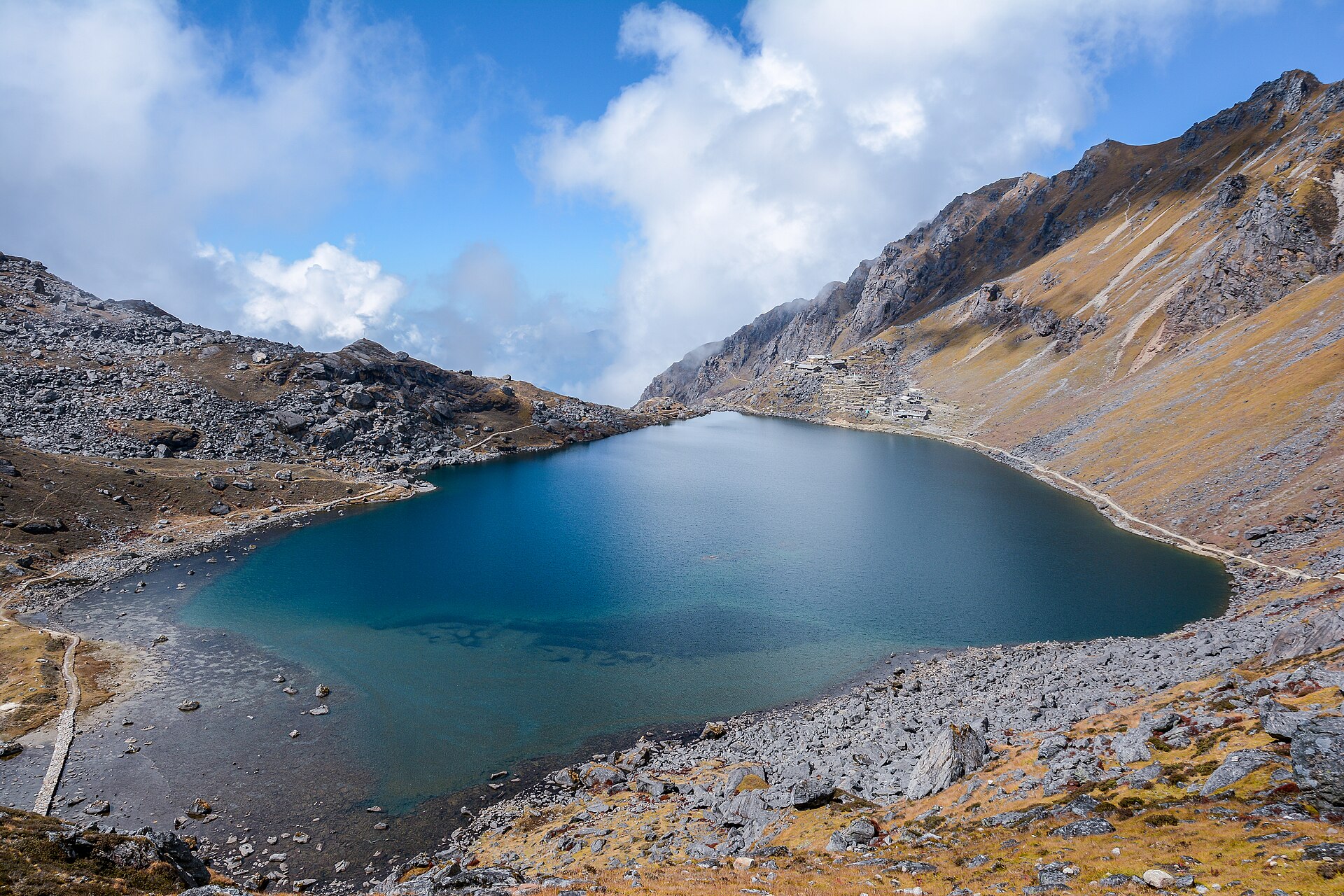
High in the Langtang Himal, at an elevation of 4,380 meters, lies a lake so sacred that Hindu pilgrims have walked for days to reach its shores for centuries. Gosaikunda is not merely a body of water; it is a living myth, a place where the divine touched the earth. According to the Puranas, during the cosmic churning of the ocean, the Samudra Manthan, Lord Shiva swallowed the deadly poison Halahala to save the universe. The burning heat of the poison tormented him, and in his agony, he struck the mountain with his trident. From that wound, cool, pure water gushed forth, forming Gosaikunda and the 108 holy lakes that surround it. This 5-day trek follows the very pilgrim trail that devotees have walked for generations, ascending from the subtropical forests of Dhunche through rhododendron groves and oak woodlands into the stark, breathtaking alpine amphitheatre where the sacred lake rests beneath the watchful peaks of the Langtang range.
The Gosaikunda Lake Trek is one of Nepal's most spiritually significant journeys, and it is also one of the most accessible high-altitude treks in the country. In just five days, you transition from the terraced hillsides and stone villages of the mid-hills to the raw, elemental beauty of the alpine zone, where the air thins and the landscape opens into sweeping panoramas of snow-capped peaks. The trail winds through Langtang National Park, a protected area rich in wildlife, including the elusive red panda, Himalayan tahr, and over 250 species of birds. Every step of this trek carries layers of meaning: natural, cultural, and spiritual. Whether you come as a pilgrim seeking blessings, a trekker chasing high-altitude beauty, or a traveler curious about Nepal's living traditions, Gosaikunda delivers an experience that stays with you long after you descend.
Why the Gosaikunda Lake Trek Matters
Gosaikunda occupies a unique place in Nepal's spiritual geography. It is one of the country's most important pilgrimage sites for both Hindus and Buddhists, and during the annual Janai Purnima festival in August, thousands of devotees make the ascent to bathe in its holy waters and change their sacred thread. The lake is believed to cleanse sins and grant spiritual merit, and the surrounding 108 lakes, a number sacred in both Hindu and Buddhist cosmology, amplify this sanctity. For trekkers, Gosaikunda offers something rare: a genuine pilgrimage route that doubles as a world-class trekking experience. The trail is well-established, the teahouses are welcoming, and the views, particularly of the Langtang Lirung, Ganesh Himal, and the Tibetan peaks beyond, are spectacular.
This trek also serves as an ideal introduction to high-altitude trekking in Nepal. At 5 days, it is short enough to fit into a tight travel schedule, yet it reaches an elevation that gives you a true taste of Himalayan adventure. The gradual ascent profile, with overnight stops at Chandanbari (Sing Gompa) and Lauribina, allows for proper acclimatization, and the well-maintained trail means you can focus on the experience rather than the logistics. For those considering longer treks like the Langtang Valley Trek or the Langtang Gosaikunda Trek, this shorter pilgrimage route is the perfect warm-up, or a rewarding standalone adventure in its own right.
Day-by-Day Itinerary: The Pilgrim Trail to 4,380 Meters
Day 1: Kathmandu to Dhunche (1,950 m) | 6-7 Hours Drive
Your journey begins with a scenic drive from Kathmandu to Dhunche, the administrative headquarters of Rasuwa District and the gateway to Langtang National Park. The road winds north through the Trishuli River valley, passing terraced fields, traditional Tamang villages, and increasingly dramatic mountain scenery. Dhunche itself is a bustling hill town with a rich Tamang cultural heritage, and it serves as the trailhead for the Gosaikunda pilgrimage. After checking into your teahouse, you can explore the town, visit the local monastery, and prepare for the trek ahead. The evening is spent acclimatizing and enjoying your first night in the mountain air.
Day 2: Dhunche to Chandanbari (Sing Gompa, 3,330 m) | 5-6 Hours Trek
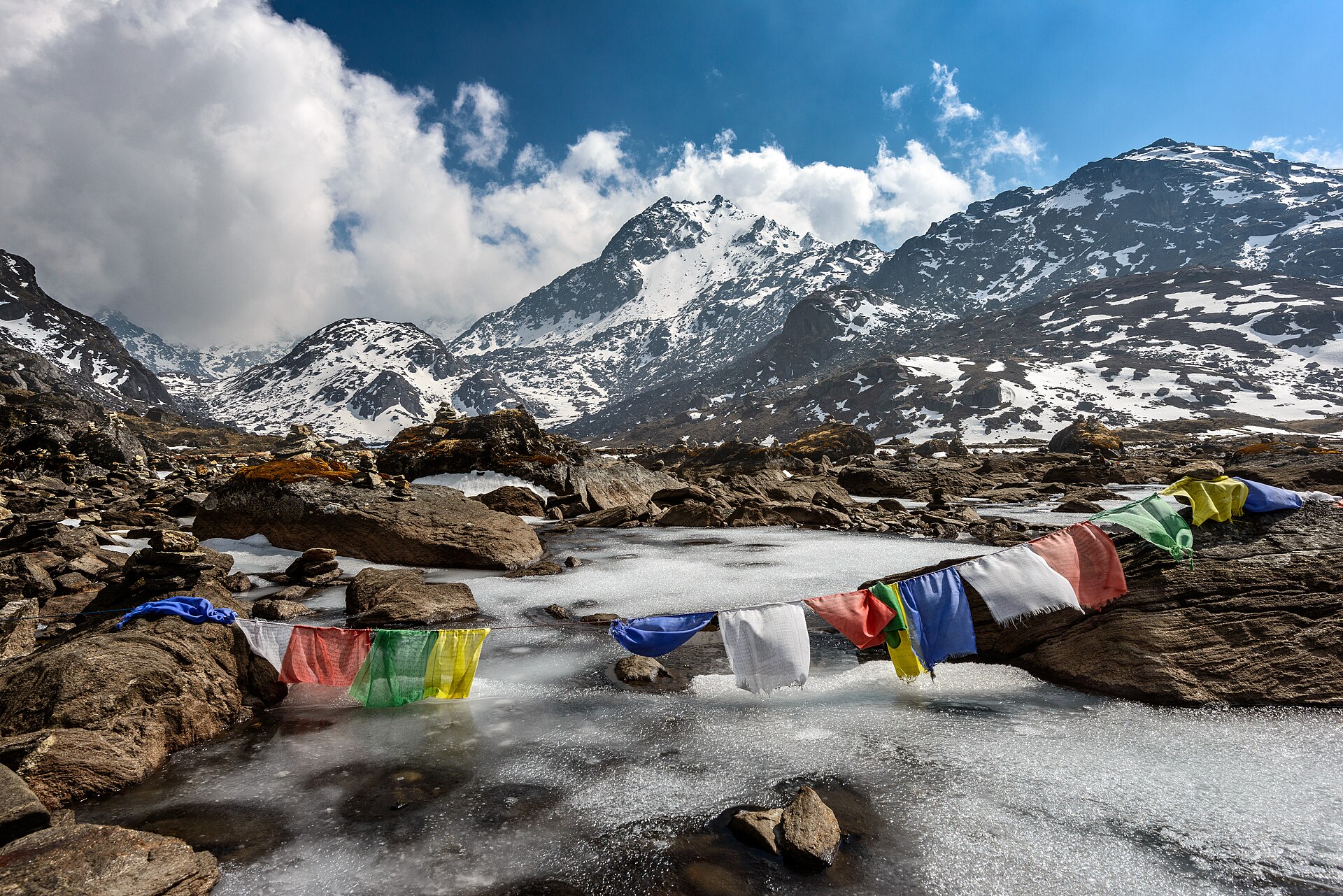
The trail climbs steadily from Dhunche through dense forests of oak, pine, and rhododendron. In spring, the rhododendron blooms in brilliant reds and pinks, transforming the forest into a natural garden. The path is well-trodden by generations of pilgrims, and you will likely encounter local herders with their yak and chauri (yak-cow hybrids) along the way. After several hours of ascent, you reach Chandanbari, also known as Sing Gompa, a small settlement centered around a Buddhist monastery. The gompa itself is worth visiting; its prayer flags flutter against the backdrop of the Ganesh Himal range, and the resident monks are often happy to share tea and conversation. This is also the site of a small cheese factory, a legacy of a Swiss development project, where you can sample fresh yak cheese.
Day 3: Chandanbari to Gosaikunda (4,380 m) via Lauribina | 6-7 Hours Trek
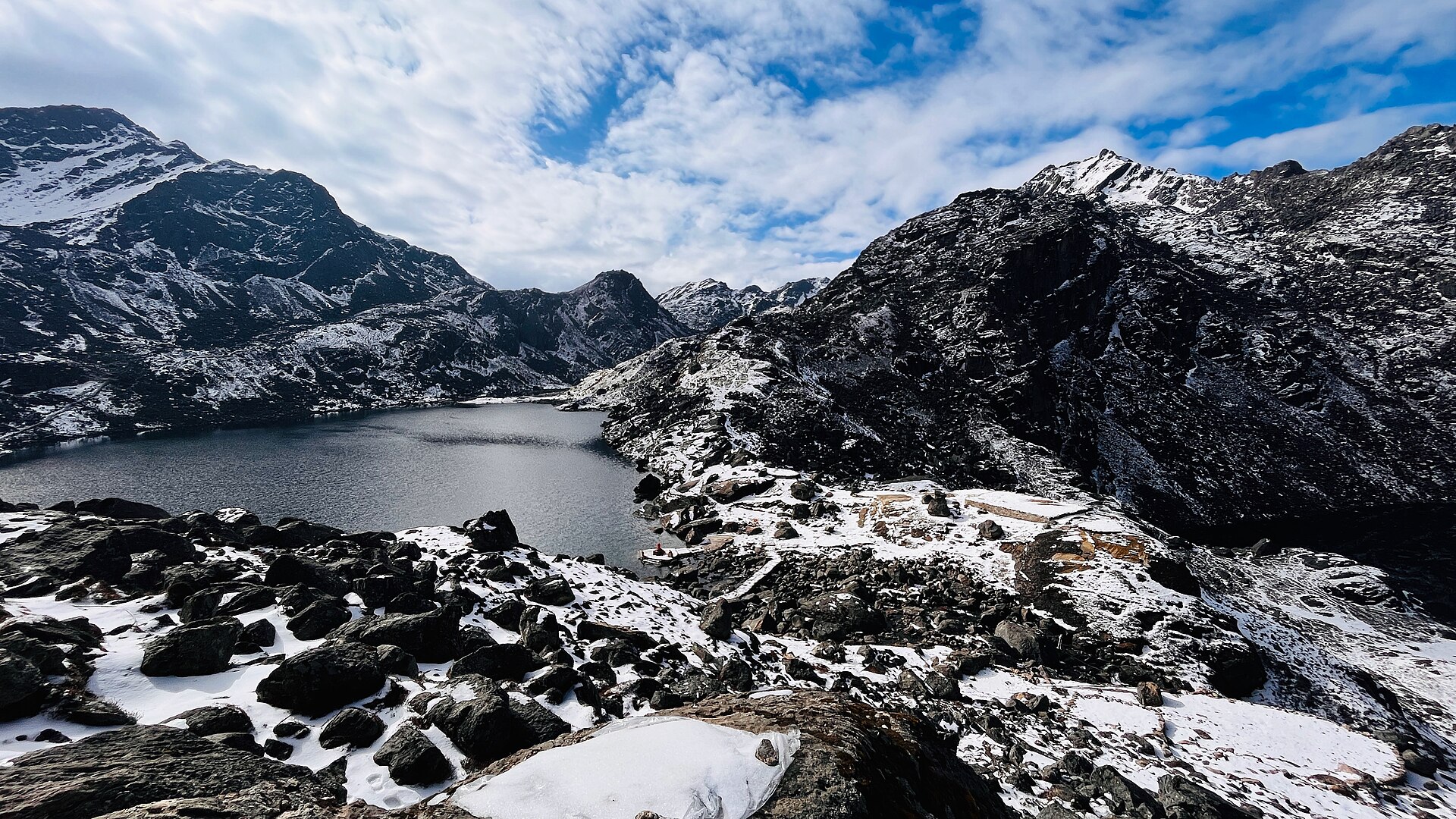
This is the most challenging and rewarding day of the trek. The trail leaves the tree line behind and enters the alpine zone, where the landscape opens into sweeping vistas of rolling high-altitude meadows and distant snow peaks. You pass through Lauribina (3,910 m), a popular rest stop with panoramic views of the Langtang range, Annapurna, and Manaslu on clear days. From Lauribina, the trail climbs more steeply, and the air grows noticeably thinner. The first glimpse of Gosaikunda, a shimmering turquoise-blue lake set in a rocky amphitheatre beneath the peaks, is a moment of pure awe. Pilgrims often prostrate themselves at this first sight, and even non-religious trekkers find themselves moved by the stark, silent beauty of the place. You spend the night at a teahouse near the lake, and as the sun sets, the water reflects the alpenglow on the surrounding peaks, a sight that defies description.
Day 4: Gosaikunda Exploration and Descent to Chandanbari | 5-6 Hours Trek
Morning at Gosaikunda is a time for reflection and exploration. Wake early to watch the sunrise paint the peaks in gold and rose, and take a walk around the lake's perimeter. If you have the energy, you can explore some of the smaller surrounding lakes, including Saraswatikunda and Bhairabkunda, each with its own mythological significance. Many trekkers choose to take a ritual dip in the lake's icy waters, following the pilgrim tradition of spiritual cleansing. After a leisurely morning, you begin the descent, retracing your steps through Lauribina and back down to the relative comfort of Chandanbari. The descent is faster and easier on the lungs, and you arrive with a deep sense of accomplishment and a camera full of unforgettable images.
Day 5: Chandanbari to Dhunche and Drive to Kathmandu | 4-5 Hours Trek, 6-7 Hours Drive
The final day begins with a gentle descent through the rhododendron forests back to Dhunche. The familiar trail feels different on the way down; you notice details you missed on the ascent, and the forest seems richer and more alive. In Dhunche, you board your vehicle for the drive back to Kathmandu, carrying with you the memories of sacred waters, mountain silence, and the deep satisfaction of having walked a path trodden by pilgrims for centuries. You arrive in Kathmandu by evening, with time to reflect on your journey over a well-earned dinner in the city.
The Spiritual Significance of Gosaikunda
Gosaikunda is far more than a scenic alpine lake. In Hindu cosmology, it is one of the most sacred bodies of water in the Himalayas, mentioned in the Puranas alongside Mansarovar and other holy lakes. The name itself, "Gosaikunda," derives from "Gosain" (a title of Shiva) and "kunda" (lake), literally meaning "the lake of Lord Shiva." The mythology surrounding the lake is rich and layered. During the Samudra Manthan, when the devas and asuras churned the cosmic ocean to extract the nectar of immortality, the first thing that emerged was the deadly poison Halahala, which threatened to destroy all creation. Lord Shiva, in his infinite compassion, drank the poison and held it in his throat, which turned blue, earning him the name Neelkanth. The burning sensation was unbearable, and he struck the mountain with his trident, creating Gosaikunda to cool his throat.
The 108 lakes surrounding Gosaikunda are equally significant. The number 108 is sacred in both Hinduism and Buddhism, representing the 108 beads of a mala, the 108 Upanishads, and the 108 earthly desires that must be overcome. Each lake is believed to have its own spiritual properties, and during Janai Purnima, pilgrims bathe in as many as they can reach. The festival itself is a vibrant spectacle: shamans in trance, families changing their sacred threads, offerings of flowers and rice floating on the water, and the sound of bells and chanting echoing across the high-altitude basin. Even outside the festival season, the lake retains a palpable sense of sanctity. The silence at 4,380 meters is profound, broken only by the wind and the occasional cry of a Himalayan griffon, and many trekkers report a deep sense of peace and clarity that they carry with them long after leaving the mountains.
Flora, Fauna, and the Langtang Landscape
The Gosaikunda trail traverses several distinct ecological zones, from subtropical broadleaf forests at the lower elevations to alpine scrub and eventually the barren, rocky terrain of the high Himalayas. The lower sections of the trail, particularly around Dhunche and the early ascent, are rich in biodiversity. Langtang National Park, established in 1976 as Nepal's first Himalayan national park, protects a remarkable range of flora and fauna. The forests are dominated by oak, maple, pine, and rhododendron, and in spring, the rhododendron bloom is a riot of color, with over a dozen species flowering in shades of red, pink, and white. The understory is thick with ferns, mosses, and wild orchids, and the air is filled with birdsong.
Wildlife sightings, while never guaranteed, are a real possibility on this trek. The park is home to the red panda, one of the most charismatic and endangered mammals in the Himalayas, though it is shy and rarely seen. More commonly spotted are the Himalayan tahr, a wild goat with a distinctive reddish coat, and the Himalayan black bear. Birdwatchers will be in paradise: the park hosts over 250 species, including the colorful Himalayan monal (Nepal's national bird), the lammergeier (bearded vulture), golden eagles, and numerous species of pheasants and laughing thrushes. As you climb above the tree line, the wildlife becomes sparser but no less remarkable: snow partridges, alpine choughs, and the occasional glimpse of a Himalayan griffon soaring on thermals above the peaks.
Best Time to Trek Gosaikunda
The Gosaikunda Lake Trek is best undertaken during two main seasons: spring (March to May) and autumn (September to November). Spring offers the spectacle of rhododendron forests in full bloom, with clear skies and moderate temperatures. The trail is vibrant with wildflowers, and the mountain views are crisp and far-reaching. Autumn, after the monsoon rains have washed the atmosphere clean, delivers the clearest skies of the year and the most reliable mountain panoramas. The temperatures are comfortable for trekking, and the festival season adds a cultural dimension to the journey. The monsoon months (June to August) bring heavy rain and leeches on the lower sections of the trail, though the high-altitude sections can still be trekked by experienced hikers. Winter (December to February) brings snow and sub-zero temperatures at Gosaikunda, and the lake often freezes over. While winter trekking is possible for the well-equipped and experienced, the teahouses at higher elevations may close, and the trail can be treacherous. The Janai Purnima festival, which falls in August, is a unique time to visit if you wish to witness the pilgrimage in its full cultural expression, though the trail will be crowded with devotees and the weather can be unpredictable.
What's Included and Practical Information
This 5-day Gosaikunda Lake Trek package includes everything you need for a safe, comfortable, and spiritually enriching journey. Round-trip private transportation between Kathmandu and Dhunche is provided, along with all necessary trekking permits, including the Langtang National Park entry permit and the TIMS (Trekkers' Information Management System) card. You will be accompanied by an experienced, English-speaking trekking guide who knows the trail intimately and can share the mythology, ecology, and cultural context of every place you pass. A porter is also included to carry your main luggage, leaving you free to walk with just a daypack. Accommodation is in teahouses along the route, which are simple but comfortable, offering warm meals, hot drinks, and a convivial atmosphere. Meals are not included in the package price, allowing you the flexibility to order what you like from the teahouse menus, which typically feature dal bhat, noodles, soups, and a variety of Nepali and Tibetan dishes.
You should bring sturdy trekking boots, warm layers (temperatures at Gosaikunda can drop below freezing even in spring and autumn), a good sleeping bag, sun protection, and a reusable water bottle with purification tablets or a filter. Altitude sickness is a real risk above 3,000 meters, and while the gradual ascent profile of this trek minimizes the danger, it is essential to stay hydrated, walk slowly, and communicate any symptoms to your guide immediately. Our guides are trained in altitude first aid and carry emergency supplies. Travel insurance that covers high-altitude trekking and helicopter evacuation is mandatory for all participants.
Extending Your Journey: Related Treks and Experiences
The Gosaikunda Lake Trek is a complete experience in itself, but it also connects to a wider network of trails and destinations in the Langtang region. For those with more time and appetite for adventure, the Langtang Gosaikunda Trek combines the pilgrimage to the sacred lake with the stunning Langtang Valley, one of the most beautiful alpine valleys in Nepal. This longer trek takes you deep into the heart of the Langtang Himal, past the cheese factory at Kyanjin Gompa, and up to the viewpoint at Kyanjin Ri for panoramic views of the Langtang Lirung massif. Alternatively, the Gosaikunda Sacred Lakes Trek with Yoga Retreat adds daily yoga and meditation sessions to the pilgrimage, combining physical challenge with inner stillness. For those interested in Nepal's broader spiritual heritage, our Spiritual Tour in Nepal guide covers the full spectrum of sacred sites, from Lumbini, the birthplace of the Buddha, to the ancient temples of the Kathmandu Valley.
Frequently Asked Questions
How difficult is the Gosaikunda Lake Trek?
The Gosaikunda Lake Trek is rated as moderate. The trail is well-established and the daily walking distances are manageable at 5 to 7 hours. The main challenge is the altitude, as you sleep at 4,380 meters on the third night. A reasonable level of fitness, including the ability to walk uphill for several hours, is required. No technical climbing skills are needed, and the gradual ascent profile with rest days built in makes this trek accessible to most active travelers.
What is the best time of year to trek to Gosaikunda?
The best seasons are spring (March to May) and autumn (September to November). Spring brings blooming rhododendrons and mild weather, while autumn offers the clearest skies and most reliable mountain views. The Janai Purnima festival in August is a culturally rich time to visit, though the trail is crowded with pilgrims and weather can be unpredictable. Winter treks are possible but challenging due to snow and cold, and some teahouses close at higher elevations.
Do I need a guide and permits for the Gosaikunda trek?
Yes, a Langtang National Park entry permit and a TIMS card are required for all trekkers. Our package includes both permits and provides an experienced, English-speaking guide who knows the trail, the mythology, and the local culture. A porter is also included to carry your main luggage. Having a guide enhances both safety and the cultural experience, as they can share the rich stories and traditions associated with the sacred lake.
What kind of accommodation can I expect on the trek?
Accommodation is in teahouses, which are simple mountain lodges offering basic but comfortable rooms with twin beds, blankets, and shared bathrooms. The teahouses serve hot meals, including dal bhat, noodles, soups, and Tibetan bread. At higher elevations, particularly at Gosaikunda itself, facilities are more basic, and hot water may be limited. The teahouses are run by local families and offer a warm, authentic Himalayan hospitality experience.
Is altitude sickness a risk on this trek?
Yes, altitude sickness is a risk above 3,000 meters, and Gosaikunda sits at 4,380 meters. The trek's gradual ascent profile, with overnight stops at Dhunche (1,950 m), Chandanbari (3,330 m), and Lauribina (3,910 m) before reaching the lake, allows for proper acclimatization. Our guides are trained in altitude first aid, carry emergency supplies, and monitor trekkers for symptoms. Staying hydrated, walking slowly, and communicating any discomfort to your guide are essential precautions.
Can I combine Gosaikunda with other treks in the Langtang region?
Absolutely. The Gosaikunda trail connects to the broader Langtang trekking network. The most popular extension is the Langtang Gosaikunda Trek, which combines the sacred lake with the stunning Langtang Valley and Kyanjin Gompa. You can also cross the Laurebina Pass to reach the Helambu region, or combine the trek with a yoga retreat package. Our team can customize any itinerary to match your interests, fitness level, and available time.
About Enticing Himalayas

Enticing Himalayas is a premier trekking and tour operator based in Kathmandu, Nepal, dedicated to creating transformative Himalayan experiences. Our mission, "Explore, Heal, Thrive," reflects our belief that travel in the Himalayas is not just about reaching a destination; it is about inner discovery, cultural connection, and personal growth. We specialize in curated treks, cultural tours, spiritual journeys, and wellness retreats across Nepal, from the high passes of the Everest and Annapurna regions to the sacred lakes of Langtang and the jungles of Chitwan.
Our Services
- Trekking and peak climbing expeditions across all major Himalayan regions
- Cultural and heritage tours of Kathmandu Valley, Lumbini, and beyond
- Spiritual pilgrimage treks to Gosaikunda, Muktinath, and other sacred sites
- Wellness and yoga retreats in mountain settings
- Jungle safaris in Chitwan and Bardiya National Parks
- Customized private itineraries tailored to your interests and schedule
- Helicopter tours and luxury travel experiences
- 24/7 in-country support and experienced, licensed guides
Our Accreditations


Enticing Himalayas is a licensed trekking and tour operator registered with the Nepal Tourism Board and the Trekking Agencies' Association of Nepal (TAAN). We are also a proud partner of GetYourGuide, offering verified, bookable experiences to travelers worldwide.
About the Author
This guide was written by the Enticing Himalayas content team, drawing on decades of combined experience trekking and guiding in the Nepal Himalayas. Our writers have walked every trail we describe, sat with the monks at Sing Gompa, bathed in the icy waters of Gosaikunda, and shared countless cups of tea with the Tamang and Sherpa families who call these mountains home. We write from direct experience, not from a desk, and every recommendation in this guide has been tested on the trail.
Why Trust Enticing Himalayas
With years of operation in the Nepal tourism sector, Enticing Himalayas has earned a reputation for reliability, safety, and authentic experiences. Our guides are locally trained, licensed, and deeply knowledgeable about the regions they lead. We maintain small group sizes to ensure personalized attention and minimize environmental impact. Our pricing is transparent, with no hidden fees, and our cancellation policies are among the most flexible in the industry. When you trek with us, you are not just a client; you are a guest in our mountain home, and we take that responsibility seriously. Read more about our approach in our comprehensive guides: Cultural and Spiritual Tours in Nepal: The Complete 2026 Guide and Best Trekking Agency in Nepal in 2026.
Highlights
["Lago sagrado de Gosaikunda (4380 m): uno de los lugares de peregrinación hindú más sagrados de Nepal.", "La leyenda de Shiva: cómo el ataque del tridente creó los 108 lagos alpinos sagrados.", "Festival de Janai Purnima: miles de devotos bañándose en las gélidas aguas sagradas.", "Los bosques de rododendros y robles dan paso a prados alpinos y crestas glaciares.", "Auténtica hospitalidad de los pueblos Tamang y cultura Himalaya centenaria.", "Vistas panorámicas del amanecer sobre Langtang Lirung, Ganesh Himal y la frontera tibetana.", "Rica biodiversidad del Parque Nacional Langtang: tahr del Himalaya, ciervo almizclero, monal"]
What's Included
Permiso de entrada al Parque Nacional de Langtang y tarjeta TIMS
What's Not Included
Tarifas aéreas internacionales y nacionales
Not Suitable For
Viajeros con afecciones cardíacas o pulmonares graves, mujeres embarazadas o cualquier persona que no pueda caminar de 5 a 7 horas diarias por senderos de montaña empinados. Consulte a un médico si tiene problemas con la altitud.
Important Information
What to Bring
Ropa de abrigo por capas y chaqueta de plumas
Know Before You Go
Las mejores épocas son otoño (octubre-noviembre) y primavera (marzo-mayo). El lago se encuentra a 4380 m de altitud; ascienda lentamente y manténgase hidratado para evitar el mal de altura. Los permisos se verifican en Dhunche. Partes del lago se congelan en invierno (diciembre-febrero). Lleve efectivo.
Detailed Itinerary
Day 1Katmandú a Dhunche (1960 m), caminata hasta Sing Gompa (3254 m)
Recorrido panorámico hacia el norte a través de los valles de Trishuli hasta Dhunche, puerta de entrada al Parque Nacional de Langtang, para luego ascender a través de bosques de rododendros y robles hasta Sing Gompa / Chandanbari, hogar de un venerado monasterio y una fábrica de queso local.
Day 2De Sing Gompa a Lauribina (3920 m) vía Cholangpati
Ascienda con paso firme pasando Cholangpati, disfrutando de vistas panorámicas del Himalaya, y luego atraviese pastizales alpinos hasta Lauribina Yak Kharka. Una breve caminata de aclimatación precede al ascenso sagrado.
Day 3De Lauribina al lago Gosaikunda (4380 m) y exploración
El punto culminante de la peregrinación: llegar al resplandeciente lago sagrado, visitar el santuario de Shiva y el conjunto de 108 lagos sagrados, y disfrutar de excursiones opcionales a Surya Kunda y las crestas circundantes para contemplar la puesta de sol en la cordillera de Langtang.
Day 4Gosaikunda a Sing Gompa / Dhunche (descenso)
Regresa por el mismo sendero cuesta abajo, respirando con más facilidad a medida que disminuye la altitud, a través de fragantes bosques hasta las casas de té de Sing Gompa o Dhunche para disfrutar de un merecido descanso.
Day 5Viaje en dhunche de regreso a Katmandú
Viaje de regreso a Katmandú a lo largo del corredor de Trishuli, con paradas opcionales a orillas del río, llegando al anochecer con recuerdos del sagrado Himalaya.
Gallery
3 photosDownloads
No downloadable files available for this tour.
00 reviews
5
0
4
0
3
0
2
0
1
0
No reviews yet. Be the first to review this tour!
Tour Video
No video available for this tour.
From
$0/person
Booking options
Choose a departure below, or use the availability calendar to select a flexible date. Availability and final pricing are confirmed during booking.