Loading...
5 days
1 Option Available
Gosaikunda Sacred Lakes Trek & Yoga Retreat (5 Days)
Country
Rasuwa District, Langtang
Duration
5 days
Best season
Spring / Autumn
Group size
Flexible group size
Difficulty
moderate
4.9(11 reviews)
Rasuwa District, Langtang
Tour Description
Gosaikunda Sacred Lakes Trek with Yoga Retreat: Where Pilgrimage Meets Inner Stillness
There are journeys that move the body, and there are journeys that move the soul. The Gosaikunda Sacred Lakes Trek with Yoga Retreat is one of the rare experiences that does both, in equal measure. Over five days, you walk the ancient pilgrim trail to Gosaikunda, the holy alpine lake where Lord Shiva is said to have struck his trident into the mountain to create 108 sacred waters. But this is not just a trek. Each evening, as the Himalayan light fades from gold to violet, you unroll your mat beside the lake or at Sing Gompa and practice gentle yoga and meditation, guided by experienced instructors who understand the unique demands of high-altitude practice. The silence of Langtang National Park becomes your meditation hall. The rhythm of your breath synchronizes with the mountain wind. And by the time you descend, you have not only reached 4,380 meters; you have reached a deeper place within yourself.
This package is designed for those who seek more from a trek than just a summit or a viewpoint. It is for the traveler who wants the physical challenge of high-altitude trekking and the spiritual nourishment of a dedicated yoga practice, woven together into a single, seamless experience. The trail from Dhunche to Gosaikunda is one of Nepal's most accessible high-altitude routes, and the addition of daily yoga and meditation transforms it from a trek into a retreat. You walk in the morning, when the air is cool and the light is soft. You arrive at your teahouse in the afternoon, with time to rest and acclimatize. And as the sun sets behind the Langtang peaks, you come to your mat, breathing deeply, stretching muscles that have worked hard all day, and settling into a stillness that only the mountains can provide. This is trekking reimagined: not as conquest, but as communion.
Why Combine Trekking with Yoga in the Himalayas?
The Himalayas have been a destination for spiritual seekers for millennia. The ancient rishis and yogis chose these mountains for their retreats precisely because the high-altitude environment, with its thin air, profound silence, and overwhelming natural beauty, is uniquely conducive to meditation and self-inquiry. There is a reason that the great texts of yoga, from the Yoga Sutras to the Hatha Yoga Pradipika, were composed in the shadow of these peaks. When you practice yoga at 3,000 meters or higher, something shifts. The distractions of daily life fall away. The mind, freed from its usual chatter, becomes still. The body, challenged by the altitude and the exertion of trekking, responds with a new depth of awareness. Every asana feels more intentional. Every breath carries more meaning.
On a practical level, yoga is also an ideal complement to trekking. The gentle stretching and mindful movement of an evening yoga session help to release the tension that builds up in muscles after hours of walking, particularly in the hips, lower back, and shoulders. The pranayama (breathing) practices taught in our sessions are directly applicable to high-altitude trekking, helping you to maintain a steady, efficient breathing rhythm on steep ascents and to manage the thinner air with greater ease. The meditation component helps to calm the mind before sleep, improving the quality of your rest at altitude, which is essential for recovery and acclimatization. And the overall effect of a daily practice, sustained over five days in the mountains, is a profound sense of integration: body, breath, and mind working together in harmony, exactly as the ancient yogis intended.
Day-by-Day Itinerary: Trek, Breathe, Restore
Day 1: Kathmandu to Dhunche (1,950 m) | Drive and Evening Yoga
Your retreat begins with a scenic drive from Kathmandu to Dhunche, the gateway town to Langtang National Park. The journey takes you north through the Trishuli River valley, past terraced hillsides and traditional Tamang villages, with the mountains growing larger on the horizon with every passing hour. Upon arrival in Dhunche, you settle into your teahouse and meet your yoga instructor, who will guide your practice throughout the retreat. The first evening session is a gentle introduction, designed to help you transition from the busy energy of the city to the slower rhythm of the mountains. You practice grounding asanas, set an intention for the journey ahead, and close with a guided meditation that prepares the mind for the days to come. This is the beginning of your inward turn.
Day 2: Dhunche to Chandanbari (Sing Gompa, 3,330 m) | Trek and Evening Yoga
After an early breakfast, you begin the ascent through forests of oak, pine, and rhododendron. The trail climbs steadily, and the air grows cooler and cleaner with every step. In spring, the rhododendrons are in full bloom, painting the forest in shades of crimson and rose. You arrive at Chandanbari, also known as Sing Gompa, by mid-afternoon. This small settlement, centered around a Buddhist monastery, is one of the most serene places on the trail. After resting and acclimatizing, you gather for your evening yoga session. Today's practice focuses on hip openers and forward folds, releasing the tension that accumulates in the legs and lower back after a long day of climbing. The session is held in a quiet space with views of the Ganesh Himal range, and as you move through the asanas, the monastery's prayer flags flutter in the breeze, a silent blessing on your practice. Meditation follows, with a focus on gratitude and presence.
Day 3: Chandanbari to Gosaikunda (4,380 m) via Lauribina | Trek and Lakeside Yoga
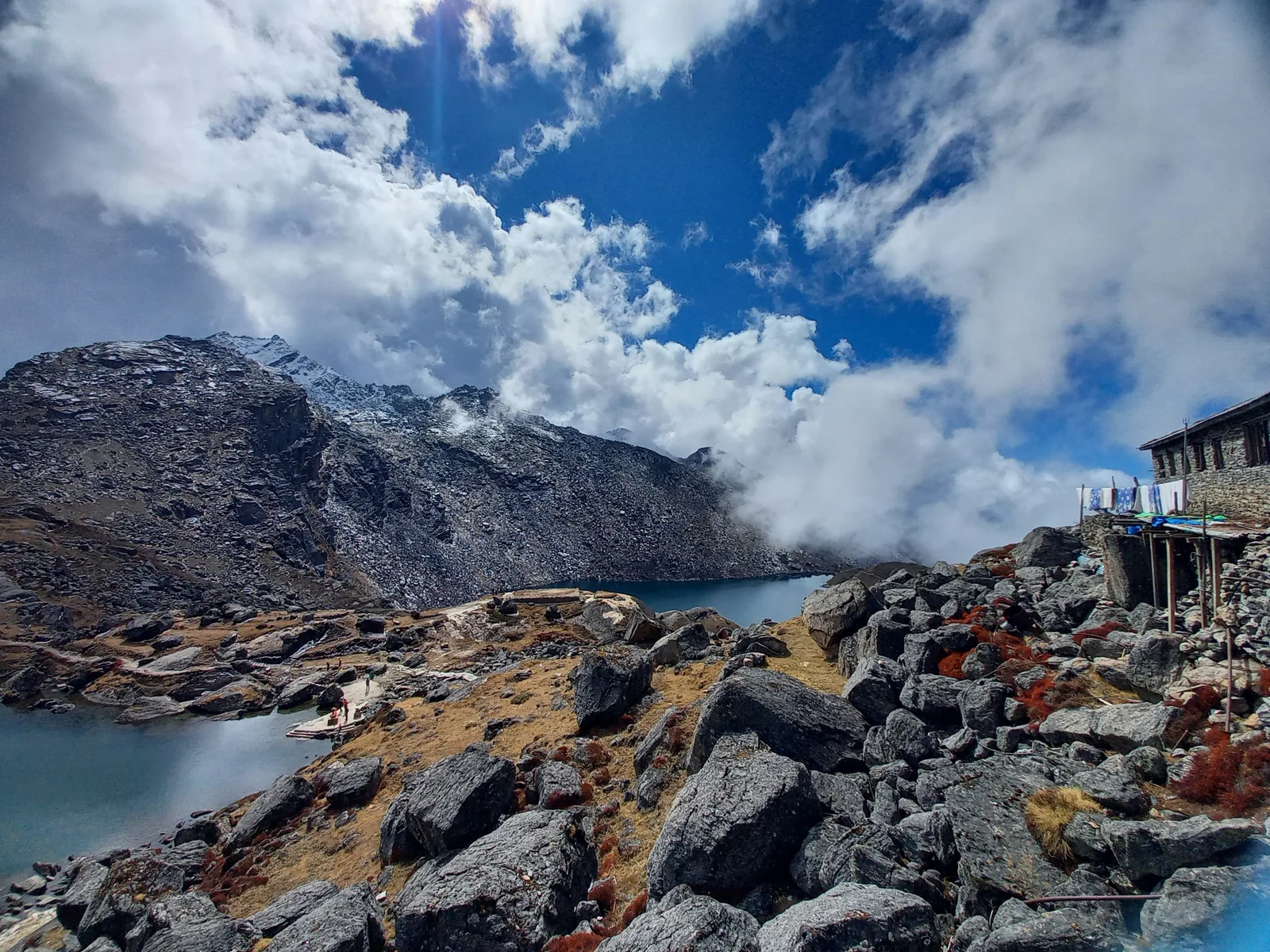
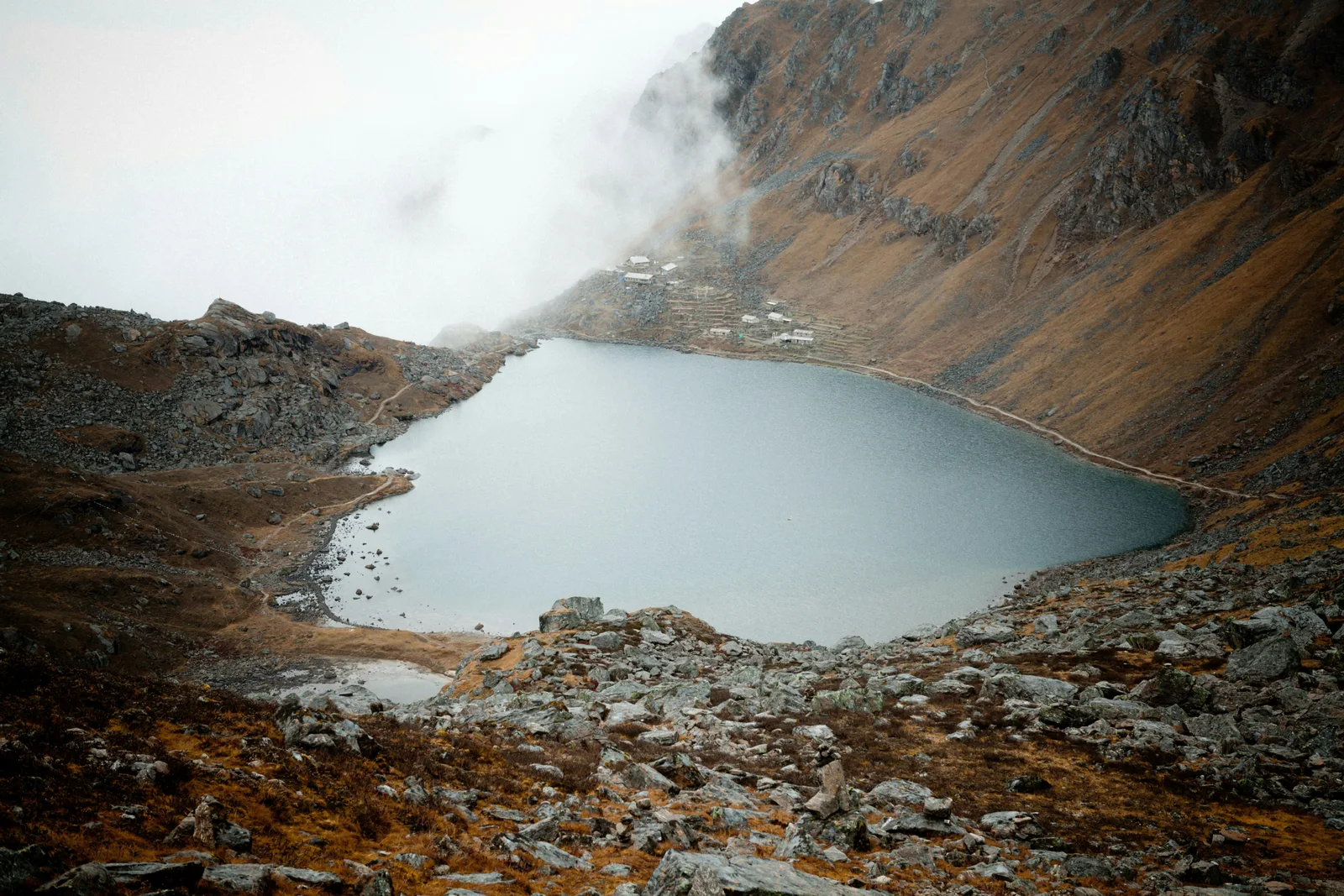
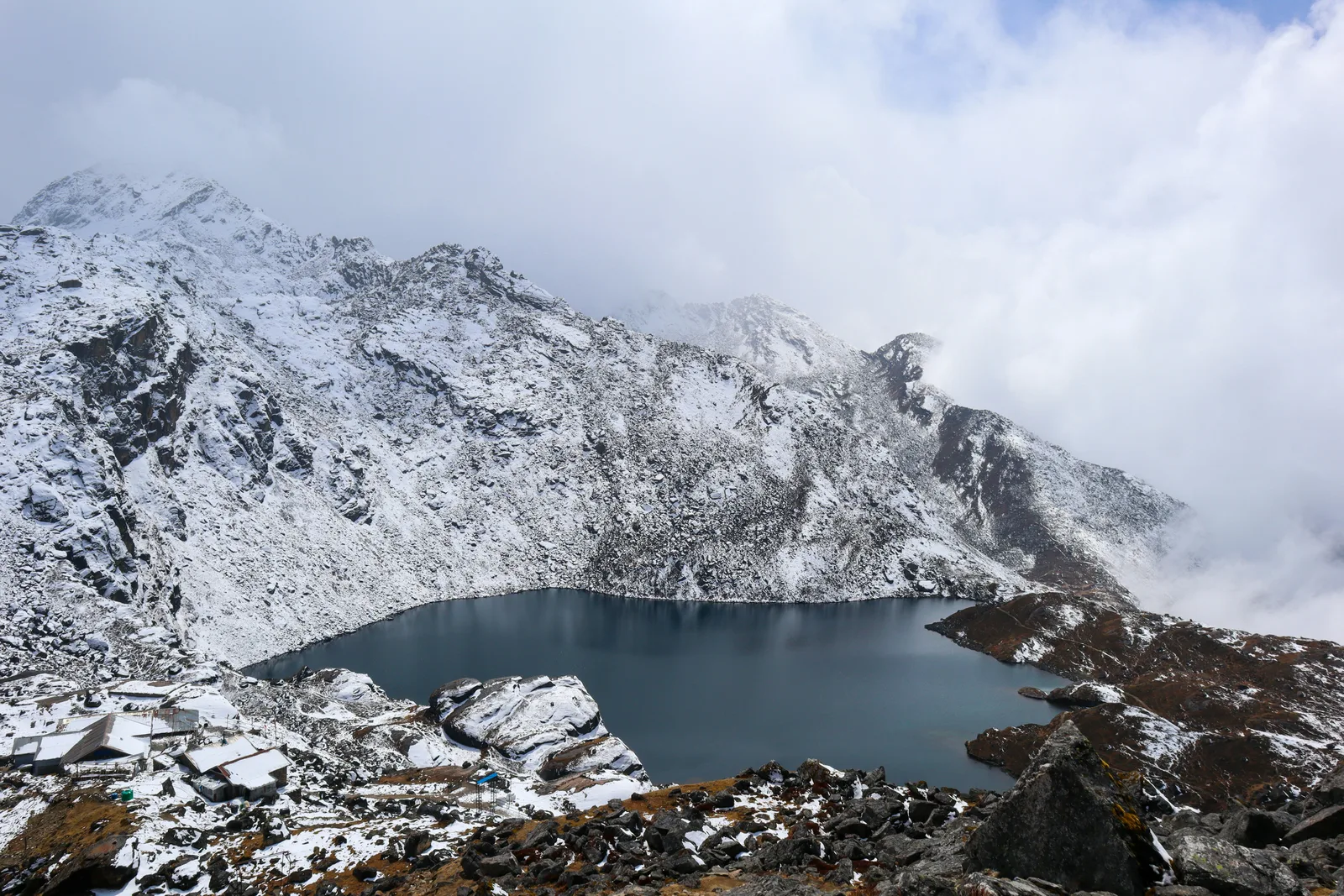
This is the most demanding day of the trek, and also the most rewarding. You leave the tree line behind and enter the alpine zone, where the landscape opens into sweeping vistas of high-altitude meadows and distant snow peaks. The trail passes through Lauribina, a rest stop with panoramic views of the Langtang range, Annapurna, and Manaslu on clear days. From Lauribina, the final ascent to Gosaikunda is steep and the air is thin, but the first glimpse of the sacred lake, a shimmering turquoise jewel set in a rocky amphitheatre, makes every step worthwhile. After settling into your teahouse near the lake, you rest and hydrate. As the sun begins to set, you gather for the most extraordinary yoga session of the retreat: a gentle practice on the shores of Gosaikunda itself. The session is slow and meditative, with an emphasis on pranayama and seated postures that honor the altitude and the sacredness of the place. As you sit in meditation, the lake reflects the alpenglow on the surrounding peaks, and the silence is so complete that you can hear your own heartbeat. This is the heart of the retreat: the union of pilgrimage and practice, body and spirit, self and the infinite.
Day 4: Gosaikunda Exploration and Descent to Chandanbari | Morning Yoga and Trek
You wake before dawn for a sunrise yoga session by the lake. The practice is gentle and restorative, with sun salutations adapted for the altitude, followed by a long, guided meditation as the first light touches the peaks. After breakfast, you have time to explore the lake and its surroundings. You can walk around the perimeter, visit the smaller sacred lakes of Saraswatikunda and Bhairabkunda, or simply sit in silence and absorb the profound peace of the place. Many participants choose to take a ritual dip in the lake's icy waters, following the pilgrim tradition of spiritual cleansing. In the early afternoon, you begin the descent, retracing your steps through Lauribina and back down to Chandanbari. The evening yoga session focuses on gratitude and integration, helping you to process the experiences of the past two days and to carry the stillness of Gosaikunda with you as you descend.
Day 5: Chandanbari to Dhunche and Drive to Kathmandu | Closing Practice
The final morning begins with a closing yoga session at Chandanbari, a practice designed to seal the retreat and prepare you for the return to everyday life. The session includes gentle asanas, pranayama, and a guided meditation that helps you to anchor the insights and stillness you have cultivated over the past five days. After breakfast, you make the final descent through the rhododendron forests to Dhunche, where your vehicle waits to take you back to Kathmandu. The drive is a time for reflection, and many participants find that the journey back feels different from the journey out: the mountains are no longer just scenery; they are a part of you. You arrive in Kathmandu by evening, carrying with you not just memories of sacred waters and mountain silence, but a set of practices and a quality of awareness that you can bring into your daily life.
The Yoga Practice: What to Expect
The yoga sessions on this retreat are designed to be accessible to practitioners of all levels, from complete beginners to experienced yogis. The style is Hatha-based, with an emphasis on gentle, mindful movement rather than vigorous flow. At high altitude, the body requires a different approach: the air is thinner, the heart works harder, and the muscles need more time to warm up and recover. Our instructors are trained in high-altitude yoga and adapt each session to the conditions, the energy of the group, and the demands of the day's trekking. A typical session lasts 60 to 75 minutes and includes pranayama (breathing exercises), a sequence of standing and seated asanas, and a guided meditation or yoga nidra (yogic sleep) to close.
The pranayama practices are particularly valuable at altitude. Techniques such as Nadi Shodhana (alternate nostril breathing) and Ujjayi (ocean breath) help to regulate the nervous system, increase oxygen uptake, and maintain a calm, focused mind on the trail. Many trekkers find that these breathing techniques become their most useful tool, not just on the mat but on the steepest sections of the ascent. The asana practice emphasizes postures that release the hips, hamstrings, and lower back, the areas most affected by trekking, as well as gentle chest openers that support deeper breathing. The meditation sessions draw on mindfulness and loving-kindness traditions, and are often held in silence, with the natural sounds of the mountains, wind, birdsong, and distant waterfalls, as the only accompaniment.
The Spiritual Landscape of Gosaikunda
Gosaikunda is not merely a beautiful lake; it is one of the most sacred sites in the Hindu and Buddhist traditions of the Himalayas. The mythology that surrounds it is rich and deeply woven into the cultural fabric of Nepal. According to the Puranas, during the cosmic churning of the ocean, the Samudra Manthan, a deadly poison called Halahala emerged that threatened to destroy all creation. Lord Shiva, in an act of supreme compassion, drank the poison and held it in his throat, which turned blue, giving him the name Neelkanth. The burning sensation was unbearable, and in his agony, he struck the mountain with his trident. From that wound, cool, pure water gushed forth, forming Gosaikunda and the 108 holy lakes that surround it. The number 108 is sacred in both Hinduism and Buddhism, representing the 108 beads of a mala, the 108 Upanishads, and the 108 earthly desires that must be transcended on the path to liberation.
For the yoga practitioner, this mythology carries a deeper resonance. The story of Shiva drinking the poison and transforming it through the cooling waters of Gosaikunda is a metaphor for the yogic path itself: we encounter the poisons of life, stress, anxiety, attachment, and aversion, and through practice, we learn to hold them without being consumed by them, transforming them into sources of wisdom and compassion. The lake, still and clear at 4,380 meters, becomes a mirror for the mind. When the winds of thought subside, the surface becomes calm, and the depths become visible. This is the essence of meditation, and there are few places on earth where it can be experienced as directly as on the shores of Gosaikunda.
Flora, Fauna, and the Langtang Ecosystem
The trail to Gosaikunda passes through several distinct ecological zones, each with its own character and inhabitants. The lower elevations, around Dhunche and the early ascent, are covered in dense forests of oak, maple, pine, and rhododendron. In spring, the rhododendron bloom is a spectacle of color, with over a dozen species flowering in shades of red, pink, and white. The understory is thick with ferns, mosses, and wild orchids, and the air is filled with birdsong. Langtang National Park, established in 1976, protects a remarkable range of wildlife, including the elusive red panda, the Himalayan tahr, and the Himalayan black bear. Birdwatchers will be delighted by the park's 250-plus species, including the colorful Himalayan monal, Nepal's national bird, the lammergeier, golden eagles, and numerous species of pheasants and laughing thrushes.
As you climb above the tree line, the landscape transforms dramatically. The forests give way to alpine meadows, which in summer are carpeted with wildflowers, edelweiss, gentians, and saxifrages. Higher still, the vegetation becomes sparse, limited to hardy grasses and lichens that cling to the rocks. The wildlife changes too: snow partridges, alpine choughs, and Himalayan griffons replace the forest birds, and the silence deepens. This transition from the lush, vibrant lower slopes to the stark, elemental beauty of the high alpine zone is one of the great pleasures of the trek, and it mirrors the inward journey of the retreat: from the busy, colorful world of everyday consciousness to the clear, silent space of meditation.
Best Time for the Yoga Trek
The Gosaikunda Sacred Lakes Trek with Yoga Retreat is best undertaken during spring (March to May) and autumn (September to November). Spring offers the rhododendron bloom, mild temperatures, and a sense of renewal that aligns beautifully with the retreat's themes of growth and awakening. Autumn delivers the clearest skies of the year, with crisp, cool air that is ideal for both trekking and yoga practice. The Janai Purnima festival in August is a culturally rich time to visit, when thousands of pilgrims make the ascent to bathe in the sacred lake, though the trail is crowded and the weather can be unpredictable. Winter (December to February) brings snow and sub-zero temperatures at Gosaikunda, and while winter trekking is possible for the well-equipped, the yoga sessions would need to be held indoors, and some teahouses at higher elevations may close. The monsoon months (June to August) bring heavy rain and leeches on the lower sections, though the high-altitude sections can still be trekked by experienced hikers.
What's Included and Practical Information
This 5-day package includes everything you need for a safe, comfortable, and deeply nourishing experience. Round-trip private transportation between Kathmandu and Dhunche is provided, along with all necessary trekking permits, including the Langtang National Park entry permit and the TIMS card. You will be accompanied by an experienced, English-speaking trekking guide and a dedicated yoga instructor who will lead daily sessions tailored to the altitude and the group's energy. A porter is included to carry your main luggage, leaving you free to walk with just a daypack. Accommodation is in teahouses along the route, which are simple but comfortable, offering warm meals, hot drinks, and a convivial atmosphere. All yoga and meditation sessions are included, and yoga mats are provided, though you are welcome to bring your own if you prefer. Meals are not included in the package price, allowing you the flexibility to order what you like from the teahouse menus.
You should bring sturdy trekking boots, warm layers (temperatures at Gosaikunda can drop below freezing even in spring and autumn), a good sleeping bag, sun protection, and a reusable water bottle with purification tablets or a filter. Comfortable clothing for yoga is essential; layers that can be added or removed as the temperature changes are ideal. Altitude sickness is a real risk above 3,000 meters, and while the gradual ascent profile minimizes the danger, it is essential to stay hydrated, walk slowly, and communicate any symptoms to your guide immediately. Our guides are trained in altitude first aid and carry emergency supplies. Travel insurance that covers high-altitude trekking and helicopter evacuation is mandatory for all participants.
Related Treks and Spiritual Journeys
The Gosaikunda Sacred Lakes Trek with Yoga Retreat is part of a broader collection of spiritual and wellness experiences offered by Enticing Himalayas. If you are drawn to the combination of trekking and inner practice, you may also be interested in the Gosaikunda Lake Trek, which follows the same pilgrim trail without the yoga component, for those who prefer a more traditional trekking experience. For a longer immersion, the Langtang Gosaikunda Trek combines the sacred lake with the stunning Langtang Valley, one of the most beautiful alpine valleys in Nepal. Our Spiritual Tour in Nepal guide covers the full spectrum of sacred sites across the country, from Lumbini to Muktinath. For those interested in the broader context of cultural and spiritual travel in Nepal, our comprehensive guides, Cultural and Spiritual Tours in Nepal: The Complete 2026 Guide and Best Trekking Agency in Nepal in 2026, provide essential reading for planning your Himalayan journey.
Frequently Asked Questions
Do I need prior yoga experience for this retreat?
No prior yoga experience is required. The sessions are designed to be accessible to complete beginners as well as experienced practitioners. The style is gentle Hatha-based yoga, with an emphasis on mindful movement, breath awareness, and meditation rather than advanced postures. Our instructors adapt each session to the group's level and the altitude, ensuring that everyone can participate comfortably and benefit fully from the practice.
How does the yoga practice adapt to high altitude?
At high altitude, the body requires a gentler approach. Our instructors are trained in high-altitude yoga and adapt each session accordingly. Practices are slower, with longer holds and more emphasis on pranayama (breathing exercises) than vigorous flow. Inversions and strenuous sequences are avoided at the highest elevations. The focus shifts to restorative postures, seated meditation, and breathing techniques that support acclimatization and help manage the thinner air.
What is the difficulty level of the trek itself?
The trek is rated as moderate. Daily walking distances range from 5 to 7 hours on well-established trails. The main challenge is the altitude, as you sleep at 4,380 meters on the third night. A reasonable level of fitness is required, including the ability to walk uphill for several hours. The yoga sessions help with recovery and acclimatization, and the gradual ascent profile with rest days built in makes this trek accessible to most active travelers.
Are yoga mats and equipment provided?
Yes, yoga mats are provided for all sessions. You are welcome to bring your own mat if you have a preferred one, though keep in mind that you will need to carry it or have your porter carry it. We recommend bringing comfortable, layered clothing suitable for yoga practice in varying temperatures, as sessions may be held outdoors with mountain views or indoors in the teahouses depending on weather conditions.
What is the best season for the yoga trek?
Spring (March to May) and autumn (September to November) are the ideal seasons. Spring offers blooming rhododendrons and mild weather, aligning beautifully with the retreat's themes of renewal. Autumn delivers the clearest skies and crisp, cool air perfect for both trekking and yoga. The Janai Purnima festival in August is culturally rich but crowded. Winter brings snow and cold, making outdoor yoga challenging, while monsoon months bring rain to the lower trail sections.
Can I extend this retreat with other treks or experiences?
Yes, the Gosaikunda trail connects to the broader Langtang trekking network. Popular extensions include the Langtang Gosaikunda Trek, which adds the stunning Langtang Valley and Kyanjin Gompa, or crossing the Laurebina Pass to the Helambu region. You can also combine this retreat with cultural tours in Kathmandu Valley or a jungle safari in Chitwan National Park. Our team can customize any itinerary to match your interests and available time.
About Enticing Himalayas

Enticing Himalayas is a premier trekking and tour operator based in Kathmandu, Nepal, dedicated to creating transformative Himalayan experiences. Our mission, "Explore, Heal, Thrive," reflects our belief that travel in the Himalayas is not just about reaching a destination; it is about inner discovery, cultural connection, and personal growth. We specialize in curated treks, cultural tours, spiritual journeys, and wellness retreats across Nepal, from the high passes of the Everest and Annapurna regions to the sacred lakes of Langtang and the jungles of Chitwan.
Our Services
- Trekking and peak climbing expeditions across all major Himalayan regions
- Cultural and heritage tours of Kathmandu Valley, Lumbini, and beyond
- Spiritual pilgrimage treks to Gosaikunda, Muktinath, and other sacred sites
- Wellness and yoga retreats in mountain settings
- Jungle safaris in Chitwan and Bardiya National Parks
- Customized private itineraries tailored to your interests and schedule
- Helicopter tours and luxury travel experiences
- 24/7 in-country support and experienced, licensed guides
Our Accreditations


Enticing Himalayas is a licensed trekking and tour operator registered with the Nepal Tourism Board and the Trekking Agencies' Association of Nepal (TAAN). We are also a proud partner of GetYourGuide, offering verified, bookable experiences to travelers worldwide.
About the Author
This guide was written by the Enticing Himalayas content team, drawing on decades of combined experience trekking, guiding, and teaching yoga in the Nepal Himalayas. Our writers have walked every trail we describe, practiced yoga on the shores of Gosaikunda, meditated in the monasteries of Langtang, and shared countless cups of tea with the Tamang and Sherpa families who call these mountains home. We write from direct experience, not from a desk, and every recommendation in this guide has been tested on the trail and on the mat.
Why Trust Enticing Himalayas
With years of operation in the Nepal tourism sector, Enticing Himalayas has earned a reputation for reliability, safety, and authentic experiences. Our guides are locally trained, licensed, and deeply knowledgeable about the regions they lead. Our yoga instructors are certified and experienced in high-altitude practice. We maintain small group sizes to ensure personalized attention and minimize environmental impact. Our pricing is transparent, with no hidden fees, and our cancellation policies are among the most flexible in the industry. When you trek and practice with us, you are not just a client; you are a guest in our mountain home, and we take that responsibility seriously. Read more about our approach in our comprehensive guides: Cultural and Spiritual Tours in Nepal: The Complete 2026 Guide and Best Trekking Agency in Nepal in 2026.
Highlights
- Holy Gosaikunda Lake (4,380 m) — Shiva's sacred alpine lake and Janai Purnima gathering
- Daily yoga and meditation sessions with mountain instructors
- Sing Gompa monastery and the Chandanbari cheese factory visit
- Laurel and rhododendron forests of Langtang National Park
- Digital-detox nights under the Himalayan stars
What's Included
Licensed guide and yoga instructor, trekking permits (Langtang National Park + TIMS), teahouse lodging, all meals during trek, and Kathmandu–Dhunche transport.
What's Not Included
Personal yoga mat, travel insurance, and tips.
Detailed Itinerary
Day 1Scenic drive north to Dhunche, gateway of Langtang National Park, then ascend through rhod
Drive north from Kathmandu to Dhunche, the gateway to Langtang National Park. Continue trekking through peaceful forests of rhododendron and oak toward Sing Gompa, also known as Chandanbari. Enjoy the mountain scenery and settle into the quiet Himalayan environment. In the evening, practise gentle meditation and mindful breathing to prepare for the spiritual journey ahead.
Food: Lunch and dinner
Accommodation: Teahouse in Sing Gompa
Day 2Gentle trail to Chandanbari with yoga at altitude, learning breathwork suited to the thin
Continue ascending along mountain trails through alpine vegetation, with panoramic views of the Langtang range on clear days. Take regular breaks to rest, hydrate, and adjust to the increasing altitude. Practise gentle yoga and guided breathing exercises suited to the mountain environment, avoiding strenuous breath retention at altitude. Enjoy a peaceful evening in a local teahouse as you prepare for the sacred Gosaikunda Lakes.
Food: Breakfast, lunch, and dinner
Accommodation: Teahouse in Lauribina
Day 3Climb past laurel and juniper to the sacred lake
Trek uphill through rugged alpine terrain and rocky paths toward Gosaikunda, a sacred high-altitude lake revered by Hindu and Buddhist pilgrims. On arrival, take time to appreciate the dramatic mountain landscape and the spiritual atmosphere surrounding the lake. If conditions and local guidance permit, enjoy a respectful lakeside reflection or short meditation. Keep warm, drink fluids, and allow time to rest at this high elevation.
Food: Breakfast, lunch, and dinner
Accommodation: Basic teahouse near Gosaikunda, subject to seasonal availability
Day 4A rest day for sunrise yoga on the shore, exploration of the surrounding smaller sacred la
Begin the morning with quiet meditation and gentle stretching while enjoying the serene surroundings of Gosaikunda. Explore nearby sacred lakes only if weather, trail conditions, and your guide allow. Learn about the religious significance of the lakes and their place in Himalayan pilgrimage traditions. Keep yoga gentle and optional, as the high altitude can affect energy levels. Spend the rest of the day resting, reflecting, and appreciating the mountain scenery.
Food: Breakfast, lunch, and dinner
Accommodation: Basic teahouse near Gosaikunda, subject to seasonal availability
Day 5Descend through the forest to Dhunche and drive back to Kathmandu, carrying the calm of th
After breakfast, begin the descent toward Dhunche, following the mountain trail through alpine landscapes and forested sections. Take your time on steep or rocky ground and pause for rest as needed. From Dhunche, drive back to Kathmandu, marking the end of your five-day Himalayan pilgrimage and wellness retreat. Carry home memories of the sacred lakes, mountain scenery, and moments of mindful reflection.
Food: Breakfast and lunch
Accommodation: Not included; arrival in Kathmandu
Gallery
1 photo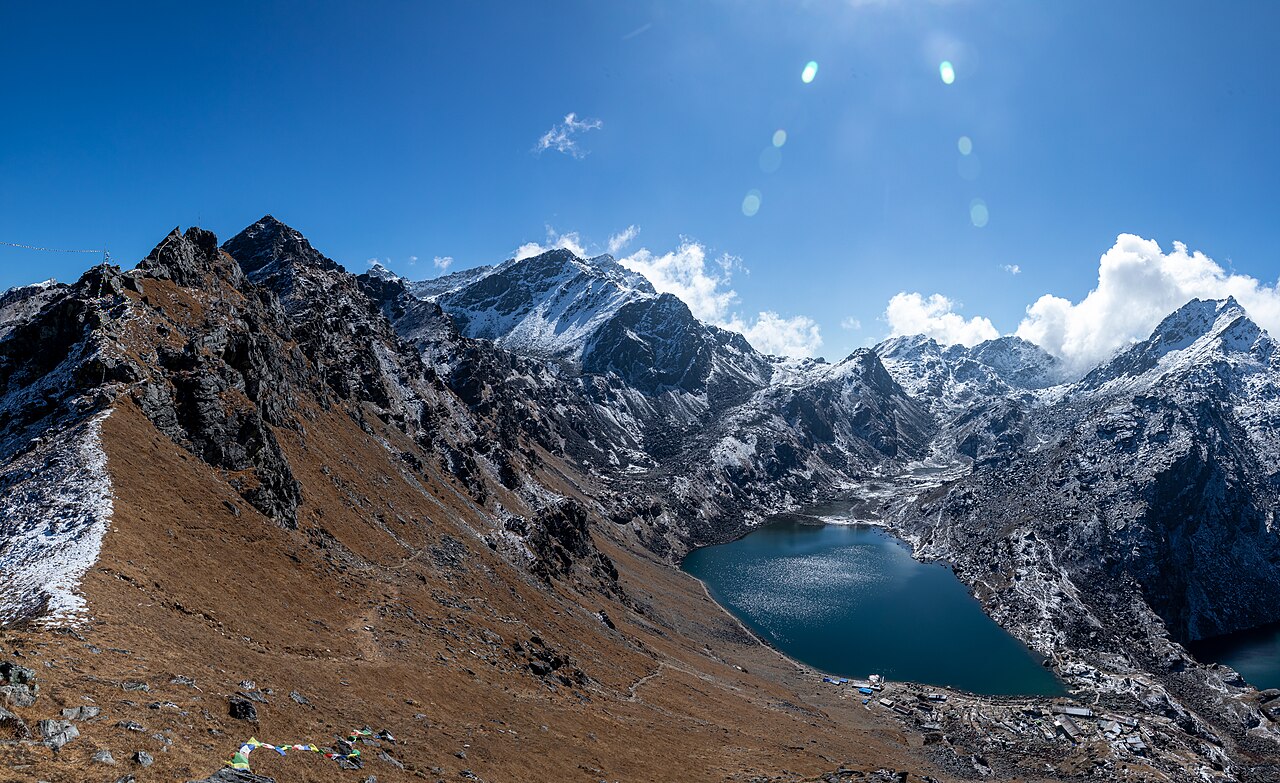
Downloads
4.911 reviews
5
0
4
0
3
0
2
0
1
0
No reviews yet. Be the first to review this tour!
Tour Video
No video available for this tour.
1 option available
Gosaikunda Sacred Lakes Trek & Yoga Retreat (5 Days)
Standard tour package with flexible dates
5 days
Guide: English
Select a date
1
$658
1 Adult × $658
Free cancellation
Cancel up to 24 hours in advance for a full refund
From
$658/person
Booking options
Choose a departure below, or use the availability calendar to select a flexible date. Availability and final pricing are confirmed during booking.